Neuchâtel stands on the shore of its lake, built out of a yellow stone. The stone comes from the quarries at Hauterive nearby, and when the sun is on it the town looks as though it had been carved out of butter; the comparison has been repeated so often that it has become a joke the town tells about itself.
The canton is the heart of Swiss watchmaking. Le Locle and La Chaux-de-Fonds lie in the valley above, and from the nineteenth century into the middle of the twentieth the chronometer trials of the Neuchâtel Observatory defined what precision meant. Whether a watch was good was decided here.
Yet the most astonishing object in the town is not a watch. It is three toys in a museum.
Between 1768 and 1774 Pierre Jaquet-Droz, his son Henri-Louis and their collaborator Jean-Frédéric Leschot built three automata. One plays an organ, one draws, one writes. All three still work and are set going in public one day a month.
The one people talk about is the writer. A figure of a boy made of some six thousand parts dips a goose quill in the ink, shakes off the excess, leans over the paper and writes. His eyes follow the line he is writing and his hand drops to the next line at the end of it.
What matters is not what he writes. The text is determined by a stack of cams behind him. A text of about forty characters is built as a stack of forty cams, and changing the cams makes the boy write something else. The machine is not remembering a text. It is holding a text as a shape, and the shape can be exchanged.
format_quote"The machine is not remembering a text. It holds the text as a shape, and the shape can be exchanged."
Hasan Bekmezci
That is what an intelligent machine looked like in 1774. When a person of the eighteenth century tried to picture a device that thinks, the material at hand was cams, springs and wheels, so he designed the thinking device as a boy who writes.
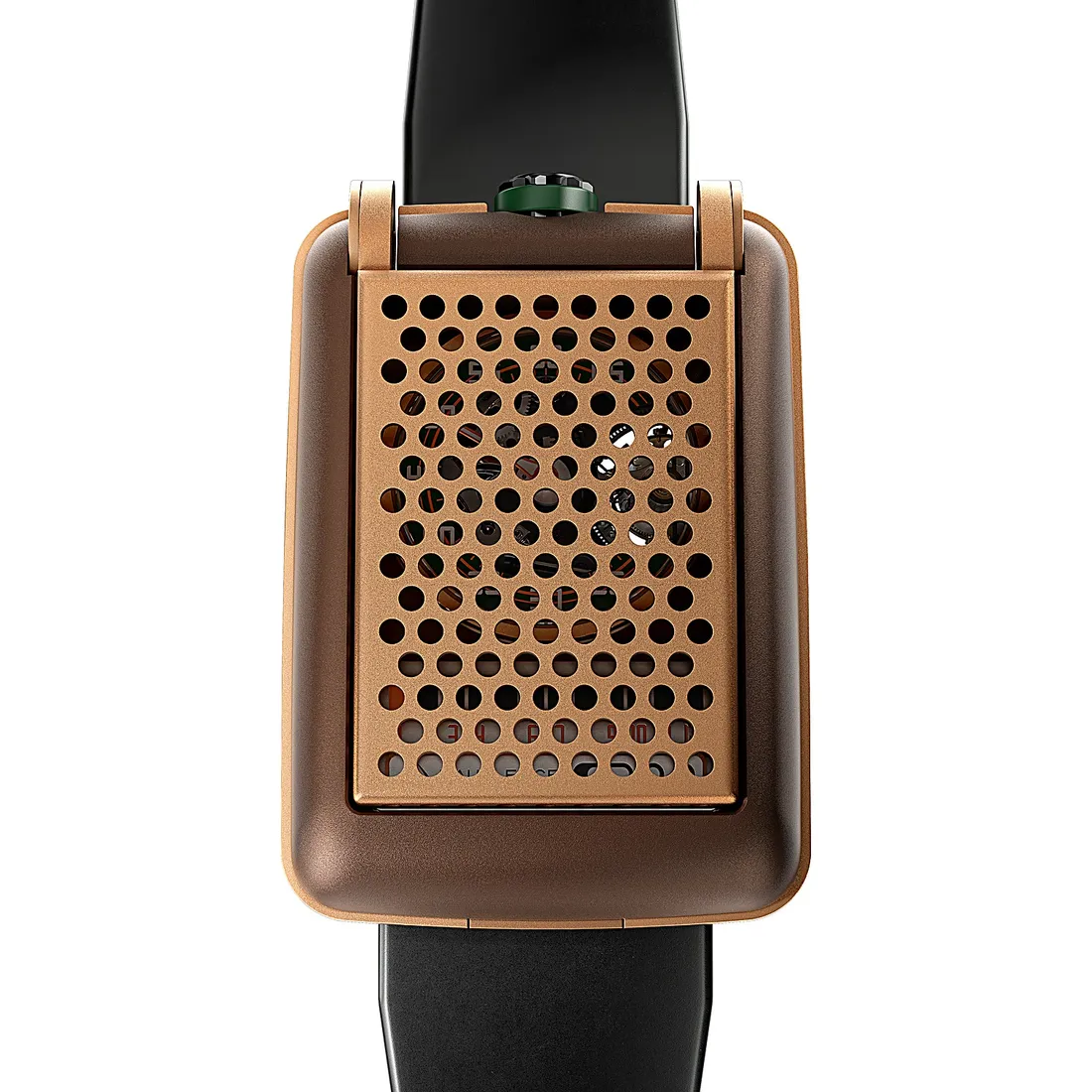
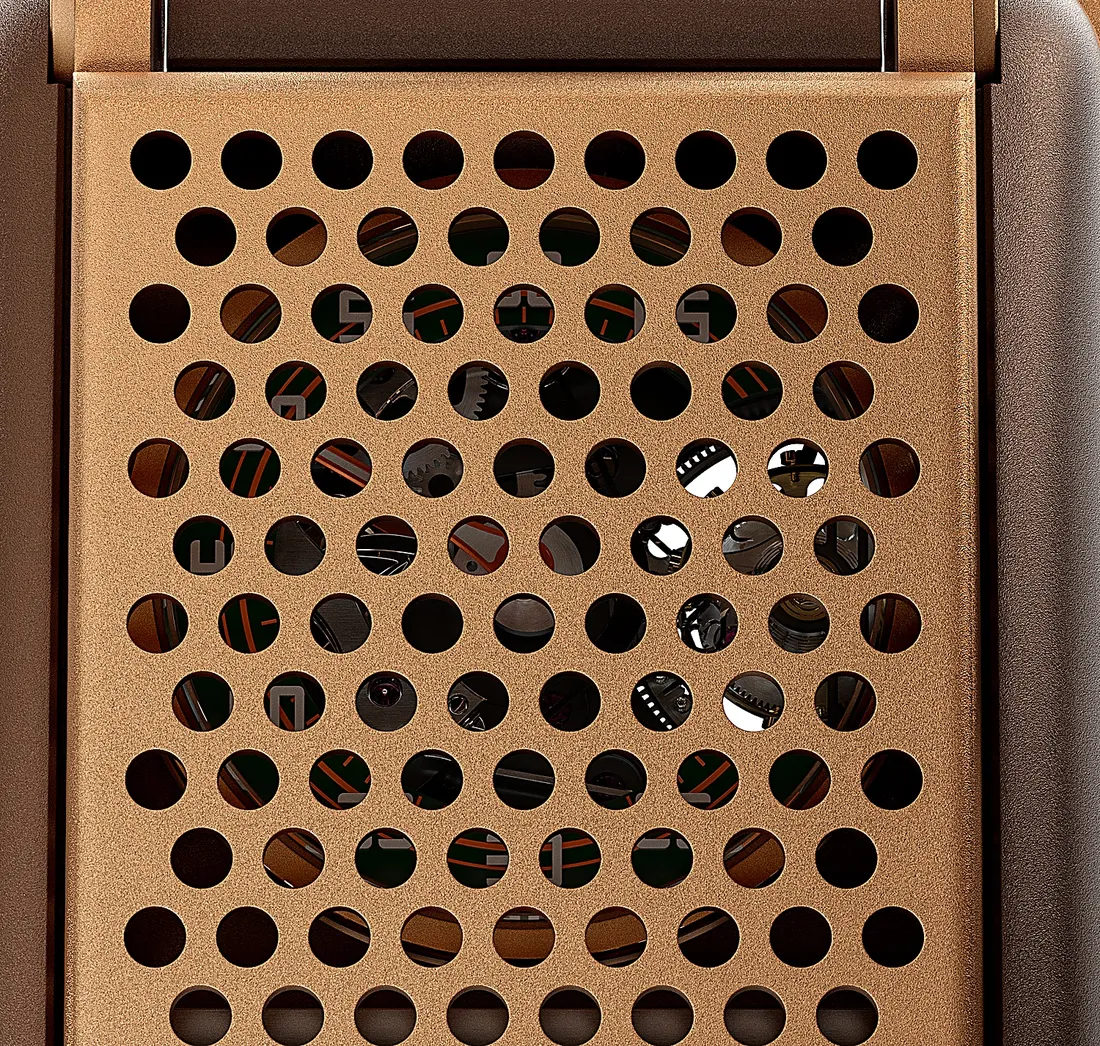
Two centuries later the same exercise was done with entirely different material. The science-fiction television of the nineteen sixties drew the communication device of the future as a small box with a hinged lid. You flipped it open, spoke into the grille, and somebody far away heard you. That box too was made of its own period: transistors, a loudspeaker, a metal grille.
Both were wrong and both turned out right. The writing boy did not think, but it showed that behaviour can be stored as a shape, and it became the ancestor of what we now call a program. The box with a lid was never used on a starship, but it arrived in our pockets, and then lost its lid and turned into a flat sheet of glass.
format_quote"The box with a lid was never used on a starship. It arrived in our pockets, then lost its lid and became a flat sheet of glass."
Hasan Bekmezci
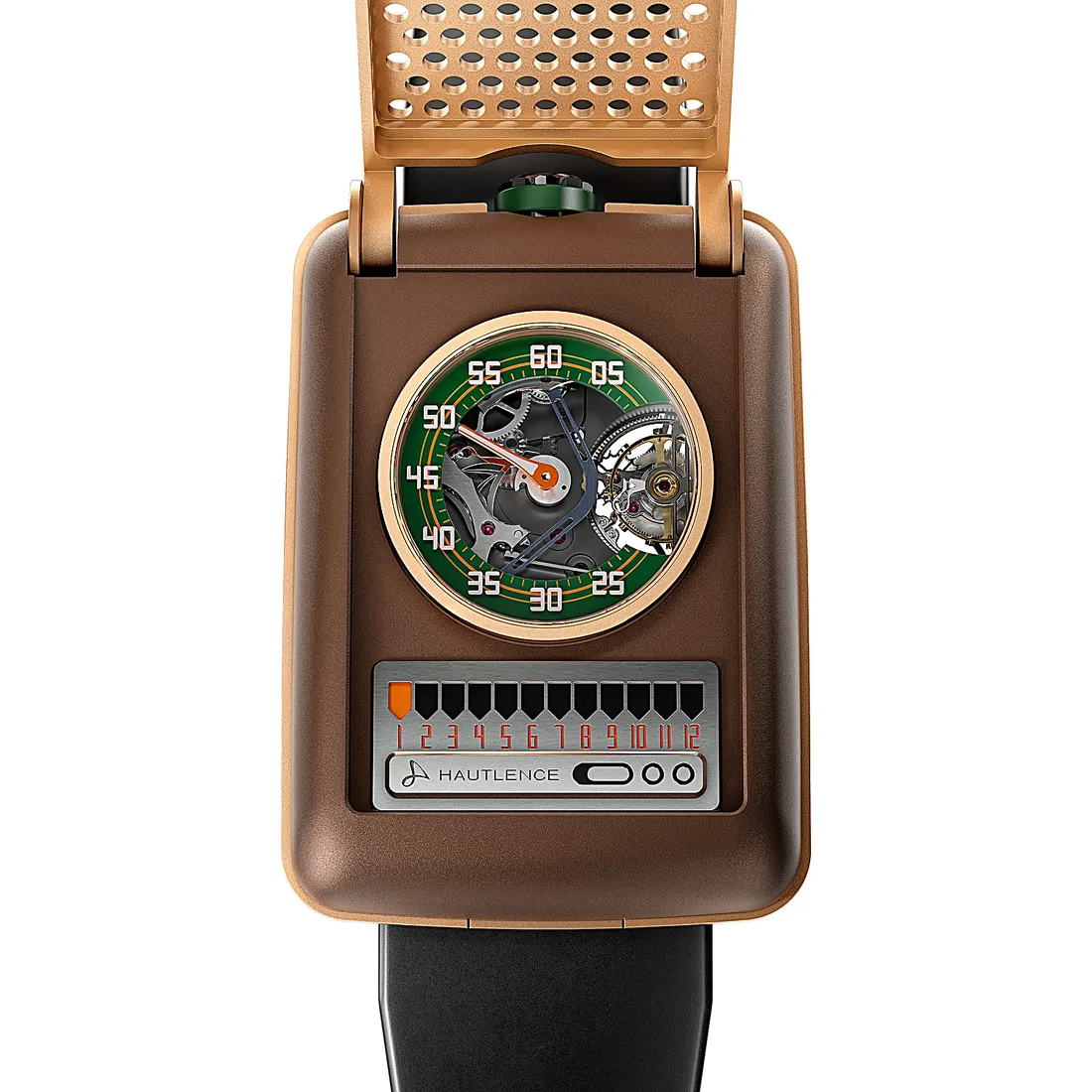
Hautlence is an anagram. Rearrange the letters and you get Neuchâtel.
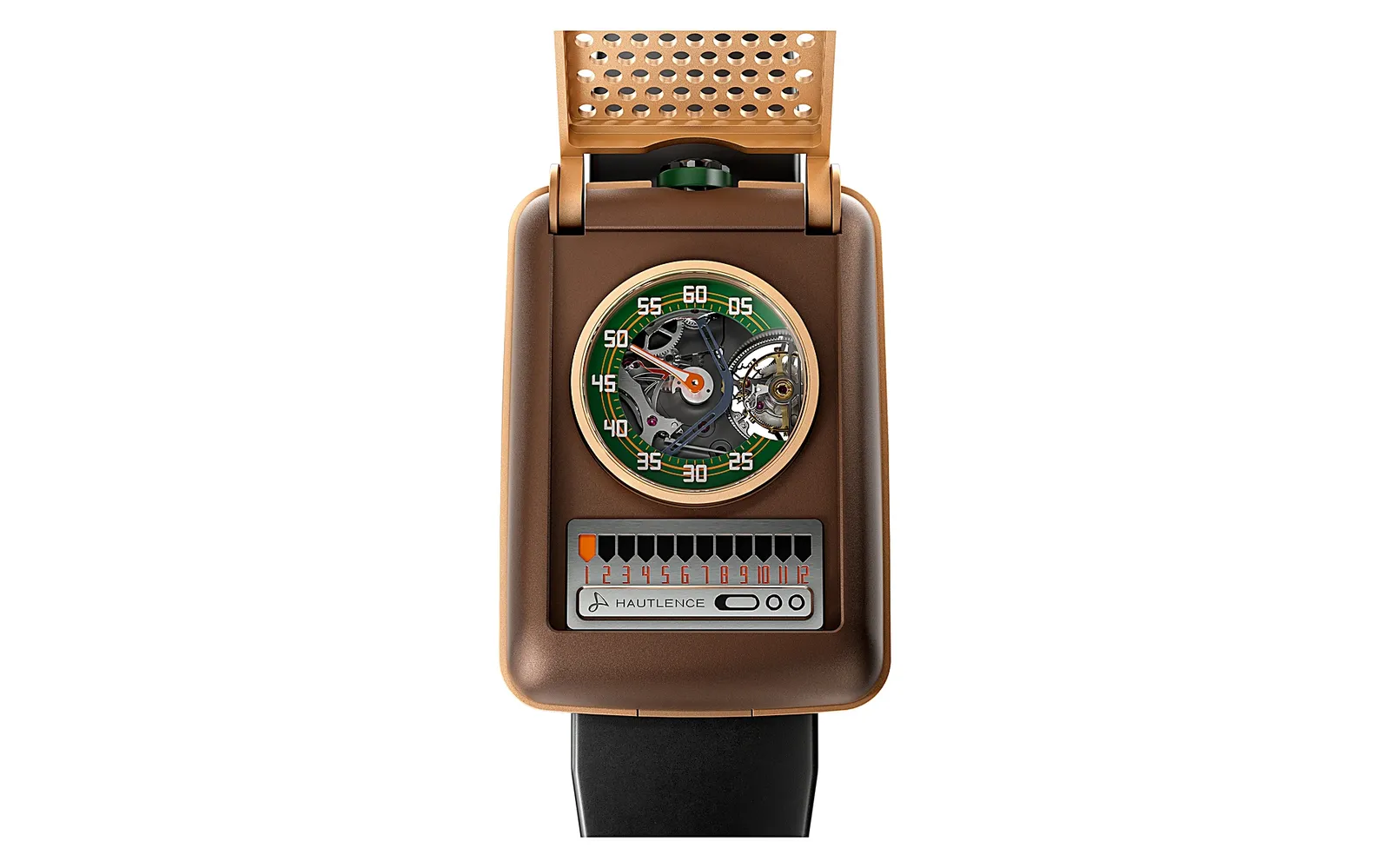
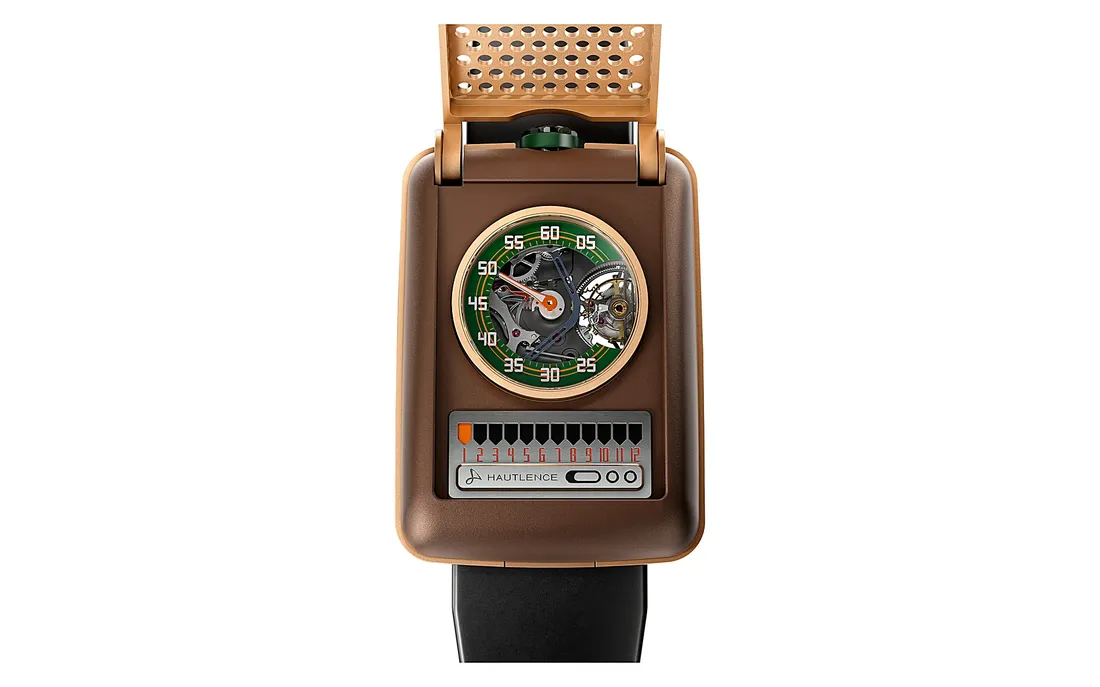
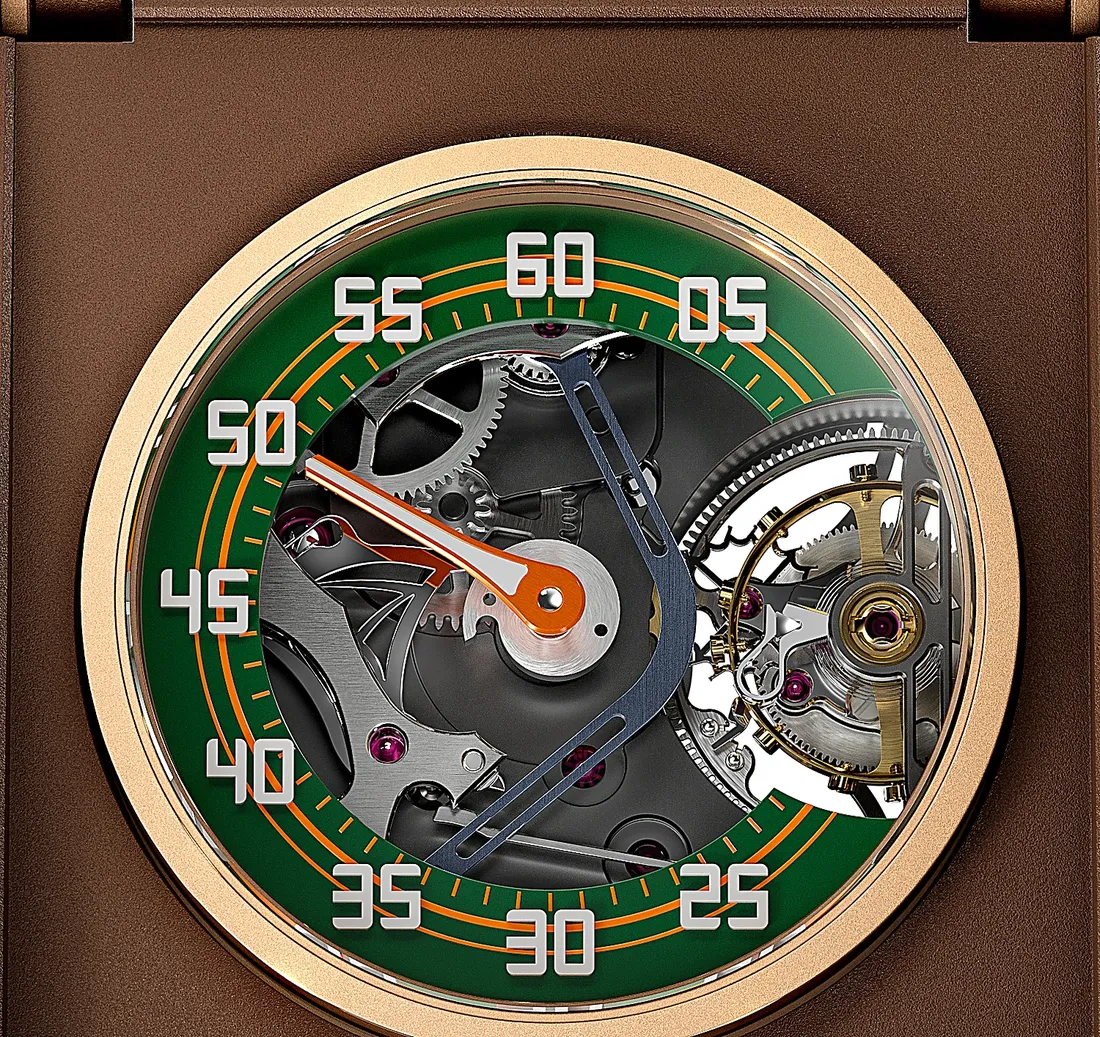
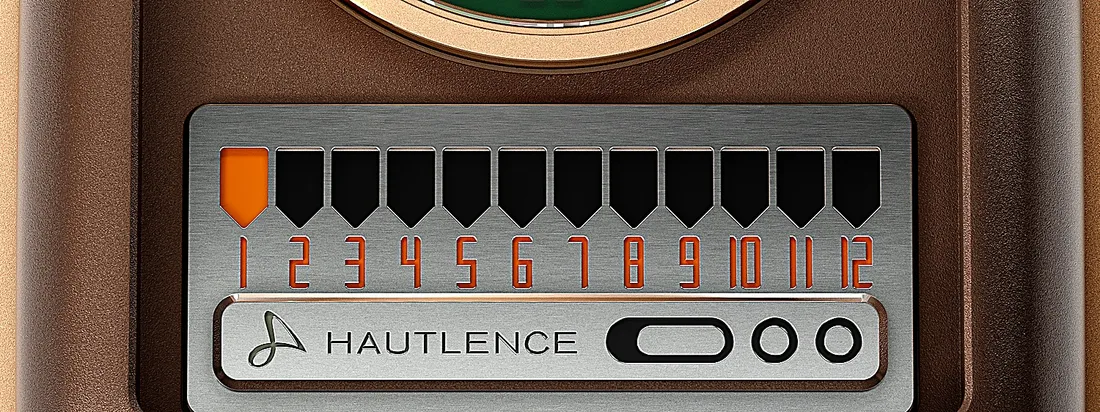
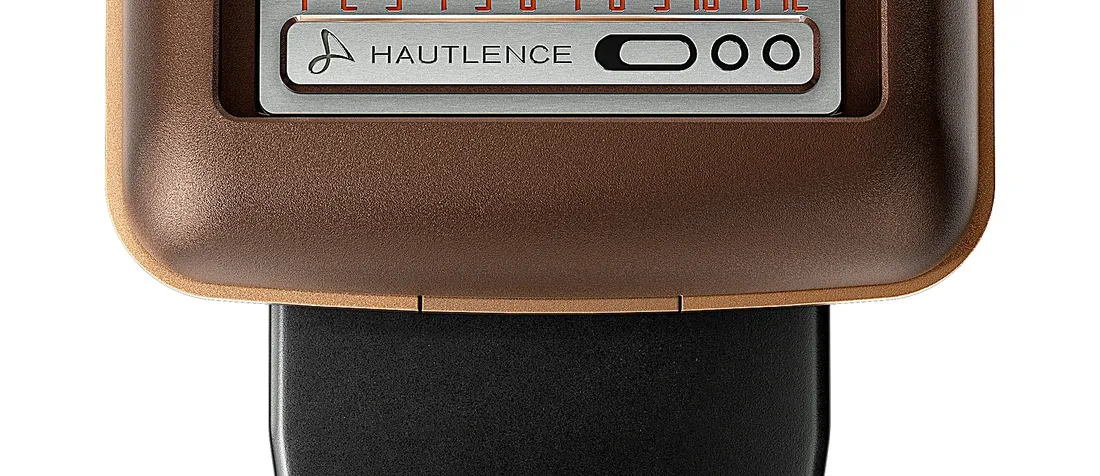
The house shows a concept watch at Watches & Wonders every year, and the piece it showed in 2026 is called RETROVISION ’64. It carries that hinged communication device of the sixties onto the wrist. Lift the lid and two displays appear: a round minute dial above and a linear hour strip with twelve apertures below.
The strip works like the lamps on a console. There is a row of windows, each with a figure beneath it, and the window of the hour you are in glows orange while the rest stay black. On the hour the orange jumps one place. This linear jumping hour was developed together with Agenhor.
Put the museum specialist who sets the automata going once a month next to the watchmaker who assembles this concept, and they would meet at the same point.
The specialist would say: visitors always ask the same question, whether the boy is thinking. He is not. He is holding a shape, and the shape is a stack of cams. The astonishing thing is not that he writes. It is that in 1774 someone saw that behaviour could be stored as a form.
The watchmaker would say: my jumping hour is the same idea. There is nothing clever inside the watch. There is a cam, and the cam holds a single instruction: on the hour, move one place. We have never built a machine that decides. We build machines that remember a decision somebody already made.
format_quote"We have never built a machine that decides. We build machines that remember a decision somebody already made."
Hasan Bekmezci
The figures run as follows. The case measures sixty-one point two millimetres by forty-one point eight and stands fifteen point six millimetres tall; it is grade five titanium finished in 5N and brown PVD. A round sapphire covers the minute dial and a rectangular one the hour strip, both anti-reflective, and the back is sapphire as well. The base dial is nickel silver, the minute dial is lacquered in orange, green and white with Globolight numerals, and the hour strip is set directly into the case with an oxidised surface and orange lacquered figures. The strap is black rubber on a titanium pin buckle.
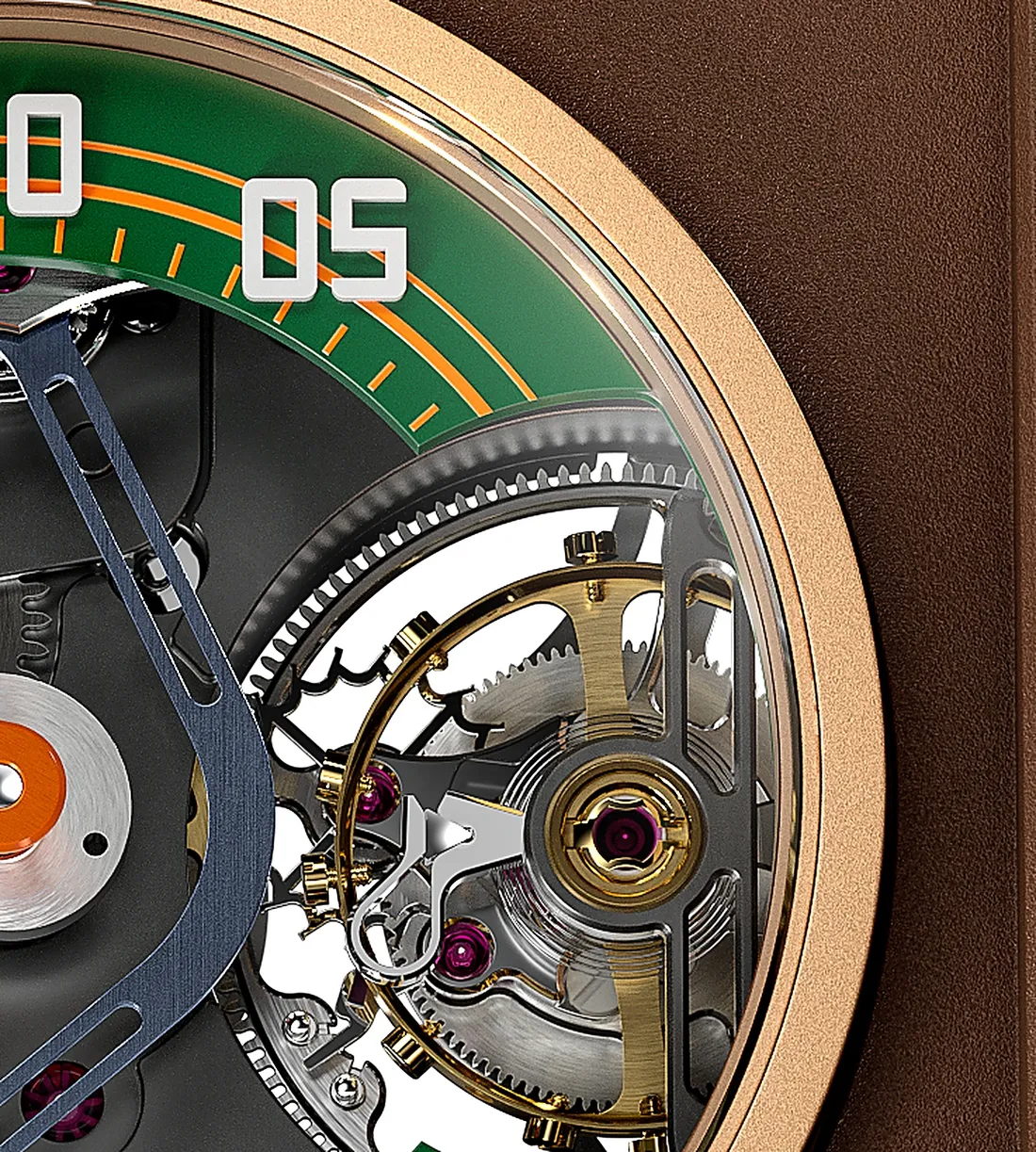
Inside runs the house calibre D50: automatic, with a one-minute flying tourbillon whose balance carries a double hairspring. The hairsprings are made in-house, which few places in the world can do. Assembly is carried out by the watchmakers of H. Moser & Cie. Two hundred and thirty-nine components, three vibrations a second, seventy-two hours of reserve and thirty metres of water resistance. Three pieces will be made, at a hundred and twenty thousand Swiss francs.
Why should a watch look like a toy?
Perhaps that is the wrong question. What Jaquet-Droz built was also a toy; it was shown in salons and it entertained people. That toy is still discussed two hundred and fifty years later because it carried an idea. Seriousness does not come from the weight of the subject but from the soundness of the thought inside it.
The RETROVISION ’64 stands in the same place. Its appearance imitates a childhood memory while the mechanism inside it is serious work. The tourbillon cage turns once a minute, the double hairspring keeps the balance steadier, the hour strip jumps every sixty minutes. From outside you see a joke. Lift the lid and you see engineering.
The thought that follows covers all our predictions about the future.
A person imagining does not begin from nothing. He takes whatever is at hand, enlarges it, combines it and throws it a little forward. That is why the future of the eighteenth century was made of cams, the future of the sixties of transistors, and the future of today of screens. Every one of us is imagining a fresh arrangement of the parts we have seen.
This is not a deficiency but a description. Human creativity is rearrangement, not the raising of a form out of nothing. The cam, the quill, the transistor, the hairspring: all of them were found rather than invented. The Creator brings into being what has no precedent; a person puts what was given into a new order and calls it invention.
Neuchâtel did this twice. Once in 1774, in a town of yellow stone, with a boy who writes. Once in 2026, through a house that took its name from the letters of that town, by strapping the dream of the sixties to a wrist. Two hundred and fifty years lie between them and both say the same thing: when we imagine the future we are describing the present.
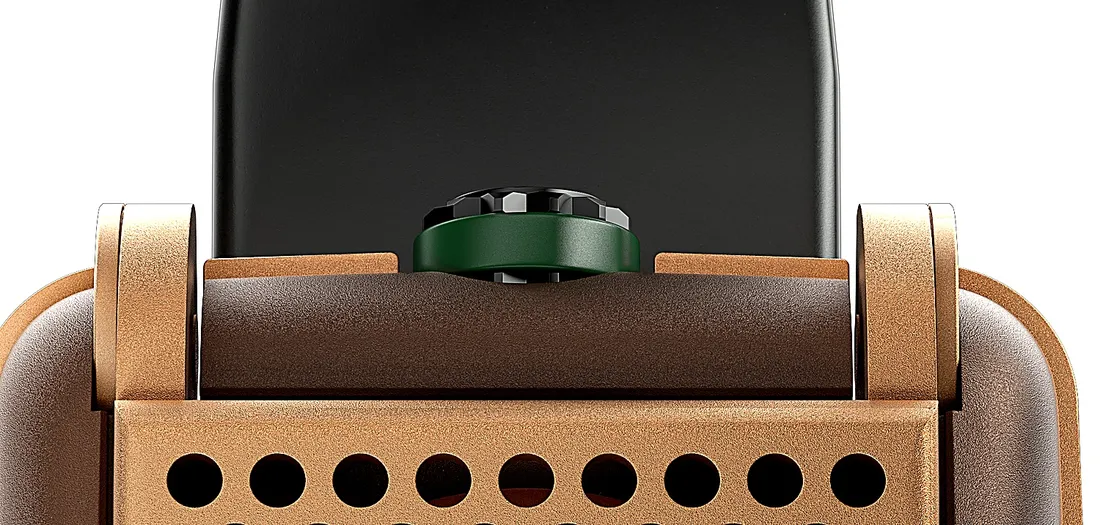
The watch on its maker’s own site: Hautlence, RETROVISION 64