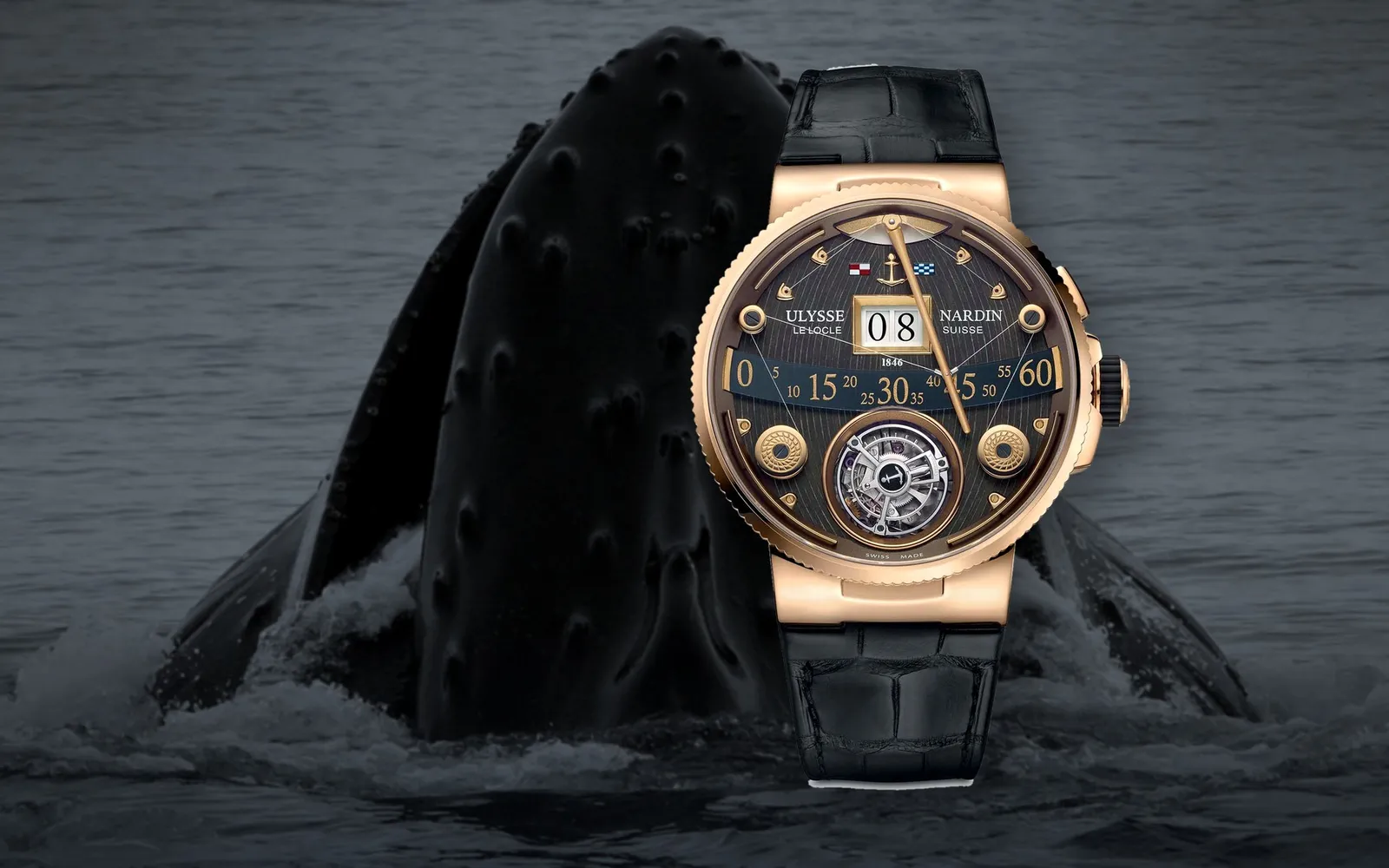
At the sixtieth parallel of the Southern Ocean, in the band of wind sailors call the Screaming Sixties, the chart room of a forty-five metre wooden research galleon flexed by the gale rocked like a cradle under the blows of the waves. At this latitude there is not one piece of land to break the wind; the westerlies circle the planet without ever stopping. The creaking of the deck planks was the interior echo of the enormous hydraulic power outside. While Captain Vane steadied the brass sextant on the chart table, his aide Elias was looking out of the porthole.
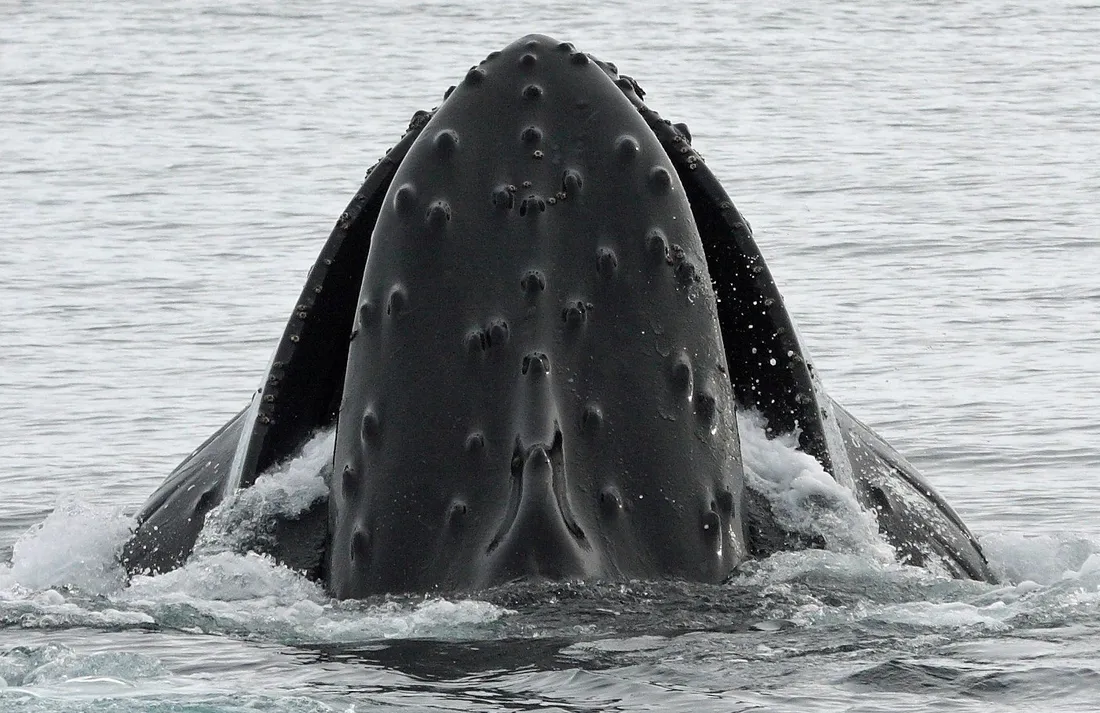
Suddenly, on the surface of the pitch-dark sea, an enormous humpback whale broke the surface and left an immense organic mass in the middle of the deep storm waves. At that instant the surface of the sea glimmered in the lantern light with a gold that ran to red.
“Captain! Look! A giant whale has surfaced in the middle of the ocean, and the sea has suddenly taken on colour. What is happening out there in the middle of this storm?”
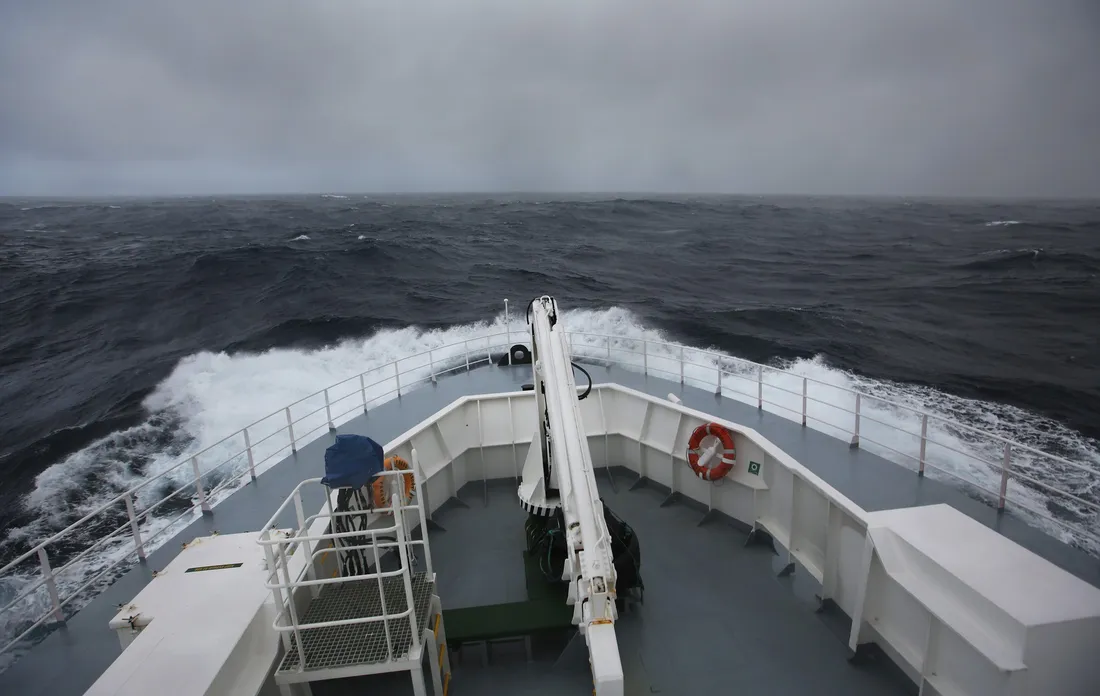
Captain Vane came to the porthole and, watching the red glimmer outside, began to explain:
“Here, Elias, you are witnessing one of the ocean’s greatest invisible miracles: the whale pump. Whales feed in the dark, deep layers of the ocean but must come to the surface to breathe and to void. The organic mass it leaves at the surface is a vast vertical fertiliser lorry running from the sea floor up towards the sunlight. It carries iron, nitrogen and phosphorus. The invisible, minuscule phytoplankton starving at the surface of the ocean fall on this food the whale has brought as though on a banquet. They explode in numbers, photosynthesise and produce roughly half of the oxygen of this planet we breathe. Think of it, Elias: the greatest giant of the ecosystem pumps nutrients from the depths to the surface in order to feed the most microscopic creature there is!”
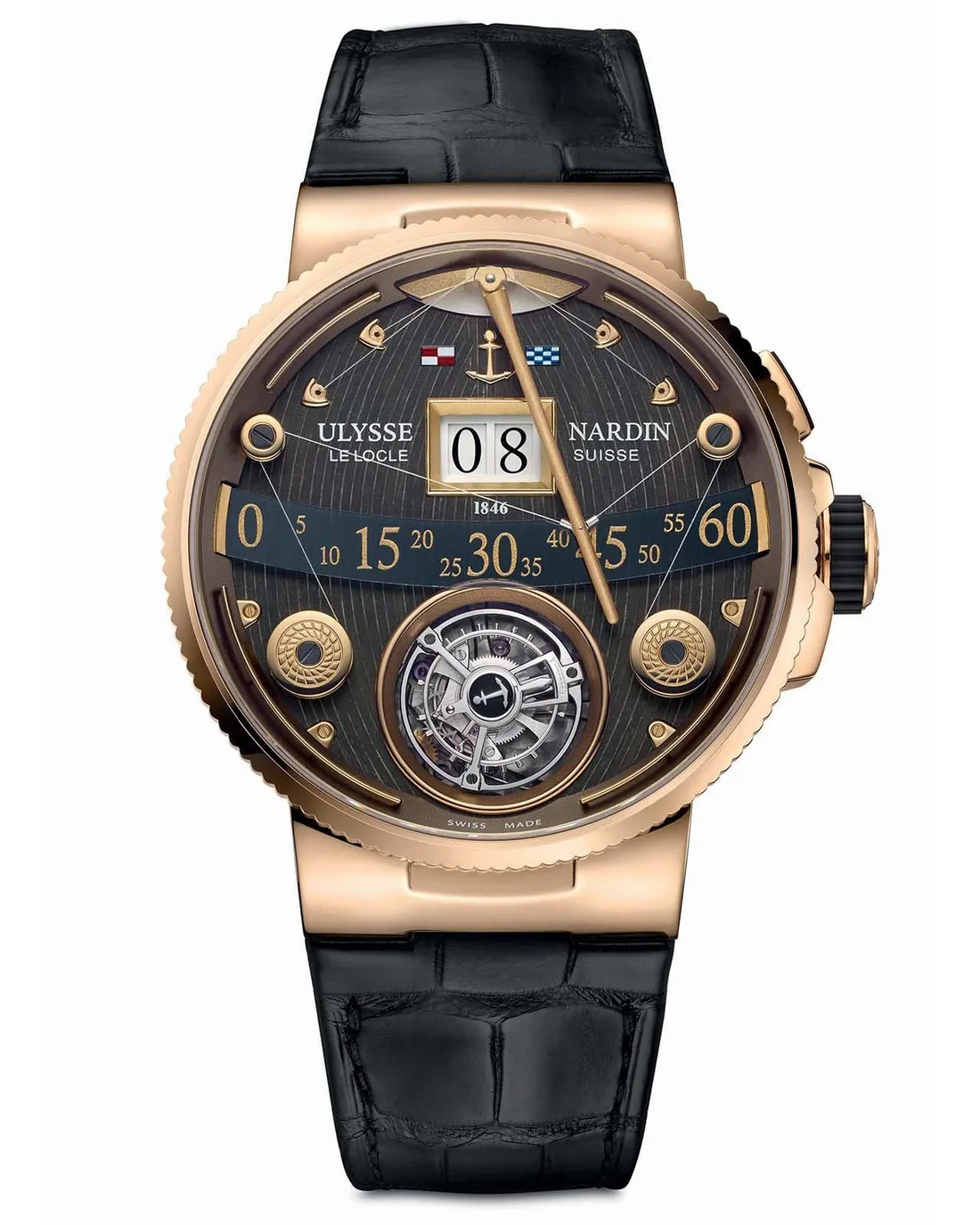
As Captain Vane stretched his hand towards the chart, a bright reflection of gold and wood leapt out from his wrist under the yellow light of the gas lamp. Elias’s eyes went at once to the Ulysse Nardin Grand Deck Marine Tourbillon on the Captain’s wrist. The long hand sliding above the wood marquetry of the dial, and the threads of invisible thinness holding it, caught his attention:
“Captain. I am looking at your watch, and it is exactly like the whale you have been describing. That flying tourbillon at six o’clock and the four hundred and sixty-nine part calibre UN-630 behind it are producing an immense amount of power. But part of that power is spent pulling threads half the thickness of a human hair. If the gold winches did not tighten and release those threads, that boom hand could not advance degree by degree!”
Captain Vane smiled. Pointing at the hand-cut wood marquetry of the dial, he went on:
“Quite right, Elias, but let us correct two figures. Those threads are no ordinary sewing thread; they are polyethylene-based Dyneema nanowires and their thickness is nought point nought three five seven of a millimetre. A human hair is around seventy microns; this cord is thinner than half of that and it carries one kilogram four hundred and ten grams. Compared with a steel wire of the same weight it is roughly fifteen times stronger, which is exactly why it is used in real yacht rigging. And the wood on the dial is not teak; strips of dark, vertically grained oak are cut by hand and laid side by side, with miniature handrails set along the edges. So this dial is not a picture of a deck, it is a deck in miniature.”
format_quote"What the house has done here is not an analogy: they took the material out of a ship’s rigging and put it inside a wristwatch."
Hasan Bekmezci
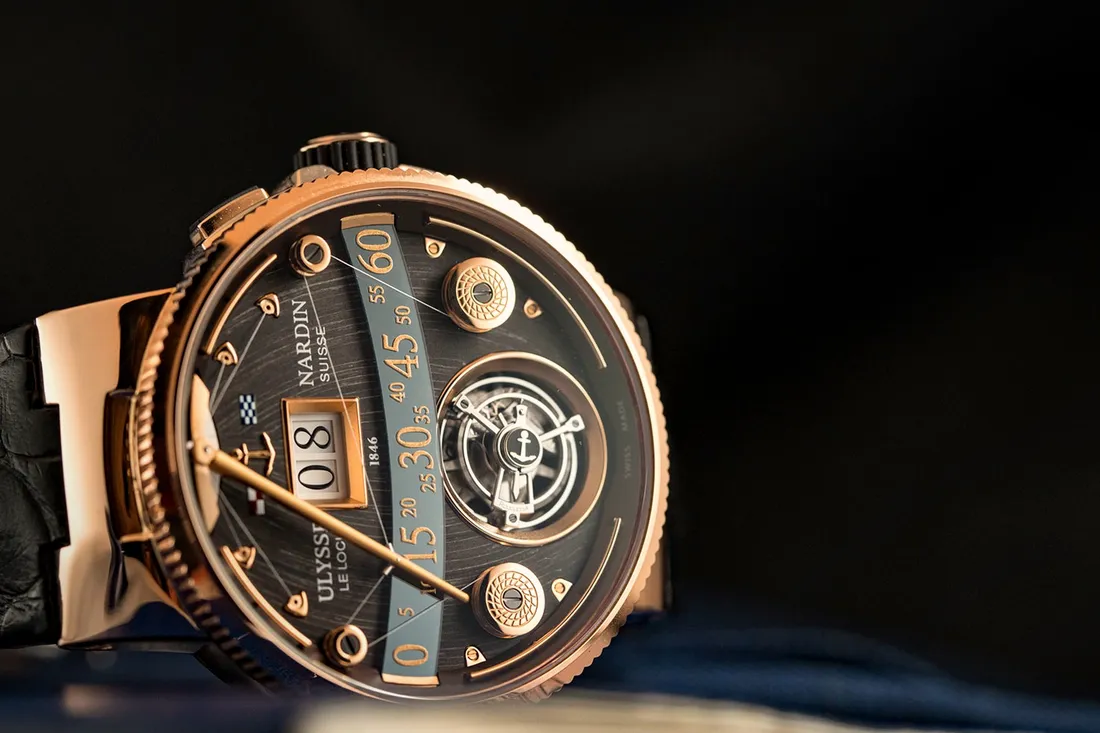
“And why not turn it with a wheel instead of pulling it with a cord?” asked Elias.
“Because the hand does not describe a circle. Look at that arc: it advances along a curve from zero to sixty and returns when it reaches sixty. This is called a retrograde. For it, Ulysse Nardin has put a winch at each of the four corners of the dial, two small ones above and two larger ones below. Inside each winch there is a drive gear, a spiral tensioning spring and two lock pins. On a sail, to bring the boom over you take in the sheet on one side and pay out the one on the other; here too, one winch takes in and the one opposite pays out. A cord can only pull, it cannot push, so an opposing tension is essential. And the tensioning springs take up every microscopic elongation in the cord instantly to hold the tension constant. On a yacht that job is done by the bottlescrew; here it is done by a watch spring.”
“But wait, the miracle does not end here,” said Captain Vane. “Do you know what those phytoplankton the whale has fed then do? They run the planet’s biological carbon pump!”
“How so, Captain?”
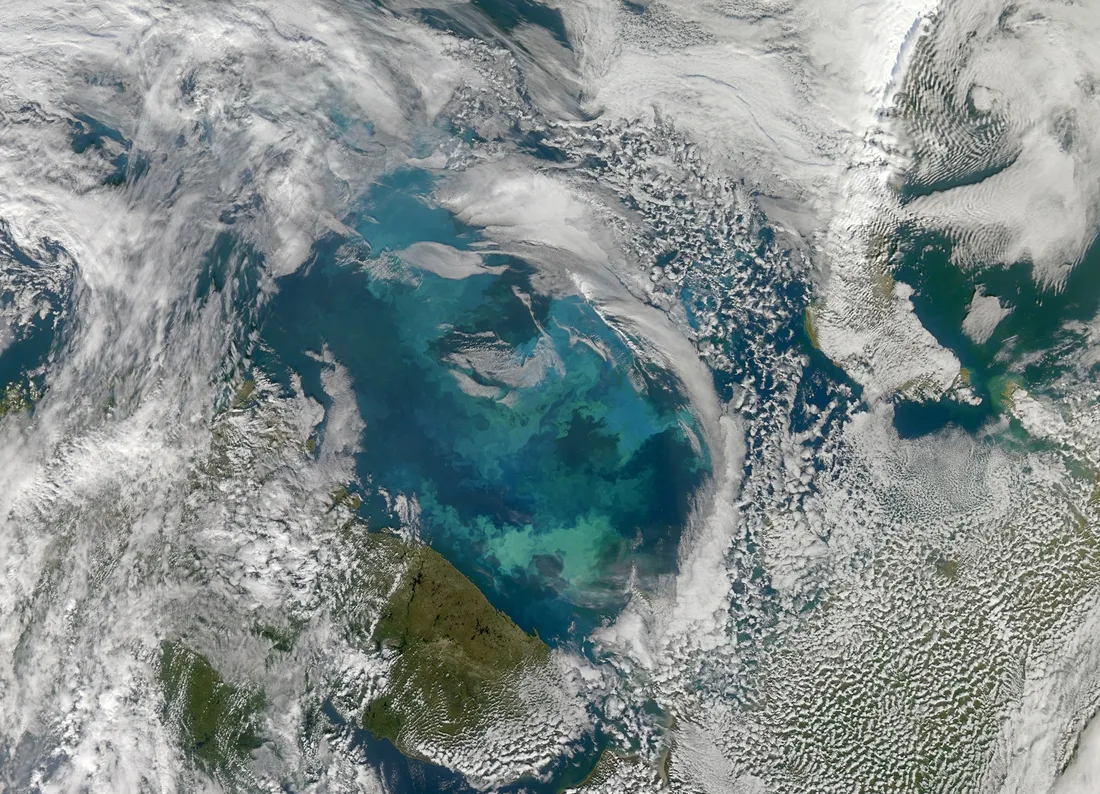
“Think of it this way, Elias: phytoplankton absorb carbon dioxide from the atmosphere like a sponge. When their time comes, these trillions of dying phytoplankton begin to sink from the surface of the ocean towards its floor along with their shells and organic remains. In marine biology this is called marine snow. If you could look into the pitch-dark deep, you would see white organic particles drifting down like thick winter snow. A single cell is so light that it would take years to reach the bottom; so the particles stick together into clumps like snowflakes, and those clumps descend at close to a hundred metres a day. This is how the excess carbon in the atmosphere is drawn out and buried in the ocean’s vault thousands of metres down. If this marine snow did not fall, the planet would scorch and the storms would destroy everything.”
Watching the boom hand approach the sixtieth minute, Elias asked excitedly:
“And Captain, that immense carbon accumulating in the ocean, or that tremendous tension in the watch. When it reaches its very peak, how does the system not burst?”
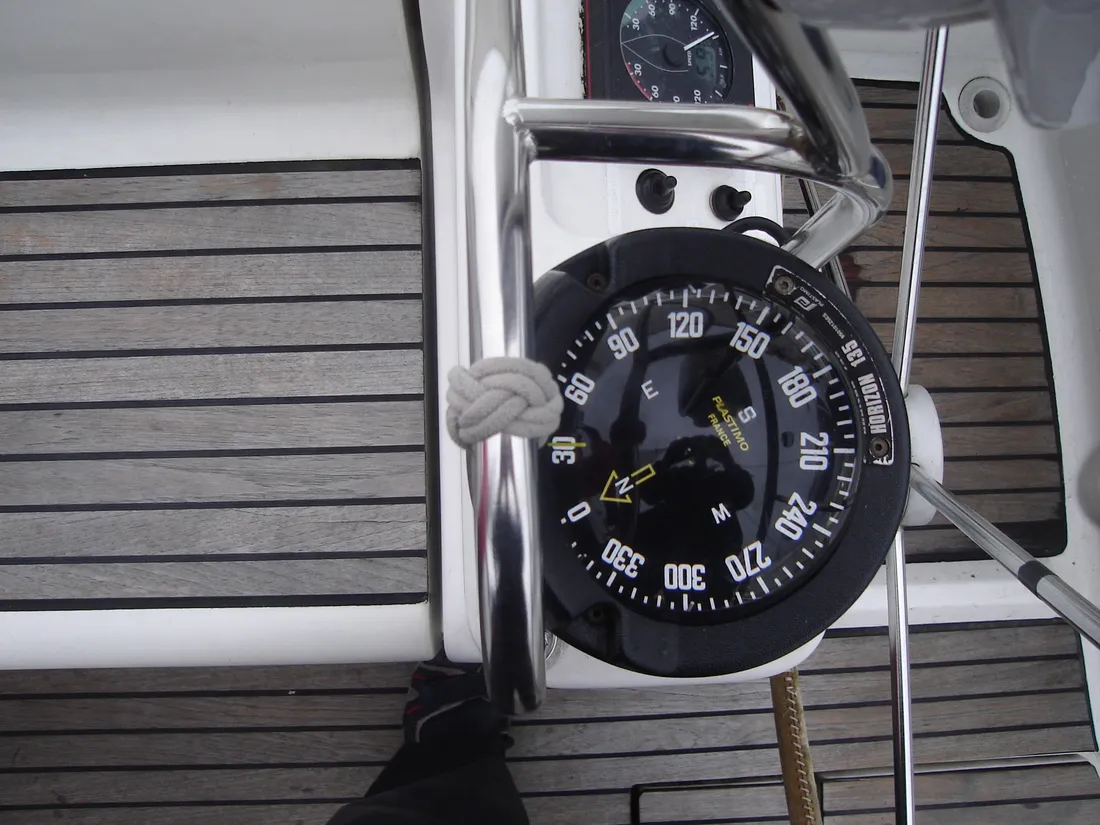
“And here watchmaking engineering shakes hands with ocean physics, Elias!” said Captain Vane. “But the finest part of the answer is hidden where the dial does not show it: this movement has not one barrel but two. The first concerns itself only with the watch keeping time; it feeds the balance and meddles in nothing else. The second drives only the display: the jumping hour and the motion of the boom. On a ship you never put the navigation instruments on the same circuit as the main engine; you run a separate supply so that your compass does not wander when the engine takes load. It is the same in this watch.”
“And when the hand reaches sixty?”
“This is where most people are wrong. The hand is not flung back. There is a purpose-built retrograde device for it whose job is to slow the hand down; the return takes three to four seconds. It does not snap away like a released spring, it is carried across like a real boom. The reason is not style but precision: a retrograde that snaps shakes the whole system at that instant and the watch runs wrong in that second. A good skipper never lets the boom fly either, he carries it across. At the same moment the two digits in the window at twelve jump in one stroke and show the new hour; there is a separate pusher at two o’clock for setting it. So the system does not shed its accumulated energy like an accident, it releases it by plan. The carbon pump in the ocean is exactly that, with one difference: the brake in the watch takes three seconds, the brake in the ocean takes a thousand years.”
format_quote"The ocean takes a thousand years to carry its excess carbon to the floor; the watch takes three seconds to bring its tension back to zero. Both have turned the shedding of a load from an accident into a design."
Hasan Bekmezci
Elias looked for a while, spellbound, at the tourbillon turning on the dial and at the sea being thrown about by the storm outside. Then he turned suddenly to the Captain:
“Captain, you explained the marine engineering of the watch beautifully. But where do you know this hidden biology of the ocean from, the whale pump, the marine snow, in such detail? A sailor knows the chart, knows the wave...”
Captain Vane chuckled quietly, his eyes bright in the yellow light of the gas lamp:
“Elias, before I took the wheel of this research galleon, before I sailed these stormy seas, I spent more nights in laboratories than on a ship’s deck. While doing my master’s in marine biology my thesis was on exactly this: the vertical carbon fluxes of the ocean. That is precisely why I never take this Ulysse Nardin off my wrist. Because this watch does not merely show the time; it keeps alive on my wrist the ocean physics, the equations of tension and the flawless balance of nature that I worked on during those years.”
Outside the porthole the whale dived again into the depths, while the remains of phytoplankton went on drifting down as marine snow to the dark floor of the ocean. As the galleon fought the waves, the tourbillon on Captain Vane’s wrist averaged out on its own axis the shifting gravitational errors of the ship’s roll; time, wind, vertical carbon flux and mechanical tension came together in a single ocean physics.
The Essentials
Hand-cut wood marquetry dial: strips of dark wood cut by hand and laid side by side to reproduce a classic yacht deck exactly, with miniature handrails along the edges.
Patented Dyneema nanowire assembly: nanowires 0.0357 mm thick carrying 1.41 kilograms, resistant to wear and elongation, driven by four functioning gold winches set into the dial.
Retrograde boom hand and jumping hour: a retrograde hand showing the minutes along a horizontal arc and returning gently to zero over three seconds at sixty; a two-digit jumping hour window at twelve with a setting pusher at two.
Flying tourbillon: at six o’clock, its upper bridge removed, with the house anchor at the exact centre of the cage. The two small flags at eleven and one are no accident either: they are the letters U and N in the international maritime signal alphabet.
Calibre UN-630: hand-wound, 469 components, 48 jewels, 21,600 vibrations an hour, a 48-hour power reserve and two separate barrels. The movement is entirely the house’s own work, with no outside collaboration.
Reference 6302-300: 44 mm rose gold case, fluted bezel, rubber-coated screw-down crown, sapphire crystal front and back, water resistance 100 metres. Eighteen pieces were made.