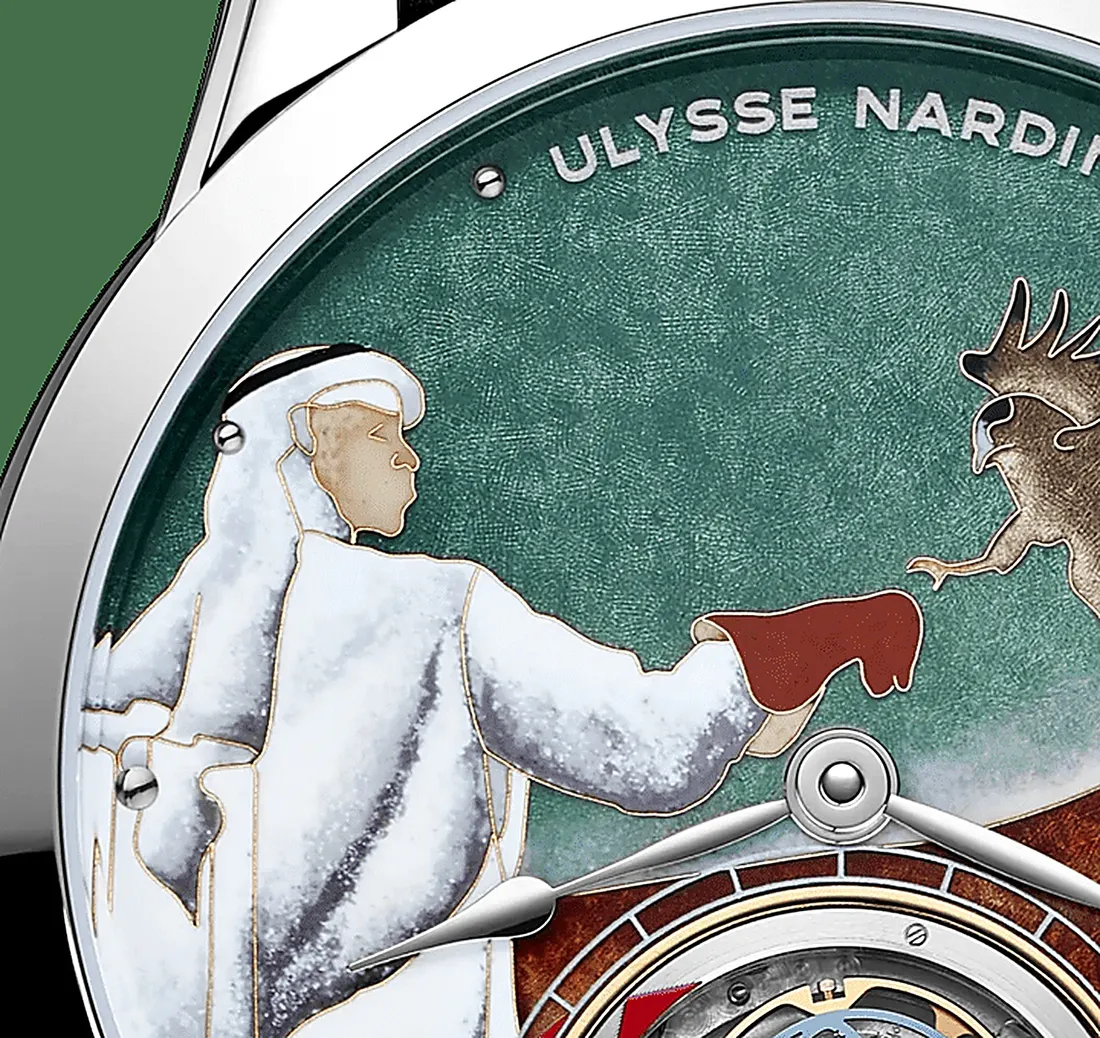
On the reddening dunes of the Rub’ al Khali, in the half-light where the wind carries fine gold dust along their ridges, two researchers are standing. The orange light of the setting sun breaks in the irises of a falcon perched on a bedouin’s leather glove, scanning the sky.
Every time I look at this bird, says one of them, studying the micro-geometry of its wing feathers through binoculars, the conventional aerodynamics in my head falls short. The falcon is not an ordinary predator gliding against gravity. High up, barely beating a wing, it can circle for hours on the back of a column of warm air. Then, the instant it sees its prey, it folds its wings into its body and drops into a stoop at more than three hundred and twenty kilometres an hour. Air driven into the lungs of a creature falling five hundred metres a minute would drown a human being. In the falcon’s nostrils, though, sit small conical bones that split and slow the incoming stream and keep the pressure reaching the lungs in balance.
And what do you make of a creature that wild and that free settling silently on a human hand, the other answers, looking at the cooling sand. There is a wordless agreement between them thousands of years old. The hunter does not stop hunting; it shares what it takes, and the human becomes a companion rather than a master. In the merciless heat and scarcity of the desert, the man and the bird become each other’s eye and each other’s living.
The most surprising clause in that agreement is this. Among the desert peoples of the Gulf, the falcon is often released once the season ends. The falconer does not count the bird that feeds him as property. He lives beside it for a while, then gives it back to its own sky.
format_quote"The falconer does not count the bird that feeds him as property; he lives beside it for a while, then gives it back to its own sky."
Hasan Bekmezci
The desert is the geography where the limits of life are drawn hardest. Heat that reaches fifty degrees by day can fall below zero at night. Surviving in that extreme takes engineering at the cellular and the aerodynamic level alike.
In the falcon’s eye, tucked under the lid, there is a third membrane. This half-transparent curtain, the nictitating membrane, sweeps sideways during the stoop; it shields the cornea from sand and wind without cutting off sight altogether. The bird cleans its eye without closing it.
The resolution of that eye is not comparable with ours either. The density of light receptors in a falcon’s retina is several times our own, and each eye carries not one but two pits of sharp vision, one looking forward and one looking to the side. That is why it can pick out a small movement a kilometre away.
Put all of it together and what appears is not a list of coincidences but a design locked into itself. Without the small bone in the nostril the lung does not hold; without the third membrane the stoop becomes a blind fall. Take one of the parts away and the rest stops making sense.
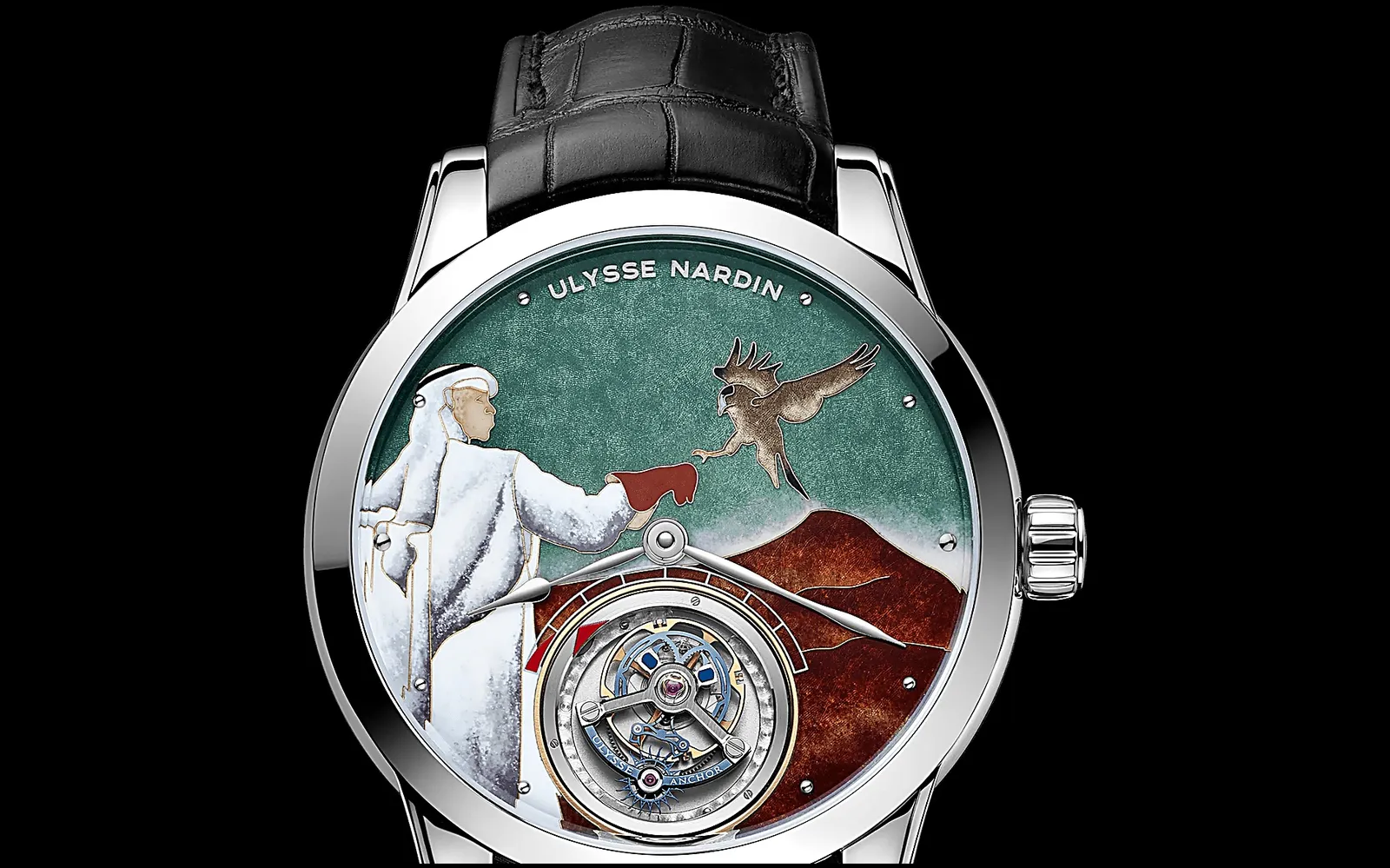
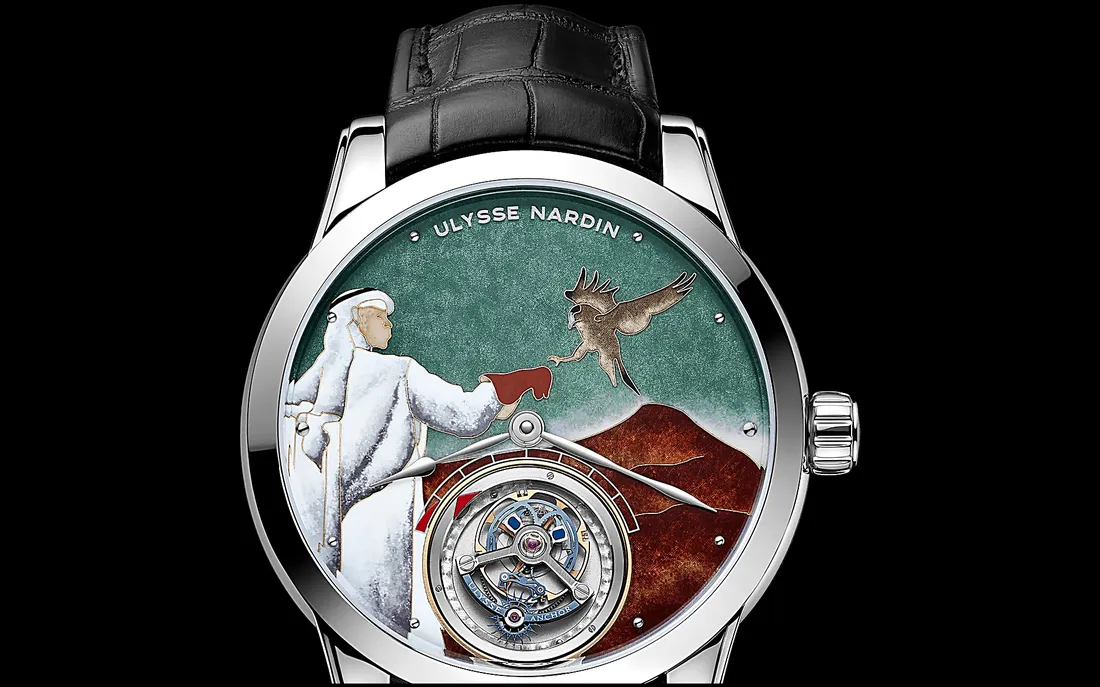
This aerodynamic perfection in nature, the ancient desert bond between a man and a bird of prey, and an endurance that defies extremes of heat all take form in a rare masterpiece from Ulysse Nardin, the legendary house of marine and exploration horology: the Classico Ulysse Anchor Tourbillon Falcon.
The watch was dedicated to the adventurous spirit of the people of the United Arab Emirates, to the desert life of the ancient tribes and to the grand tradition of falconry, and only eight were made. Where it sits on the maker’s own site today is not among the models for sale but in the archive; all eight have found their collectors.
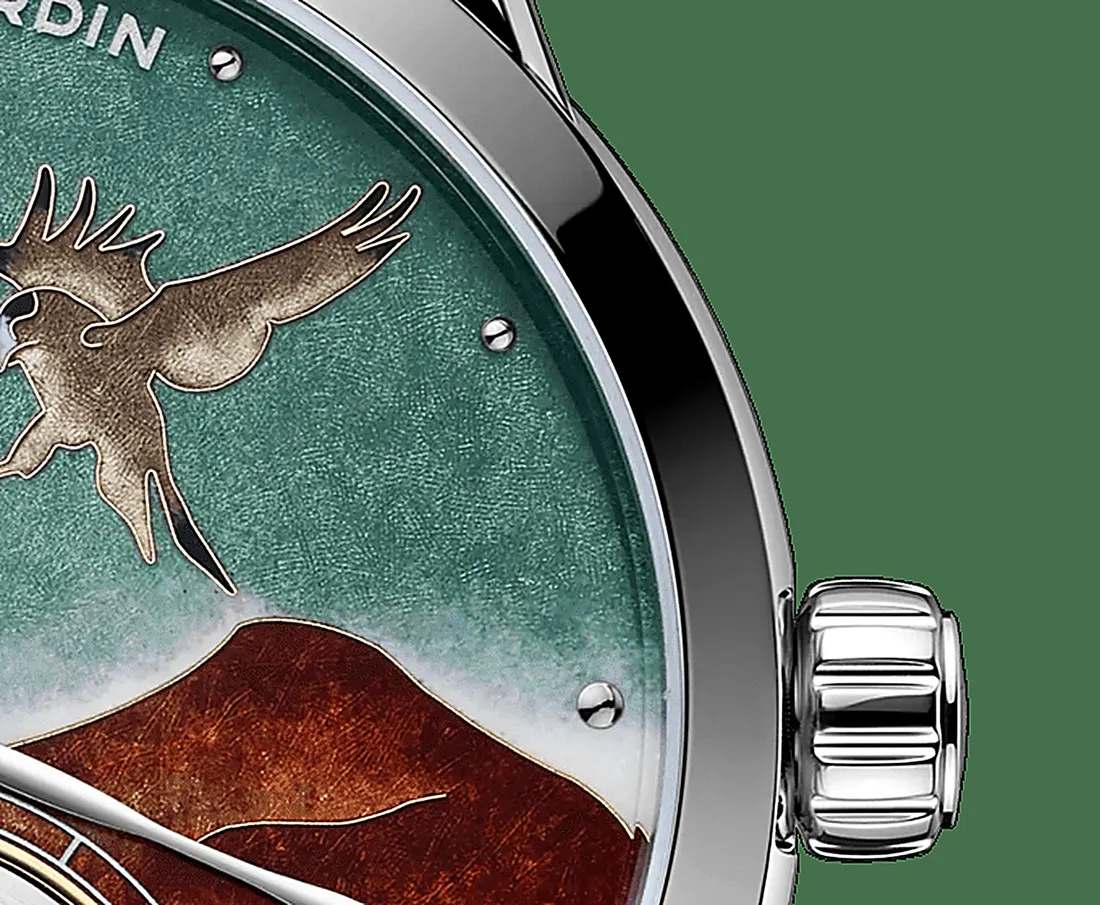
Master craftsmen cut micro-recesses into the metal plate that forms the base of the dial. In this technique, champlevé, the recesses are filled with powdered mineral enamel and fired over and over in kilns above eight hundred degrees; with every firing the enamel sinks and the craftsman fills it again. Then, under a microscope and with a single-hair brush, the folds of the bedouin’s robe and the feathers of the falcon are worked one by one. Enamel, having turned to glass, resists time and light the way the desert itself does. It will be the same colour in a hundred years.
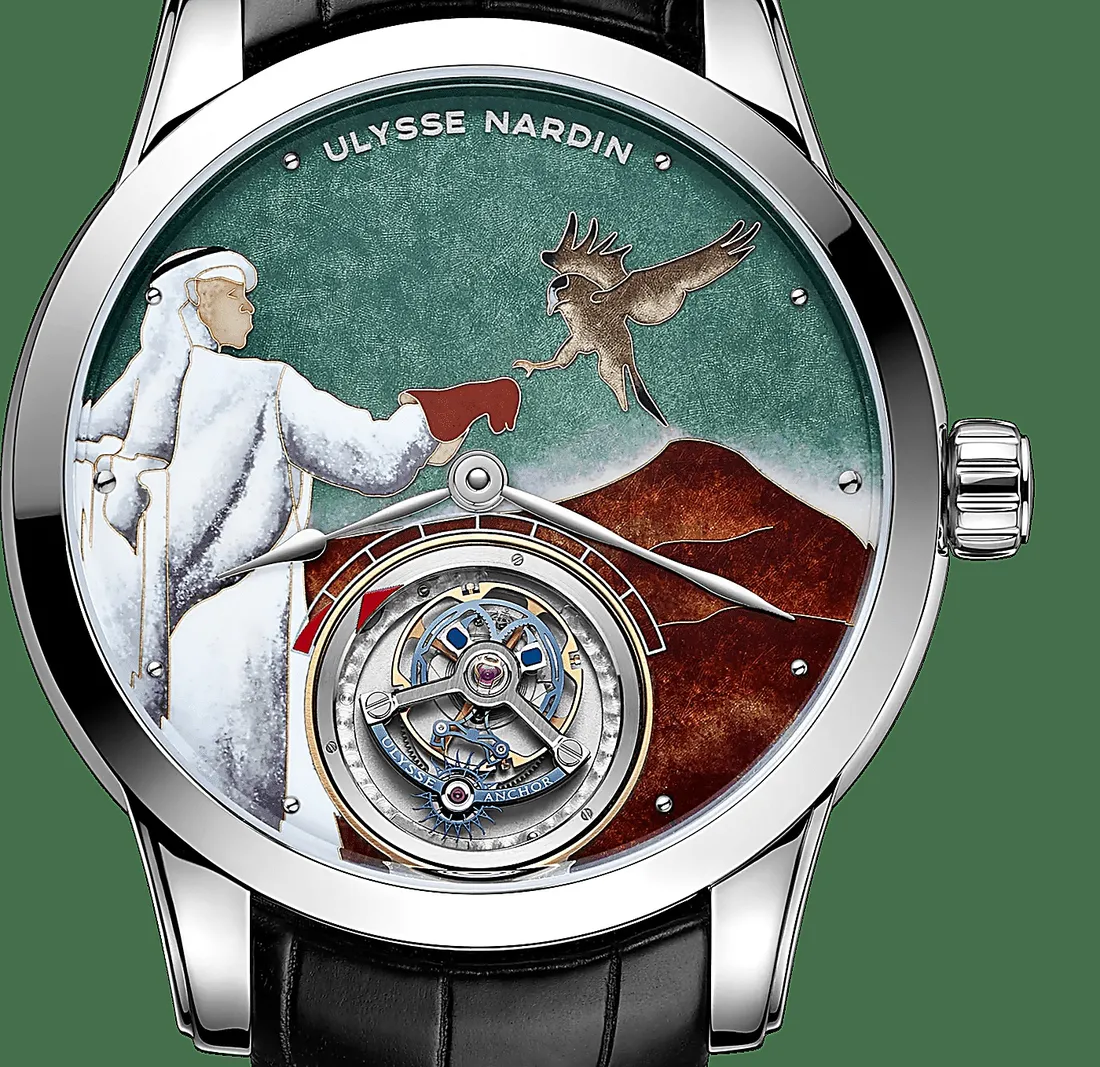
Just as those small bones in the falcon’s nostril split and steady the incoming air, the Ulysse Anchor system at the heart of this watch steadies the force coming out of the mainspring. For three hundred years energy reached the wheels of a mechanical watch by one route only: a metal pallet touches the tooth of a metal wheel, slides, lets go. Everything that touches rubs, everything that rubs is oiled, and oil dries out over the years.
The Ulysse Anchor breaks that chain. The pallet hangs on two thin silicon blade springs; it sits on no arbor and rubs against no bearing. The blades bend, store energy as they bend, and release the same amount of force at every oscillation. Silicon is neither troubled by magnetism nor in need of oil. Whether the mainspring is full or nearly spent, the impulse reaching the wheel stays the same.
Calibre UN-178 is hand-wound, built from one hundred and ninety-one parts, has twenty-nine jewels and measures thirty-seven millimetres across. It runs at eighteen thousand vibrations an hour, two and a half hertz, and the return for that slow tempo is extraordinary endurance. The power reserve is one hundred and ninety-two hours, a full eight days. Beside the hours and minutes, the dial carries a hand showing the force that is left.
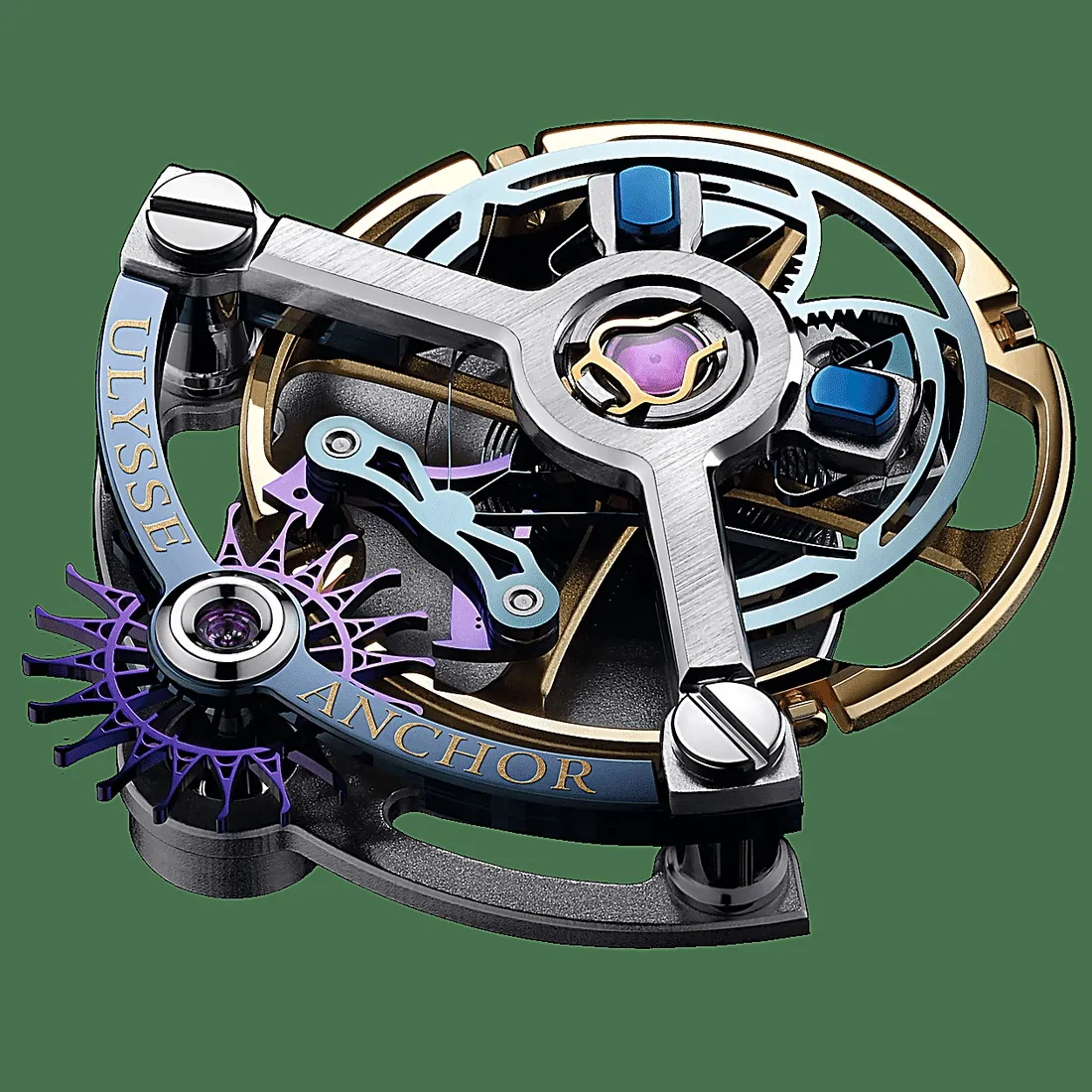
format_quote"The silicon blades store energy as they bend and release the same force at every oscillation."
Hasan Bekmezci
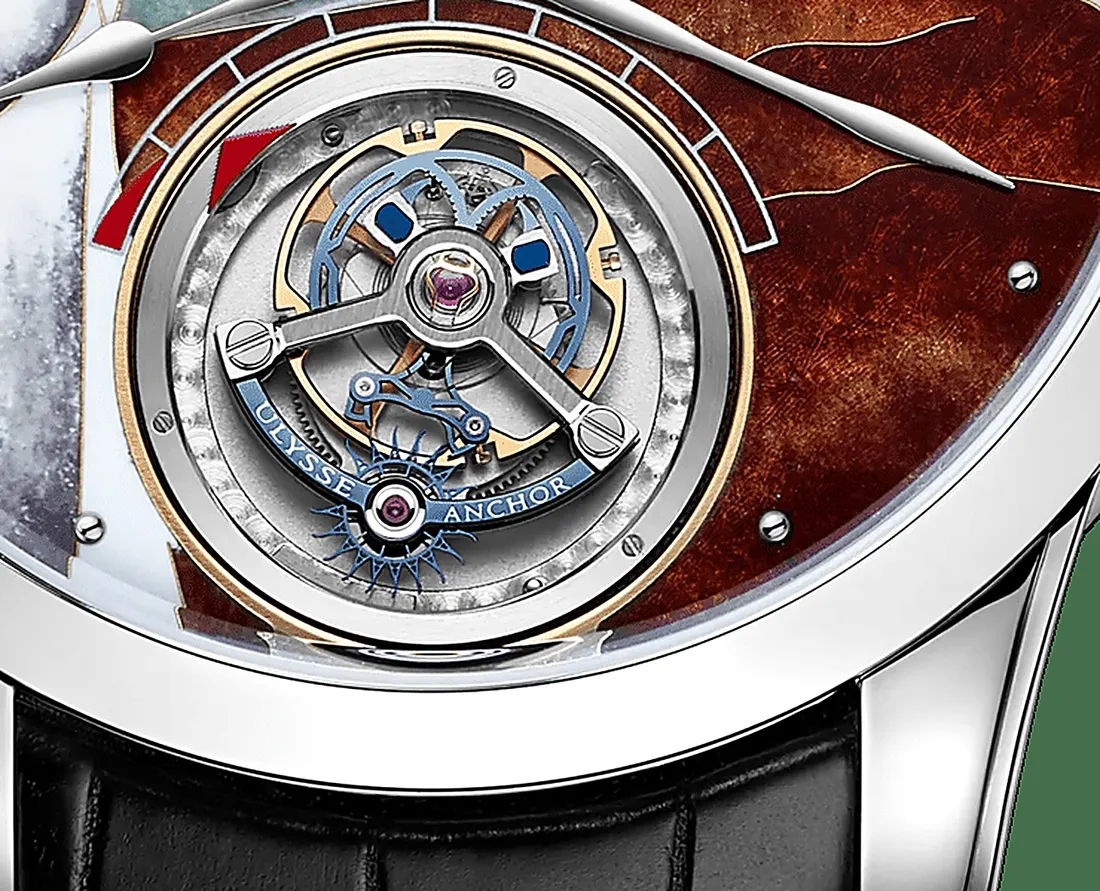
The tourbillon cage at six turns in open space with no bridge holding it from above. It is called a flying tourbillon, and the reason is physics rather than poetry: a balance runs at one rate standing upright and at another lying flat, because gravity pulls on the hairspring differently in every position. Turn the whole assembly once a minute and those errors cancel each other out.
If you want to draw a likeness between a falcon gliding through the desert sky with nothing to hold on to and a cage turning with no bridge to hold it, you may. Both work against the same force, and neither defeats it. They come to terms with it.
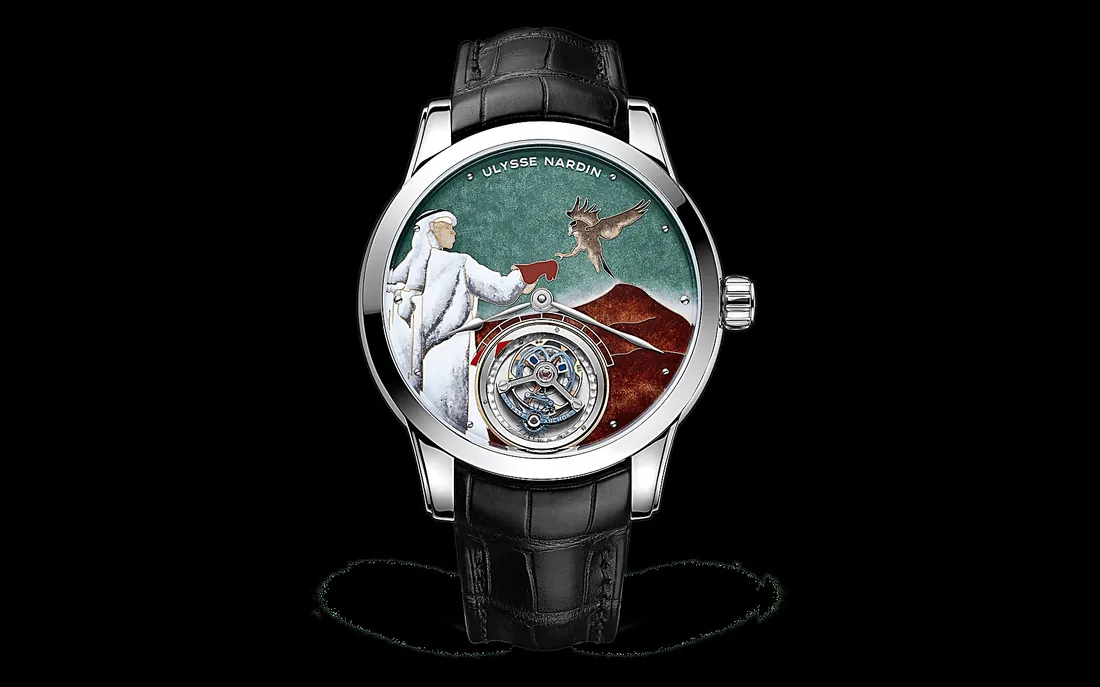
The Ulysse Nardin Classico Ulysse Anchor Tourbillon Falcon lifts time out of the ticking of mechanical wheels and ties it to the aerodynamic miracle of a falcon gliding across a desert sky, to that wordless agreement of trust between a human being and an animal, and to the plainness of silicon blades that pay no attention to magnetic fields.
Every time you look at the falcon gliding through that micro-enamel work, and at the cage turning below it, you see not the seconds passing but the measure the Creator placed in every detail, from the bone in a nostril to the third membrane over an eye. A human being noticed that measure only after centuries, and then set about imitating it inside a watch.
format_quote"Both work against the same force, and neither defeats it. They come to terms with it."
Hasan Bekmezci
The watch on its maker’s own site: Ulysse Nardin, Classico Ulysse Anchor Tourbillon Falcon