On one of the last mornings of September, at seven o’clock, a thin mist lay over the Bay of Naples. On the deck of a small marine biology boat two geneticists, Dr Elena Rossi and the cellular regeneration specialist Dr Kaan Vural, were sorting the night’s samples. On the microscope screen at the stern table sat a creature smaller than a fingernail and as transparent as glass.
Look at the arrow of time, said Dr Rossi. Everything in the universe submits to entropy. A broken glass does not reassemble itself. A person who grows old does not return to childhood. Physics and biology agree on this: time is a one way road, and the road has no reverse gear.
And this little thing makes a U turn on it, said Dr Vural. When Turritopsis dohrnii is starved, injured or simply old, it does not die. It shrinks, loses its bell, and takes its adult muscle and nerve cells apart one by one. Then it anchors itself to the sea floor and reassembles as an infant polyp. Cell biology calls this transdifferentiation: a mature cell surrendering its identity and becoming an entirely different kind of cell. Time does not run forward for this animal. It runs in a circle.
A few analogies help, though each one strains the imagination. Picture an ageing tower block that, rather than collapsing into rubble, dissolves its own concrete at the molecular level, turns it back into cement and brick, and lays its foundations again with the same material. Or a cassette that reaches its end and, instead of being thrown away, is wound back by a mechanical spring to its very first second. Or an old tree reducing every part of itself, leaves and trunk alike, back into a single seed. All three sound impossible, and all three are crude sketches of what happens inside this animal.
The creature is not immortal. It can be eaten, infected, crushed. But against its own ageing it holds a door, and it knows how to open it.
format_quote"Death is not an ending in this animal’s calendar. It is a threshold."
Hasan Bekmezci
To measure time, humanity has mostly looked at the sky. Once, somebody looked at the soil instead. In 1751, in his Philosophia Botanica, the Swedish botanist Carl Linnaeus made a strange proposal: plant a garden with species that each open at a particular hour of the day and close at another. Whoever stood before that bed could read the time from the flowers rather than from a hand. Linnaeus called the arrangement a flower clock. The idea stayed on paper, because flowers answer to latitude, weather and cloud, and are nothing like as obedient as a gear train.
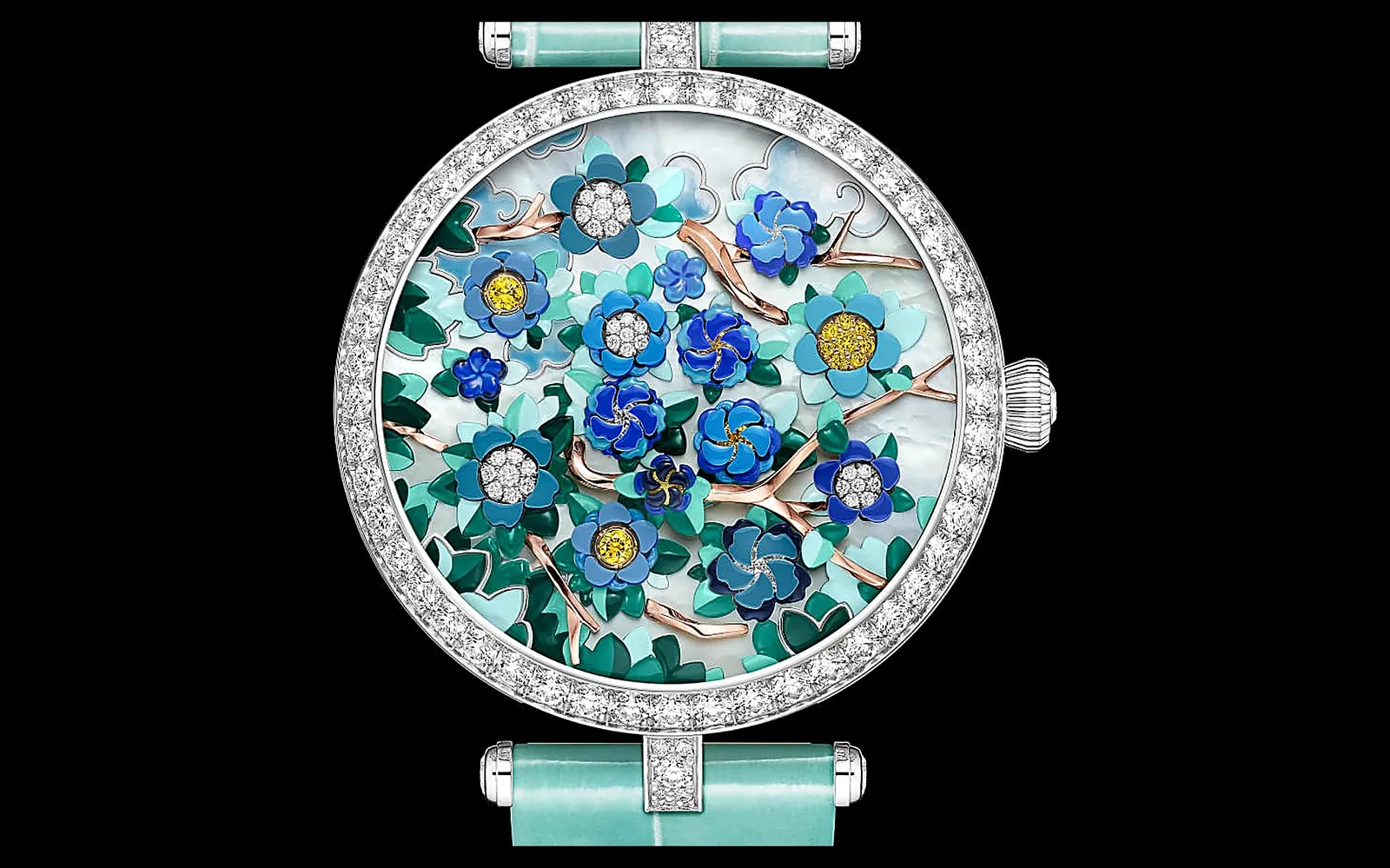
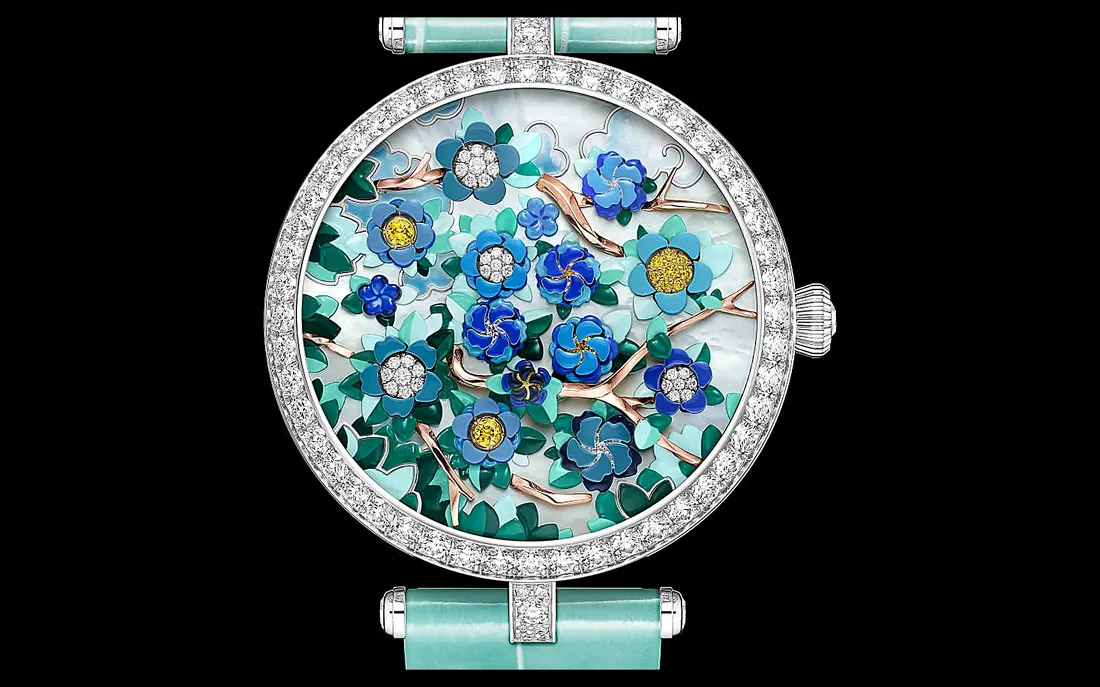
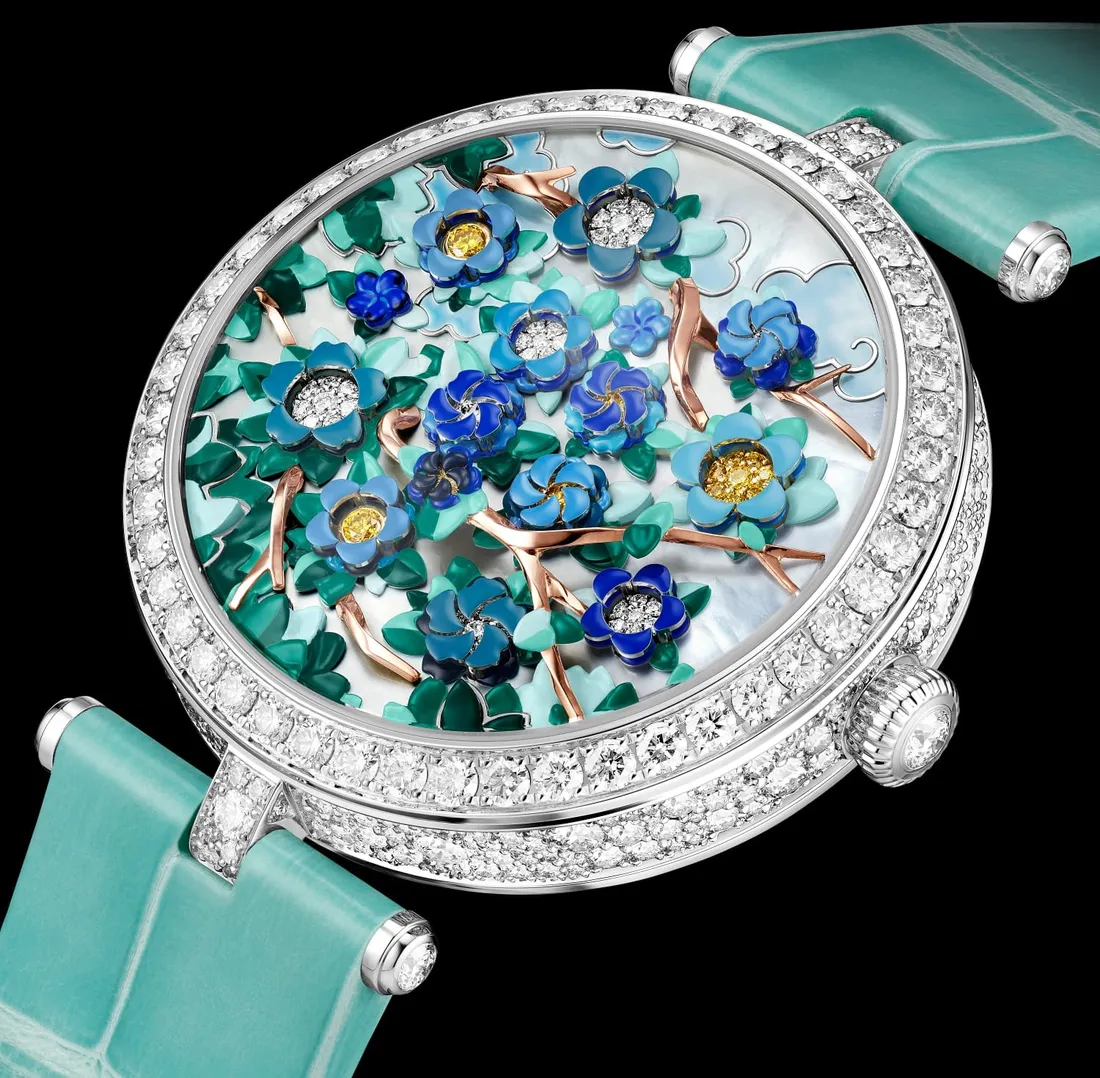
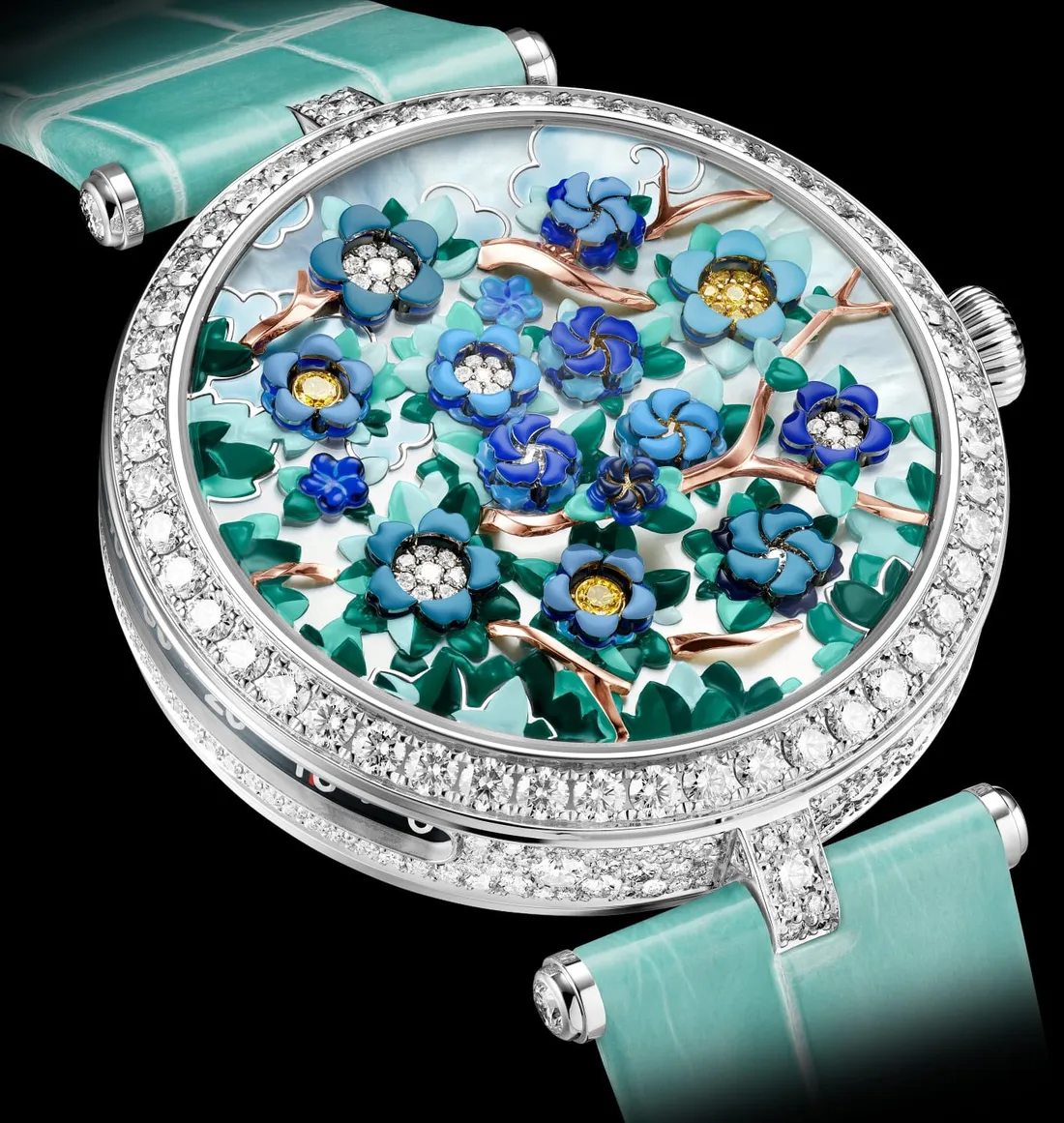
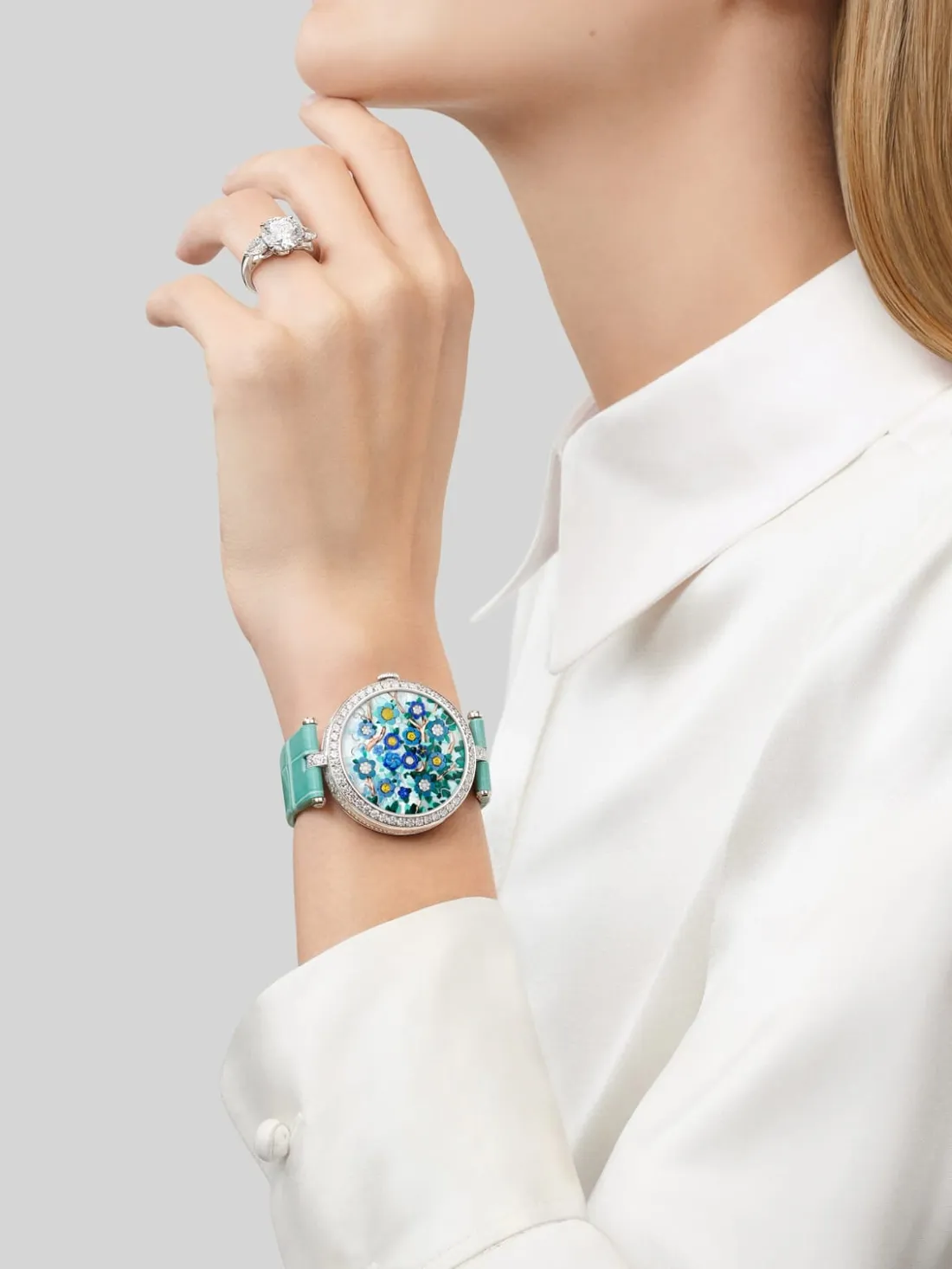
Van Cleef & Arpels names that garden directly as the starting point of the Lady Arpels Heures Florales. Inside the thirty eight millimetre white gold case there are no hands in the conventional sense. Twelve blooms sit on a mother of pearl ground among rose gold branches and leaves cut from chalcedony, turquoise, lapis lazuli and malachite. To read the hour you count the corollas that stand open.
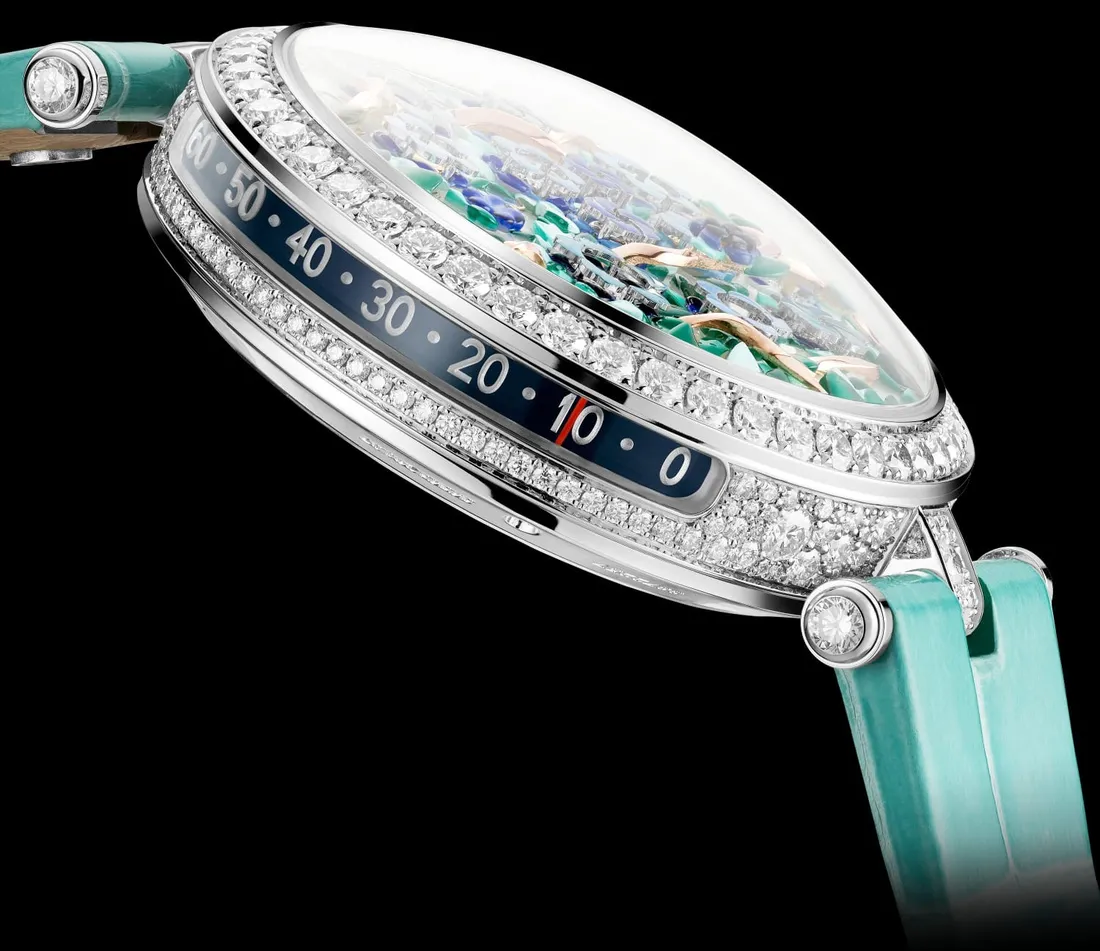
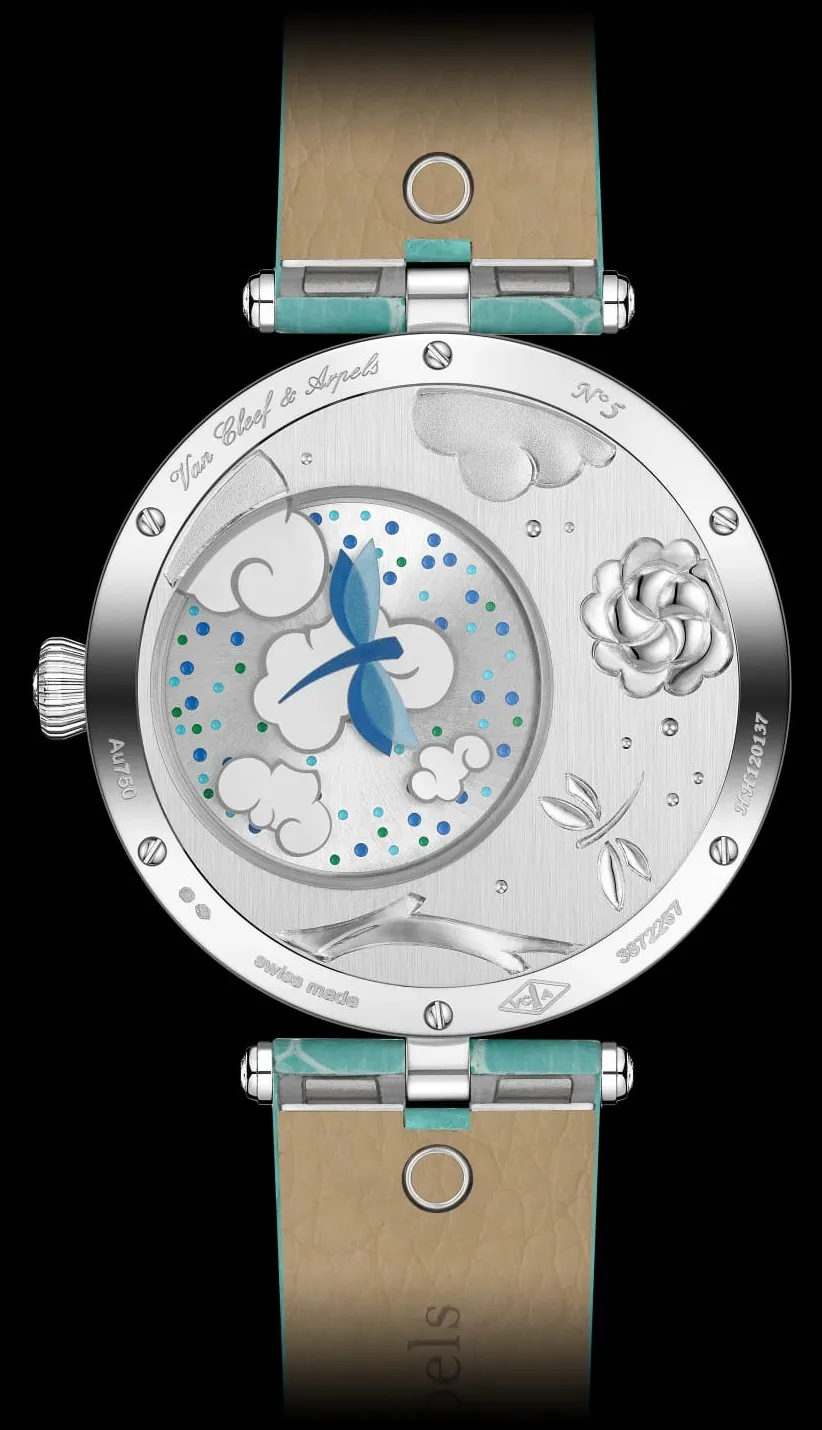
The movement is self winding, and the real work happens in an automaton module developed in the maison’s own watchmaking workshops in Geneva. There are two hundred and twenty six decorative elements on the dial, of which one hundred and sixty six move. On each hour the flowers close and open in a random order, and the same sequence does not come round again, so every sixty minutes leaves behind a tableau you will not see twice. The minutes, meanwhile, appear nowhere on the dial. They run on a disc behind a narrow window cut into the side of the case. You have to turn your wrist slightly to find them, and that small movement turns checking the time from a reflex into a decision.
format_quote"On this dial the hour is not read. It is counted."
Hasan Bekmezci
The work has more in common with gardening than with watchmaking. Each petal is cut, polished and hinged separately, and beneath each one sits a lever that pushes it open to a tenth of a millimetre. Diamonds, yellow sapphires and the light travelling between the branches keep the dial from settling into a fixed picture, and turn it into a living one that is renewed every hour.
Someone watching those petals fold and open again may well think of the transparent creature under the Bay of Naples. The resemblance is the viewer’s reading, not a claim made by the watchmaker. But the same question stands in both places: where does renewal come from? The knowledge a jellyfish uses to take its own cells apart and rebuild them did not arrive in that cell by itself. Nor did a mechanism produce a fresh landscape every sixty minutes by accident; somebody had to sit down and calculate the angle of every petal.
Holding the two together, a person begins to doubt that a life is only a straight line wearing away. Renewal is not an exception added to living afterwards. The Creator placed it there at the outset, and it is still running in the cell of the smallest animal in the sea.
format_quote"Ageing is not the only direction. The Creator wrote renewal into life as well."
Hasan Bekmezci
The Lady Arpels Heures Florales is a reminder that time is not purely an eroding process. Watching a petal open on the dial, what comes to mind is not an hour spent but a garden rebuilt.
The watch on its maker’s own site: Van Cleef & Arpels, Lady Arpels Heures Florales