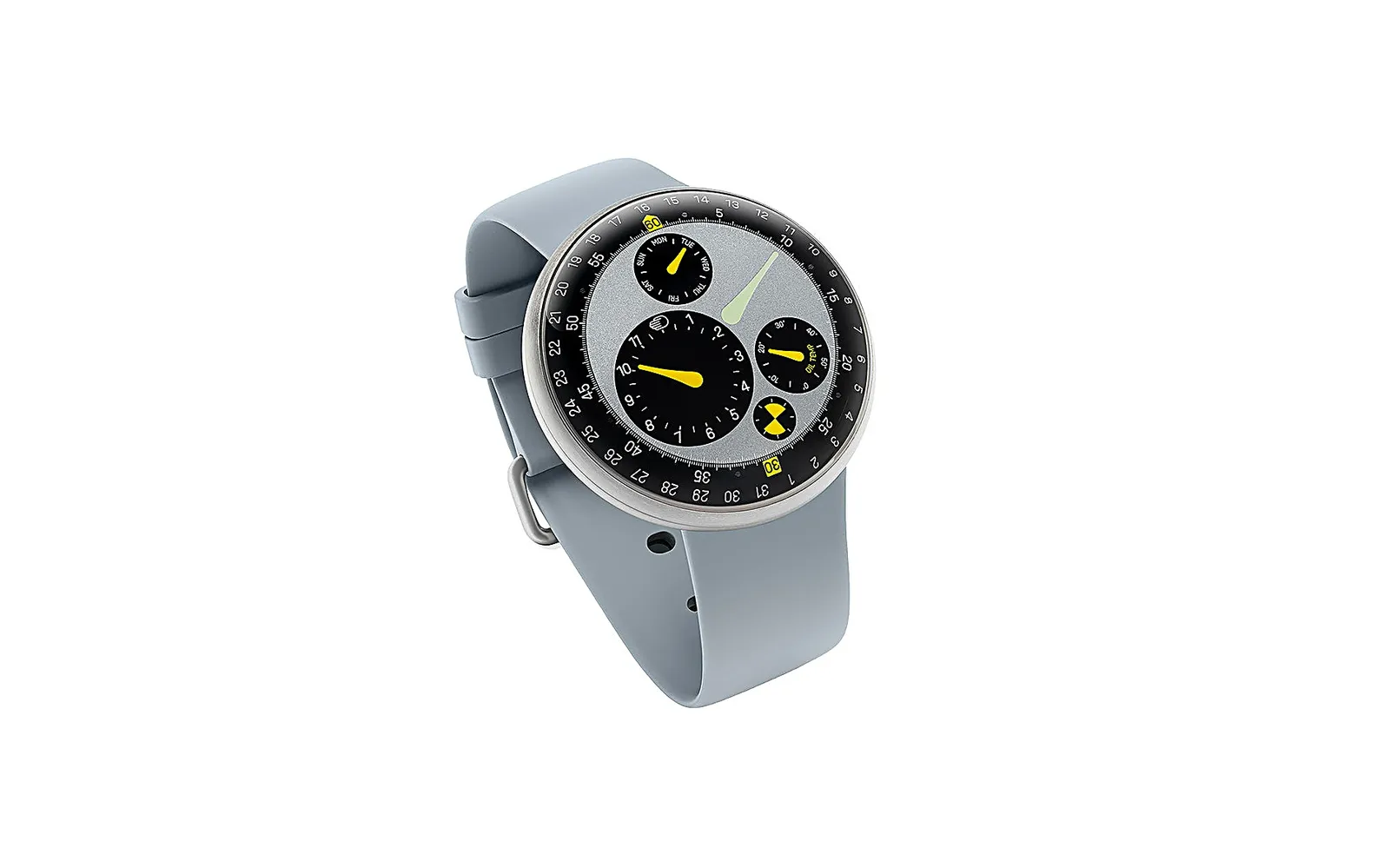
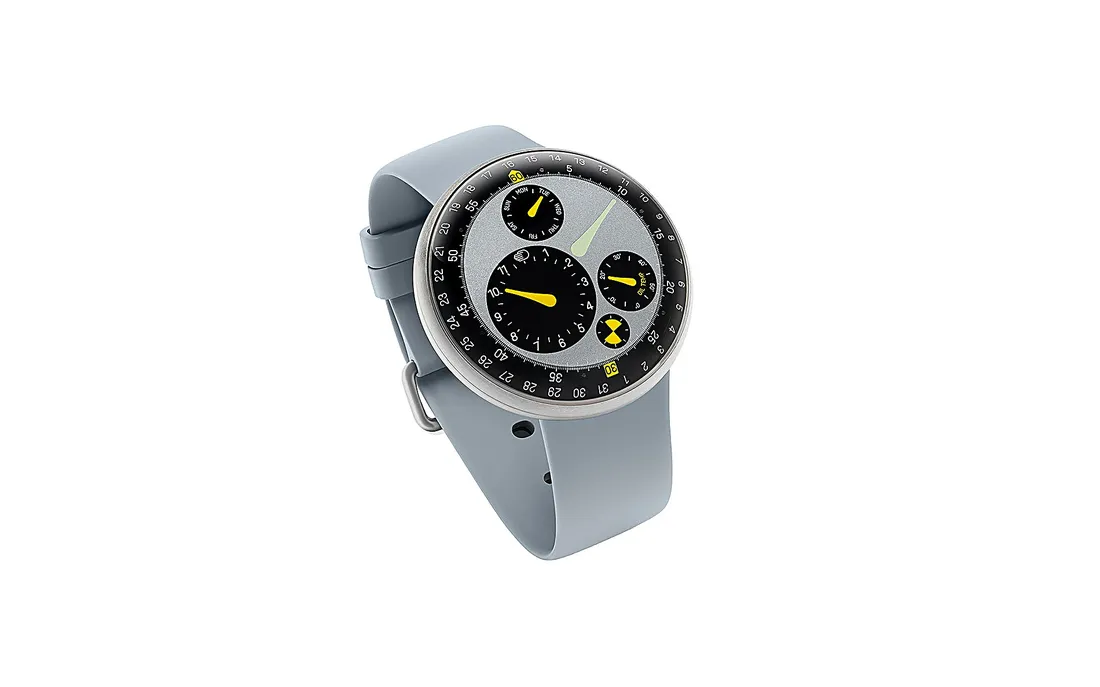
When you look at a watch, three things stand between your eye and the numerals: the sapphire crystal, the thin layer of air beneath it, and the dial itself. Two of those are transparent and count as invisible. But optically there is no such thing as invisible.
Light changes speed as it passes from one medium into another, and in changing speed it bends. How much it bends depends on the difference between the refractive indices of the two media. The greater the difference, the sharper the boundary, and the more light is reflected back from it.
The refractive index of sapphire is about one point seven seven; that of air is exactly one. Because of that large gap, the inner face of the crystal behaves rather like a mirror. It is the reason for the glints, the reflections, and that faint sense of depth when you look at a dial. The numerals sit behind a window, slightly below you.
format_quote"Optically there is no such thing as invisible. The layer of air under the crystal is a real obstacle between the eye and the numerals."
Hasan Bekmezci
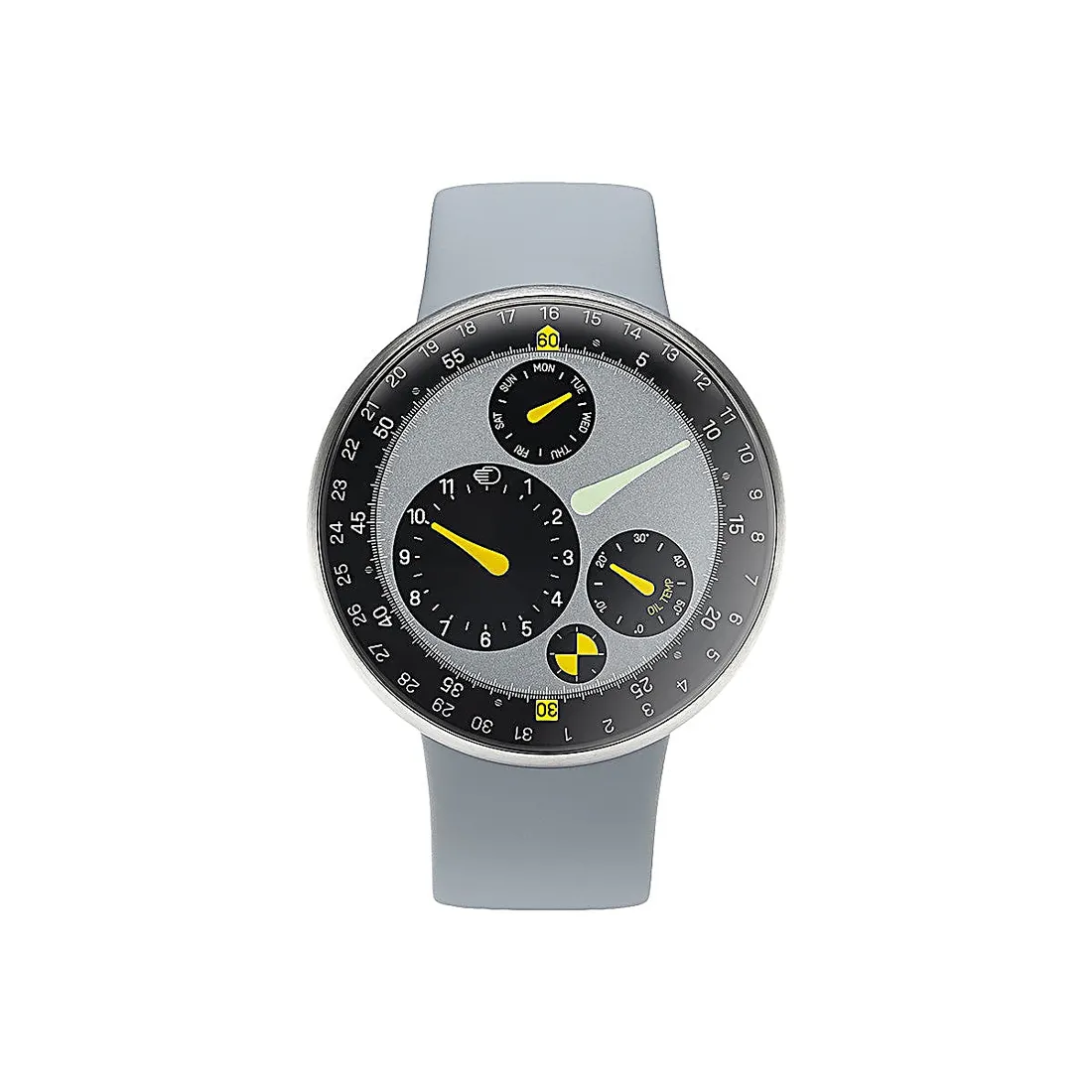
Ressence removed that layer of air and put oil in its place. The refractive index of oil is around one and a half; not the same as sapphire, but far closer to it than air is. Because the difference at the boundary shrinks, the internal reflection largely disappears.
The result is immediately visible. The numerals do not sit behind the glass; they look printed onto it. There is no sense of depth, no glare, and the dial reads with the same clarity from whatever angle you take.
As the maker sets out in its own technical listing, the case consists of two separate sealed chambers, and the upper one holds three point seven five millilitres of oil.
The cost of that decision begins at once and spreads through the whole watch.
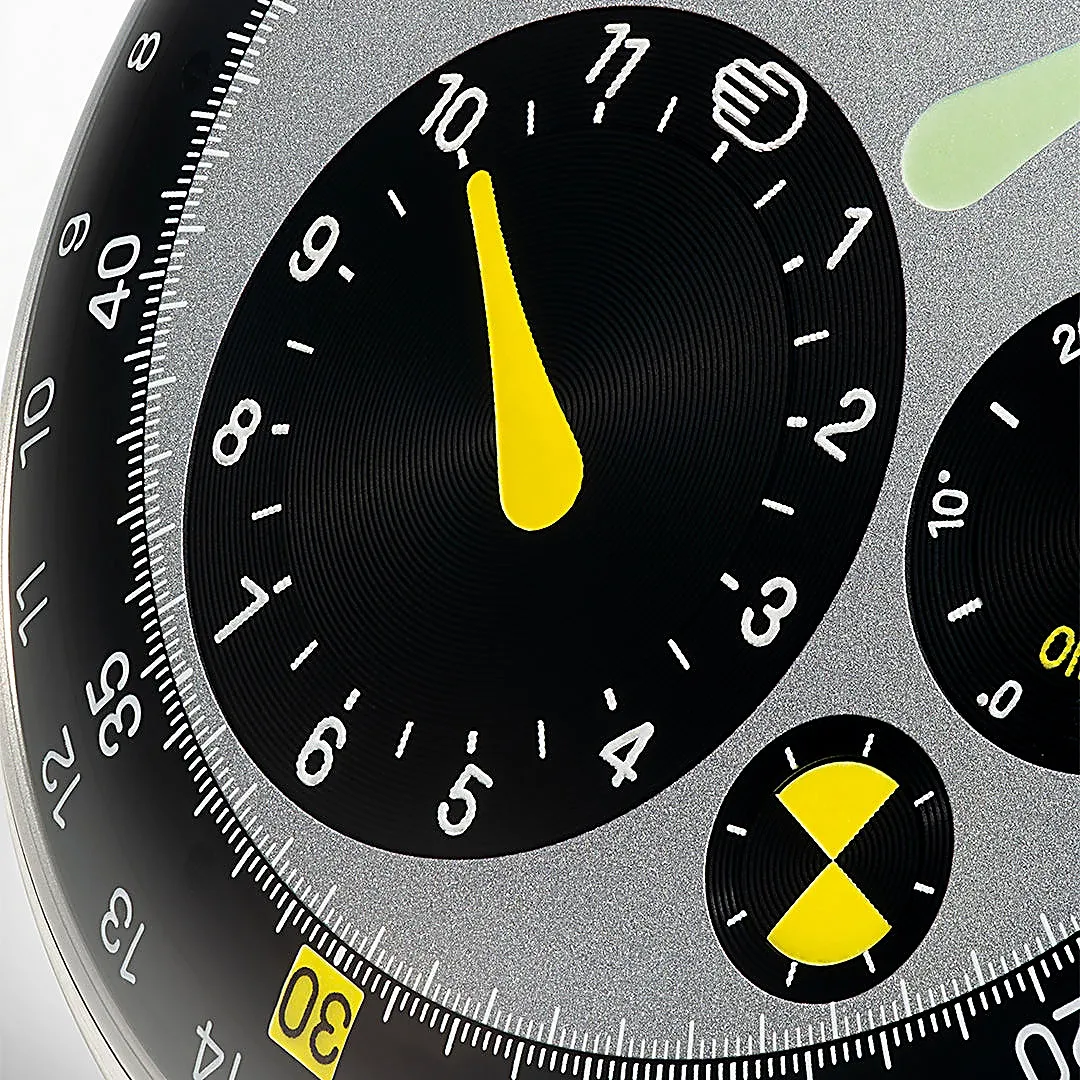
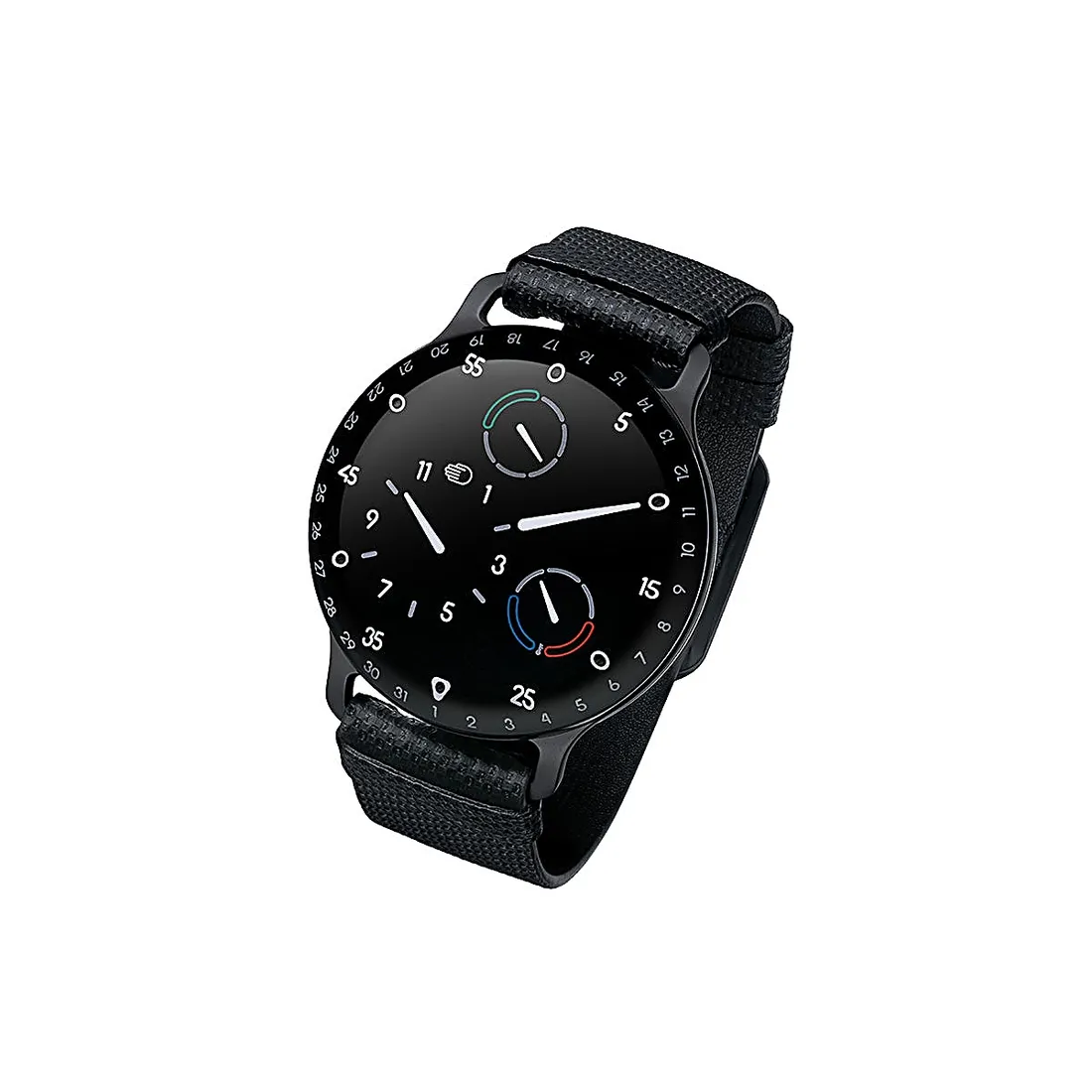
The first cost is heat. Oil expands as it warms. Heat a sealed chamber that is completely full and the expanding liquid has nowhere to go, so pressure builds against the walls. Ressence answered with a system of bellows inside; the bellows absorb the volume the fluid gains. Then they did something interesting and, rather than hiding that compensation, carried it onto the dial: one of the small counters reports the temperature of the oil directly. The watch tells you its own internal state.
The second cost is transmission. No solid shaft can enter a sealed chamber. If one does, it needs a seal, and every seal is a leak waiting for its year. So the drive from the movement below to the indications above passes across magnetically. Nothing pierces the partition; the force crosses the wall by magnet.
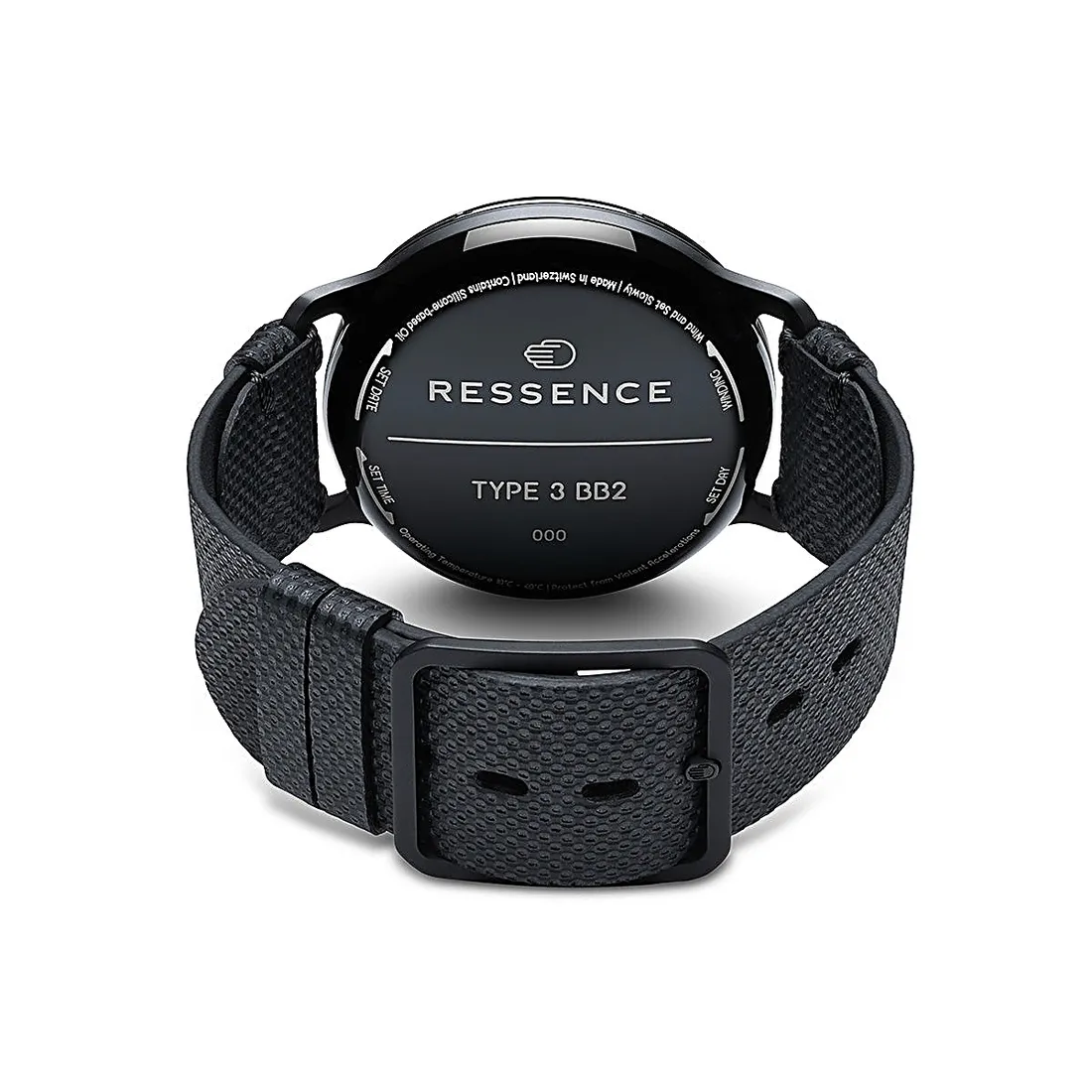
The third cost is the crown. A crown is a shaft too, and it cannot enter either. The watch therefore has no crown. Winding and setting are done from the caseback.
format_quote"No solid part may enter a sealed chamber, because every seal is a leak waiting for its year."
Hasan Bekmezci
Picture two people at the bench arguing about this watch: the designer defending the oil and the watchmaker who will service it for years to come.
The watchmaker names the most visible loss. You have removed the crown. Every watch for four hundred years has had one.
The designer declines the charge. I did not remove it, the oil did. You cannot put a shaft into a sealed chamber; the moment you do, you need a seal, and one day that seal weeps. Losing the crown was not a preference, it was a consequence.
The watchmaker names the next loss. Then the owner has to turn the watch over to set it. He cannot see the dial while he does.
The designer grants that too. True. That is the price.
The watchmaker asks the real question. And what did he get for it?
The designer is brief. The layer of air between his eye and the numerals. He can now read it from any angle in any light. He gave up a convenience and bought a clarity.
format_quote"He gave up a convenience and bought a clarity. That is the whole name of the transaction."
Hasan Bekmezci
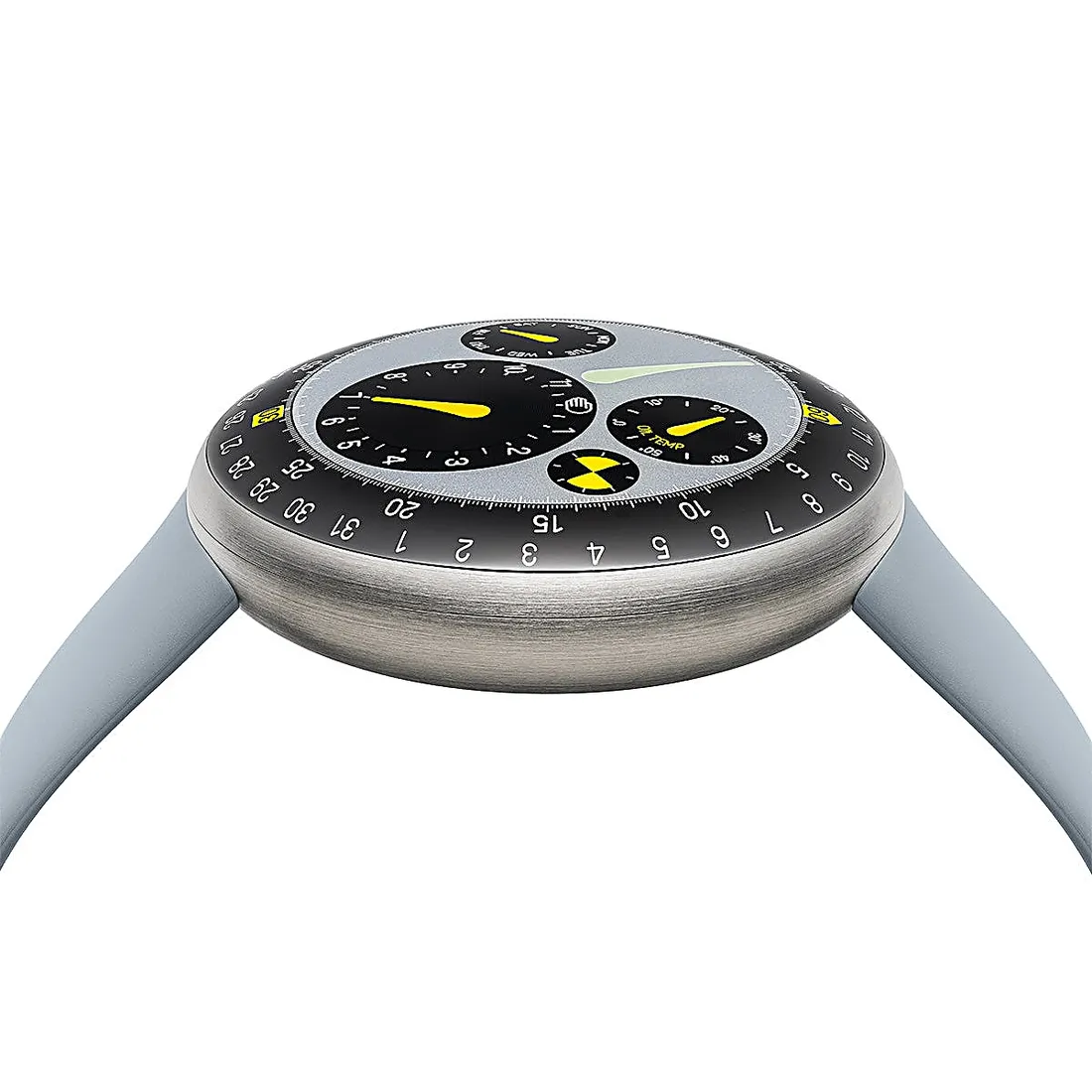
The display itself is no less unusual. Ressence calls it the ROCS, the Ressence Orbital Convex System. The dial is not flat but gently convex, to a radius of one hundred and twenty-five millimetres. Four eccentric biaxial satellites sit on it, each inclined at a different angle: three degrees for the hours, four point seven five for the thermal gauge and the day, six point two five for the runner.
All of those satellites turn both about themselves and with the main dial. The small counters therefore travel across the dial while their numerals stay upright throughout. The indications are engraved and filled with Super-LumiNova.
The module is driven from the minute axle of a customised 2824/2 base calibre. The movement is self-winding, beats at twenty-eight thousand eight hundred vibrations an hour, carries forty-seven jewels and forty-four gears, and gives thirty-six hours of reserve.
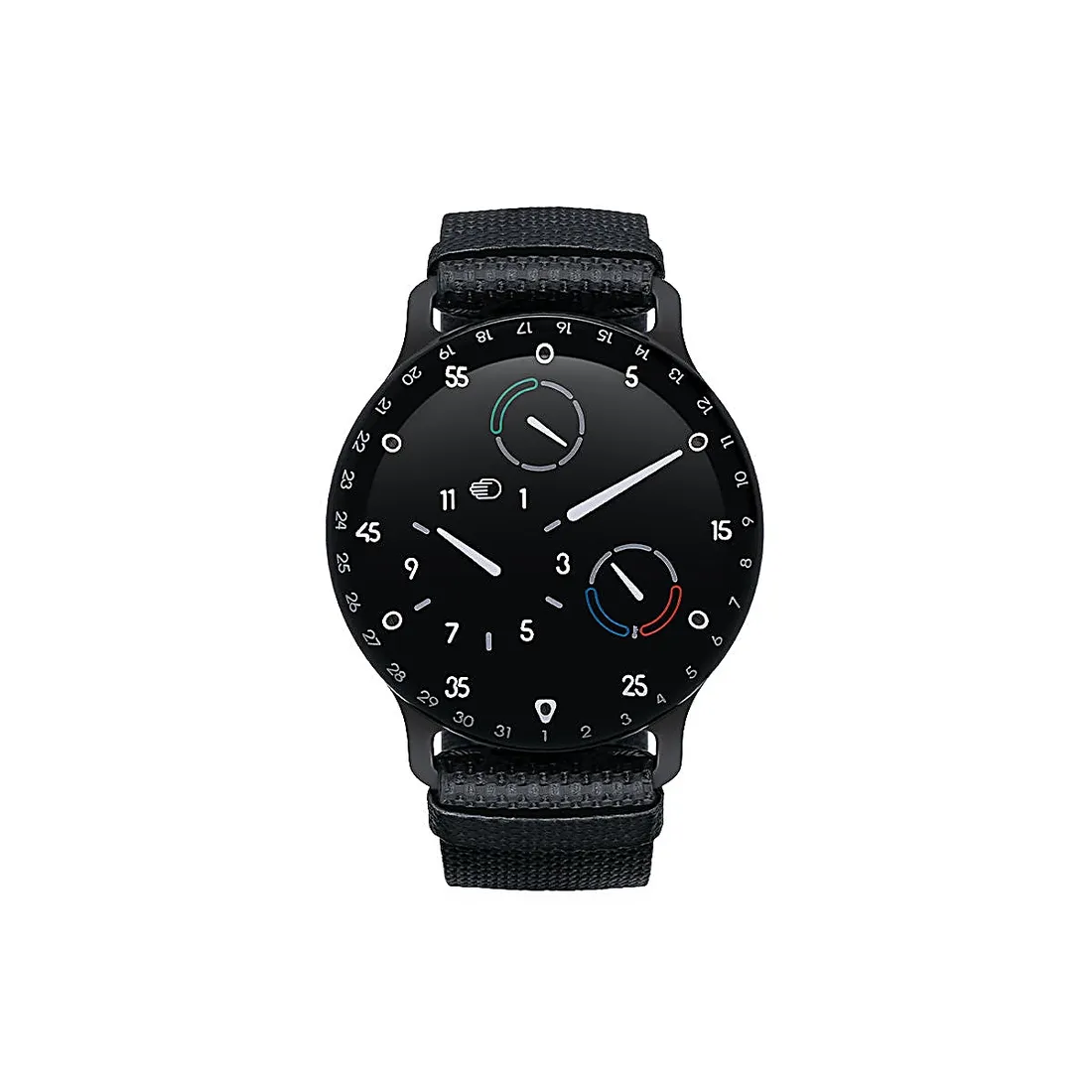
The case is grade 5 titanium, forty-four millimetres across and fifteen deep. Domed sapphire crystals sit above and below, both of them anti-reflective coated on both faces. The one boundary the oil could not deal with, the outer surface, has therefore been handled chemically instead.
The watch took the Horological Revelation Prize at the 2013 Grand Prix d’Horlogerie de Genève. The name of the prize fits: what was rewarded here was not a complication but a way of looking.
The real idea of this watch runs something like this: to see a thing better, you do not shine more light on it, you remove what stands in between. Ressence did not brighten the dial, did not enlarge the numerals, did not add light. It took away the obstacle.
In exchange, the watch had to make its own internal temperature a matter of public record. A counter on the dial reports continuously on what is happening inside. That is exactly what transparency is: nothing intervening when you look out, and nothing concealed about what is going on within.
The layer of air between a person and themselves is a thing of the same kind. Something always interposes when we look at ourselves, and that something hides our own temperature from us. The price of removing it is confessing what is inside. We did not decide how light would bend. All we can learn is how to get out of the way.
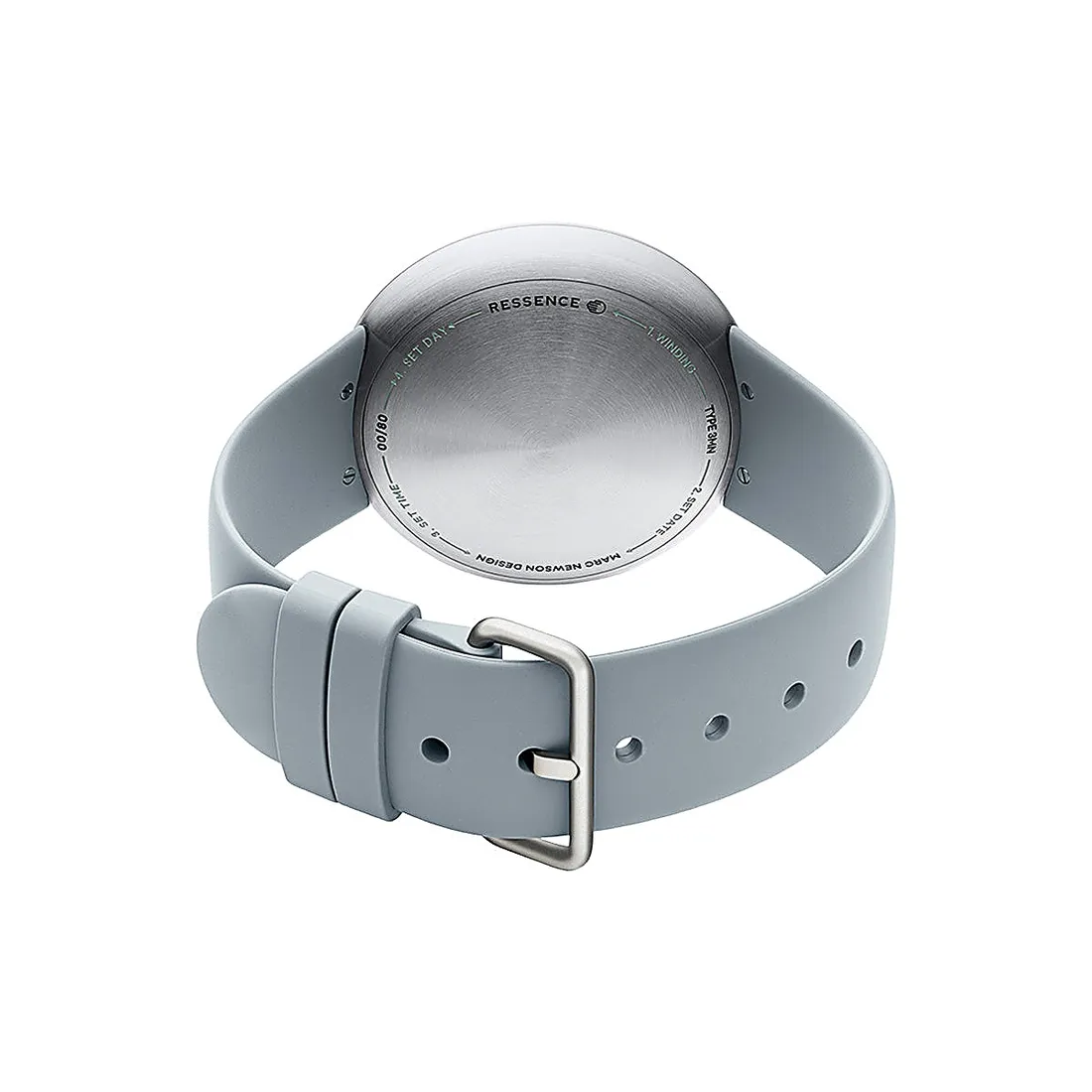
The watch on its maker’s own site: Ressence, Type 3