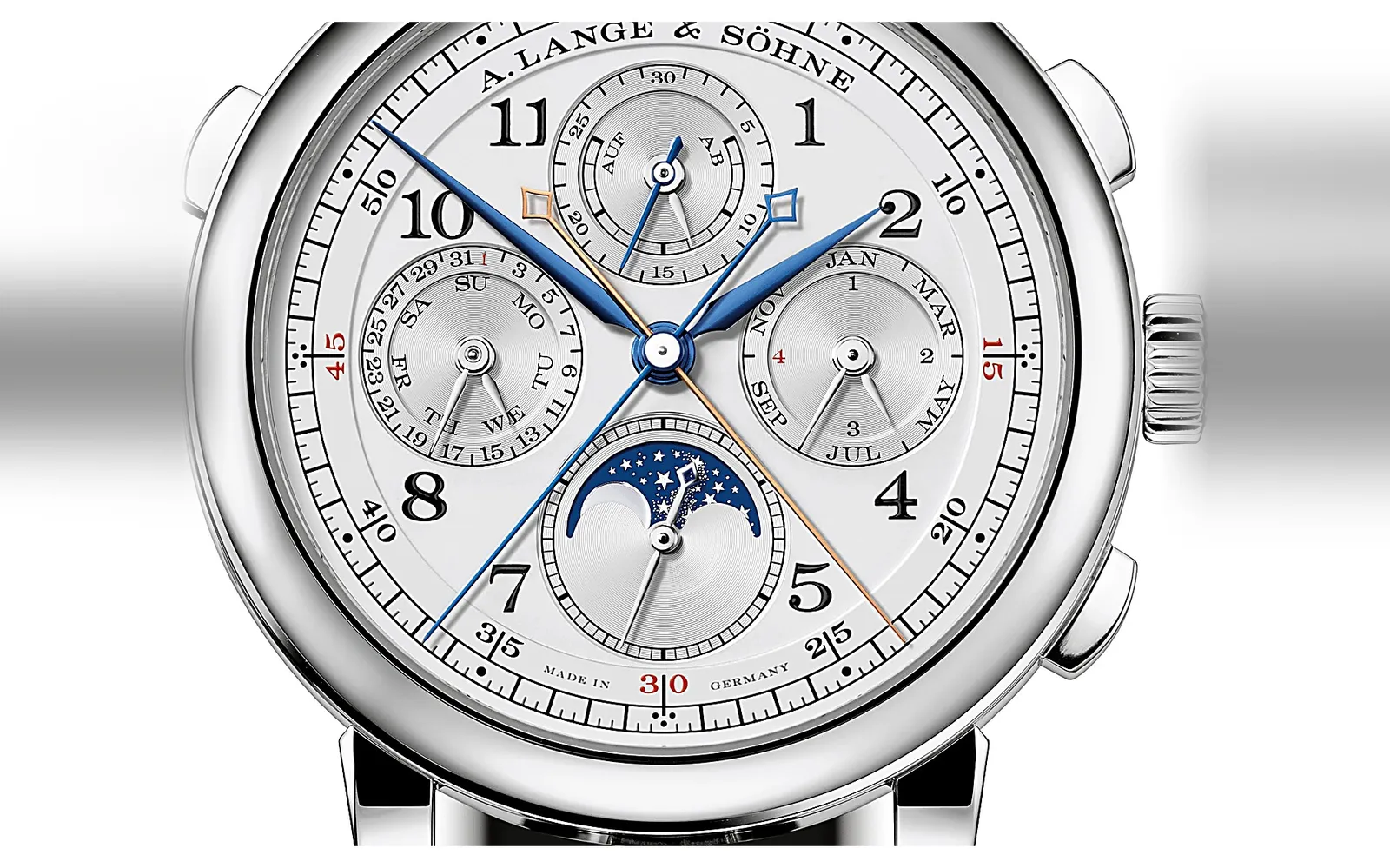
Timing two events with a single chronograph looks impossible at first. If two runners start together and you stop the watch as the first passes you, you lose the second one’s time. If you do not stop it, you cannot read the first one’s.
The rattrapante, the catch-up chronograph, was invented for that dead end. Two seconds hands are placed on the same axis, one above the other. Start the chronograph and they move together, looking like a single hand. To read an intermediate time you stop the upper hand while the lower one runs on. When you have read it, you press the same pusher again and the stopped hand leaps back exactly onto the runner.
The word leap is meant literally here. The hand does not creep up on the other. It closes the distance it lost in a single instant.
format_quote"One chronograph cannot time two events. The rattrapante refutes that sentence by splitting the hand in two."
Hasan Bekmezci
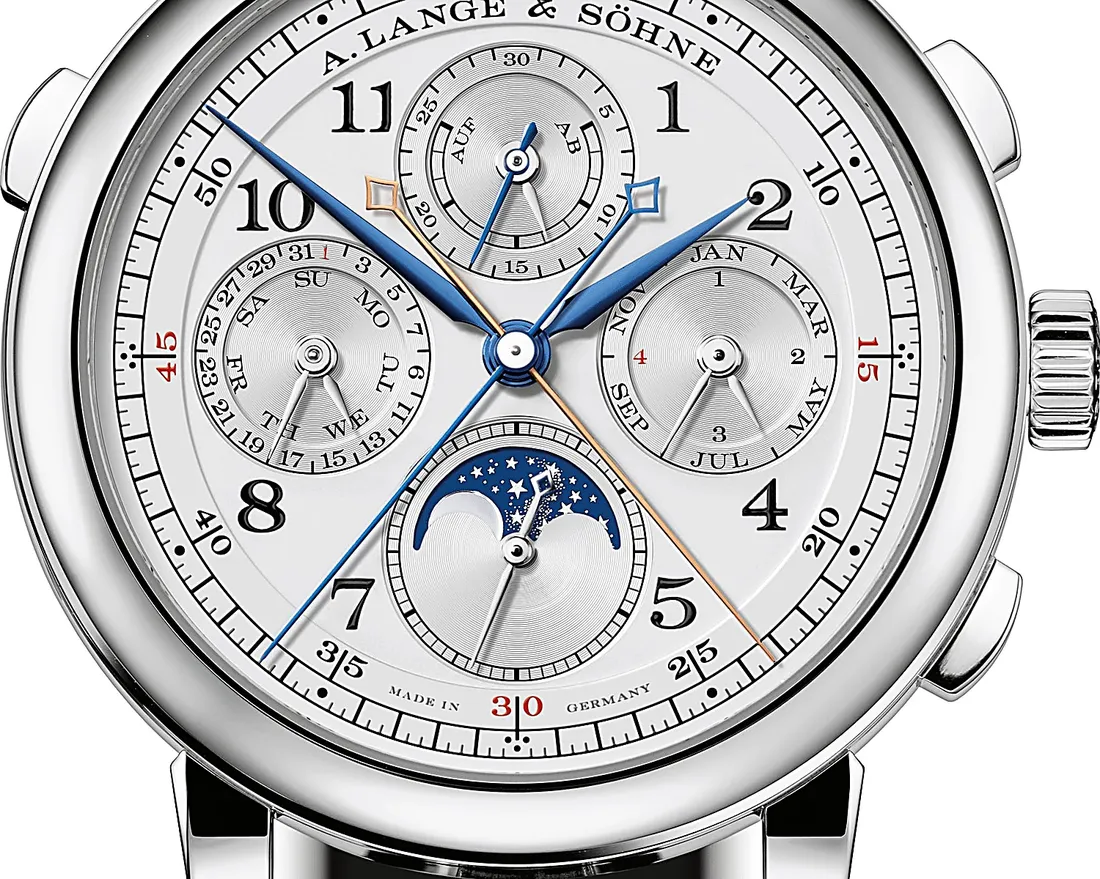
What makes the catching up possible is a heart-shaped cam. Fixed to the wheel of the stopped hand is an asymmetric disc shaped exactly like a heart, and a spring-loaded lever rests against its edge. For as long as the hand is held, the lever is kept clear of the cam. The moment you release it, the lever drops onto the edge and the sloping surface drives it in one direction only, towards the deepest point of the heart.
The geometry of the heart is drawn so that the deepest point corresponds precisely to where the running hand now stands. The hand therefore does not catch up at all. It simply falls to the bottom of its own cam, and that bottom is already the right place. The reset function of any chronograph works on the same principle, except that there the bottom of the heart is zero.
What holds the stopped hand in place is a clamp: a two-armed pincer that grips the rattrapante wheel on both sides and holds it motionless.
At this point one of the least discussed and most decisive problems in watchmaking appears. The clamp stops the hand, but the wheel of that hand is still connected to the movement. The lever resting on the heart cam goes on rubbing even while the wheel is held, and that friction is transmitted backwards into the going train.
The consequence is this: during the few seconds in which you read an intermediate time, the watch itself slows down. The instrument you are using to measure is altered by the act of measuring. The real difficulty in designing a rattrapante is not stopping the hand. It is stopping the hand without loading the movement.
A good rattrapante is built so that the friction of the stopped hand is cut off from the going train. That detail is invisible on the dial and appears in no marketing text, yet it is exactly what separates a good split-seconds from a poor one.
format_quote"If the instrument you measure with is altered by the act of measuring, what you have measured is no longer the event."
Hasan Bekmezci
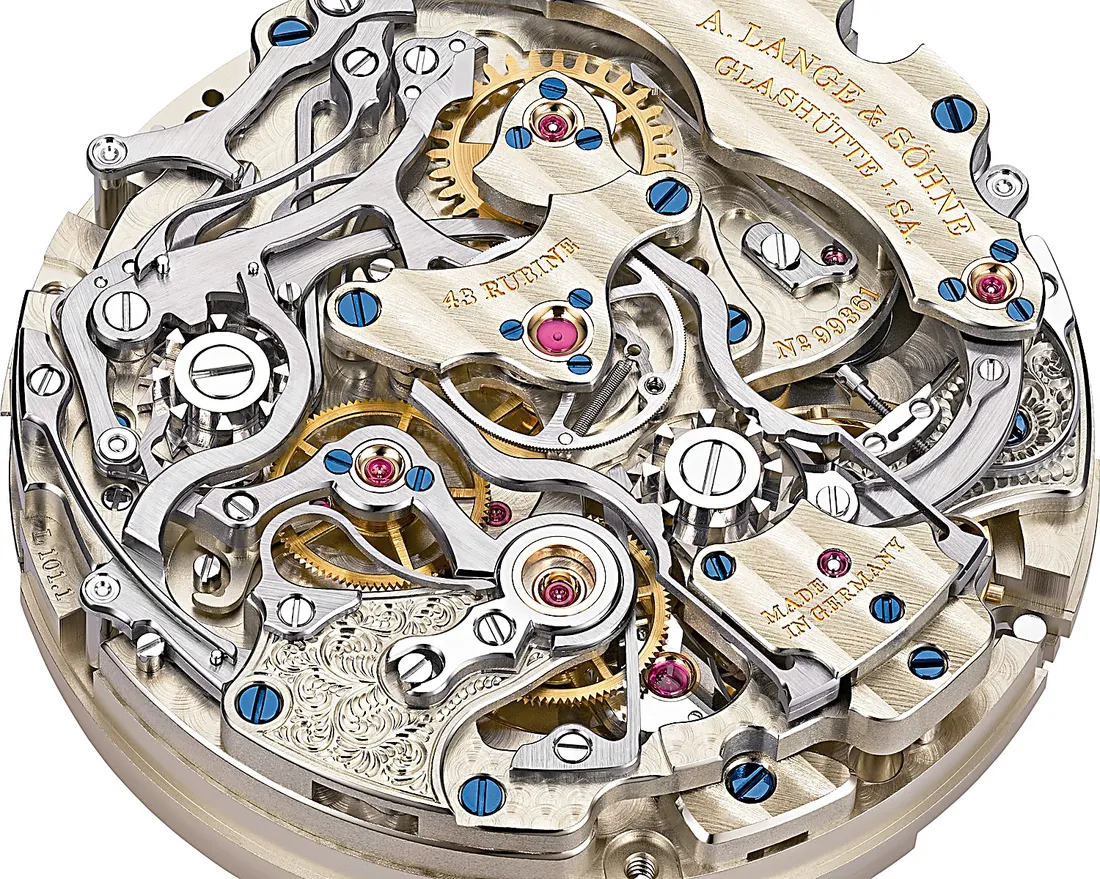
Picture two people arguing about this watch at the bench: the constructor who drew the calibre and the régleur who regulates its rate.
The régleur states the measurement first. The watch loses while an intermediate time is being read. The difference is small, but I regulate this watch in five positions to fractions of a second, and you are handing the owner a device that undoes my work every time he presses it.
The constructor grants that the objection is fair. True. But how many times a day will he press it?
The régleur does not take the bait. How often he presses it does not matter. What matters is whether I know what happens when he does. A known error can be accounted for. An unknown one accumulates.
The constructor then names the real work. In that case let us not make the error known, let us remove it. Let the friction of the stopped hand never reach the going train at all. It will take another twenty parts.
The régleur answers briefly. Add them. I cannot regulate an error I cannot see.
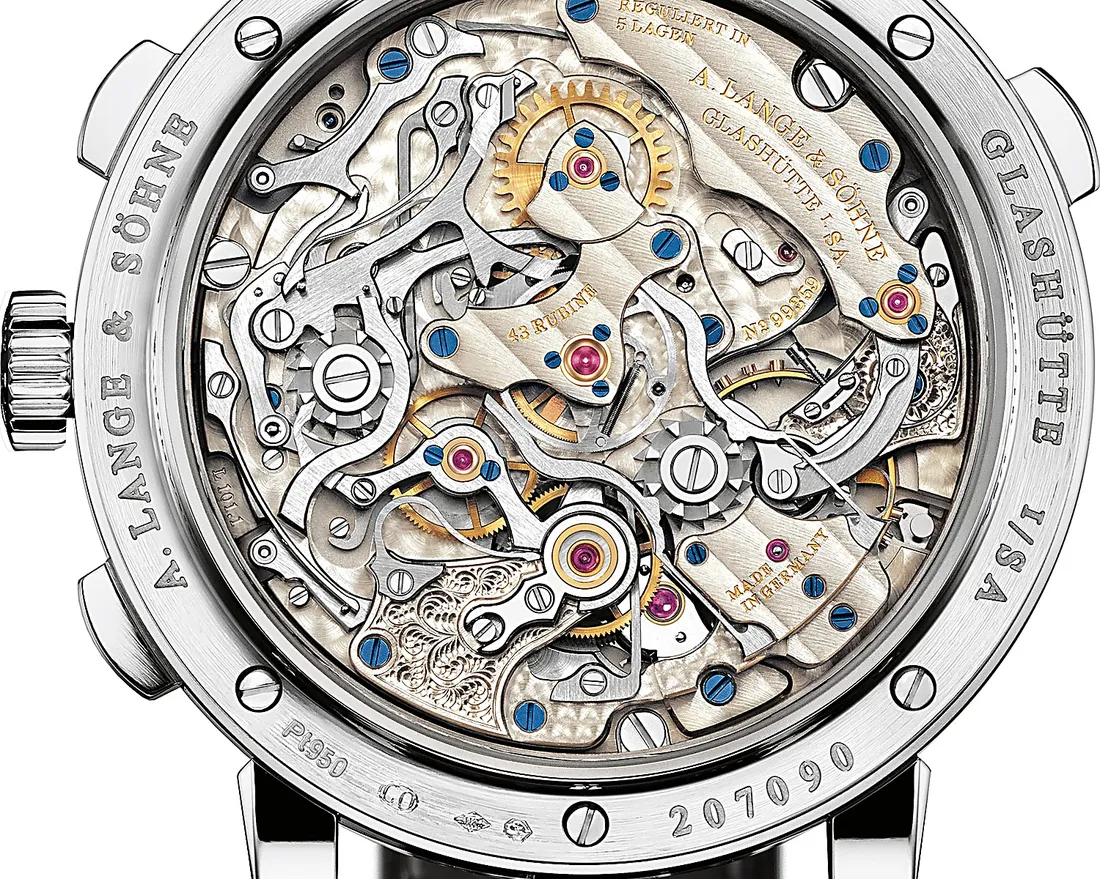
On the other half of the dial an entirely different kind of mind is at work. The perpetual calendar has memorised how many days each month holds and that February lengthens once every four years. It carries that as memory, a four-year cycle written into the teeth of its wheels, and it makes the right jumps on the right days.
So two opposite faculties sit side by side inside this watch. The rattrapante forgets on command; it never remembers where the hand it stopped was left, because it does not need to. The bottom of the heart already points to the right place. The calendar never forgets; across four years it does not lose its place for a single day.
Running forgetting and remembering in one case, off one mainspring, is the real accomplishment here.
format_quote"The rattrapante forgets on command, the calendar never forgets. Both run in one case, off one mainspring."
Hasan Bekmezci
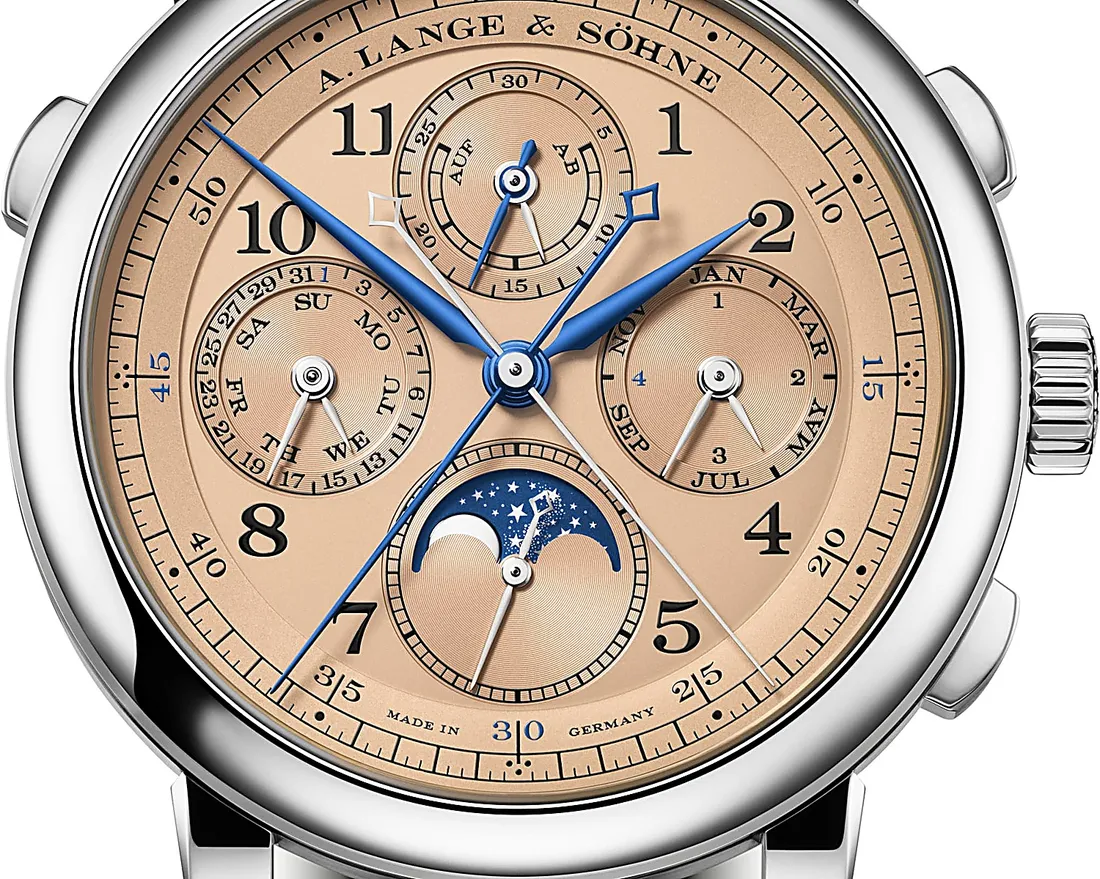
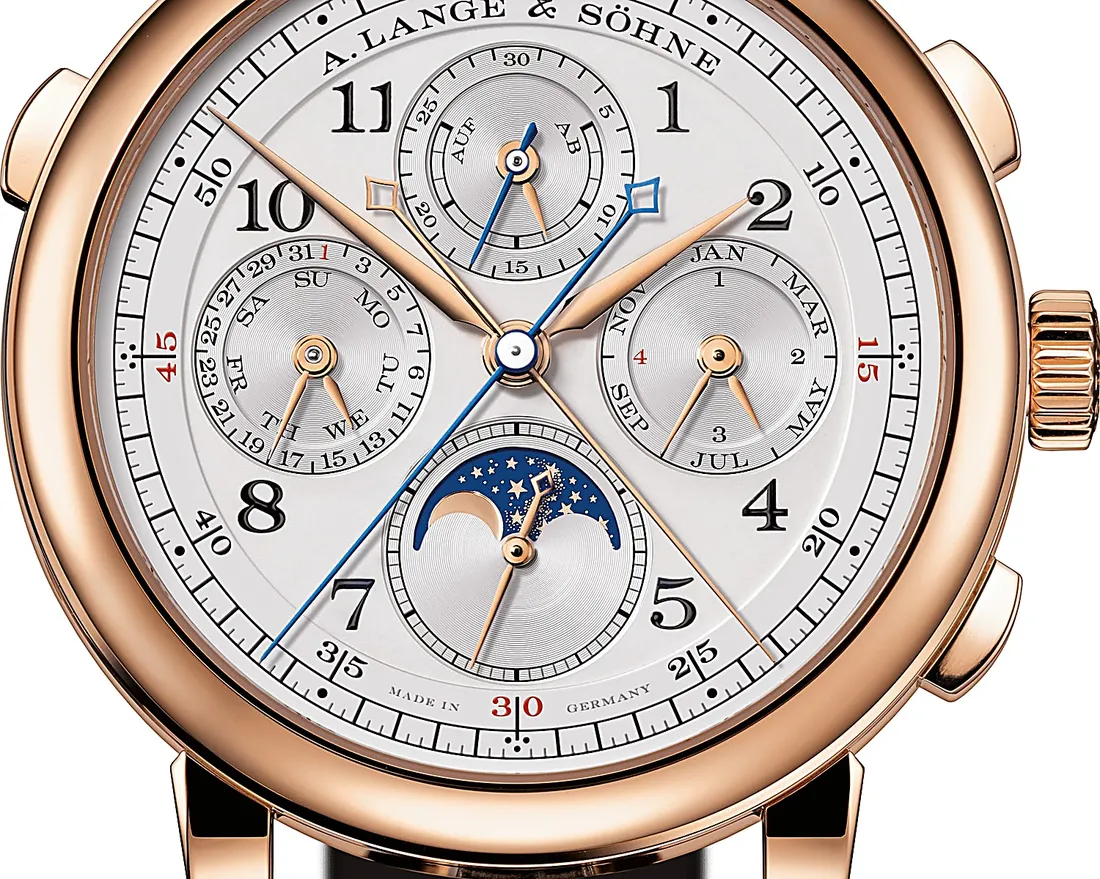
The figures run as follows. The case is 950 platinum, forty-one point nine millimetres across and fourteen point seven deep, with a sapphire back. Water resistance is three bar. Calibre L101.1 consists of six hundred and thirty-one parts, is wound by hand and runs for forty-two hours. The balance performs twenty-one thousand six hundred semi-oscillations an hour, which is three beats a second.
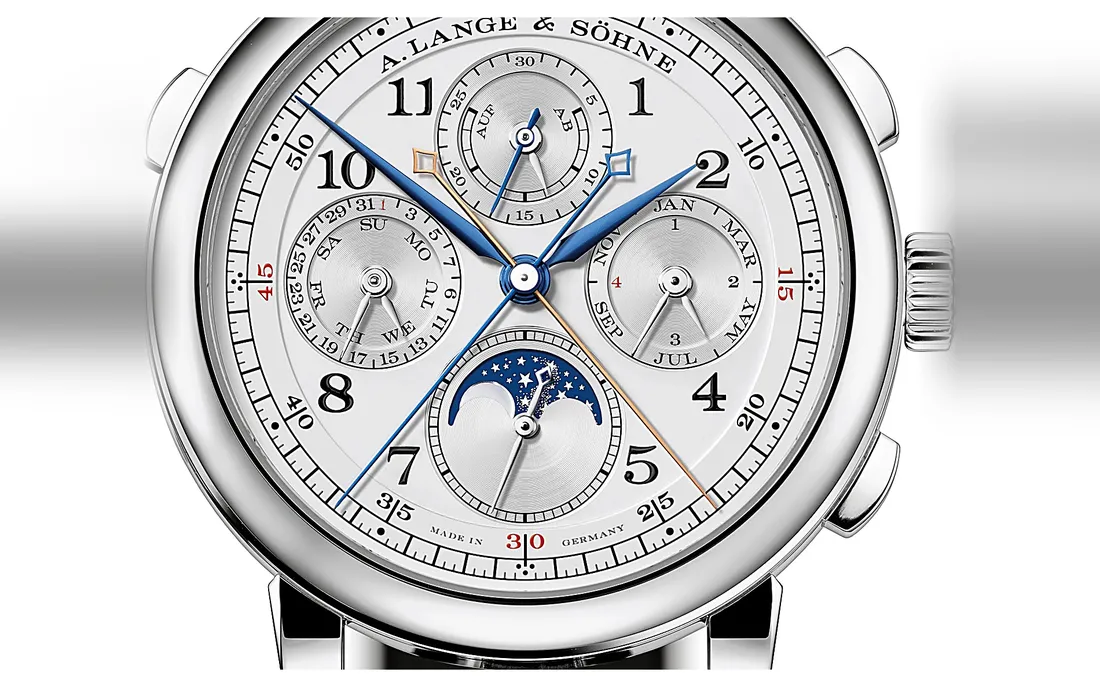
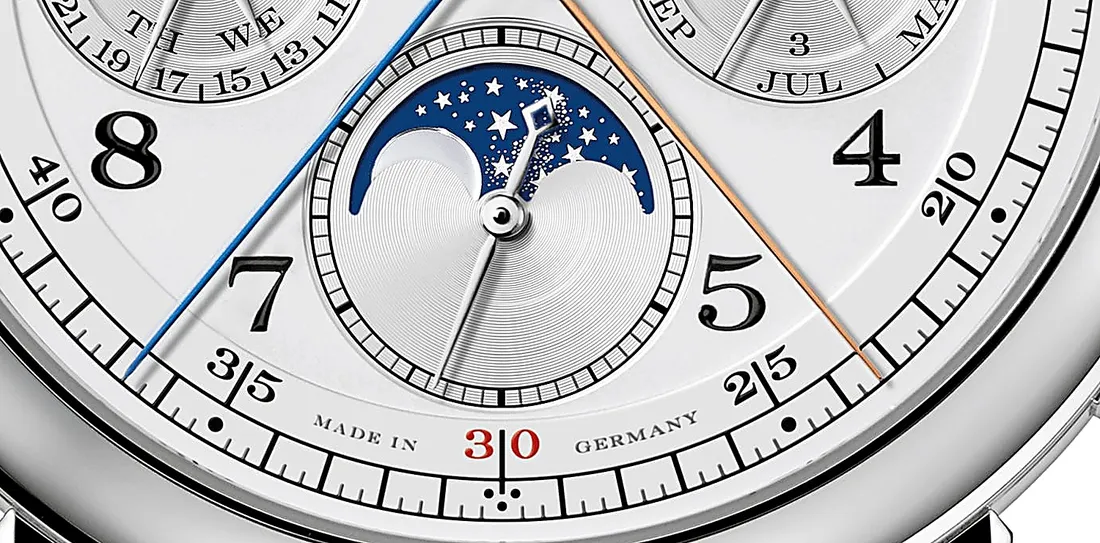
The dial carries a power-reserve indicator, a moon phase, the chronograph, the day of the week, the perpetual calendar and the date together. The same reference was also made in pink gold and in white gold.
At the 2013 Grand Prix d’Horlogerie de Genève this watch took two prizes at once: the Grande Complication Prize from the jury and the Public Prize from the vote. A watch that convinces the specialists and the audience at the same moment is not a common thing.
Look at this watch for long enough and you start thinking about your own memory. We have the same two faculties, and neither of ours runs so cleanly. We remember what we ought to forget and forget what we ought to remember. We cannot fall to the bottom of the heart.
The honesty of the rattrapante lies here: it forgets deliberately, and it knows in advance where it will return to. The honesty of the calendar lies here: what it remembers it did not invent. It took it from the sky and wrote it into wheels.
Neither of them sets its own measure. One obeys the geometry of a cam, the other the turning of the earth. Perhaps that is what every well-made mechanism has in common: it does not try to be the one who sets the measure.
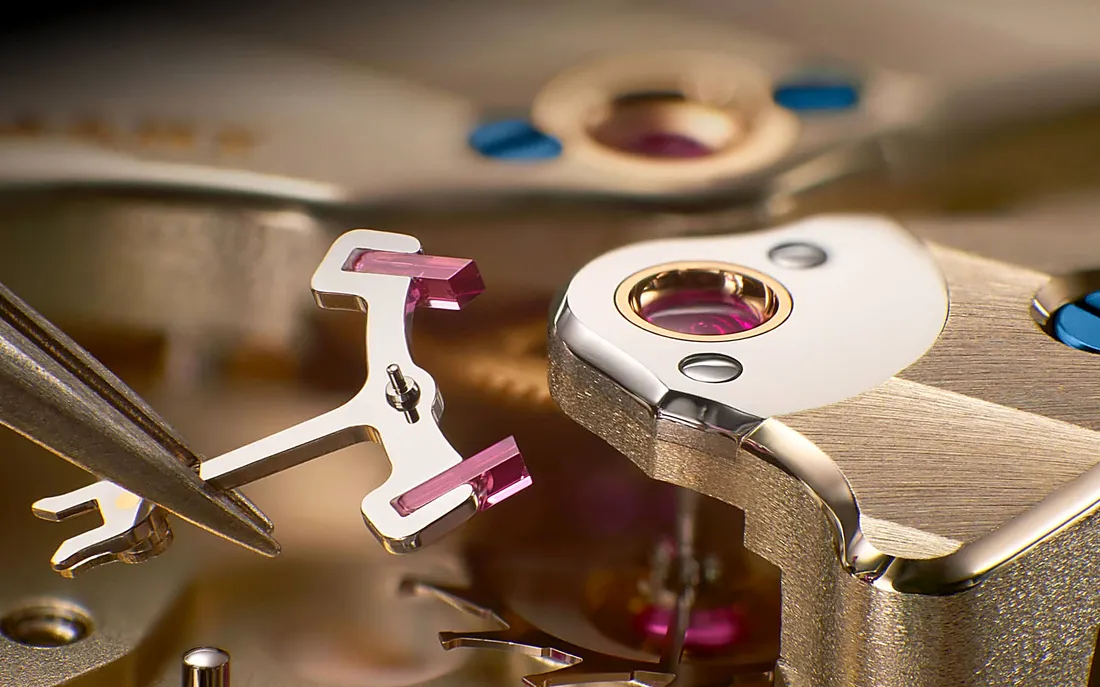
The watch on its maker’s own site: A. Lange & Söhne, 1815 Rattrapante Perpetual Calendar