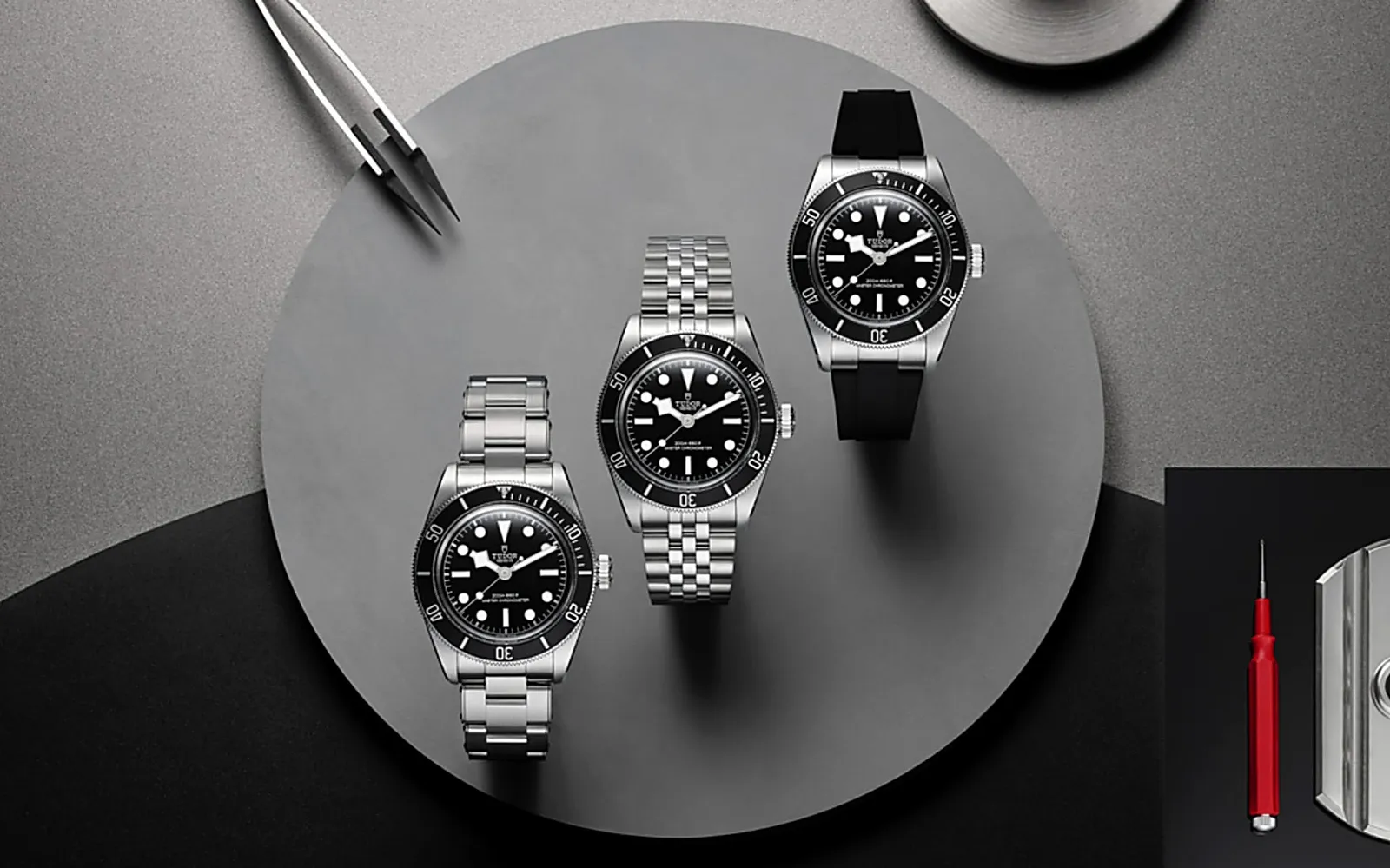
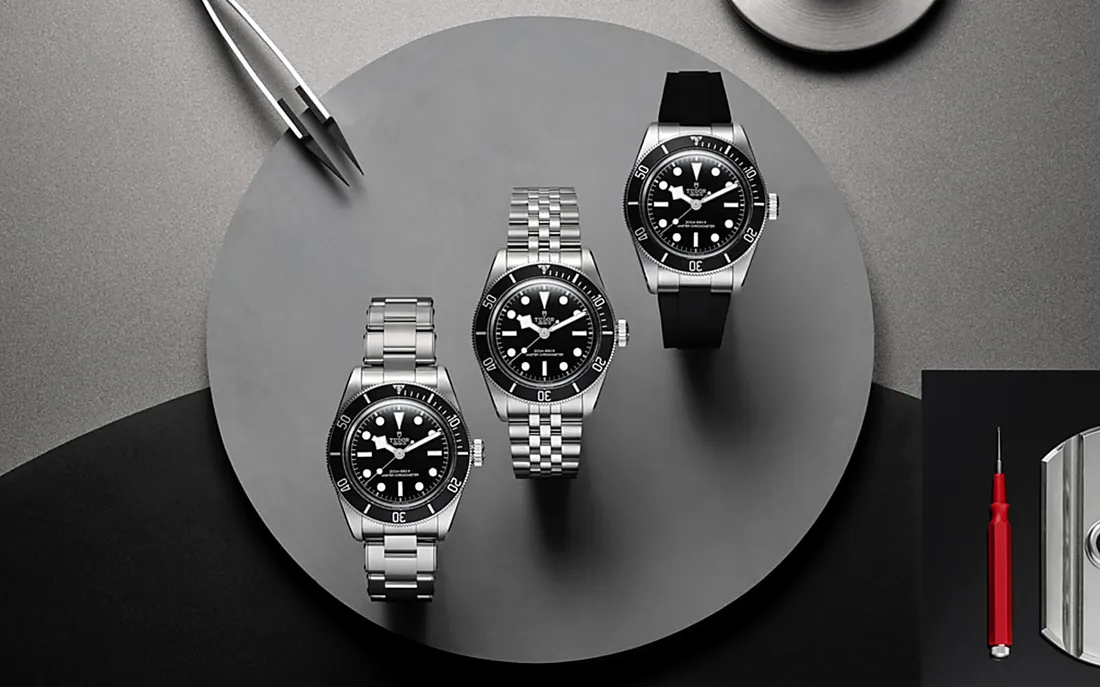
Underwater, pressure rises by roughly one bar for every ten metres of depth. At the surface one atmosphere already bears on you; at ten metres it is two, at twenty it is three. At two hundred metres the case of a watch carries twenty-one bar.
All the engineering of a diving watch wrestles with that number. The screw-down crown, the compressed gaskets, the thick sapphire crystal and the middle case machined from a single block all exist to keep that pressure out.
But none of those is the part that makes a diving watch a diving watch. That part sits outside the case and contributes nothing whatever to sealing it: the rotating bezel.
format_quote"Underwater, pressure rises a bar every ten metres. All the engineering of a dive watch wrestles with that one number."
Hasan Bekmezci
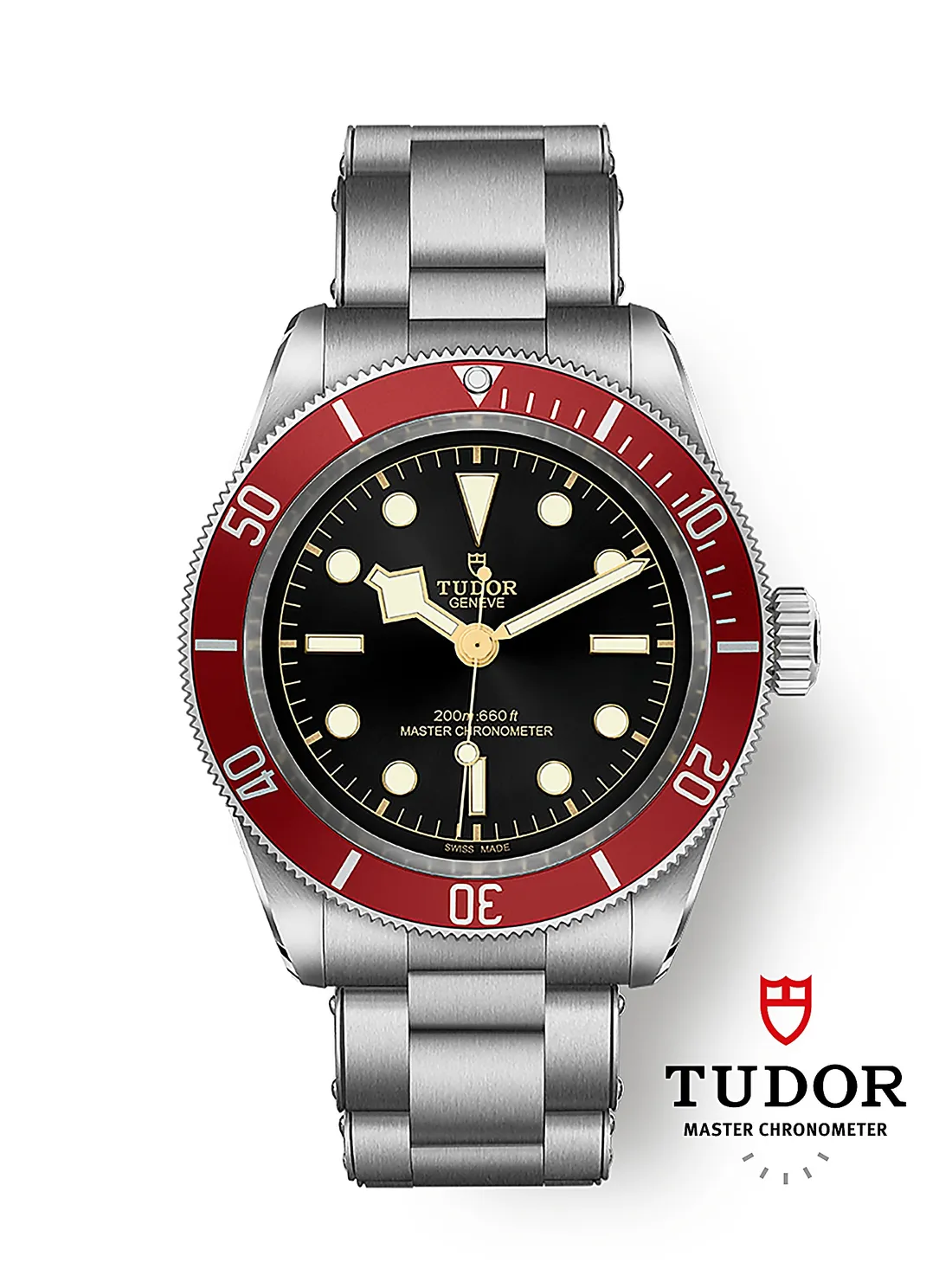
The job of the bezel is simple. Before entering the water you set the triangle over the minute hand. From then on, the figure the minute hand reads against the bezel scale is the time you have spent below. Because the air in the tank is finite, that figure matters a great deal.
Now the critical detail. This bezel turns in one direction only, anticlockwise. Try to turn it the other way and it will not move.
Here is why. Working underwater, it is always possible to knock the bezel against something, to snag it on a line, to graze it on rock. If the bezel could turn both ways, that accident could go two ways. Were the start marker to slip backwards, the watch would show less elapsed time than had actually passed, and you would stay down without realising your air was running out.
With a unidirectional bezel that outcome is impossible. Whatever the accident, the bezel can only move so as to advance the marker, and the watch can only ever show more elapsed time than has truly passed. The error always falls on the side that brings you up early.
format_quote"The question is not whether the error will happen. It is which way it falls when it does."
Hasan Bekmezci
This is one of the most elegant examples of what engineering calls fail-safe design. The designer is not trying to prevent the failure; they accept that failure is inevitable and arrange for it to fall in the harmless direction. Lift brakes that clamp automatically when the cable parts, and railway signals that rest at red when they fail, come from the same reasoning.
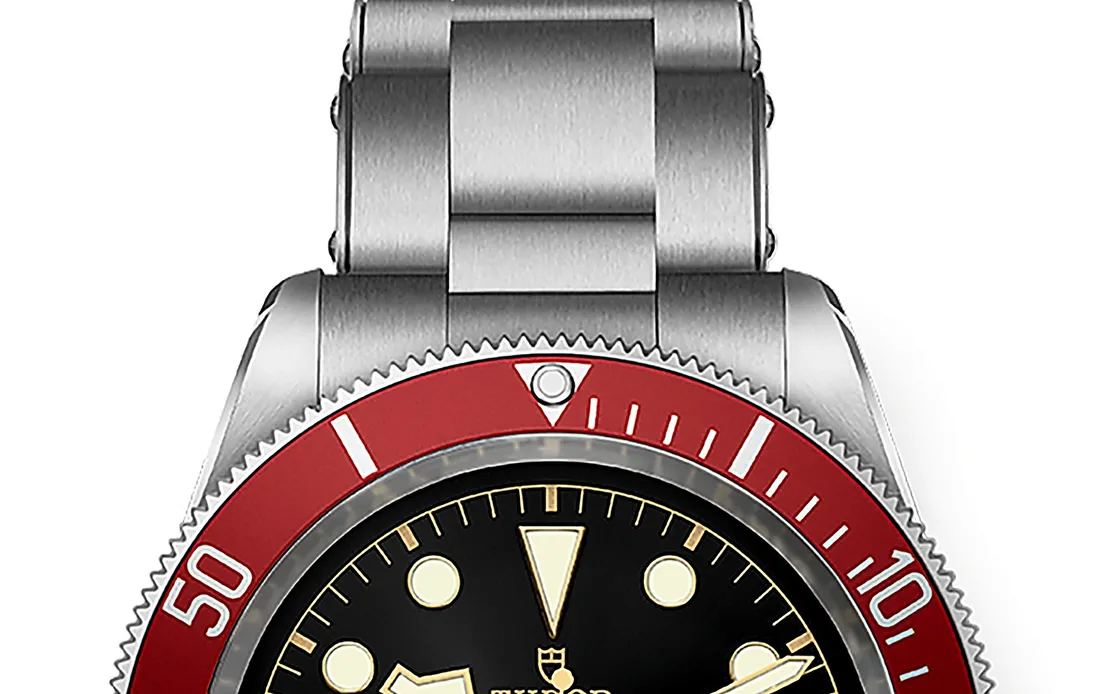
A second instance of the same thinking sits on the dial. The tip of the minute hand carries a broad, angular shape resembling a snowflake. That the shape is not decoration is clear from where it comes from: the watches Tudor supplied to the French navy.
In murky water, in poor light, at a moment when you are counting your breaths, confusing the two hands is a serious mistake. Two long thin hands resemble one another. Put a completely different geometry on the tip of one, and the reader no longer has to rely on colour or on length; the shape alone separates them. Delivering the same information through two independent channels is called redundancy, and here the redundancy still works when the light has gone.
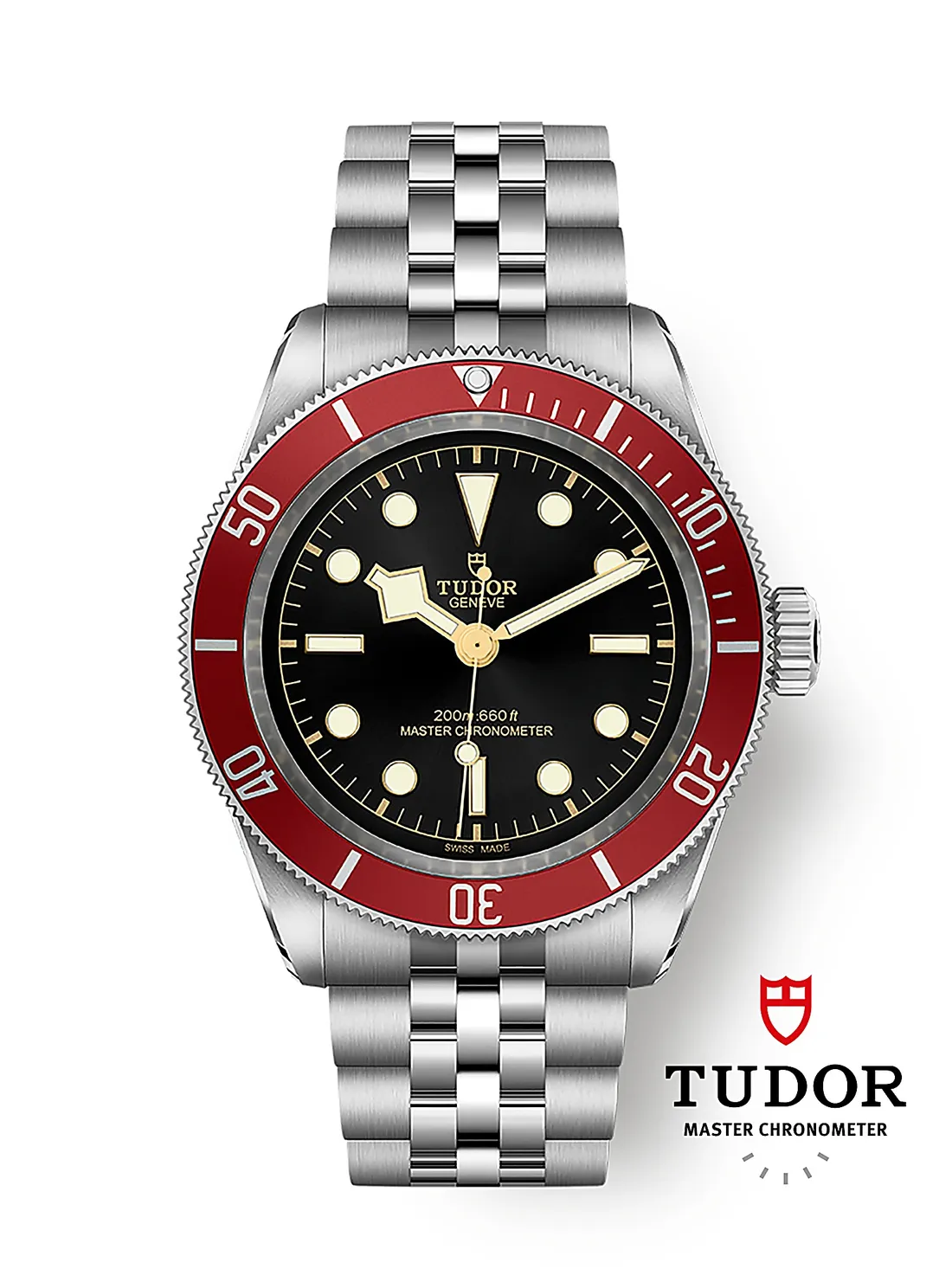
Picture two people arguing as the watch was brought back: the product manager who wants a bidirectional bezel and the engineer who refuses.
The product manager speaks reasonably. The overwhelming majority of people who buy this watch will never dive. A bidirectional bezel is more useful in ordinary life; you can set a parking time, a cooking time, a meeting, from either direction.
The engineer accepts the figure. True, most of them will never dive.
The product manager presses on. Then why spoil the convenience of the majority for the sake of a minority?
The engineer changes the question. Convenience is not the issue. For the one person who does dive, the answer the bezel gives has to be the same answer it gives everyone else. A tool is judged by its worst case, not its average one.
The product manager plays the last card. The probability is very low.
The engineer closes it. A low probability does not make the consequence light. I cannot make the probability smaller, but I can choose the direction of the error.
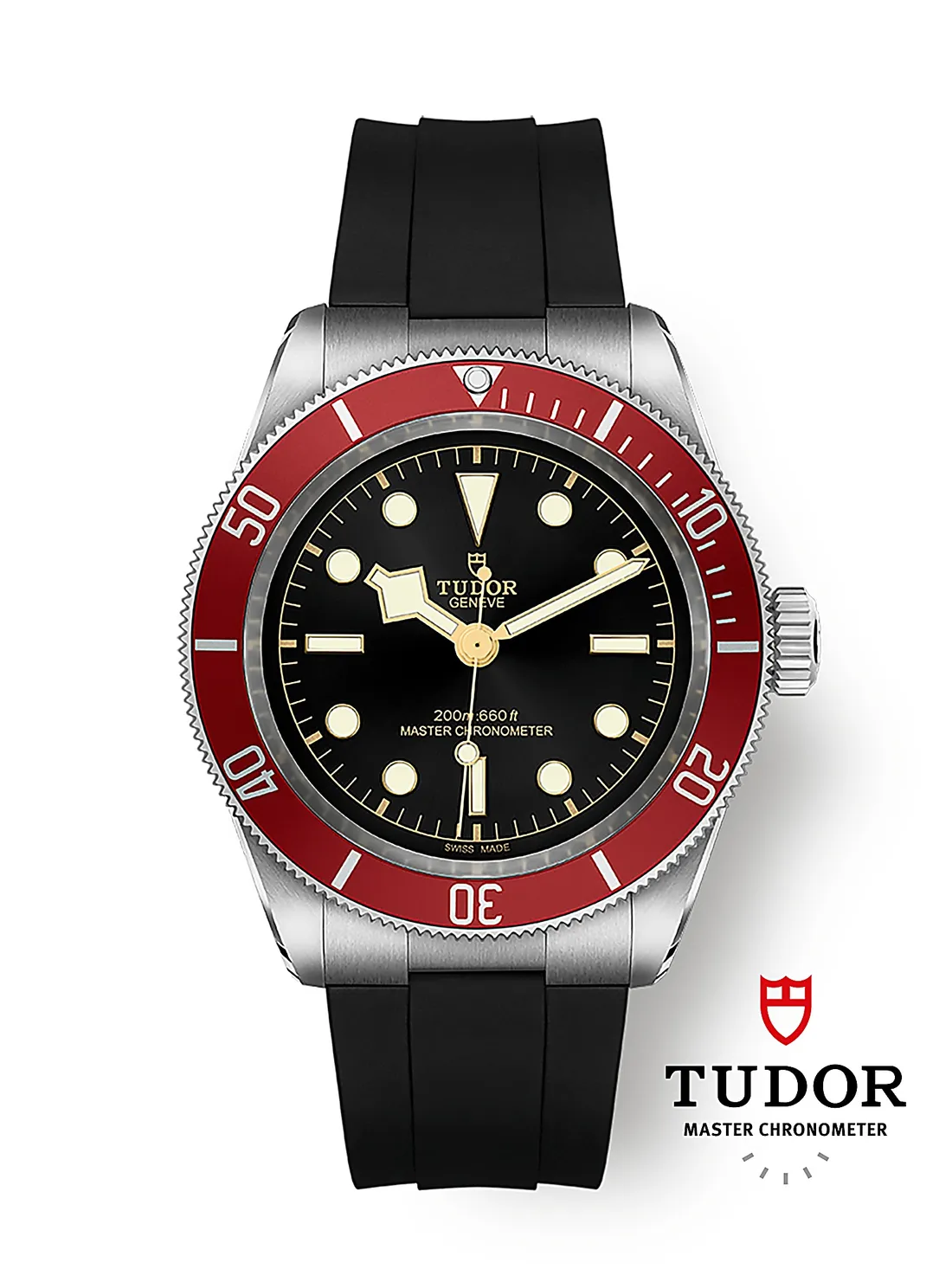
The prize the Black Bay took at the 2013 Grand Prix d’Horlogerie de Genève was called the Revival Prize. That category judges watches that bring a design from the past into the present, and it is a category easily abused. Reprinting an old dial and copying an old typeface can be called a revival.
What distinguishes this watch is that it brought the reasons along with the shapes it copied. The burgundy bezel is not a colour choice but the trace of fifty years of Tudor diving watches. The snowflake hand is not a signature but the answer to a navy’s demand for legibility. The unidirectional bezel is not a tradition but a safety rule.
That is what makes a revival honest: preserving the reasons rather than the shapes.
format_quote"What makes a revival honest is preserving the reasons, not the shapes."
Hasan Bekmezci
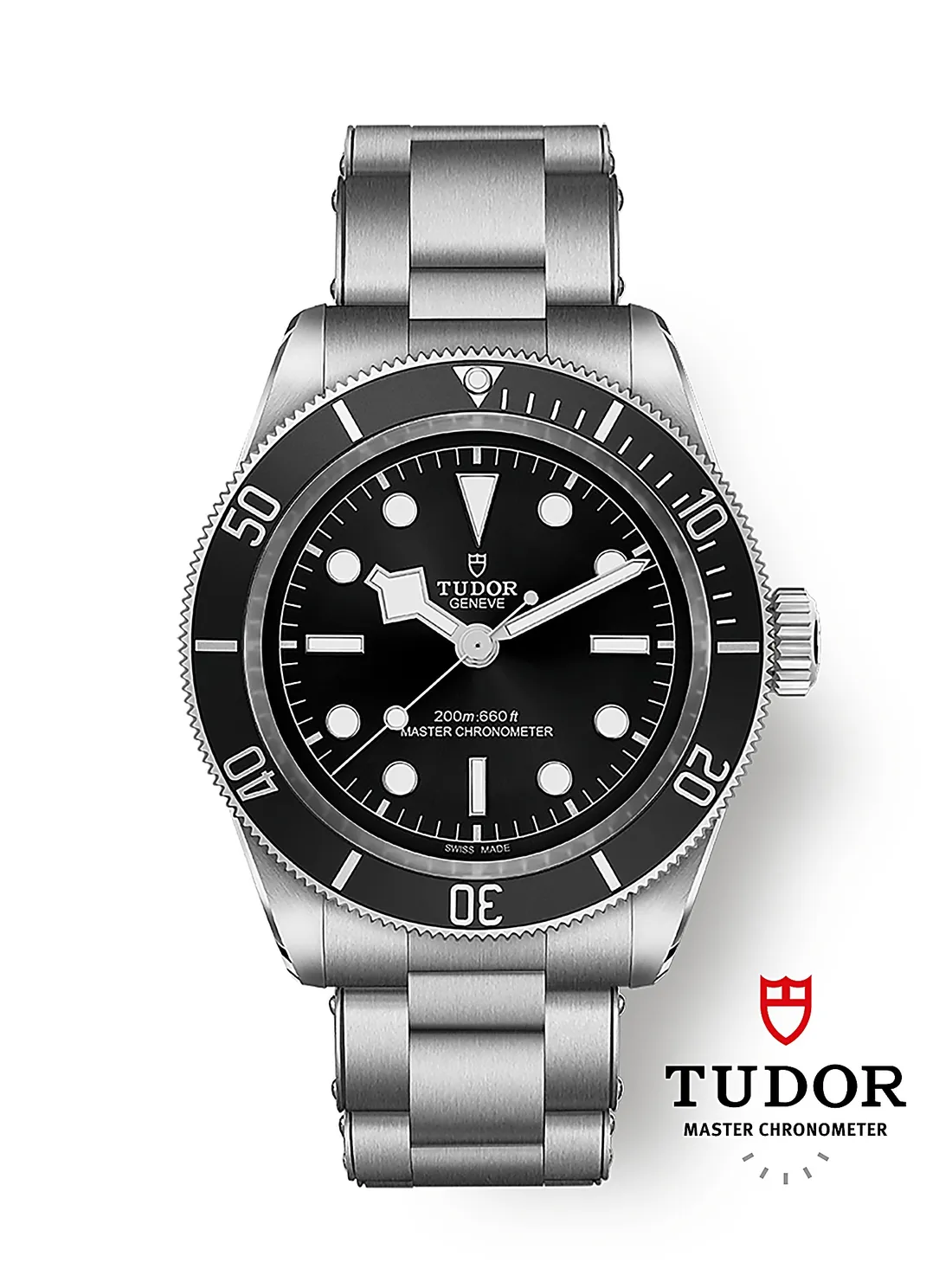
The figures of the current version run as follows. The case is steel and forty-one millimetres across, the bezel is burgundy and the bracelet steel. Inside runs Tudor’s own Manufacture Calibre MT5602-U, and the watch carries METAS Master Chronometer certification. The dial reads two hundred metres, and the maker gives a five-year guarantee.
This is not an expensive watch and does not try to be. That was never why it took the prize either.
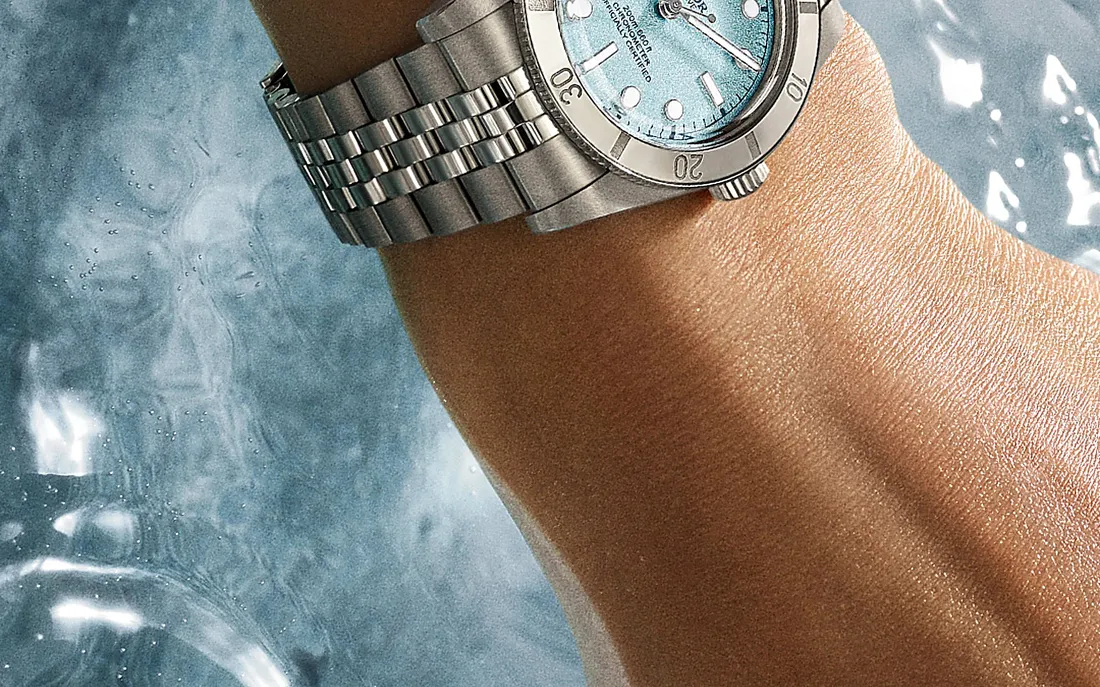
The idea that comes out of this watch holds for people who never dive. Most of life’s decisions are made under uncertainty, and the chance of being wrong never falls to zero. In that condition, the right question is not whether we will be wrong. The right question is this: when I am wrong, which way will it fall?
A dive bezel answered that question forty years ago and cut its answer into metal. Accidents will happen, we know this; then let the accident be the one that brings us up.
A person can arrange their own habits the same way: set each choice so that being wrong lands on the harmless side. We do not know how much air we have left in any case. Since the measure was not ours to set, we can at least choose the direction of our error.
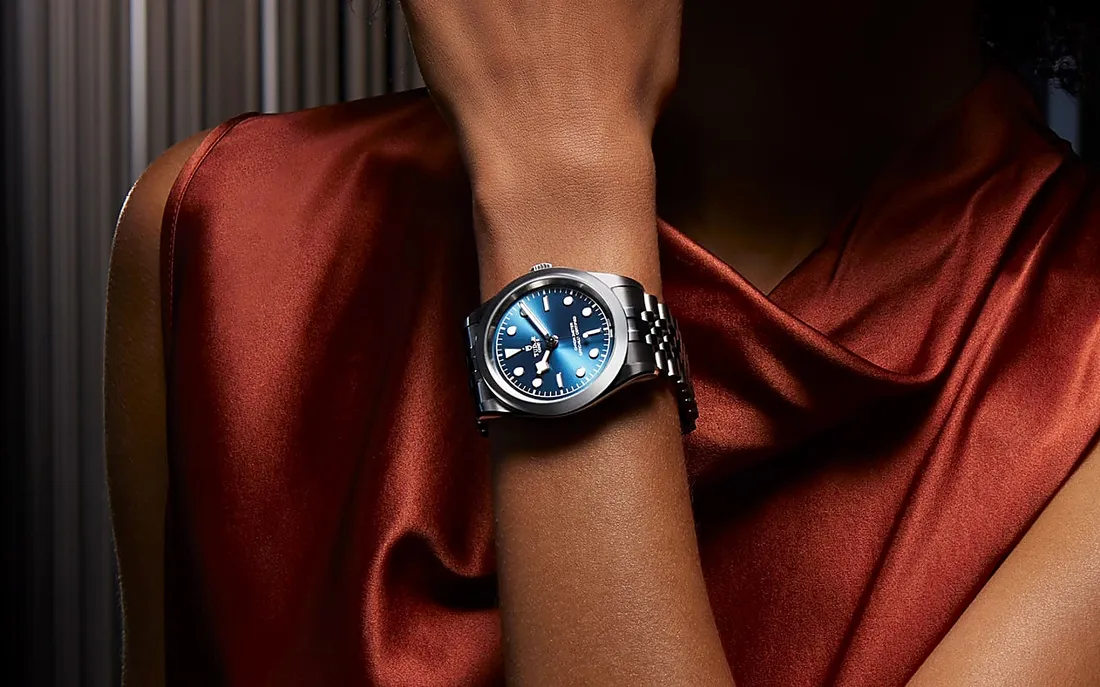
The watch on its maker’s own site: Tudor, Black Bay