The Colours That Vanish at Thirty Metres
In a Mediterranean cove, in the early hours of the morning, the boat rocked gently. The retired diver Salvatore was a man who had spent forty years beneath the water; his face was scored by salt and sun. Facing him sat his young student Marta, preparing for her first deep dive; her hands trembled slightly.
"Do not be afraid," said Salvatore. "But you must learn one thing: down there, your eyes will lie to you." Marta was surprised. "Water swallows light," the old man explained. "The first colour swallowed is red; it disappears at five metres. Then orange, then yellow. At thirty metres the world is nothing but blue and green. Even blood looks green down there."
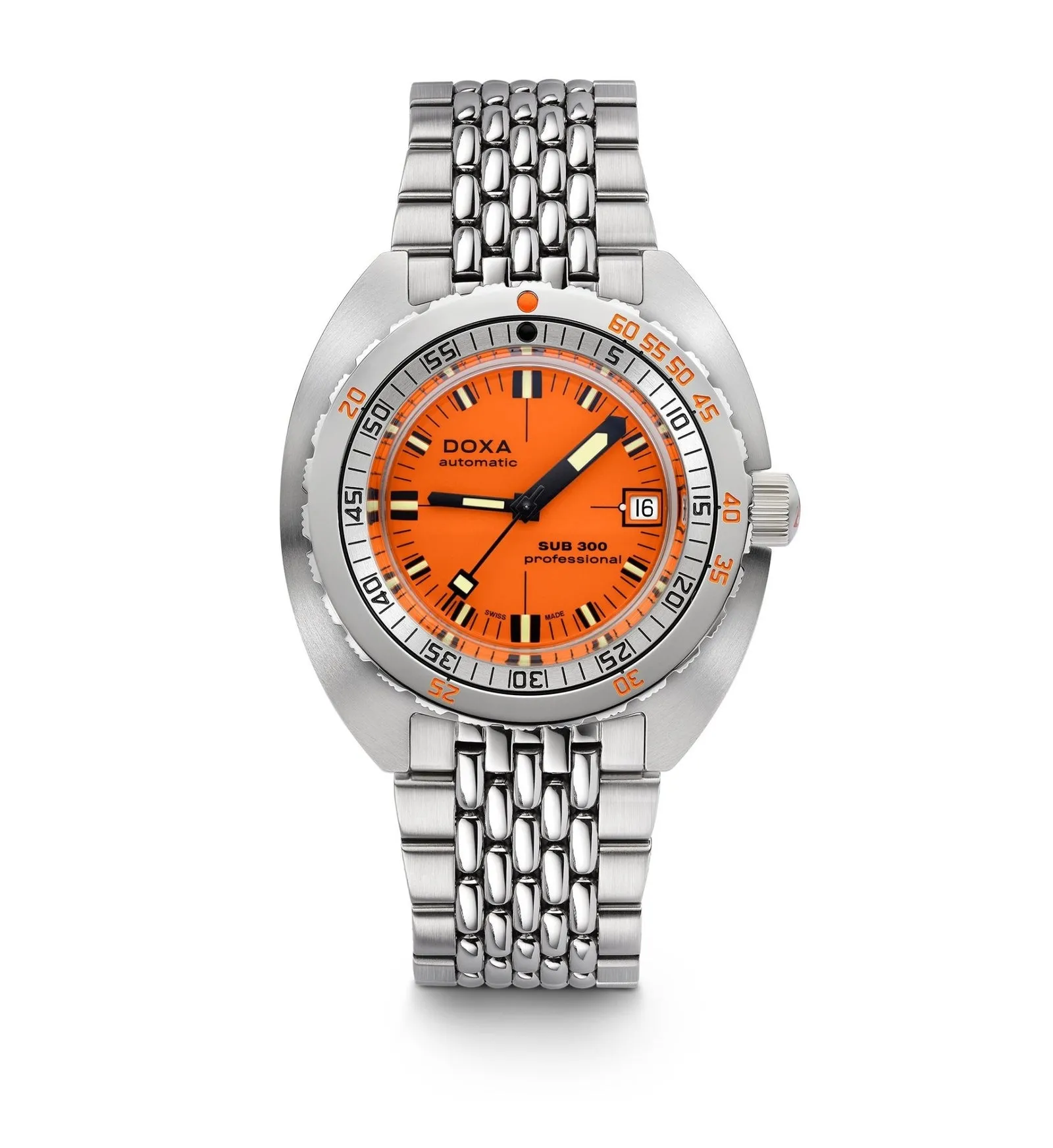
Marta shivered. Salvatore laughed and rolled up his sleeve. On his wrist was a watch whose dial glowed orange like the evening sun. "That," he said, "is why my watch has an orange dial."
Why Orange Is Orange
"I do not understand," said Marta. "Was orange not one of the colours that disappears?" Salvatore nodded: "You are thinking correctly, but the opposite applies. When a colour is swallowed, that surface does not turn black but dark grey, and it creates the highest contrast against the blue around it. In murky water, where the light thins, the surface the eye picks out fastest is the orange one. Doxa tested this in 1967 not in a laboratory but genuinely underwater; they tried dozens of colours and found orange to be the most legible dial."
"This watch is called the SUB 300," he went on. "Doxa is an old Swiss brand; but its true legend began in those years. Back then diving watches were made for soldiers or professionals; Doxa, for the first time, designed a watch for ordinary civilian divers, built around real needs in the water. Jacques Cousteau's diving-equipment company distributed these watches around the world. So what is on my wrist is not a fashion, but a tool."
format_quote"Down there your eyes will lie to you; that is why my watch has an orange dial."
Salvatore
The Life-Saving Scale on the Bezel
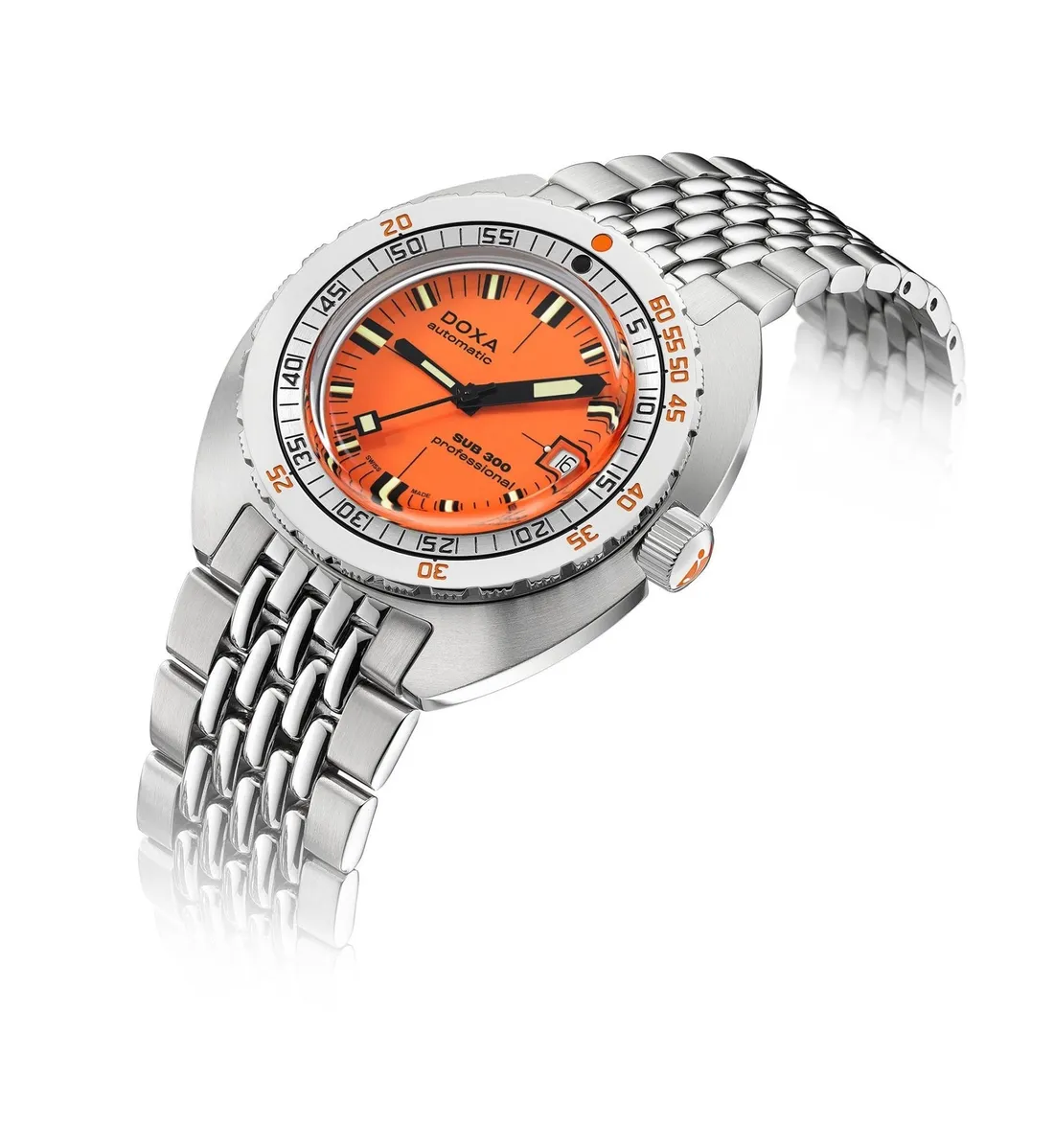
Salvatore pointed to the rotating bezel at the edge of the watch. On it were two separate sets of figures. "This is the most important part of this watch," he said. "The outer numbers count the minutes: as you enter the dive you turn the bezel and bring the zero marker to the minute hand, so at a glance you see how long you have been down. The life of an air tank is measured in minutes; so you do not get the luxury of misreading."
"And the inner numbers?" asked Marta. Salvatore's voice grew serious: "That is what sets Doxa apart from the others. That scale is taken from the US Navy's dive tables. It shows, according to depth, how long you may stay without a decompression stop. If you rise too fast, the nitrogen in your blood turns to bubbles, and that can be fatal. So those small numbers were once a life-saving ruler for divers who had no calculator."
Marta looked at the watch with new respect. "And this bezel turns only one way," Salvatore added, rotating it with his finger. "Do you hear those clicks? It only turns anticlockwise. If you knock it by accident in the water, the bezel can only shift so as to show your dive time as longer. So even a mistake pushes you to surface early. That is how safety is designed."
format_quote"Those small numbers were once a life-saving ruler for divers who had no calculator."
Salvatore
A Cushion Case and a Beaded Bracelet
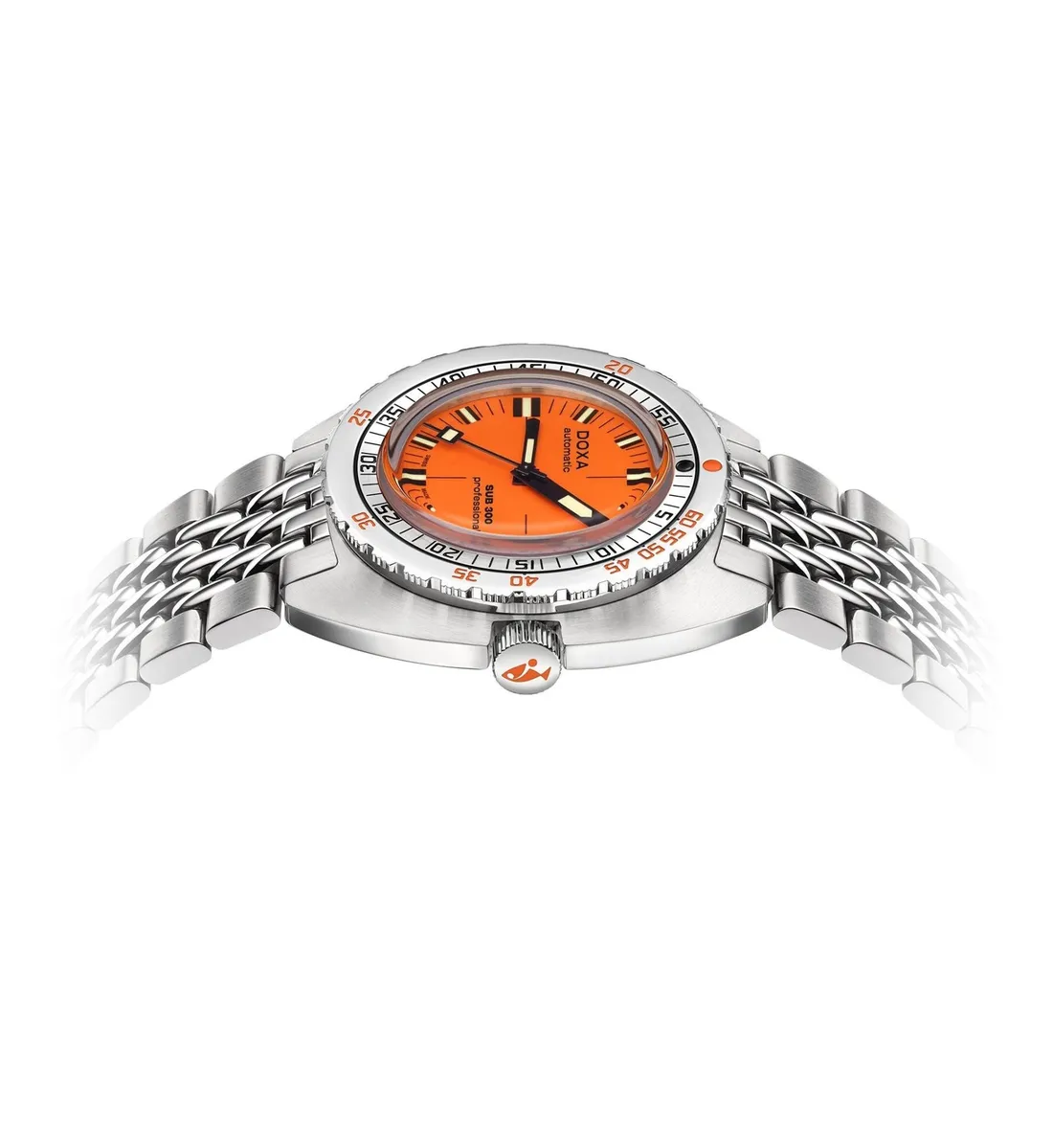
"The shape is odd, too," said Marta, taking the case in her hand. Indeed the case was neither quite round nor quite square; it had a cushion-like form with sides drawn inward. "We call this a cushion case," said Salvatore. "It is the cleverest way to keep the dial large while seating the watch without spreading it across the wrist. And look at this bracelet: this is the weave we call beads of rice. Because it is made of small links, it curves to sit even over a thick diving suit, and does not spring away from your wrist."
"This model is water resistant to three hundred metres; the three hundred in its name comes from exactly that," he added. "And its movement is automatic; that is, no battery, it winds itself from the motion of the wrist. For a diver this matters: you do not want to hang your life on a device whose battery can run out."
The Family of a Colour
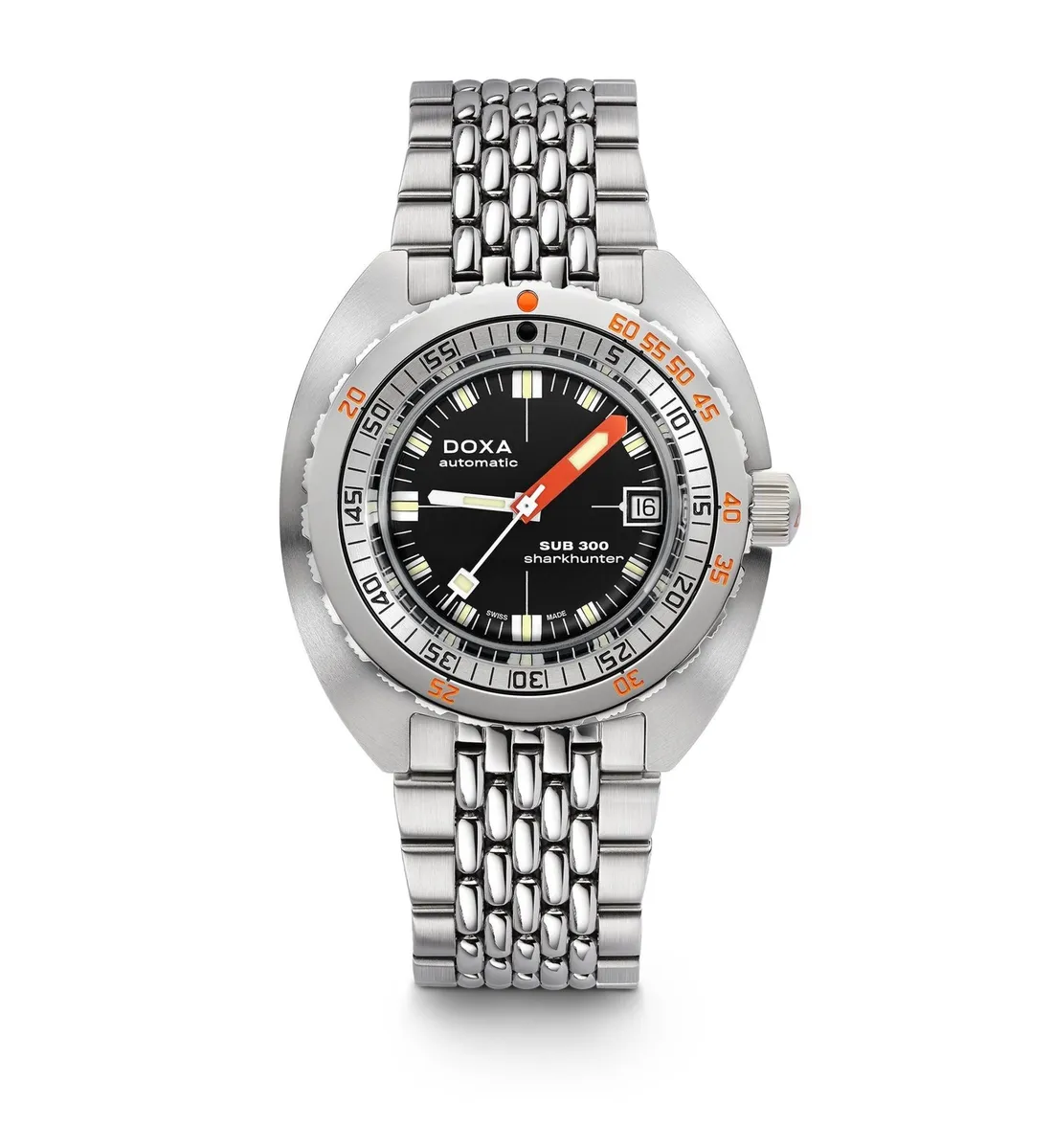
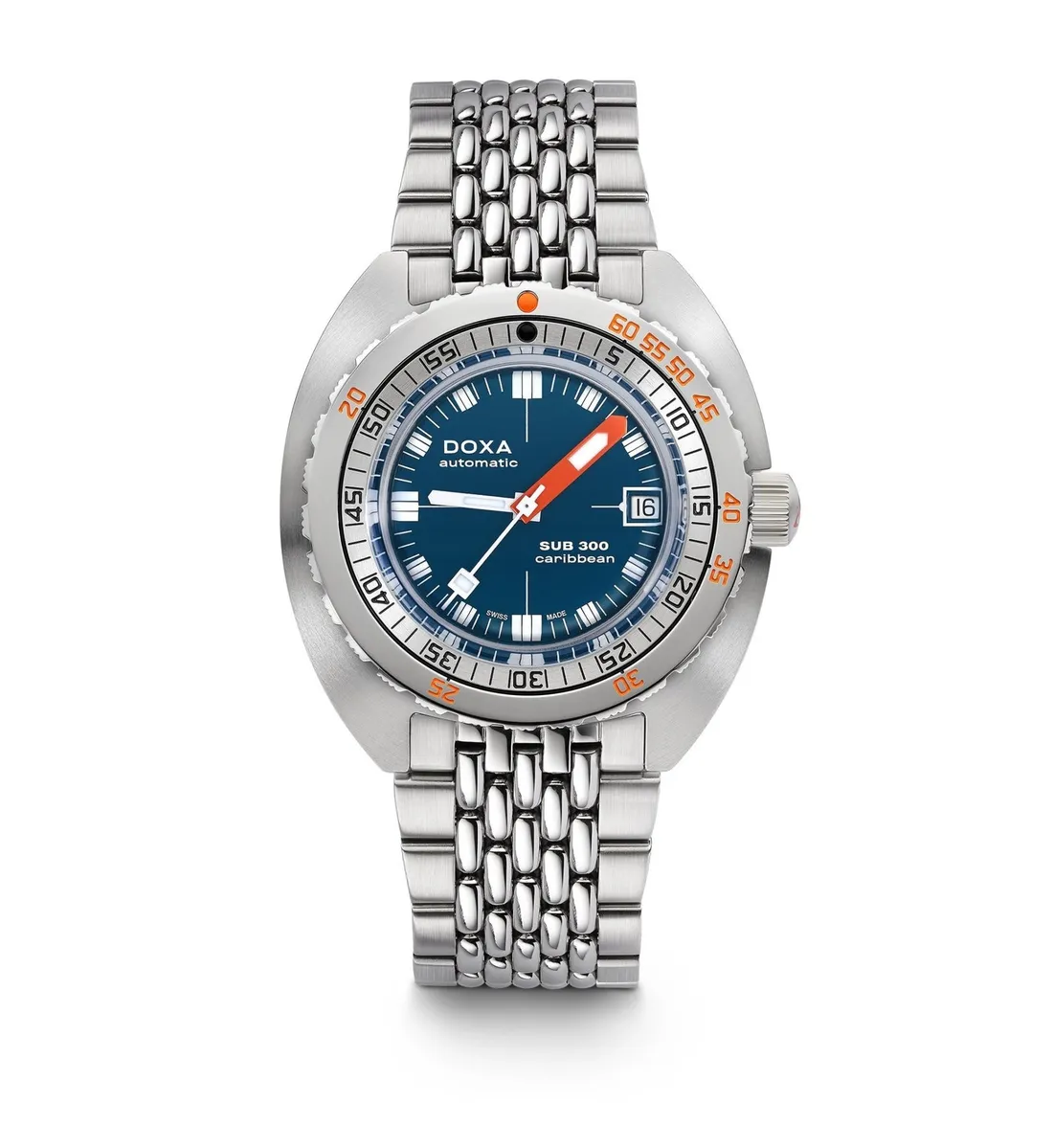
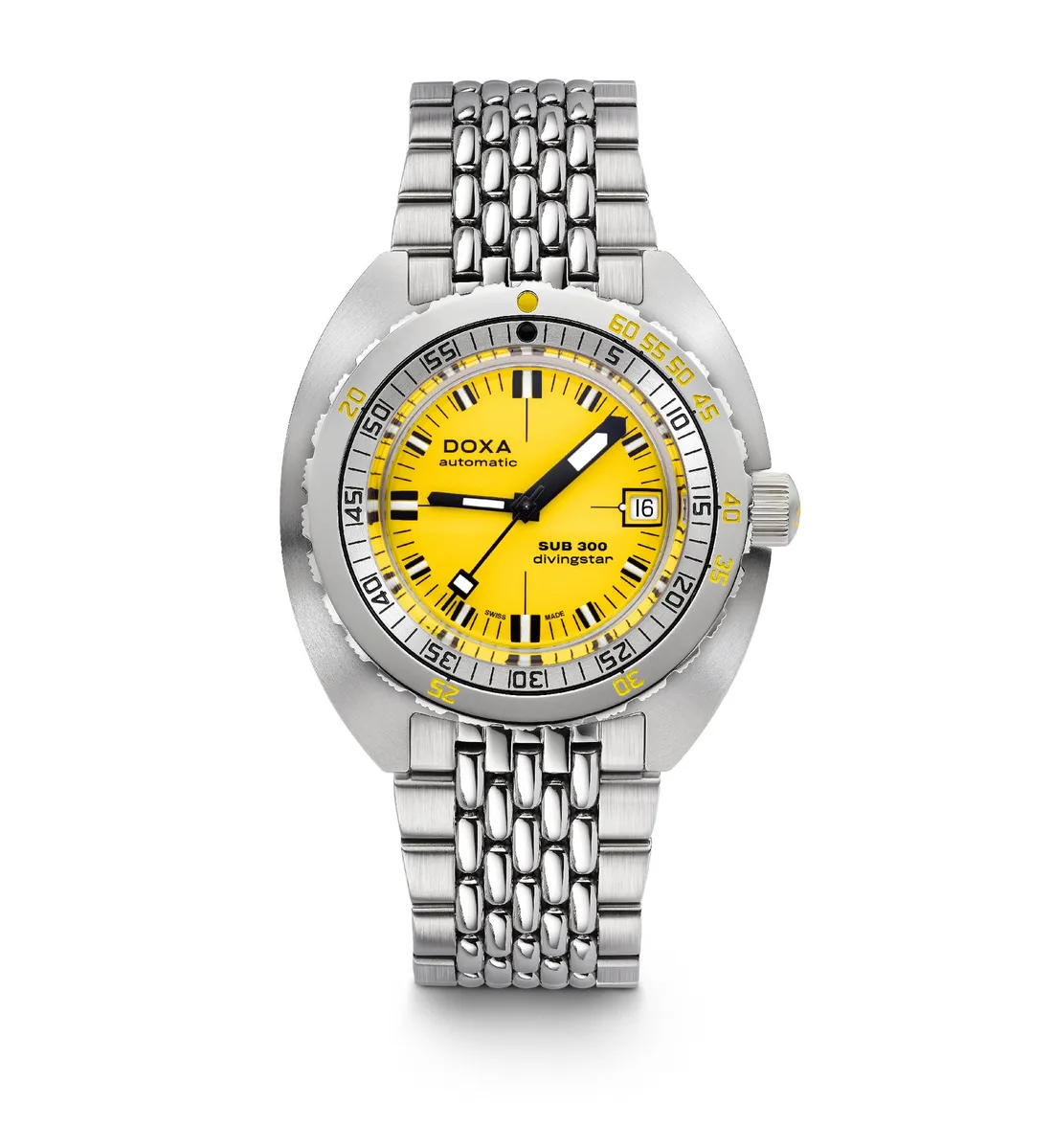
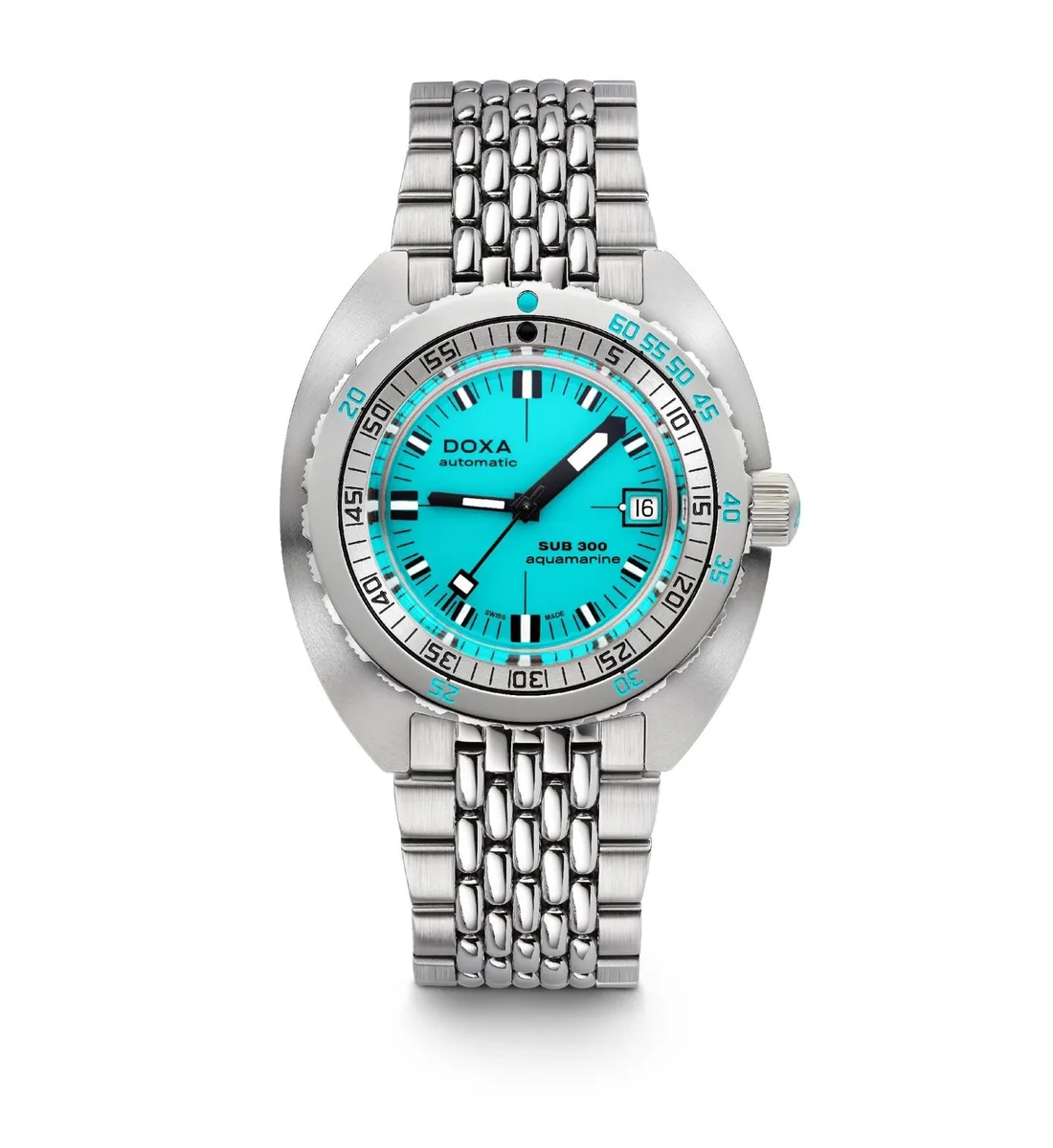
"But there is not only orange," said Salvatore, opening a few photographs on his phone. "Doxa gives each of these dials a name; every colour has a character. The orange one is the Professional; the most legible, the classic. The black one is the Sharkhunter; preferred on night dives and in clear water. The navy one is the Caribbean, the yellow the Divingstar, and the turquoise the Aquamarine."
"These are not merely colour options," he continued. "Each is like the memory of a different water. I wore orange for forty years because the waters I worked in were murky. But a friend of mine who dives in the Caribbean always wears that navy; to him, the water there already carries the colour of the dial."
Looking Upward
Marta pulled on her diving suit and sat on the edge of the boat. Salvatore took off his watch and fastened it to her wrist. "Today you will wear this," he said. "When the colours vanish down there, there will still be an orange on your wrist. When you look at it, you will remember not only how many minutes you have been below, but that someone is waiting for you above."
Marta let herself into the water. At ten metres the reds went, at twenty the yellows faded. At thirty metres, in the middle of a blue silence, she looked at her wrist: the orange dial still glowed within that cold blue like a small fire.
When she surfaced Salvatore reached out his hand. "How was it?" he asked. Marta smiled: "Down there only one colour was left. And it was on your watch."