People assume the hardest work in watchmaking is the most complicated work. But a minute repeater or a perpetual calendar gives the maker hundreds of parts to stand behind. Put three counters, a moonphase and a power reserve on a dial and the eye is kept busy; let a proportion slip by a millimetre and nobody notices.
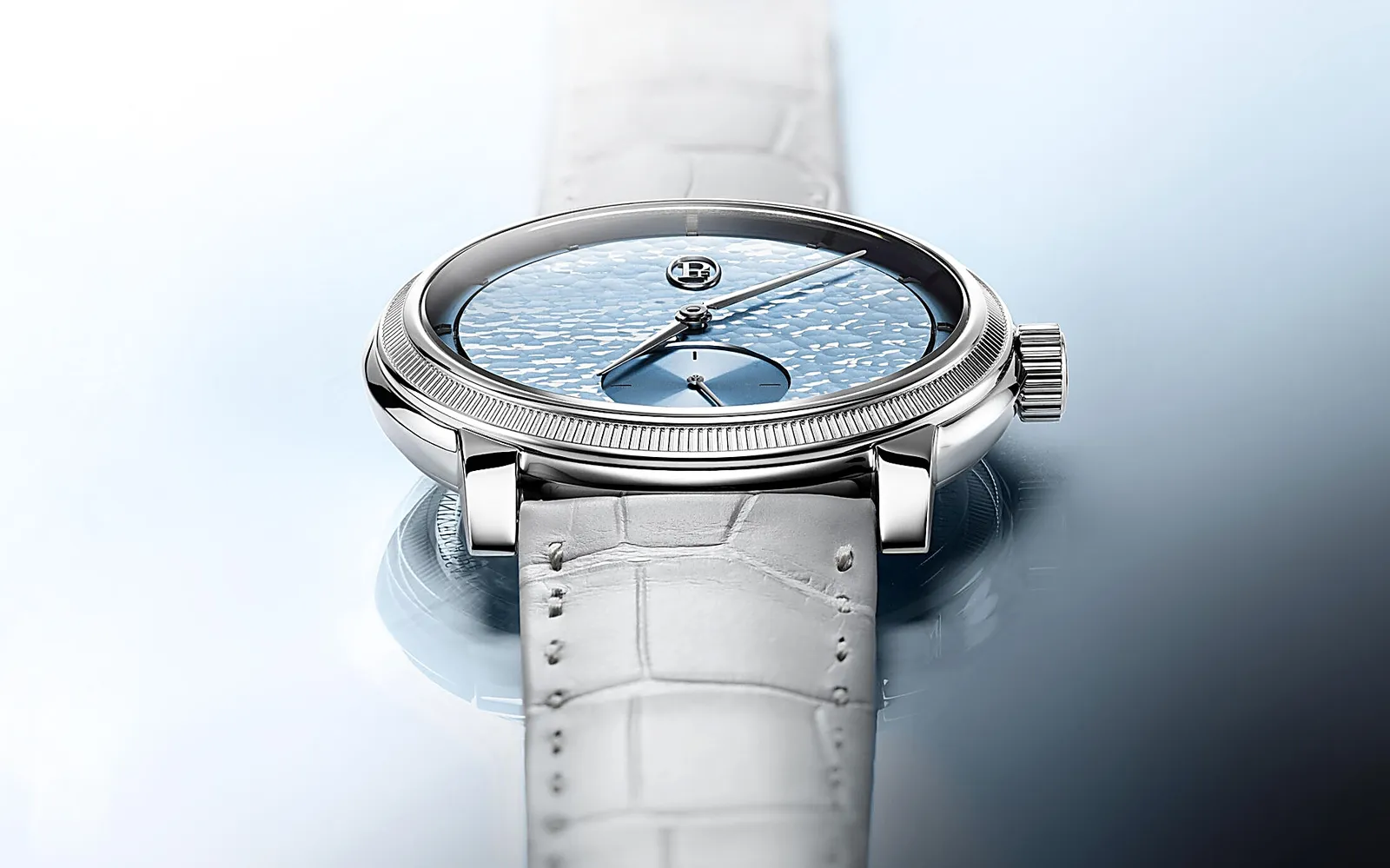
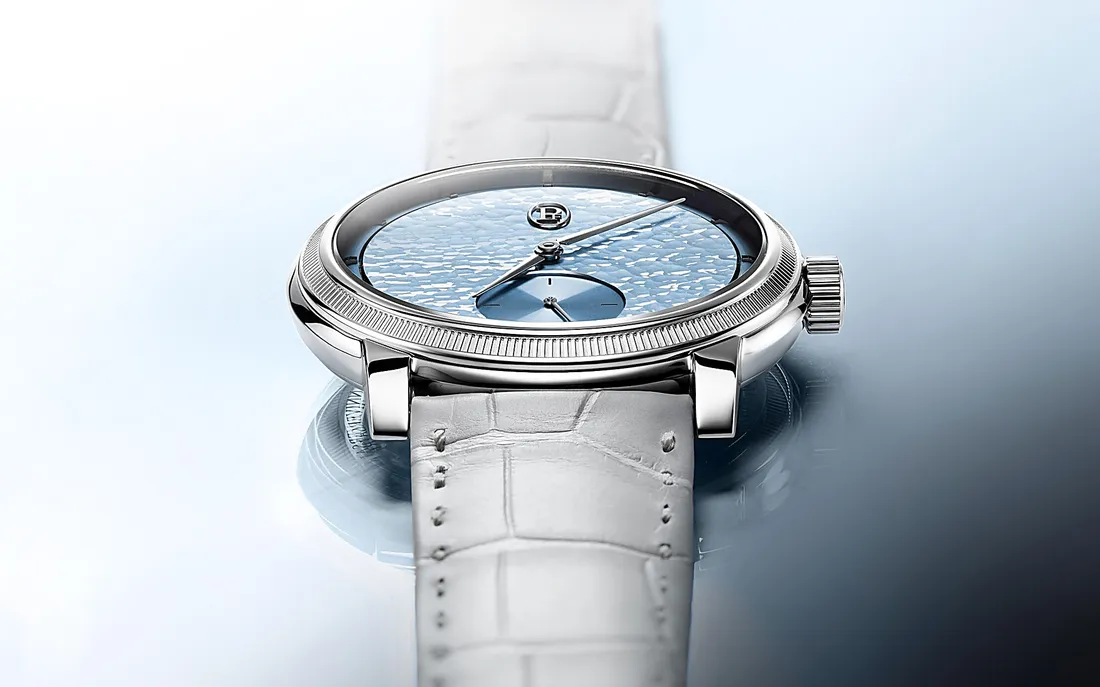
On a watch that shows hours, minutes and small seconds and nothing else, there is nowhere to stand. The dial is empty, and in that emptiness a single misplaced index, a single badly chosen surface, a single half-millimetre of extra thickness shows instantly. This is why the Time Only class at the Grand Prix d’Horlogerie de Genève is the cruellest of them, and it is where Parmigiani Fleurier has entered this year with the Toric Petite Seconde.
The name Toric comes from the torus, the ring form. The line that identifies the collection is the fine knurling around the bezel, a reference to what the house calls Doric harmony. Of the three orders of Greek architecture, the Doric is the plainest. Its capital carries no ornament, its shaft runs down in flutes, and it takes all its beauty from proportion. A Doric column tells you nothing; it simply stands correctly. The whole claim of this watch fits in the same sentence.
format_quote"With no complication on the dial to hide behind, all that is left is proportion."
Hasan Bekmezci
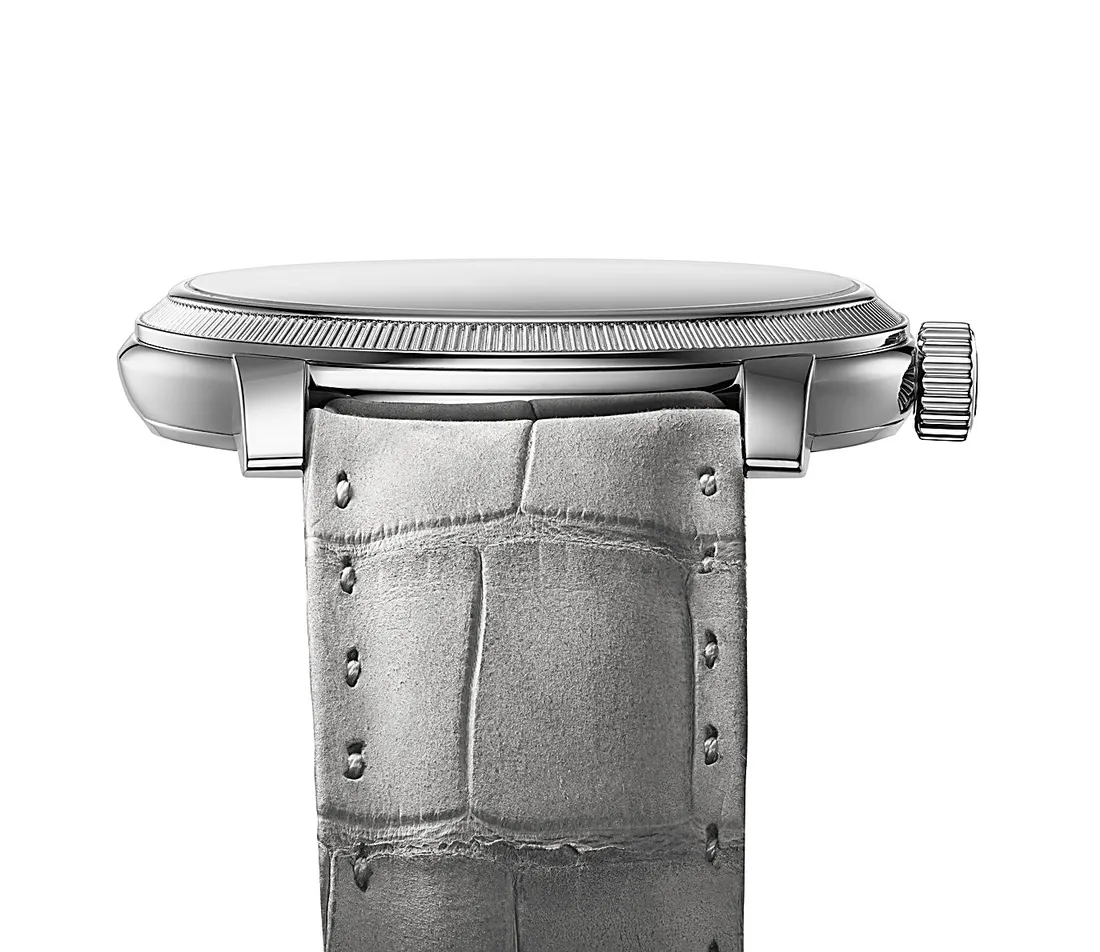
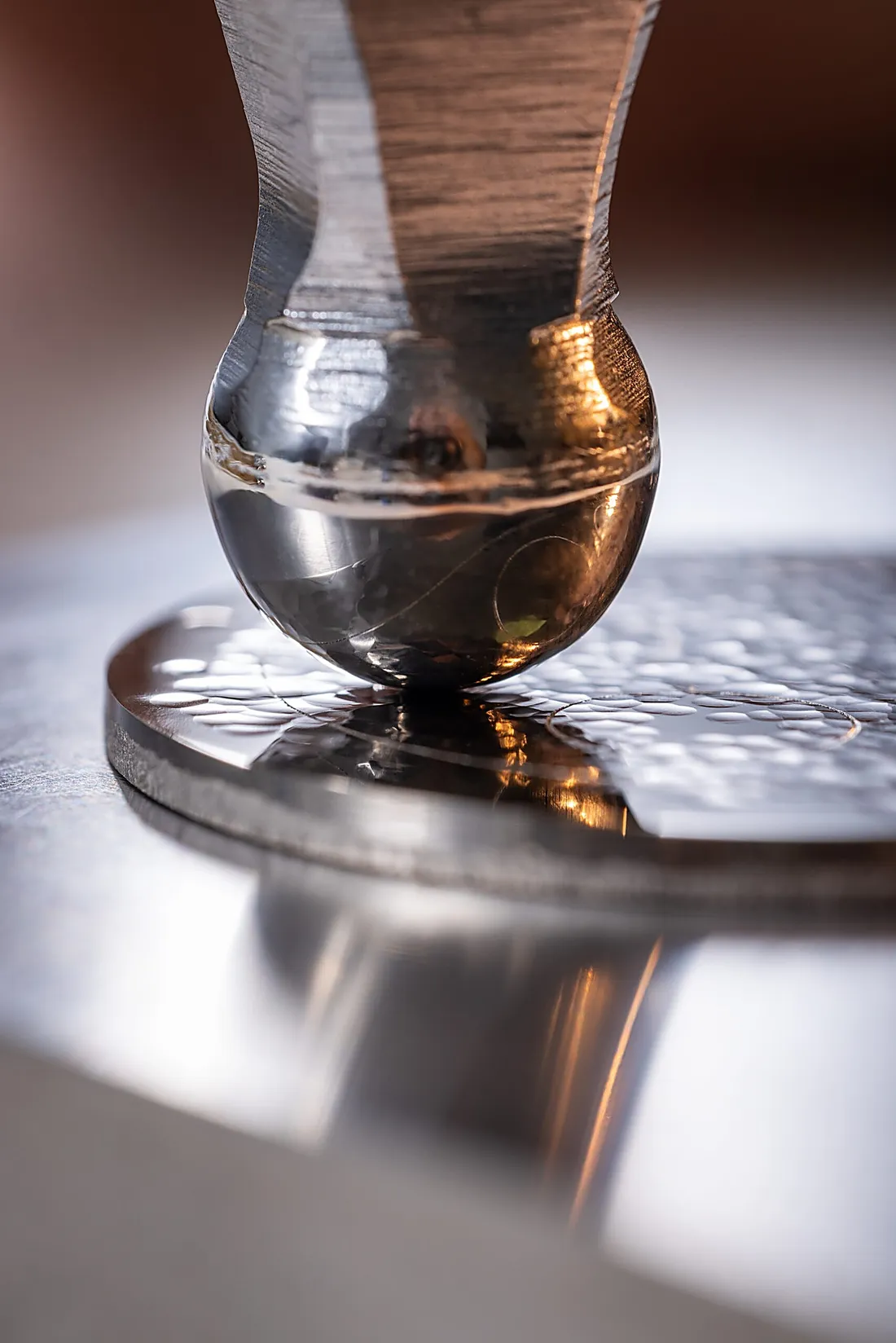
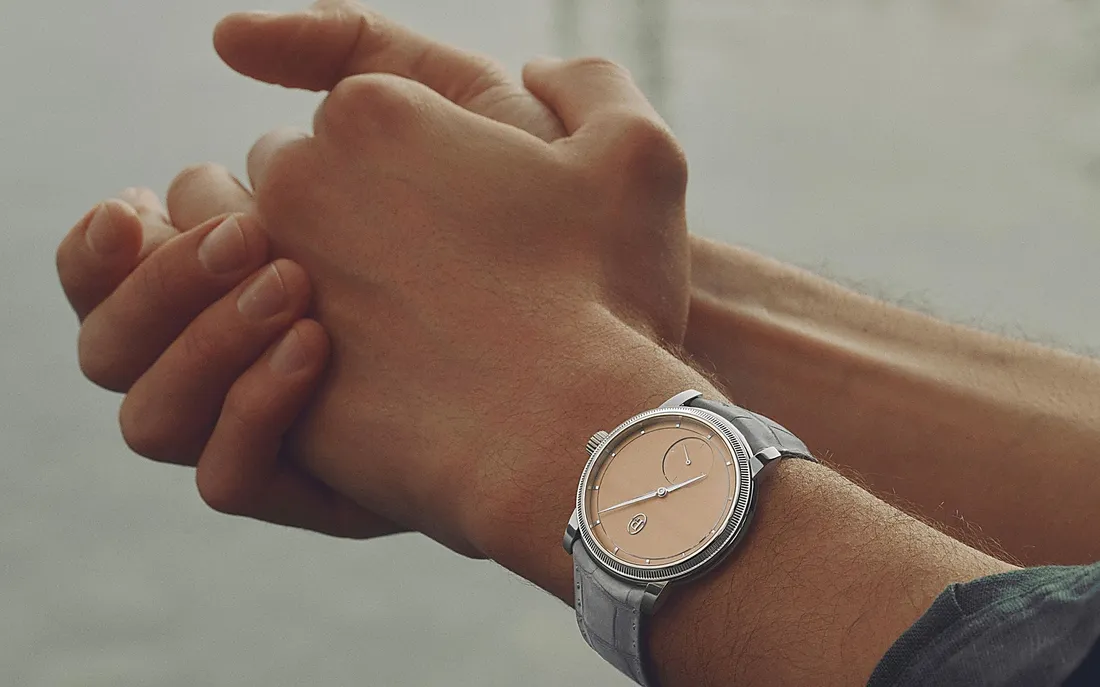
The case is 950 platinum, forty point six millimetres across and eight point eight deep. Platinum is not an innocent choice. It is heavier than gold, far softer than steel, and under a polishing lap it flows instead of cutting. When a polisher works platinum the metal spreads beneath the felt, so a scratch is not concealed but drawn out longer. A platinum case therefore takes more time than a gold one and eats through more laps. What it gives back is that deep, soft, faintly leaden lustre no other metal imitates.
Both sides are closed with ARunic anti-reflective sapphire, and water resistance is thirty metres. The watch is wound by hand.
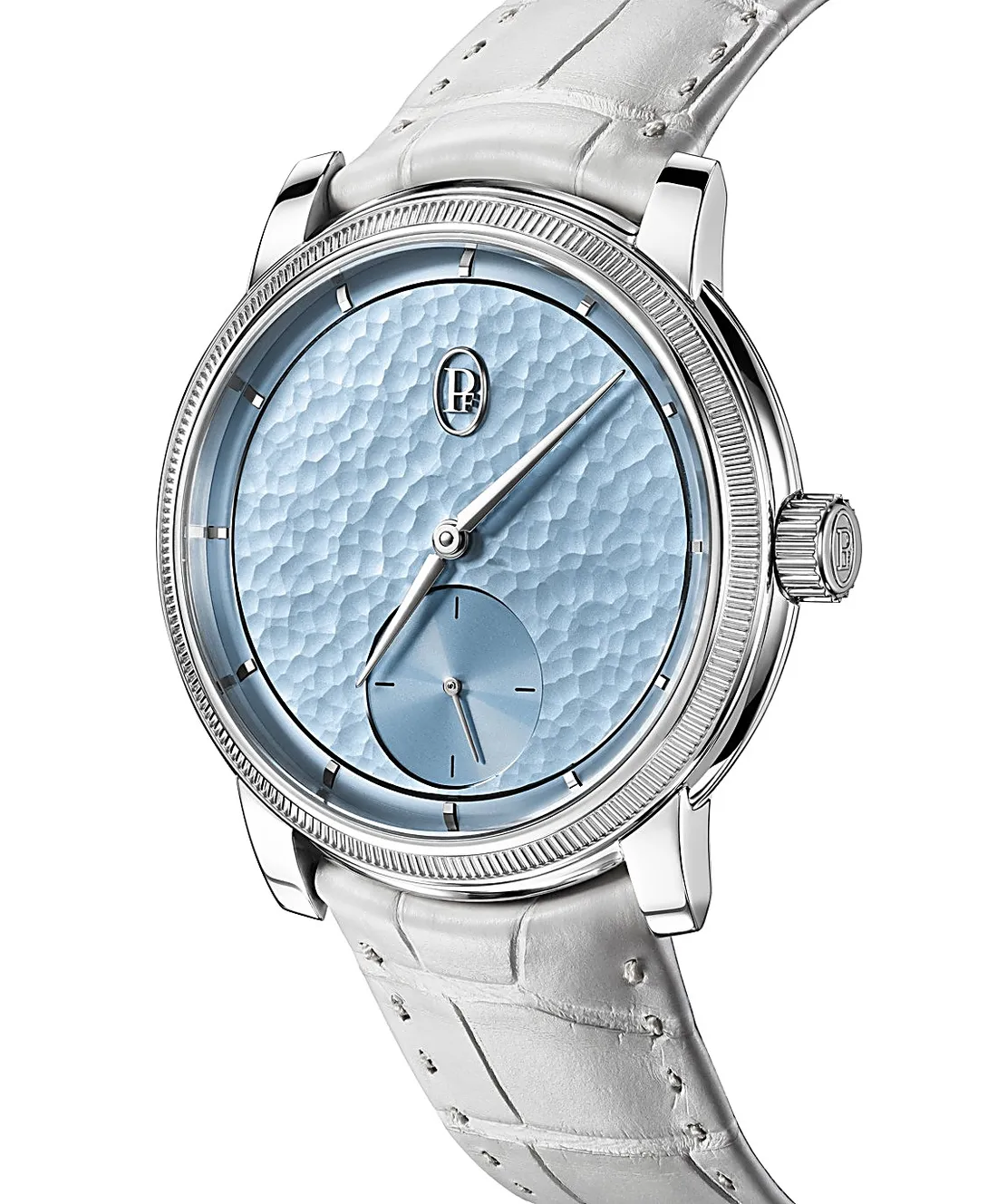
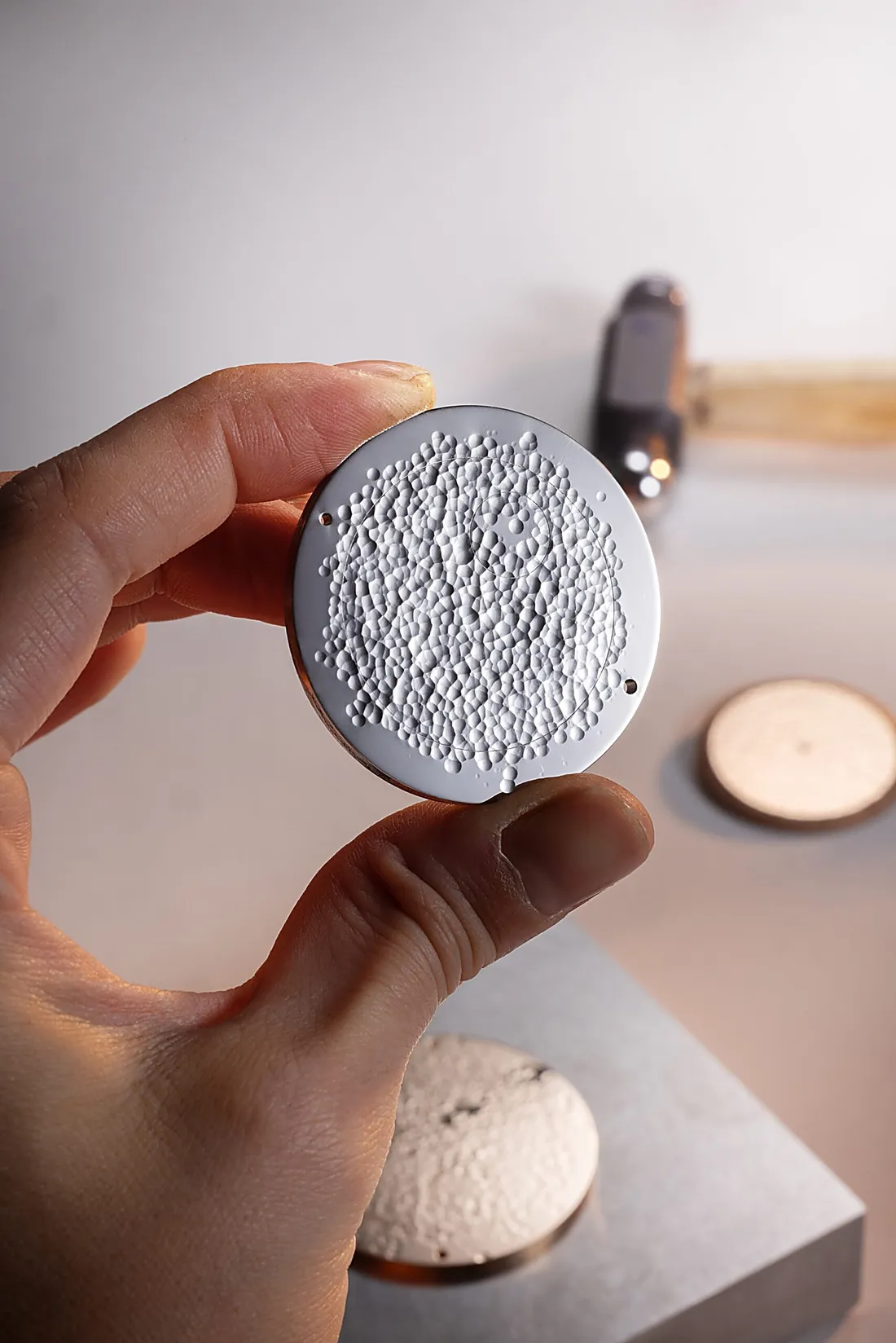
The dial is solid gold and grained by hand. Grainage abrades the surface finely to leave a matte, mineral, almost sandy texture. A polished surface returns light exactly as it arrives and so flares or darkens according to the angle you hold it at; a grained surface scatters that light and stays equally soft from every angle. For this watch Parmigiani has aimed the dial at the warm tone it calls Golden Hour, the mild greyness of the day’s last light.
Doing it by hand has one practical consequence: no two dials come out the same. But the real consequence is different. Because the dial is solid gold, nothing is plated over it, which means nothing can be covered up. On a brass dial, when the craftsman’s hand slips the surface is prepared again and painted over. In solid gold there is no such second chance. Where the hand slips, the dial ends.
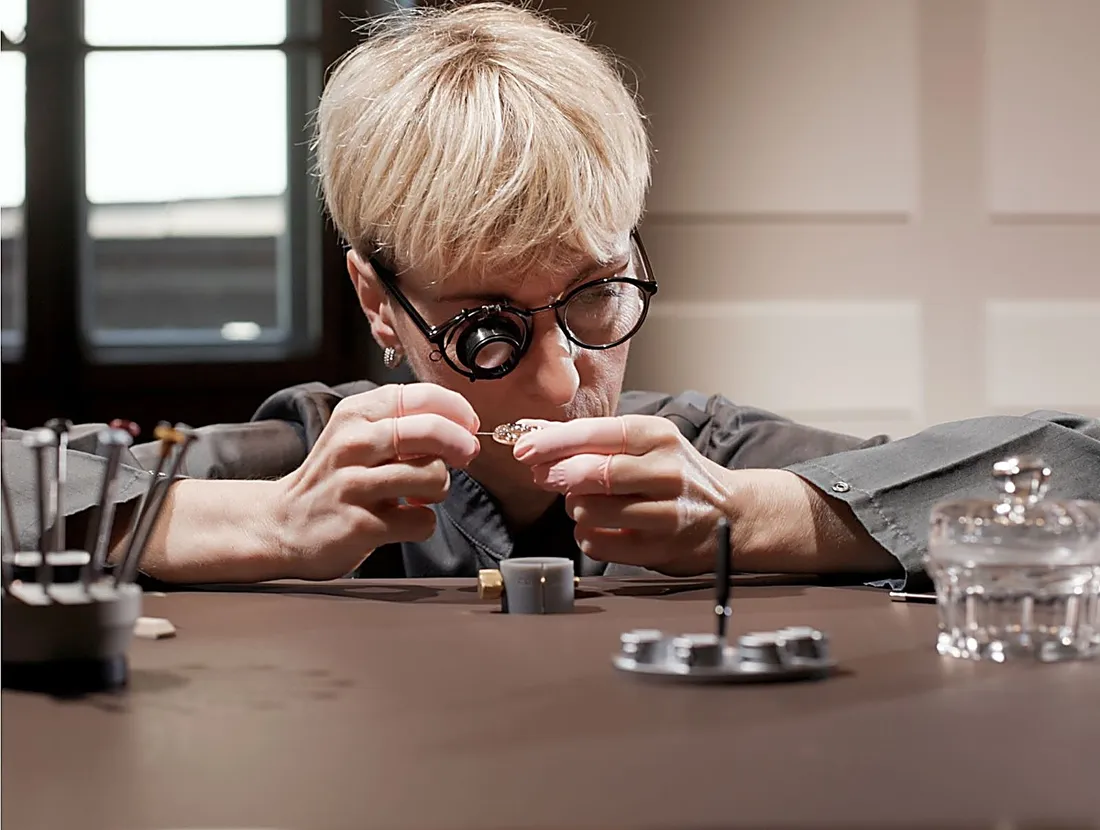
Picture two people at the bench arguing about this: the craftsman who grains the dial and the one who polishes the case.
The polisher speaks first. Everything I do is about getting light back off a surface. I turn the case into a mirror, and then you come along and make the dial matte. Why?
The grainer’s answer is about the room. A bright dial shows you the room you are standing in. The downlight on the ceiling, the window opposite, your own face. You see those first, and to read the time you have to turn your wrist. A matte dial gives the room nothing back; it absorbs the light and pushes the hands forward.
The polisher tries again. Then let us make the case matte too and be consistent.
The grainer objects. Without contrast neither of them is visible. The dial reads calm because the case is bright, and the edge of the case reads sharp because the dial is calm. Simplicity in a watch is not repeating one material; it is setting two behaviours side by side and letting each explain the other.
format_quote"A polished surface hands light back. A grained surface keeps it. The difference between them is how a watch behaves in a room."
Hasan Bekmezci
The indices are eighteen-carat gold, rhodium plated; the hands are alpha shaped, the classic form with a broad body and a fine point. The small seconds sits in its own circle in the lower half of the dial. That placement has its own logic: a central seconds hand sweeps across the entire surface and keeps cutting the grained texture in two. A small seconds turns in its own corner and leaves the rest of the dial alone.
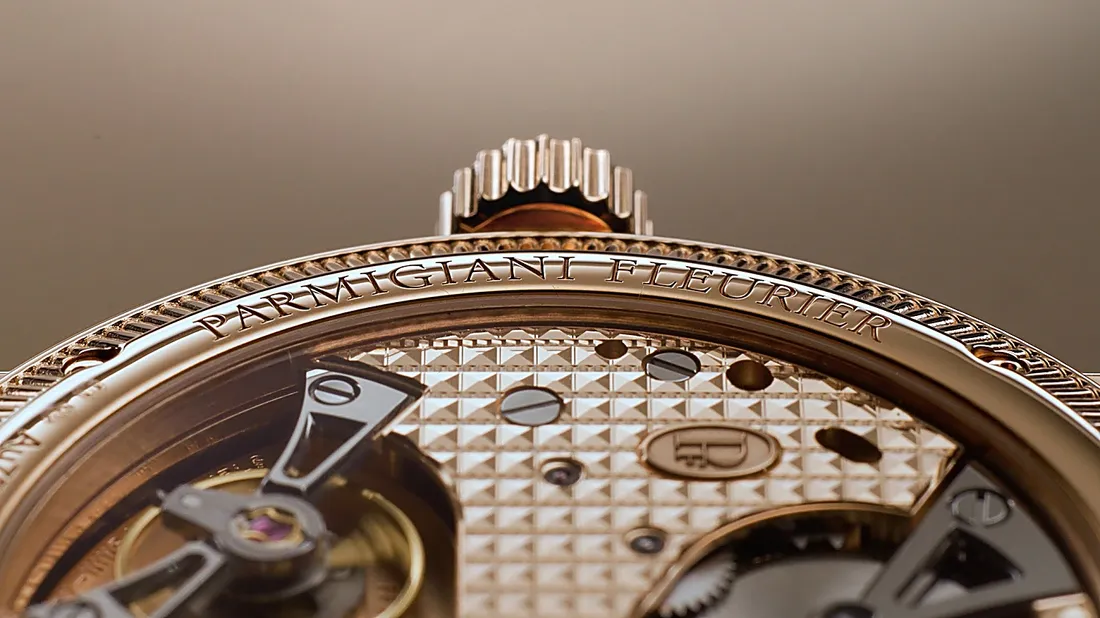
The movement is the PF780, developed for this collection. It is wound by hand, measures only 3.15 millimetres thick, beats at four oscillations a second and runs for sixty hours. It holds one hundred and fifty-seven components and twenty-seven jewels, and it is twenty-eight point four millimetres across, which is twelve and a half lignes.
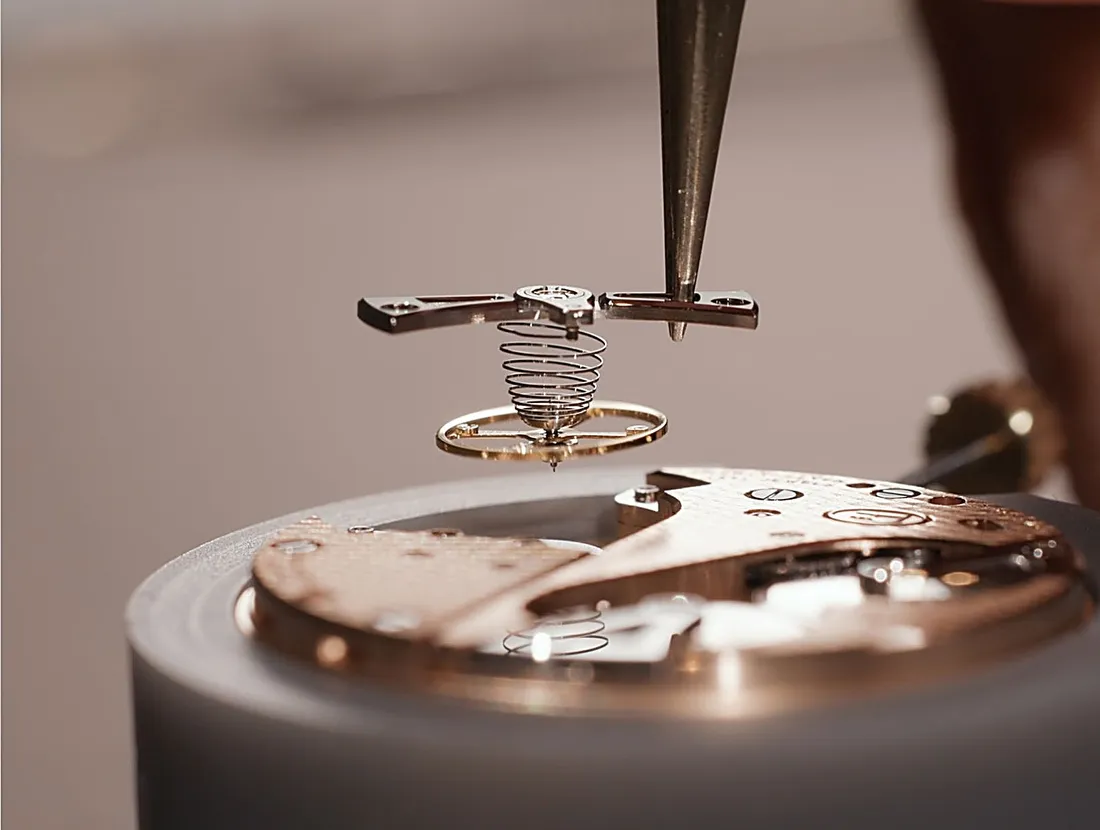
The sixty hours come from twin barrels, and the detail matters more than it looks. To run one mainspring for a long time you have to wind it harder, and a heavily wound spring gives a force curve that is steep at the start and low at the end. Two barrels working in parallel are each wound less, and the combined force follows a much flatter line across those sixty hours. Twin barrels, in other words, do less to extend the reserve than to make the last hours resemble the first.
Seen from the back there are two full bridges, both openworked and both in eighteen-carat rose gold, with the sunray-finished barrels and the regulating organ beneath them. The layout is deliberately asymmetrical. Hand-executed Côtes de Fleurier alternate with sandblasted surfaces, and where the two textures meet the sense of depth comes not from the decoration but from light breaking in two different ways.
The strap is a grey-green alligator with a nubuck treatment, called Akoya Grey, sewn by hand in the punto a mano technique. This stitch is not the machine stitch: two needles work along a single thread and every stitch locks on itself. When a machine seam breaks the thread, the seam unzips end to end; with punto a mano only that one stitch opens and the rest stays put. On a watch strap, that is the difference of years.
What the house is marking in 2026 is its thirtieth year. The Toric Petite Seconde is offered in two executions. One is the platinum with the Golden Hour dial described above, at 56,500 Swiss francs. The other is the Anniversaire: the same platinum case, but the dial this time is hand-hammered eighteen-carat white gold and is called Morning Blue. It is limited to thirty pieces, individually numbered one to thirty, priced at 75,000 francs, and can also be taken as part of what the house calls the Anniversary Trilogy.
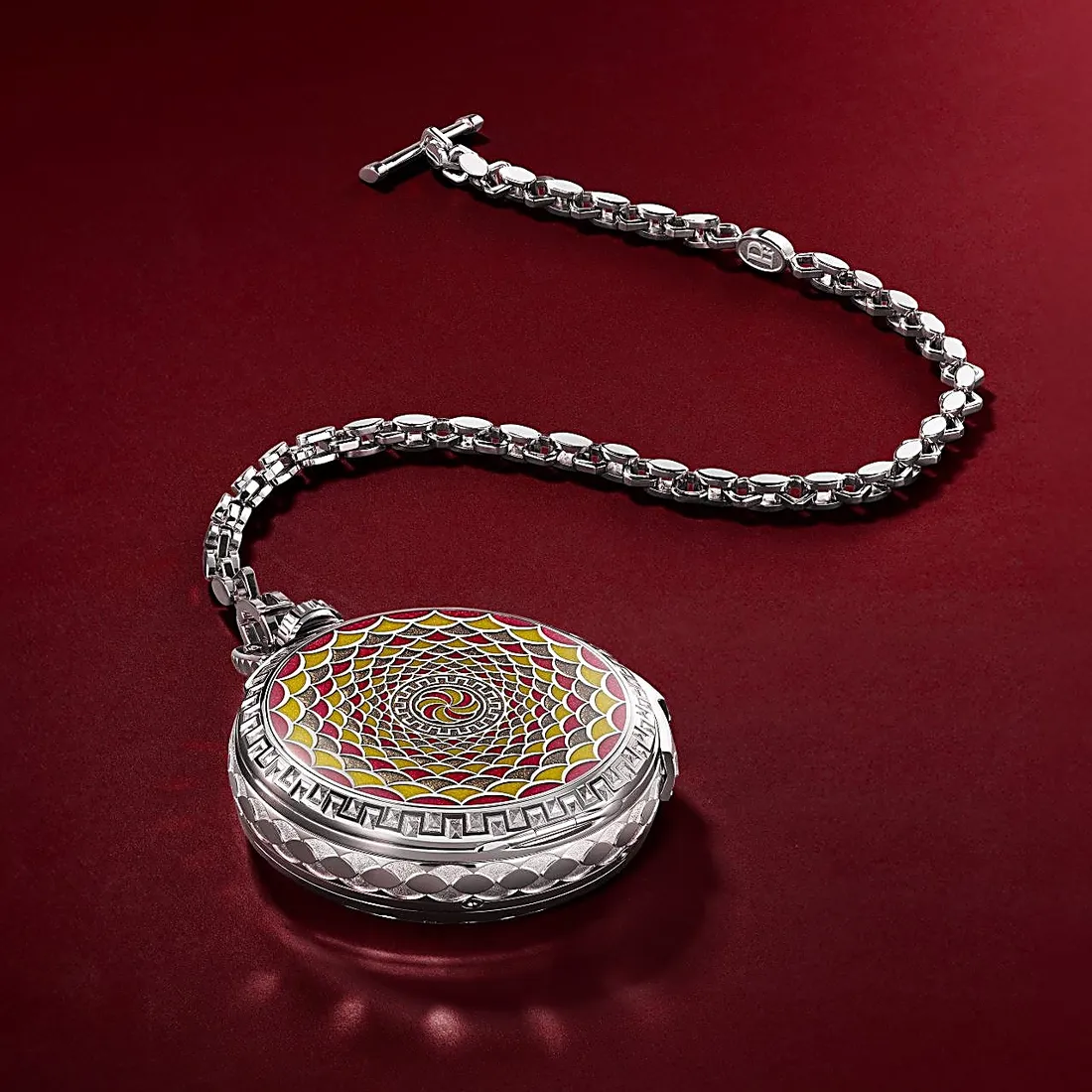
The language Parmigiani Fleurier speaks today came out of a restoration workshop. Before the house existed, the work was making watches built centuries ago run again, and restoration carries a moral code of its own: you will not leave your signature on someone else’s work. Your intervention will be invisible, it will follow the logic of the original, and where possible it will be reversible. It is not surprising that a house trained in that discipline for thirty years should end up making a watch with nothing to hide behind.
format_quote"Simplicity is not doing less work. It is taking away your own right to be wrong."
Hasan Bekmezci
What makes this watch interesting is that no single item on its list is extraordinary on its own. A platinum case is not new. A hand-grained dial is not new. A thin hand-wound calibre with twin barrels is not new either. What is extraordinary is that not one of those items has been wrongly proportioned. In the Time Only category that is the only thing there is to win, and the only thing there is to lose.