PART I: ON THE THRESHOLD OF THE SUMMIT
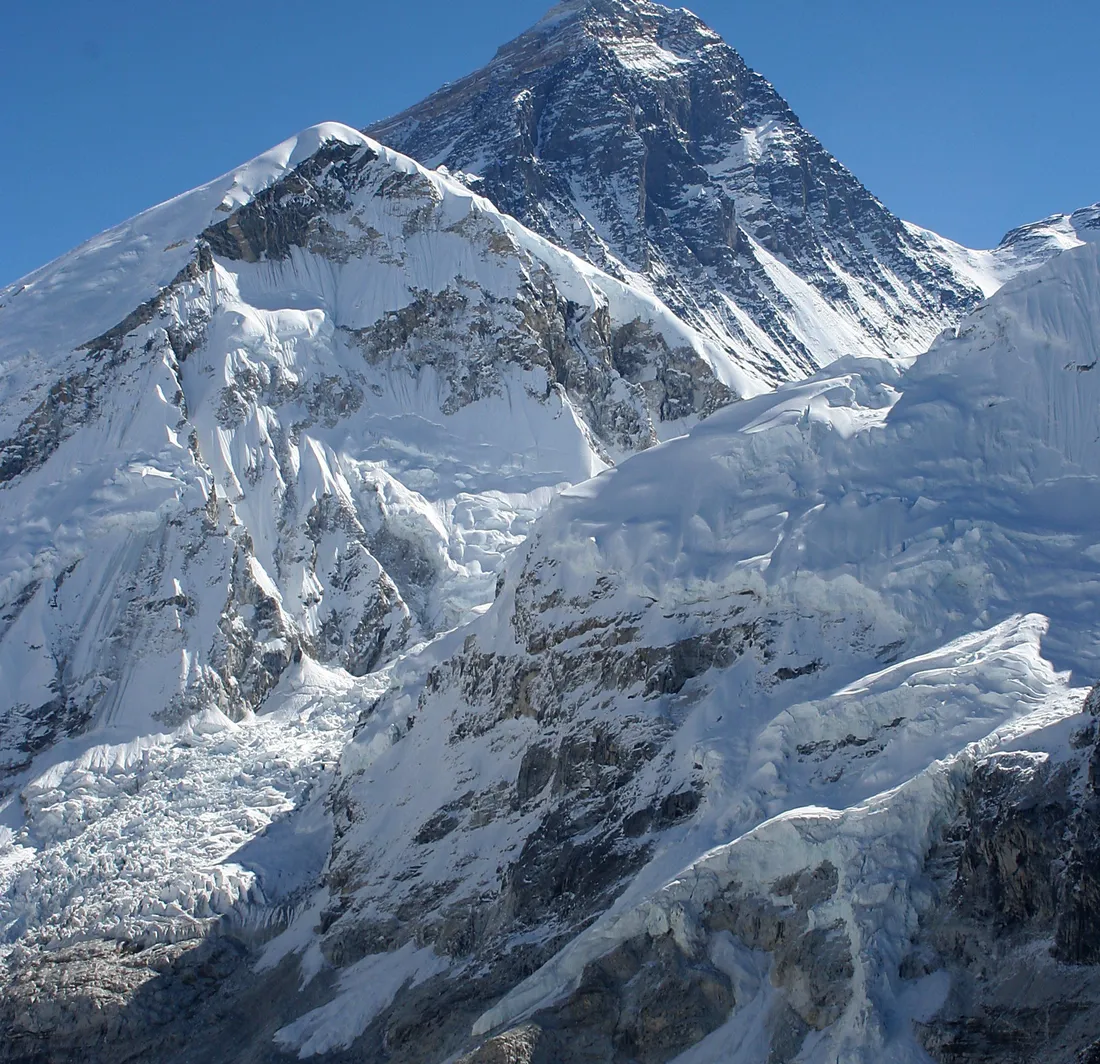
Camp IV on Everest, at eight thousand metres. At this altitude, which climbers call the Death Zone, atmospheric pressure falls to a third of what it is at sea level, and the air is so thin that every breath cuts the lungs like a knife.
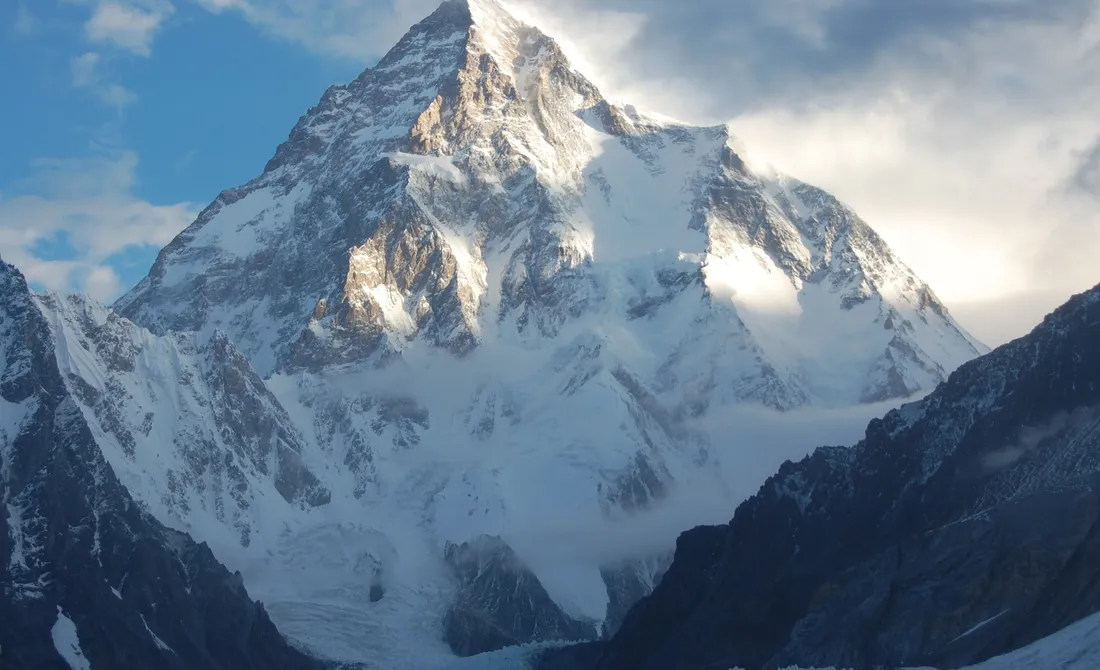
Inside the dark orange high altitude tent, the thin blue flame of the gas stove was trying to warm the place with a rhythmic hiss. Outside, an Arctic storm dropping to minus forty roared and lashed the fabric of the tent, and through the zip of the tent door you could see the fearful silhouette of the summit of Everest rising like a pyramid of ice under the moonlight.
Two climbers were sitting inside: Kaya, an experienced expedition leader who had given years of his life to the eight thousanders, and Araz, a young geologist and climber up at this height for the first time.
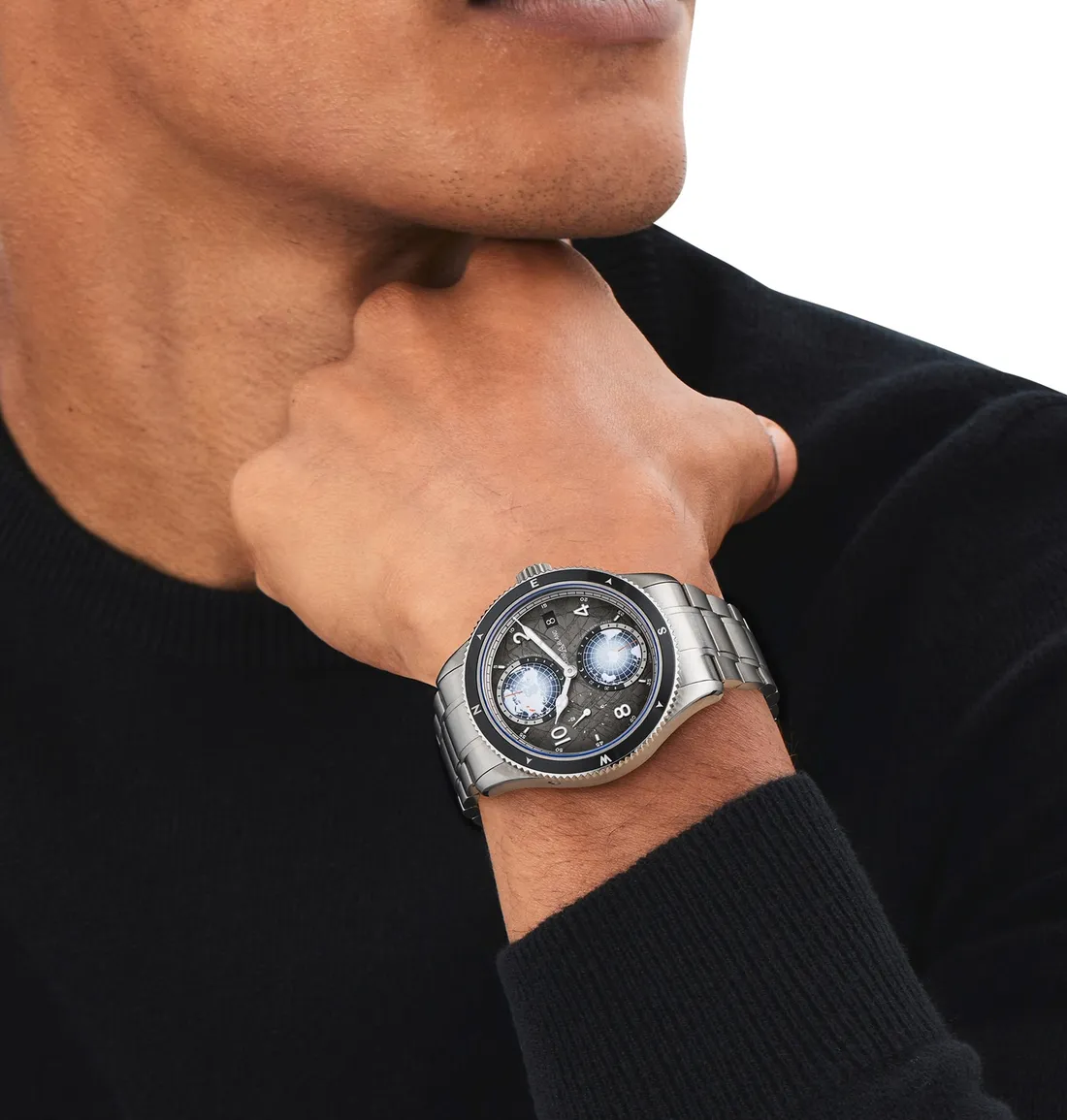
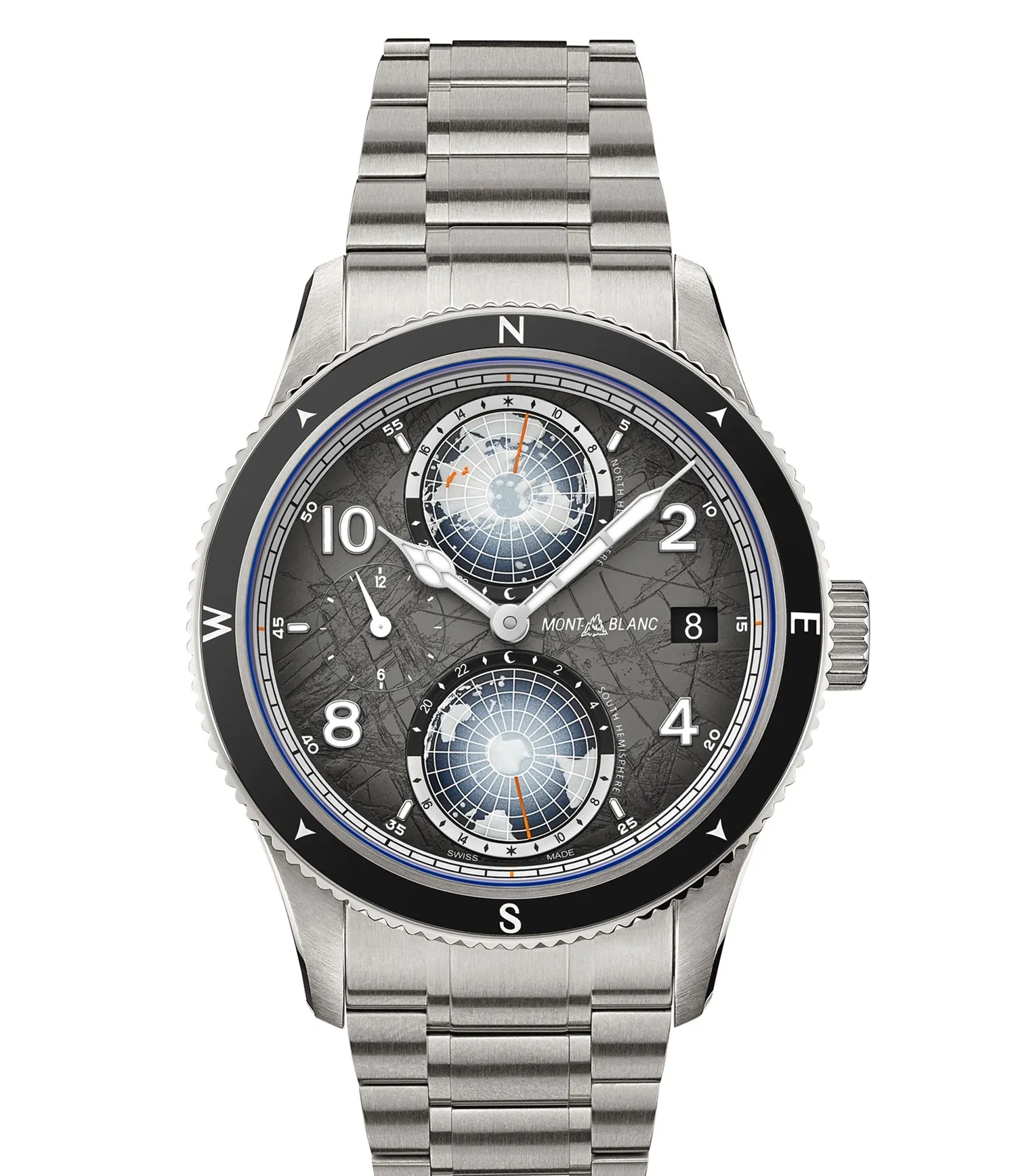
While Araz was trying to hold his glass of hot tea with shaking hands, his eye caught the extraordinary watch on Kaya’s wrist, showing beyond the cuff of his thermal jacket. The depth of glacier crevasses seemed to be pouring out of the dial.
Araz, in a voice fogged by the cold:
"Kaya... In a few hours we go into the Death Zone. The summit push begins. Up here a man is trying to get rid of every gram he carries, so what is the story of that watch on your wrist? And what on earth is that layered rock texture on the dial, and those turning globes?"
PART II: FIRST CYCLE, THE PHYSICS OF ZERO OXYGEN
The subject (a union without oxygen, and the difficulty of high altitude)
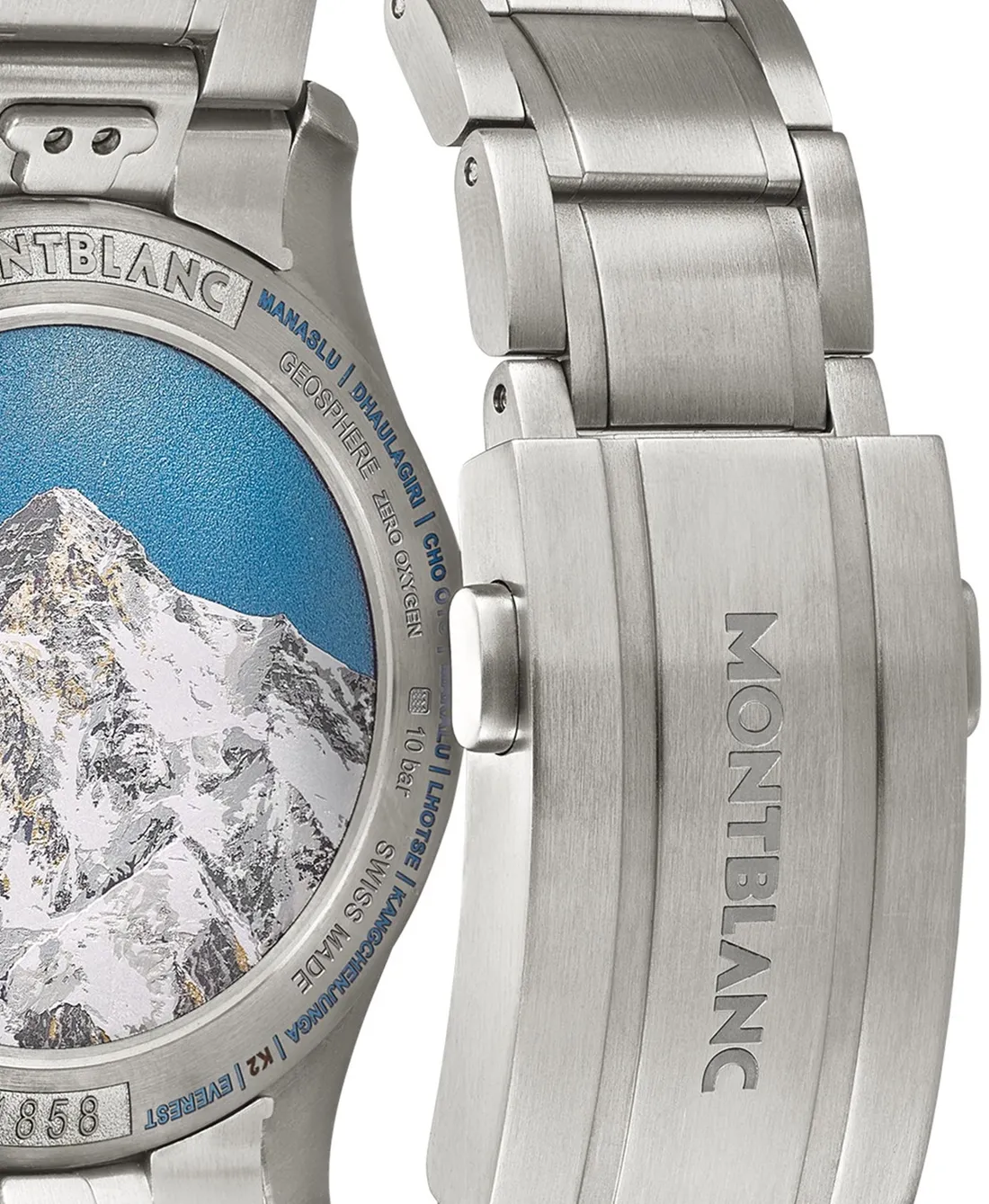
Kaya pulled his glove back a little and turned the Montblanc 1858 Geosphere 0 Oxygen The 8000 on his wrist towards the light.
Kaya:
"Look, Araz... In a little while we will put on our oxygen masks and walk to the summit, because our lungs need oxygen to live.
But this mechanical monster you see on my wrist is exactly the opposite: it cannot tolerate oxygen at all. Montblanc called this line ‘0 Oxygen’. While we are up here looking for oxygen, not a single oxygen molecule was left inside this case; it was all drawn out during manufacture."
The examination (the fogging and oxidation analogy)
Araz, leaning in towards the watch with curiosity:
"How do you mean? There is no air at all in the case? And what does that buy us in this storm?"
Kaya:
"Do you know what a watch’s worst enemy is in mountaineering? Thermal shock.
When you step out of a warm tent into a storm at minus forty, the moisture and oxygen inside the case instantly form mist and ice crystals on the inner surface of the sapphire crystal. You cannot see the hands on the dial.
Because the inside of this case is evacuated and closed in a zero oxygen environment, no moisture can form inside the watch. The crystal never fogs. Secondly, it stops the oils in the movement from oxidising and drying out. With no oxygen there is no decay, no wear and no breakdown of the lubricant. The movement goes on running in freezing cold with the precision it had on the first day."
The technical detail (the engineering of the case)
Kaya, pointing at the case:
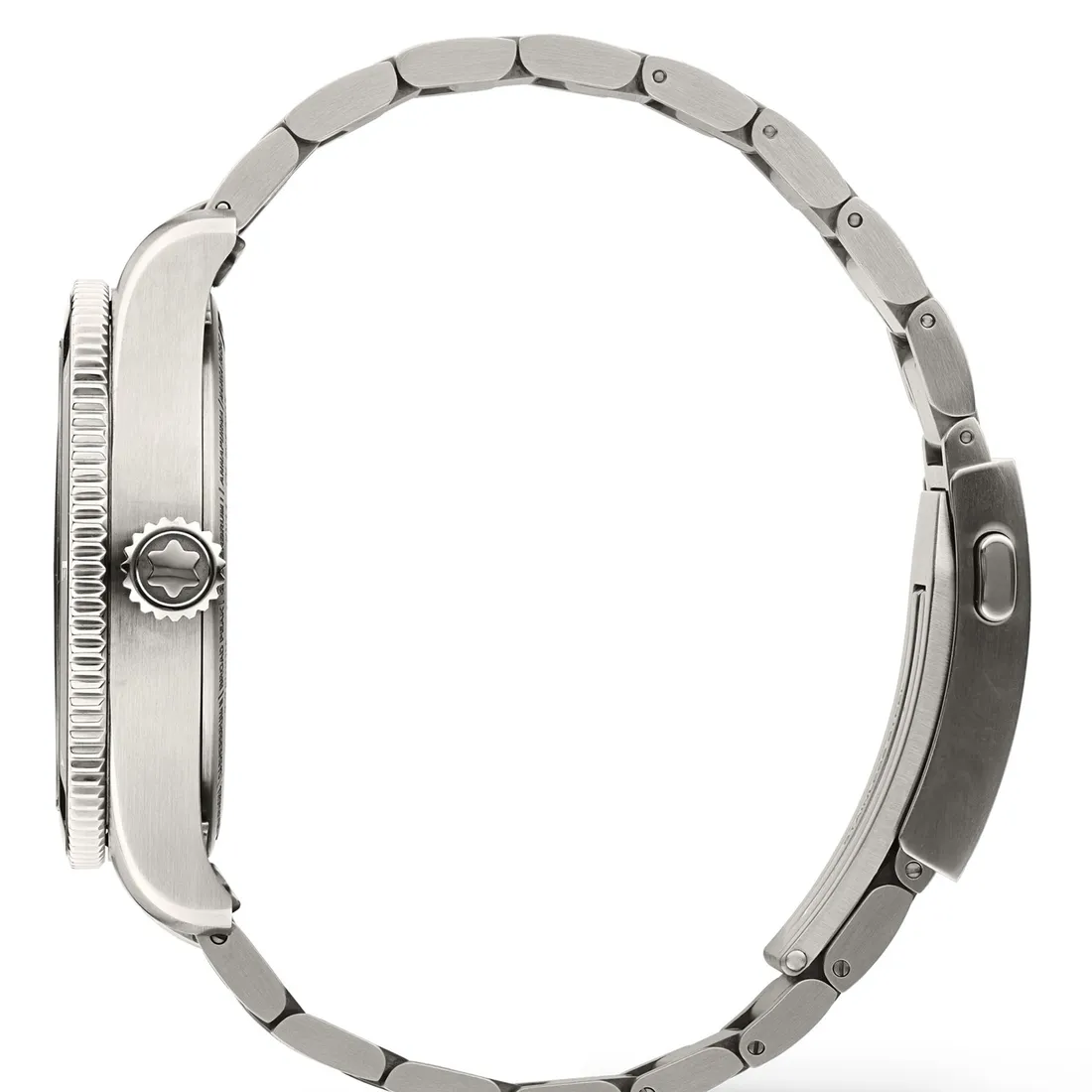
"Look at the engineering detail:
Case assembly. In Montblanc’s workshops at Le Locle and Villeret the case is sealed in special nitrogen and vacuum chambers so that 0% oxygen remains inside it.
Thermal shock resistance. Special high altitude synthetic oils are used, which tolerate the different rates of expansion of the components through sudden changes of temperature between minus fifty and plus fifty."
PART III: SECOND CYCLE, THE INCREDIBLE HANDWORK ON THE DIAL AND ITS SPELLBINDING ART
The subject (engraving glacier crystals into the dial)
Araz, fixing his eyes on the dial and putting his glass down on the table:
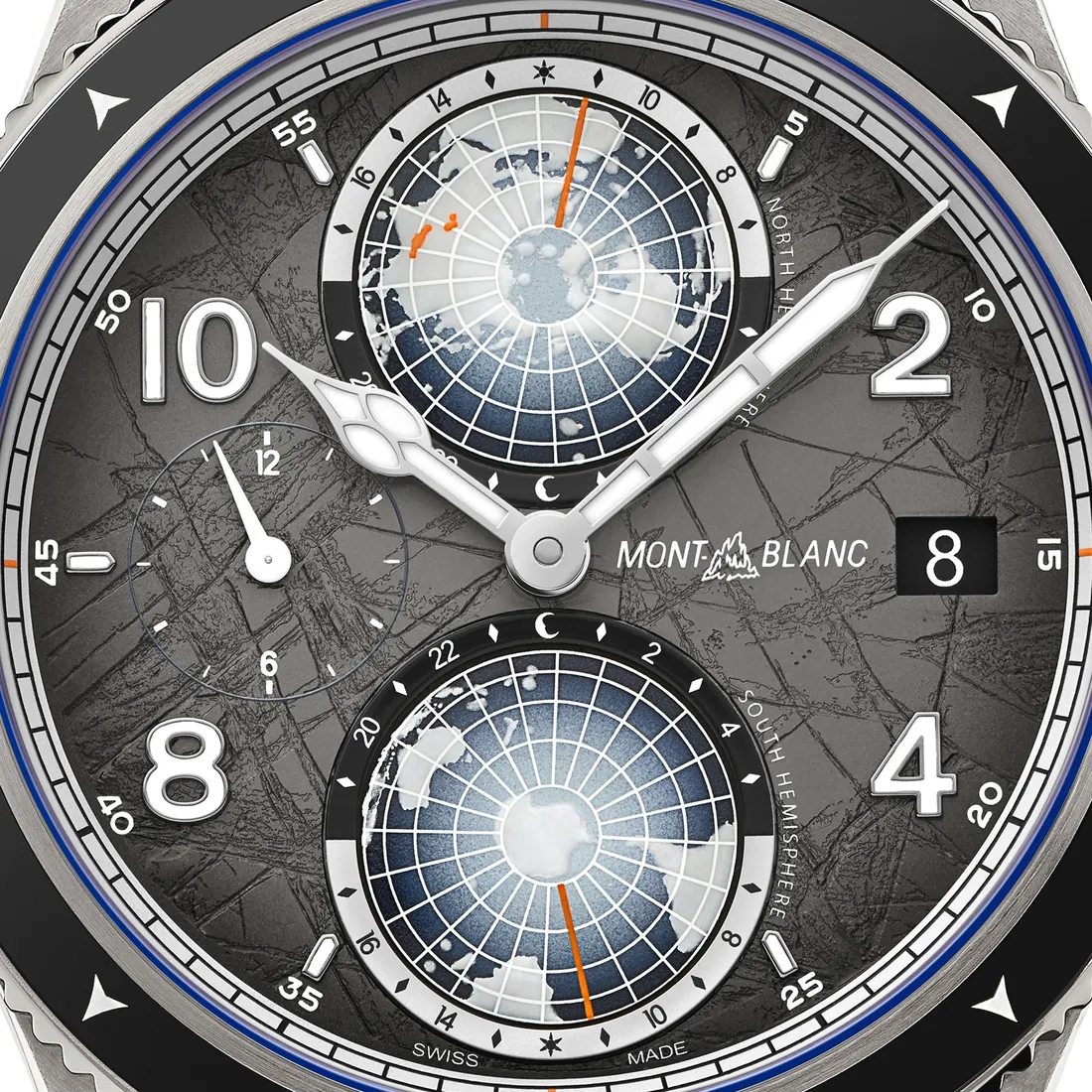
"Kaya, that black and grey texture on it... It does not look like paint or a simple print. As the light strikes it there is a sense of depth, as if I were seeing crevasses thousands of metres deep inside a glacier. How do they do that?"
The examination (the gratté-boisé technique and layered work)
Kaya:
"Your eyes are not deceiving you, my geologist friend. That dial is not a single plate; it is a marathon of art and handwork that runs for days.
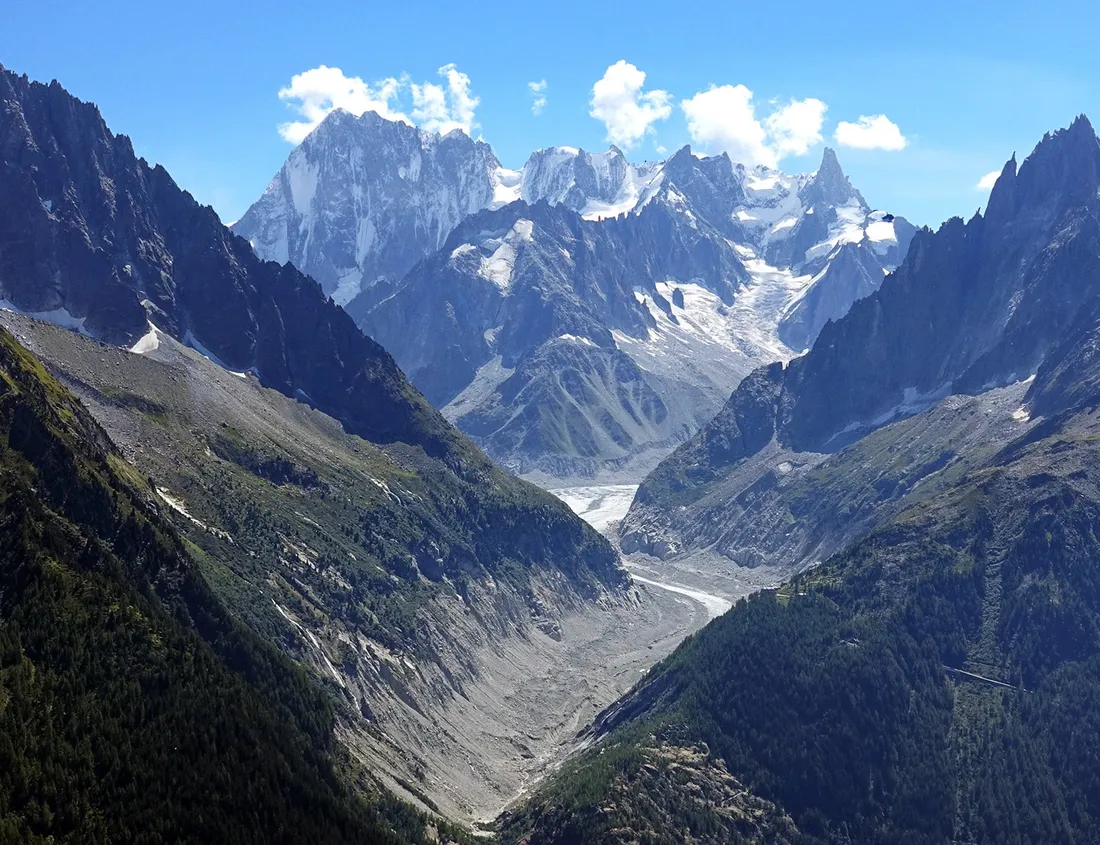
To carry the thousand year old texture of the Mer de Glace glacier on Mont Blanc onto the dial, Montblanc's craftsmen use a nearly forgotten nineteenth century technique called gratté-boisé. The name means 'scraped wood': the dial is scraped with a wooden tool, and that is how it takes on a texture like wood grain.
The brass plate is scratched by hand, with no machine at all, using a special brush whose bristles are only 0.4 mm thick, working in turn across flat, hollowed and scraped surfaces, matt areas and polished ones. Then, to give the dial that glacier depth, a coloured translucent lacquer is laid on one layer at a time, in fully thirty separate layers. Because each layer needs a day to dry, a single dial takes more than thirty days!
That sfumato effect, darkening towards the edges, is coloured by hand with a spray. So every single crevasse on that dial, every tone of depth, is the work of a human hand and of patience."
The technical detail (northern and southern hemispheres and the time display)
Kaya:
"Look at the functions at the heart of the dial:
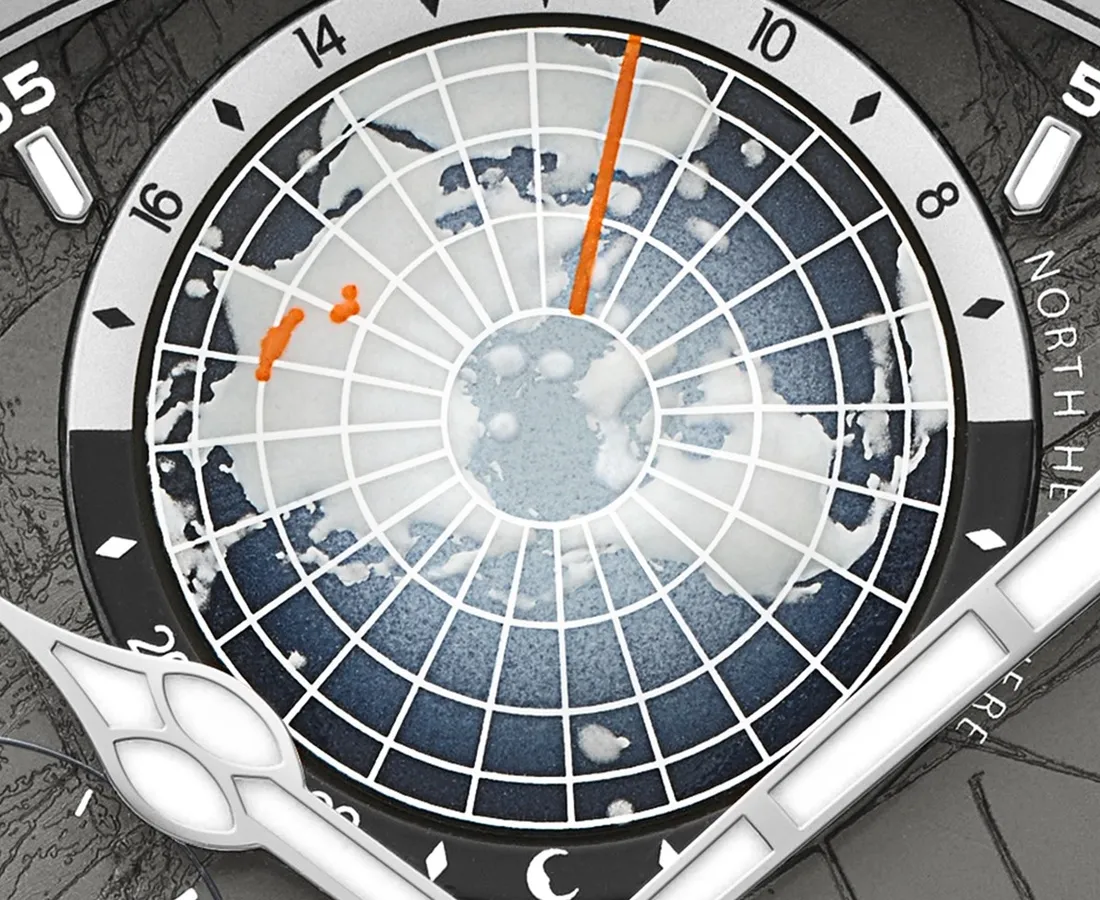
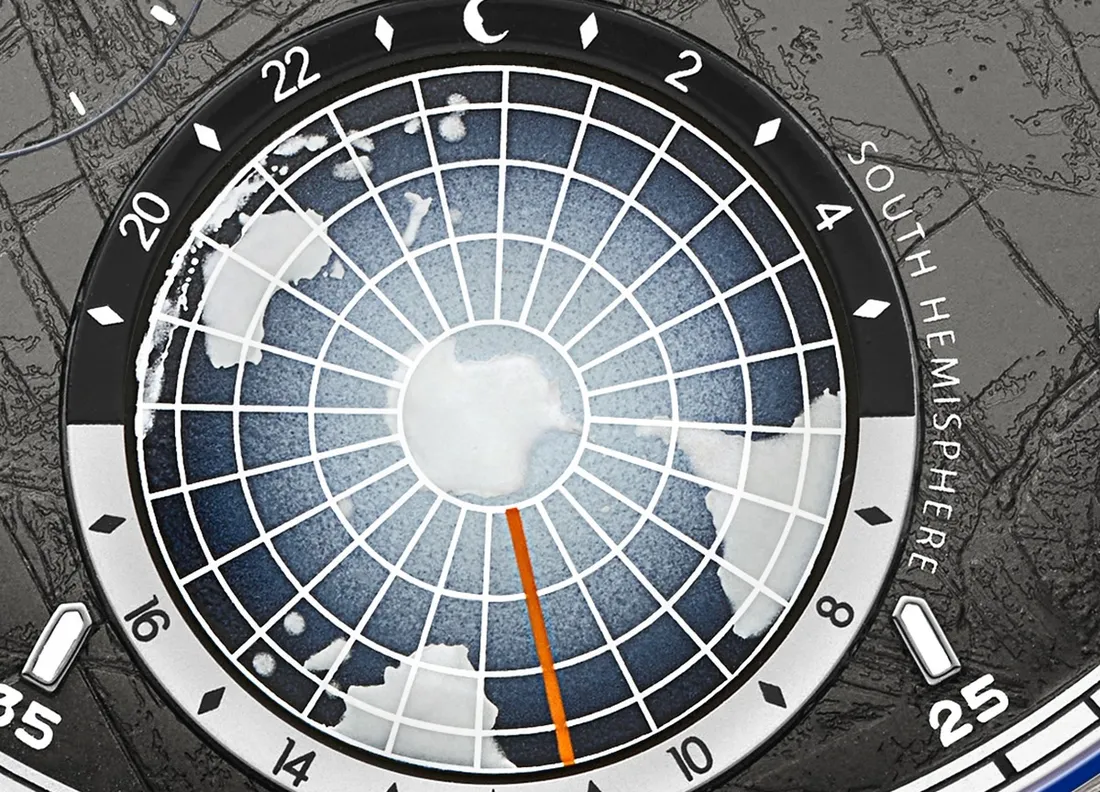
Three dimensional turning globes. The northern hemisphere at twelve o’clock and the southern at six turn once fully every day, in three dimensional relief.
World time. Thanks to the twenty four hour scale around the globes and the day and night colour division, you read every time zone on earth at a glance."
PART IV: THIRD CYCLE, THE MIRACLE OF SUPER-LUMINOVA AND THE DANCE OF ELECTRONS
The subject (finding your bearings in pitch dark)
Araz:
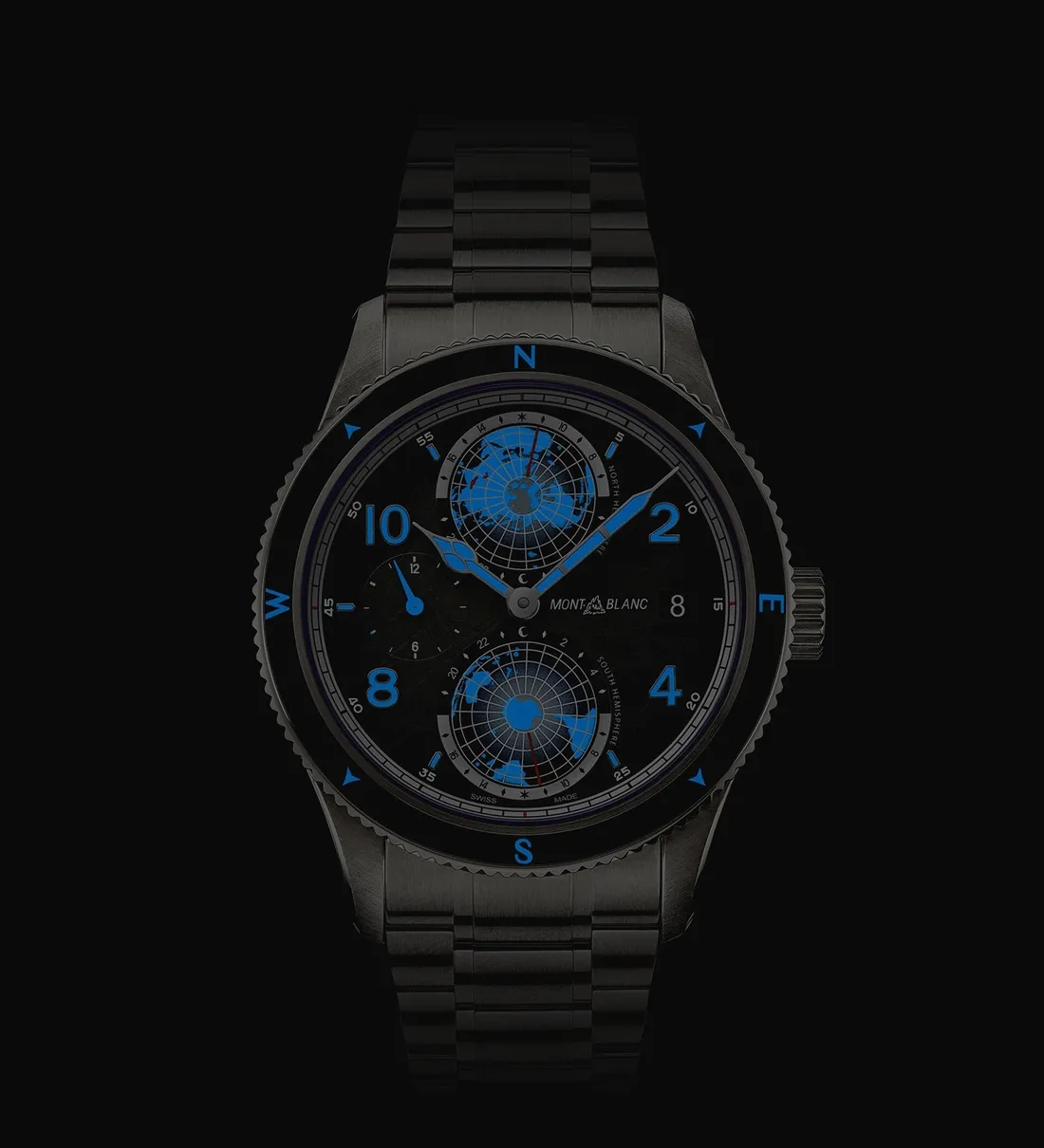
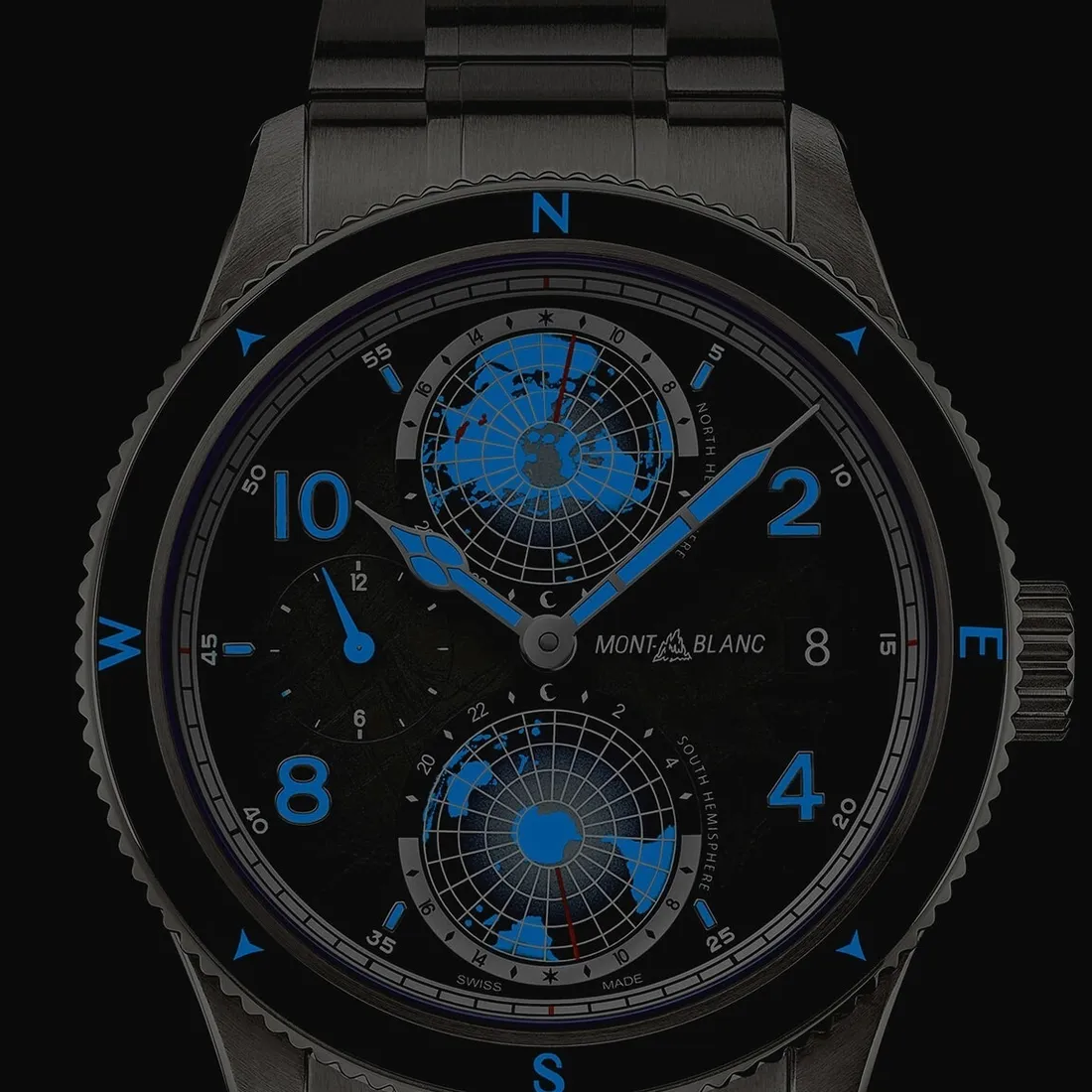
"Look at the compass points on the bezel and the numerals on the dial... Even in this dim light in the tent they are throwing off a striking green and blue. What is this thing they call Super-LumiNova?"
The examination (quantum physics and the mechanism of photoluminescence)
Kaya, smiling:
"Now this is a miracle of physics and chemistry, Araz. Most people take it for a simple ‘glowing paint’. In fact there is an enormous atomic mechanism behind it.
Super-LumiNova is a completely non-toxic, non-radioactive photoluminescent pigment made from strontium aluminate (SrAl2O4) crystals. And do you know what its logic is? Energy storage at the quantum level."
Araz, his eyes lighting up:
"You mean literally at the level of the electron?"
Kaya:
"Exactly. During the day the photons, the particles of light, coming from the sun or from the light in the tent strike the electrons of the atoms in this pigment. The electrons absorb that energy and jump to a higher energy level, to an ‘excited orbit’.
And when we step out into pitch darkness those excited electrons begin, slowly, to fall back to their old, stable orbits. And as they fall they release the energy they absorbed as photons of light."
Araz, studying the glowing bezel and the globes with admiration:
"My word... So right now, on our wrist, in pitch darkness, electrons are literally dancing by dropping to a lower orbit. What an extraordinary thing."
The technical detail (two colour emission and its application)
Kaya:
"And they designed it this way to save lives in the freezing dark:
Two colour LumiNova. The minute hand, the north point of the compass and the meridian lines on the three dimensional globes glow green in Super-LumiNova Grade X1. The hour hand and the hour numerals are ice blue.
Ceramic bezel. The compass letters on the turning ceramic bezel, N, E, S and W, are filled with this pigment by hand; they give off light so that you do not lose your bearings in a storm."
PART V: FOURTH CYCLE, LEGENDARY CLIMBERS AND THE RESISTANCE OF TITANIUM
The subject (Reinhold Messner, Nimsdai Purja and "The 8000")
Araz:
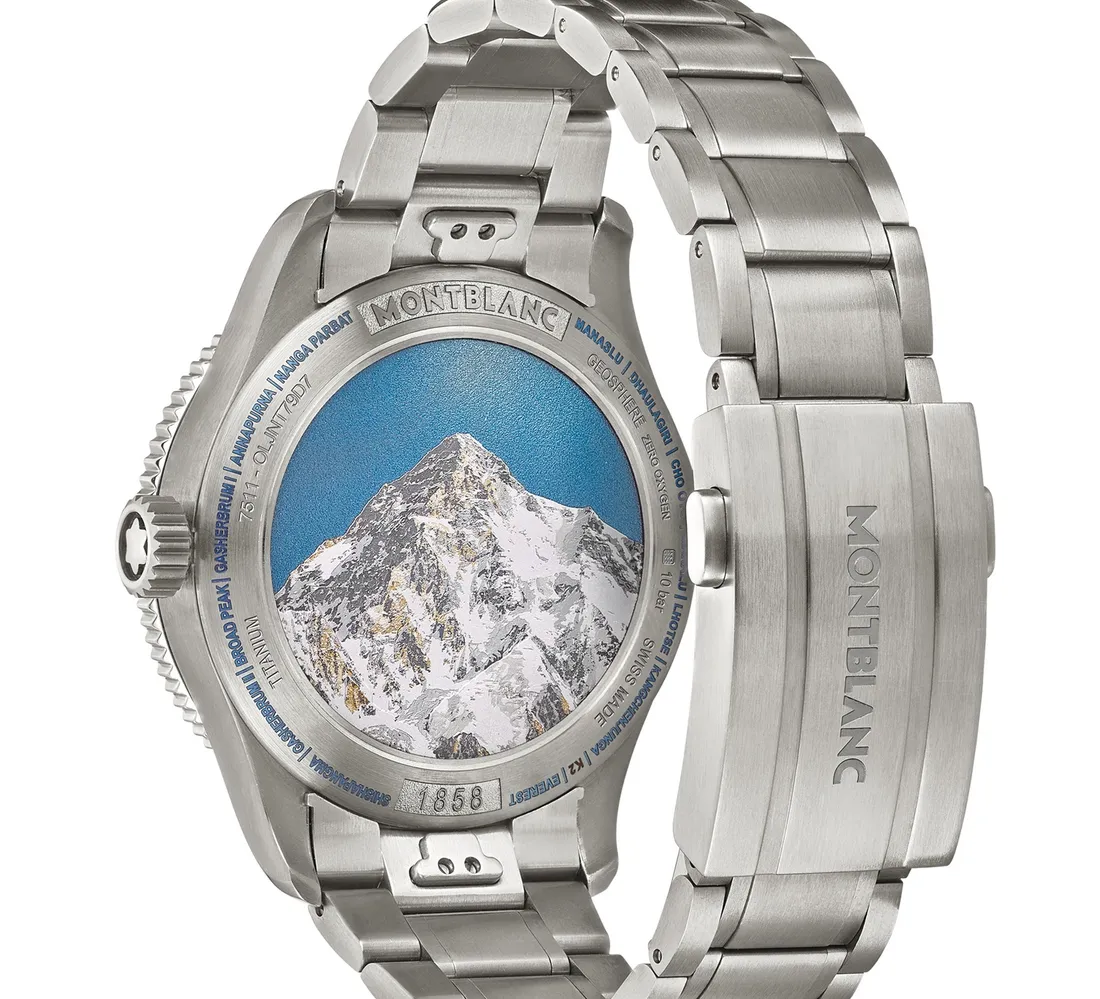
"You said it says ‘The 8000’ on the back of this watch. What is its connection with those legendary climbers who conquered the fourteen giants of the world one by one?"
Kaya:
"This watch follows directly in their footsteps, Araz.
The first legend is Reinhold Messner... In 1978 he broke the theories that said ‘the human lung cannot survive at eight thousand metres without supplementary oxygen, brain death follows’, the living legend who was the first to climb Everest without supplementary oxygen.
The other is Nimsdai Purja... The Nepalese climber who broke the most impossible record in human history by climbing all fourteen of the world’s eight thousand metre giants in just six months and six days. And this watch was tested in the freezing cold on the wrists of these legends of climbing without oxygen."
The examination (Grade 5 titanium and ergonomics at altitude)
Kaya, taking the watch off his wrist and putting it into Araz’s hand:
"To carry all this legendary inheritance and this mechanism, the body could not be steel. Take it in your hand and see..."
Araz, startled as the watch settles into his palm:
"This... This is almost like a feather. It looks like steel but it weighs nothing in the hand."
Kaya:
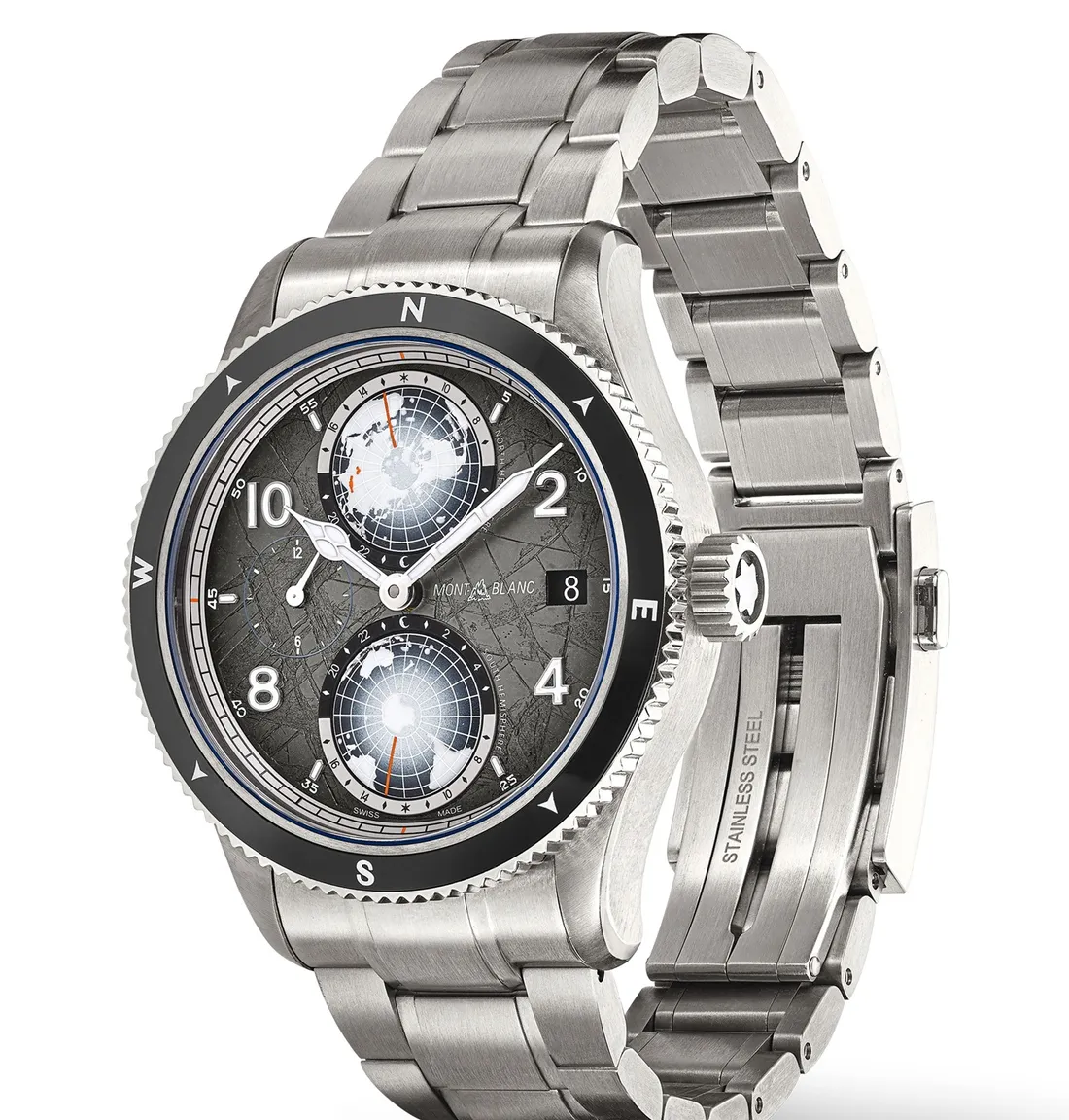
"Because it is Grade 5 titanium. Forty five per cent lighter than steel but many times stronger against impact. And most important of all, at minus forty it does not ice up and freeze against the skin the way steel does; it stays in balance with body heat."
PART VI: DAYBREAK FOR THE SUMMIT
As the roar of the storm eased outside, the ice cold air coming through the tent door announced that dawn was about to break. Kaya locked the titanium bracelet of the Montblanc 1858 Geosphere over his thick glove.
The green and blue Super-LumiNova lights on the dial and the bezel of the watch, with that immense quantum dance of electrons, were shining inside the dark tent like a lighthouse.
Araz, smiling as he adjusted his own oxygen mask:
"Man climbs to the summits to draw oxygen into his lungs; and the watch on his wrist defies the storm on that summit with zero oxygen in its case, with thirty layers of glacier art on its dial and with the dance of light from the electrons on that dial... What a synthesis."
Kaya, opening the zip of the tent and looking out at the huge pyramid of Everest:
"We are following in the footsteps of Messner and Nimsdai, Araz. Let us put on the masks... The summit is waiting for us."