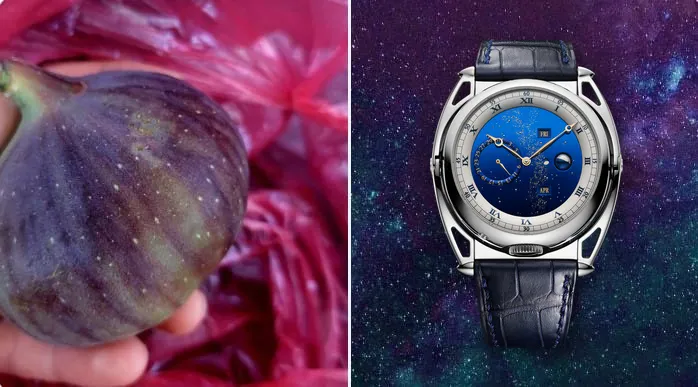
The sky is a pitch-black velvet, the stars are letters,
And in the lap of the infinite every wheel goes on turning.
My Lord, those luminous seeds you scattered over the night
Come to life by morning on a branch of a fig tree, under your seal.
The same ink, the same paint, the same hand of the master:
How beautiful, that the one who paints the heavens also weaves the fig.
Deniz Alper was an unusual mind in the academy. He had taken a double major in astrobiology and in advanced astronomy together with molecular biology, and had spent his years studying maps of galaxies at the eyepiece of great telescopes on one side, and analysing cellular enzymatic processes under a microscope on the other. He had a complete command of the behaviour of matter at its most enormous scale and of its biochemical architecture at its most microscopic.
But there was a great puzzle in his mind that had stayed incomplete for years: what the final, shattering link between cosmology and biology might be.
On one of those dry, smooth summer nights of the Aegean, on his plot of land at Torbalı near İzmir, with the rhythmic noise of the crickets around him, he lifted his head to the sky. In that pitch dark far from the lights of the city the Milky Way lay spread out like a veil. He was turning over in his mind the birth of stars, the processes of nuclear fusion in their cores, and cosmic explosions.
As that night-long reflection met the purple of first light, he walked under the century-old fig tree in his garden. He fixed his attention on one fig, deep purple-black on the outside and covered in tiny silver flecks. And he began to watch a female fig wasp trying to work her way in through the micro-gate beneath the fruit, the ostiole.
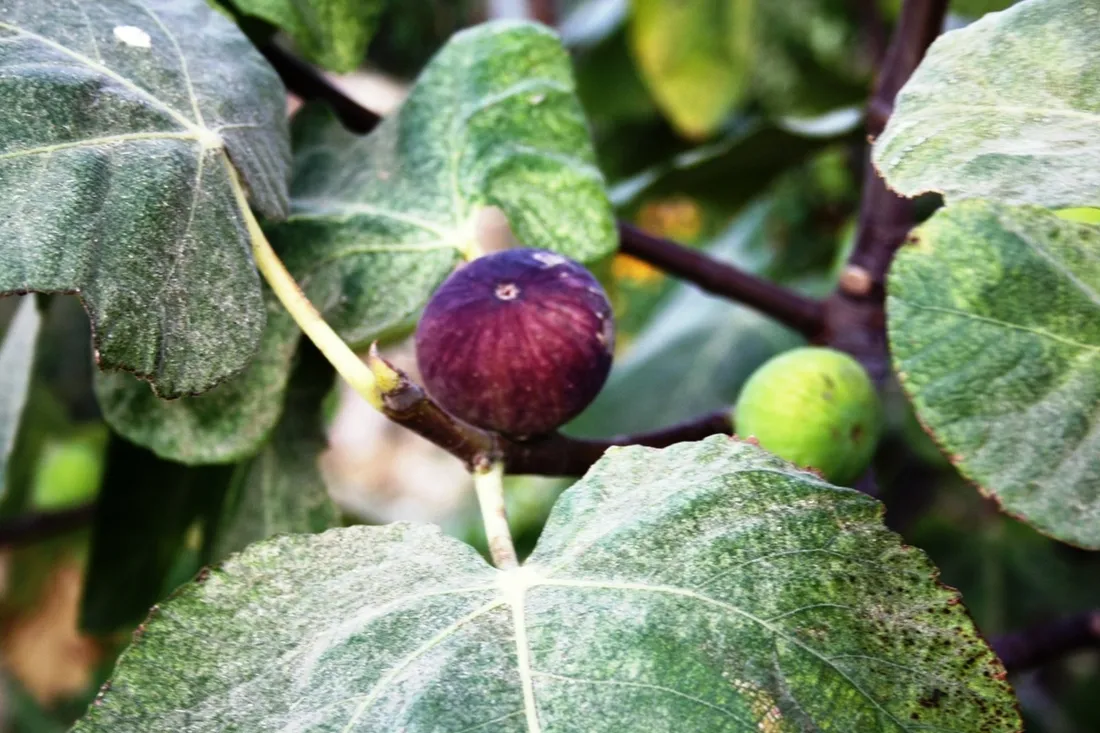
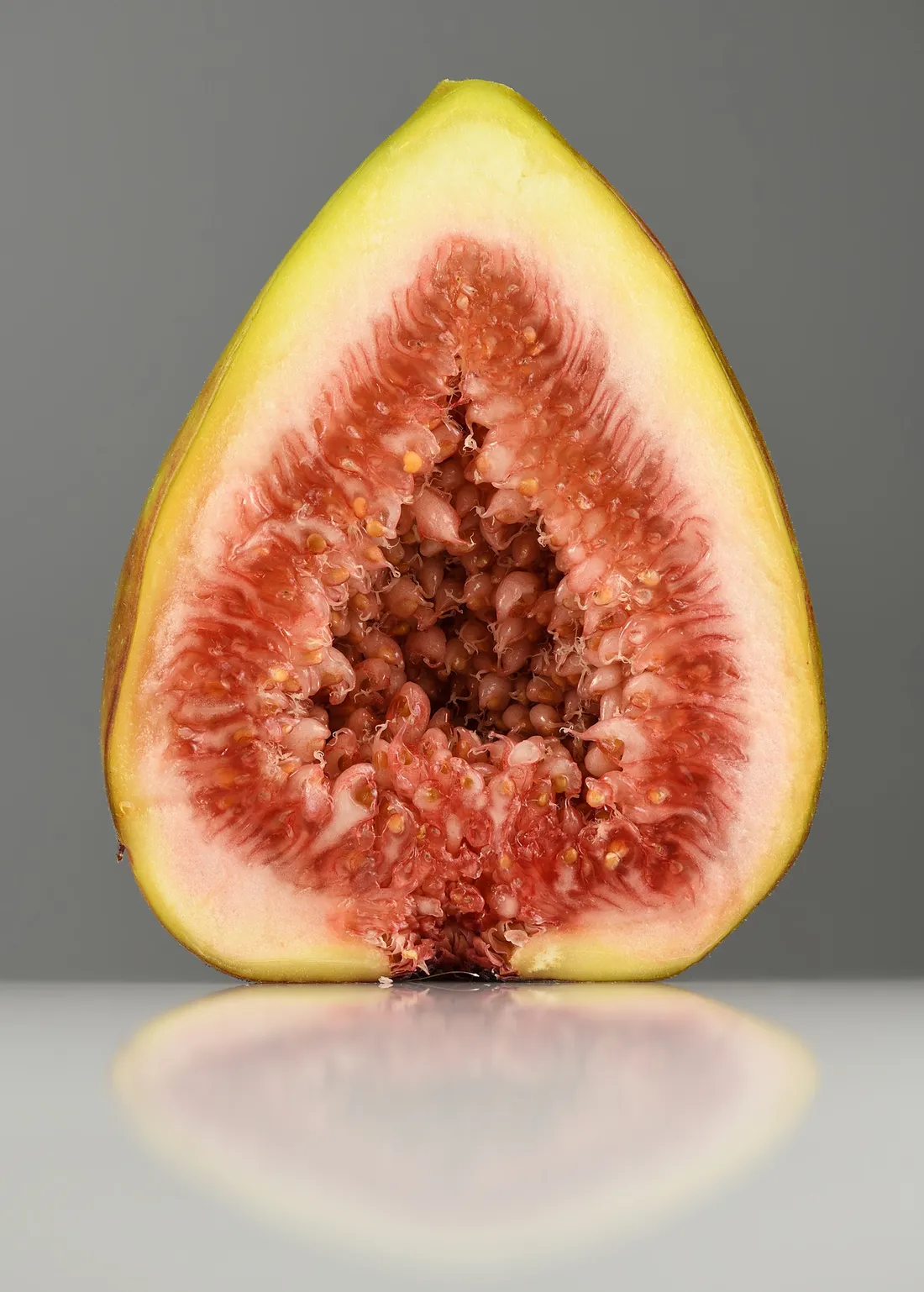
Deniz Alper first set the process out in his mind with a scientific eye. A fig, botanically, is not a standard fruit; it is a closed receptacle of flowers that keeps thousands of microscopic blossoms inside its own breast. Its flowers are entirely closed to the outside world. The only passage that can reach that closed realm and bring about fertilisation is the millimetric tunnel of the ostiole beneath the fruit.
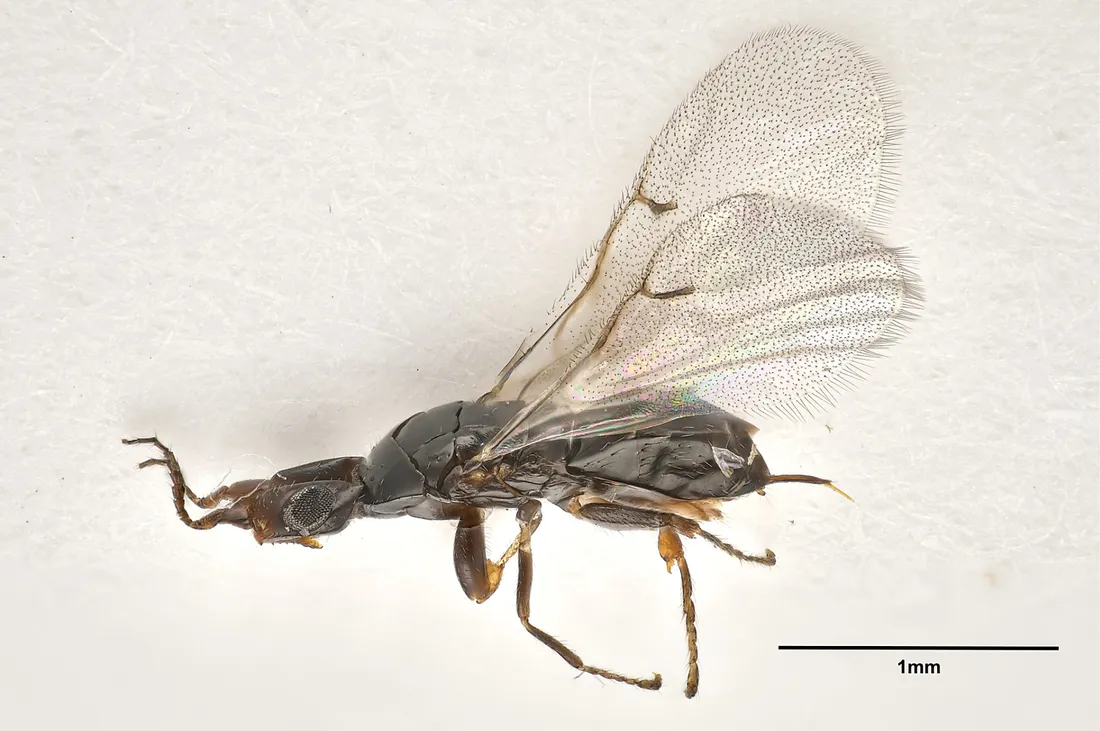
The female Blastophaga psenes moves towards that narrow tunnel. Because of the tightness of the passage she loses her wings and her antennae to friction as she slips inside. Leaving behind every instrument she had for the outside world, once in she transfers the pollen she carries in the pockets on her legs to the stigmas, brings about fertilisation, lays her eggs, and, unable to get out again, dies there. The ficin the fruit secretes digests the protein of her body and the wasp becomes part of the tissue of the fig.
This partnership is not obligatory for every variety of fig; most garden figs ripen without being fertilised at all. But the tree Deniz Alper stood beneath is one of the Aegean’s own, and in that type the fruit does not ripen unless the wasp passes through the tunnel. Which is to say the scene is obligatory on exactly the ground he was standing on.
At exactly this point the eighty six billion neurons in Deniz Alper’s brain fired at once. His mind was shaken out of place and his temples began to throb. I am going out of my mind, what kind of thing is this, he whispered, his hands trembling.
A living creature gives itself up and sacrifices itself entirely, purely so that another species can be fertilised, ripen and grow sweet. By what blind accident, by what reductionist theory can you explain this to me? No random process can account for a harmony as millimetric and as deliberately composed as this. The wasp will enter the tunnel, leave her wings and antennae behind, complete her task flawlessly, die on the spot and become part of that fruit. What kind of intelligence, what kind of design is this?
format_quote"A living creature gives itself up entirely, purely so that another species can ripen."
Hasan Bekmezci
He raised his head at once to the sky, to the Milky Way. That vast firing in his mind joined two separate realms in a single instant.
Think about it, he said to himself. Think about supernova explosions. When a star of enormous mass reaches the end of its life it collapses in on itself and sacrifices itself in a vast explosion. What happens if the star does not burst? The iron, the carbon and the oxygen cooked in its core cannot be scattered into space. And if that iron and that oxygen are not scattered? Soil cannot form, planets cannot be born. The haemoglobin protein in human blood cannot bind to an atom of iron dispersed through the universe by that stellar explosion and carry oxygen to the tissues. If haemoglobin cannot bind to iron, oxygen cannot be carried; life cannot continue for a single instant.
In biology the wasp tears off her wings and sacrifices herself, and the fig grows sweet, and the cycle of life is completed. In astronomy the star bursts and sacrifices its body, and iron and oxygen are scattered, and haemoglobin binds to iron and carries life in human blood.
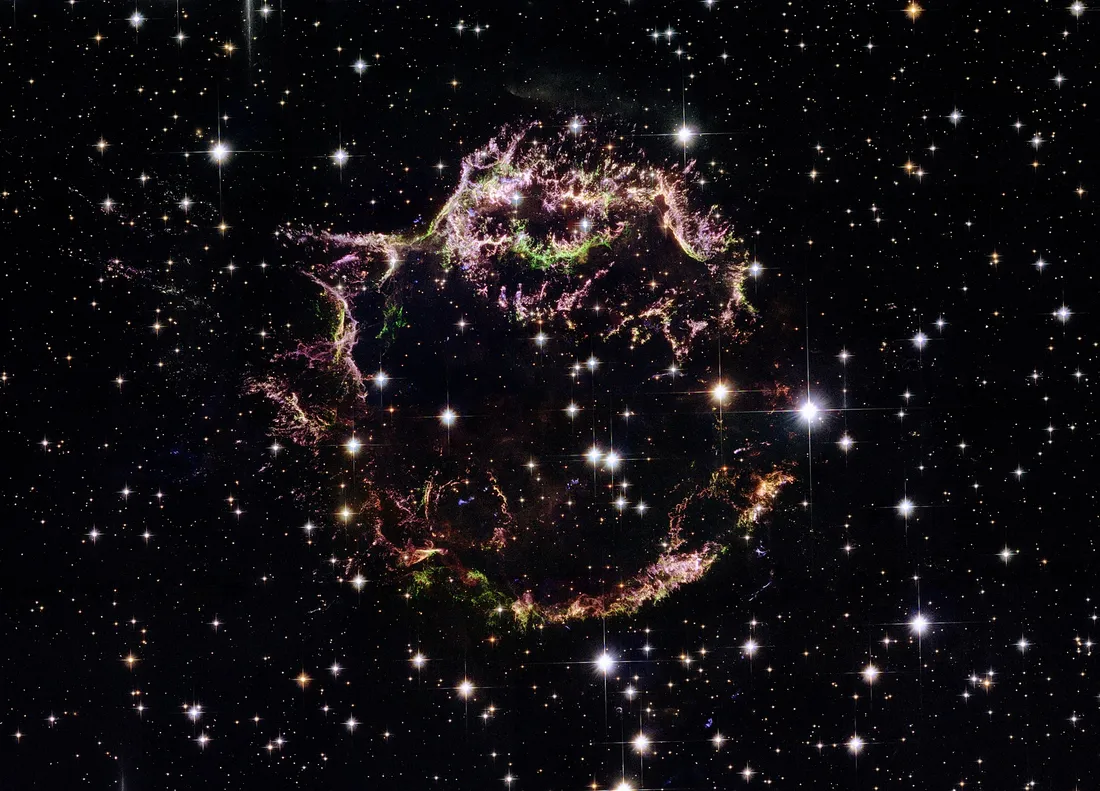
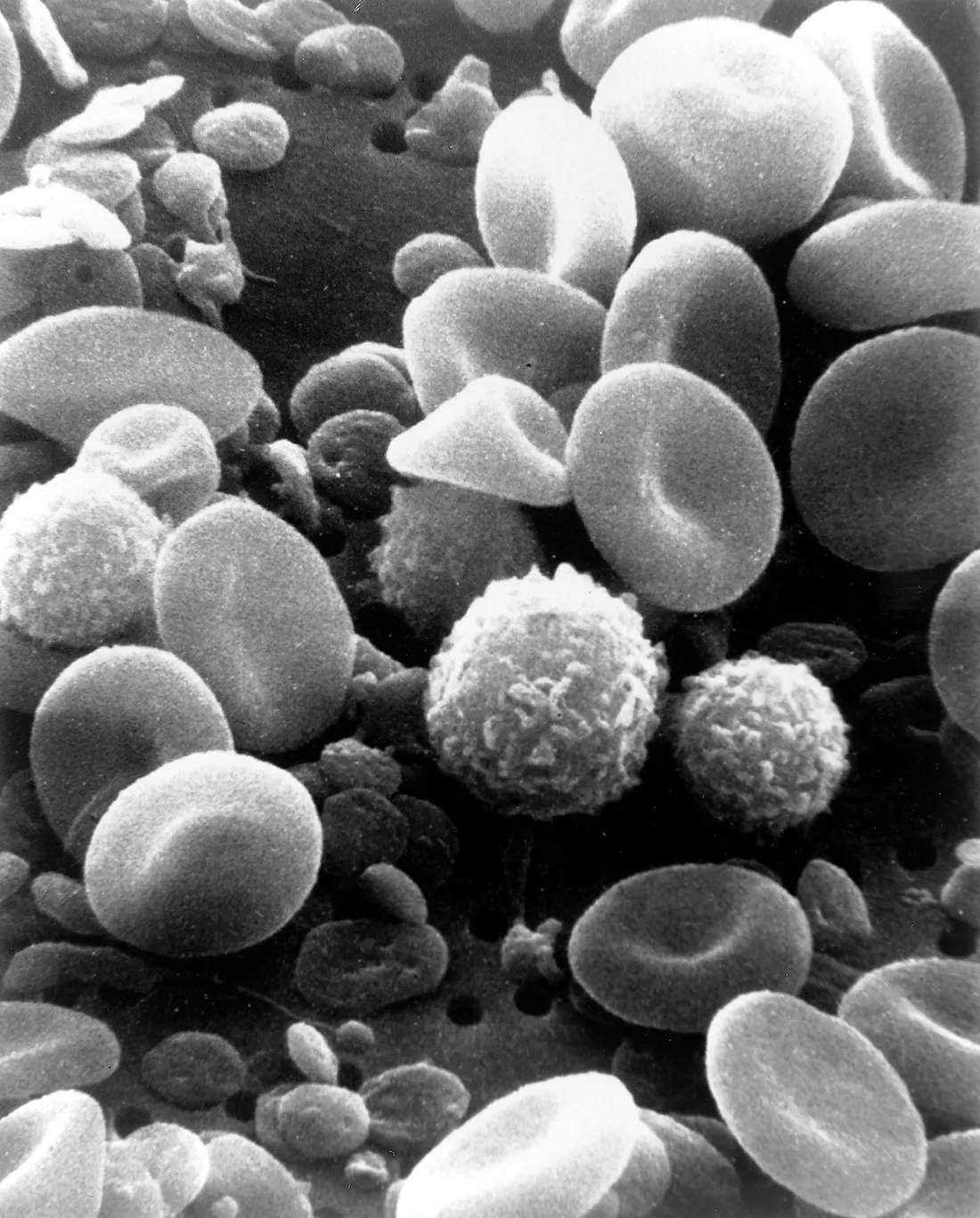
My mind is going to stop, he said. So the architect who knows the fig, who knows the wasp, who knows the human being and the precision with which the haemoglobin in his blood binds to iron, and who governs the giant stars in the sky, is one and the same. There is a single divine will that set up the whole of this micro and macro ecosystem.
format_quote"The architect who knows the fig, who knows the wasp and who governs the giant stars in the sky is one and the same."
Hasan Bekmezci
The counterpart in high watchmaking of the illumination the astrobiologist Deniz Alper went through at Torbalı, the truth that the cosmic explosions in the heavens and the microscopic self-sacrifice in the breast of a fig belong to the same artist, is the De Bethune DB Kind of Grande Complication. Carried in the maison’s own catalogue under the reference DBK2TV2, inside the DB Kind of Two collection, the watch is presented as the sum of twenty two years of De Bethune’s research.
The dial is titanium, blued by high-temperature treatment and then polished; that deep night blue calls to the reader’s mind, at one and the same time, the colour of the skin of the fig Deniz Alper took from the branch and the sky over Torbalı.
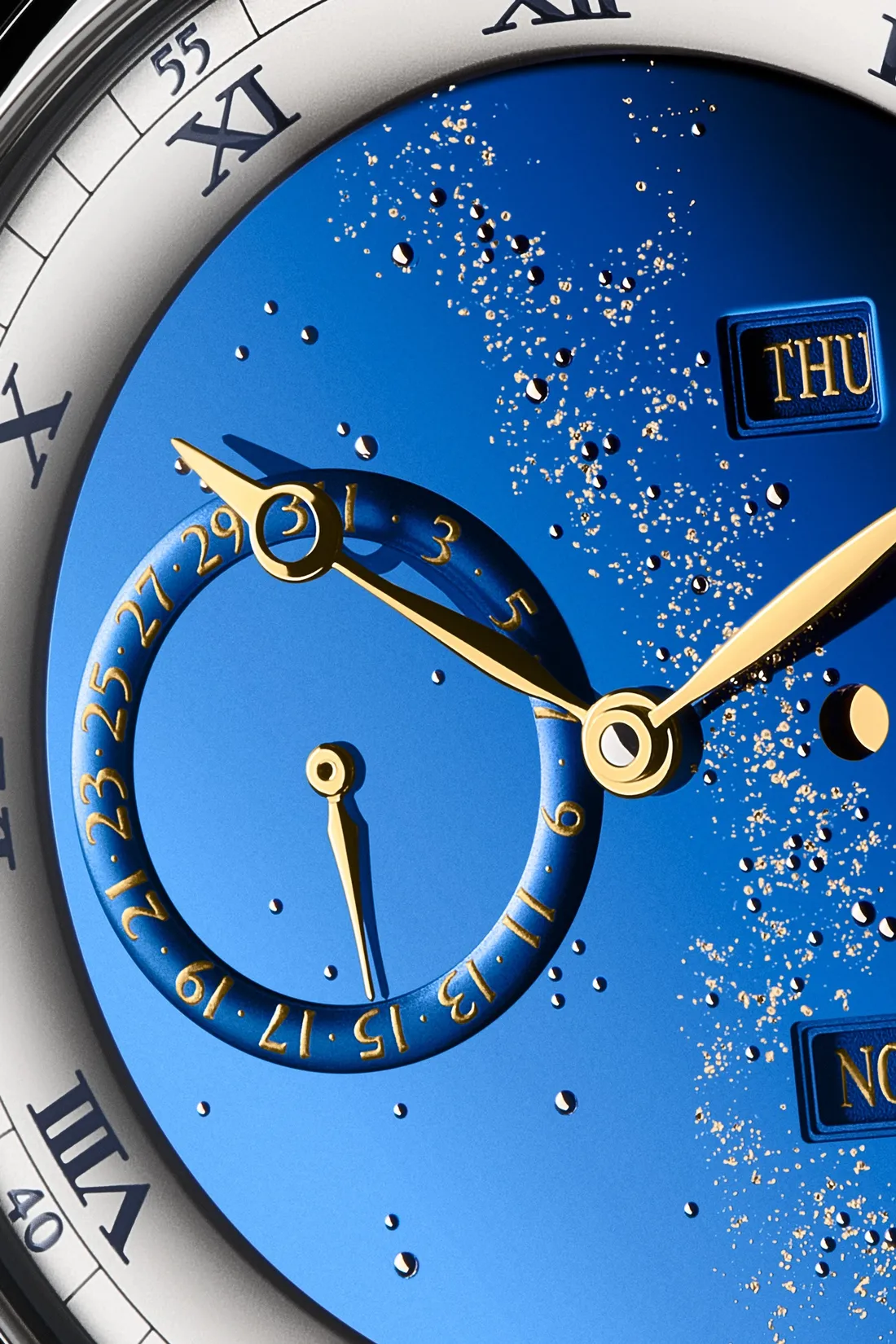
The stars on this dial are not diamonds, as many people assume. Each one is a white gold pin set into the titanium surface by hand, one at a time. The band of the Milky Way running between them is opened by laser beam micro milling and gilded with twenty four carat gold leaf. The sky, in other words, is not printed onto the dial; it is cut and driven into it, just as the flecks on the skin of a fig are not painted on but grown.
At three o’clock a spherical moon phase turns. That sphere is not a flat disc but a real sphere turning on its own axis, and by the maison’s calculation it drifts by one lunar day only after a hundred and twenty two years. The leap year indicator sits in the same place. At nine o’clock there is a date subdial in sandblasted and blued titanium with gold relief, and the day and month discs are gold relief again on a blue ground. The hour, minute and date hands are polished yellow gold.
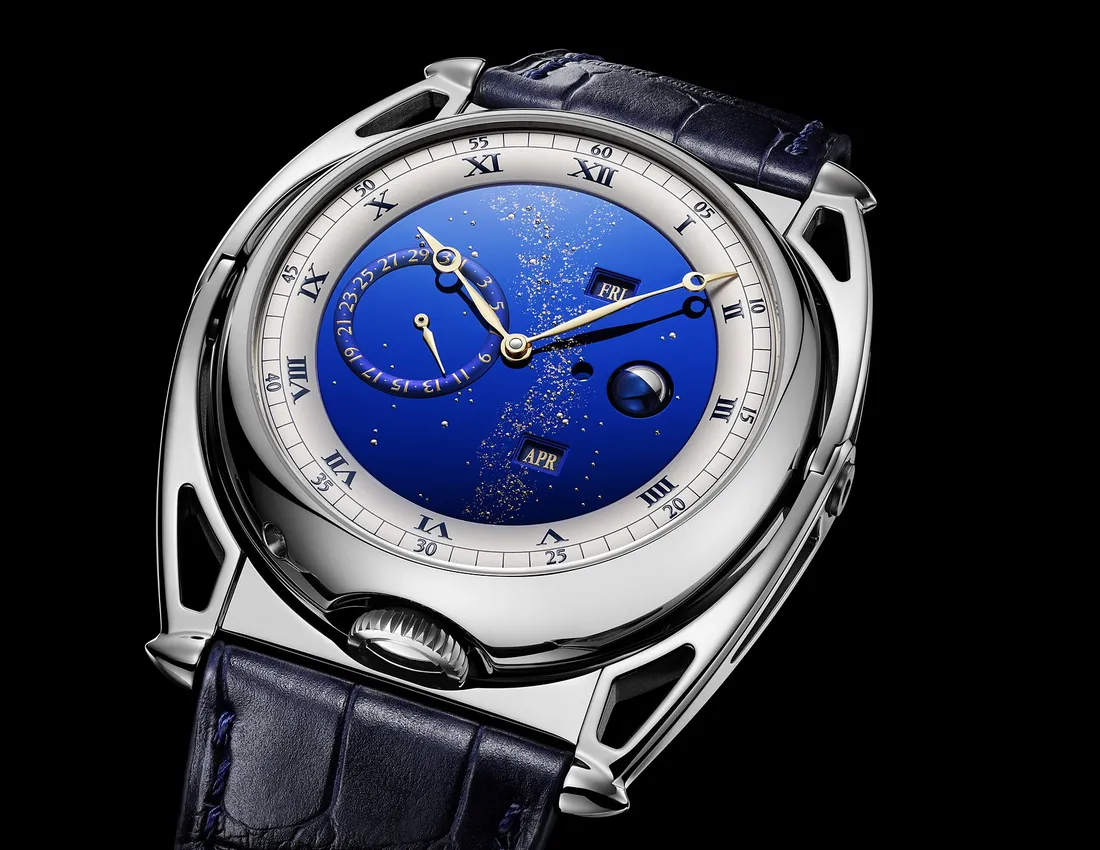
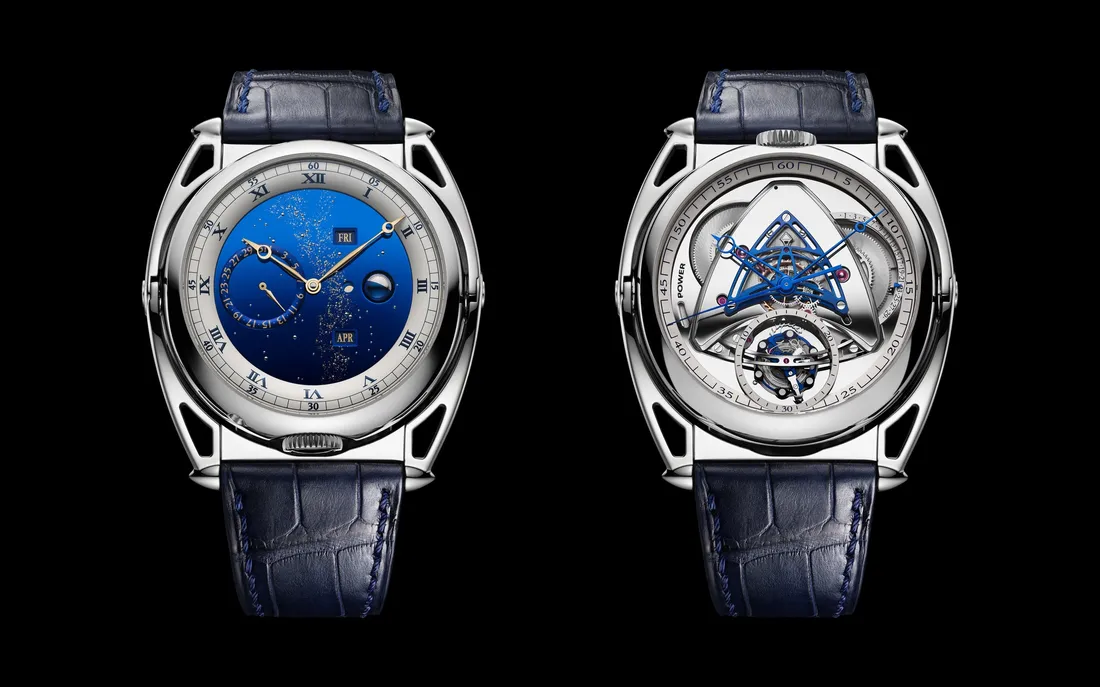
The case is polished grade 5 titanium, forty three point three millimetres across and thirteen point eight five millimetres thick. Between the floating lugs the maison patented in 2006 there is a turning mechanism: the case revolves on itself and brings either the front or the back to the front, where it is fixed. Both faces carry sapphire crystal, at eighteen hundred Vickers hardness and with anti-reflective coating on both sides.
On the other face the movement itself is in view. There you find the ultra-light titanium tourbillon turning once every thirty seconds, hand-polished and blued titanium hands, a jumping second, a retrograde display giving the age of the moon, and, between eight and nine o’clock, a hand that announces the end of the power reserve.
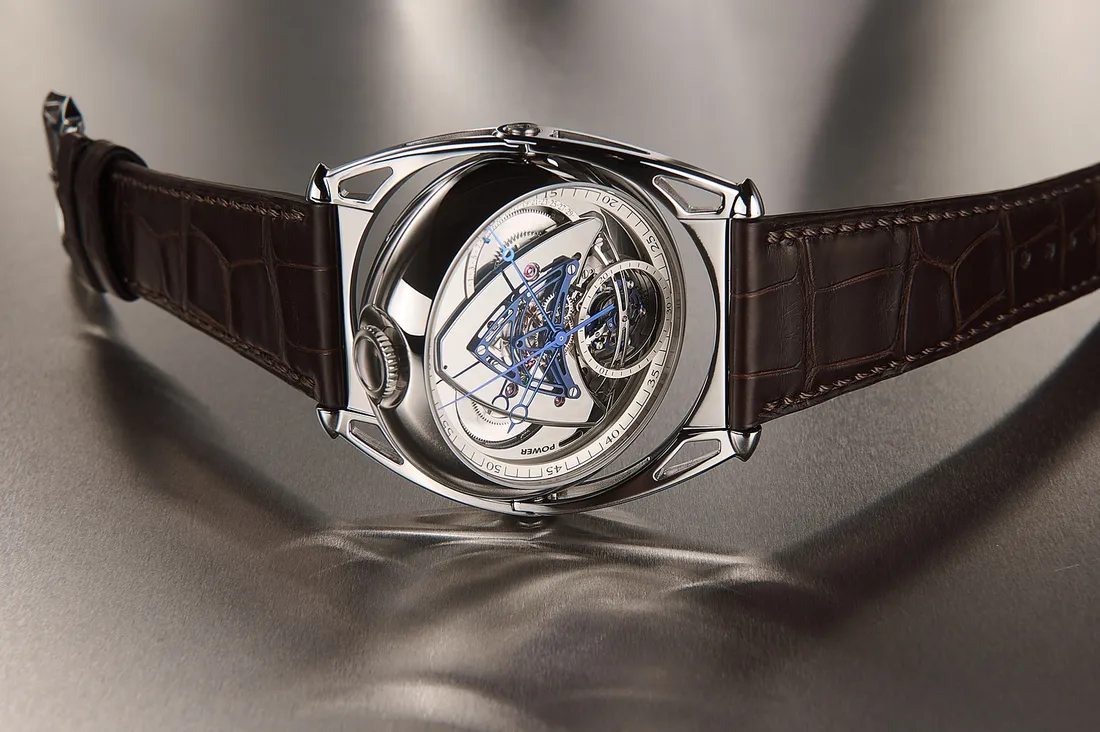
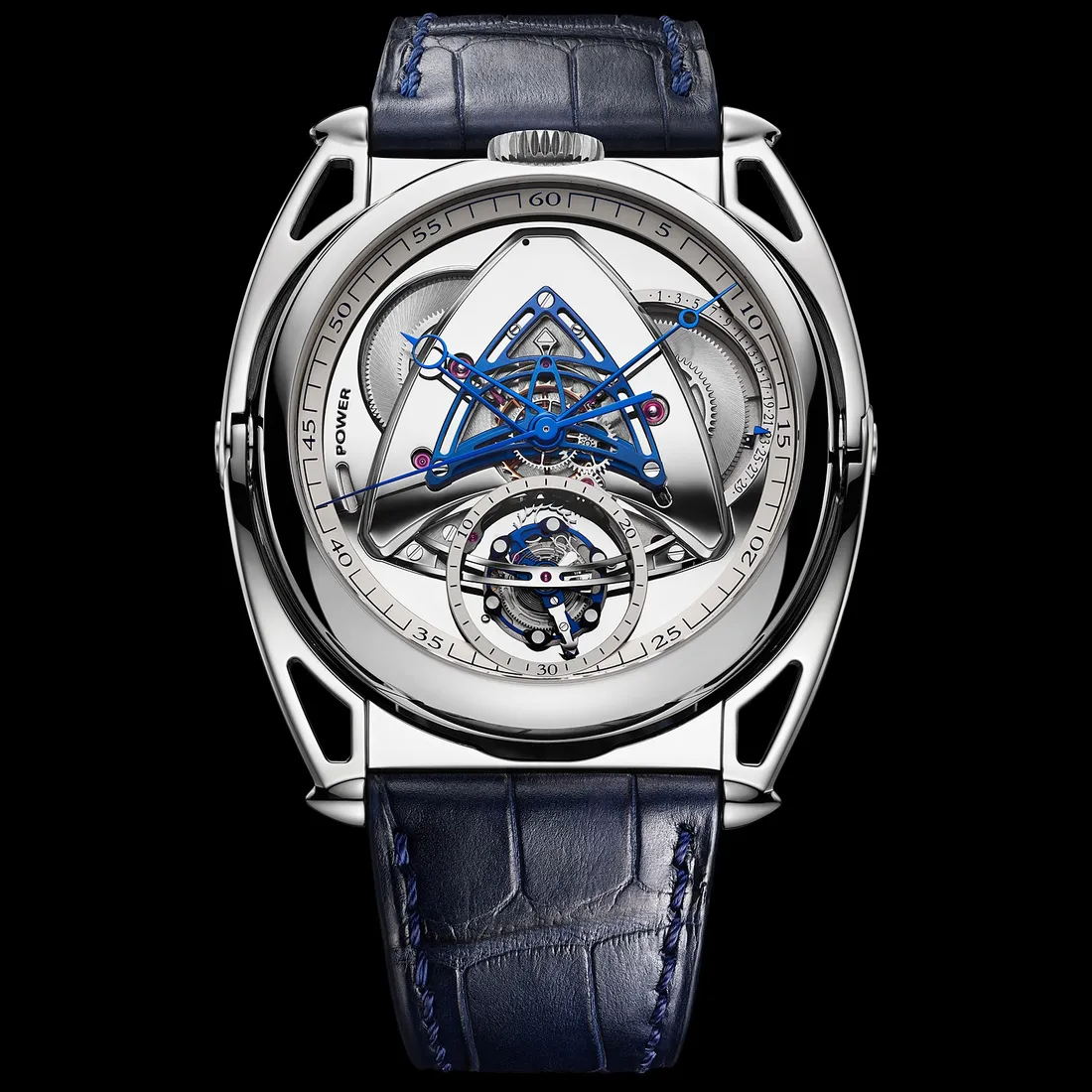
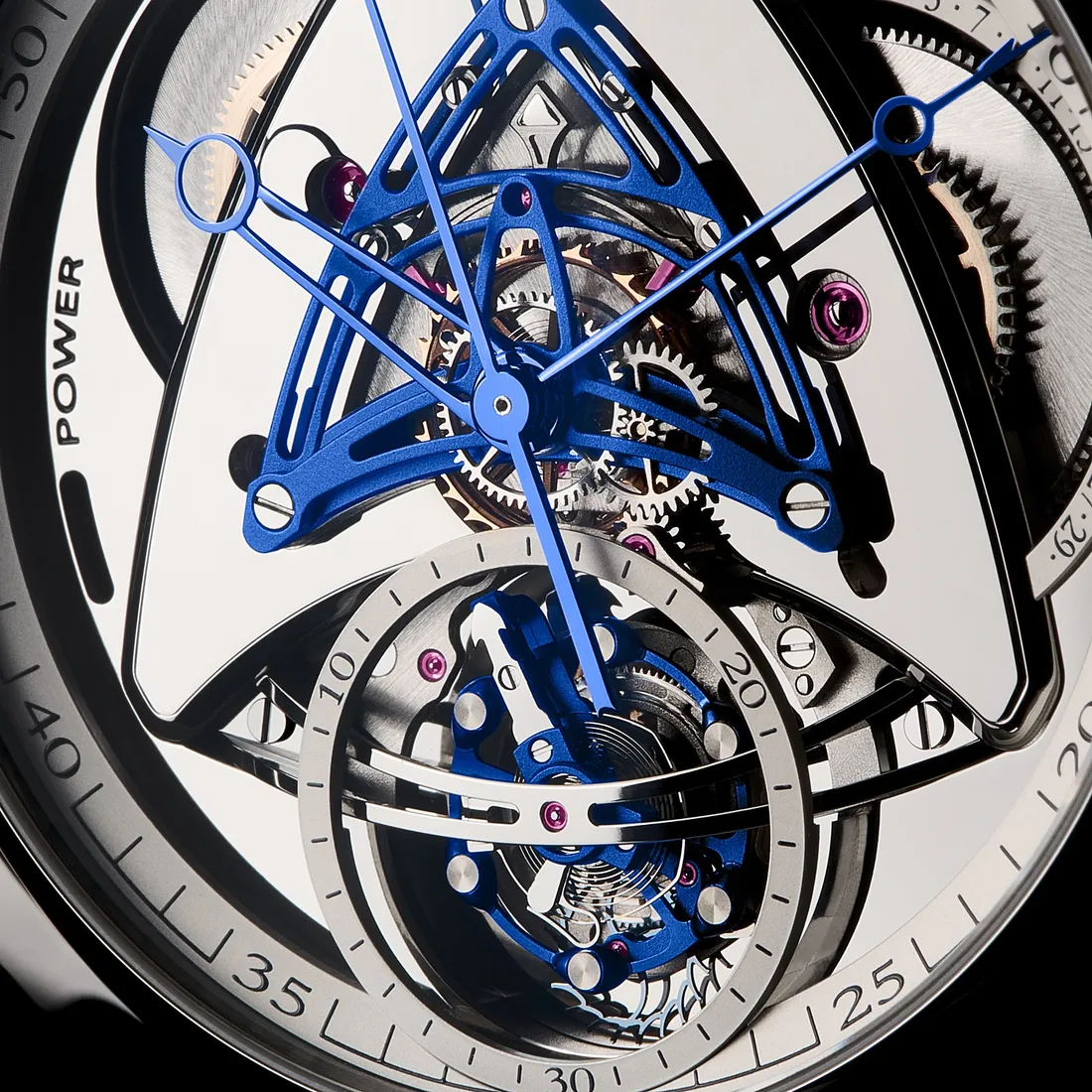
Inside runs the calibre DB2529. It is built from seven hundred and fifty one parts on forty eight jewels, beats at thirty six thousand vibrations an hour, is wound by hand and runs for four days off a self-regulating twin barrel. The balance wheel is titanium with pieces of white gold set into it, tuned that way against differences of temperature and against the resistance of the air. The escape wheel is silicon, and the balance spring takes the flat terminal curve the maison patented for itself. Each of these parts is the product of a separate year and a separate patent, a series running from 2004 to 2016.
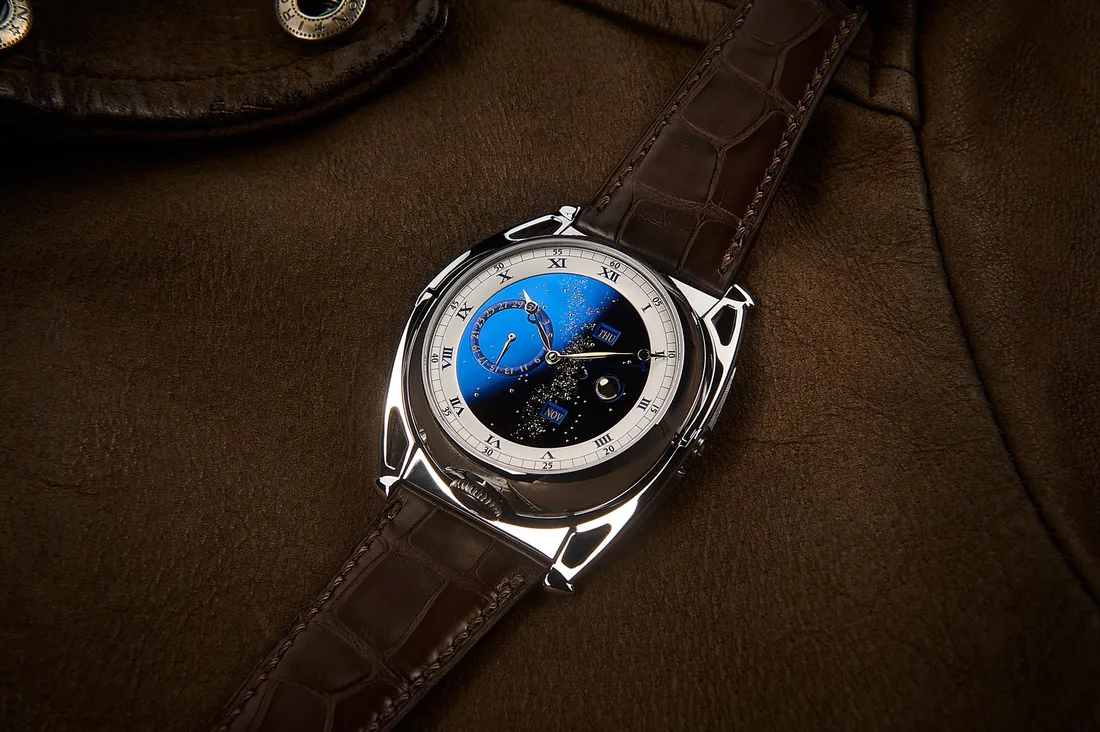
A lover of watches, looking at that titanium dial of De Bethune’s, at the band of stars driven into it in gold, and at the synchronisation of the wheels beneath the case, will say without a moment’s hesitation: this watch has a master, an architect, a man like Denis Flageollet. Nobody can claim that the titanium warmed of its own accord and took on that blue, or that the gold pins fell onto the dial by chance in that arrangement.
Then the flash of mind the astrobiologist Deniz Alper went through in his garden at Torbalı ought to shake everyone who can reason. Just as, when we see that micro star map on the De Bethune dial, we find the existence of a watchmaker necessary, how can we overlook the infinite architect who bursts giant stars in the sky and scatters iron and oxygen from their ashes so that haemoglobin can work, and the Creator who engraved a copy of that sky onto the skin of a fig and set that tiny wasp inside it with an immense order?
He who paints the sky, he who creates the fig, he who gives a human being his blood and gives the watchmaker that gift in his mind, are one and the same. All of existence is a dial, mechanical and biological, declaring His art.
format_quote"All of existence is a dial, mechanical and biological, declaring His art."
Hasan Bekmezci
Editor’s note: This piece is dedicated to Deniz Alper Bekmezci, who will come into the world in February 2027. The name that walks through this story is his. May he grow into exactly this kind of contemplative mind: an astrobiologist who reads the skin of a fig while he is looking at the sky, and the sky while he is looking at the skin of a fig.
And this piece is dedicated to the cherished memory of Deniz Alper’s grandfather, İsmail Baysal. The fig garden at Torbalı was his. The tree in this text is his tree, the shade that is stood under is his shade, and those figs with the silver flecks on their skin are the figs he gathered for years. He passed on before he could see his grandson.
Let one more note be set down here. Perhaps, from one of the gentler realms of God, the eye that made that garden will be watching the child who is going to walk in it. All the distance between the two of them is no longer than a morning on which the first fig ripens.
The watch on its maker’s own site: De Bethune, DB Kind of Two Grande Complication