A traveller whose spirit has crystallised, having slipped free of the narrow borders of the physical body, drifts through the folds of space and time and grasps that the cosmos is not airless but rather an immense ocean filled with living and conscious beings. On this journey between the planets the traveller comes upon the abstract assembly of three great minds in search of the truth of existence: Aristotle, the theorist of substance in antiquity; Bediüzzaman, who stands for the deep contemplative tradition of the East; and the Russian astronaut Valeri Polyakov, who spent 437 days in orbit and pushed at the cosmic limits of a human being.
The traveller witnesses the shattering dialogue spoken in that assembly.
Aristotle begins by pointing at the endless darkness through which the stars are drifting.
On earth we tried to unlock existence with four elementary keys: earth, water, air and fire. But to the incorruptible, unwearing medium of the vault of heaven we gave the name of a fifth substance: aether. Nothing except the Creator is eternal; aether too is a substance He made, and yet it is the purest fluid sea in which the stars are swimming.
Bediüzzaman smiles and deepens the truth Aristotle has grasped within a cosmic frame.
You speak rightly, Aristotle. Just as the fish in the ocean swim without any awareness of the water, so the planets and the celestial bodies drift inside this sea of aether. Whether philosophy calls it aether and modern physics calls it quantum vacuum fluctuations is of no importance. What matters is that this substance is not confined to a single fixed form. As the state of water changes, so the matter of aether divides within itself into seven distinct manifestations, seven separate physical states.
While the traveller tries to picture those seven states, we can give the cosmic analogy a concrete shape. When the traveller closes both eyes and begins to walk in the capillaries of the cosmic web, the universe is revealed as an immense symphony vibrating at seven separate frequencies at once.
format_quote"Just as the fish in the ocean swim without any awareness of the water, the planets and the celestial bodies drift inside this sea of aether."
Hasan Bekmezci
The first is the Gravitational State, the bed in which enormous masses lie and bend the fabric of space and time; you may liken it to a vast, taut and elastic trampoline sheet. As a heavy cannonball set down on a trampoline sinks the sheet and forces the marbles around it into orbit, so stars and black holes bend the fabric of space in exactly that way. In the traveller’s mind this state makes concrete that space is not an empty stage but a living, elastic bed shaped by matter, curved, stretched and given form by the weight of masses.
The Electromagnetic State that follows is the invisible nervous system of light, information and energy in the universe. Just as the billions of nerve fibres in a human body let the brain and the organs speak to one another through electrical signals, everything from the light of the stars to the bonds that hold atoms to one another communicates across this network. Looking at this state, the traveller sees that the void of space, which appears dark, is in truth a colossal information highway woven from trillions of colours, radio waves, photons and invisible threads of light.
Turning towards the microscopic realm, the traveller meets the Quantum Vacuum State, the zero point energy, and every notion of nothingness is overturned. What we call empty space is not an absolute nothingness but a mystical ocean whose floor is perpetually boiling and foaming. Just as micro bubbles are born on the surface of a sea that looks still and burst and vanish an instant later, in the quantum vacuum particles and antiparticles come into being out of nothingness for an instant and annihilate one another in the blink of an eye, returning to the vacuum. This whispers that existence is not a passive standing still; that being is a dynamic formation and a boiling act of creation, brought into existence and removed again without interruption at every instant, every fraction of a second, breathing in and out.
Rising above this foaming quantum sea, the Cosmic Microwave Background State is the echo that has reached our day of the first cry, the first warm breath left over from the moment of the universe’s birth. Just as you feel a faint warmth when you touch the stones of an extinguished volcano, or as the tremor in the air continues for hours after a great explosion, this state is the infant photograph of the universe, the memory of the first instant. Drifting over this memory, the traveller strikes the Dark Matter State; like a wind that cannot be seen and yet shakes the branches of a tree, the traveller senses an invisible glue that keeps the galaxies of the universe from flying apart. Galaxies turn so quickly that under ordinary conditions they ought to scatter; what holds them together is this mysterious skeleton, which emits no light yet embraces everything with its mass.
The Dark Energy State, which pushes this whole structure outward with acceleration, is an invisible power of expansion blowing fresh breath endlessly into the cosmic balloon. And when all six of these states are finally joined, the Filamentary Cosmic Web State is completed, woven with trillions of bridges of light resembling networks of neurons; and so, with a spellbinding clarity, the traveller makes concrete in the mind how the macroscopic and the microscopic, being and non being, are united in one immense living tissue.
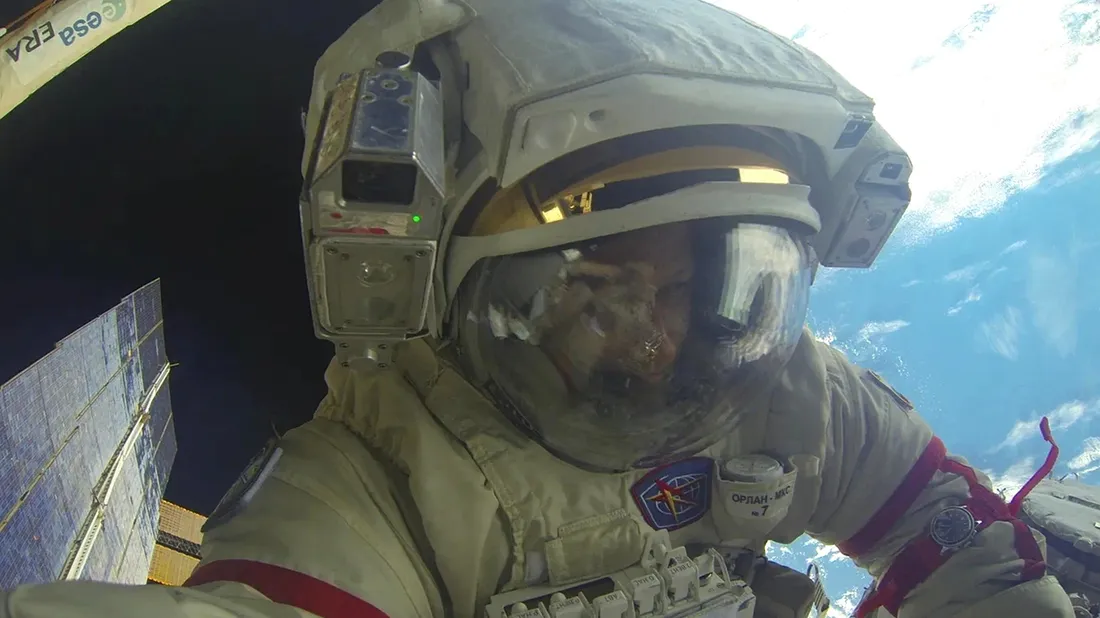
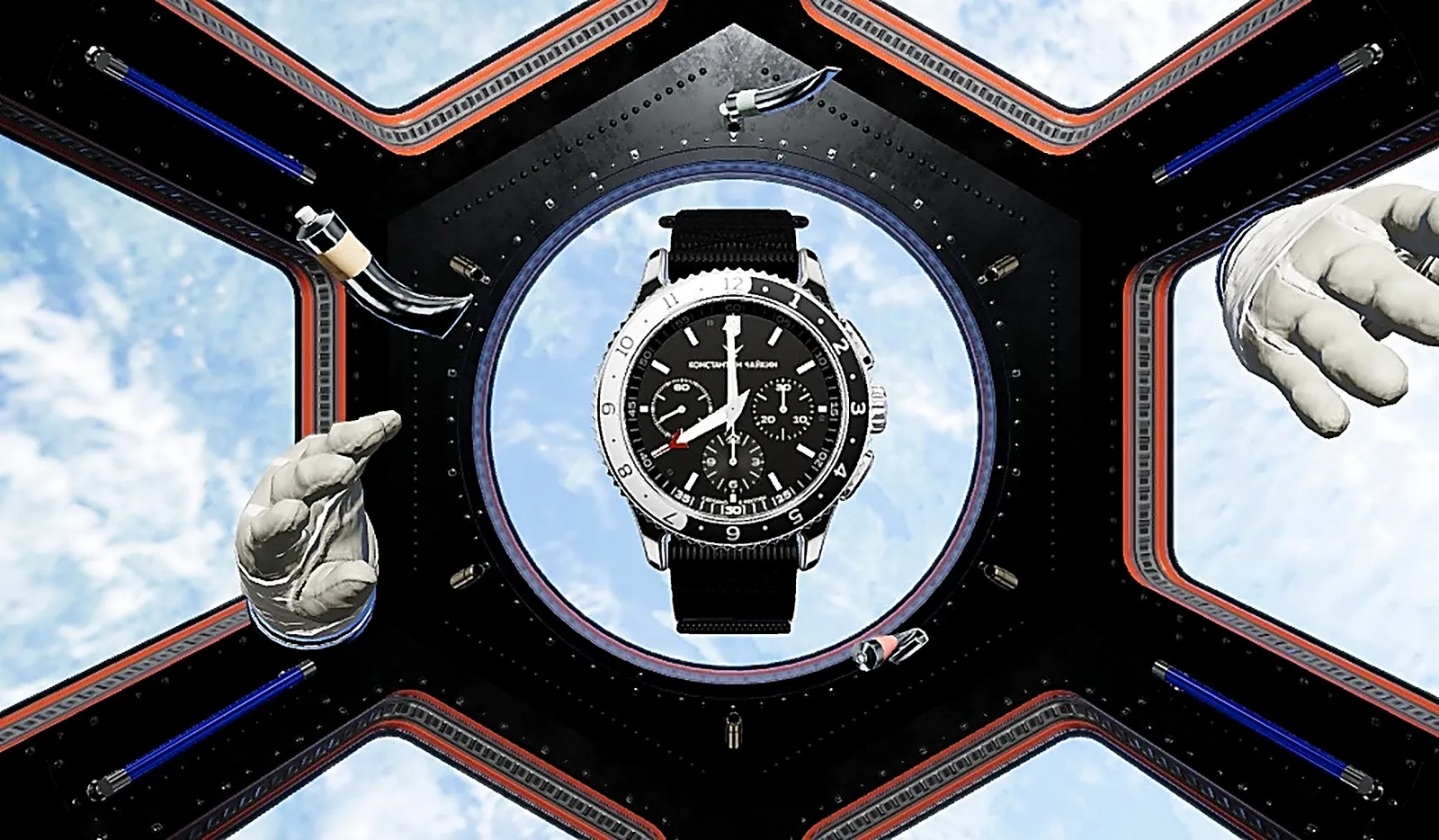
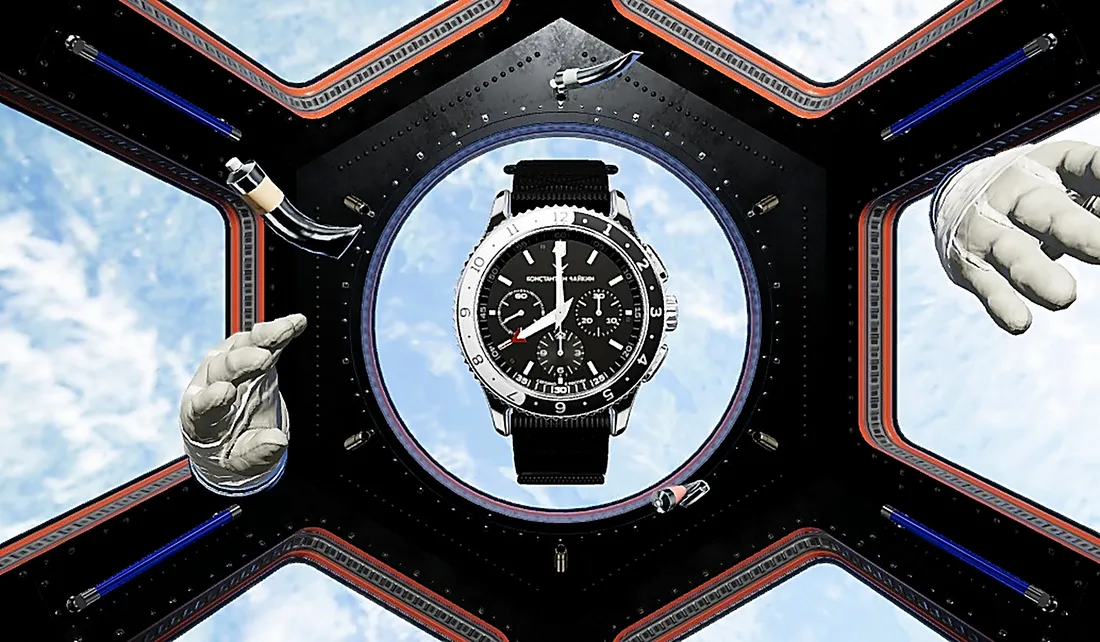
In that absolute silence where the gravity of the earth fades away, the astronaut Valeri Polyakov, who carried out the longest unbroken voyage in orbit in the history of humanity, joins the conversation. Remembering those 437 days when he looked out through the narrow porthole of the Mir space station, and the days that never had a night, he touches with his fingertips the steel cased chronograph still ticking away on his wrist.
From the lectern of philosophy and wisdom you are describing the shores of the sea of aether. I, on the other hand, drifted in the middle of that sea in person for 437 days, while time and place were dissolving inside the human mind. When you break away from the earth, when even that blue sphere turning below you becomes a distant fable, the only thing that keeps a person from madness is rhythm. In that void where gravity weakens and the body loses its roots, you hold on to that micro mechanical heart on your wrist so that the fluidity of space and time does not swallow you.
Consider it: that tiny balance spring and those steel wheels vibrating in rhythm at the heart of this case. Billions of years ago they were heavy metals, synthesised in an immense kilonova explosion in some corner of the universe, in the merciless collision of two neutron stars, and flung out onto the soil of the earth. A craftsman came along, drew that metal from the breast of the ground, worked it, gave it form and fastened that cosmic essence to my wrist. What I really did was bring that ancient child of a kilonova explosion back to the skies it belongs to, to the soil where it was born. Not to lose your bearings in that immense fluidity of stars and black holes, to drop an anchor in the sea of timelessness, is what mechanical watchmaking means. That steel watch is the one existential handhold a human being has in space.
format_quote"What I really did was bring that ancient child of a kilonova explosion back to the skies it belongs to, to the soil where it was born."
Hasan Bekmezci
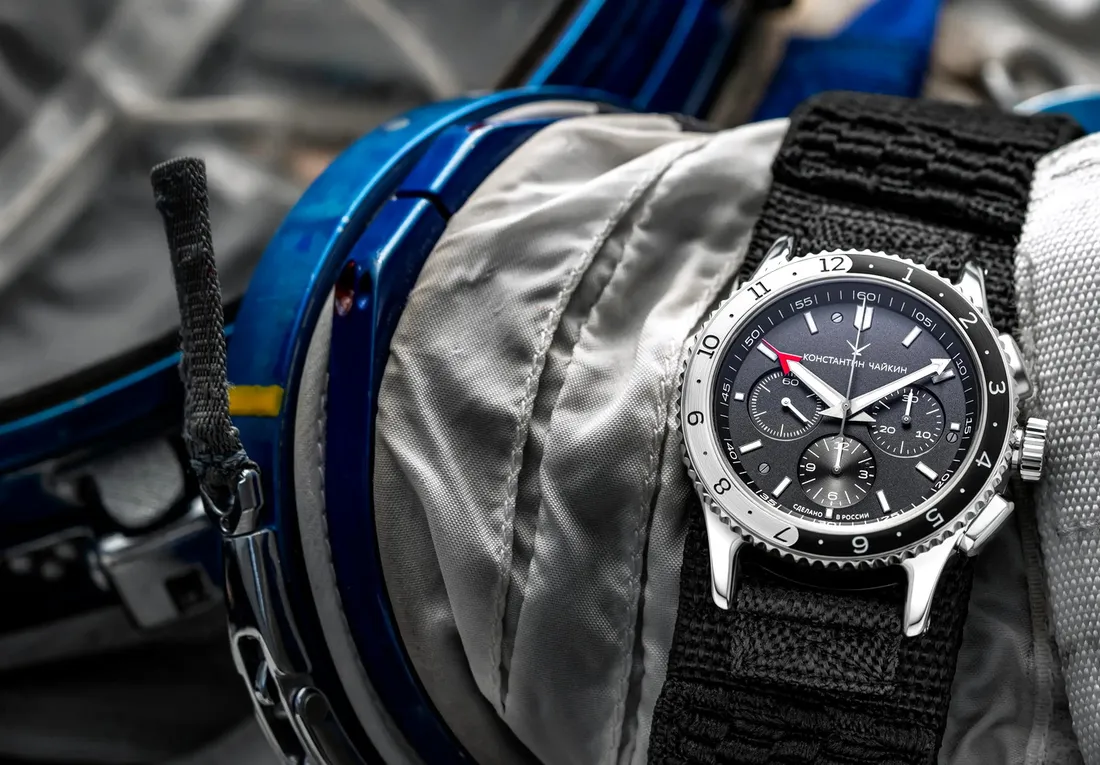
That cosmic sea of which the sage of the East and Aristotle spoke is a merciless arena in which stars are born and die, in which vast supernovae take place and kilonovae scatter heavy metals across the universe through the collision of two neutron stars. The genius of the independent Russian watchmaker Konstantin Chaykin germinated from precisely this idea: to create a timekeeper able to withstand the orbit where those cosmic explosions and absolute vacuum hold sway.
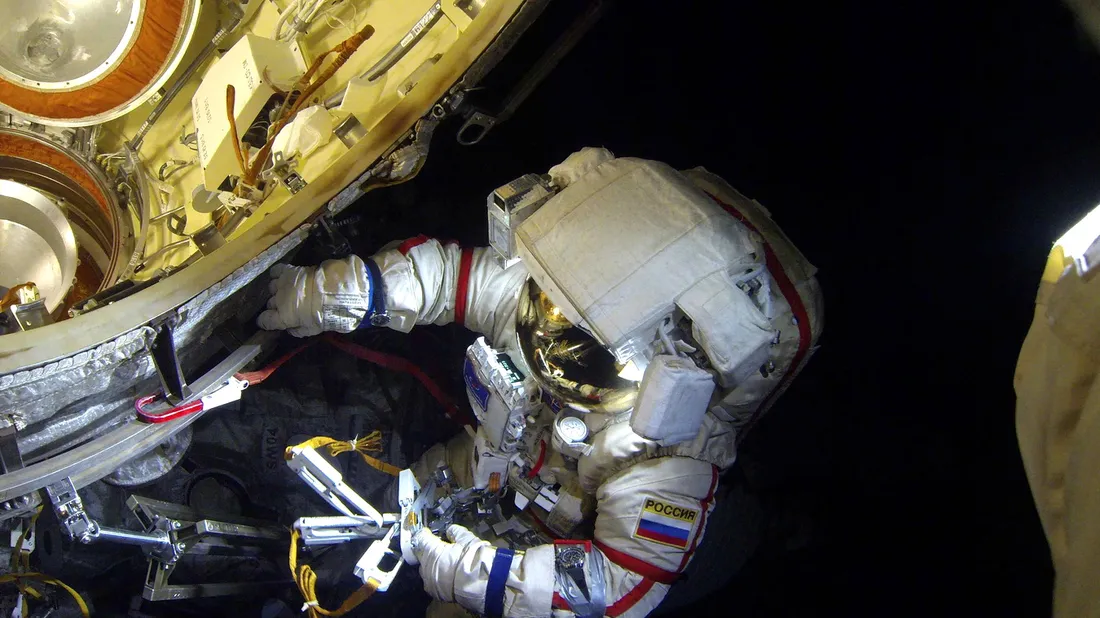
In the project he began with Roscosmos in 2018, Chaykin took his watch beyond the laboratory. Prototypes were exposed to the void on the wrists of cosmonauts, outside the International Space Station, during extravehicular activity.
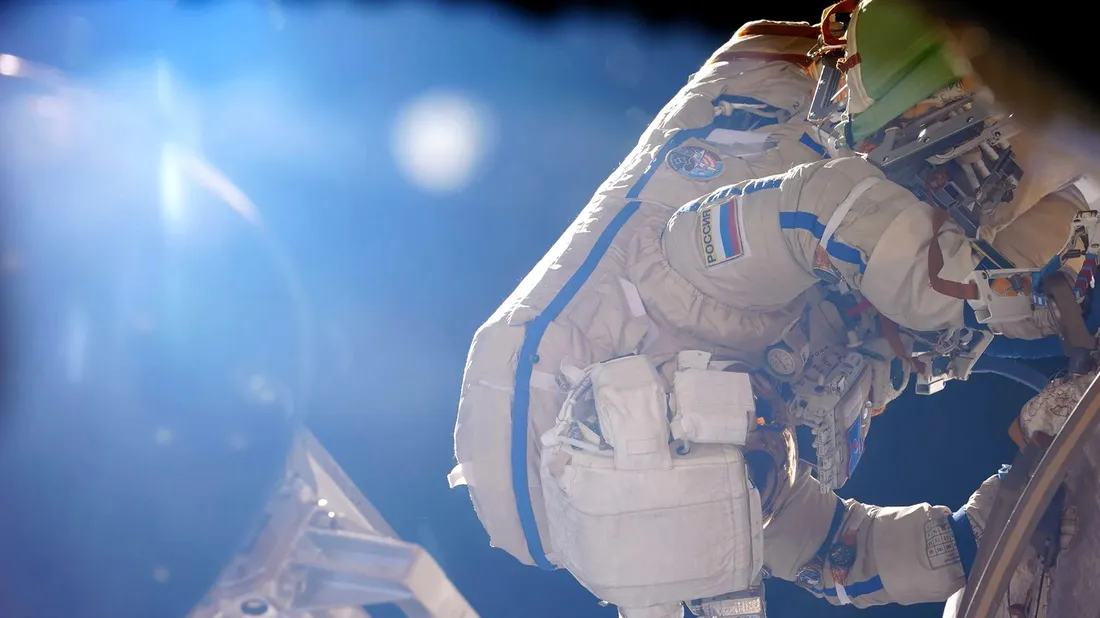
Oleg Novitsky made the first two walks in 2021. The prototypes were mounted on the Orlan-MKS suit and tested under absolute vacuum and radiation; after the first outing in June the crystal mounting was reinforced on the basis of the data that came back, and it went out a second time in September. The third walk was made with Oleg Artemyev in August 2022. The fourth took place in May 2026: the latest generation of mechanical Chaykin chronographs ticked away in absolute vacuum on the wrists of Sergey Kud Sverchkov and Sergey Mikaev throughout a merciless spacewalk lasting a full 6 hours and 6 minutes.
What happened on that walk was not simply that the watch was taken outside. Before leaving, while outside and after returning, the cosmonauts followed an approved test protocol, checking the timekeeping and the chronograph functions and recording the readings, which were later transmitted to Earth. The manufacture says plainly that a trial of this kind cannot be fully reproduced in a laboratory, because microgravity and the vacuum of open space exist together only out there.
Before being sent into the void, the prototypes went through superhuman simulation tests in the research laboratories of Chaykin and Roscosmos.
The first of these is the centrifuge test. Think of the spinning fairground ride that pins you to your seat at full speed. In the centrifuge the watch is tested against the enormous launch acceleration of a rocket. Whirled at the end of a giant arm, every wheel in the movement is loaded with many times its own weight.
The second is the high frequency vibration test. It is like the water glass on top of a loudspeaker playing at full volume, trembling maddeningly. Against the destructive shaking produced the moment rocket motors ignite, the watch is vibrated thousands of times a second, and the endurance of the screws and of the balance wheel is measured.
These two are not the whole list. The manufacture’s research department and specialist laboratories for space research also put the watch through impact tests, lay it under a solar simulator and apply thermal cycling, so that the sudden extremes a watch meets in orbit as it crosses from day into night are lived through many times on the ground. Sealing integrity and rate accuracy are then measured. At the end of every stage the core values of watchmaking, meaning accuracy, power reserve and the positions of the hands and indicators, are monitored separately.
The third test is the vacuum chamber, and it shaped the architecture of the watch directly. The pressure is taken down to one millionth of an atmosphere. To grasp the risk, picture a balloon full of air placed inside a vacuum vessel while the air around it is drawn off; the balloon swells and bursts. The one atmosphere of terrestrial pressure inside the watch, meeting the zero atmosphere vacuum of open space, wants to throw the crystal out. On a conventional watch the crystal is fitted with gaskets built to resist pressure from outside, meaning water pressure; pressure arriving from within can push the crystal out complete with its gasket.
Chaykin got past this with the solution he calls the reverse dovetail. He cut the edges where the crystal and the case meet not at a right angle but as a trapezium widening towards the outside. The crystal is seated into the case at an inward, lateral angle. As the air inside the case expands and tries to push the crystal out, the angled edges of the crystal wedge themselves harder into the steel seat and lock. The higher the internal pressure of the watch, the less the crystal can leave its seat; instead it clamps itself to the case more strongly. The sapphire crystal, thirty five and a half millimetres across and antireflective coated, sits in that seat.
format_quote"The higher the internal pressure of the watch, the less the crystal can leave its seat. Instead it clamps itself to the case more strongly."
Hasan Bekmezci
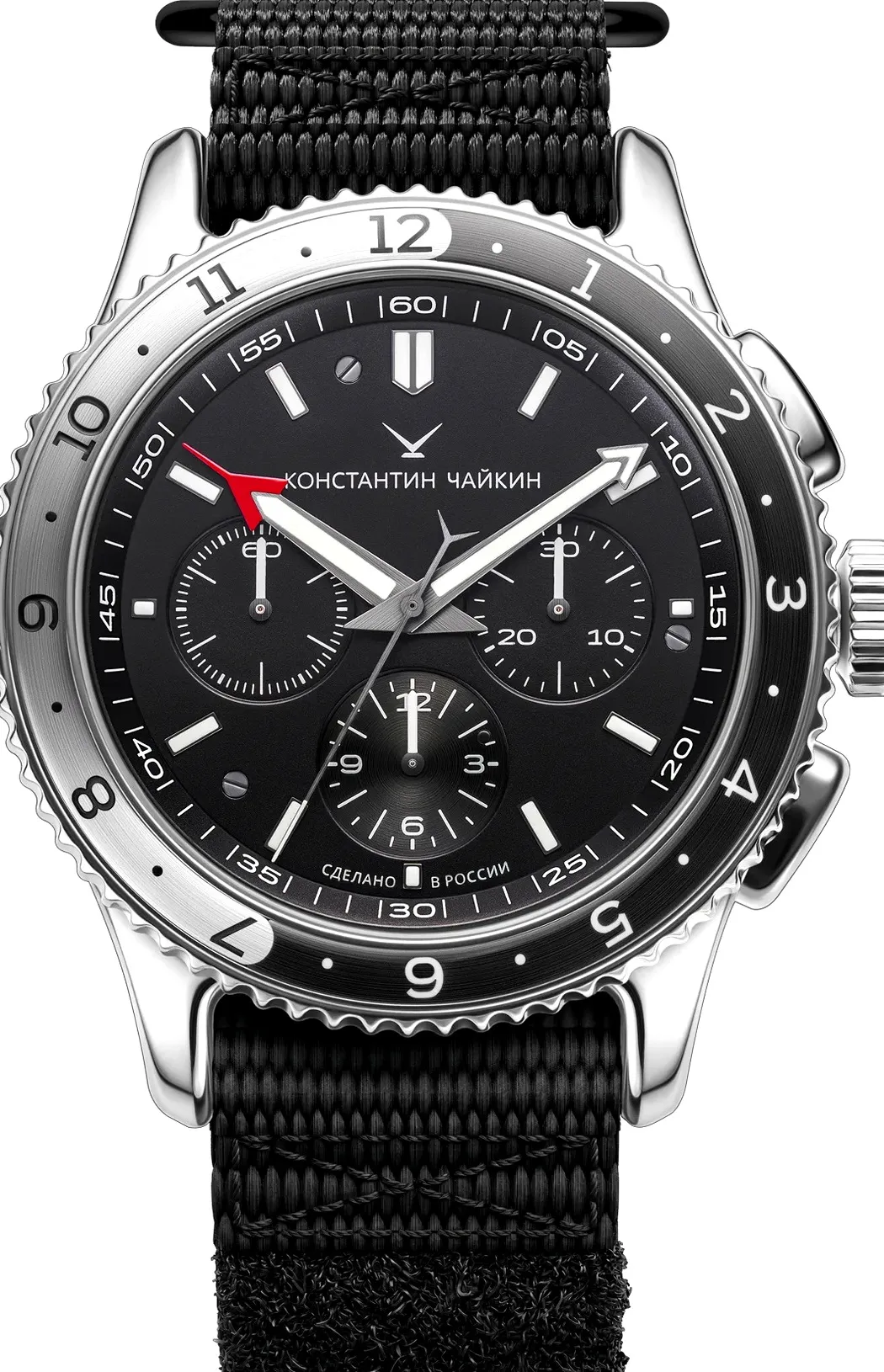
Choosing a movement for this hard examination in space, Chaykin had every capability to build a calibre of his own and deliberately went to a proven solution instead, taking as his basis the architecture of the legendary space calibre Poljot 3133, the chronograph movement Soviet cosmonauts carried on their wrists through the Mir years. Its performance had been validated over decades.
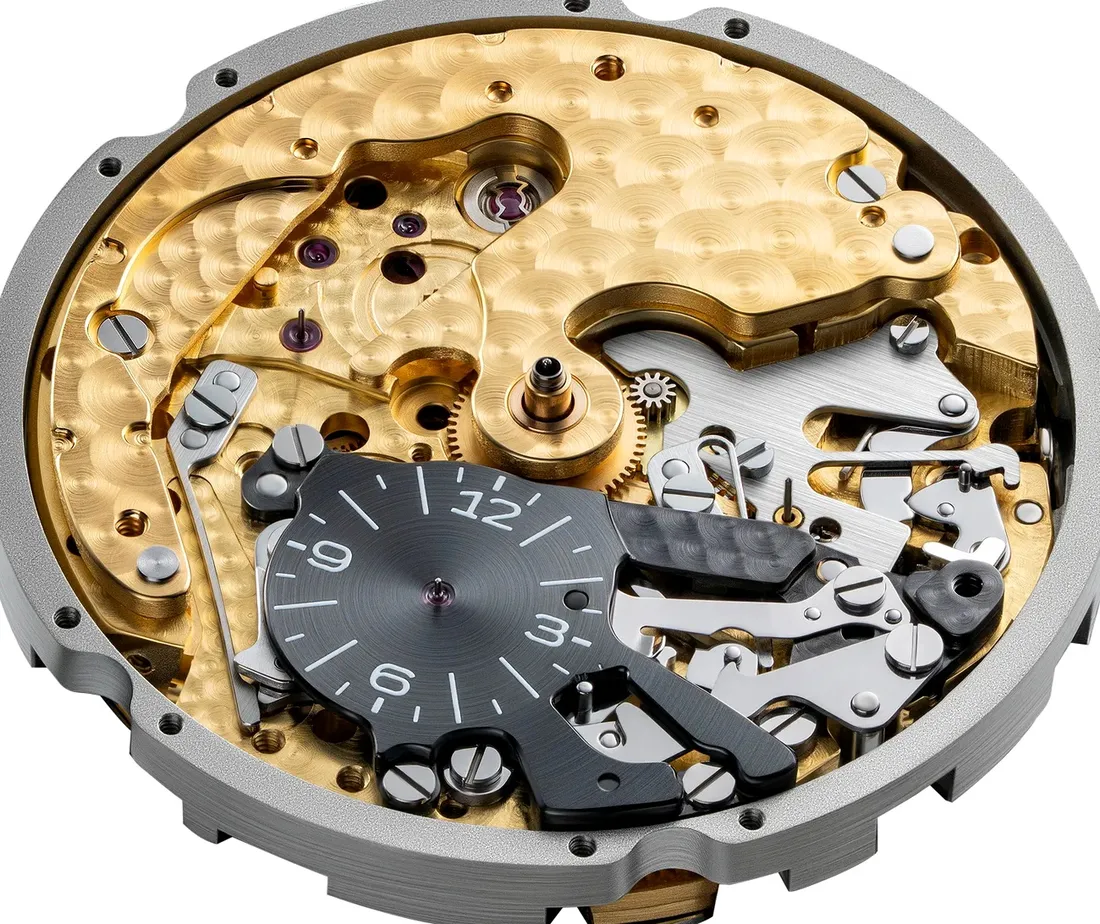
The Chaykin manufacture took this deep rooted movement and created the K.20-5 by adding sixty specially made components to it. It is hand wound, beats at twenty one thousand six hundred vibrations an hour, runs on twenty five jewels and holds forty five hours. Daily rate is held within minus fifteen and plus fifteen seconds.
Four changes separate this movement from the original. The first is the twelve hour chronograph counter module, which extends the function of the base movement and allows long intervals to be measured. The second is the balance with micrometric adjustment weights. So that it would survive the shaking of a rocket launch the index regulator was removed altogether, and regulation is carried out through micro weights directly on the balance. That architecture improves the oscillator’s resistance to loads, and removing the traditional regulator arm reduces the assembly’s sensitivity to shock, vibration and overload. The third is hacking seconds; the seconds hand stops while the time is being set, so the watch can be synchronised to the second. The fourth is a damping ring, a dedicated component built into the movement to absorb vibration.
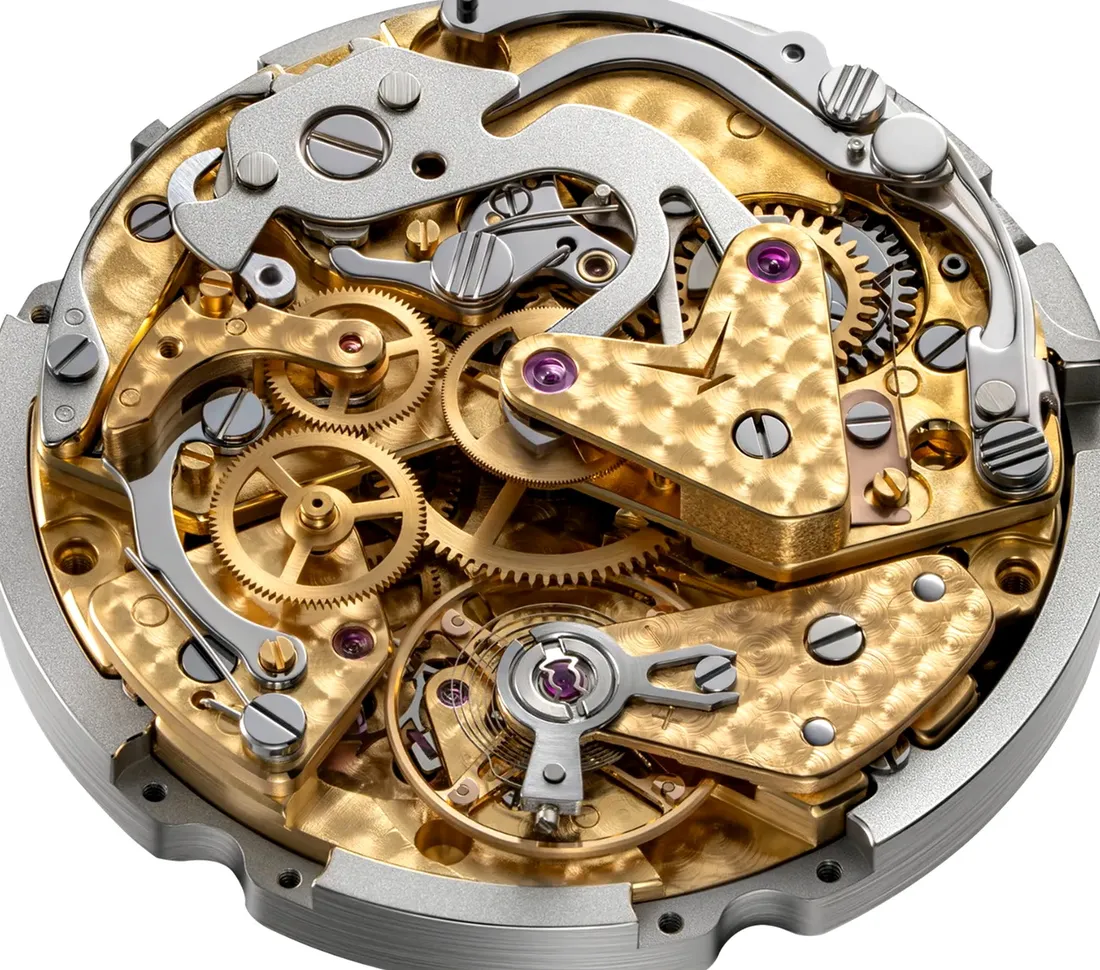
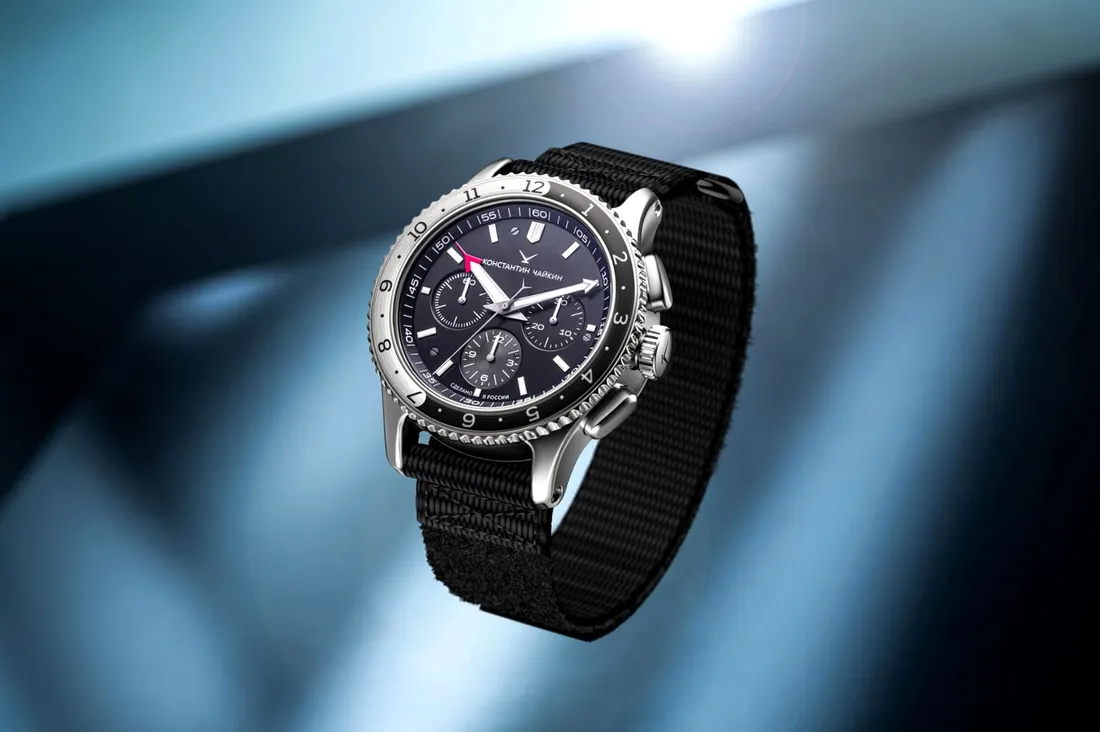
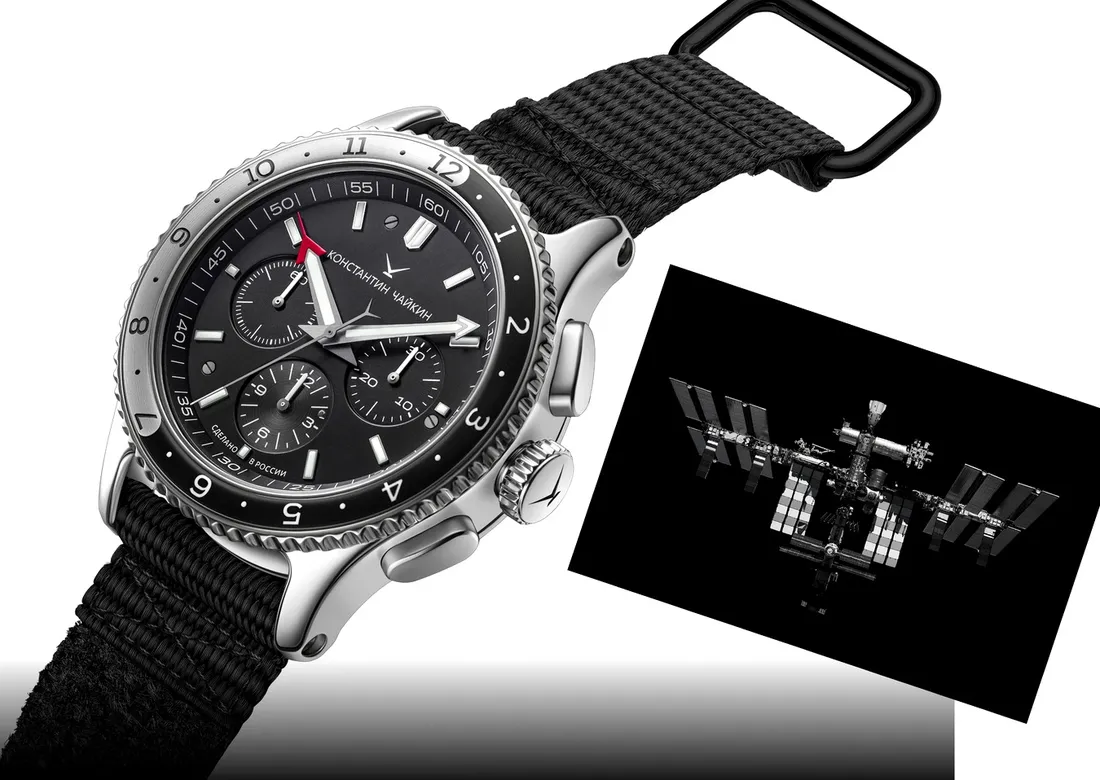
The case is forty four millimetres across and fourteen and a half millimetres tall. It is stainless steel and every one of its surfaces is generously rounded, not for the sake of appearance but to rule out entirely any risk of damage to a spacesuit. The chronograph pushers are flat and polished, and the crown is large enough to be worked with a gloved hand. An antimagnetic cover protects the calibre against fields up to four thousand eight hundred amperes per metre. Water resistance is ten atmospheres.
The dial is deep black, carries three counters and has applied markers. The hands are large and polished, and luminous coating is applied to the hands and the markers alike. The dial itself is screwed to the movement and given high temperature protection. The bright red at the tip of the hour hand continues the signature hand motif of the house’s Mars Conqueror Mk3 and recalls the silhouette of a launch vehicle. There is a practical reason for it: so that the hour hand can be found at a glance while the twelve hour scale on the bezel is in use.
The bezel turns in one direction only, measures forty five point one millimetres across and carries a twelve hour scale with luminous elements. Its function is independent of the chronograph and entirely mechanical: it is used to follow the time elapsed since the start of a spacewalk. To use it you align the twelve marker with the hour hand, and the elapsed time is then read from the position of that hand against the scale. The contrasting light and dark halves of the bezel make the reading intuitive.
Even the strap carries a detail from space. The strap pins are secured with two safety threads to prevent accidental loosening. The watch comes with two straps, one of standard length for everyday wear and one extended far enough to be worn over a spacesuit.
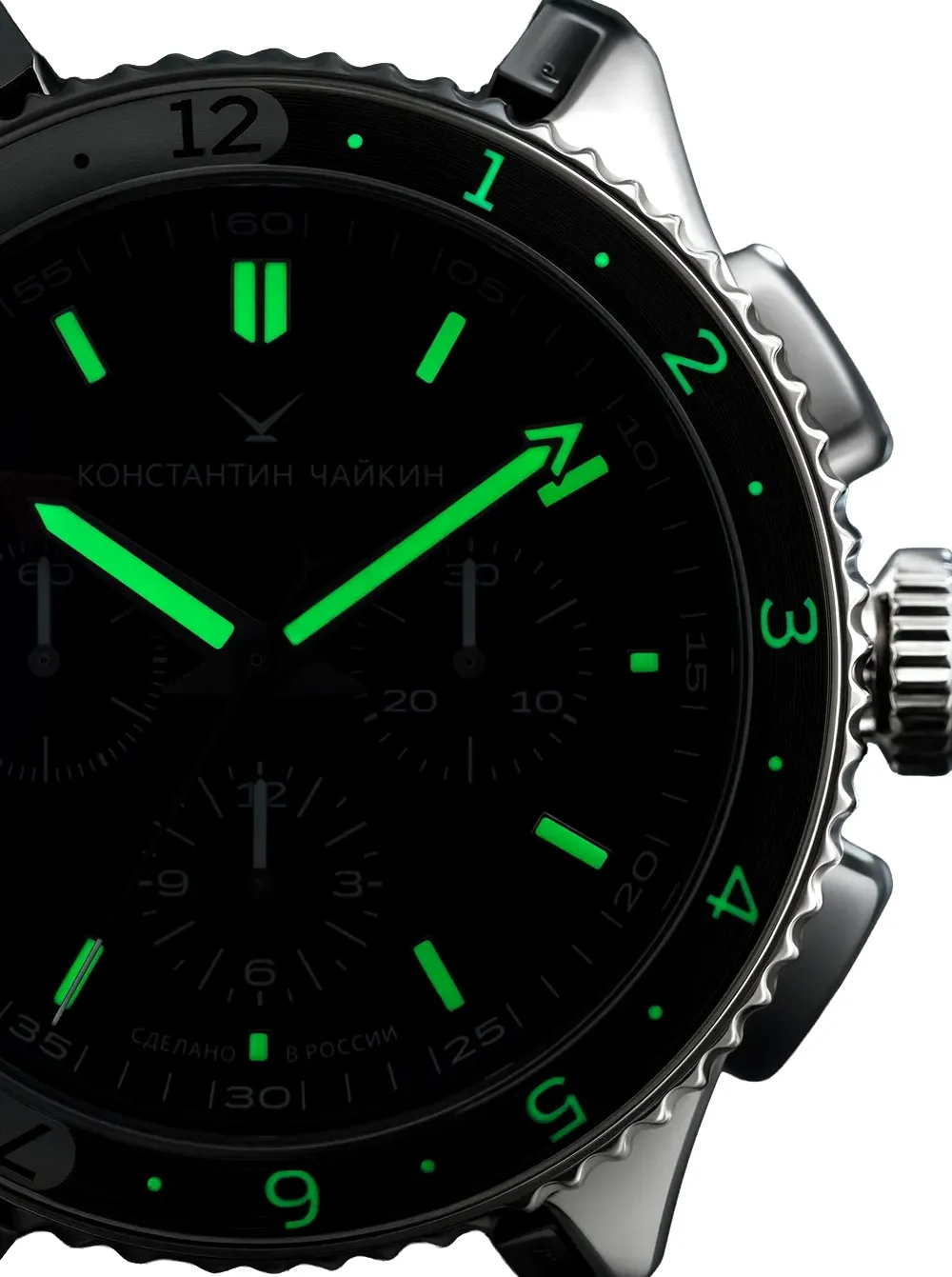
The SC02C is limited to twenty eight pieces and retains the full suite of technical solutions developed for a professional cosmonaut’s instrument while being adapted for everyday wear. What the manufacture says about this edition is more than a marketing line: the research now continues on Earth, and the owners of these twenty eight watches will wear them in a wide range of conditions and send their performance feedback back to the workshop.
So this watch is not a monument. It is part of an experiment that is still open. Each of the four spacewalks determined the next stage of the design; the crystal mounting was reinforced on the data returned from the second walk. Now it is the turn of the same kind of data to be gathered from the wrist.
Return to the assembly at the start of this piece. Aristotle called the incorruptible medium of the vault of heaven a fifth substance. Today we call that substance the quantum vacuum, and we know that it is not empty but perpetually boiling. The name changed. The description did not.
Polyakov stayed in the middle of that sea for four hundred and thirty seven days and said that what holds a person upright is rhythm. Today a cosmonaut straps a steel case over an Orlan suit, works inside the vacuum for six hours and six minutes, and records where the hand stands on returning. What has changed across those thirty years is that the instrument measuring that rhythm is now examined out there in person rather than in a laboratory.
A watch running in absolute vacuum proves one thing above all: a human being can carry an order of their own making into an order they did not establish, and make it work there too. The metal a kilonova flung out passed through the hands of a craftsman on earth and returned to orbit. All the journey needed in order to be completed was a rhythm placed inside that metal.