The startling truth the old sages whispered centuries ago appears today in its clearest form under the microscopic lenses of modern science: when the universe shrinks it becomes a human being, and when a human being grows he becomes the universe. We fix our eyes beyond the vault of the sky, on the lonely galaxies billions of light years deep, and freeze in astonishment; and yet the real magnificence, the real cluster of galaxies that cannot be grasped, is flowing in all its majesty inside the bounds of this cage of skin we breathe with, in that miniature creation the naked eye cannot see.
Let us now go deeper, into the invisible but noisy world of cells, into the unimaginable working of concrete systems and into the twisting staircases of DNA. Let us lay out the figures that stop the mind and the concrete examples inside the body, and show the mechanical bond that Kees Engelbarts, the independent genius of Geneva, has built with this singular masterpiece.
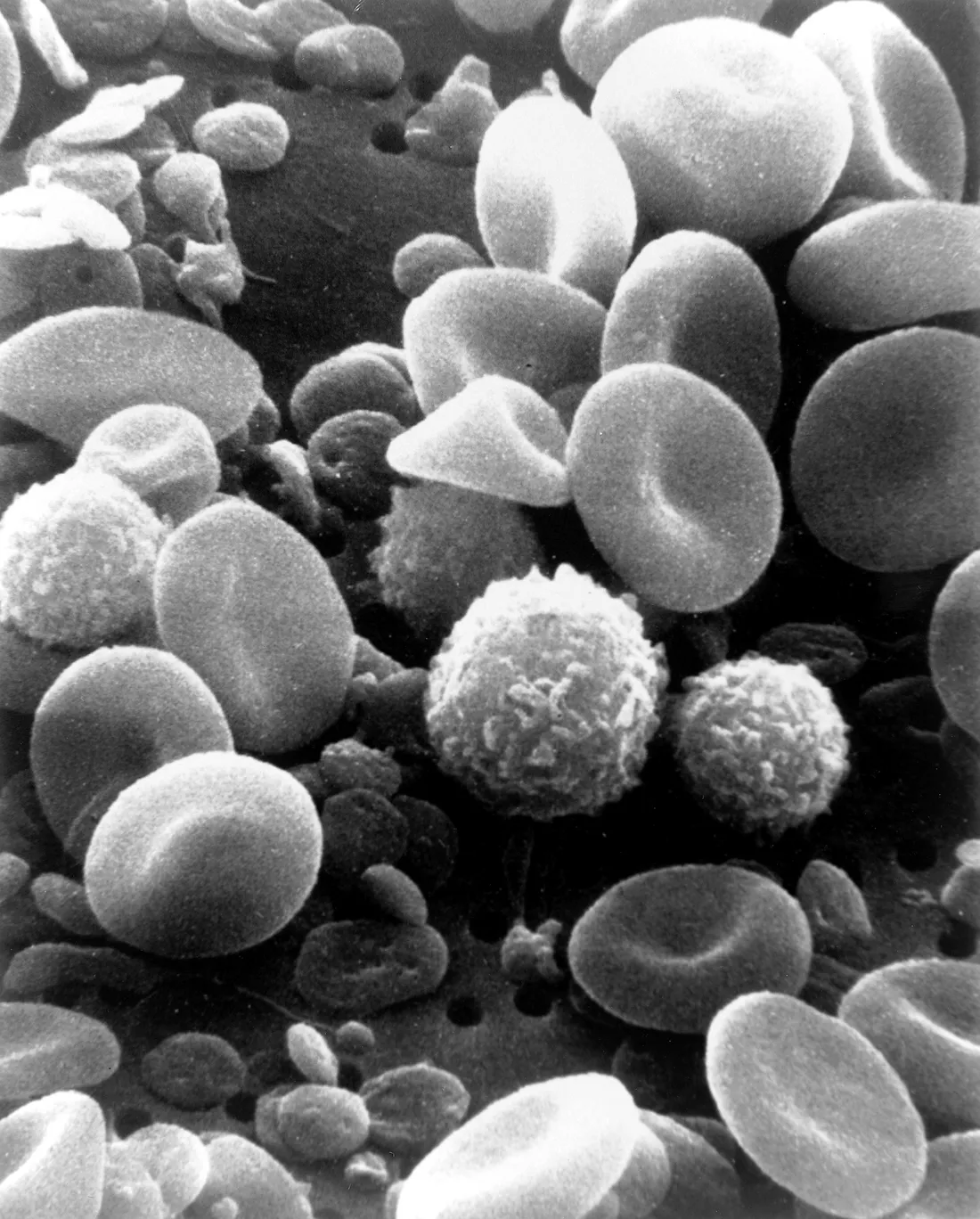
A human body is made of some thirty-seven trillion cells. The number is hard to grasp; let us imagine it. The total number of people living on Earth is about eight billion. The number of cells in our body is thousands of times the whole of humanity. And every single cell is a complete metropolis with thousands of factories working inside it.
Inside our brain alone there are about eighty-six billion neurons. Each neuron connects with thousands of others and weaves a web of more than a hundred trillion synaptic connections. These webs send electrical signals through our body at every instant, move our muscles and let us perceive the outside world. That grey matter inside our skull is in fact a mental map of all the galaxies in the sky.
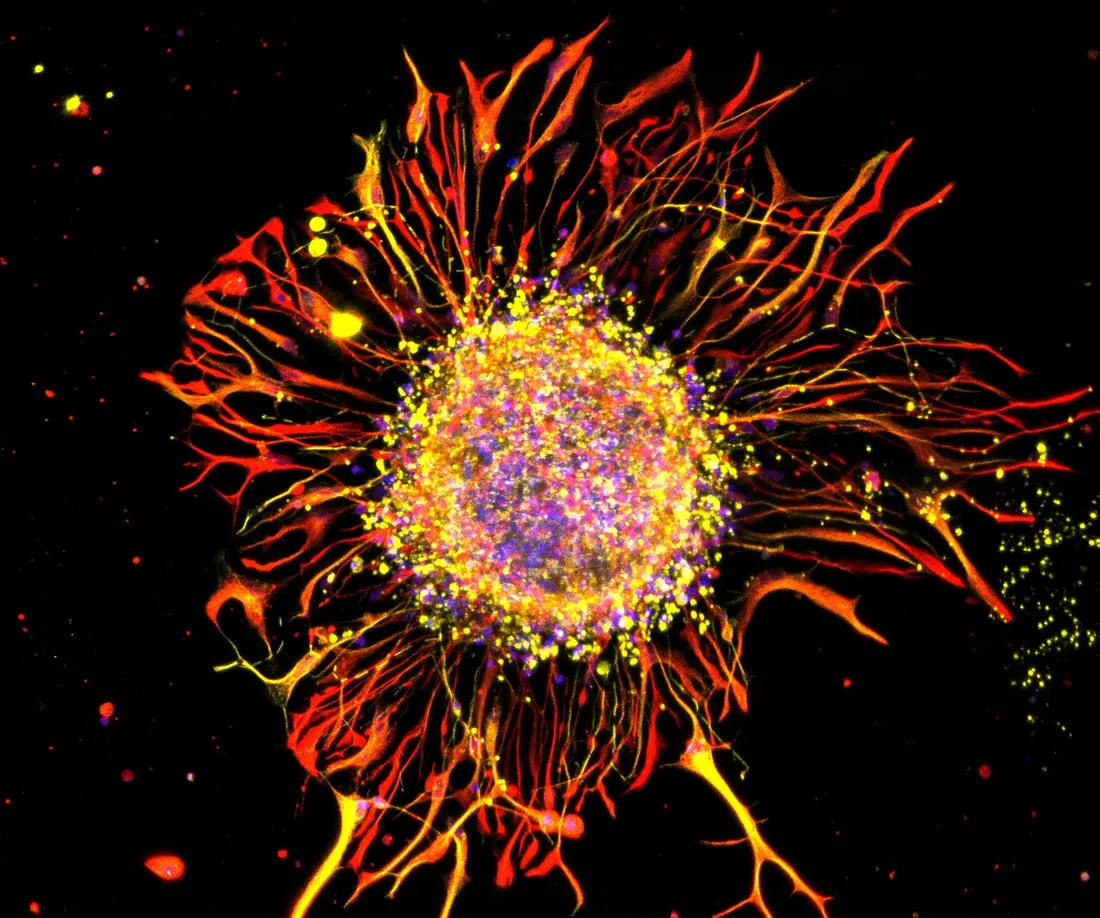
Our heart beats on average a hundred thousand times a day and pumps our blood into the hundred thousand kilometres of vessels in our body. That network of vessels is vast enough to go round the Earth at the equator two and a half times, a concrete system of rivers carrying oxygen and nourishment.
The roughly three hundred million alveoli, the air sacs in our lungs, make up a surface area the size of a tennis court. The oxygen we take in with every breath filters through those microscopic membranes into the blood, while carbon dioxide is thrown out.
The DNA compressed into the nucleus of a single cell in our body is about two metres long. And do you know what would happen if we laid the DNA of all our cells end to end? We would get a ribbon some seventy-four billion kilometres long. That distance means going to the Sun and back two hundred and fifty times, reaching twelve times further out than Pluto and into interstellar space; it is a length that crosses the Solar System from end to end again and again.
If one of them stops, if another slows down, the whole world is shaken. A human being is a living universe in which billions of independent living things are joined under one shared consciousness of I.
format_quote"A human being is a living universe in which billions of independent living things are joined under one shared consciousness of I."
Hasan Bekmezci
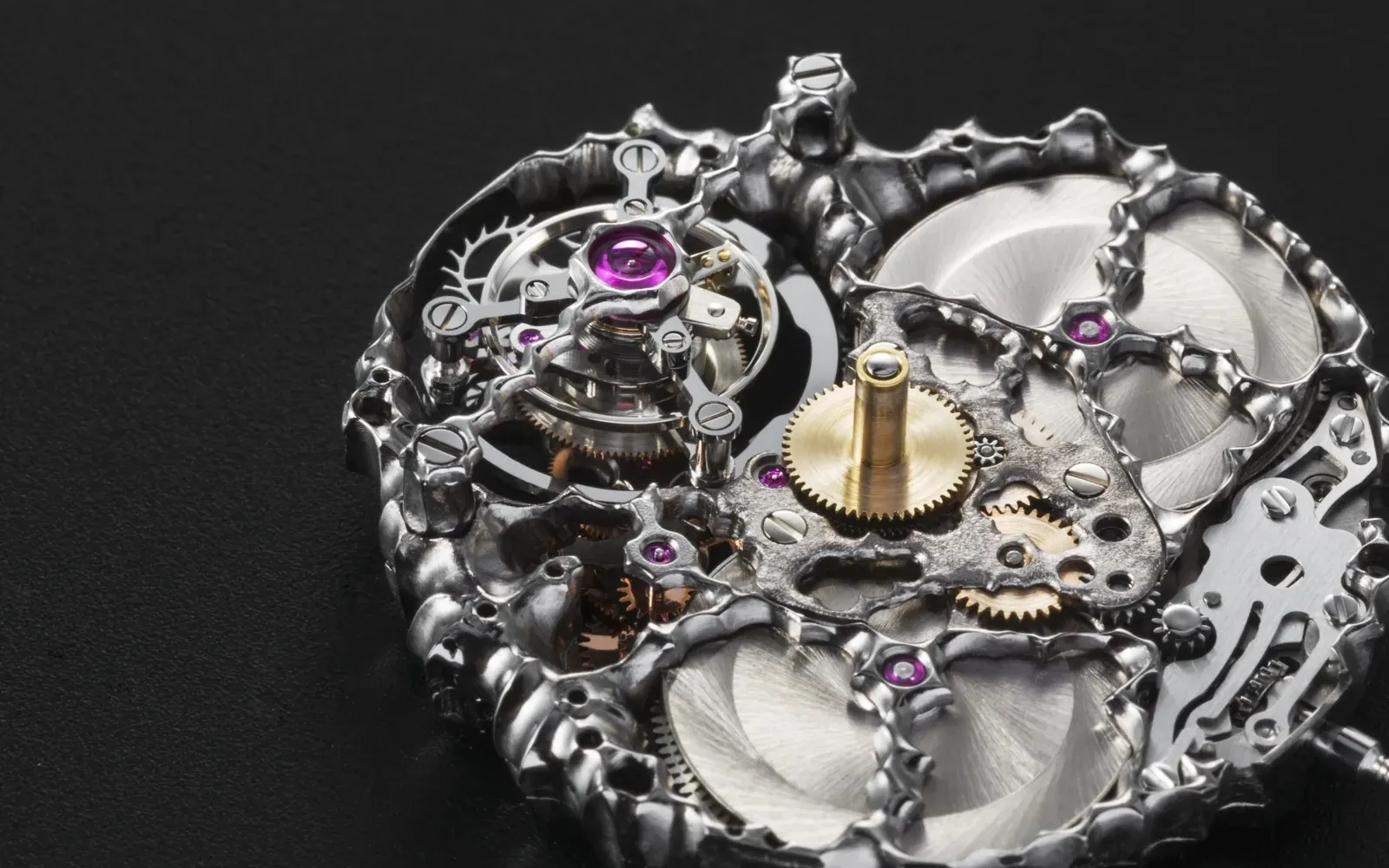
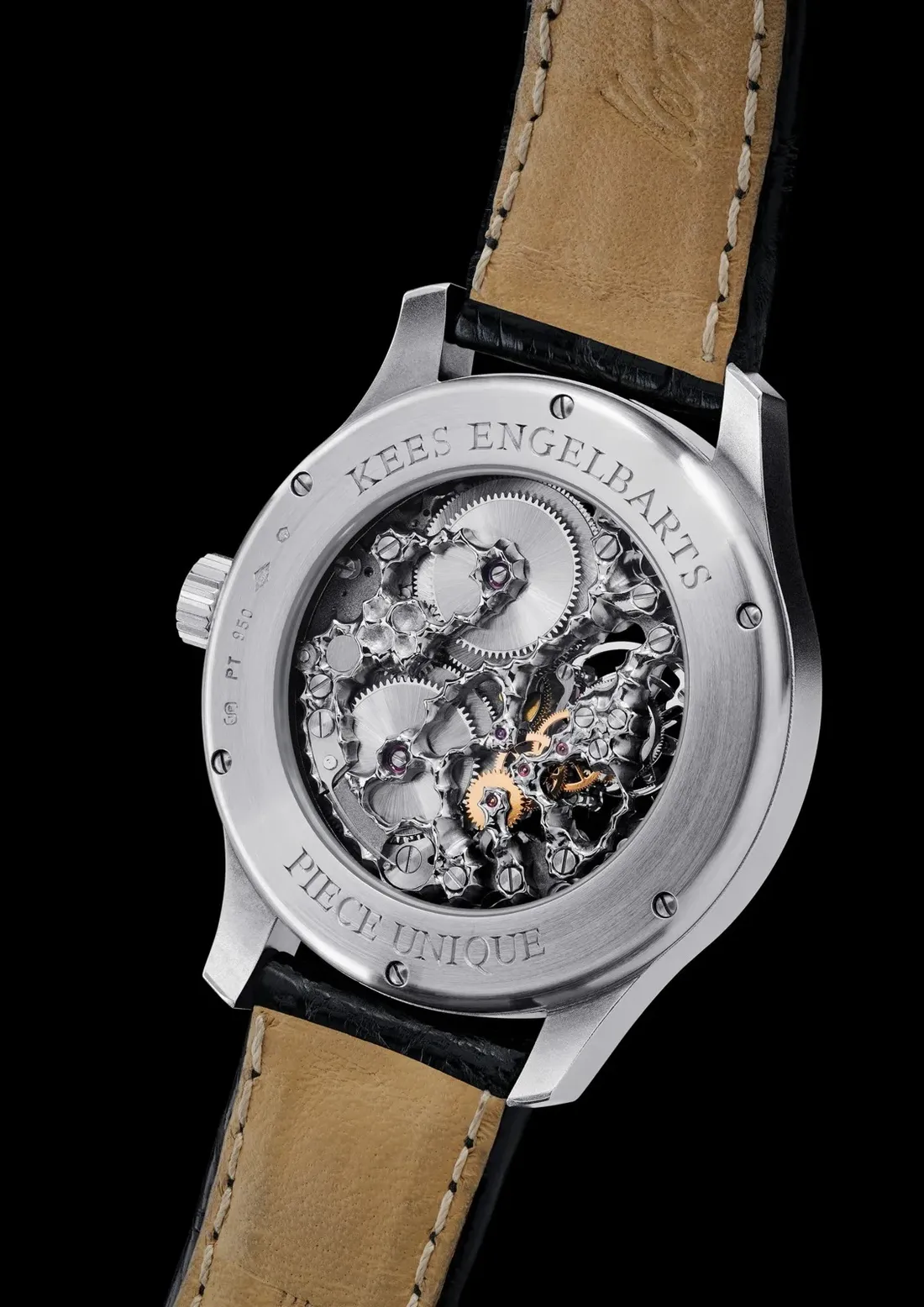
And this singular piece made in 950 platinum, brought to life in the hands of the master engraver of Geneva, Kees Engelbarts, the Platinum Organic Tourbillon, is exactly the metallic manifestation of that cellular ecosystem, those networks of vessels and those concrete systems inside the human body. It is a unique piece; the case of forty-three millimetres is finished in brushed matte, with sapphire on both faces carrying a double anti-reflective treatment.
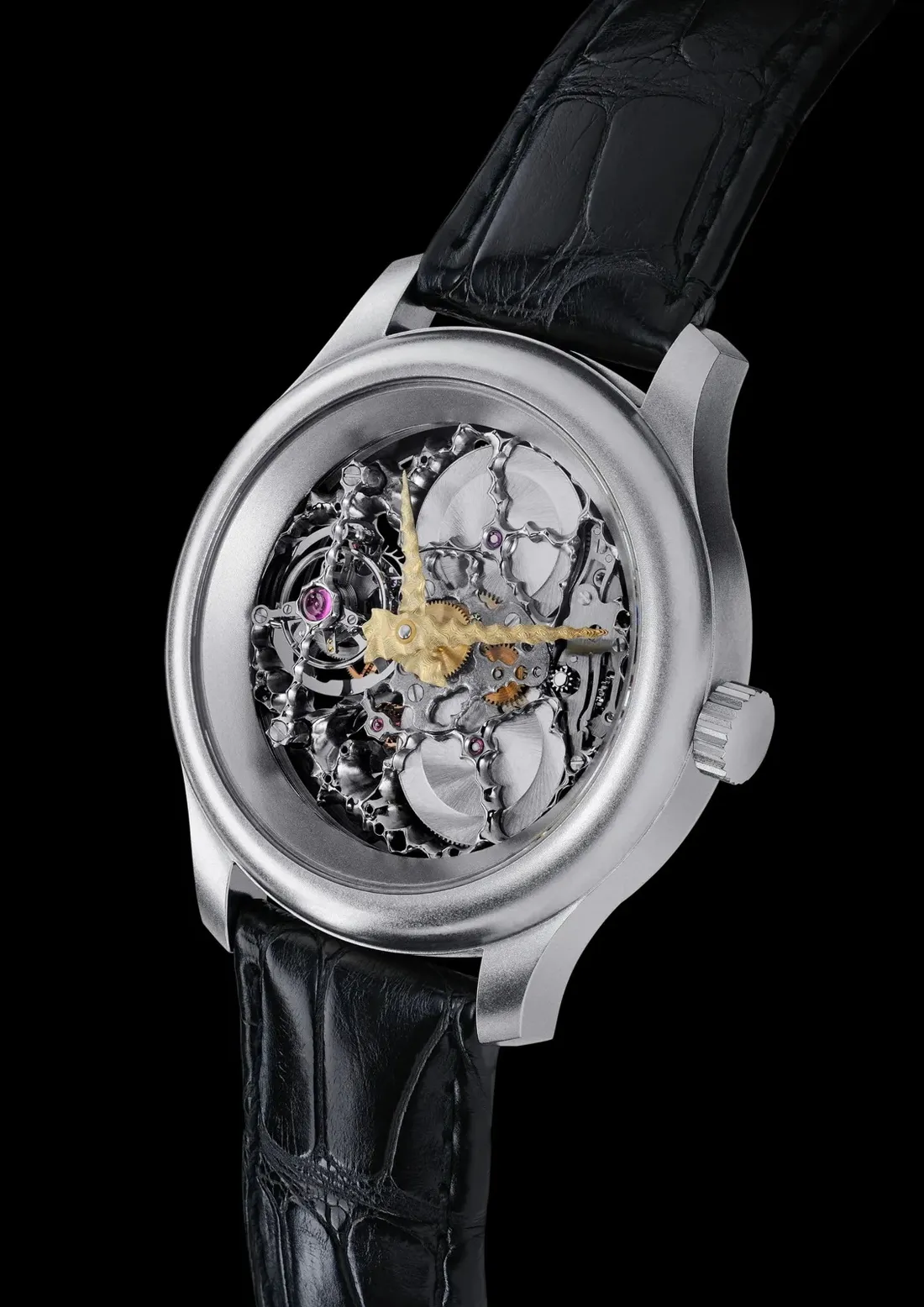
Those organic skeletonised, ruthenium-plated bridges on the dial of the watch give concrete form to the complicated nerve webs woven by the eighty-six billion neurons in a human brain, and to the system of capillaries. The parts pass energy to one another; if one of them falters, the flow of time goes wrong. The edges of the bridges are not straight but undulating and porous; the metal does not look cut, it looks grown.
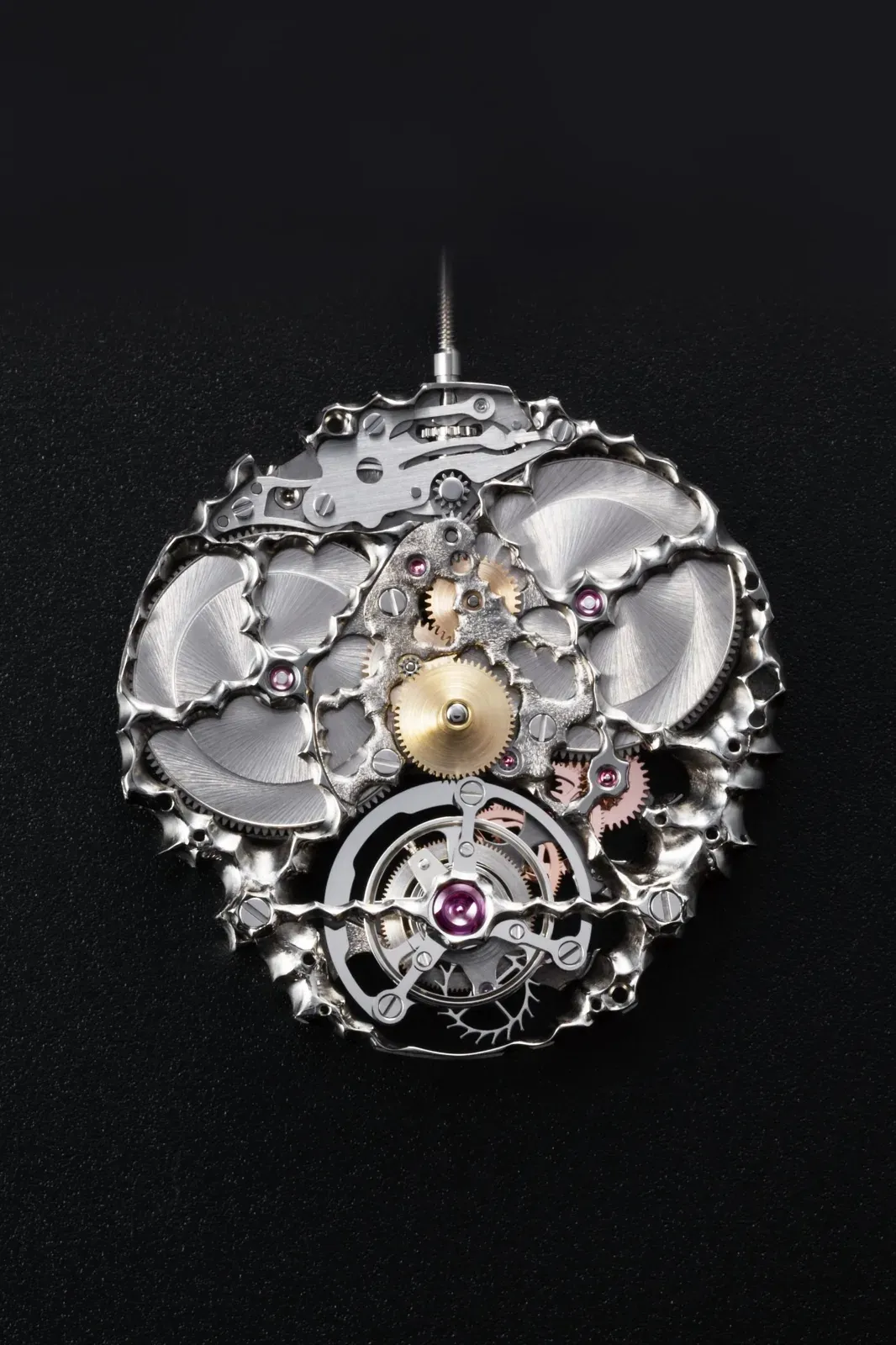
The twin barrel tourbillon in the movement of the watch stands for the twin-ventricled structure of the human heart and for the rhythmic force that pumps the blood. The vast power reserve of a hundred and twenty hours, which is five days, warns of that unbroken vital cycle the body keeps up without rest. The two barrels do not work in series but side by side; the second does not take over when the first runs down, they both push at once at a lower and more even pressure.
That turning tourbillon cage, which cancels the deviations gravity causes in the movement, is the mechanical counterpart of the flawless struggle for balance that our immune system keeps up day and night to protect the body from the outside. The cage sits at nine o’clock, turns once a minute and runs at twenty-eight thousand eight hundred vibrations an hour.
format_quote"If one of them stops, if another slows down, the whole world is shaken."
Hasan Bekmezci
The mokume gane hands, in which yellow gold and silver are brought together by the traditional folding technique, reflect those unrepeatable patterns of the fingerprint and of cellular variety in human tissue. When two metals are forged layer upon layer and then cut into, a pattern like the grain of wood comes to the surface, and that pattern never comes out the same twice; just as no two fingerprints are the same.
Thanks to the anti-reflective sapphire crystals on both of its faces, all the mechanical dialogues behind and in front of the watch are out in the open. Just like the undeniable transparency and honesty of the human body; it has nothing hidden, and every part carries out the duty that falls to it in full.
format_quote"When the universe shrinks it becomes a human being, and when a human being grows he becomes the universe."
Hasan Bekmezci
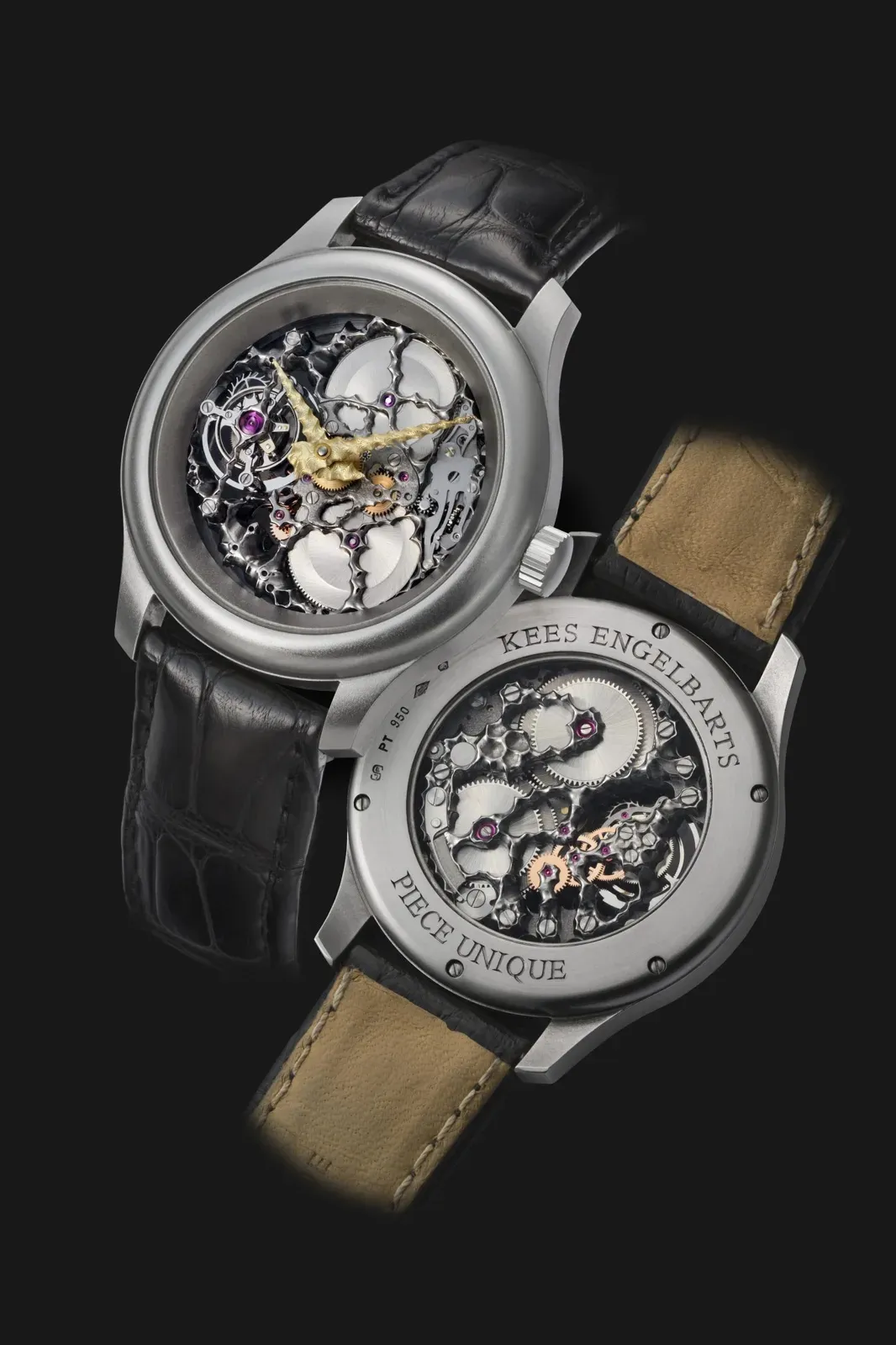
One of them is that great universe called a human being, made of thirty-seven trillion cells, a hundred thousand kilometres of vessels and billions of kilometres of DNA; the other is the Platinum Organic Tourbillon, brought to life in the Geneva workshop of Kees Engelbarts out of 950 platinum and the carvings of a master’s hands.
When the universe shrank and fitted inside a human being, the human being in turn, with his mind and his craft, fitted this universe and that immense biological mathematics within himself into this watch. One is the living art of the Creator; the other is the mechanical prayer of a servant trying to read that art.
The watch, as its maker describes it: Kees Engelbarts, Platinum Organic Tourbillon