In the dim, wood-panelled library of the Copenhagen Institute of Theoretical Physics, among cosmological charts and thermophysics graphs spread over the table, two old friends were sitting. One was Professor Messi, a cosmologist who had given his life to the disorder at the beginning of the universe and to the arrow of time; the other Professor Ronaldo, a thermodynamicist who studies energy conversion in macroscopic systems.
Messi took a sip from the cup in front of him and let out a long breath.
"You know, Ronaldo, sometimes the delicacy of the balance in this universe terrifies me," he said. "Working on entropy, you watch nature flow towards inevitable disorder, towards decay, in every closed system. Like a jigsaw box scattered by a hard wind. Shake the box a thousand times and those pieces will never on their own assemble back into the original picture. Or like a drop of blue ink in a glass of water. The ink spreads through the water and never once gathers itself back into that single drop. Order is condemned to break down, energy to lose its quality."
Ronaldo smiled. "And what is it that terrifies you, Messi? That is simply how nature works."
"What terrifies me is the unbelievable fine tuning in the middle of all that relentless decay," said Messi, and he wrote a few universal constants on the paper in front of him.
"The speed of light. Exactly two hundred and ninety-nine million, seven hundred and ninety-two thousand, four hundred and fifty-eight metres per second. Look closely at that number: it is not measured, it is defined. Since 1983 we have derived the metre from the speed of light, which means we no longer measure the speed of light. We build rulers out of it. Now, what if it were even one per cent faster? By Einstein’s formula, how much energy a star produces out of its mass is multiplied by the square of the speed of light. Think of it as the burning rate of a log thrown on a fire. Raise that speed a little and the nuclear stove inside a star, instead of ticking over for billions of years, would burn all its fuel in seconds, the way a whole tank of petrol goes up with a single match. The universe would have gone dark at the moment it was born."
"Planck’s constant. The size of the packets in which energy comes in the quantum world. Think of it as the standard size of the bricks the universe is built from. Make it a little larger and those packets would become enormous, like building a house wall out of boulders instead of bricks. Atoms would be so coarse that no molecule could join flexibly enough to make DNA or living tissue. Make it a little smaller and the bricks would turn to powder; atoms could not withstand the pull of their own gravity and would collapse inwards."
"The gravitational constant. Think of the tension of a trampoline. A fraction larger and it would be as if we had dropped a cannonball into the middle of it; stars and galaxies could not carry their own weight, and while the universe was still crawling everything would fall in on everything else and become one pitch-black hole. A fraction smaller and the trampoline would stiffen into a plank; clouds of gas and grains of dust could never draw together and squeeze, and no star would ever ignite."
"And the fine structure constant. The measure of the magnetic grip between an atomic nucleus and its electrons; roughly one part in a hundred and thirty-seven. Think of two strong magnets, or the grip of a strip of hook and loop tape. A little stronger and the nucleus would seize the electrons that ought to be circling it and glue them to itself like a thief; with the electrons unable to move, no bond between atoms could form and there would be no such thing as chemistry. A little weaker and the electrons would be blown off like leaves in the wind and abandon the nucleus. Again, no water, no carbon, no human being."
"So you see, Ronaldo," Messi went on, "while the universe races towards a mad disorder, these constants have been threaded through the eye of a needle so fine that the slightest deviation wipes out the whole cosmos."
Ronaldo nodded and leaned back.
"Which is exactly why thermodynamics exists, Messi. Thermodynamics is the science of understanding the dance of heat, energy and motion in the universe. People assume it is complicated, but it is really only four simple rules, the constitution of nature."
"The zeroth law, the bridge law. The principle that temperatures equalise. Think of three friends. If Ahmet is at the same temperature as Mehmet, and Mehmet at the same temperature as Can, then when Ahmet and Can touch, no heat passes between them, because all three are already the same. Like the cold spoon you put in hot tea: after a while it reaches the temperature of the tea and the transfer stops. This law was numbered later, but because the other three stand on top of it, it took the number zero. It is the law that allows a thing called a thermometer to exist at all."
"The first law, the conservation of energy. Energy cannot come from nothing, and what exists cannot evaporate into nothing; it only changes clothes. Think of a hundred lira in your pocket. You buy petrol with it and the money becomes fuel; you drive and the fuel becomes motion; you brake and the motion becomes heat in the discs. The money did not disappear. It went from the wallet to the tank, from the tank to the wheels and into heat. The total amount of energy in the universe is always the same."
"The second law, entropy. The one-way ticket law. As energy converts, its quality falls and disorder rises. Think of a fresh loaf. Out of the oven it is orderly. As the days pass it dries, moulds and crumbles. Do what you like with the mouldy bread, you will never bring it back to the hot, fresh state it left the oven in. And notice this: the first law does not forbid it. Crumbs gathering themselves back into a loaf breaks no conservation of energy. It is only that the odds are so small that the age of the universe is not long enough to wait for it. That, and nothing else, is why time has a direction."
"The third law, absolute zero. As you lower the temperature of a substance the vibration of its atoms falls. Bring it down to minus two hundred and seventy-three point one five degrees, zero Kelvin, and the disorder goes to zero as well. Think of thousands of people dancing to music in a packed stadium: as the music slows the people slow, and when it stops altogether everybody freezes where they stand. But what the law really says is crueller than that. You can never reach that point in a finite number of steps. Every cooling step does less than the one before. You approach, and approach, and never arrive. And even if you assumed you had arrived, the atoms would not be entirely still; quantum mechanics leaves a small tremor even at the very bottom."
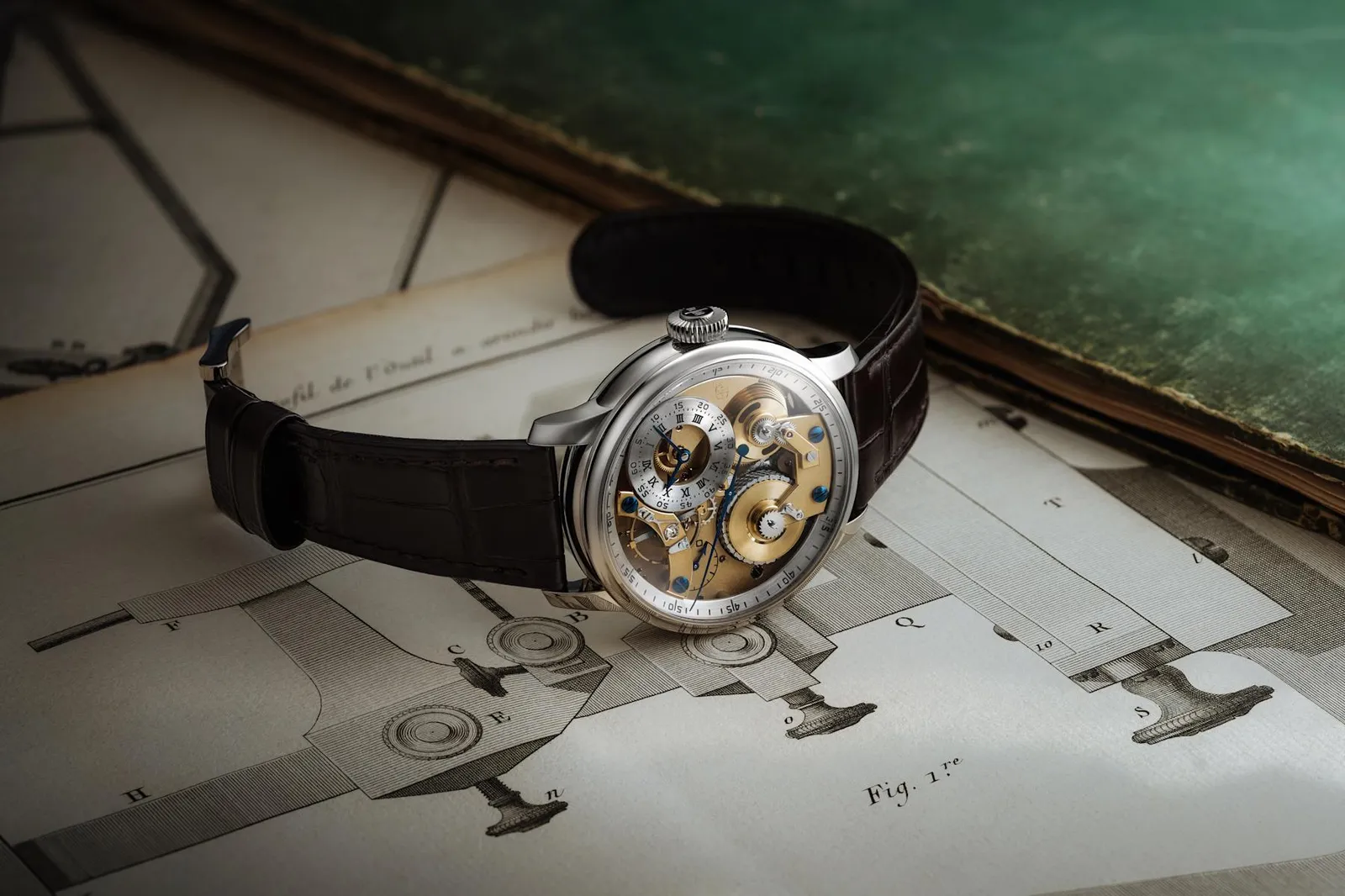
As he finished, Ronaldo pushed his sleeve back a little and reached for his coffee. In that moment Messi caught, under the crystal of the white gold case on his wrist, a gilded plate and a fine silvery chain running across it. Messi stopped.
"Ronaldo... What is that thing on your arm? That silver chain, that cone..."
Ronaldo smiled, took the watch off and laid it on the velvet cloth in the middle of the table.
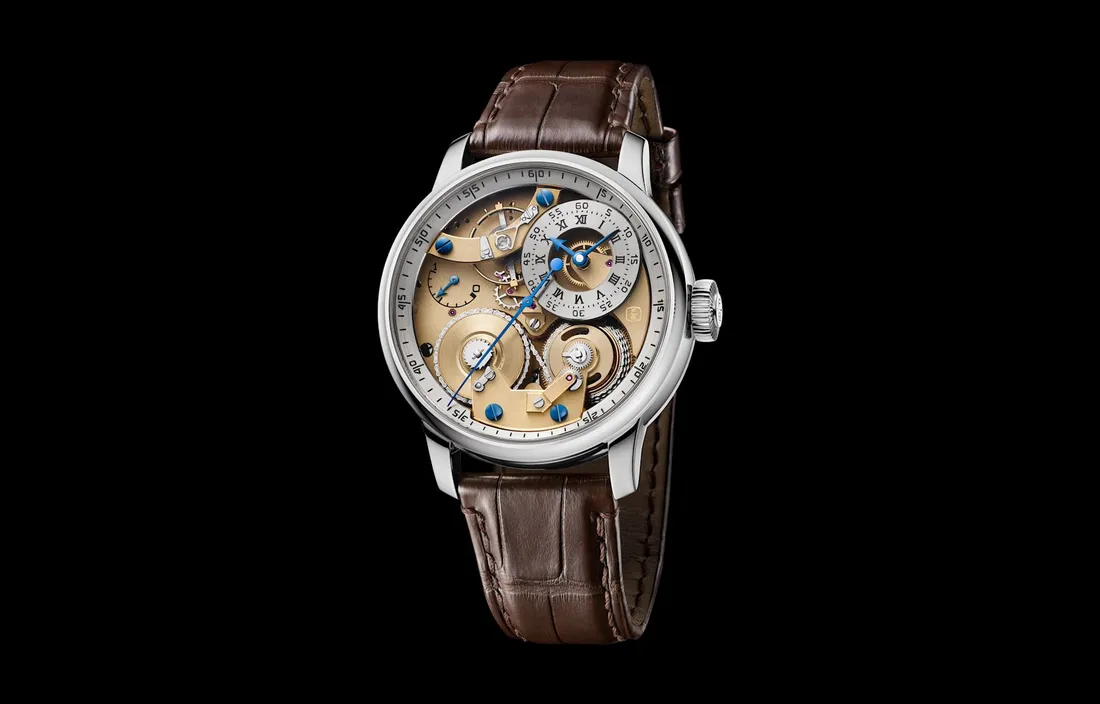
"This is the most radical answer anyone has given to the universal chaos we have just been discussing, and to the second law of thermodynamics. The Ferdinand Berthoud Naissance d’une Montre 3, reference FB 4BTC.1. Nearly eleven thousand hours of work from the first sketch to delivery; more than eighty craftsmen; six years. And one condition: no CNC machine, no laser, no digital automation of any kind. Every part was made by human hands on machines from the fifties and sixties. Eleven pieces in total will exist, the first in steel and the remaining ten in ethical gold. And only two are finished each year."
"Why does it take so long?"
"Because you can ask a CNC machine for the same part two thousand times and the two thousandth will match the first to the micron. A part made by hand is a separate decision every time. The craftsman’s job is not to make the part; it is to prove he can make the same part twice."
Messi leaned in and noticed the unusual arrangement of the dial.
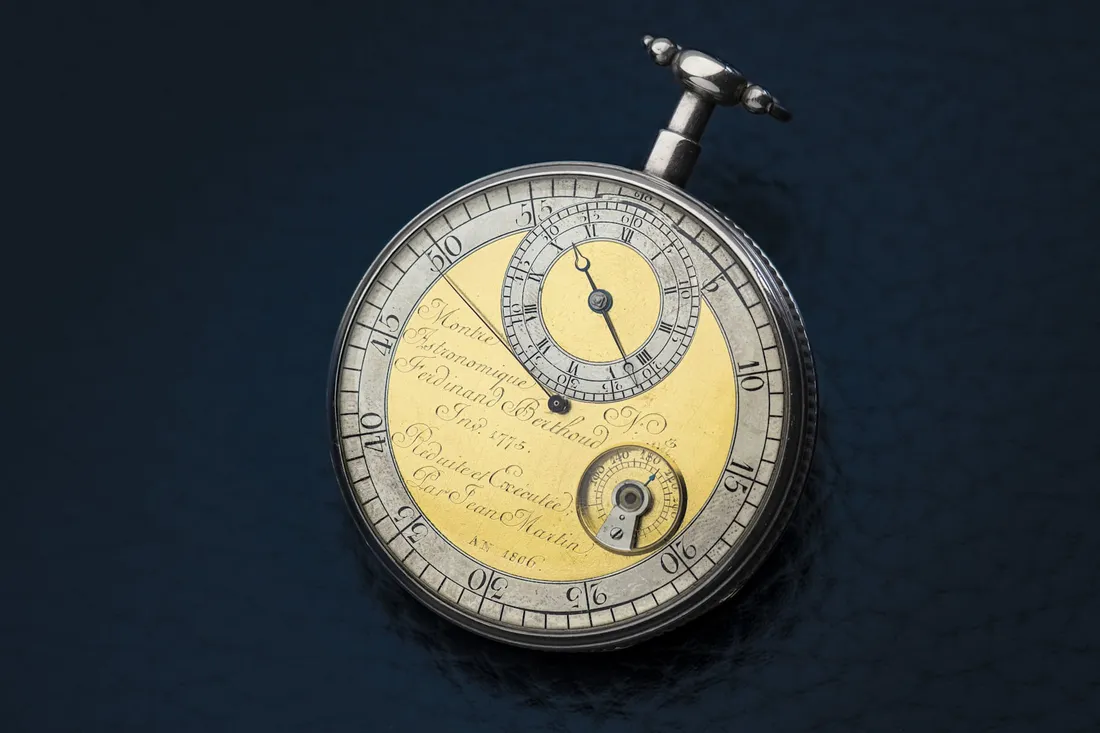
"The hour dial is not in the middle."
"No, because in the original it was not either," said Ronaldo. "This layout has been lifted straight from one of the astronomical watches Berthoud made in the eighteenth century. Hours and minutes sit on a small dial pushed up between one and two o’clock; the seconds run from the true centre on a long blue hand. There are two separate dials and both are eighteen-carat white gold, engraved by hand. Roman numerals for the hours, Arabic for the minutes. Through the gap between them you see the mechanism itself; the dial is not a cover here but a window."
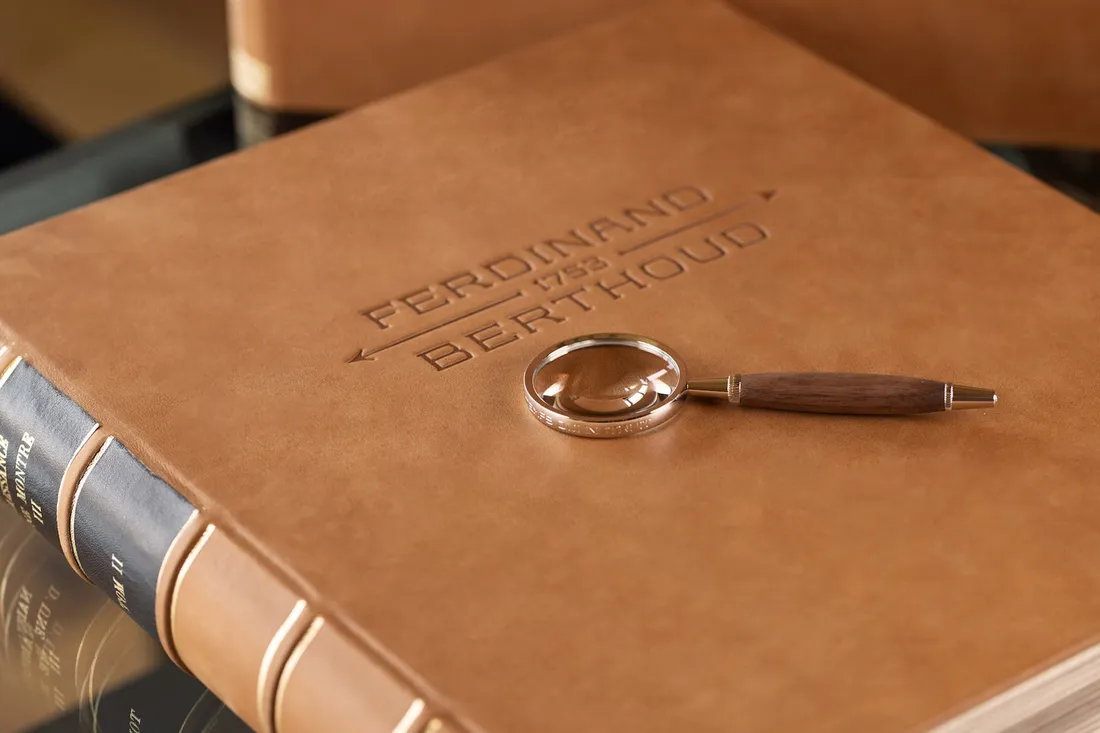
Messi picked up the loupe from the table and looked inside the watch.
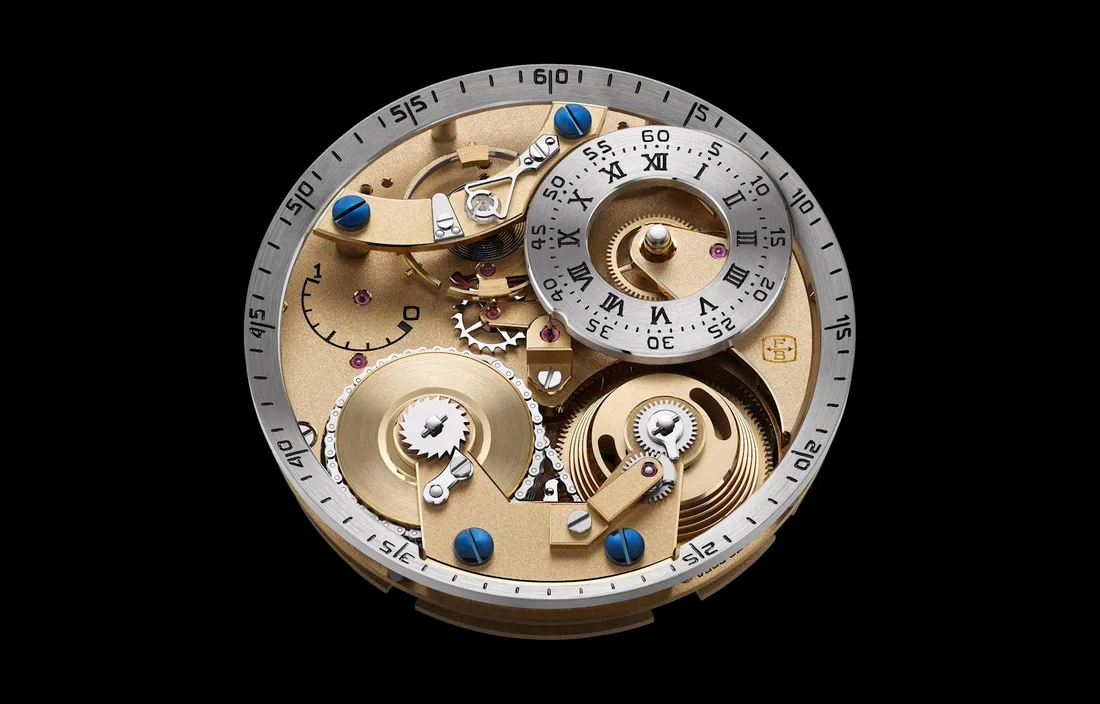
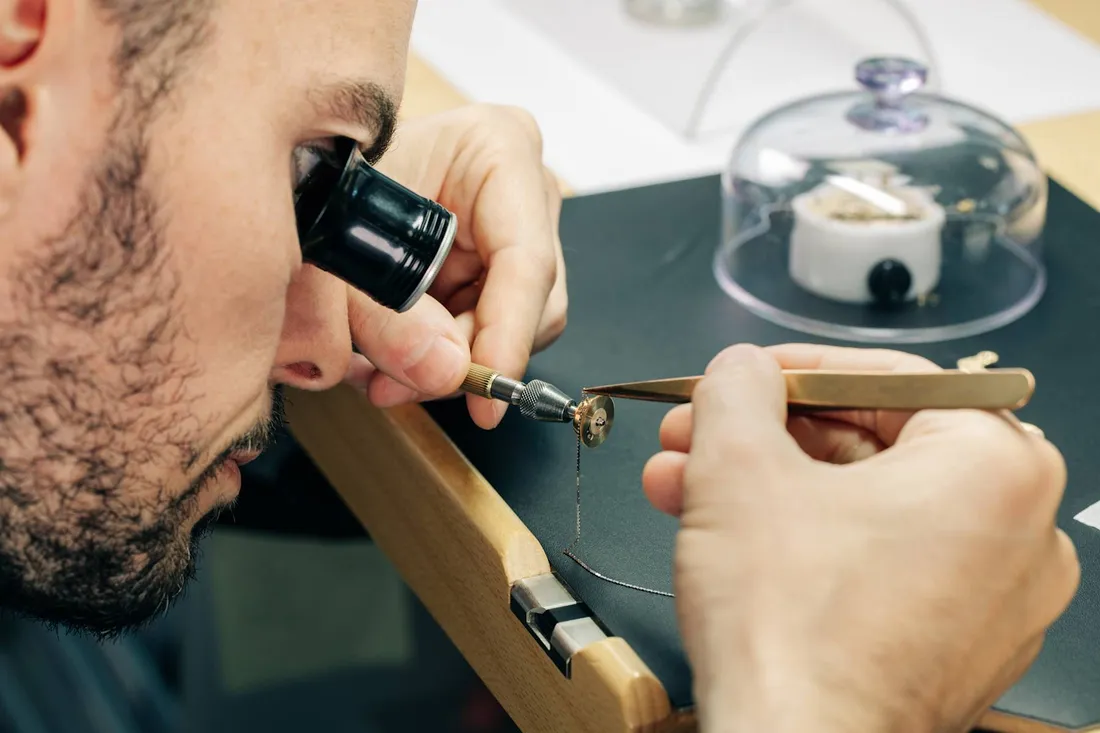
"My God... Look at that microscopic chain. There are hundreds of parts in it."
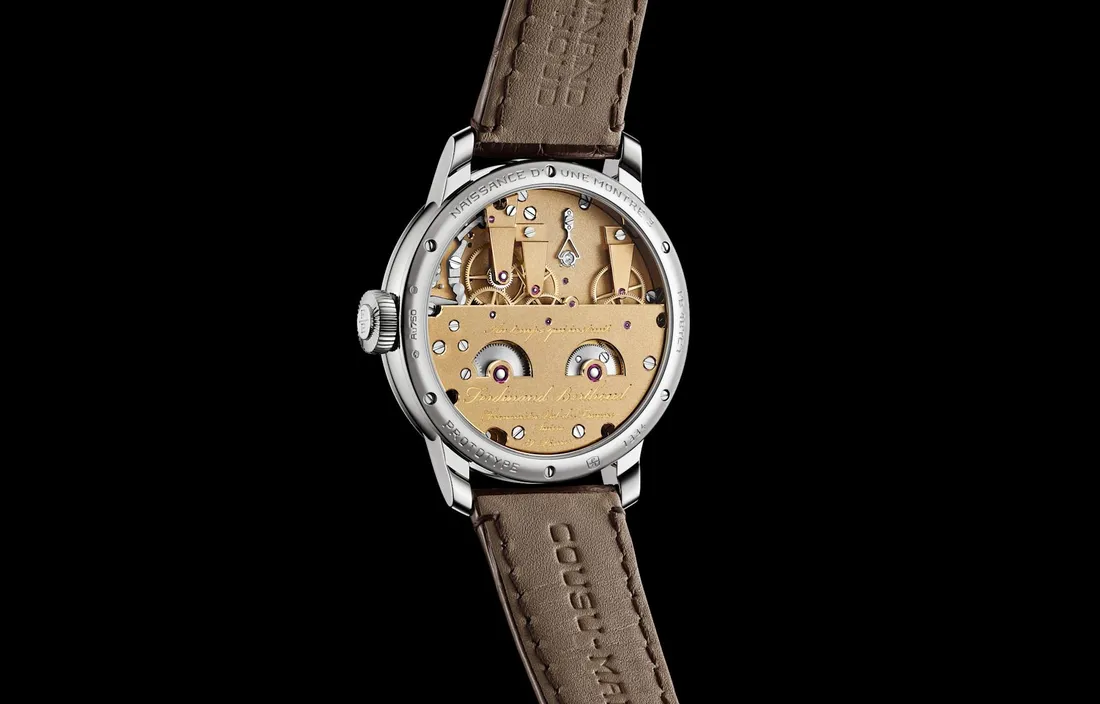
"Four hundred and seventy-seven parts exactly," said Ronaldo. "The chain is a hundred and seventy-two millimetres long, with two hundred and eighty-five links and a hundred and ninety-one pins. The pins are at most three tenths of a millimetre across. Imagine taking a bicycle chain, shrinking it to the thickness of a matchstick, and making it by hand. One flawed link and the chain snaps and six years of work end."
"And what do those four hundred and seventy-seven parts actually do?"
"They rebel against entropy. By the second law, a compressed steel mainspring is condemned to lose its potential energy as it unwinds. As the energy falls, so does the torque. Like a wound-up toy that shoots off at first and grows heavy as it runs down; or a phone whose screen dims as the charge drops from a hundred per cent to five. In a watch that means the rhythm of time breaks. Fully wound the watch runs fast, nearly run down it runs slow."
"And this chain corrects that."
"Not the chain alone; the cone the chain wraps around. It is called a fusée and it works like the gears of a bicycle. When the mainspring is full, at its strongest, the chain pulls from the narrow top of the cone. A narrow radius is a short lever; the force is large but the leverage is small, so the result is moderate. As the spring exhausts itself the chain slides down to the wide base; the force has fallen but the leverage has grown. The difference between turning a nut with your fingers and turning it with a long wrench. Like a cyclist climbing a hill who changes gear to keep the pressure on the pedal the same, the energy reaching the escapement stays at almost exactly one value for fifty hours."
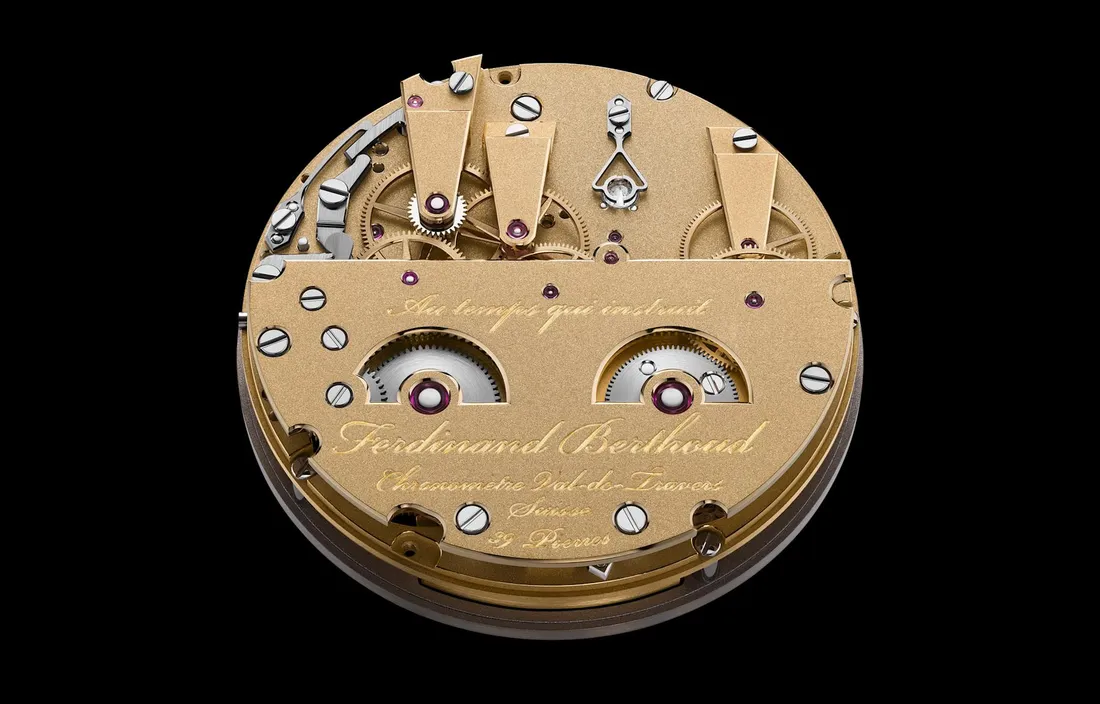
"And there is one more thing," Ronaldo added. "The extreme ends of the mainspring are never used at all. Fully wound, the first turns are too fierce; almost run down, the last turns are too slack. A stopwork device taken from Breguet’s own technical drawing orders the spring never to go to either end. Like never filling a tank to the brim and never drawing the sediment from the bottom. The watch runs only on the flat middle section of its power. The chain then flattens what is left."
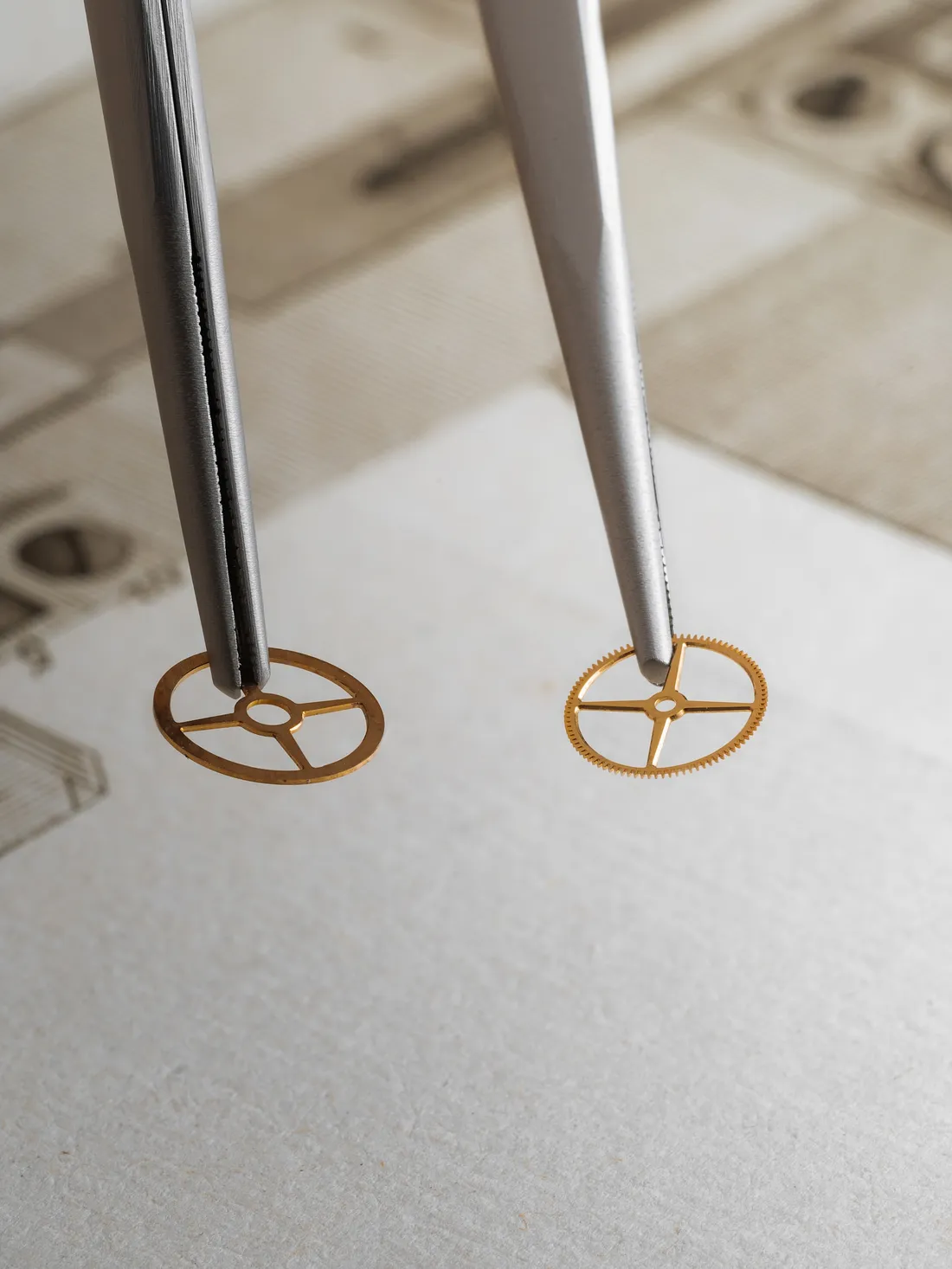
"And how are the parts themselves made? How do you cut a toothed wheel by hand?"
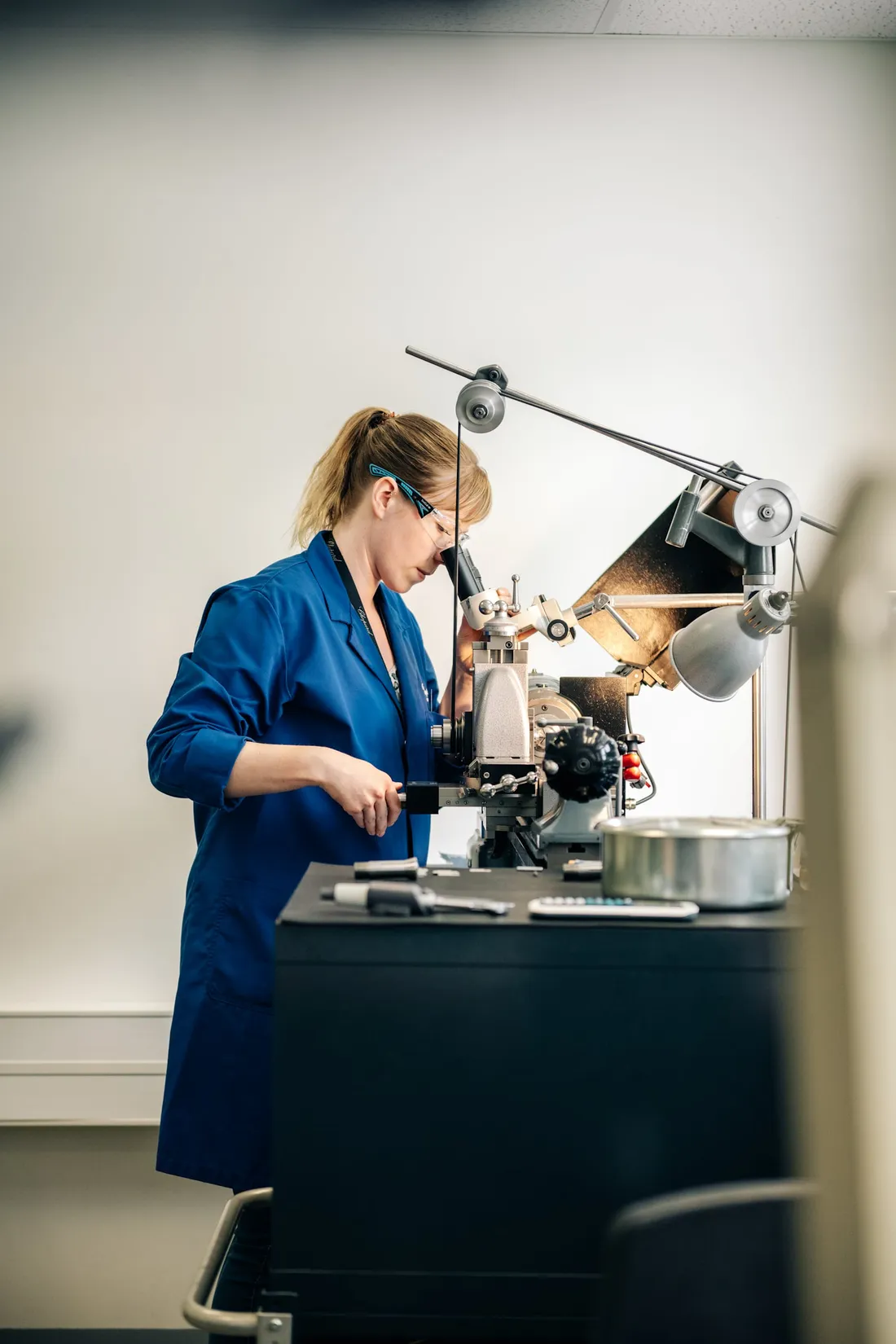
"The whole workshop is equipped with machines from the fifties and sixties," said Ronaldo. "A Schaublin 102 lathe and a SIP jig borer. What the SIP does is decide, to the micron, where the holes in a plate will go. If the centre of a wheel is half a micron out, its teeth will not mesh cleanly with the next wheel; teeth that do not mesh rub, rubbing eats energy, and the watch stops. Today a computer does that job. There, a human being does it with a handle and a loupe."
"And is that the only difference?"
"No. The real difference is this: when a CNC machine gets it wrong you correct the program. When a hand gets it wrong you throw the part away and start again."
Messi turned his attention, fascinated, to the split two-tone wheel on the other side of the movement.
"And that two-coloured wheel?"
"That is a victory of solid state physics," said Ronaldo. "Metals expand as they warm; the most ordinary fact you know. In a watch the consequence is ruinous. When the balance spring warms it softens and the balance slows; between a summer day and a winter night a watch can drift by minutes a day. Think of an ice skater spinning with her arms held out: the wider the arms, the slower the spin."
"And the remedy?"
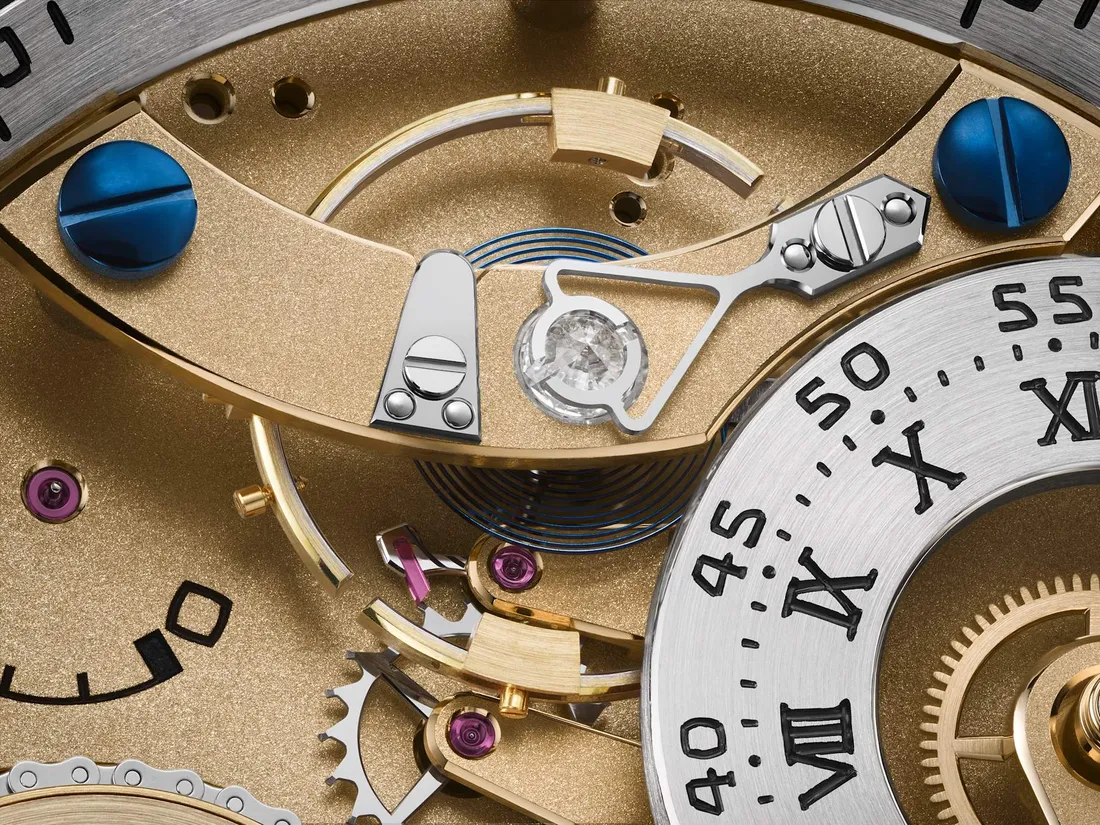
"The skater pulling her arms into her chest. Berthoud’s craftsmen do it with a Guillaume balance. Charles Édouard Guillaume won the 1920 Nobel Prize in Physics for precisely this: he found invar, a nickel steel alloy that barely expands with heat at all. The rim of the balance is made of two metals, brass on the outside and invar within. When the brass warms it expands much more than the invar and bends the rim inwards. The rim loses radius, the skater pulls in her arms, and the rate does not fall. The rim is cut in two places so that it can bend, and it carries four gold screws for regulation and two nickel silver weights for fine thermal adjustment."
"Did they make the spring too?"
"They did. From a special nickel-free steel alloy, each one made and each one adjusted by hand. Adjusting a hairspring is like tuning the string of a violin, except that this string is a tenth the thickness of a human hair and the tuning has to hold for a lifetime. The upper pivot of the balance staff turns on a diamond endstone. Diamond rather than ruby, because it is harder and rubs less; every surface that touches a moving part is a door the second law uses to slow the watch down."
"Are the hands the same story?"
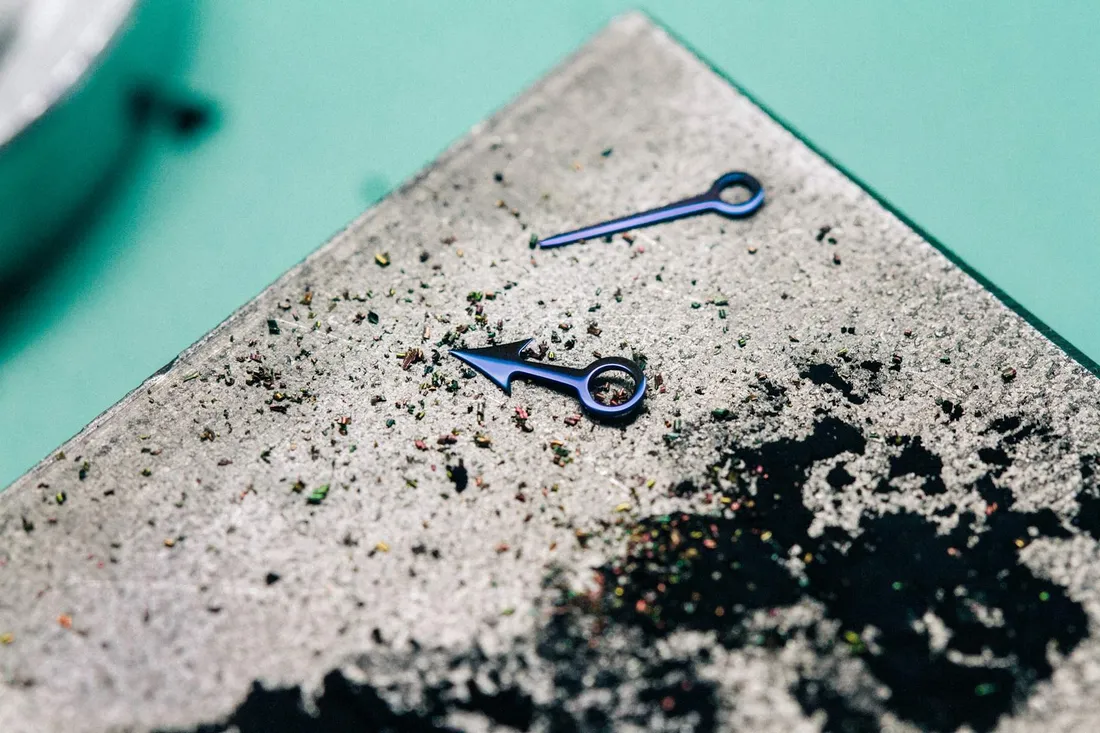
"The hour hand alone takes close to two days," said Ronaldo. "Fifty-four separate micromechanical operations, and thirteen more purely for decoration. For a single hand. The seconds hand is over twenty-five millimetres long and blued in a flame. That blue is not paint; as the steel heats, a transparent oxide film grows on its surface, and as the film thickens it bends light differently. First straw yellow, then purple, then that blue. Exactly the physics of the colours on a soap bubble. One second late out of the heat and it turns grey, and two days of work go in the bin."
"And the numerals are cut by hand as well?"
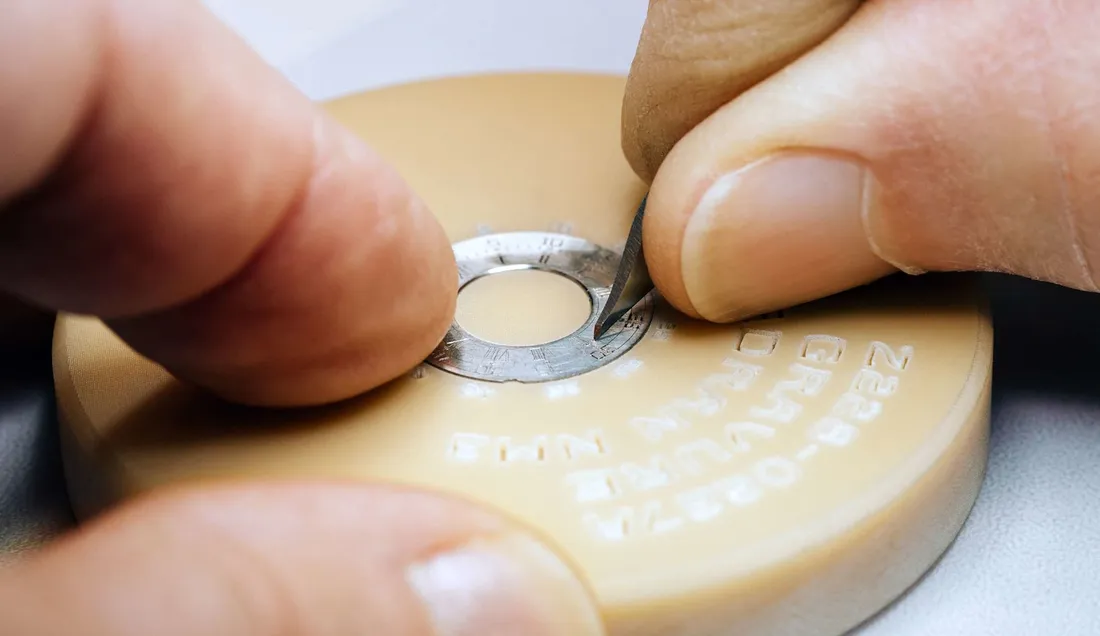
"All of them. Both dials are eighteen-carat white gold and entirely hand-engraved. Engraving, like guilloché, is a technique that accepts no patching. If one letter is cut to a different depth from its neighbour the light falls differently and the eye catches it at once; you cannot read the fault, but you can see that something is wrong."
"The case?"
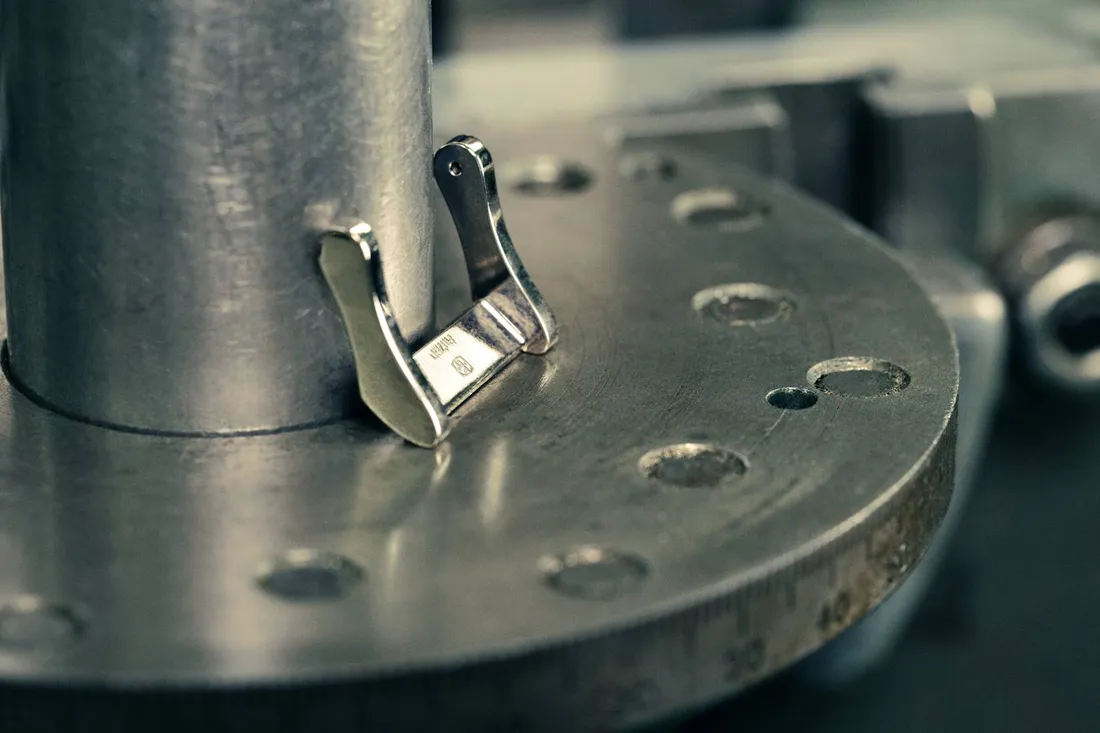
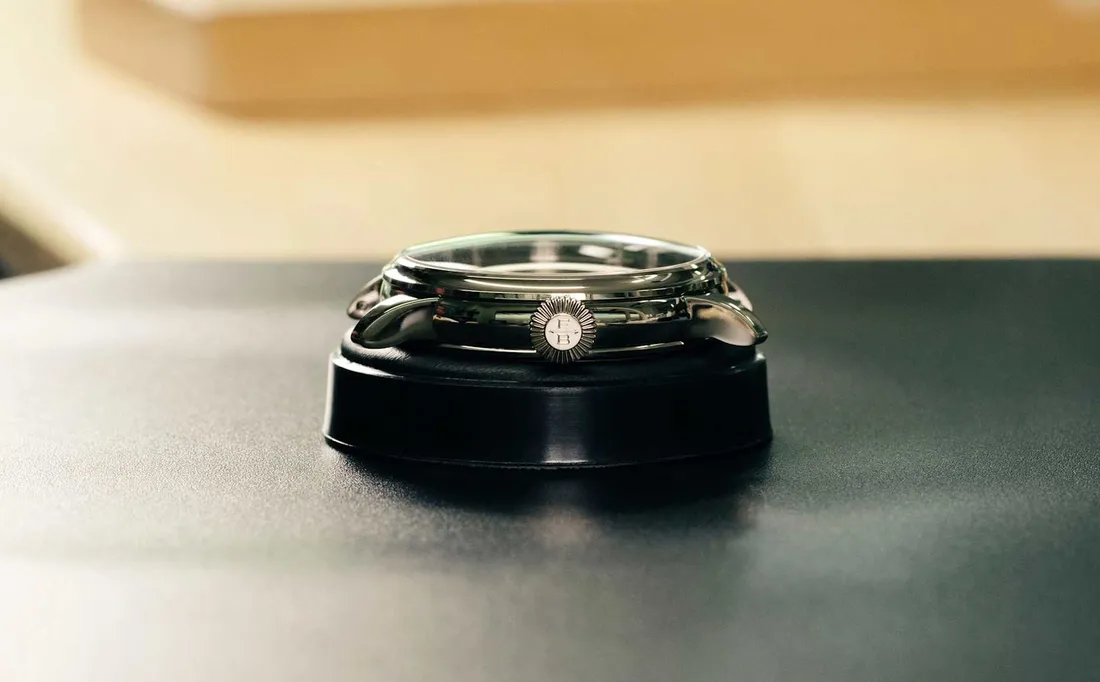
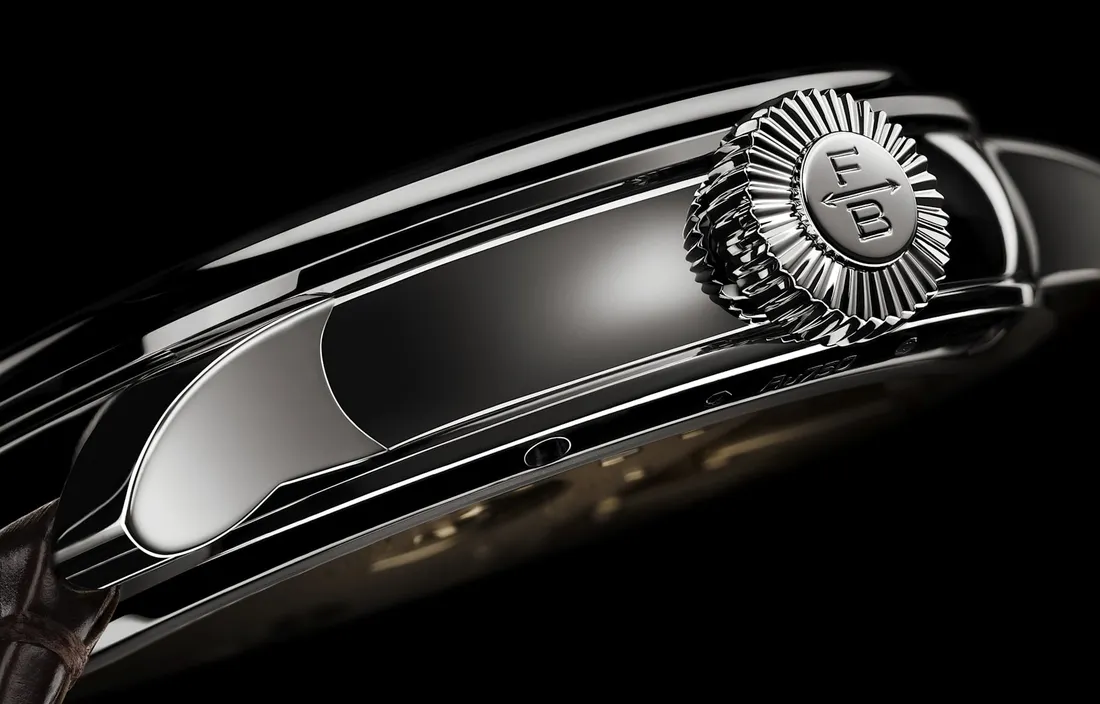
"Forty-four millimetres across, thirteen high, in ethical eighteen-carat white gold. The lugs are not carved out of the case; they are made separately and welded on. That is the harder road, but it leaves a sharper line. Domed glass, concave bezel, a crown fluted like a star. Water resistant to thirty metres, which is not a diving permit but permission to be caught in the rain."
"And inside?"
"The calibre FB-BTC.FC. Seven hundred and forty-seven components, thirty-seven jewels and two diamond endstones. Thirty-seven and a half millimetres across, eight point three five thick. Hand wound, fifty hours of reserve, three oscillations a second. COSC chronometer certified, which means the thing is not merely beautiful; it has been measured over fifteen days in five positions and at three temperatures, and it passed. Bridges and plates in sandblasted nickel silver, pillars in polished steel, bridge edges polished to a mirror. Put sandblasting next to a mirror bevel and the eye reads the edge instantly; it means the craftsman has nowhere to hide the line."
Messi put the loupe down on the table and looked at Ronaldo.
"So while we sit here arguing about the constants of the universe and the ruin entropy brings, craftsmen keeping the physics of the eighteenth century alive have created their own flawless constants in a micro-universe, out of eleven thousand hours of nothing but human will."
"Exactly so, Messi," said Ronaldo, putting the watch back on his wrist. "But let me correct one thing: they did not defeat entropy. Nobody does. They only showed how far the limit can be pushed. The mainspring still runs down, the torque still falls, the metal still expands. All those seven hundred and forty-seven components do one single thing: they stop the decay from reaching the dial. This watch does not only tell you the time; it whispers how the human mind brought a law of physics to heel, not by beating it, but simply by understanding it well."
format_quote"The craftsman’s job is not to make the part; it is to prove he can make the same part twice."
format_quote"They did not defeat entropy. They only stopped the decay from reaching the dial."
Hasan Bekmezci