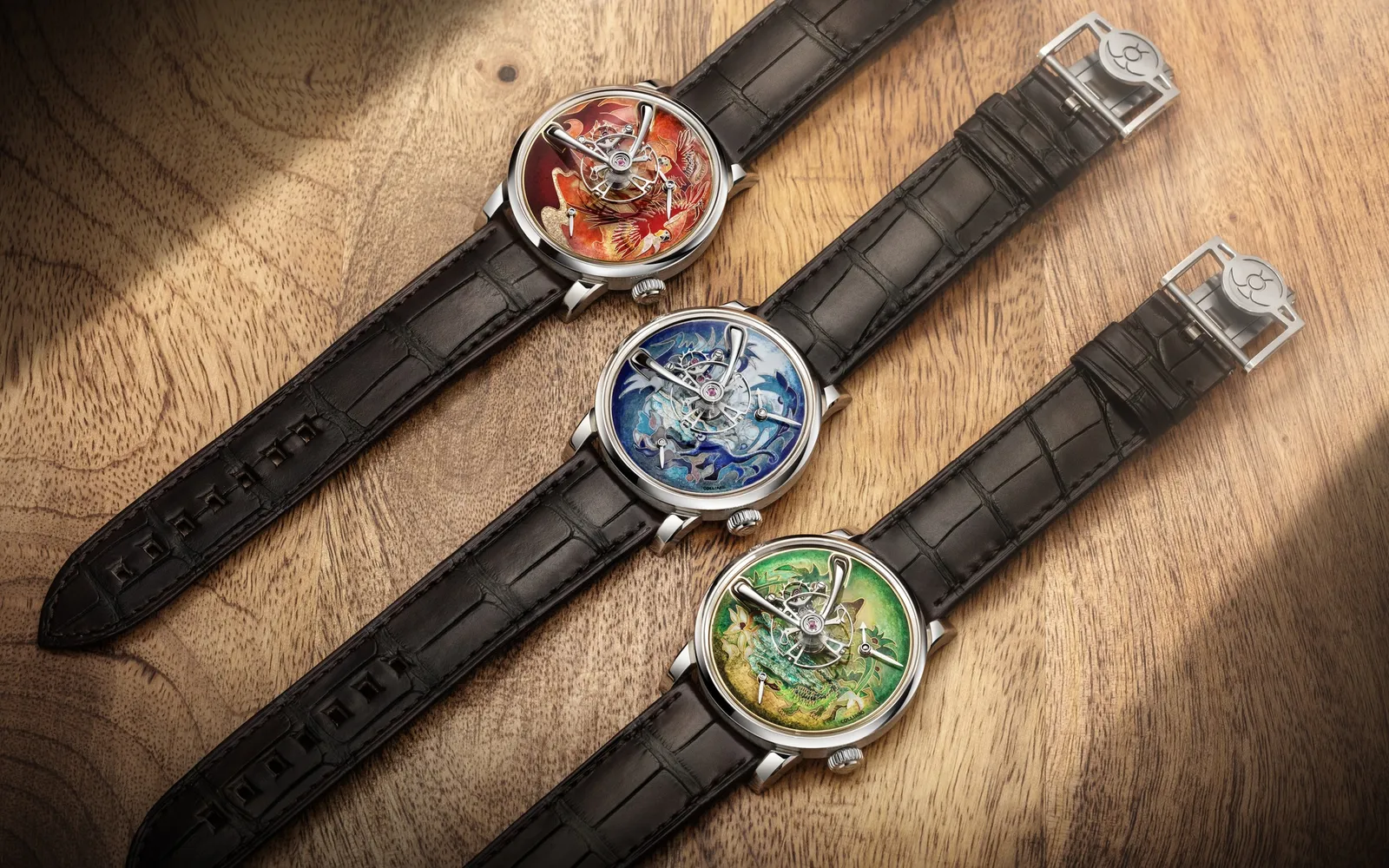
In those millimetric particles where fire, glass and gold come together, the will of a human being takes shape only through a divine submission. Every spark that falls into the heart of the enamel is a small appearance of that eternal transformation reaching from matter to meaning, and of the immense palette of colour the Creator has inscribed upon the universe.
An old Peruvian biologist and his young colleague are watching, through the binoculars in their hands, the clay cliffs at the edge of the river, beneath the emerald green covering of the Amazon on which the morning mist has not yet lifted. The immense riot of colour that suddenly pours from the tops of the trees, the Scarlet Macaws dazzling with their pure red, yellow and blue feathers, comes down to the earth in a flight whose harmony sets the ecosystem alight.
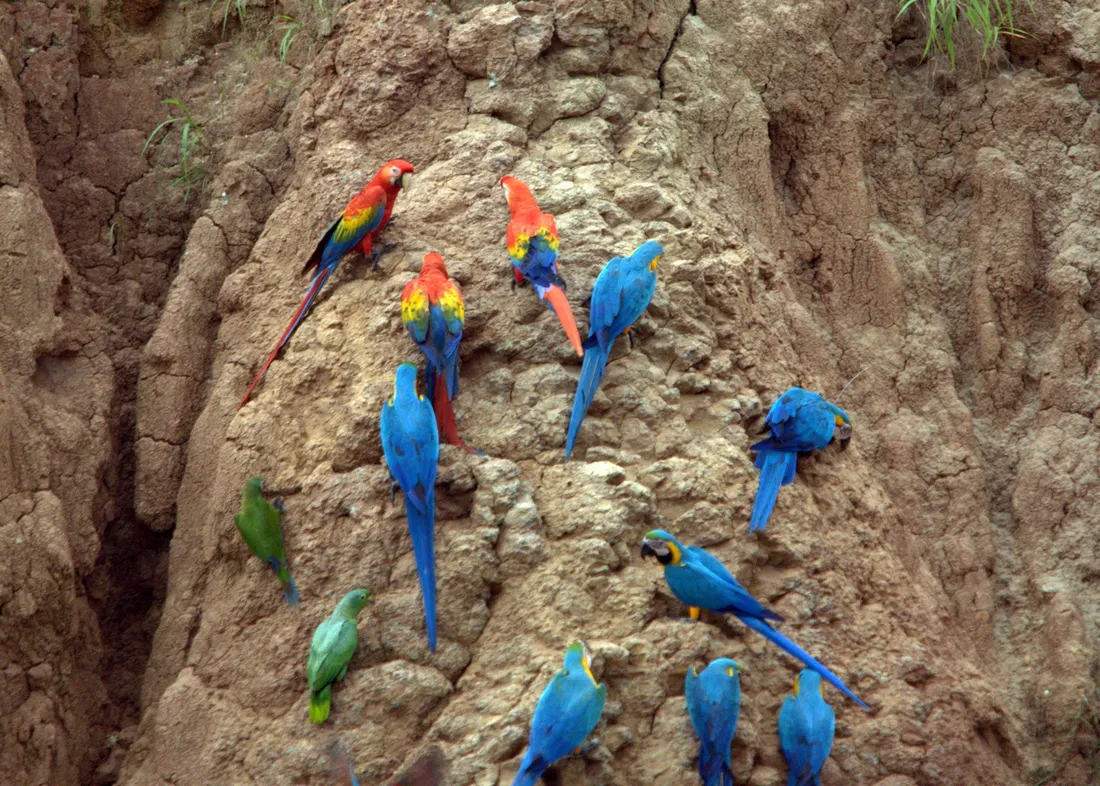
Behind the fact that these magnificent birds must eat clay every morning, almost as a ritual, lies a flawless biological balance the Creator established between the plant world and animal metabolism. The tropical fruits and seeds that are the macaws’ main source of food contain powerful alkaloids and poisonous compounds with which they defend themselves in order to survive; those toxins can be lethal to the birds. The chemical structure of clay, and in particular the microscopically layered and negatively charged structure of clay minerals, catches and imprisons those poisonous alkaloids in the gut like a powerful magnet; the birds have to consume that clay in order to feed without being poisoned. At the same time sodium, which is to say salt, is extremely scarce in the Amazon basin; the clay closes that gap flawlessly and preserves the vital balance of the birds.
This is the clearest proof that nothing in the universe is created adrift, and that even the most poisonous plant has been met with a geography of clay that will tame it. So the power that created the clay and the power that created the parrot are one and the same; a power that knows the function of each in the other. Otherwise, just imagine the clay absent from the place where the parrot lives; the line of the parrot would die out at once.
format_quote"The power that created the clay and the power that created the parrot are one and the same; a power that knows the function of each in the other."
Hasan Bekmezci
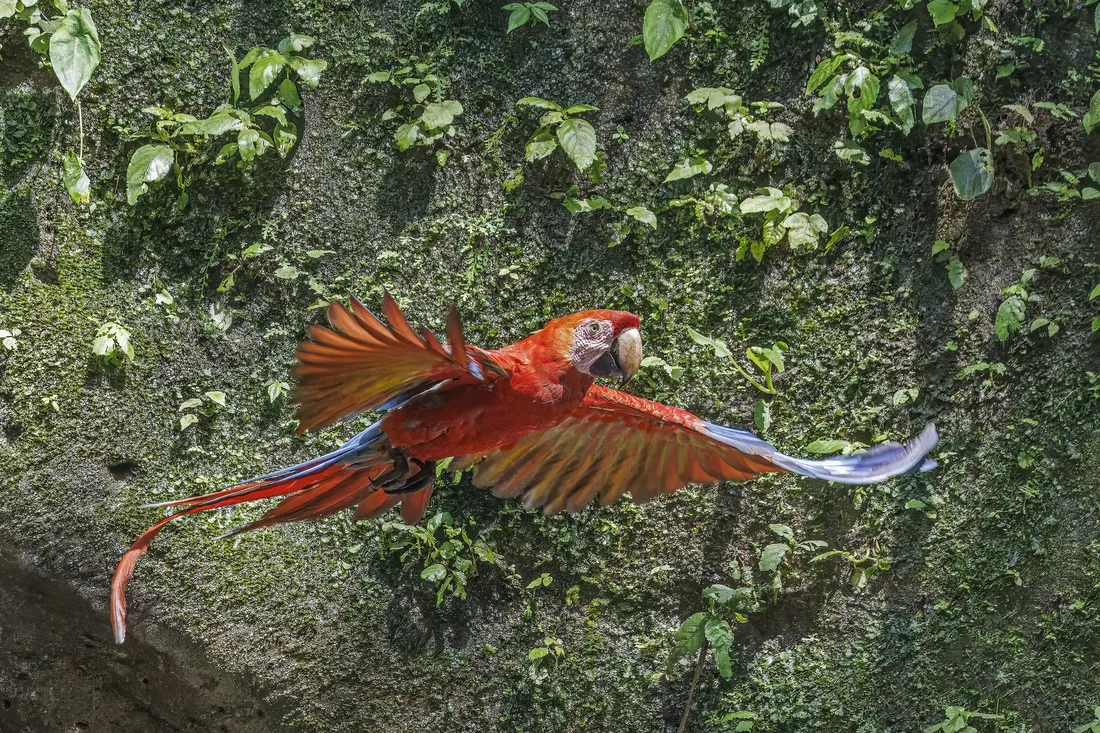
In this living fabric of the rainforest every being forms one of the flawless links of the chain of the ecosystem. The Scarlet Macaws are not merely monuments of colour; by carrying the seeds of the hard-shelled nuts they consume for kilometres, which is to say by seed dispersal, they are gardeners of the forest, making it green again and spreading the geographical diversity of its plant life.

Those agile creatures living between the layers of the trees, the blue monkeys, do not merely eat fruit and pass on. By carrying the stones of the fruit they consume into the different layers of the forest, they secure the genetic diversity and the continuity of its plant life. The dynamism inside the forest and the flow of nourishment are kept in balance by the vertical mobility these monkeys set up among the trees. They are like moving bridges that keep the blood flowing in the veins of the forest.

The green crocodiles, the unshakeable guardians of the water’s edge, the masters of the river, stand at the very top of the food pyramid and balance the flow of energy between the aquatic and terrestrial ecosystems. The statement that they keep populations healthy by weeding out weak and diseased individuals explains one of the most flawless mechanisms of control in nature. As crocodiles follow prey that moves in a herd, they cannot catch the fastest, the healthiest and the fittest of the herd. Those left behind in the water, the wounded, the old, those weakened by parasites or genetically diseased, become the first target because their reflexes are slow. By hunting those weak links the crocodile both secures its own feeding and prevents the diseases in the population from turning into an epidemic. This is a divine filter that keeps the gene pool of the forest always at its strongest and most resilient.

format_quote"Seen from outside, life may look like a struggle; in truth there is an immense order of wisdom working away without a fault."
Hasan Bekmezci
In establishing this chain the Creator left neither an excess nor a deficiency; He charged every animal with being both the founder and the driver of its own ecosystem. Seen from outside, life may look like a struggle, a fight or a mercilessness, but in truth there is never any cruelty or abandonment here; on the contrary, there is an immense order of wisdom working away without a fault. That the great predators hunt the weak is not a mercilessness but, quite the opposite, a flawless insurance on life that prevents the ecosystem from choking, prevents disease from destroying the whole herd, and in the end prevents the entire forest from dying away. Were that balance absent, the whole system would collapse from deaths and pollution; this cycle, on the other hand, keeps life for ever vigorous.
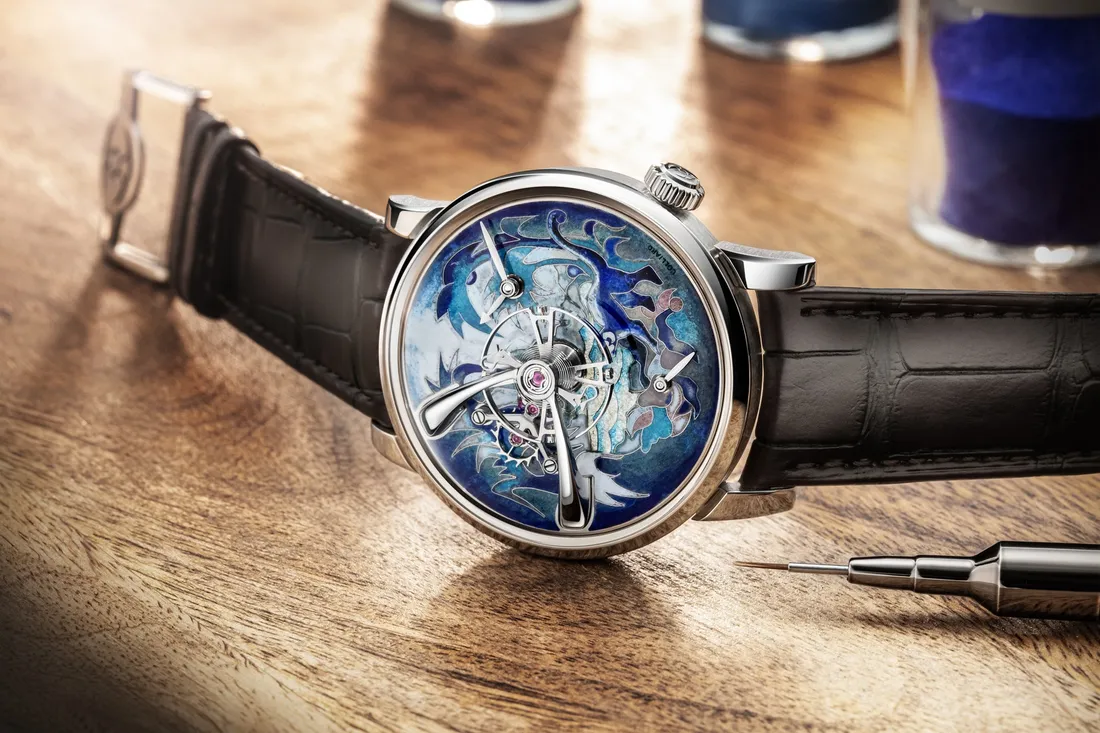
And so this breathtaking scene of these creatures and of the ecosystem in the Amazon is engraved into time through the vision of MB&F, the genius name of independent watchmaking, and in the hands of Gabriel Colliard, the master genius of the art of miniature enamel. Colliard’s workmanship in this series is the summit of human patience and of craft. This arduous process is, as it were, the stages of creating a soul out of raw material.
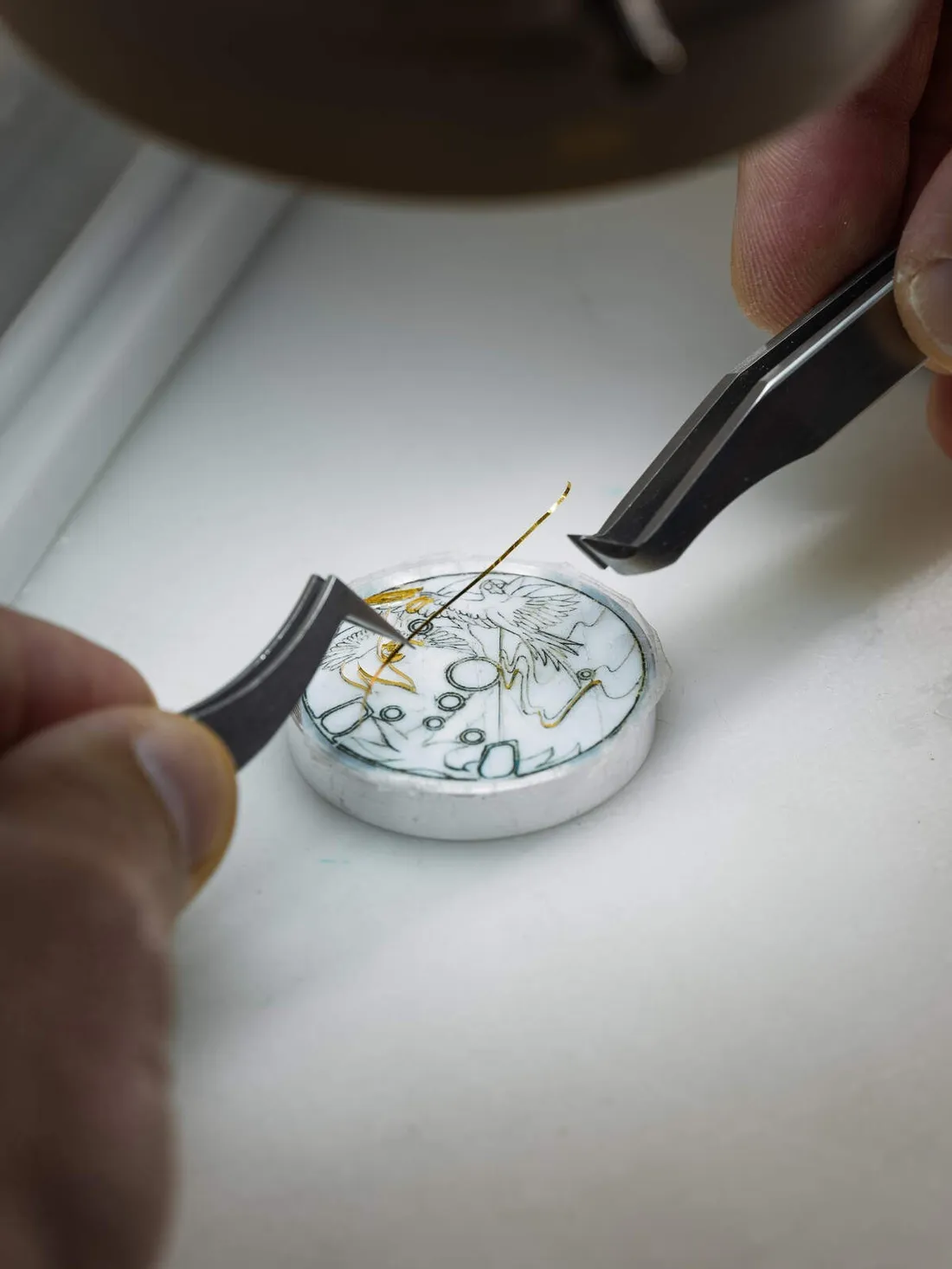
Colliard begins by bending threads of pure gold of microscopic fineness with tweezers. These wires are the millimetric walls that draw the wing feathers of the macaws, the lines of the monkey and the texture of the forest upon the dial. This stage is like inscribing the stone-laying plan of an immense cathedral at a microscopic scale, with threads of gold finer than a human hair, not onto paper but onto a ground of metal. The smallest tremor destroys the symmetry of the whole composition.
Coloured minerals on a base of ground glass are carefully filled into the gold cells. The dial is then put into kilns that pass eight hundred degrees. This is like the clay on a potter’s wheel being given to the kiln; except that here the margin for error is zero. If the heat falls short the glass does not melt and stays a powder; if the heat runs over by even a millisecond the gold melts, the colours run into one another and the labour of weeks turns to ash in a single second. Fire here is a merciless but truthful test that brings out the colour of the enamel.

format_quote"Fire here is a merciless but truthful test that brings out the colour of the enamel."
Hasan Bekmezci
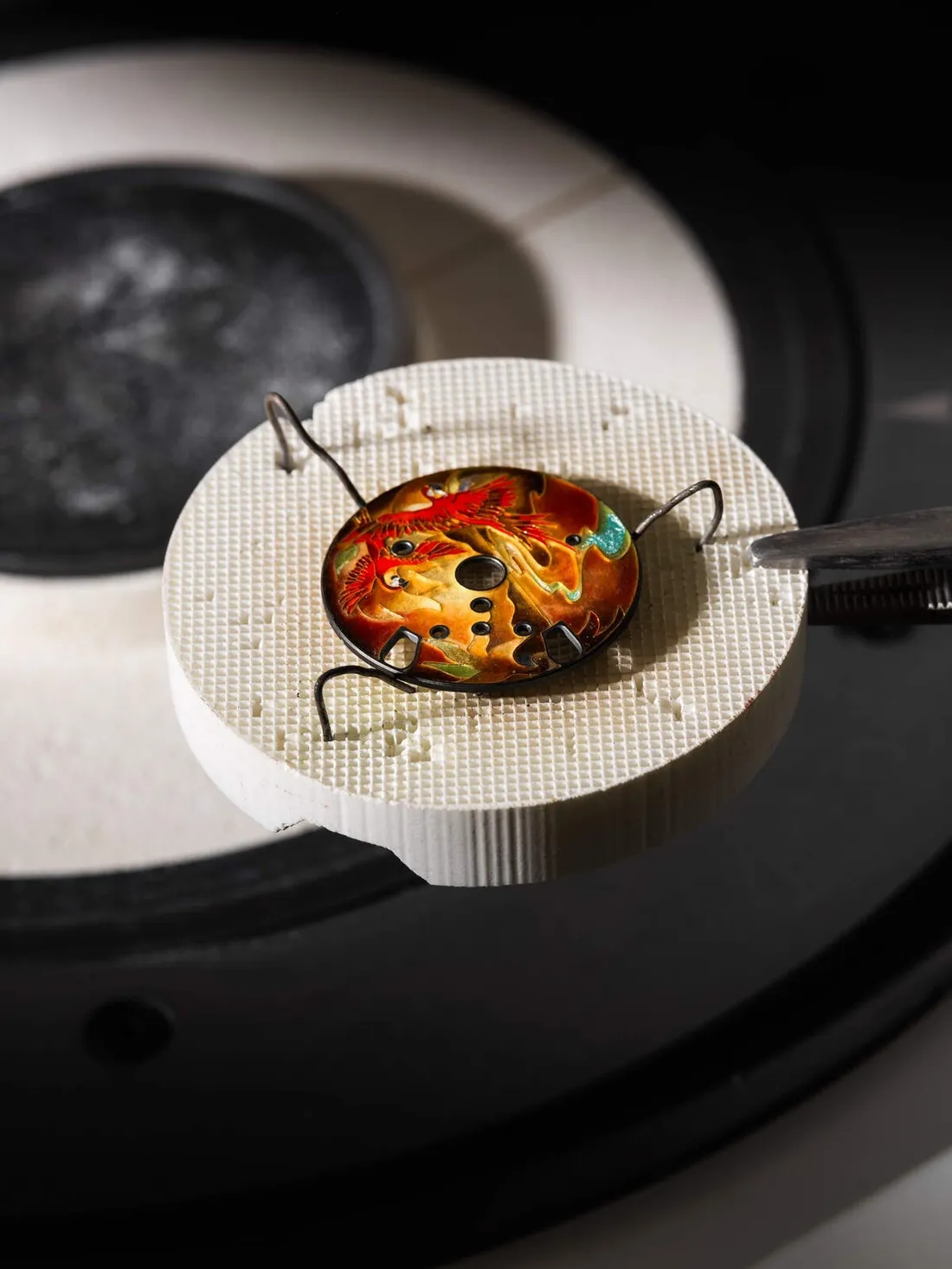
A single firing is never enough. As the enamels melt in the kiln they shrink and sink. Each time, the master fills the places that have fallen away and fires them again. This cycle is repeated for days, even for weeks. At the final stage the surface is rubbed down with diamond powder until it is as smooth as a mirror. Every layer gives the enamel its depth and lets it reflect the light in three dimensions.
The mechanical substructure lying behind these enchanting enamel pictures, and the protection outside them, are the flawless marriage of art and engineering. The box-form sapphire crystal that covers the dial is leagues away from cutting a flat piece of glass; sapphire is one of the hardest materials there is after diamond. To bring a sapphire crystal into this domed form is like turning a thick block of diamond into a curved lens without producing a single crack, and with a perfection that will cause no optical distortion. For the details of the enamel picture inside to be shown without the least bending when seen from outside, the optical purity and the flawless curve of that crystal must be worked to microscopic tolerances.
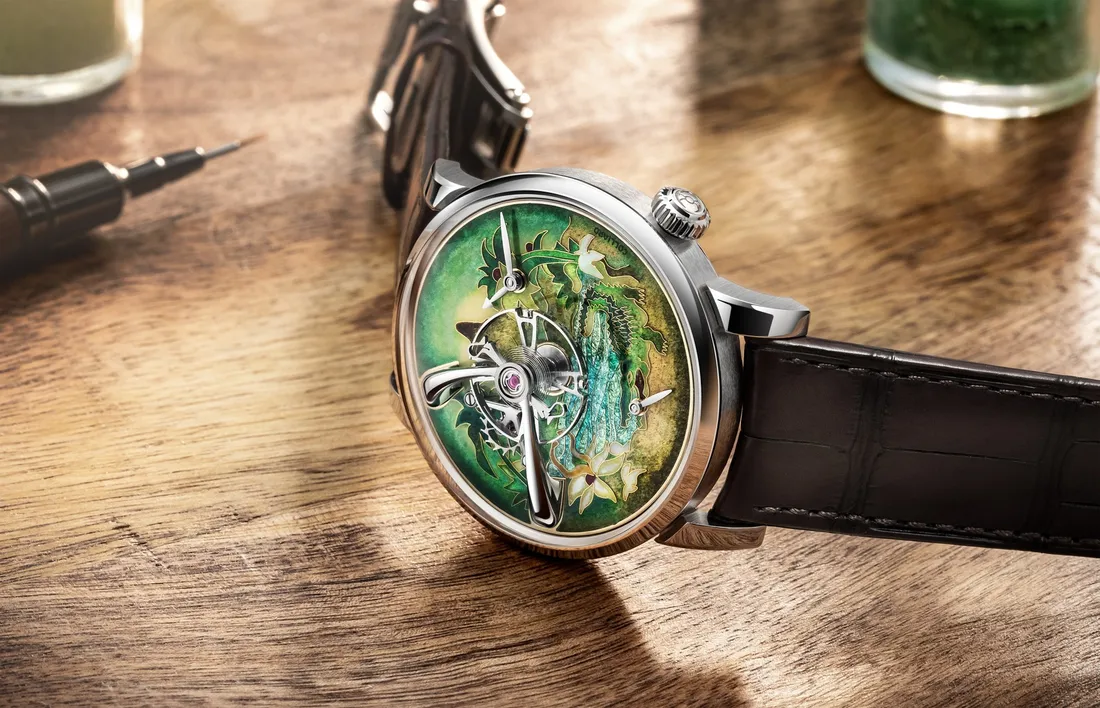
At the very centre of the dial, oscillating proudly beneath the sapphire crystal, the oversized balance wheel carries the iconic signature of MB&F. That the heart of the mechanism beats before our eyes turns the abstract flow of time into a concrete rhythm. The hand-wound movement developed by MB&F, the genius of independent watchmaking, goes beyond even the standards of haute horlogerie with its circular Côtes de Genève, its sharp inward angles and the bridges that carry the traces of handwork. Every wheel locks into the next in a flawless accord, as though imitating the flawless order of wheels in the universe.

These works, which came into being through the partnership of MB&F and Gabriel Colliard, are not merely luxury watches made of gold, glass and steel. From the clay ritual of the macaws in the forests of Peru to the divine balance that weeds out the weak in the food chain, from the enamel fired in kilns of eight hundred degrees to that micro-mechanical universe ticking on the wrist, every detail is the work of the same sublime will and of the same art. Every time a human being looks at these dials, he grasps in its purest form the trial of matter by fire, and that unshakeable order of colour and of life.
The watches in the words of their maker: MB&F, MB&F x Gabriel Colliard