In a consulting room, the instant the cold metal bell touches the chest. Between the two ends of the stethoscope one of the oldest and most regular sounds in the world is heard: once a second, the beat of a resting heart. That sound has been measured, counted and drawn on charts for centuries; but it rarely occurs to anyone to build it again out of metal, in a workshop.
Instead of reading time only as the cold ticking of metal wheels, one may also look for it in the rhythm of that silent engine in a human chest, in the flawless geography the blood draws through the vessels, and in the traces of the hands that turn this truth into works of mechanical art. Let us turn our eyes from the noise of the outer world and descend into the anatomical depths of the human heart, into the flawless cycle of the lesser and the greater circulation, into the chemical alchemy in the alveoli, and into the staggering arithmetic that lies behind it.
format_quote"The heart is the most private and the most unerring metronome of time, beating in the human chest day and night without rest."
Hasan Bekmezci
Behind the rib cage, between the two lungs, the size of our fist yet carrying a whole universe on its back, the heart is made of four sacred chambers: two atria and two ventricles. The right atrium and the right ventricle collect the soiled blood arriving from the body and hurl it towards the lungs; they work like an enormous collecting station and hydraulic pumping unit that gathers all the waste water of a great metropolis at a central point and dispatches it urgently to the treatment works.
The left atrium and the left ventricle, for their part, embrace the fresh oxygenated blood coming from the lungs and hurl it through the whole body by means of the left ventricle, which has the most muscular wall in the heart; this is the main station of the network, taking the purest reservoir of a city and pushing water without interruption through pressurised turbines to the furthest districts and even to the highest towers. The tricuspid, mitral, aortic and pulmonary valves are one-way valves that never for an instant allow the blood to fall back; flawless check valves that keep the flow of a high-pressure pipeline moving in a single direction and absolutely prevent any return.
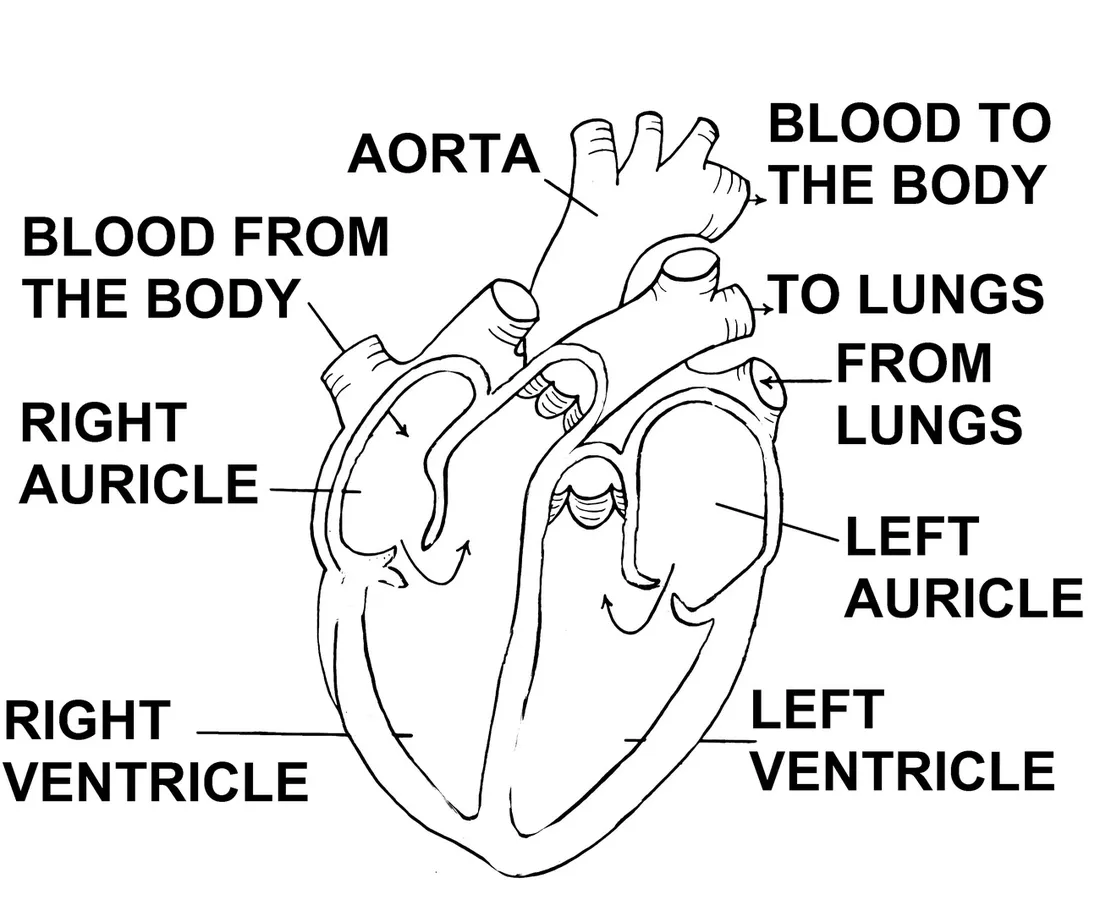
When we put the performance of the human heart into numbers, our understanding is fairly shaken. Our heart contracts on average seventy to eighty times a minute; it beats some hundred thousand times a day. With every contraction it hurls out about seventy to eighty millilitres of blood; brought to the minute, roughly five litres, which is to say the whole pool of blood in the body, pass through the heart within a single minute. In a day it pumps on average seven and a half to eight thousand litres, which comes to nearly thirty bathtubs. Across a lifetime of seventy-five years the heart beats some three thousand million times, taking no holiday and no pause, and turns that vast water wheel without once looking back.
format_quote"Across a lifetime the heart beats some three thousand million times, taking no pause."
Hasan Bekmezci
This four-chambered engine turns two vast wheels of circulation in the body at the same time. The blood rich in carbon dioxide that returns from the body to the right side of the heart sets out towards the lungs. In those tiny air sacs of the lungs, the alveoli, a kind of chemical love is staged. As the Ancient Master of the East drew attention to in his works, the innate inclination of substances towards one another, their chemical attraction, is laid bare here.
The Founder of nature created two elementary substances in the air: one nitrogen, the other oxygen. When oxygen reaches the blood through the breath, it and the dense element of carbon that soils that blood draw one another like amber. Thanks to that fierce law of attraction, which chemistry calls chemical love, the two unite the moment they come side by side. From that union a gaseous substance called carbon dioxide emerges; and so the heat balance of the body is kept and the blood is cleansed.
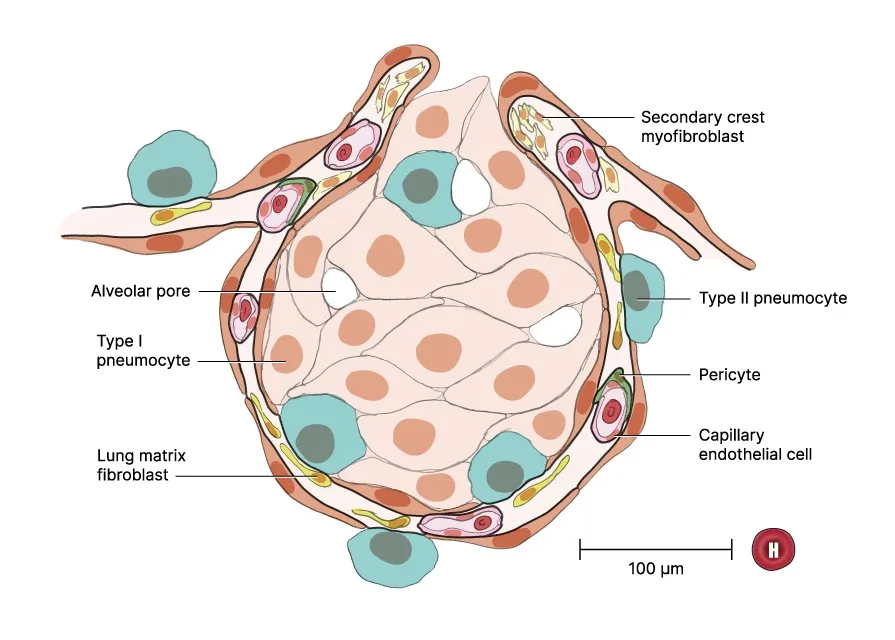
The event is just like the opposite poles of two magnets binding to one another with great eagerness. It is established in physics too that heat is born of this chemical union, because to unite is a kind of burning. The wisdom of it is this: the particles of those two elements each have their own separate motions; once united, both particles begin to move as a single unit, and the surplus energy left over from those two separate motions turns, by a universal law, into heat. That motion begets heat is in any case an unchanging law at work in our veins.
Refreshed and cleansed by that chemical love in the lungs, the blood is hurled into the aorta by the vast strength of the left ventricle. The greater circulation is like an endless network of tunnels branching from a single motorway out of the heart. The aorta is a vast logistics network carrying this fresh elixir of life to the centre of the capital, the brain, to the outermost towns, the fingertips, and to the most remote villages, the cells. The cells take oxygen and nourishment from that cargo, and in return load the waste they leave onto the returning lorries called veins and send it back to the right side of the heart, to the treatment works.
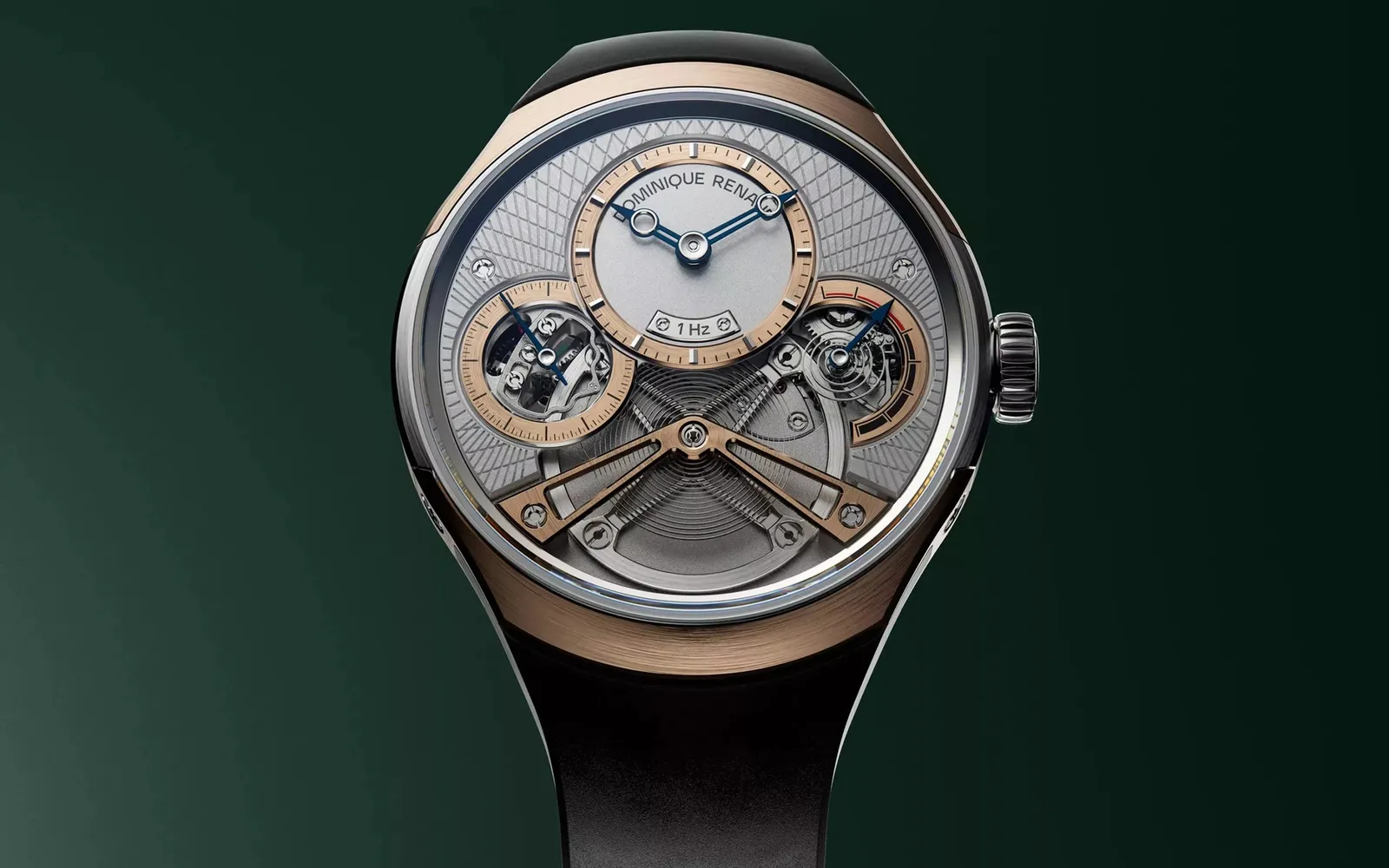
And so that resting rhythm of sixty beats a minute in the human heart, and the flawless synchronisation of the lesser and the greater circulation, are carried by Dominique Renaud, the genius of independent high watchmaking, into the realm of titanium and rose gold in the Pulse60. Through the Renaud et Papi atelier he founded in 1986 and later sold to Audemars Piguet, Renaud signed other people’s dials for forty years; his colleagues call him the watchmakers’ watchmaker. In 2026 he founded, for the first time, a brand bearing his own name, and set his workshop at Tolochenaz. That first watch took the Horological Revelation Prize at the Grand Prix d’Horlogerie de Genève on 7 November 2026.
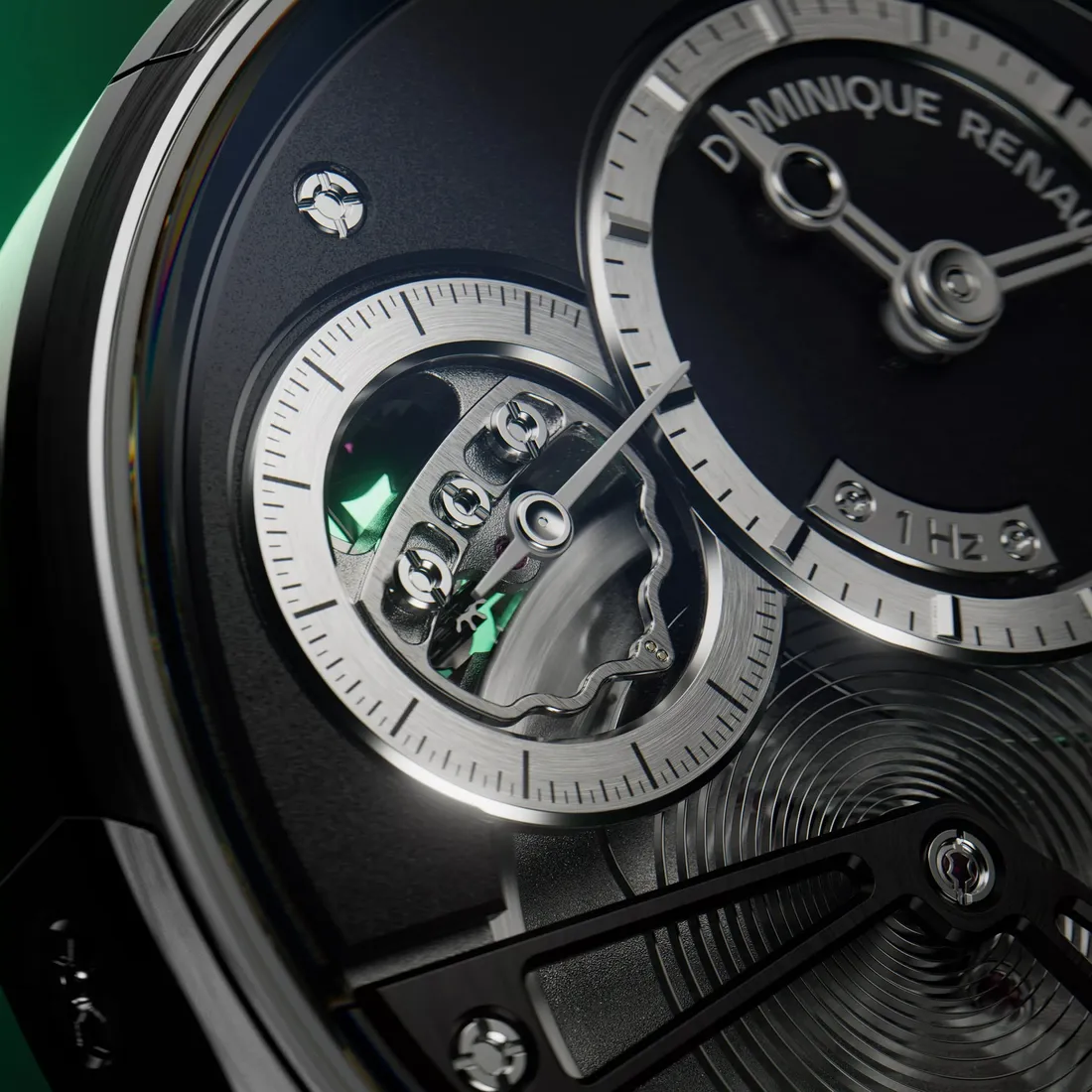
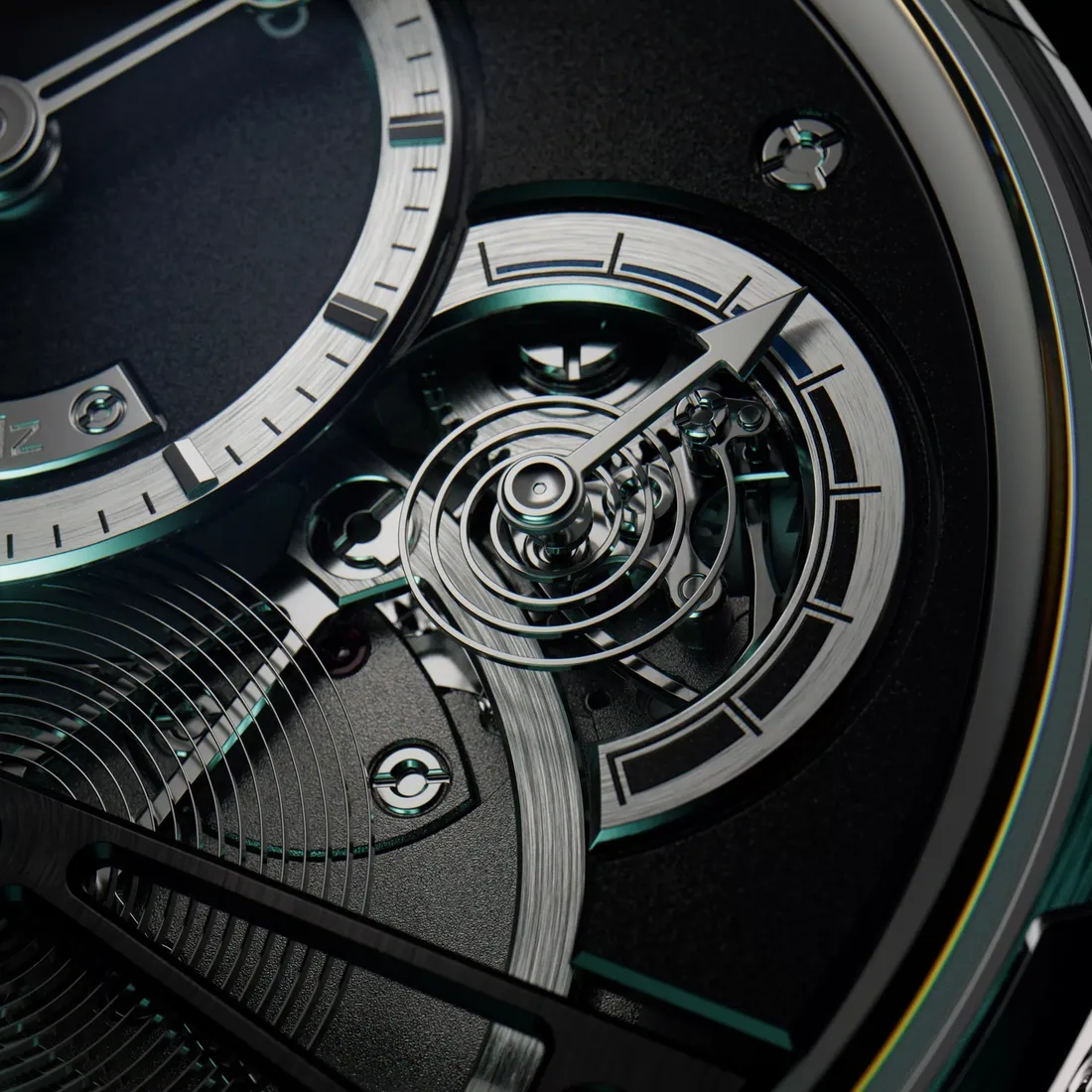
While the industry races at high frequencies, the Pulse60 runs at exactly one hertz, that is at seven thousand two hundred alternances an hour; this is the lowest frequency measured in contemporary mechanical watchmaking. Its balance travels back and forth only sixty times a minute, and that is precisely the rhythm of a healthy human heart at rest. The comparison is not ours; the brand’s own text describes that figure as the frequency of a human heart at rest. Just like the calm pulse of a heart beating once a second, this mechanism slows the beat of time and makes it perceptible.
To carry that frequency, the oscillator at the heart of the watch is of a size no ordinary watch can be compared with: the balance wheel is twenty millimetres across and the hairspring fifteen. A wheel of that size is otherwise seen only in marine chronometers. A heavy wheel resists variations in torque and shocks far better; like the long pole of a tightrope walker, it fixes its own centre of gravity. The rhythmic and powerful contraction the left ventricle performs as it pumps blood through the body is laid out here like a mechanical theatre.
format_quote"This mechanism slows the beat of time and makes it perceptible."
Hasan Bekmezci
The price of a low frequency is that every impulse falls more heavily; Renaud paid that price in amplitude. The balance wheel, the roller and the impulse pin were rebuilt from end to end, and the oscillation can now pass beyond three hundred and sixty degrees. In a classical movement that is impossible: a wheel passing a certain angle strikes the back of the lever and the watch begins to gain. Because the Pulse60 works at twice the usual amplitude, it never comes near that limit. Since the wheel stays free for longer and across a greater distance, its motion is governed by its own dynamic laws rather than by its contacts with the escapement; the result is a rate that approaches that of an ideal oscillator.
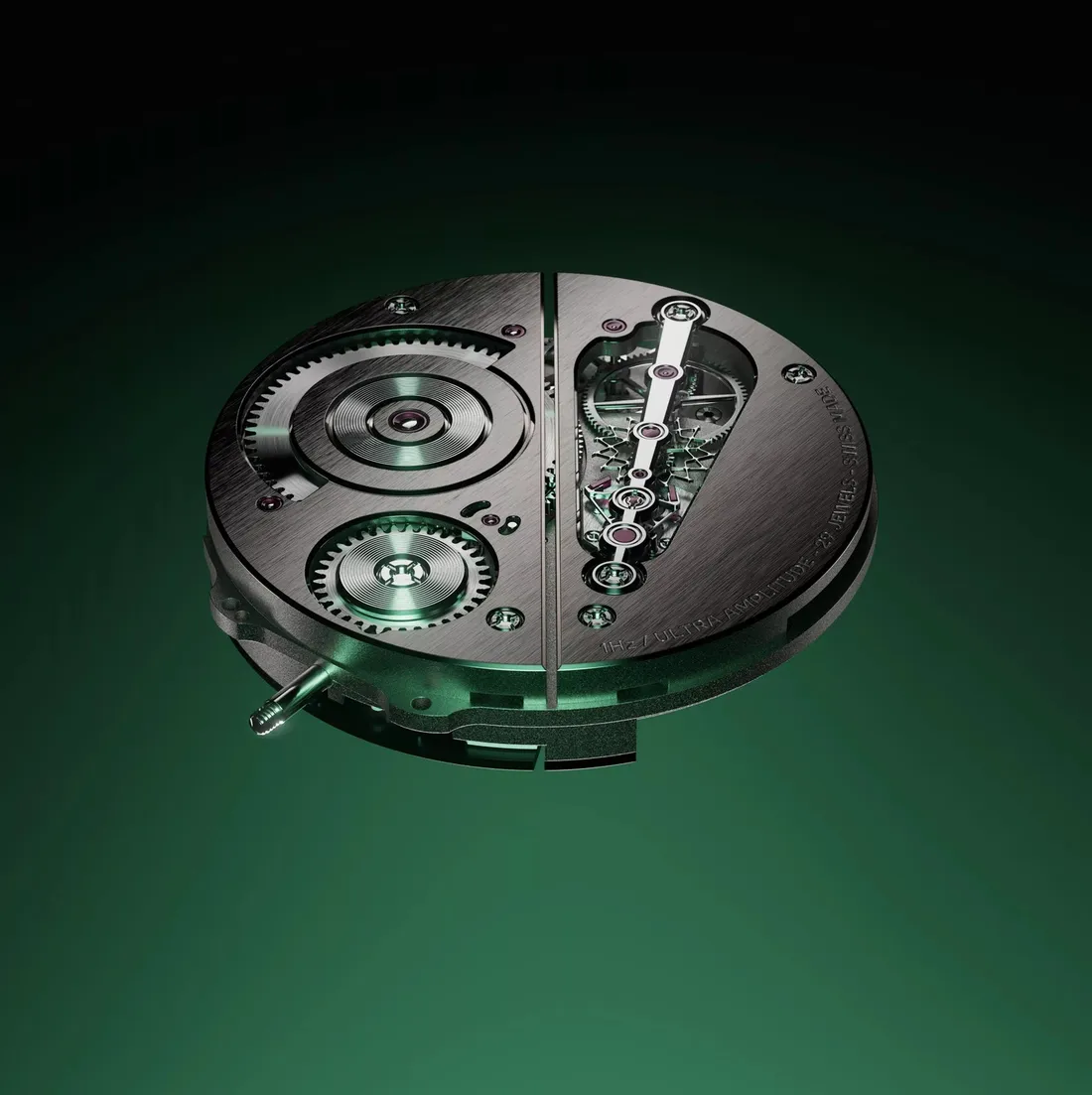
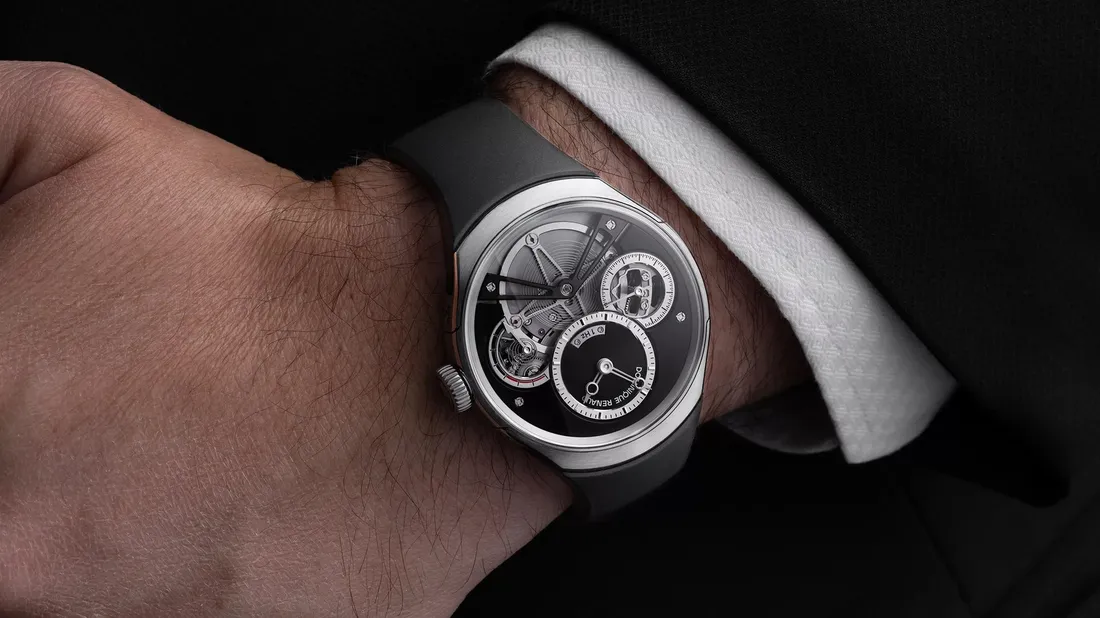
That the seconds hand advances in a sharp step rather than sweeping recalls the rhythmic surge of the greater circulation in the vessels. But care is needed here: the hand takes its step not every second but every half second. Since a one hertz balance makes two alternances a second, that is exactly what a natural dead half-second is, and it is read on the subdial at nine. The subdial at three shows the instantaneous torque of the mainspring; like the pressure balance the lesser and the greater circulation give the system, it keeps the flow of energy under supervision. The hours and minutes, meanwhile, stand not at the centre but on the subdial at twelve.
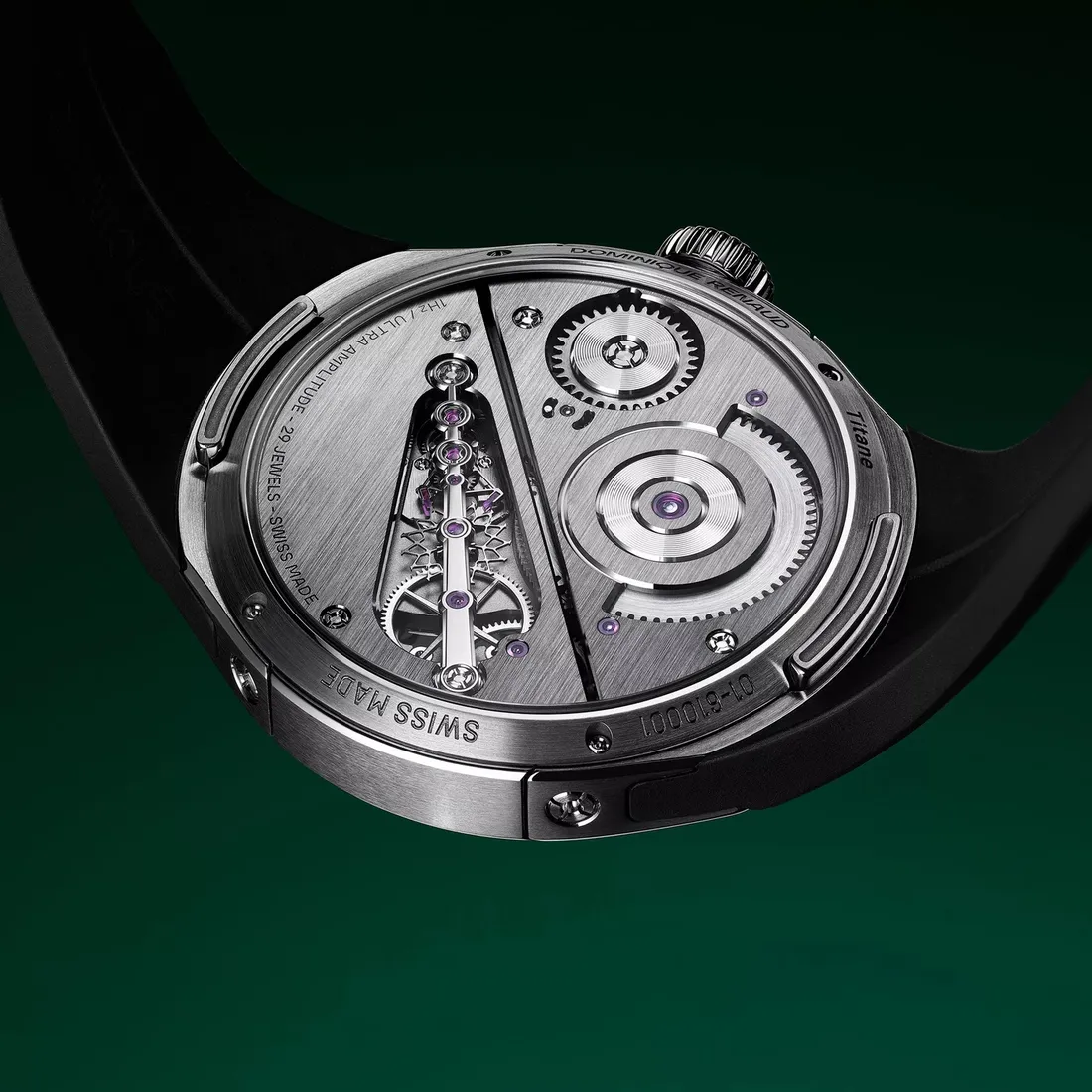
The case is made of grade five titanium, or of rose gold combined with titanium; it measures forty by forty-four millimetres and stands twelve millimetres tall. A domed sapphire sits at the front and a flat one at the back, and it is water resistant to thirty metres. The thirty-three millimetre movement carries twenty-eight jewels, runs four days once wound, and is regulated by a patented offset regulator. The rubber strap is changed by a push button and is offered in six colours. The price has been announced as forty-nine thousand Swiss francs for titanium and fifty-nine thousand for the rose gold body.
When we look at the Dominique Renaud Pulse60, what we see is not simply a wonder of engineering pushing the limits of independent watchmaking. The staggering hydraulic strength of a human heart pumping thousands of litres of blood a day, the exchange of breath accomplished by chemical love in the alveoli, and the one hertz rhythm beating in the heart of this watch are all the voice of the same single truth, of the same absolute order.
A master who signed other men’s dials for forty years changed, when he finally wrote his own name on one, the most invisible part of all: the number. Because the watch on your wrist chose to slow rather than to hurry, it falls into line with your own pulse. The knowledge written into the beat of a heart and the accord beating in the heart of a mechanism are two faces of the same measure; and the one who first laid down that measure is the one we are only able to discover.
The watch in the words of its maker: Dominique Renaud, Pulse60