The deepest riddle of existence is not to read time as an ordinary quantity ticking between the hard borders of the earth, but to bring it together with the human passion for piercing the sky, with speed and grace in their purest metaphysical form. Some objects show only the moment; others carry to the wrist the boldest breaking points of history, the metallic wind that crosses the sound barrier, and that single breath held while watching the blue curve of the earth from sixty thousand feet.
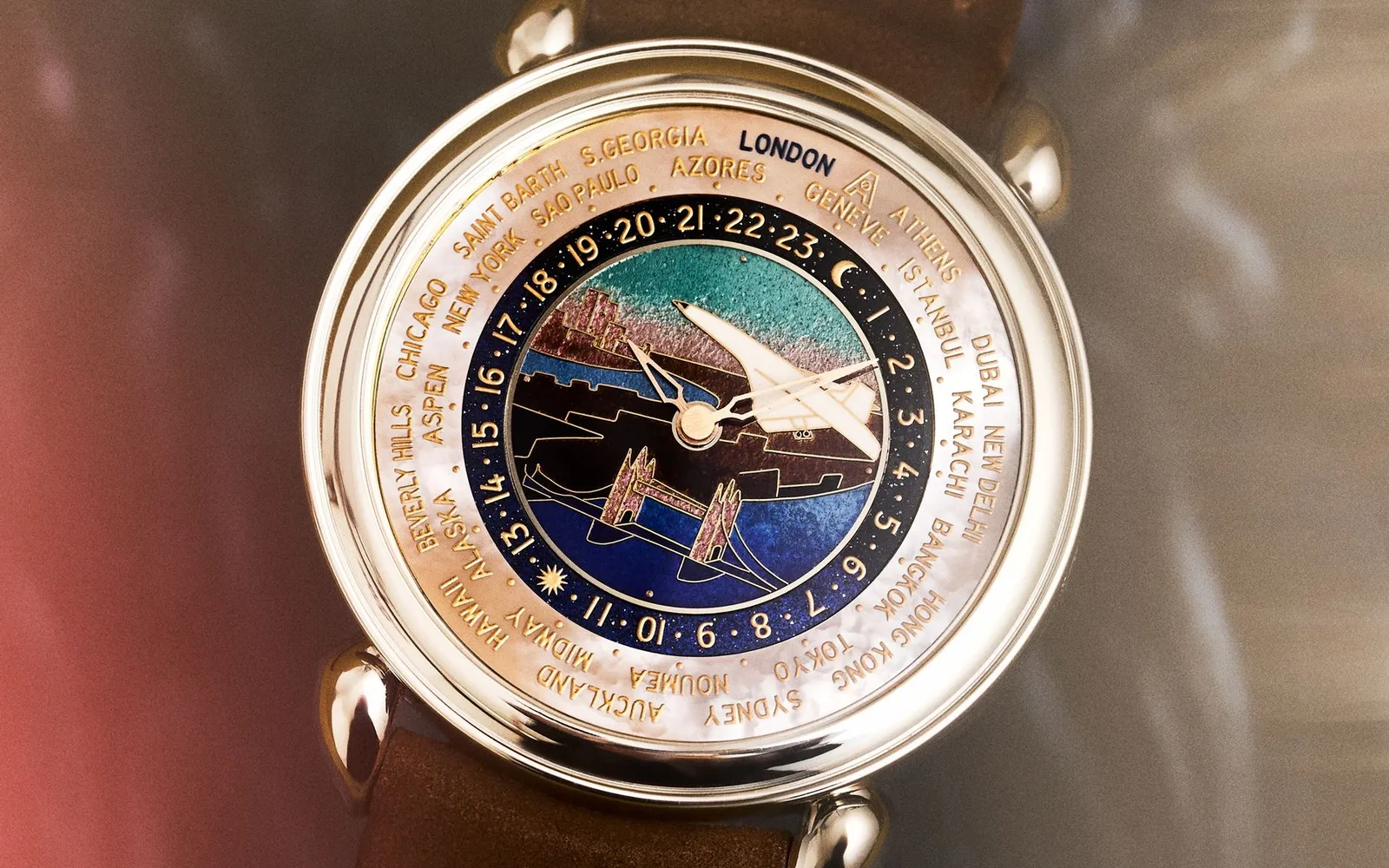
And so the Communication 45 Supersonic London, risen in the hands of the Andersen Genève atelier, one of the temples of independent high watchmaking, is a rare masterpiece devoted not to the cold mechanics of series production but to the poetry of the sky, of speed and of timelessness.
In the second half of the twentieth century mankind began the most radical and the most elegant revolt in history against time and against distance. On that invisible silk stretched between the foggy runways of Heathrow and the horizon behind the towers of New York, something far beyond flight was rising: Concorde.
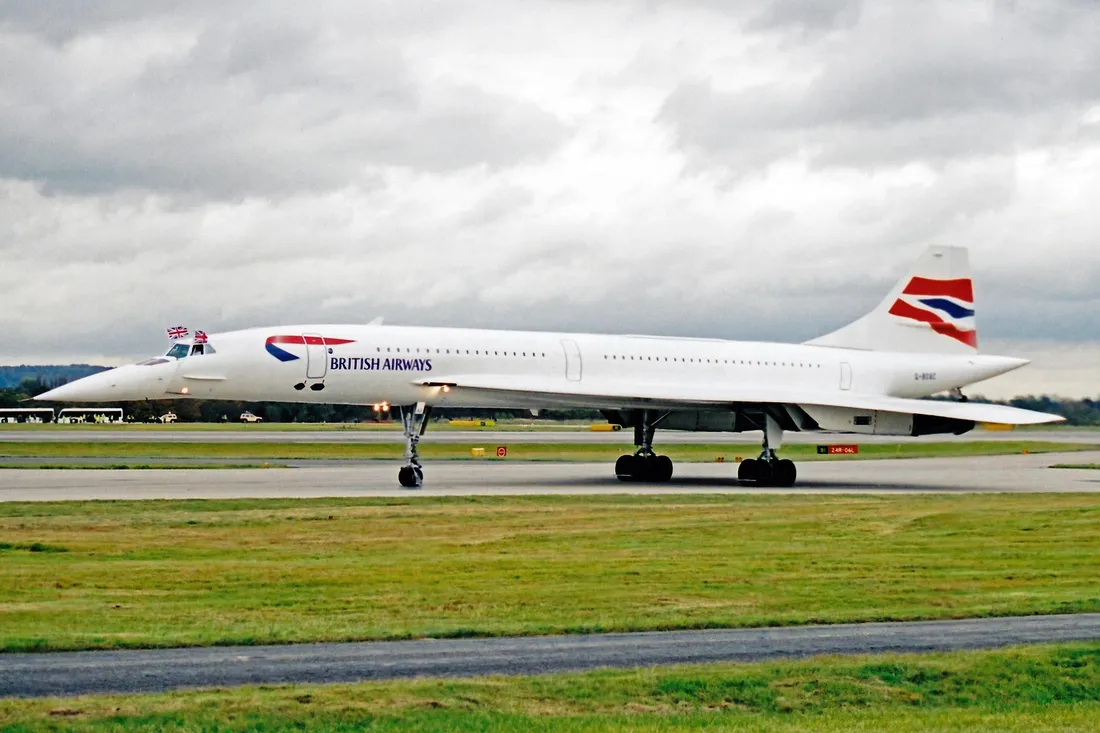
It was a thin, pure white signature thrown at the sky, sharp as a spear. It first left the ground at Toulouse on 2 March 1969, entered scheduled service in 1976 and landed for the last time on 24 October 2003. Its passengers took off from London over the morning coffee and, cutting through the world faster than the sun could run west, arrived in New York at an hour earlier than the one at which they had boarded. The Atlantic took three and a half hours. Concorde was not chasing time; it was getting ahead of it.
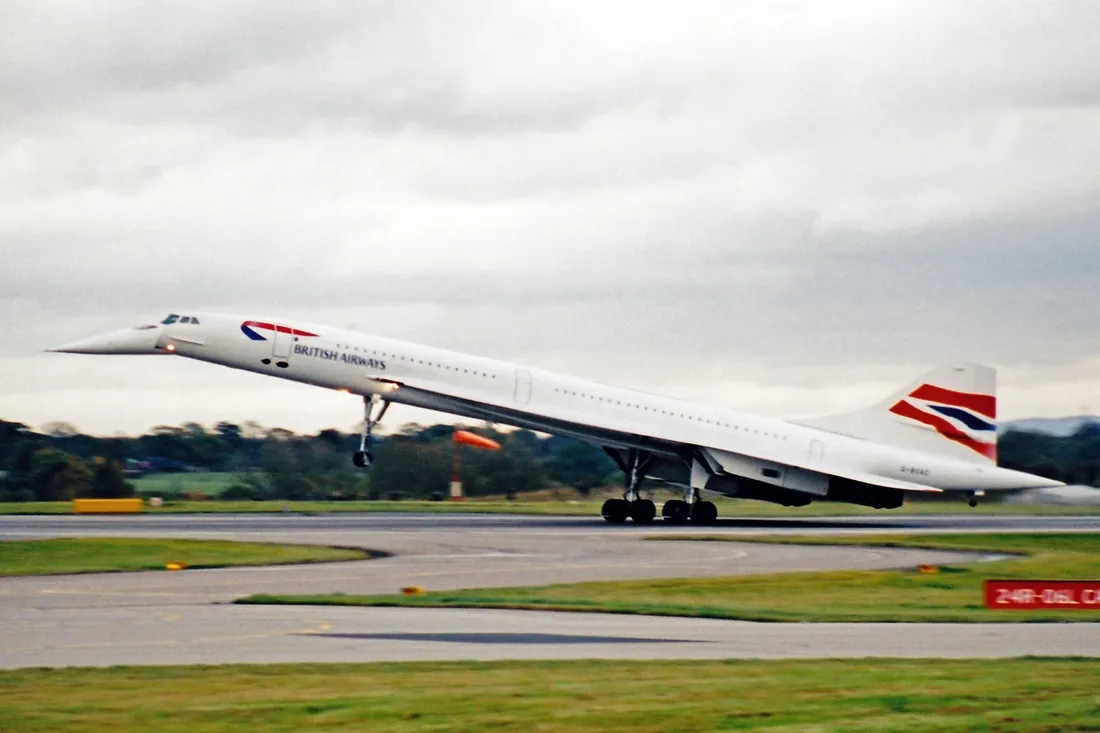
Sixty thousand feet above the ground, gliding on the edge of the freezing, pitch-black stratosphere, the eyes at the windows watched the gently bending blue curve of the earth. When that metallic body, leaving its own sound behind, broke the barrier with a supersonic bang, the sky seemed to kneel. Running above the freezing waters of the Atlantic at two thousand one hundred and seventy-nine kilometres an hour, that pure white delta wing was the monument of human intellect, of human aesthetics and of unstoppable human desire, cut not into marble but into the sky.
format_quote"Concorde was not chasing time; it was getting ahead of it."
Hasan Bekmezci
High watchmaking exists entirely by the breath of a master, far from the noisy and sterile world of series production. In the Andersen Genève atelier time is not merely a unit to be measured but a living material, carved, shaped and given a soul. The craftsmen who gave life to this piece cut off the noise of the outside world altogether and descend into the most private layer of the metal.
The flowing lines of the case and those nostalgic, elegant lugs lie beyond any industrial choice. The thirty-eight millimetre platinum case is made by hand in the house’s own casemaking atelier in La Chaux-de-Fonds; each lug is made and polished separately and then soldered to the case one by one. Their shape comes from the teardrop lugs of the Communication of 1990, the first watch the house ever made in series. There are two crowns recessed into the flanks: one sets the time, the other turns the ring of cities around the dial. For this watch is the classical worldtimer that Andersen Genève brought back to fine watchmaking in 1990; inside, a house-made module only nine tenths of a millimetre thick, developed by Svend Andersen for that first Communication, sits upon a reworked vintage movement. The maker, in designing this piece, does not simply produce a watch; he turns a mechanical object into a love letter written to the maddest courage mankind ever showed in the sky.
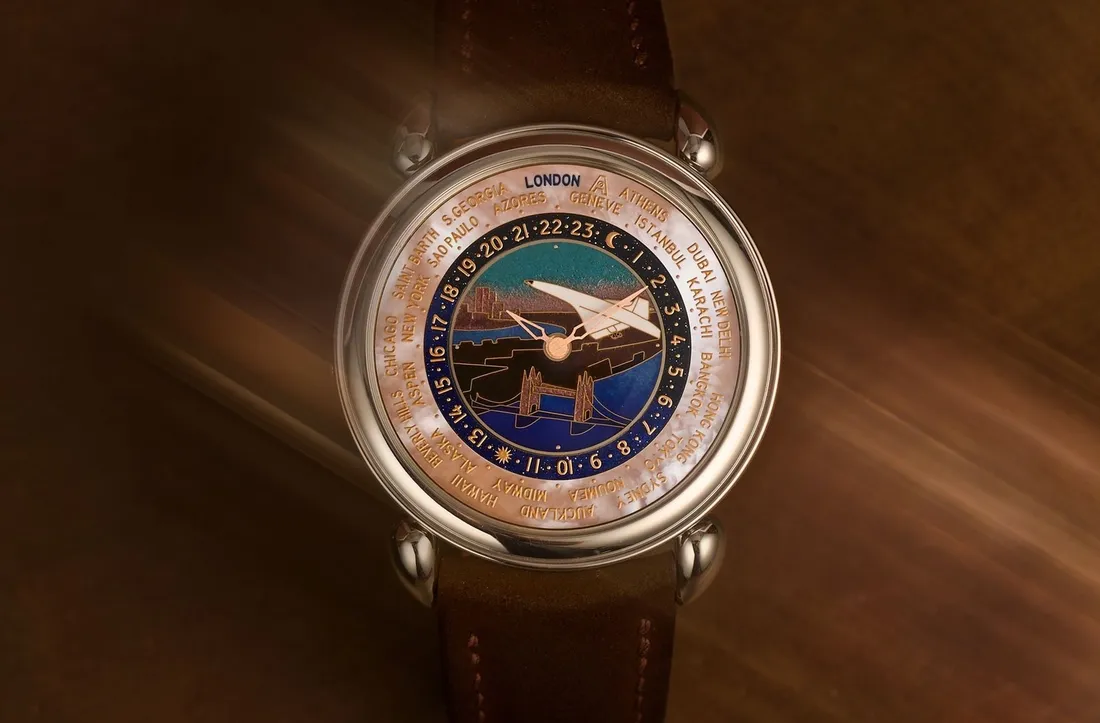
In high watchmaking a dial is not an ordinary surface or a cold matrix of numerals on which to read the time; it is an epic the master writes upon the metal, holding his breath beneath a magnifier. The micro architecture of this dial is woven with a wealth of detail the human eye struggles to take in.
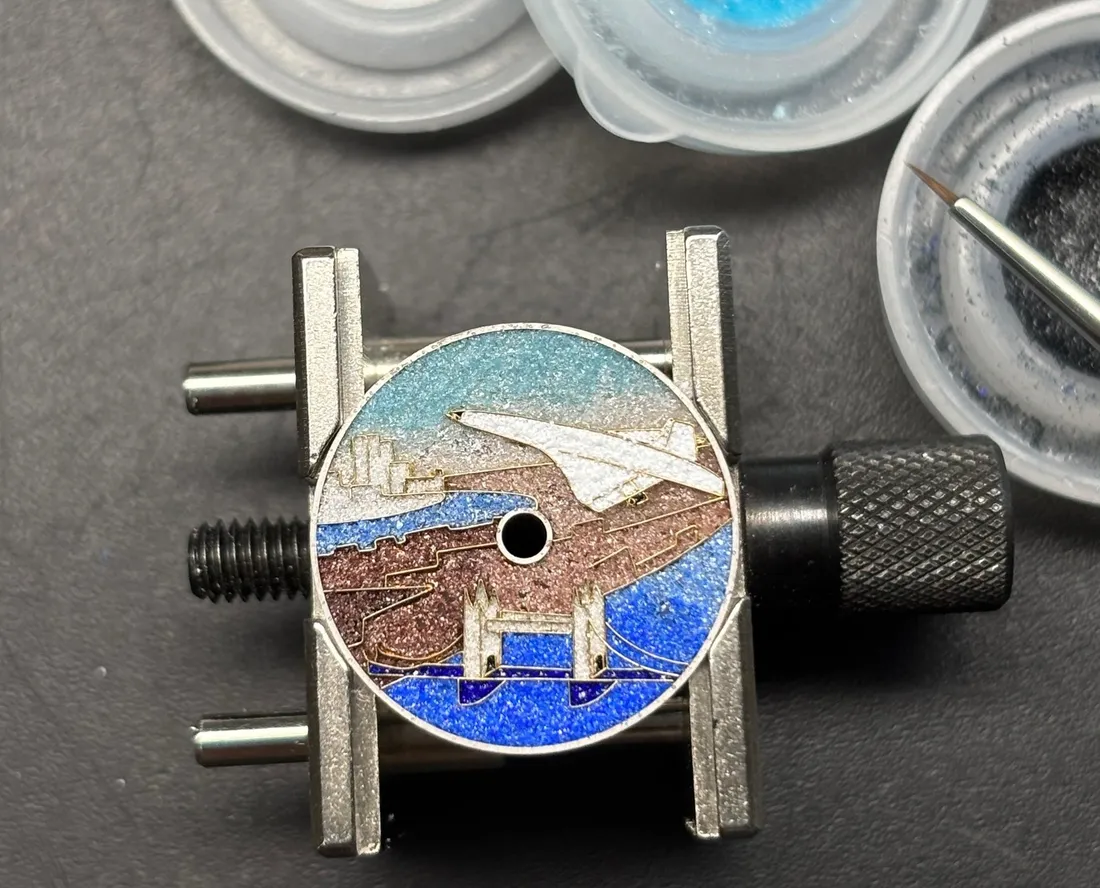
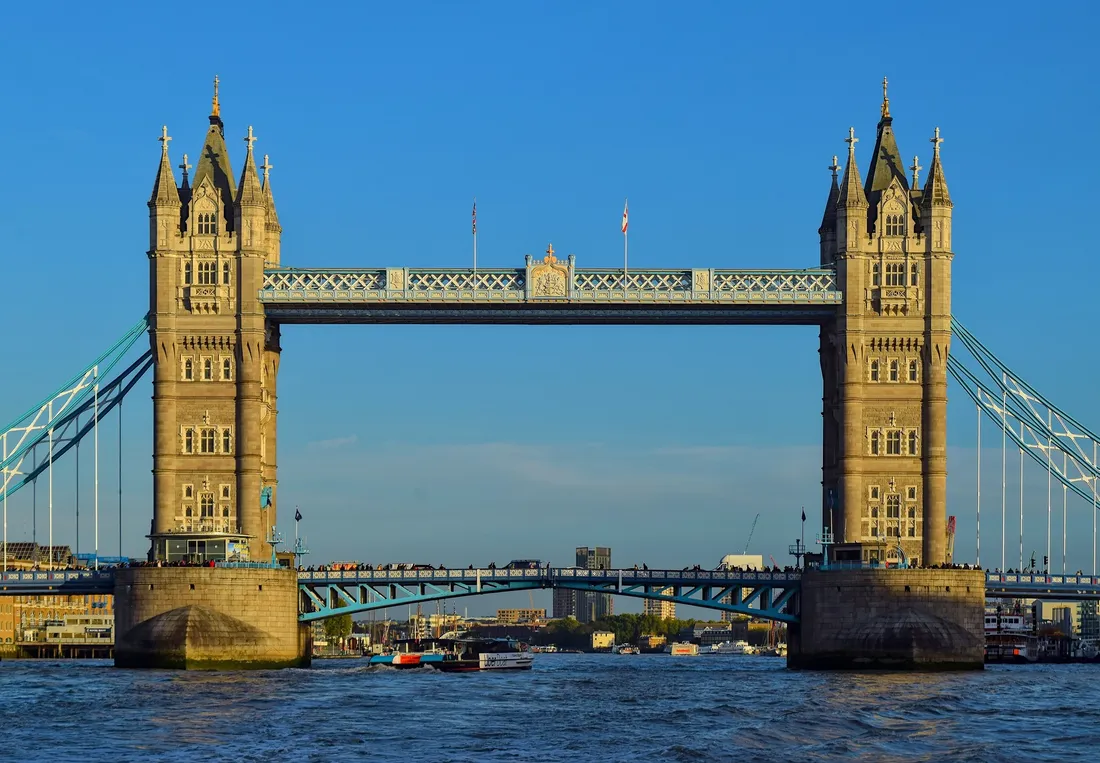
In the lower part of the dial rises Tower Bridge, one of the best known silhouettes of London. But it is not a relief carved into metal. The whole scene is made in cloisonné enamel on a disc just eighteen point three millimetres across: the enameller bends gold wire thinner than a hair by hand to trace every outline of Concorde, of the bridge, of the skyline and of the bends of the Thames, then fills the cells between those wires with enamel paste and fires them in the kiln, layer upon layer. Straight wires are the hardest of all to keep true in the heat, and the skill of this dial lies exactly there.
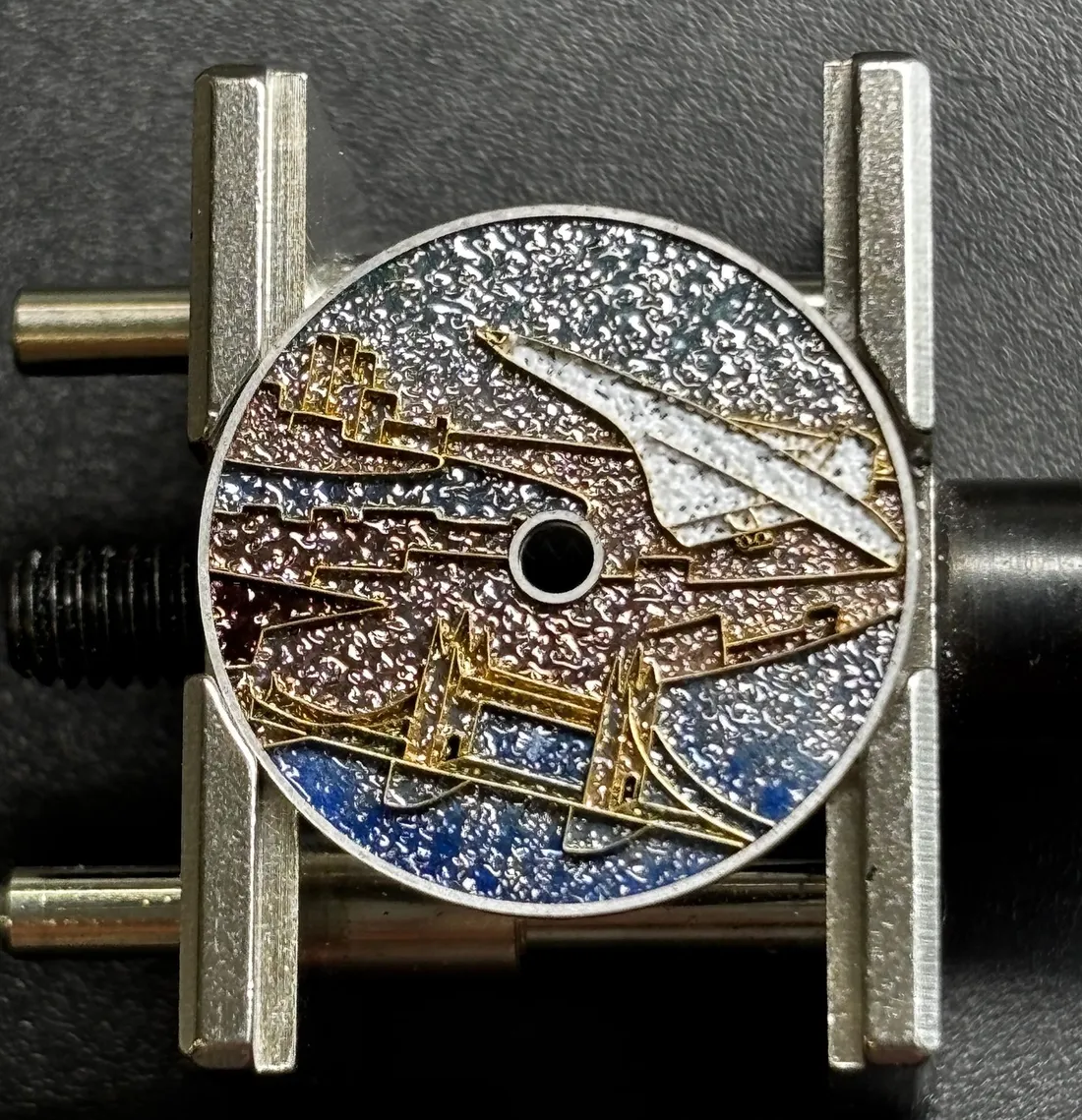
In the upper right of the dial the legendary Concorde, cutting through the freezing blue of the stratosphere, is placed as though it might break the sound barrier and shoot away at any moment. The aerodynamic sharpness of its body comes out of the bend of a single gold wire.
The undulating texture across the ground of the dial is no flat coat of paint either. The enamel deepens by one layer with every firing, and only in that way does the colour settle. The twenty-four hour ring is made of aventurine and glows lighter across its daytime half thanks to the white mother-of-pearl beneath it; the city ring is brown mother-of-pearl, tinted on its underside to catch the tone of the sunrise. The names of the cities are printed in raised rose gold, and London alone is in blue. The enamel harmony of navy, of night blue and of warm earth tones brings the dark tones of the ground and the endless blue of the sky together within the same millimetric field.
format_quote"Some objects show only the moment; others carry the breaking points of history to the wrist."
Hasan Bekmezci
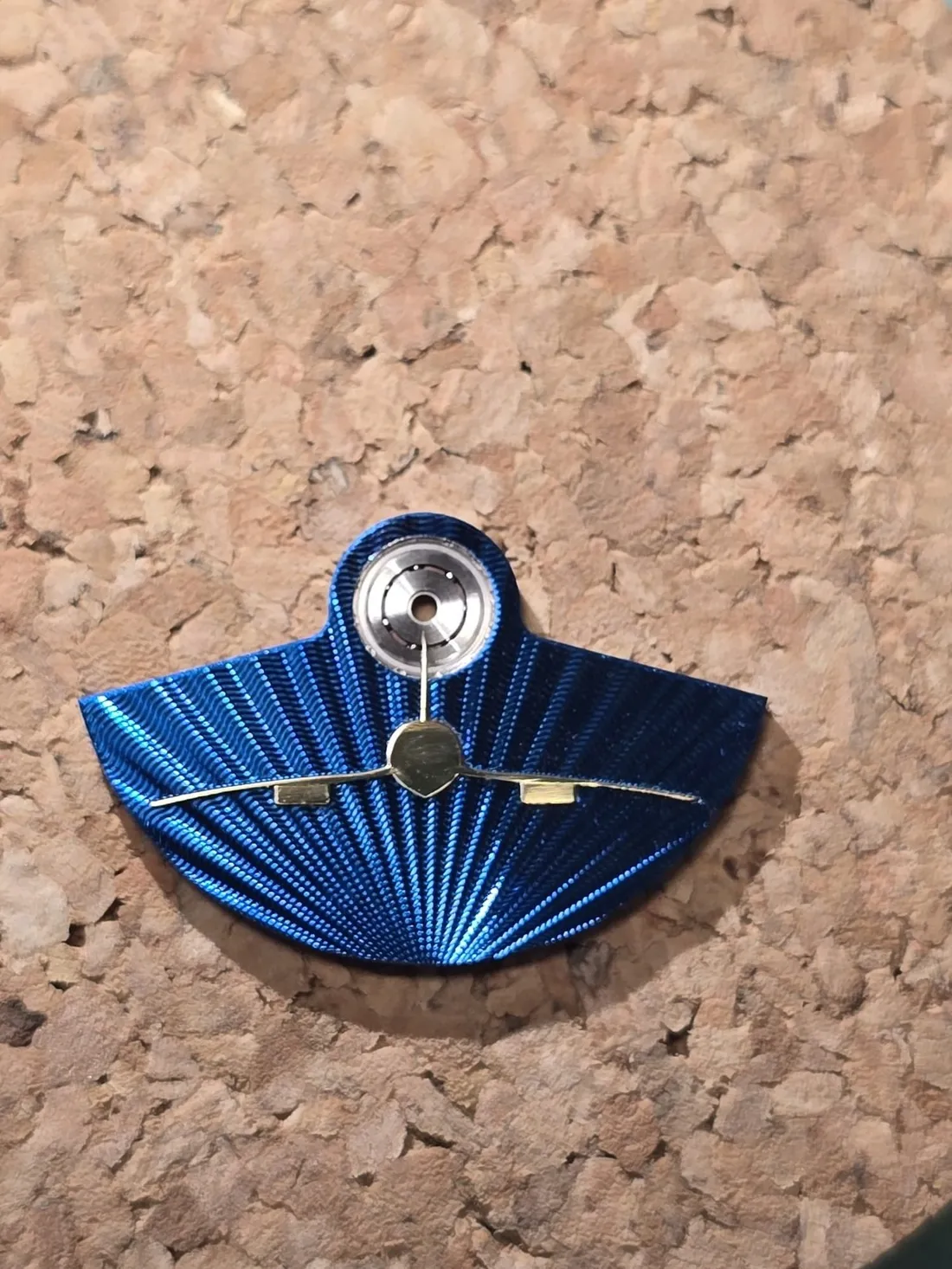
The twenty-one carat BlueGold rotor turning at the back of the watch recalls the most private moment of a Concorde flight, that enchanted border of the stratosphere. BlueGold is an exceedingly rare material obtained by melting pure gold with iron and putting it through a particular heat treatment; Andersen Genève brings out that colour in its own Geneva workshop by heating the gold in a kiln. A wave-form guilloché is worked across the surface of the rotor, and at its very centre a relief of Concorde, seen head-on, has been carved. Every time that rotor turns we remember the deep navy sky Concorde saw at sixty thousand feet in the freezing depth of the stratosphere. As the wheels tick, the rhythm of those supersonic engines crossing the Atlantic echoes in the heart of the watch.
This philosophical bridge between the fluency of Concorde in the stratosphere and the micro-mechanical craft of Andersen Genève is a deep signature laid between horology and the history of flight. Just as Concorde broke the comfortable and safe limits of the aviation world and passed through the sound barrier, so Andersen Genève stands for the freedom of independent craft, beyond the limits of the great watch groups, of series production and of stock design. Both worlds are the work of a radical courage.
A second kinship is made in heat. When Concorde reached cruising speed the friction of the air heated its nose to about a hundred and twenty-seven degrees, the fuselage grew by close to twenty centimetres and shrank again once the aircraft had landed; even its white paint was specified so that it could radiate exactly that heat away. The twenty-one carat BlueGold of the rotor, like that metal expanding at high temperature, takes on its mesmerising navy tone by being heated in a kiln.
format_quote"Both worlds are the work of a radical courage."
Hasan Bekmezci
A piece that only a limited number of people on earth will carry on the wrist is a revolt against the monotony of series production. Twenty will be made in all, and the price has been announced as fifty-four thousand eight hundred Swiss francs. This is the second watch in which the house has brought Concorde onto a dial, and the first in which a group of collectors was invited into the design. Just as the Concorde flights were an unrepeatable, singular revolution of the sky, so this watch is the truth of an unrepeatable moment in the history of horology, shut inside a case.
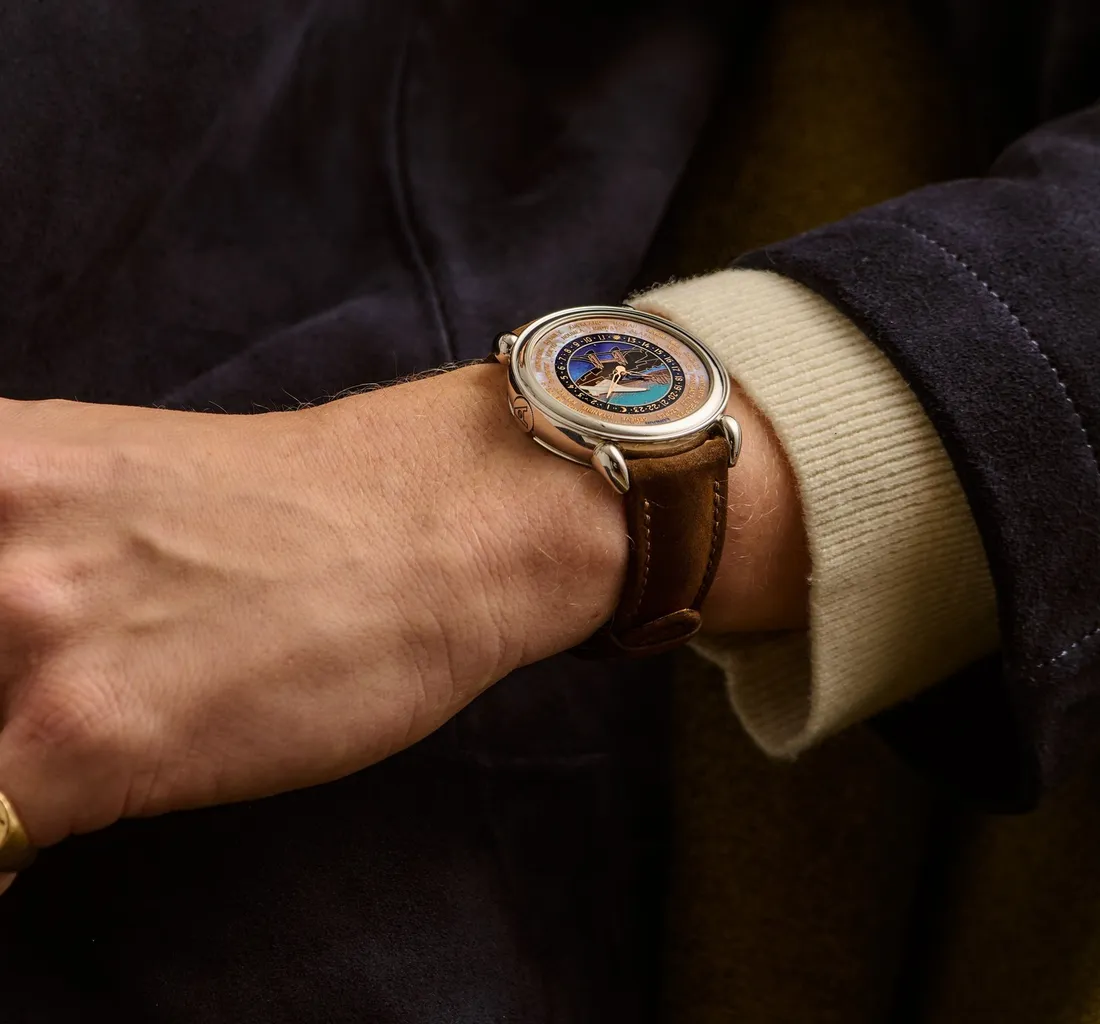
The Andersen Genève Communication 45 Supersonic London is an absolute masterpiece that pushes the limits of traditional watchmaking and brings the history of flight and the art of mechanics together beneath one dial.
If, in the middle of daily haste and ordinary flow, you wish to carry on your wrist the spirit of that pure white celestial spear crossing the sound barrier, the flawless handwork of independent watchmaking and a vision that redefines time, then this watch is the most elegant signature ever thrown at time and at the stratosphere.
The watch in the words of its maker: Andersen Genève, Communication 45 Supersonic London