Through the whole history of humanity the question that has pressed hardest on the mind and the conscience, caught between the two most basic truths of existence, is this: how free is a human being in their actions?
On one side a divine power that encompasses everything, infinite and absolute, or the cosmic determinism put in its place; on the other the responsibility a person feels inwardly, the pangs of conscience and the capacity to choose. The effort to hold the balance between these two truths has laid the ground for the most heated arguments in the history of thought. Social peace, the consequences of our actions and the duty to do the most good rest directly on the moral worth of these choices of ours.
To take hold of a subject this knotted, and this taut as a steel cable, let us open the door with a few simple scenes.
You are in an enormous tower block. The lift motor has mechanical and electrical power enough to carry tonnes of weight and the whole cabin many metres upward. You, meanwhile, reach out a finger and press the button for the fifth floor. That movement of your finger is a small inclination that could not by itself stir the lift at all. What takes the lift up is not the strength of your finger but the great motor behind it. And yet the architect of the building set the system up so that however powerful the motor is, it does not move until you press and incline towards it. The enormous result has been made conditional on your small act of turning and pressing.
So where does the responsibility lie? If you press the button for the dangerous floor and the lift carries you there, you cannot say what did I do, it was not I who carried myself there, it was the great motor behind, I only touched a small trigger. The power may be in the motor, but the choice that settles on a harmful direction, and the responsibility for it, are entirely yours.
format_quote"The power may be in the motor, but the choice that settles on a harmful direction, and the responsibility for it, are entirely yours."
Hasan Bekmezci
At the head of a plain stands an enormous dam. Millions of tonnes of water have gathered behind it. You are a farmer down on the plain turning a small valve. Your wish to turn the handle, and the move you make, are a tiny movement of muscle, an intention and a choice. The force that waters that whole plain, or ruins it, is not the muscle of your arm but the physical power of tonnes of water.
The setting is in the hand of the human being. Turn the valve wheel to the right measure and the field is watered exactly as much as it needs, turns green and gives life to the plain. Turn the handle too far, past the limit, and the vast body of water behind it runs uncontrolled and floods the whole valley. You are not the one who made the water and you are not the one who holds that power; but the one who gets the setting of the valve right, and so causes either good or catastrophe, is your inclination.
Now let us go out into the street. A tragic accident happens: a driver who should have stopped at a red light presses the accelerator and goes through, striking and killing someone who is crossing at that moment. The event raises a shattering question in the mind: if the driver had stopped at the red light, would that person still have died, or would they have lived? Did the driver, by this act, shorten that life, or would the appointed hour have been the same in any case?
That question is the knife edge where human responsibility meets divine decree.
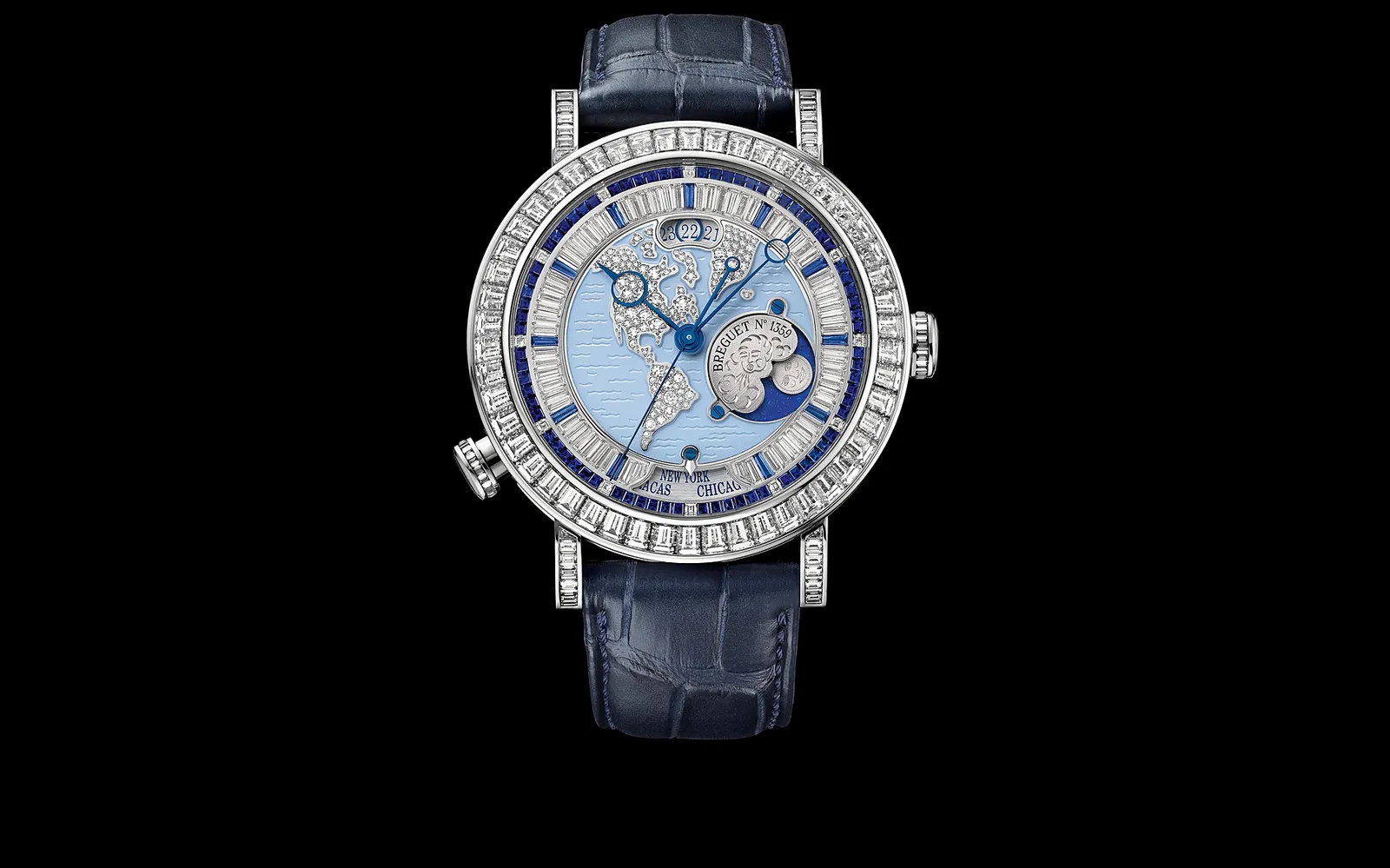
In that historic hall in Baghdad, around the Breguet Classique Hora Mundi standing in all its splendour on the table, it is not only the theologians who take their seats this time but the giants of Western philosophy, the theorists of physics and the pioneers of neuroscience.
Beside the four schools of kalam, Baruch Spinoza, Immanuel Kant, Jean-Paul Sartre, Benjamin Libet and Werner Heisenberg are arguing over that car at the red light and over the freedom of the human being.
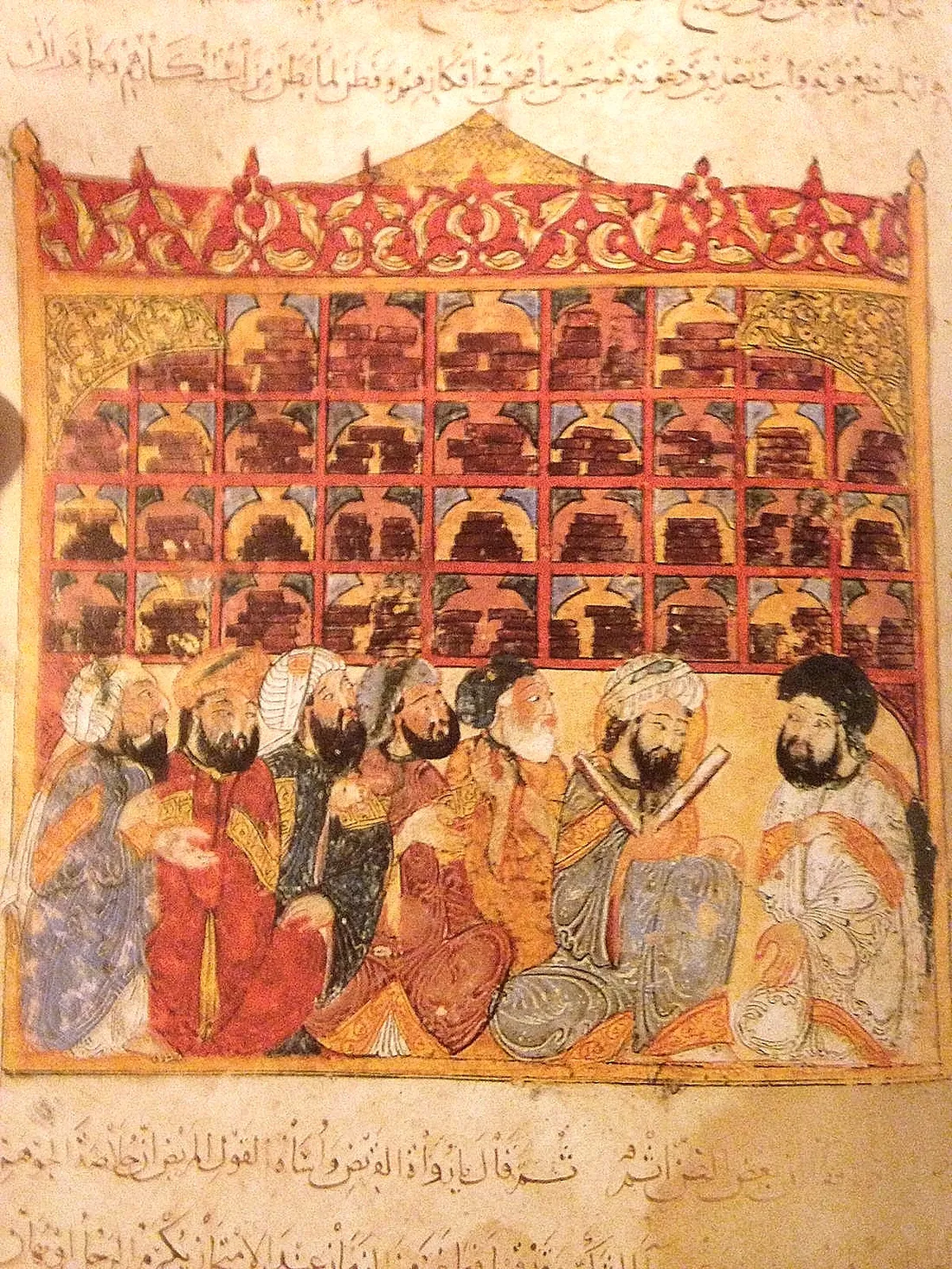
The representative of the Jabriyya school speaks first. Friends, he says, a human being is a leaf tossed before the wind. The driver pressing the accelerator and the pedestrian crossing at that moment are both entirely a divine necessity. Even had the driver stopped at the red light, that person would have died whatever happened. The appointed hour is one, and it does not come late. The driver is an innocent extra.
Baruch Spinoza, beside him, supports those words with philosophical determinism. I agree with my friend from the Jabriyya, he says. The universe is a single substance and everything is bound by a rigid chain of causation. If a stone thrown into the air had consciousness, it would believe it was flying of its own will and falling of its own will; that is exactly the example Spinoza gives in one of his letters. The driver likewise believes he pressed the accelerator of his own will; but he is a puppet of the eternal laws of the universe. Even had the car stopped, universal causation would certainly have brought that person to their end by another road.
Against this rigid determinism the Mu’tazila school objects furiously. A barren sophistry, it says. The Creator is just. Had the driver stopped at the red light that person would not have died, they would have gone on living. The driver, by his own free will, pulled the appointed hour forward and created the death himself. He is a murderer.
Jean-Paul Sartre, the father of existentialism, backs him. My friend the theologian is right, he says. In a human being existence comes before essence. A human being is condemned to be free. No destiny, no law of nature and no decree can take a person’s responsibility off their shoulders. The driver cannot deceive himself by saying it was my fate; that is called bad faith. By pressing the accelerator at a red light the driver chose both that killing and his own essence entirely himself. Had he stopped, the pedestrian would certainly have lived.
From the modern science side of the table the neurobiologist Benjamin Libet joins in. Look at my brain research, he says. In my experiments I saw on the EEG that about five hundred and fifty milliseconds before a person presses a button, a readiness potential forms in the motor cortex; and yet the subjects report noticing the urge to press only about two hundred milliseconds before the movement. Which is to say that the unconscious mechanism begins its preparation roughly three hundred and fifty milliseconds before the conscious feeling of I am pressing the accelerator.
The hard materialists took this for an absence of will, Libet goes on. But they skipped something. Even once the brain has started the electrical signal, consciousness can step in during the last hundred to two hundred milliseconds before the act and stop it. In neuroscience we call this free won’t, the right of veto. Even if the brain starts the inclination to press the accelerator, a person’s consciousness has the power to brake, to say stop, the light is red. Which is why the driver could have prevented himself from pressing; biologically and legally he is responsible in the full sense.
Then Werner Heisenberg, the pioneer of quantum physics, takes the floor. Spinoza and classical physics are wrong, he says. Laplace’s demon, which knew everything in the universe in advance, is dead. In the subatomic world the uncertainty principle holds. Nature does not work like a rigid billiard table; there are waves of probability. Until you make a measurement the particle is a set of possibilities.
But do not draw a human freedom straight out of this, Heisenberg adds. The uncertainty principle unlocks the door; it does not open it. A die that falls at random is not free either. All I am saying is this: to say he would certainly have died anyway is not an answer physics can give. The system is not one locked future. Freedom itself is a matter not for physics but for ethics and for kalam.
After all this philosophical and scientific storm the Ash’ari school speaks. Spinoza and Sartre run to extremes, it says. Whether the pedestrian would have lived had the driver stopped at the red light is unknown to us; we cannot know. Only God knows the unseen. The driver did not create the death from beginning to end, but he is responsible because he inclined towards an evil act. As we see it, even the power of human will is something brought into being at the moment of the act.
Immanuel Kant agrees with him. Pure reason, which is to say the physical world, is deterministic; causation works, as Libet says. But practical reason, which is to say the moral world, requires freedom. If a human being is a moral being they must have a consciousness of duty. You ought, therefore you can. The driver was obliged to stop at the red light. What would have become of the pedestrian had he stopped belongs to the noumenal world and is unknown to us; but because the driver trampled his moral duty he stands under full responsibility.
The last word goes to the Maturidi school. My friends, it says, the sages of East and West have lit our assembly. Though we join the Ash’ari school in answering that it is unknown, we part from them on the wisdom behind that answer and on the human will. The Ash’ari school presses the will into the moment of the act; we say that a human being has an independent partial will that exists before the act as well. And reason, even with no religion and no law at all, can grasp in itself that taking a life is an evil act.
Let us seal the truth with the scene of the Architect and the key to the palace. It is the Architect who built the enormous palace and laid down the laws of physics. The partial will given to a human being is a small key in their pocket. The key alone cannot bring a palace down or rewrite the physics of a car. But the Architect laid down the rule like this: the opening of the door of catastrophe, or of safety, depends on the turning of that small key.
The driver had the keys of brake and accelerator in his pocket before he pressed. He used the key in his pocket to open the door of social ruin. The appointed hour is one and cannot be brought forward. What would have happened had he stopped is unknown to us; but because the driver trampled a moral and a legal rule by his own free will, the whole liability is his. This is the middle road where reason, revelation, science and conscience meet.
format_quote"You are not the one who made the water and not the one who holds that power; but the one who gets the setting of the valve right is your inclination."
Hasan Bekmezci
Though both schools meet at the point that the future is unknown to us, they part along a sharp line in the philosophy behind that and in the role they give reason.
The first difference is the timing and the existence of the will. For the Ash’ari school a person’s power and will are created at the very moment the act takes place; there is no independent power of will standing ready beforehand. That power of choice was created in the instant the driver pressed. For the Maturidi school there is an independent potential of choice in a person before the act as well; the driver had the authority to choose between brake and accelerator before he pressed, and the act was created according to that choice already in place.
You can see it in a steering wheel. From the Ash’ari side, the power to turn is created in the second you choose to turn right on the road; a second before, you hold no independent power to turn. From the Maturidi side, the wheel is already waiting in your hands: you turn it by your own independent will, and the great engine behind carries the car.
The second difference is whether reason can find good and evil by itself. For the Ash’ari school, running a red light and hitting someone is evil because it has been forbidden; without revelation and law, reason could not declare on its own that it is certainly evil. For the Maturidi school, putting a human life in danger is evil in itself; even with no religion and no law a human mind can find this by its own grasp, and religion and law confirm that truth.
You can think of it through a dish of food. From the Ash’ari side, a dish counts as delicious because the authority said it is delicious; if the authority says it is bad, it is bad. From the Maturidi side, a flavour or a poison is already present in the food itself; anyone with a tongue and a palate can tell whether it is delicious or poisonous before the authority has spoken at all.
The scholars in the assembly agree that the most balanced line, the one that serves the public good and justice by defending human responsibility and human reason most strongly, is the Maturidi line.
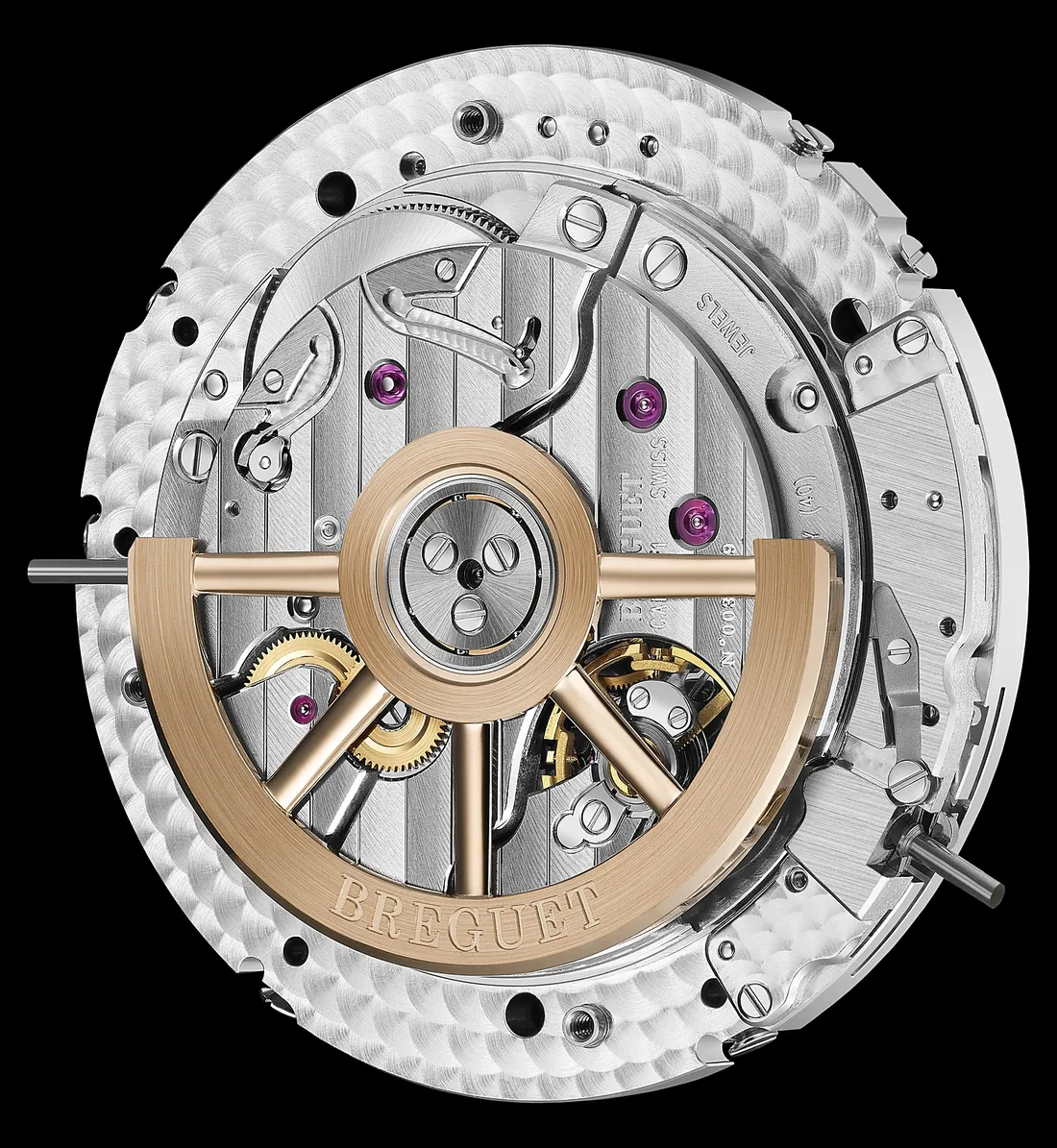
That principle the theologians, the philosophers and the scientists were arguing over, the meeting of an infinite power with a small inclination, takes concrete form in the Breguet Classique Hora Mundi 5719 standing on the table.
In the relation between the mechanical power it holds and a single micro touch from its wearer, this watch is a horological showing of the balance of inclination and power. On an ordinary world timer you have to turn the crown a long while to change city. On the Hora Mundi, pressing the pusher at eight o’clock is like turning the key to the palace. That small inclination applied by a finger triggers the memory inside the watch.
The wearer’s small touch does not run the watch by itself; what comes into play is the energy already gathered in the mainspring of the calibre 77F1. By that energy the hour hand, the minute hand, the date and the day and night indication jump at once, within fractions of a second, to the time of the second city, and the watch never stops. Breguet describes the arrangement as the first mechanical watch with a time zone that has a memory and an instant change.
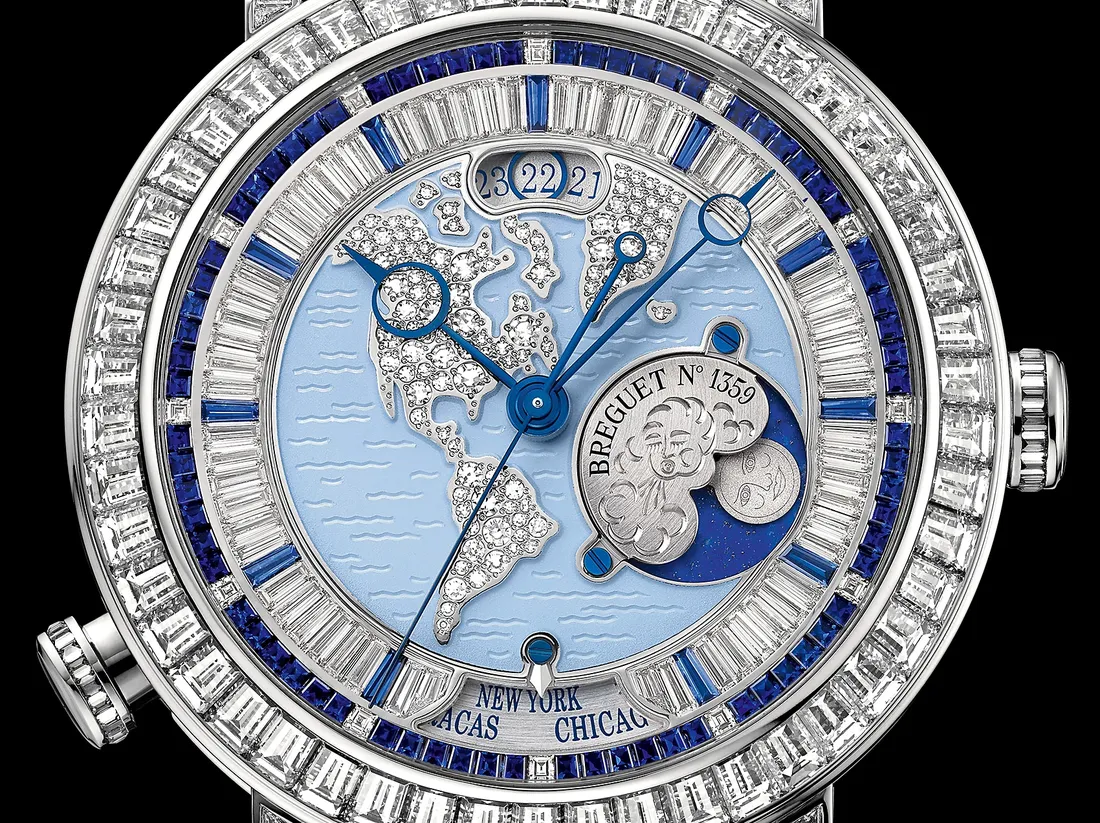
The calibre 77F1 is automatic, built of three hundred and eighty four components, runs for fifty five hours and beats four times a second. It is six millimetres thick and thirty six millimetres wide; its balance is Breguet’s own and its balance spring is flat silicon.
The names of twenty four cities and the date ring from one to thirty one sit beneath the dial, on the movement itself. Vallée de Joux is written in red among those cities. The wearer picks two cities in advance; at each press of the pusher the watch travels between the two, and the date follows by itself.
The case is platinum, forty six millimetres across and fifteen point one millimetres thick; twenty three millimetres between the lugs, water resistant to three bar. The crown is not screwed, the back is sapphire, the strap is alligator and the clasp platinum.
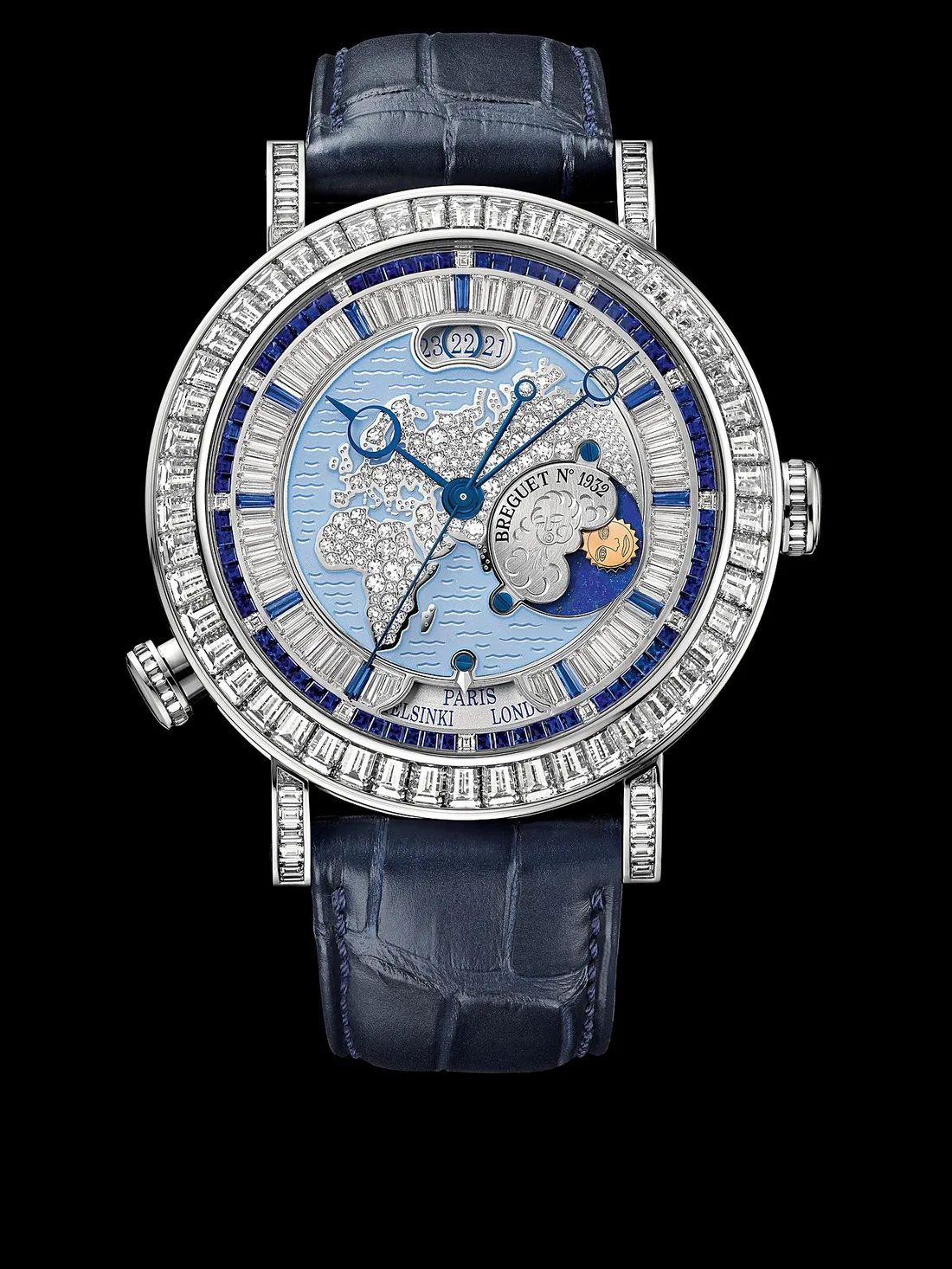
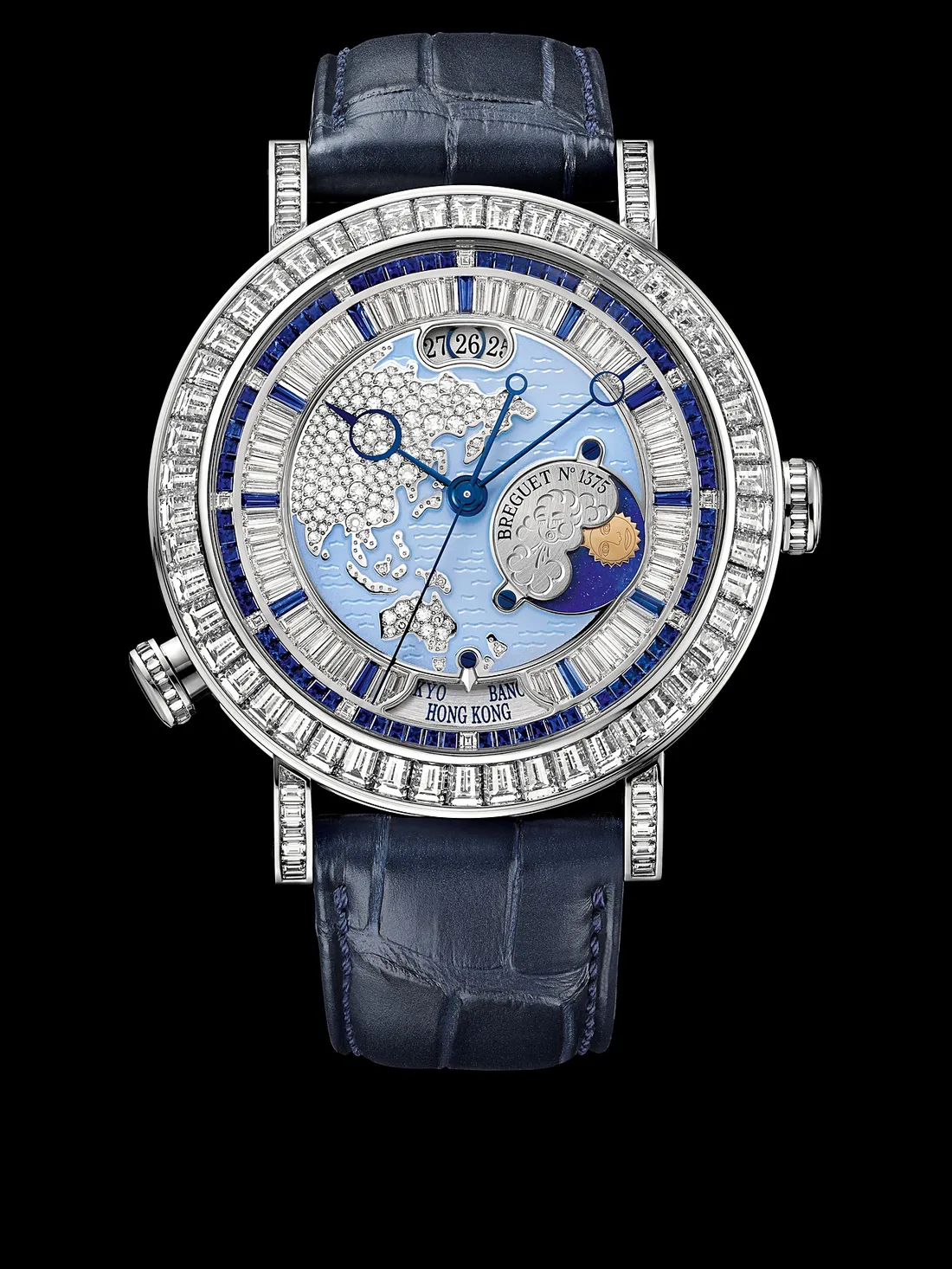
The ground of the dial is blue varnish lacquer, sandblasted matt, with the waves of the sea engraved across it. The continents are paved with diamonds. On the disc at three o’clock an engraved face of the sun turns on one side and a night sky on the other, with Breguet’s own serial number written across it.
As for the stones: a hundred and sixty six baguette diamonds on the case and forty six brilliants on the clasp. On the dial, seventy six baguette diamonds, a hundred and eleven brilliants and eighty three baguette sapphires. The stones on the hour ring, the bezel, the case band and the lugs come to more than seventeen carats. The crafts the maison lists for this model are guilloché, bevelling, perlage and polishing.
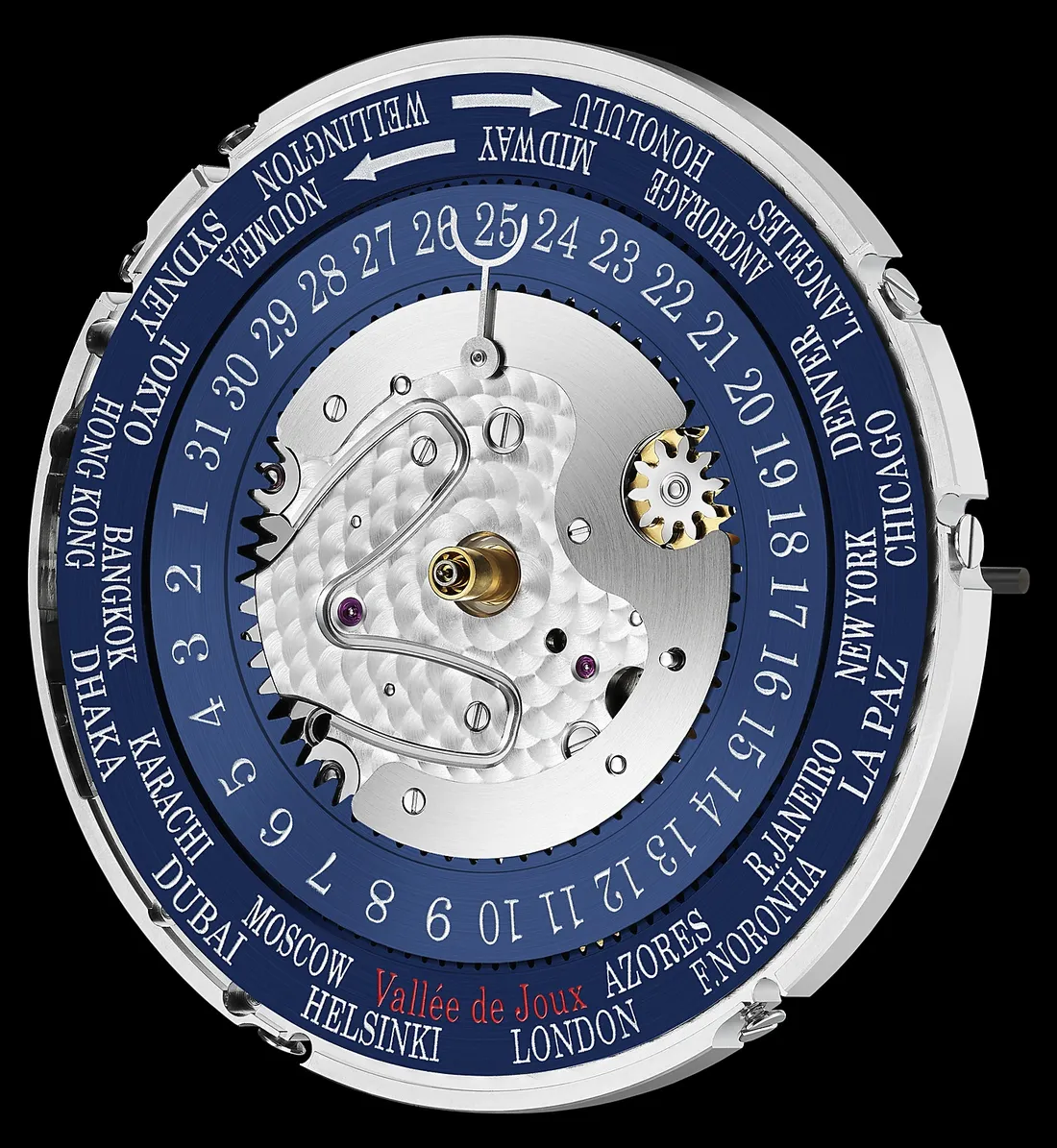
The watch is made in three executions, each carrying its own hemisphere. On the Americas model the continent of America is on the dial and New York and Chicago are written below. On the Europe and Africa model it is Europe and Africa, on the Asia and Oceania model Asia and Oceania, and the cities beneath them change too.
Which is to say that the buyer decides, before buying, which half of the world they live in. The continent that appears on the dial is that person’s own choice; it is not the watch’s.
The truth the Ancient Master of the East pointed to when he said that once this knot is untied the knot in the matter is untied too, and the truth the great minds of human history have looked for, is this.
A human being cannot say I did all of it; because the enormous physics, the neurology and the death between pressing an accelerator at a red light and the ending of a life are not made by a human being. The web of causation that Spinoza and Libet saw is real.
A human being cannot say it is not my fault, destiny created it, either; because the Creator tied that enormous act and its result to a person’s choice to carry their foot to the accelerator. The moral responsibility that Kant and Sartre defended is unavoidable.
The human will is like the key to a lock. The key itself has no power to break the door down; but the authority and the responsibility to open the door of the whole palace have been given to that tiny key.
A watch lover looking at the dial of the Breguet Hora Mundi, faced with that mechanical genius which leaps whole time zones at a small touch of the finger, remembers once again the unshakeable and delicate responsibility of their own partial will, in the universe and in society.
format_quote"The key itself has no power to break the door down; but the authority to open the door of the whole palace has been given to that tiny key."
Hasan Bekmezci
The watch on its maker’s own site: Breguet, Classique Hora Mundi 5719, Ref. 5719PT/US/9ZV DD0D