A Night Exercise in Snowdonia
There was a night exercise on the northern ridges of Snowdonia, in north Wales. As Owen Fletcher of the mountain rescue team folded his map, Dr. Hannah Voss, a human factors researcher walking beside him, dimmed her lamp and asked: "How do you read your watch in this darkness?"
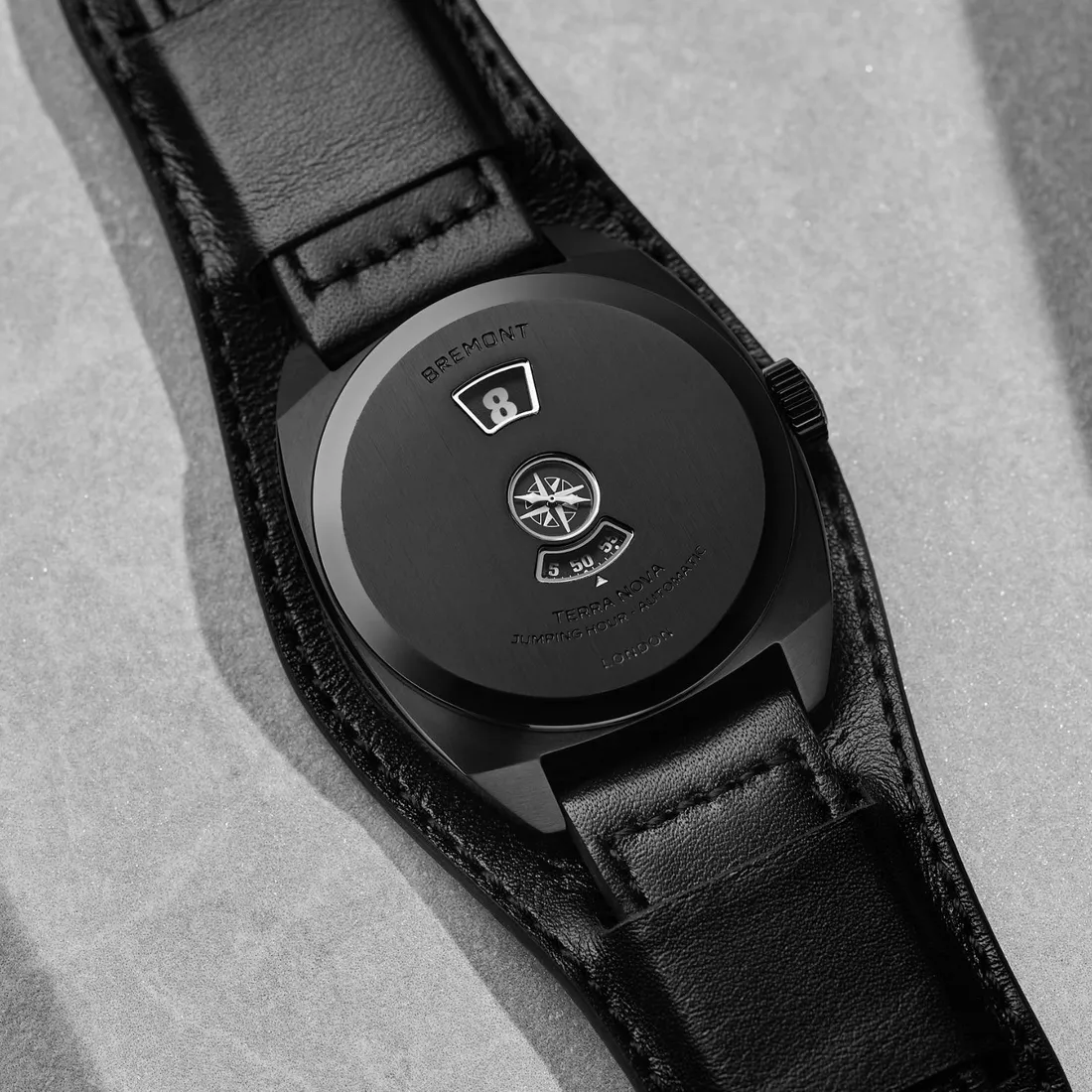
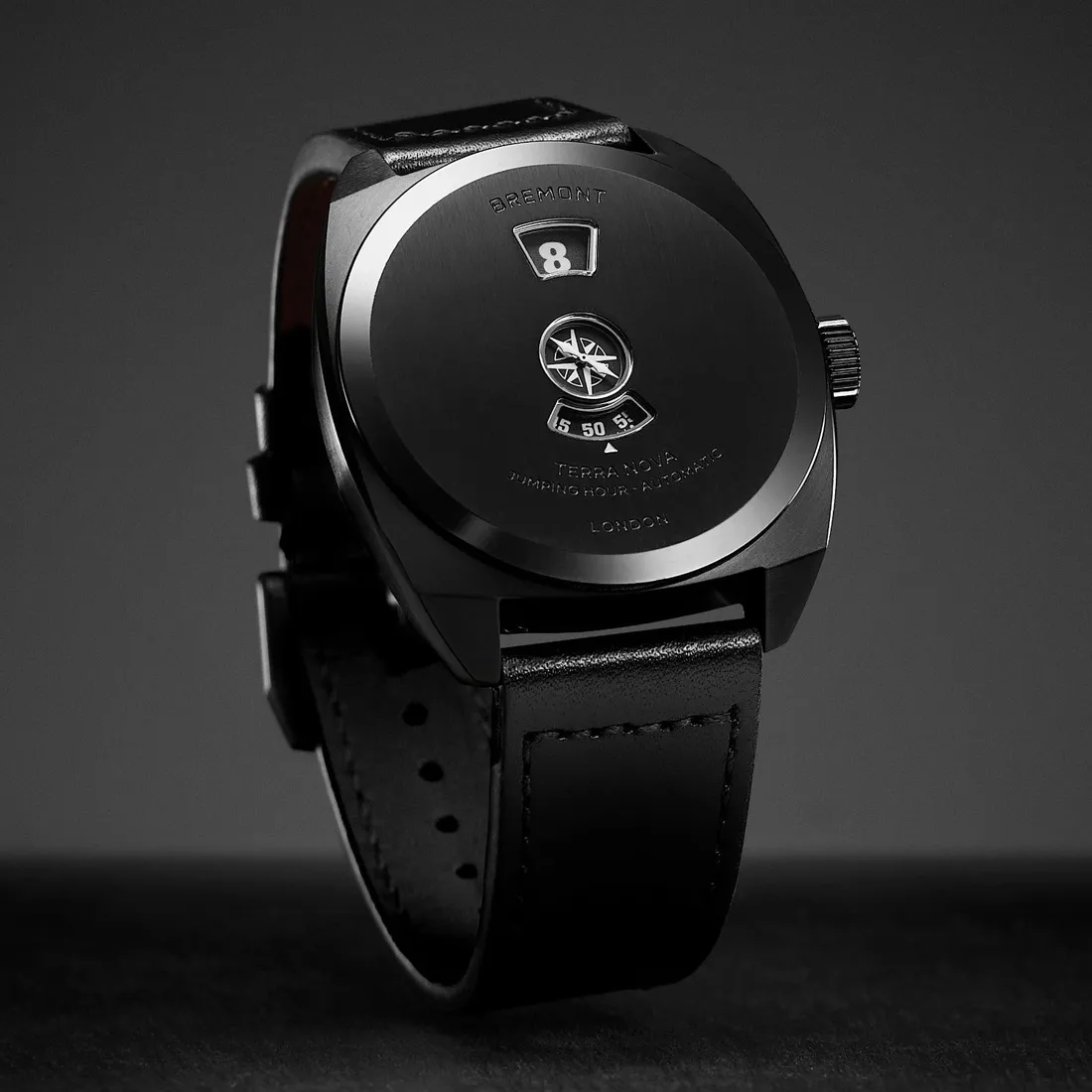
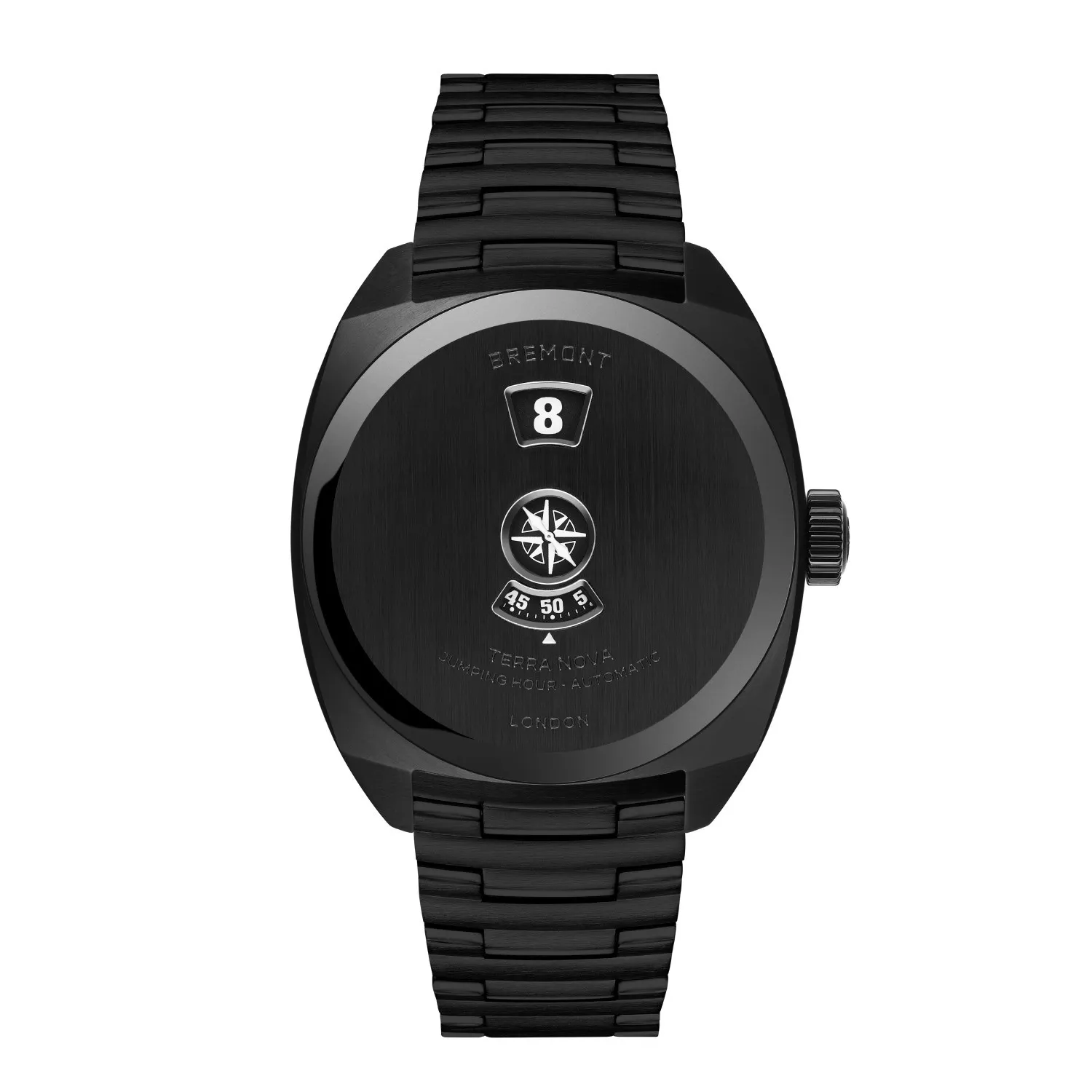
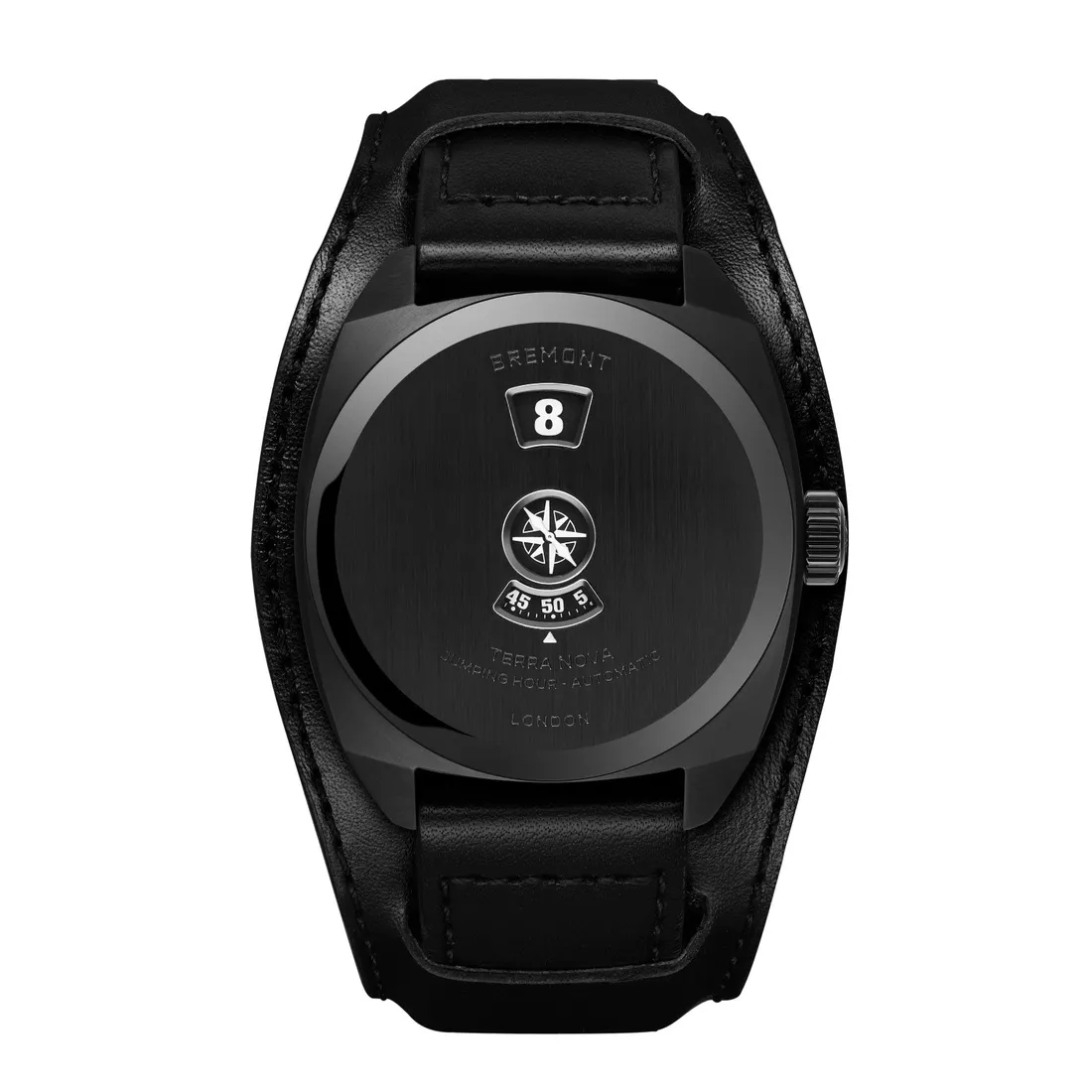
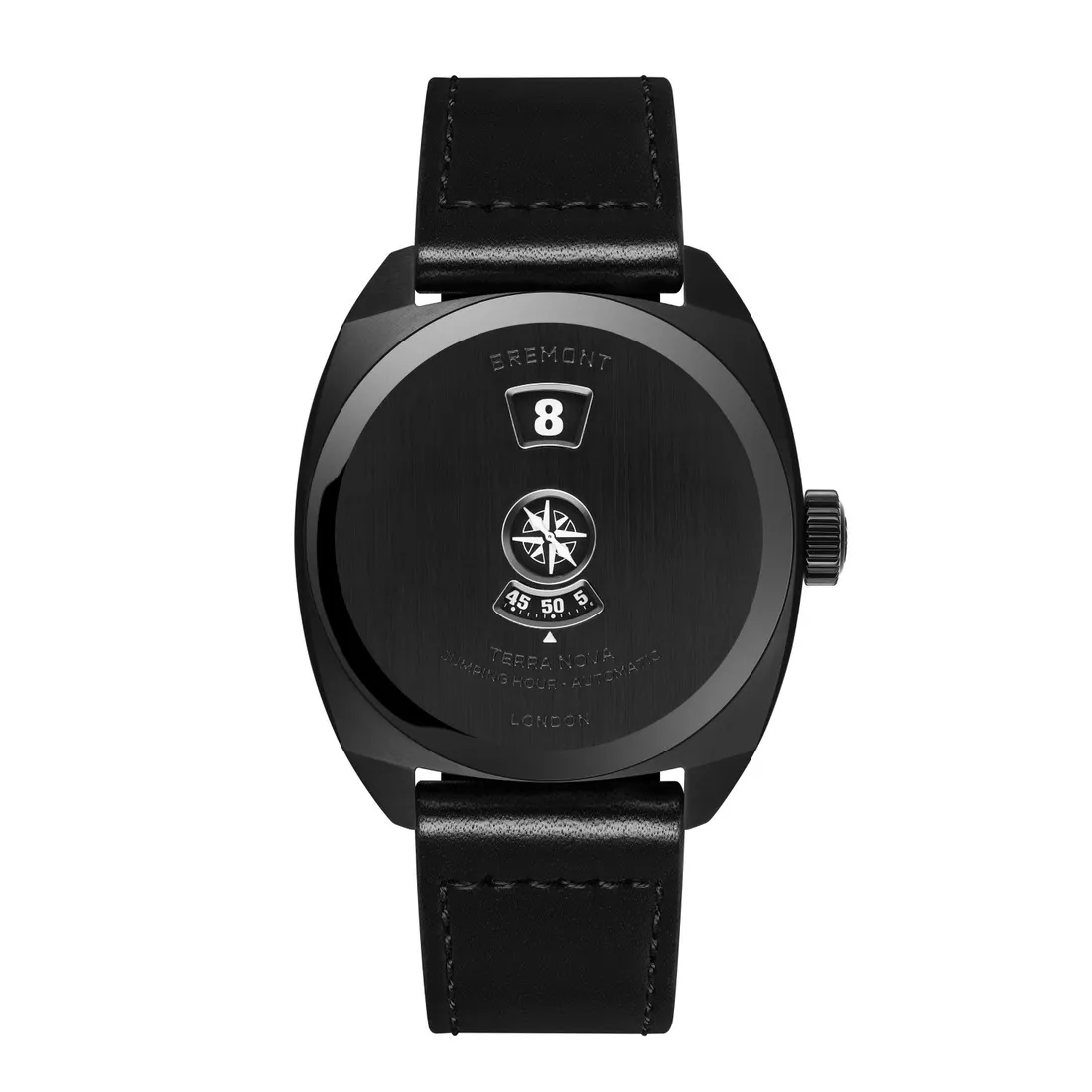
Owen turned his wrist. In a small window at the top of the dial stood a single numeral, with a minute hand beneath it: "I read the numeral. This is a jumping hour. There is no hour hand; the hour stands written in a window."
Hannah stopped: "I have only ever seen that in a display case. Does it work in the field?"
"It is very easy for a tired eye to misread an hour hand halfway through a minute," said Owen. "A numeral cannot be misread. The Bremont Terra Nova 38 Jumping Hour, Stealth Black."
Why the Numeral Jumps
"Let me ask an engineering question," said Hannah. "Making a disc turn is easy. Why is making a numeral jump hard?"
"Because jumping costs energy," said Owen. "For a whole hour a small spring is being wound, and then it releases in a single instant and the disc moves to the next numeral. The problem is this: if that release is slow, the disc stops somewhere between two numerals and at midnight you read something between five and six. In this watch the change takes less than a tenth of a second; the mechanism is designed for high torque."
"So you are buying speed in order to remove ambiguity," said Hannah. "In my field we do not call that legibility, we call it decision time. An indication is not finished when it gives correct information; it also has to close off the possibility of being misread."
"The calibre is called the BC634," Owen added. "Developed together with Sellita. A Glucydur balance, an Anachron balance spring, a Nivaflex mainspring; twenty eight thousand eight hundred vibrations an hour, twenty nine jewels and fifty six hours of power reserve."
format_quote"An indication is not finished when it gives correct information; it also has to close off the possibility of being misread."
Dr. Hannah Voss, human factors researcher
Why Entirely Black
Hannah touched the case: "Is that coating only for the look?"
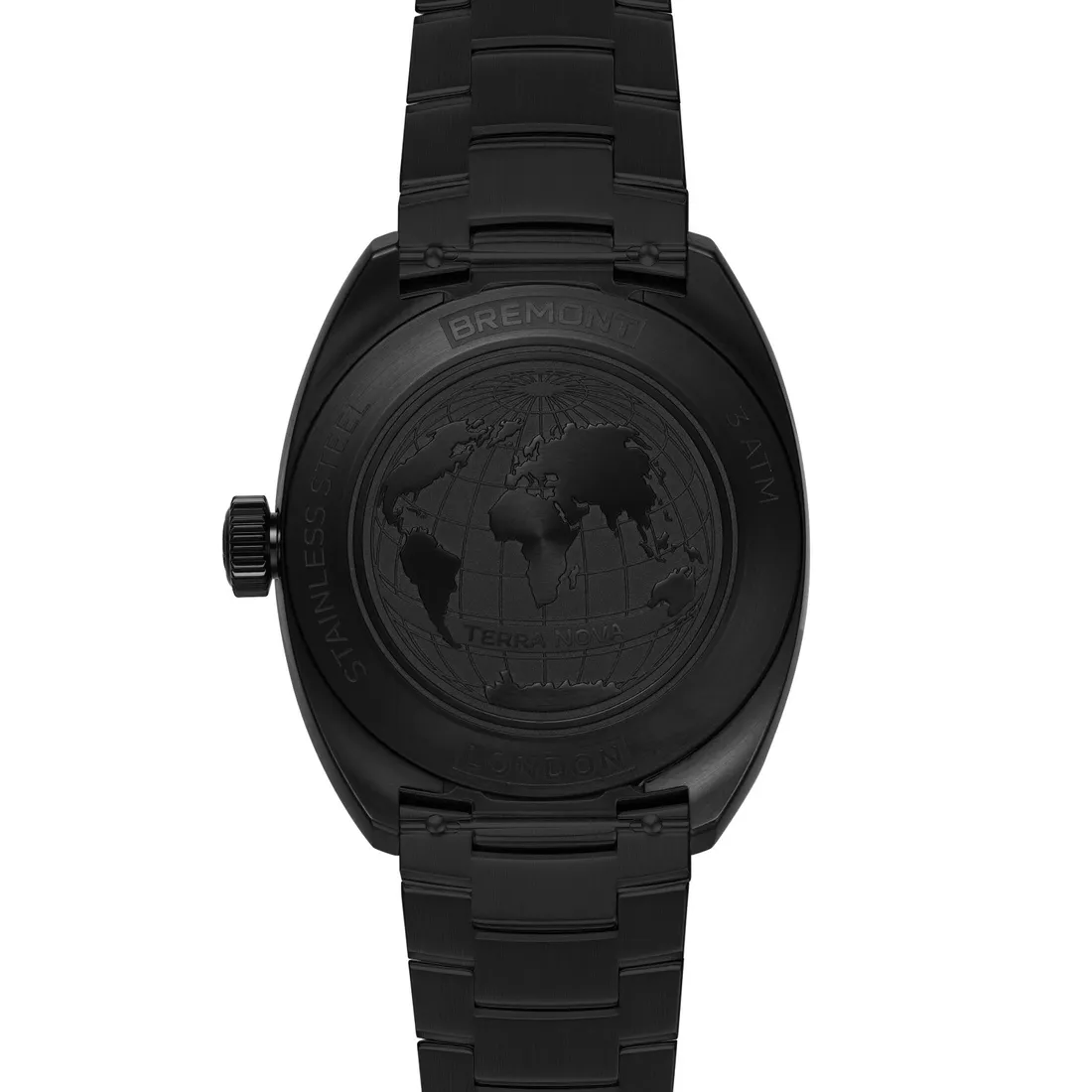
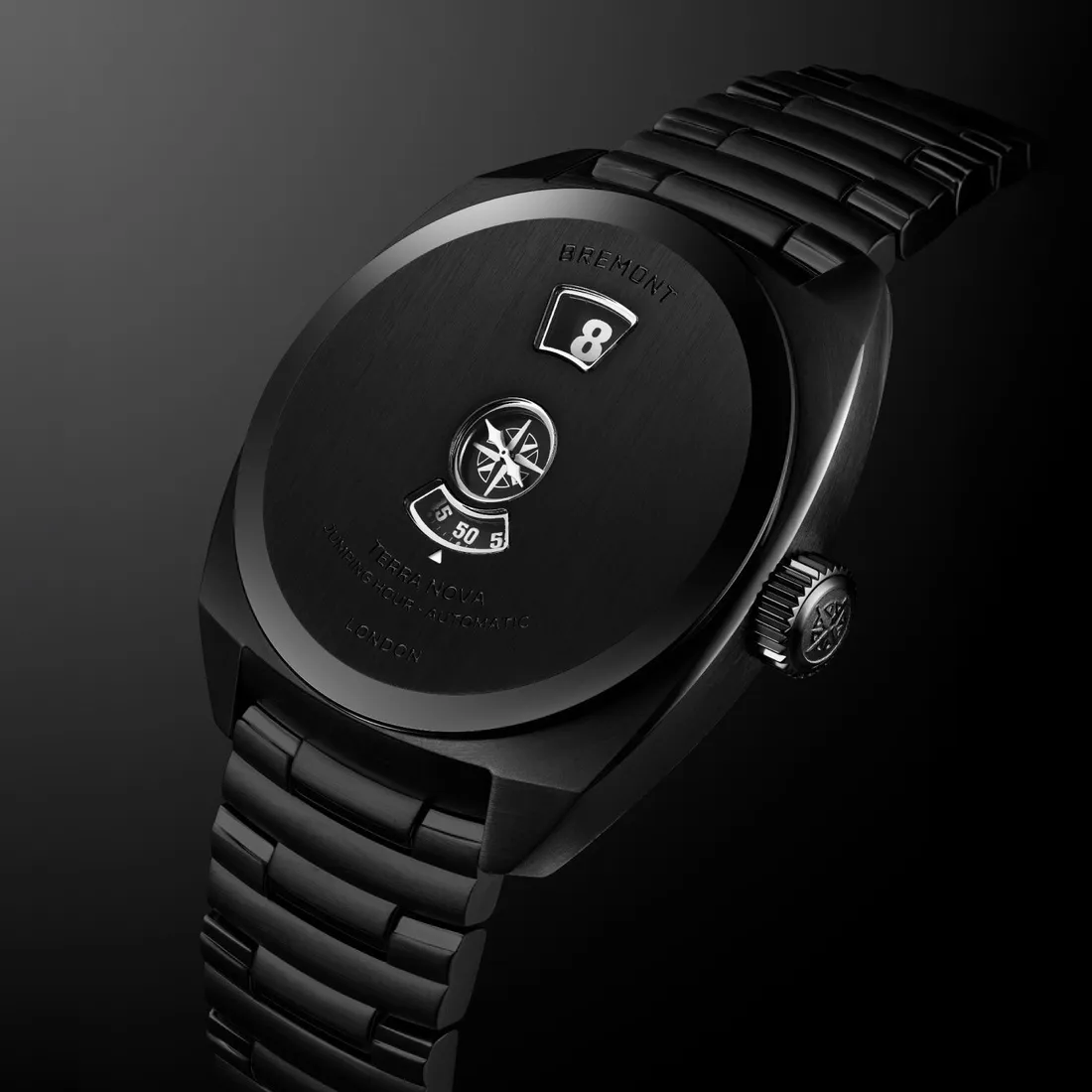
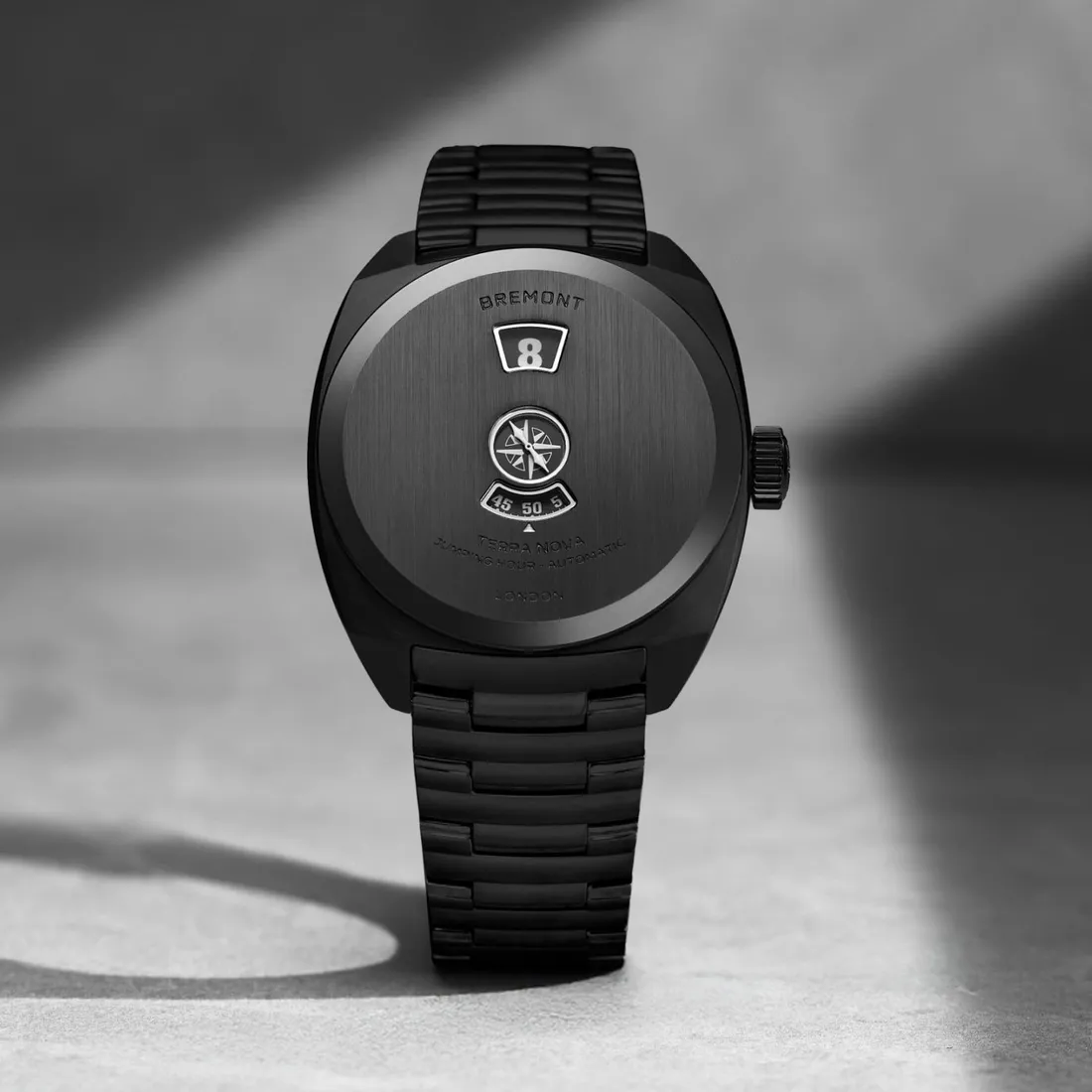
"Both no and yes," said Owen. "A diamond like carbon coating gives resistance to scratching and corrosion, which matters in my work. But its real use in the field is that it does not reflect. On a night rescue, a glint coming off your wrist ruins your own night vision."
"The strap?"
"There are two choices: a steel bracelet with the same coating, or this wide bund style leather strap. The second comes from old flying straps; it puts a layer of leather between the case and the wrist. In the cold it also stops the metal drawing heat out of you."
Hannah smiled: "The price?"
"Five thousand two hundred on the leather, five thousand six hundred and fifty on the bracelet, in dollars," said Owen. "For a jumping hour in this class, an interesting proposition."
When they reached the top of the ridge Owen looked again. The numeral in the window had already changed; he had not even seen it happen.