A Chronometry Room in Besançon
In the chronometry room of the Besançon Observatory the temperature is always held at twenty three degrees, because if you want to measure the rate of a watch you first have to fix the rate of the room. Dr. Camille Roussel, who runs the chronometry work there, had already logged three of the four watches on the bench and had not yet opened the fourth.
When the door opened, the collector Anton Weiss came in holding a box: "I did not bring this for certification, I brought it to show you. The Bernhard Lederer CIC 39 InVerto, in titanium."
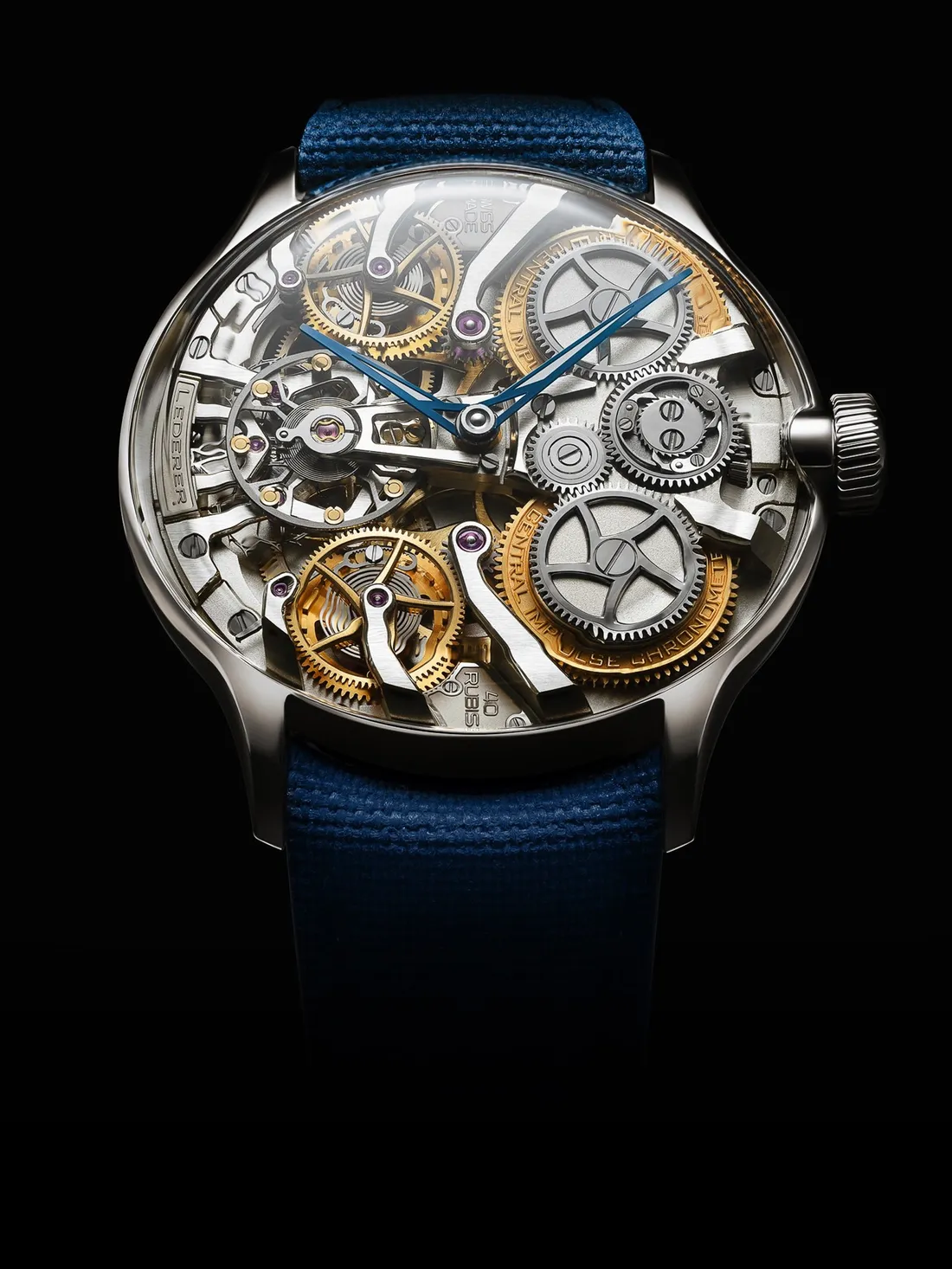
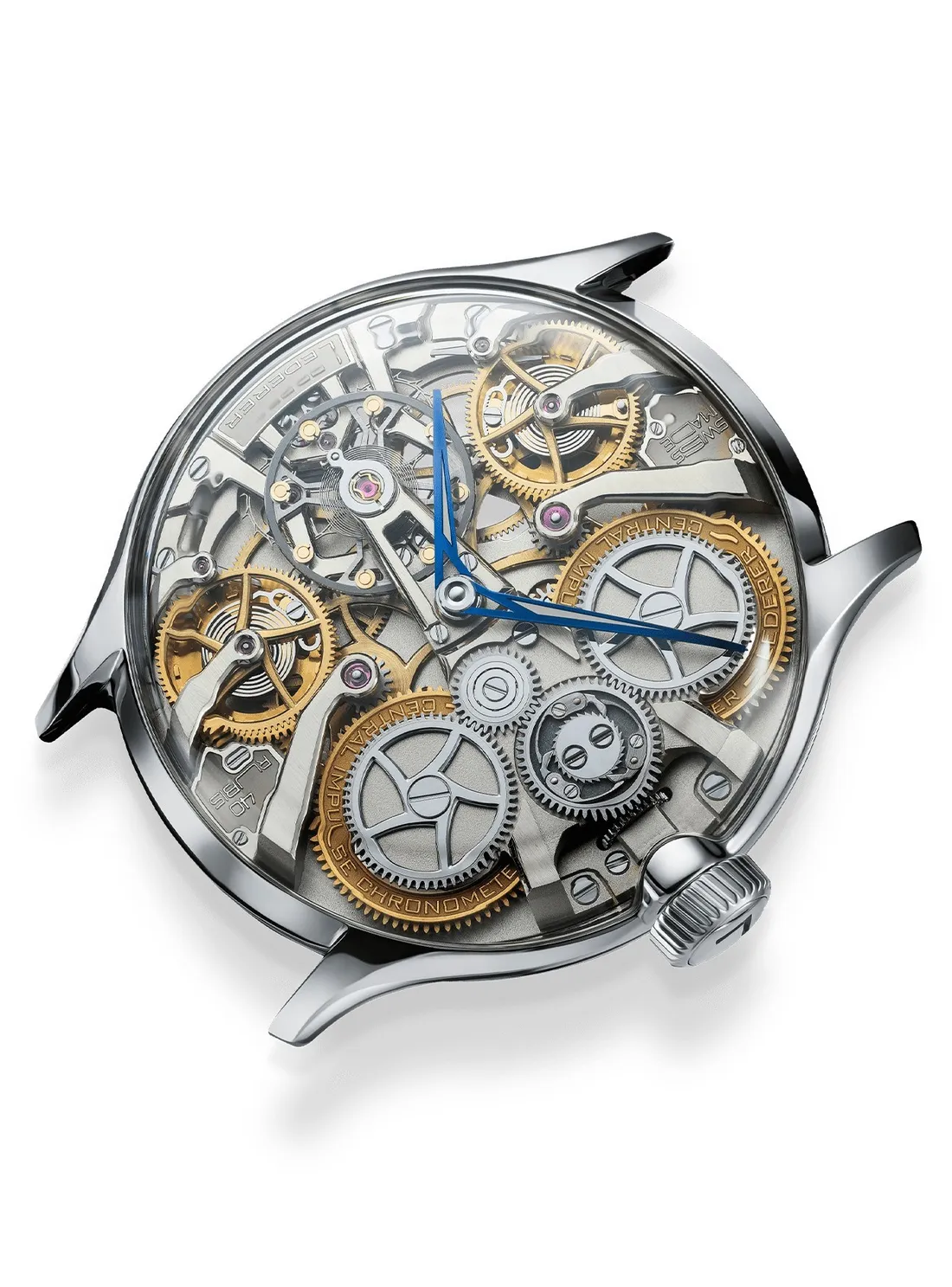
Camille opened the box and was quiet for a moment: "What are those doing on the dial? I can see two escape wheels."
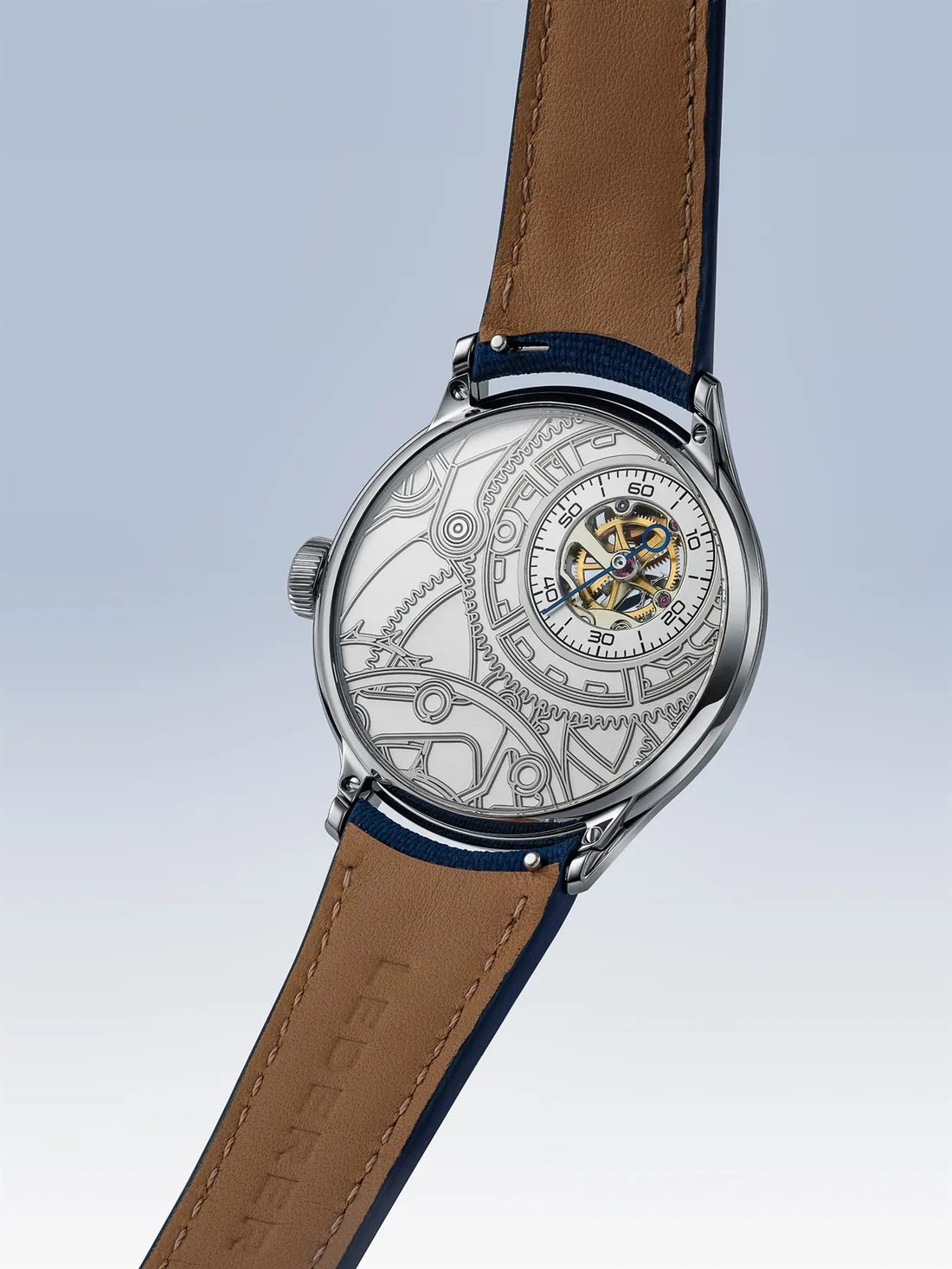
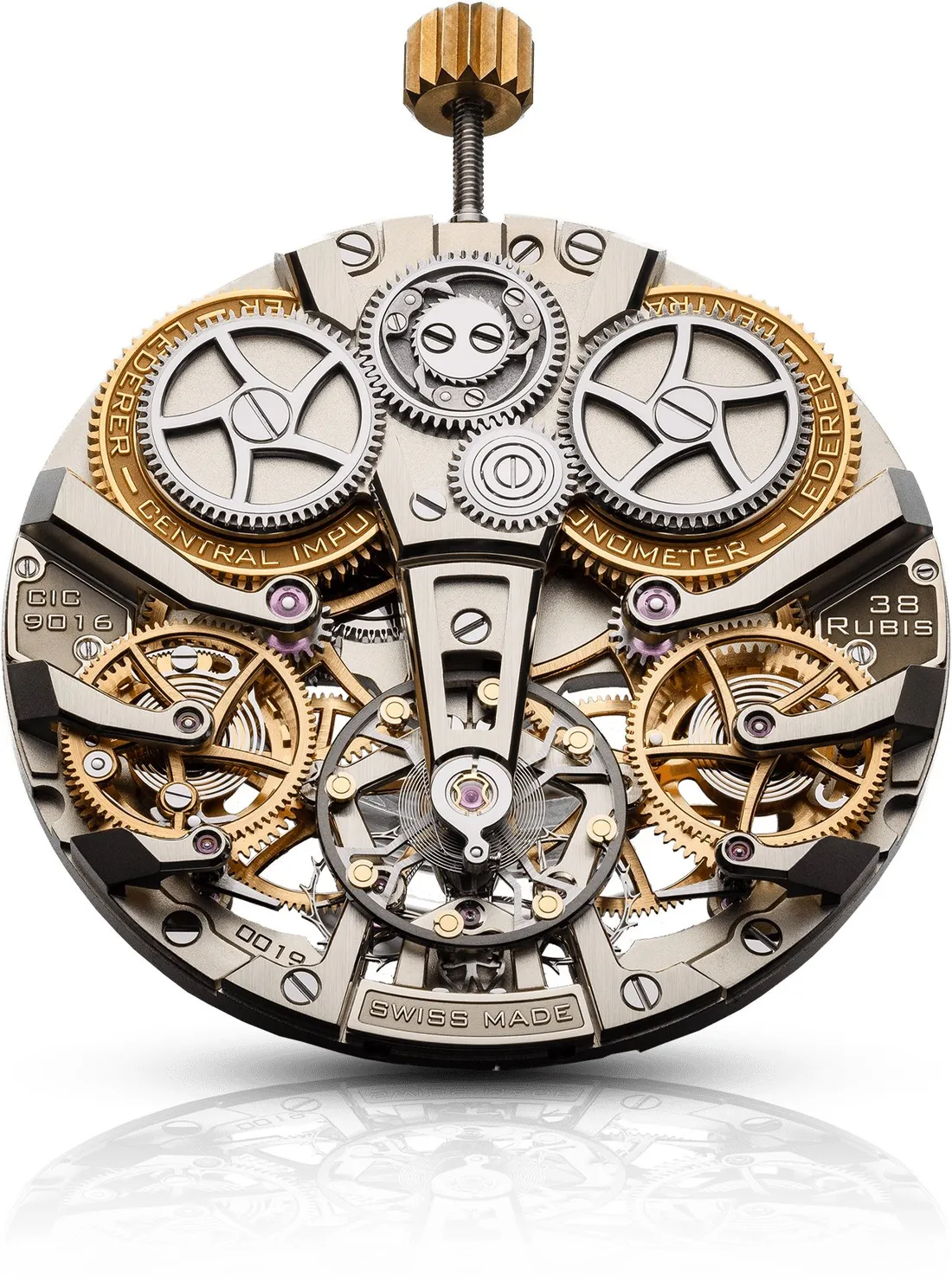
"Exactly that," said Anton. "Two escape wheels, two separate gear trains and two separate constant force devices. And that is where the name InVerto comes from: the movement has been turned over and brought to the dial side. Everything you would normally see through the caseback is on its face."
Why Two Escapements
Camille picked up her loupe: "You will have to explain this. A watch has a single balance wheel. What are two escapements for?"
"The balance is single," said Anton. "But the system that sends impulses to it is double. The two trains work in turn: while one delivers the impulse to the balance, the other is rewinding its own constant force spring. Which means the balance is not fed by whatever the mainspring happens to be giving at that moment, but by a small spring wound to exactly the same amount every time."
"Constant force," said Camille. "So it stops the amplitude falling as the mainspring runs down."
"And more than that. The root of this architecture is Breguet's idea of the natural escapement: to transmit the impulse directly rather than by sliding. Where there is sliding there has to be oil, and where there is oil there has to be a friction that changes over time. Lederer spent forty years pursuing that idea, and the first form of this calibre earned three separate observatory chronometer certificates."
Camille looked up: "That is the only compliment that counts in this room."
format_quote"The balance is not fed by whatever the mainspring happens to be giving at that moment, but by a small spring wound to exactly the same amount every time."
Anton Weiss, collector
Thirty Nine Millimetres and a Unique Piece Story
"Dimensions?" asked Camille.
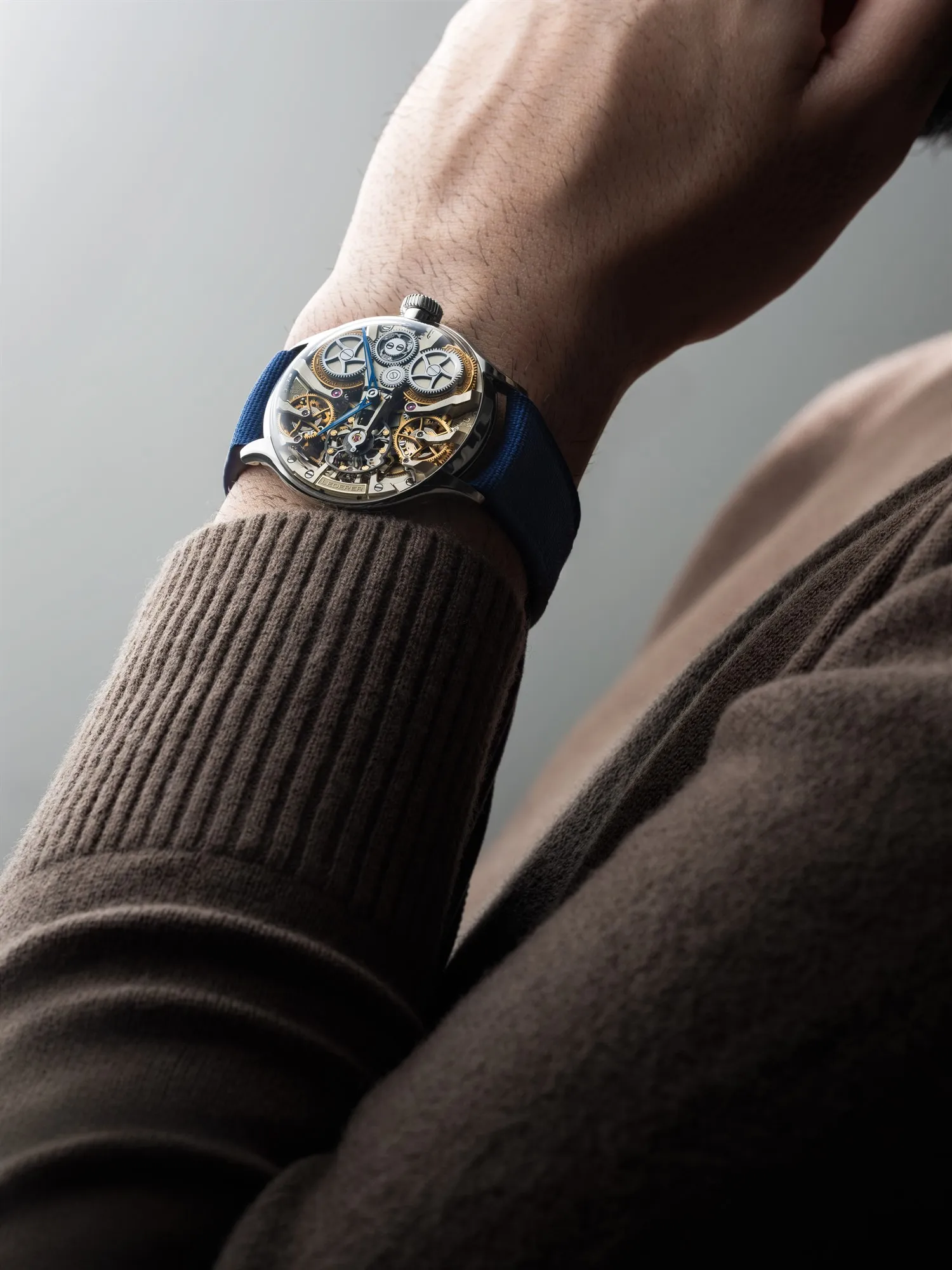
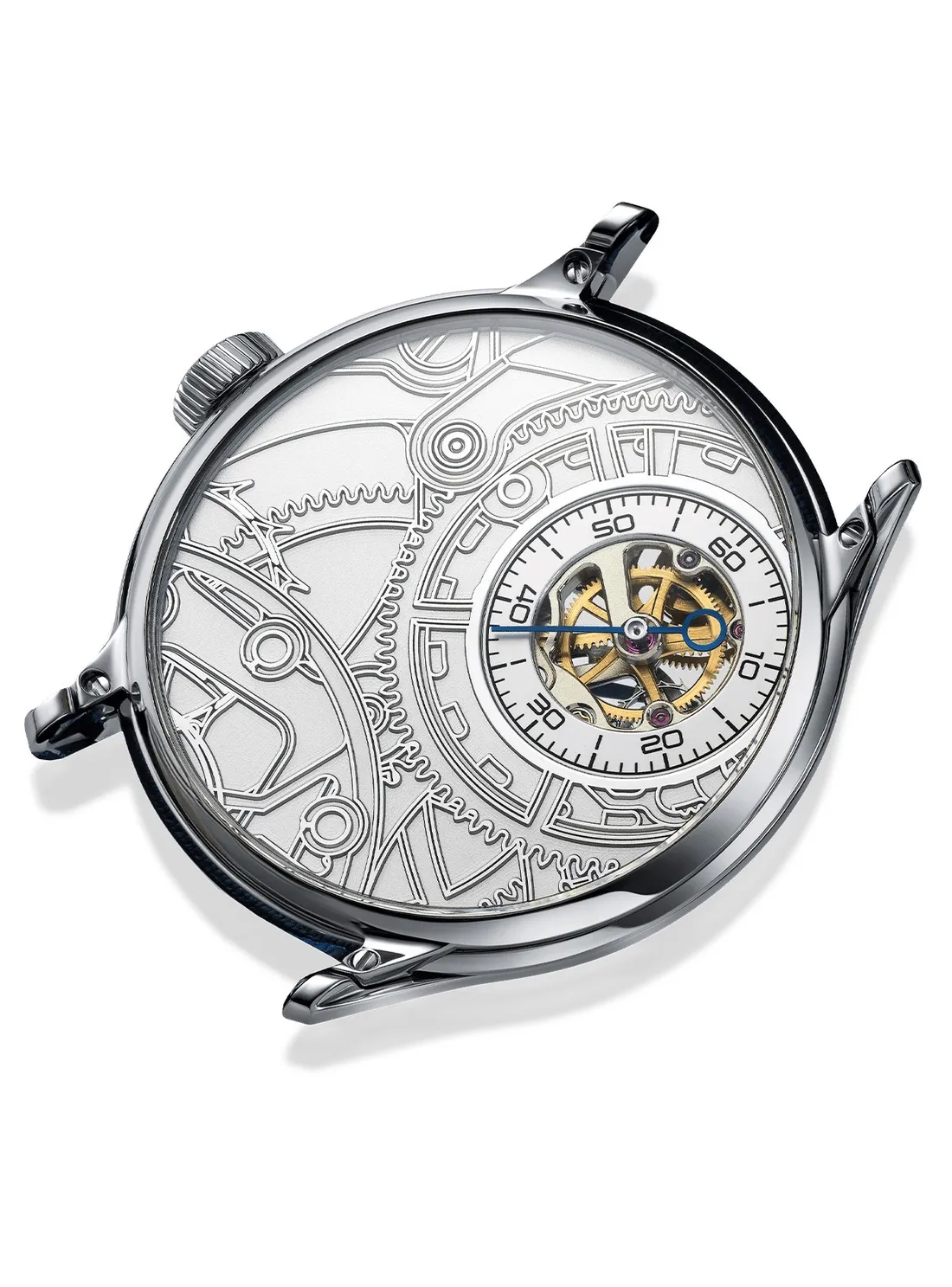
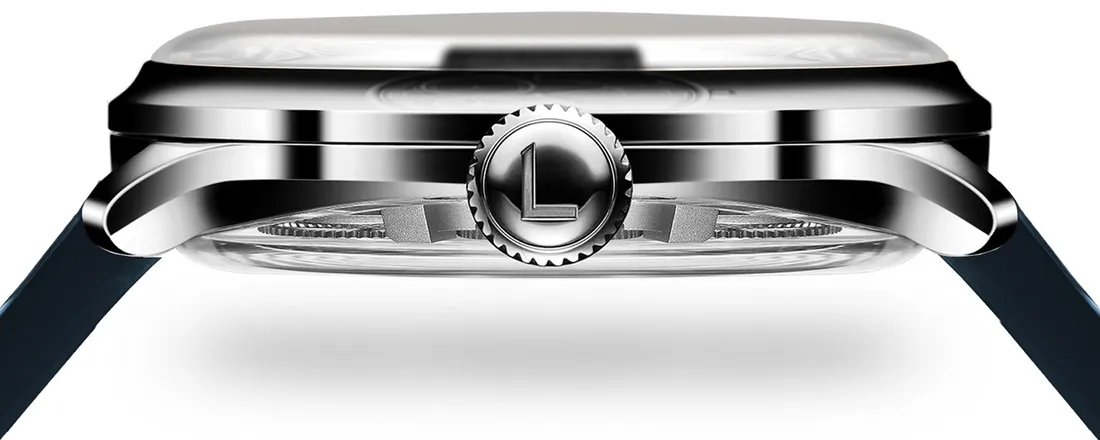
"Thirty nine millimetres, grade 5 titanium, a very strongly domed sapphire crystal," said Anton. "The calibre is the C. 9019, derived from the larger Central Impulse Chronometer. This inverted form was first made as a single piece for Only Watch in 2023, then came a run of eighteen in black DLC, and the titanium version was announced last November. The price is one hundred and fifty two thousand francs."
"Whenever I hear the price of a watch I think the same thing," said Camille. "In this room a price measures nothing. But I can tell you this: two trains, two constant force devices and a single balance is one of the most honest routes ever found to holding a watch's rate steady. And the maker who chose that route put it in the middle of the dial instead of hiding it."
Anton laughed as he closed the box: "That is the whole point. This watch was not inverted in order to show the mechanism; it was inverted in order to show what the mechanism is saying."