Chapter I: A Midnight in the Bahamas
Off the Bahamas, in the cabin of the research vessel Nautilus, the waves knocked against the wooden hull in a steady rhythm. Among the microscopes, the ocean charts and the seabed samples sat two friends: Dr Elias, a marine biologist who had given his working life to the ocean's predators, and Deniz, a young researcher.
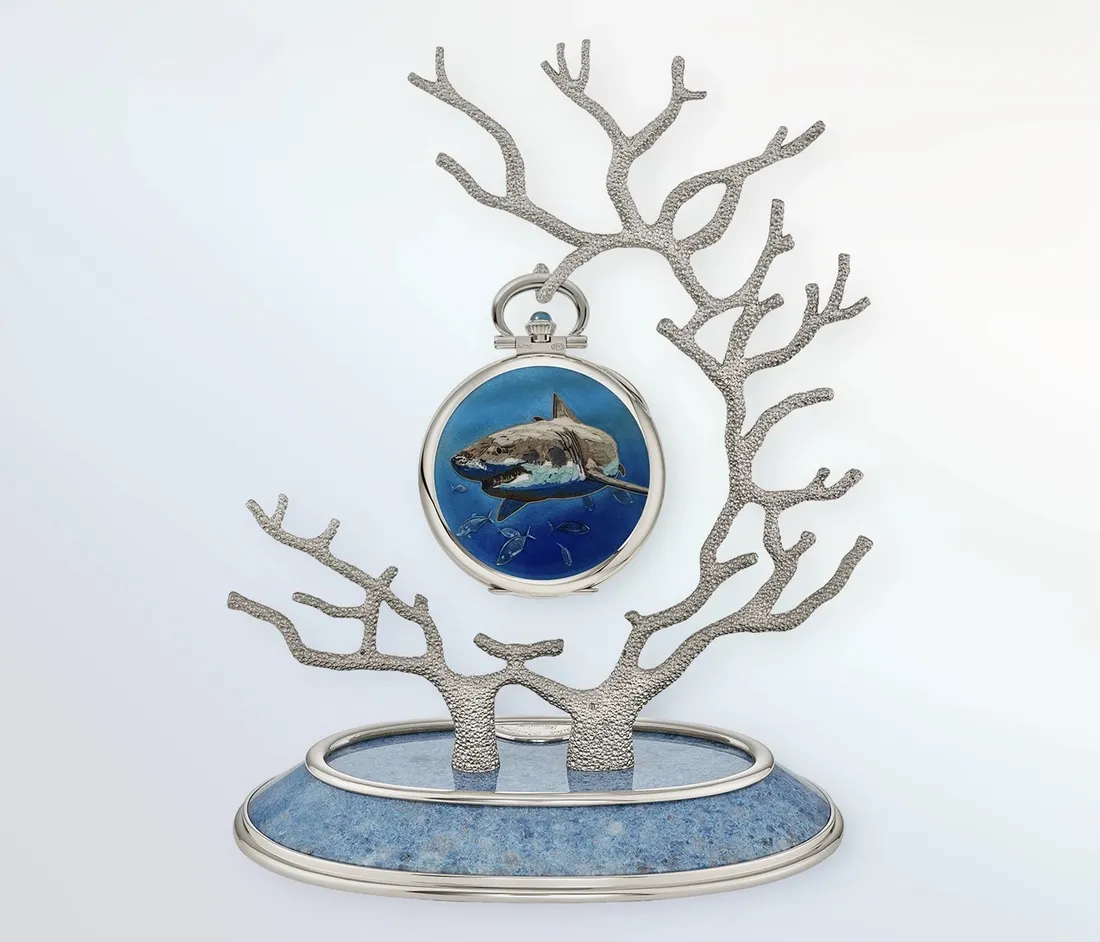
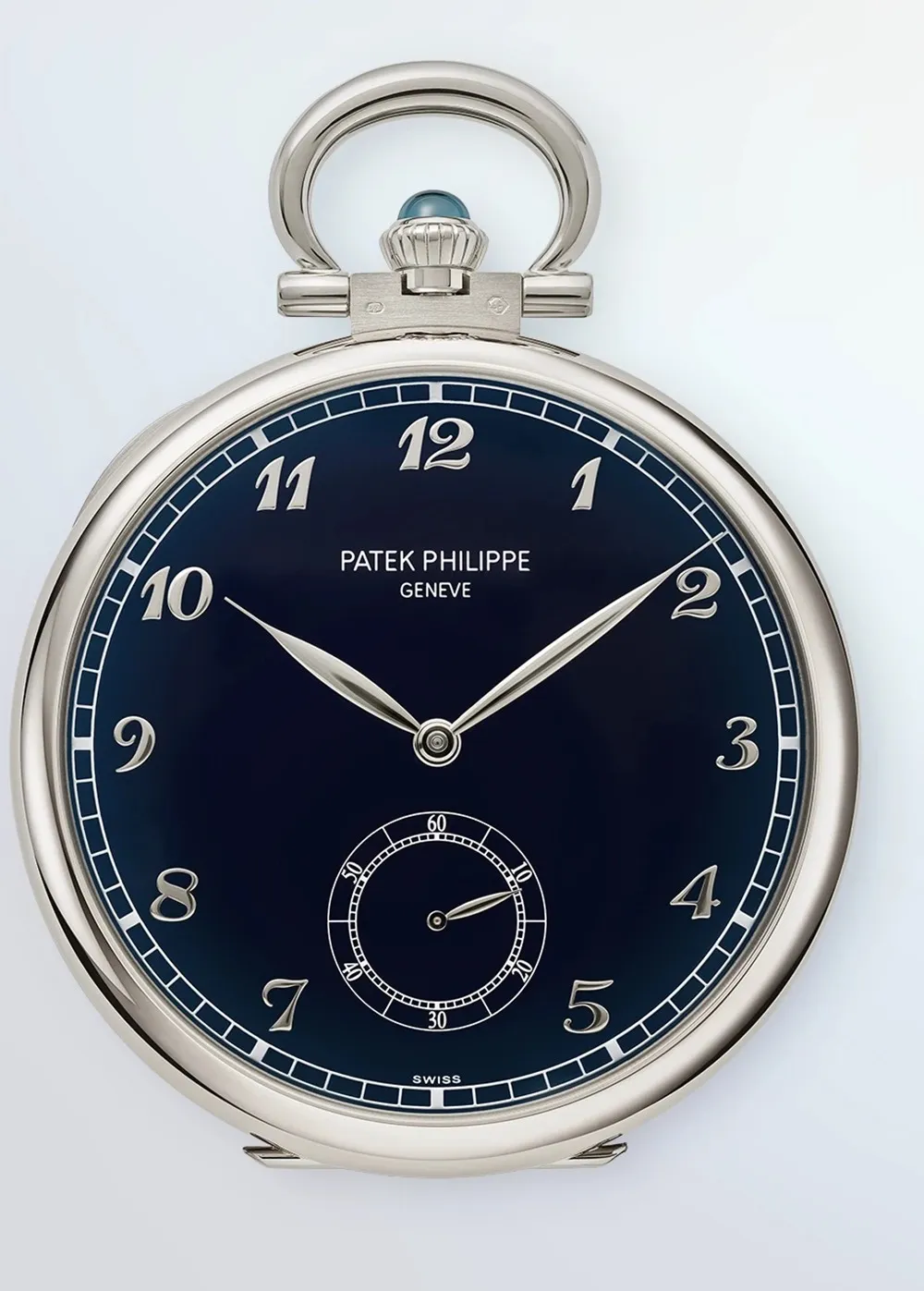
In the middle of the table, in its velvet box, lay something unusual. Not a wristwatch but a pocket watch: the Patek Philippe Rare Handcrafts, reference 995/141G-001. The case is 18 carat white gold, forty five millimetres across and nine point seven two millimetres thick.
Deniz pulled on a glove and picked it up. He looked at the blue stone on the bow.
"Sapphire?" he asked.
Elias shook his head. "Everyone assumes so. It isn't. It is a London Blue topaz, cabochon cut, nought point two nine of a carat. Patek states it in the specification itself."
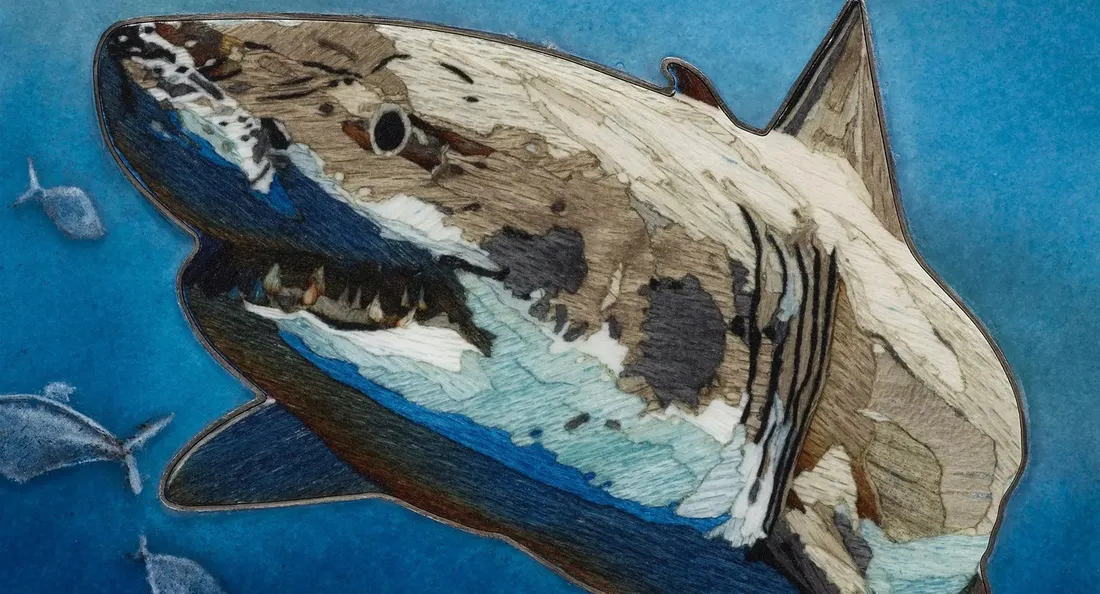
Deniz turned the watch over. On the back a great white shark was gliding through open water.
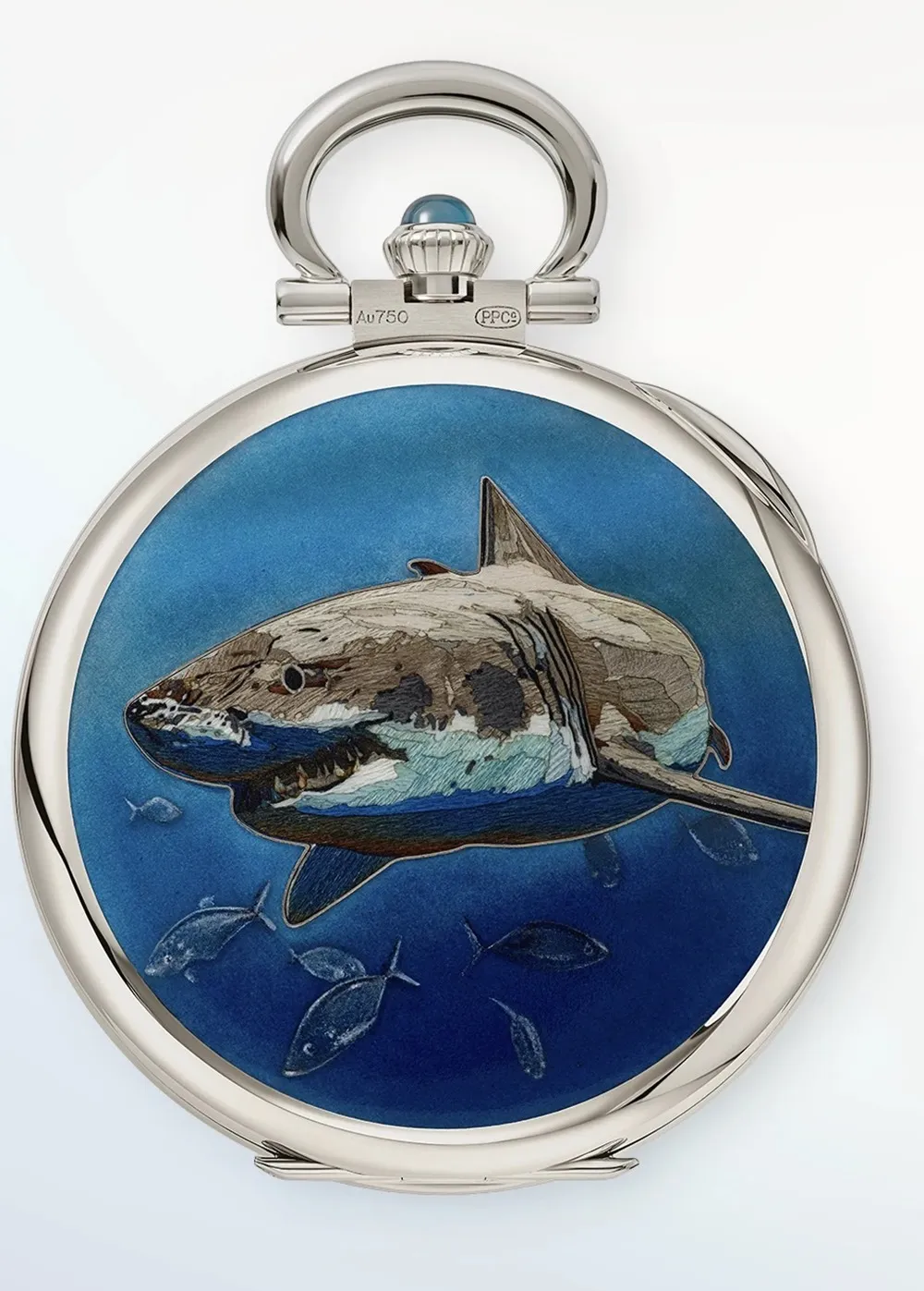

"Elias," said Deniz, "for centuries people have seen these animals as nothing but killers, as something to be got rid of. And yet there is no ferocity in the look on this cover. The artisan has not simply painted a picture here. He has put the temper of the ocean into it."
Chapter II: The Ocean's Sanitation Officers
Elias took a sip of tea.
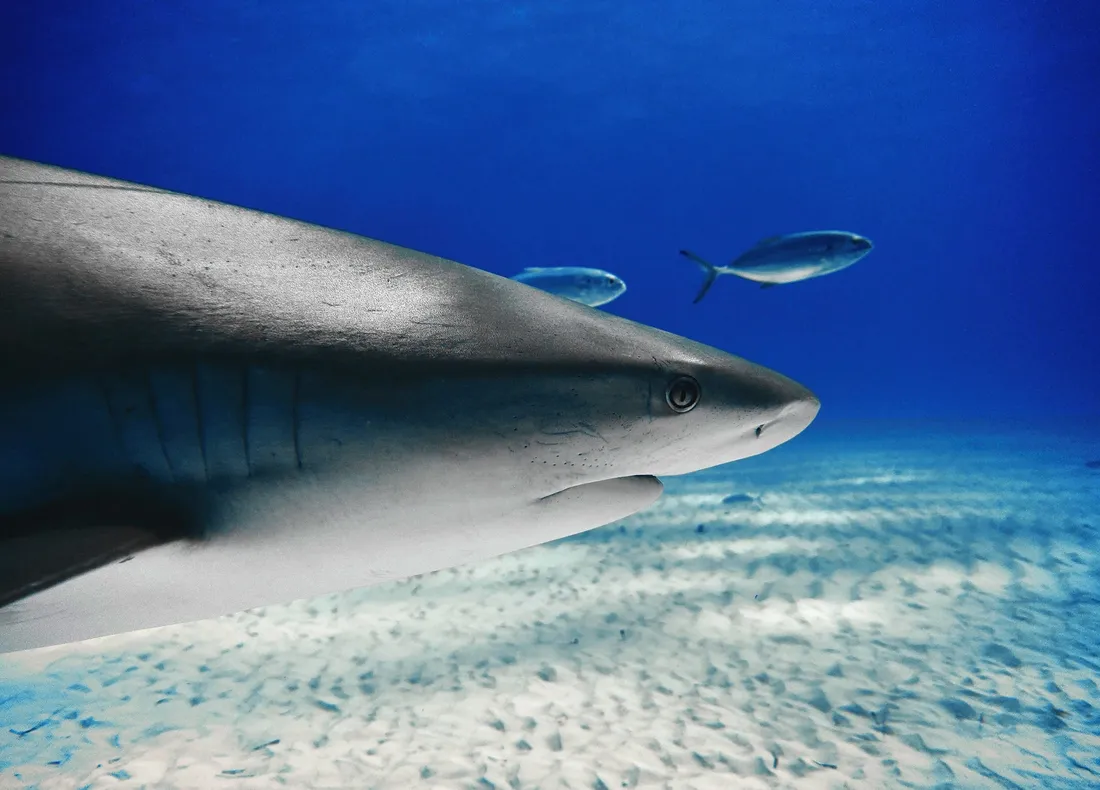
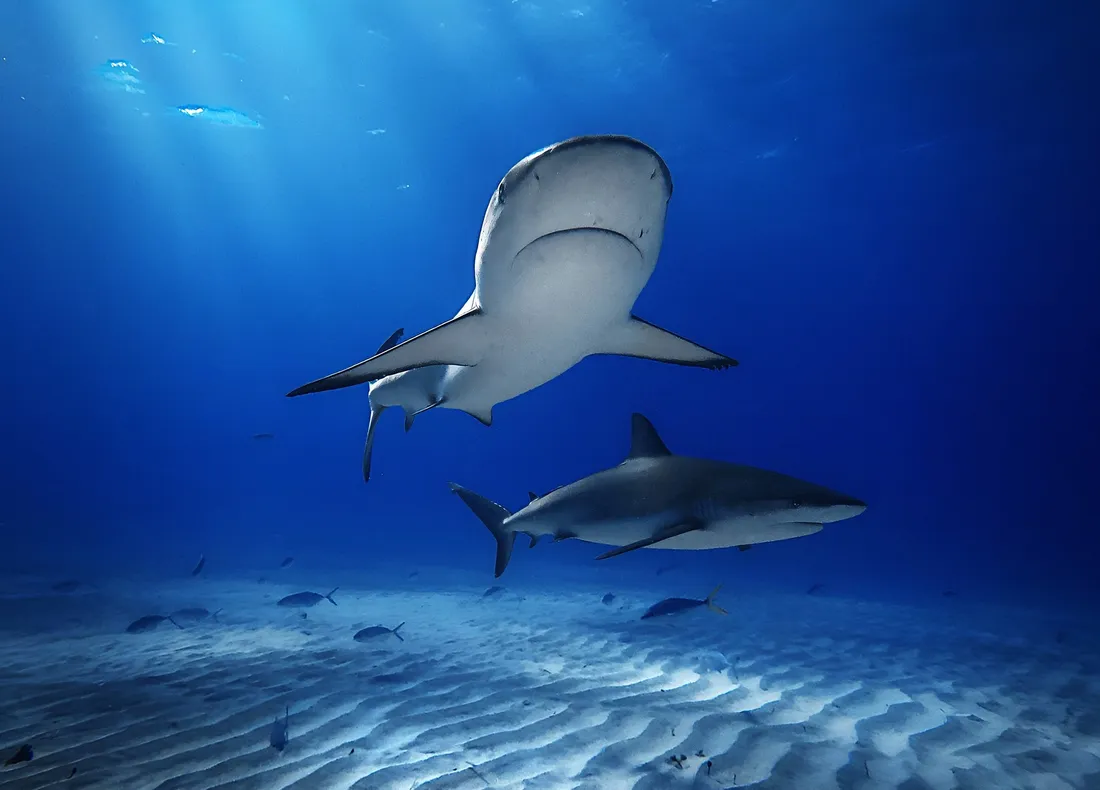
"The great human error is to think of nature as nothing but a fight, Deniz. Look at the ocean and what do you actually see? Mutual benefit. The Creator gave sharks a job out there. They take out the sick, the injured and the dying. They keep the gene pool clean and they stop disease from spreading."
"And if they go?" asked Deniz.
"The chain falls from the top down. We call it a trophic cascade. Take away the predator at the top and the mid sized fish it used to hunt multiply. Those in turn eat out the level below them. And so it goes on."
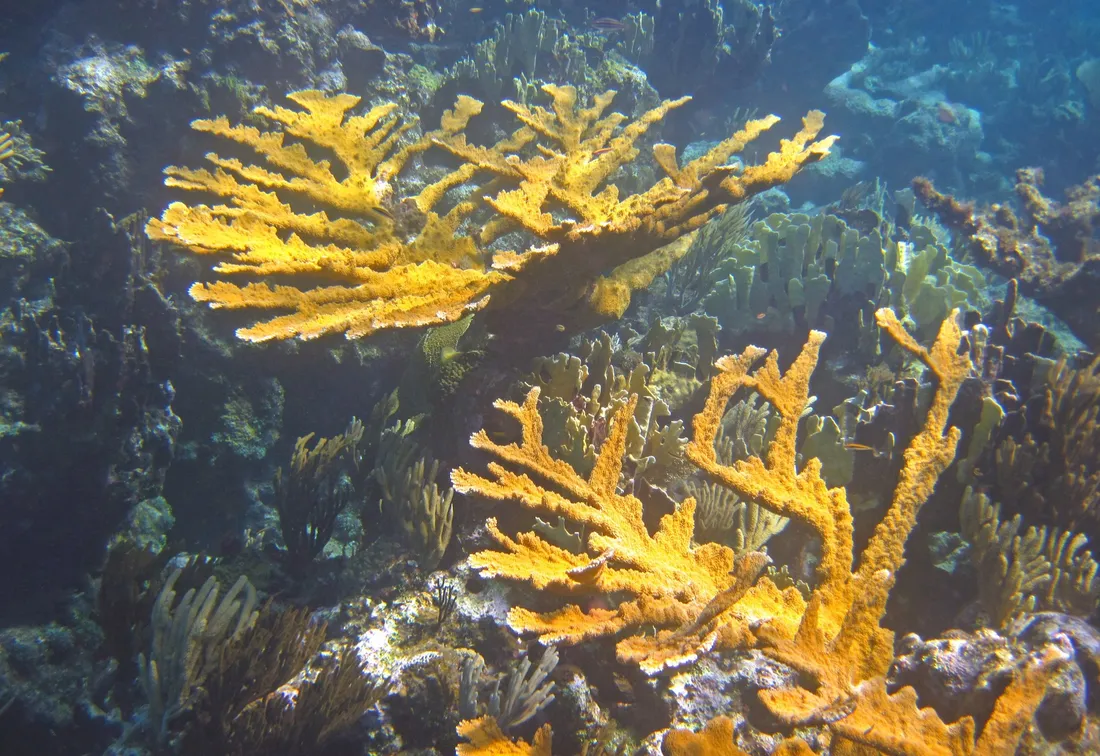
The best documented case of this happened along the east coast of the United States. As the numbers of large sharks fell, the rays they preyed on increased. The rays ate their way through the scallop beds, and a fishery centuries old collapsed. Something similar runs on a reef: fewer grazing fish means algae spreads over the coral, and the coral is left without light.
"So protecting one shark," said Deniz, "means protecting the whole system."
Chapter III: The Woman Who Takes the Hooks Out
"Do you have a particular case in mind?" asked Deniz.
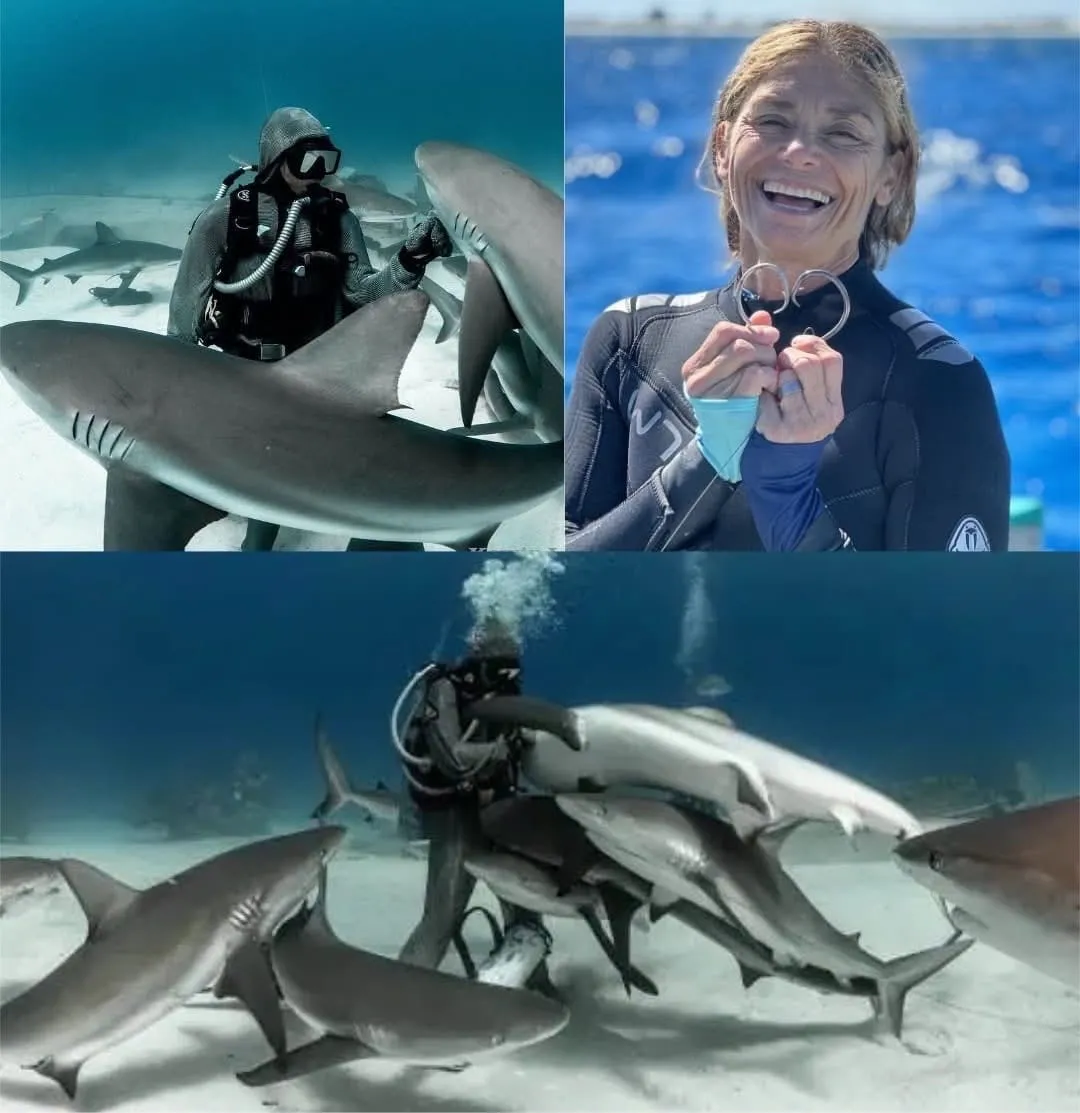
"I do," said Elias. "Cristina Zenato. An Italian born diver. She first came to the Bahamas in 1994 and decided to stay. She began working with sharks in 1995."
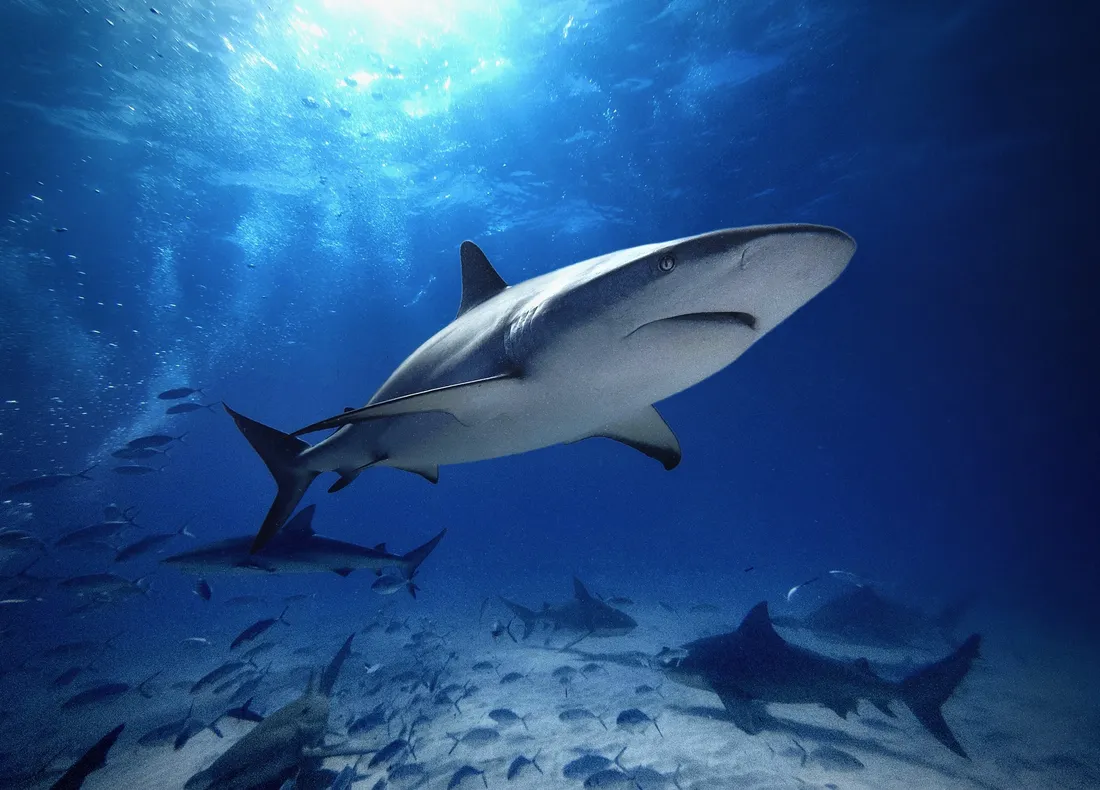
Cristina Zenato was on a routine dive off the Bahamas when an enormous shark came gliding towards her.
Time stopped. The dull, heavy drone of the water around her cut out, and all that was left was the deafening ring of her own pulse at her temples. In front of her stood millions of years of absolute power made flesh, the sheer majesty of the deep given a body. Sliding out of the pitch blue like a ghost, that vast shape came straight at her, and the dark, ancient eyes that empty a person out were looking directly into her soul. In that fraction of a second the oldest and deepest terror in a human being wakes: the dread of being swallowed, of ceasing to exist. Fleeing and resisting are both impossible illusions.
And in that second of terror the great predator did not attack. Instead of showing its teeth it tilted its head to one side with a strange sorrow. It began to trace elegant, almost pleading circles around her. Deep in its mouth it was showing her a rusted fishing hook rotting the flesh away piece by piece, and the line still hanging from it.
Cristina met the fire of that fear head on and silenced the panic inside her with a single act of will. She reached in between those enormous jaws, between teeth like razors, and pulled the hook out. That shark was later given a name: Foggy Eye.
After that it kept happening. Other injured individuals came to her as well. Over more than twenty five years she has removed over three hundred hooks, and she has not been seriously hurt doing it.
"One detail needs correcting here," said Elias, pointing at the cover. "The animal on this watch is a great white. The group Zenato works with are Caribbean reef sharks, about twenty of them, plus five or six nurse sharks. Different species. But the point is not the species. It is the method."
He explained why the hook matters. A steel hook caught at the corner of the mouth irritates the tissue without pause, opens infection, and stops the animal closing its jaw fully. A predator that cannot close its jaw cannot hunt. A hook is a slow sentence of starvation.
What came out of her work was not a sentiment but a law. Zenato was one of those who drove the campaign that ended with the Bahamas being declared a shark sanctuary in 2011. That legislation banned commercial shark fishing across some six hundred and thirty thousand square kilometres of the country's waters.
Chapter IV: The Great Fire
Deniz spoke without taking his eyes off the enamel.
"Elias, something has struck me. What Cristina went through in that moment and what this enamel goes through in the kiln are the same thing."
"Go on," said Elias.
"The technique is called grand feu. Great fire. The artisan lays powdered glass on the plate. Before it goes into the kiln that powder is dull, brittle, good for nothing. At eight hundred and twenty degrees it melts, it clears, and it turns into a glass that will not decay for centuries."
"And Cristina?"
"She went through her own fire. The oldest fear a human being has is the fear of being swallowed. If she had panicked she would have lost. She did not. What was left afterwards was not fear but a calm sort of knowledge."
The numbers back the comparison up. The enamel ground on the caseback was built from sixteen separate colours, transparent and opaque, and fired ten times at eight hundred and twenty degrees. The dial took three transparent enamel colours and eleven firings.
Every firing is a gamble. Let the temperature drift a few degrees and the colour turns. Let the plate crack and the work starts again. Eleven firings means accepting the same risk eleven times.
Chapter V: This Is Not Cloisonné
"There is a misunderstanding to clear up," said Elias. "This cover is often called cloisonné. It is not. In cloisonné the artisan bends fine gold wires into cells and fills the cells with enamel. There is not one gold wire here."
"Then what is it?"
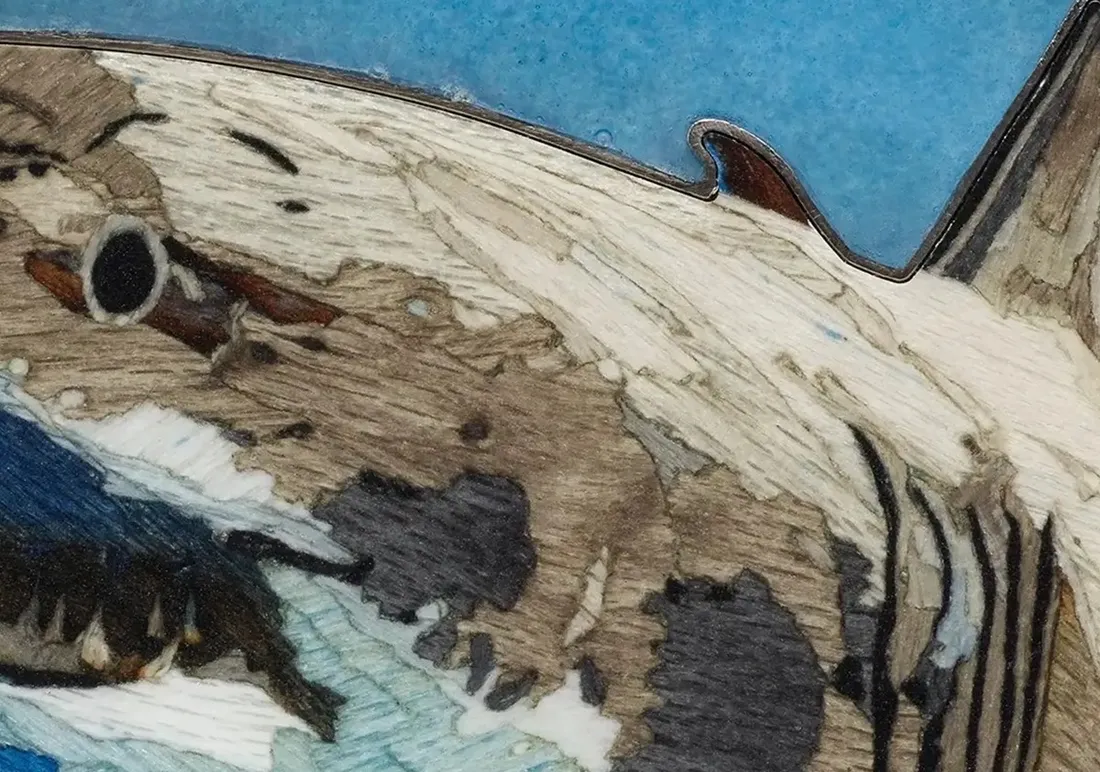
"Two separate crafts on one cover. The shark itself is wood marquetry. A mosaic assembled from pieces cut out of veneer."
The numbers run like this: one hundred and sixty one pieces of veneer and twenty five smaller inlays were cut for the shark. Eighteen different species of wood were used. The differences in colour, texture and grain come from the wood and not from paint. If a piece is the wrong colour it is not painted over; another wood is found.
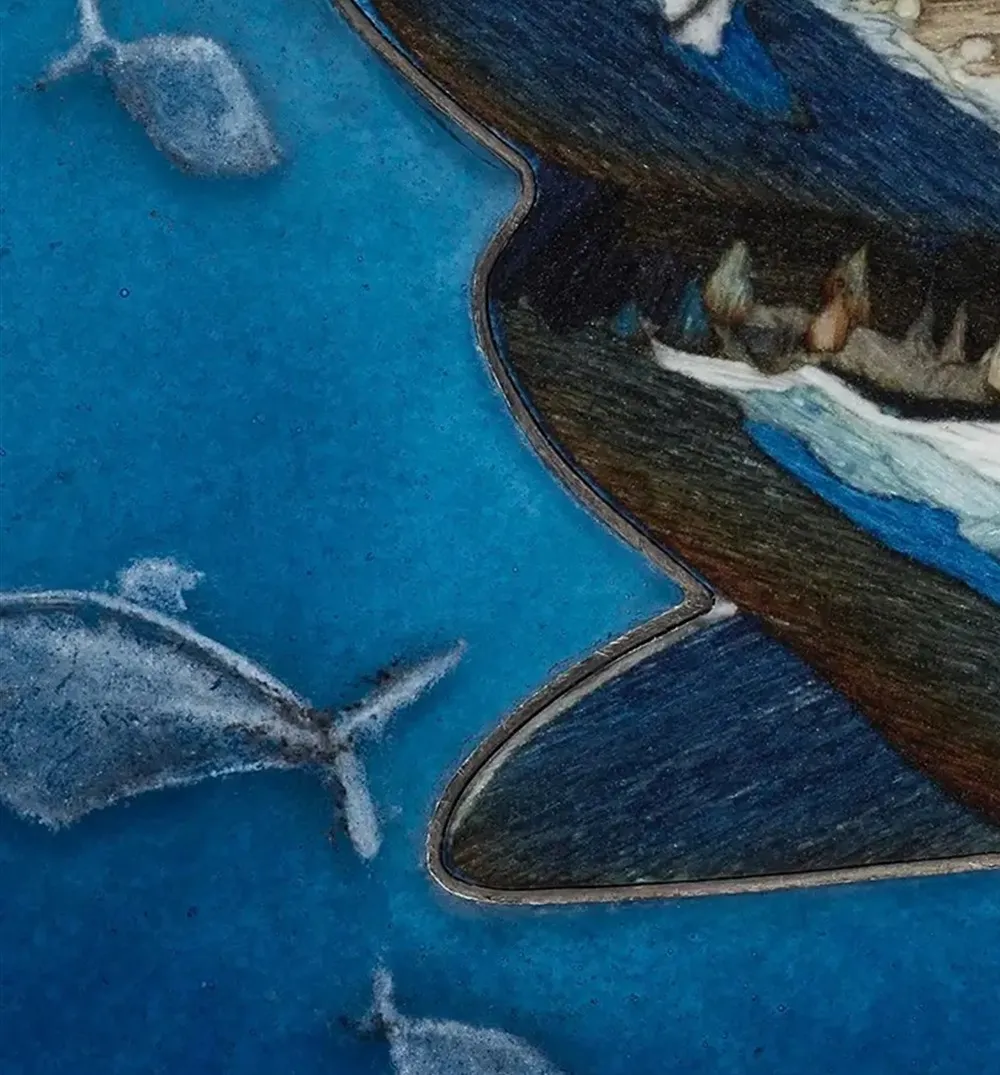
The second craft is miniature painting on enamel. The small fish around the shark were done with a brush, in seven colours.
"So a cabinetmaker's work and a miniature painter's work meet on the same cover," said Deniz.
"And both have to survive the kiln," said Elias.
Chapter VI: The Specification and the Last Word
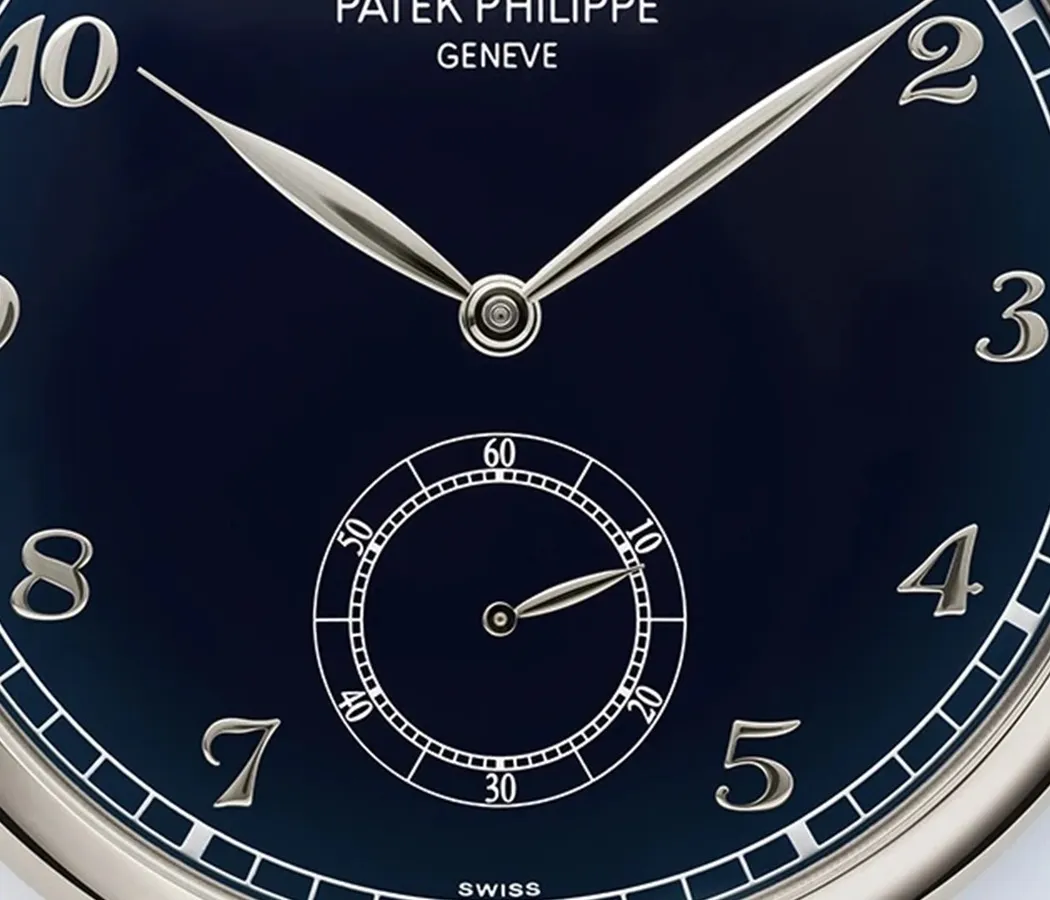
The movement inside is called the 17''' LEP PS. Manually wound, with small seconds. Thirty eight point six five millimetres across, three point eight millimetres thick. One hundred and fifty seven parts, eighteen jewels, a minimum of fifty hours of power reserve. Eighteen thousand semi-oscillations an hour, that is two and a half hertz. A Breguet balance spring. The watch carries the Patek Philippe Seal.
The case is not water resistant, only protected against humidity and dust. This is not a diving watch. It is a piece for a cabinet.
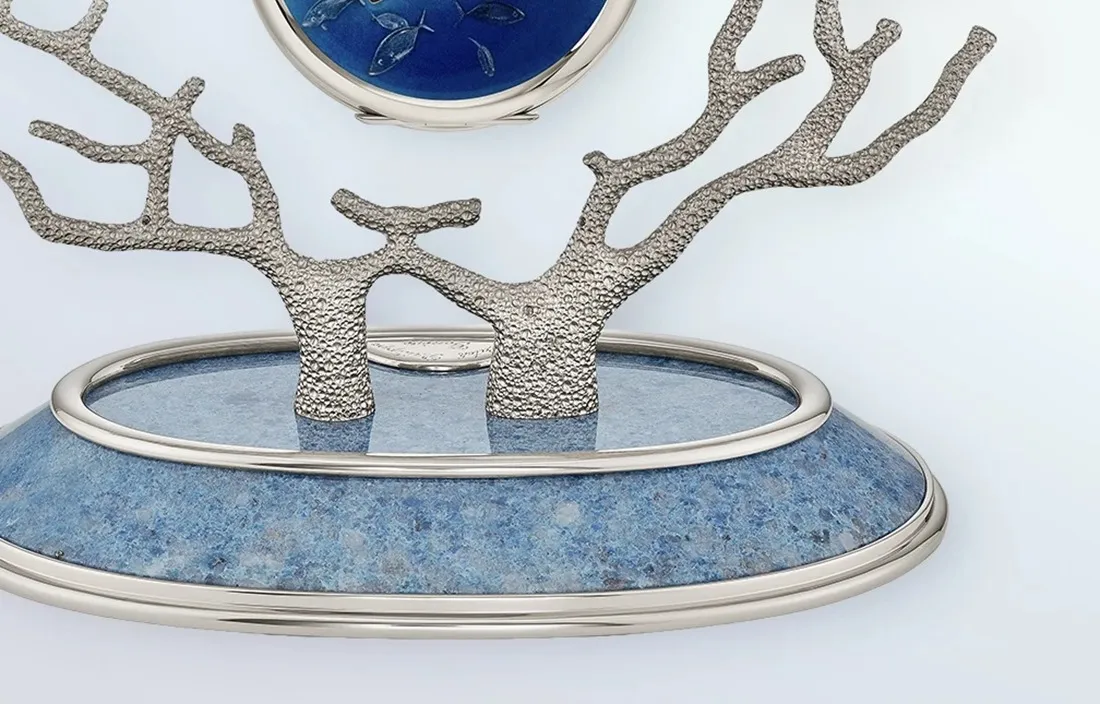
Nor does the watch come on its own. It has a stand of white gold worked into hand engraved coral branches, standing on a base of a blue stone called trolleite. There is also a white gold chain carrying a medallion with an enamelled Calatrava Cross. It was made as a unique piece. The price is six hundred and sixty thousand eight hundred euros.
Deniz closed the cover gently.
"We have seen two balances tonight. On one side a woman who melted her own fear, protected the sharks and changed the law of a country. On the other an artisan who stood in front of an eight hundred and twenty degree kiln eleven times over."
Elias looked out through the glass at the dark water.
"This is where art meets ecology, Deniz. Fear consumes. The great fire, and the mutual benefit written into nature, make things last. Now let us put the watch back in its box."