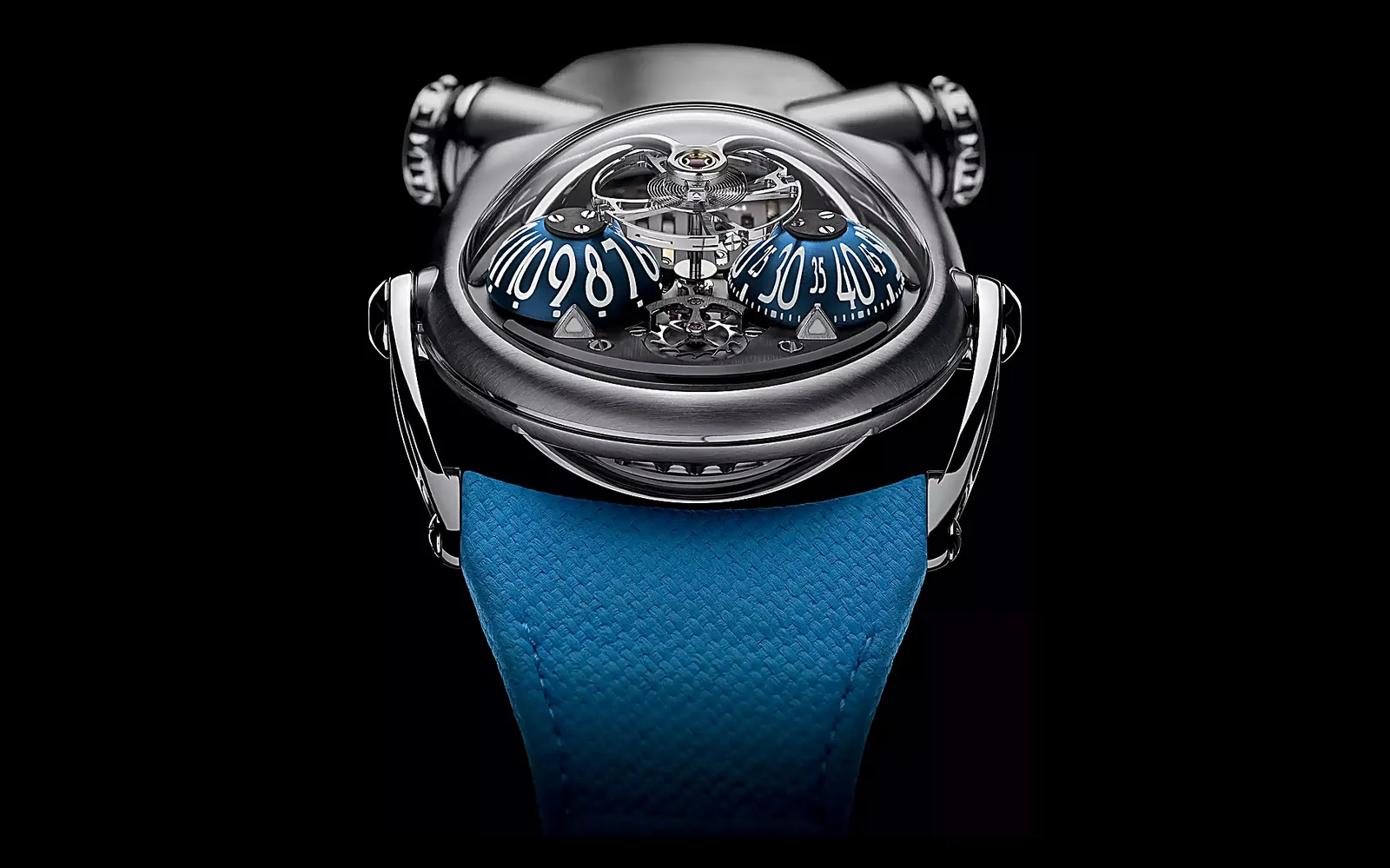
On the twentieth of September, in the small hours, the camera of a research vehicle holding station at four thousand metres on a Pacific abyssal plain found a pale, ruffled lump on the mud. Two people were watching the screen in the ship’s laboratory: the marine biochemist Dr Sabiha Tekin and the sedimentologist Dr Kenan Arslan.
The thing on the screen was not a coral, nor a sponge. That structure, tens of centimetres across, was a single cell.
The textbooks say a creature makes its shell from protein or calcium produced by its own genetic code, said Dr Tekin. A snail secretes calcium carbonate, a coral precipitates its own skeleton. This one secretes no mineral shell at all.
It does not, because it has no need to, said Dr Arslan. The xenophyophore picks up grains of sand from the mud around it, sponge spicules, the broken shells of dead radiolarians, crystals of barium sulphate, one by one, and binds them with an organic cement of its own making. Science calls this an agglutinated test: a glued shell. It does not manufacture the material. It finds it and arranges it.
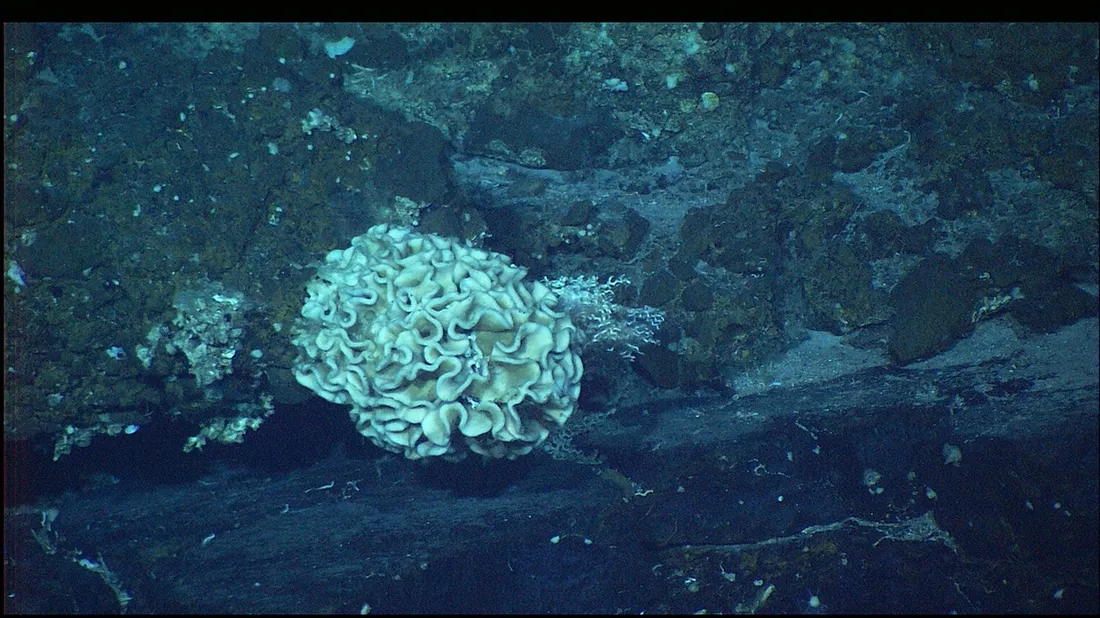
Three comparisons are enough. The first is building a tower without mortar: you would think no building is possible without a cement works, yet this creature gathers the rubble around it and raises a structure that stands. The second is conversion; it feeds by filtering organic waste out of the abyssal mud, and the skeletons it leaves behind become shelter for small bottom dwelling animals. The third is scale: inside one cell there are thousands of nuclei, so this organism does not have to divide in order to grow.
A distinction that often gets muddled is worth correcting here. Inside the cell there are long strings of waste pellets called stercomare; these are stored refuse, not the glue that holds the test together. What holds the test together is a separate organic binder the cell produces. The creature both stores its waste and weaves its armour, but the two are not the same substance.
format_quote"It does not manufacture the material. It finds it and arranges it."
Hasan Bekmezci
The house that rejects the round case and the dial most openly is MB&F, and Horological Machine N°10 grew from a design that came to Maximilian Büsser while he was travelling. It is called the Bulldog, after the dog.
The likeness does not stay on the surface. Two domes sit on top, and they are the animal’s eyes: the left one turns once in twelve hours, the right once in sixty minutes, and between them they give the time. The domes are machined from solid aluminium, paper thin, and each weighs half a gram; the less they weigh, the less energy they draw from the movement. Between them, under a bulging sapphire dome, the fourteen millimetre flying balance wheel hangs in the air, regulated by four traditional screws.
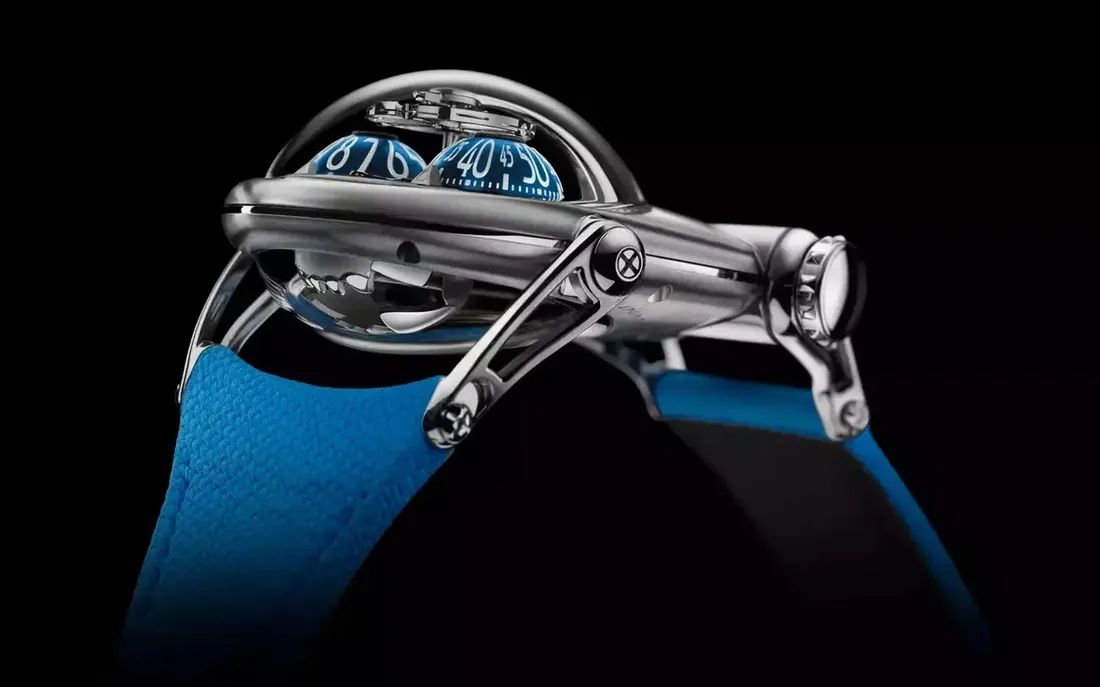
The real invention is the jaw beneath the case. The power reserve is shown not by a hand or a scale but by metal jaws that open and close. Fully wound, the jaws stand open; as the spring runs down they close, and when the power is gone they are shut. The dog closes its mouth when its energy is spent.
The indication is calculated to consume as little energy as possible, because the barrel’s torque is meant for the suspended balance and the turning domes. The movement is wound by hand, has three hundred and one components and thirty four jewels, and holds forty five hours. It beats two and a half times a second, eighteen thousand times an hour, which against a modern calibre is a calm rhythm and leaves that big balance legible to the eye. The numerals and markers on the domes are coated in Super-LumiNova.
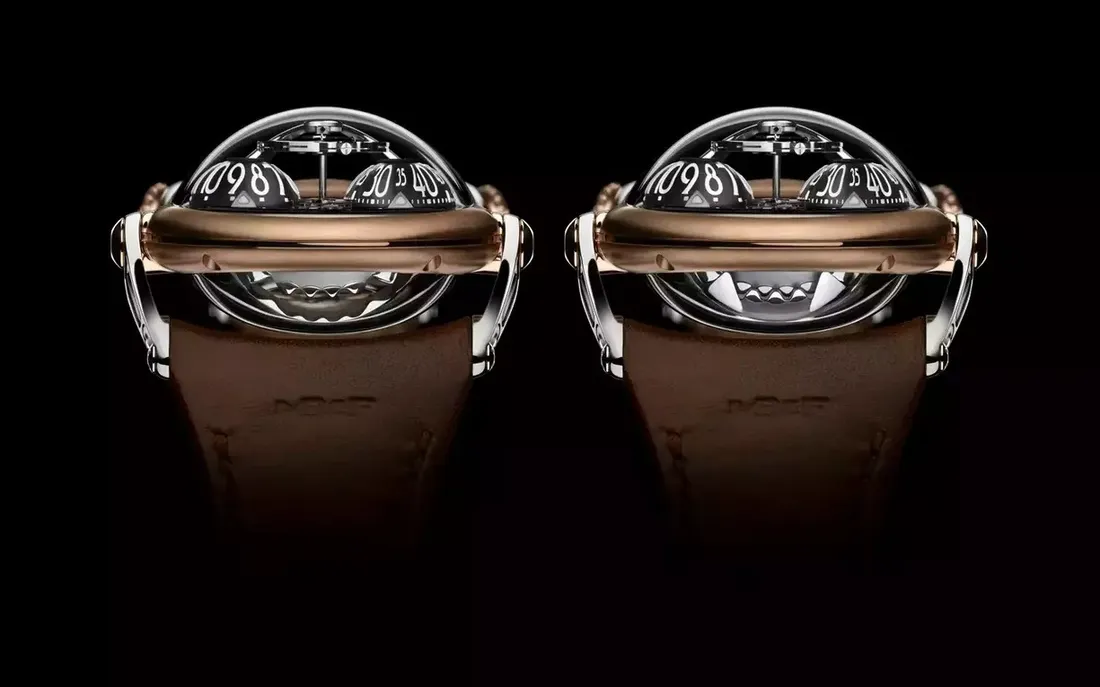
format_quote"The dog closes its mouth when its energy is spent."
Hasan Bekmezci
The case is made in titanium, in red gold, or in microblasted steel with a black PVD coating. A correction belongs here: there is no carbon in this watch. The carbon and Macrolon body belongs to the HMX in MB&F’s archive, a separate machine.
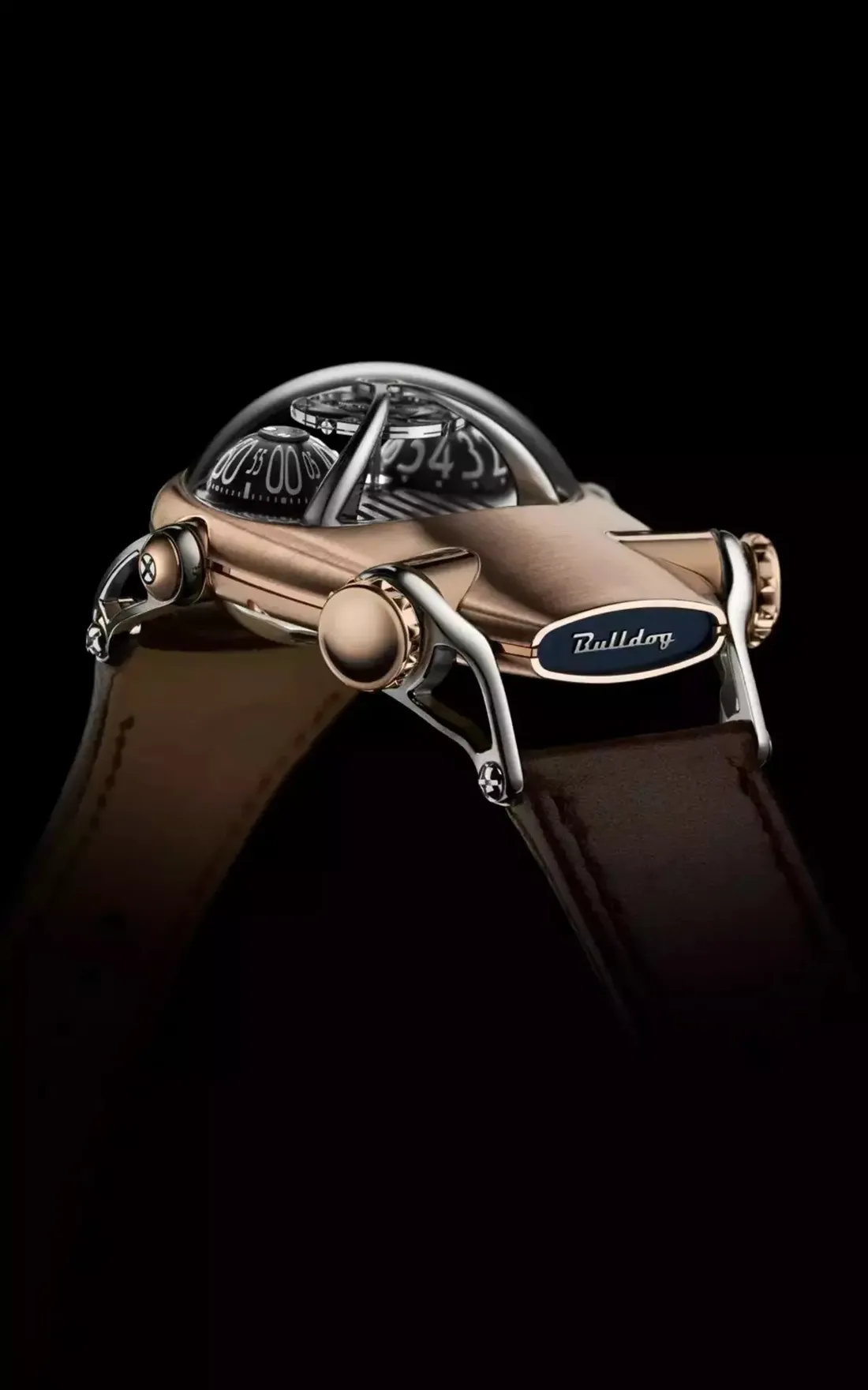
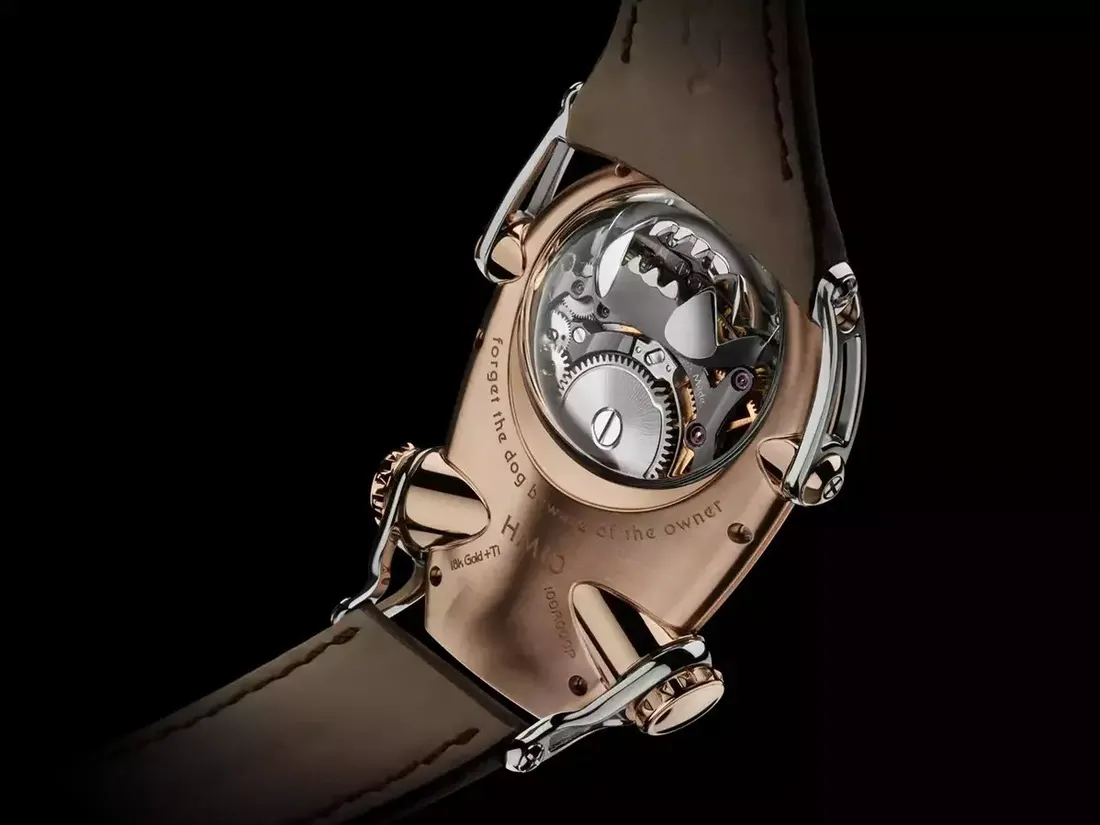
Someone watching those jaws close may well think of the pale lump at four thousand metres. The resemblance is the viewer’s reading, not a claim made by the manufacturer. The difference is plain enough: one gathers its material from outside, the other orders the most expensive alloys it can specify. What they share lies deeper. Both show that putting parts together is itself a work of knowledge.
Because the question was never the material but the arrangement. Those grains of sand have been lying in the abyssal mud for millions of years; what turns them into a structure that withstands pressure is not the grains but the order that places them. Nobody taught a single celled organism which grain to take, which to leave, and where to set it. It was born knowing. A person, to do the same work, had to calculate three hundred and one parts one at a time.
format_quote"The question was never the material but the arrangement. The grains had been lying there for millions of years."
Hasan Bekmezci
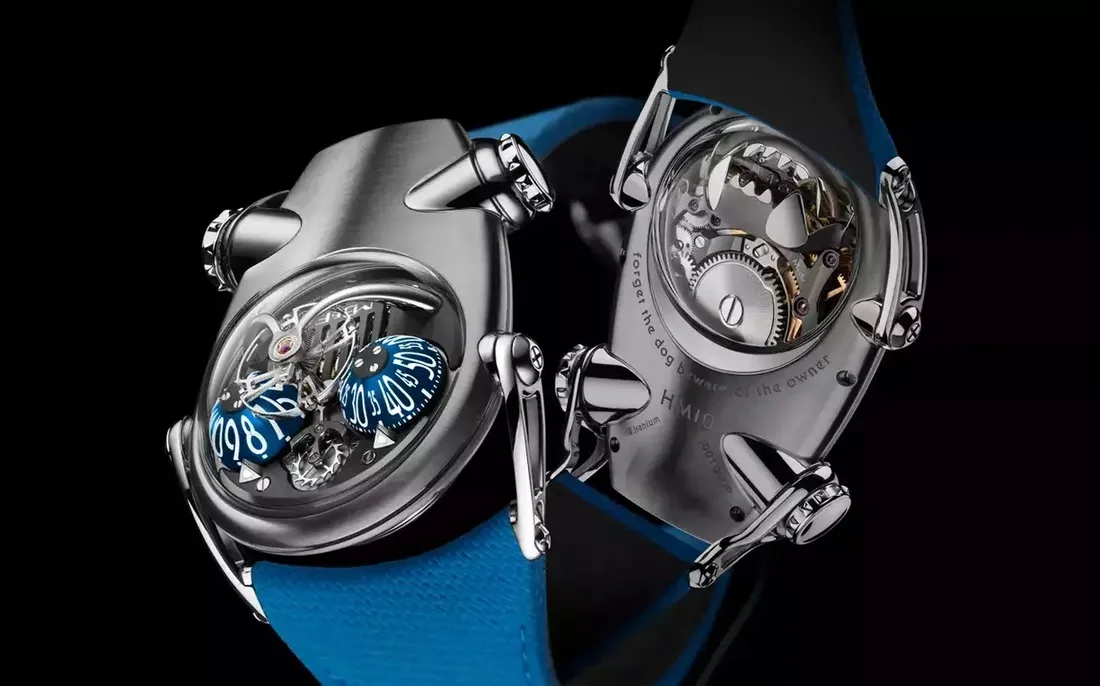
The HM10 Bulldog is a reminder that a watch is not merely a dial. Watching those two aluminium eyes turn under their sapphire domes, and the jaws slowly closing, you begin to think that assembly is itself a design, and that no heap has ever turned into a structure by itself.
The watch on its maker’s own site: MB&F, Horological Machine N°10