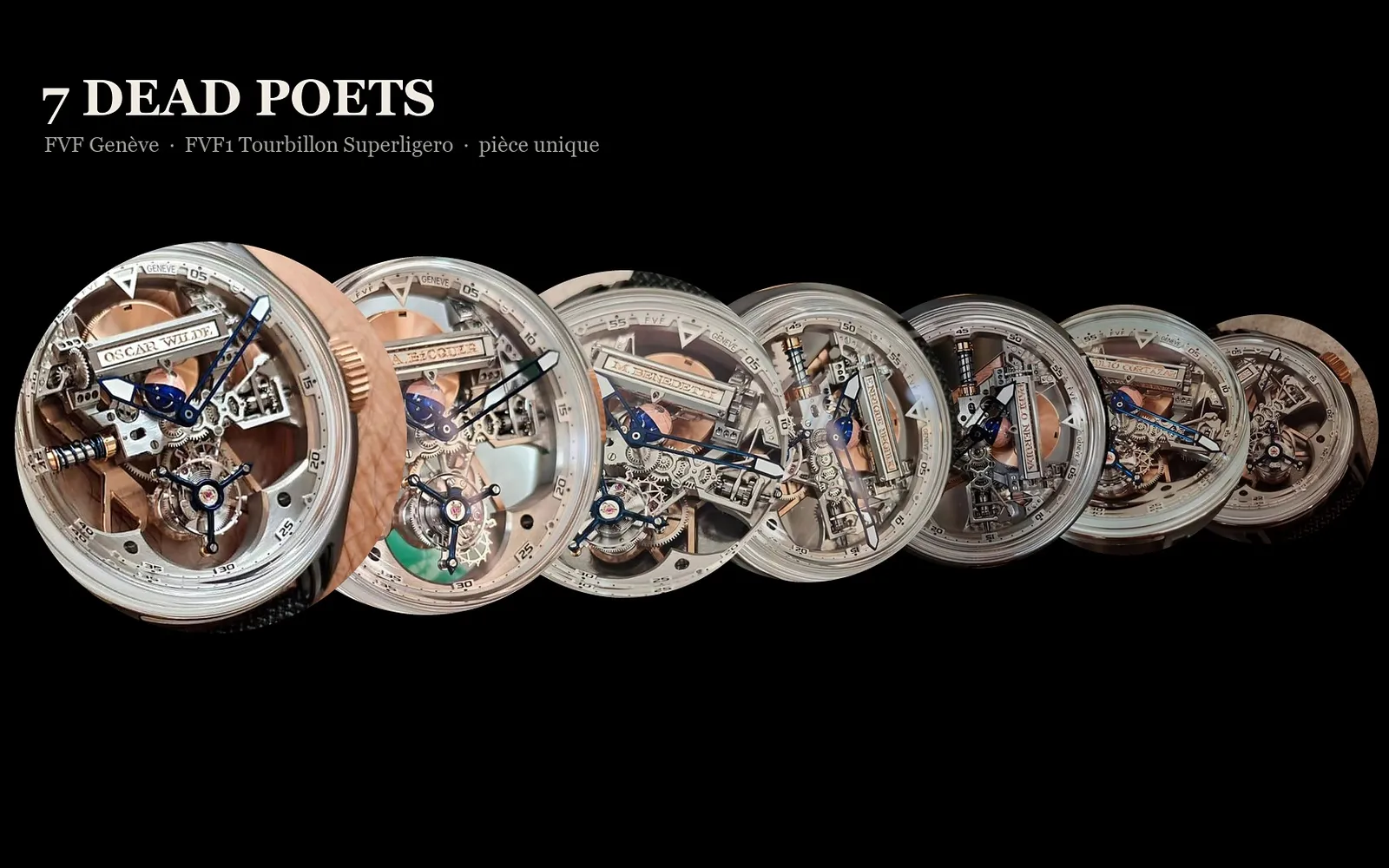
Is time no more than the ticking of wheels behind a dial, or is it the first drop of ink a poet lets fall on paper at midnight?
Traditional high watchmaking has spent centuries trying to imprison time in a mathematical discipline. Poetry, on the other hand, bends those rigid lines and carries the spirit out of time altogether. FVF Genève, founded by the Spanish-born independent Franc Vila and working in Geneva, made a single example of its flagship tourbillon for one collector, and in doing so turned mechanics into a literary assembly. The house named it itself: 7 Dead Poets. The idea was born over a dinner in Madrid. Its owner, a European collector of independent and complicated watches known on social media as thedeadwatchsociety, is devoted to poetry; so is Franc Vila. What was discussed at that table was a homage to great poets, and the watch came out of it.
This watch refuses calendar pages, the names of the days and the classical date window. It gives each day of the week to one of seven poets the owner chose himself.
format_quote"Is time no more than the ticking of wheels behind a dial, or the first drop of ink a poet lets fall on paper at midnight?"
Hasan Bekmezci
Imagine seven minds gathered outside time and place around a heavy wooden table. Books, inkwells and the accumulation of centuries lie on it. The subject is this: how briefly a human being lasts, what time destroys, and what does not die. These are the names that stand on the seven faces of the roller, and the choice was the collector’s own.
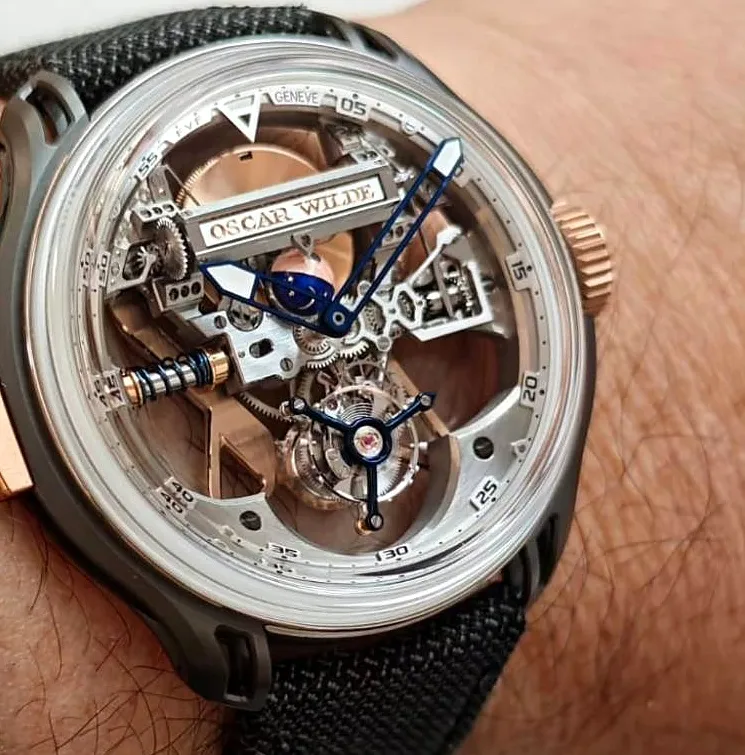
Oscar Wilde speaks first and puts the hardest claim on the table. He wrote The Ballad of Reading Gaol after his release, in the shadow of his own imprisonment. In it he says that each man kills the thing he loves: some do it with a bitter look, some with a flattering word, the coward with a kiss, the brave man with a sword. For Wilde it is not time that does the damage. It is the loving.
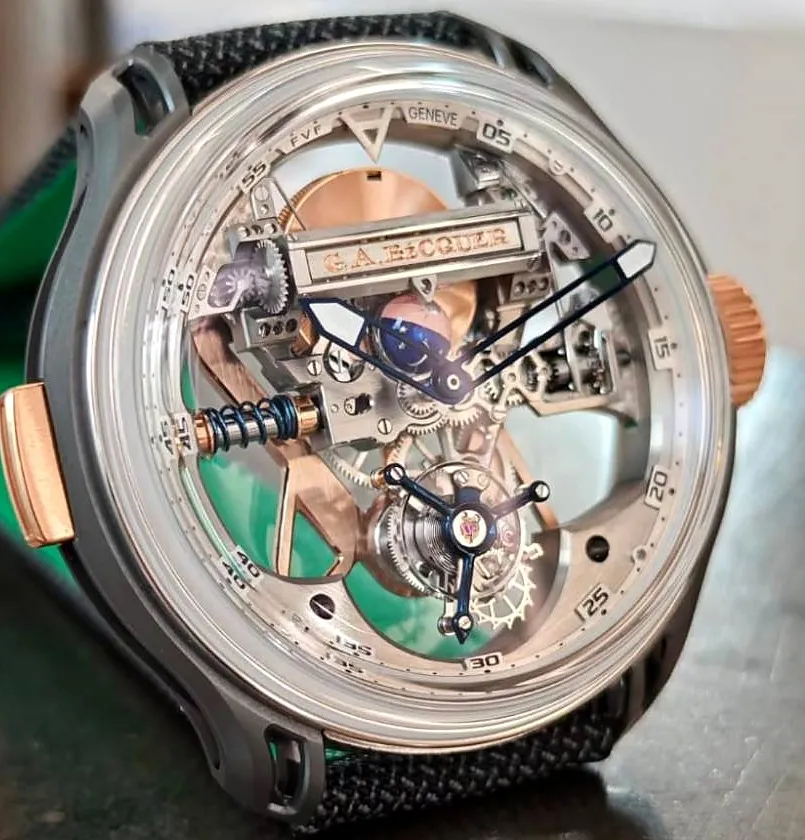
Gustavo Adolfo Bécquer objects. No, he says, it is time that does the damage. In that famous poem of the Rimas he says the dark swallows will return to hang their nests on the balcony; but those that slowed their flight to look upon the beloved’s beauty and the poet’s own happiness, those will not return. What is lost was not killed; it simply does not come back. Bécquer’s own life ran out in thirty four years, and his book was printed only after his death.
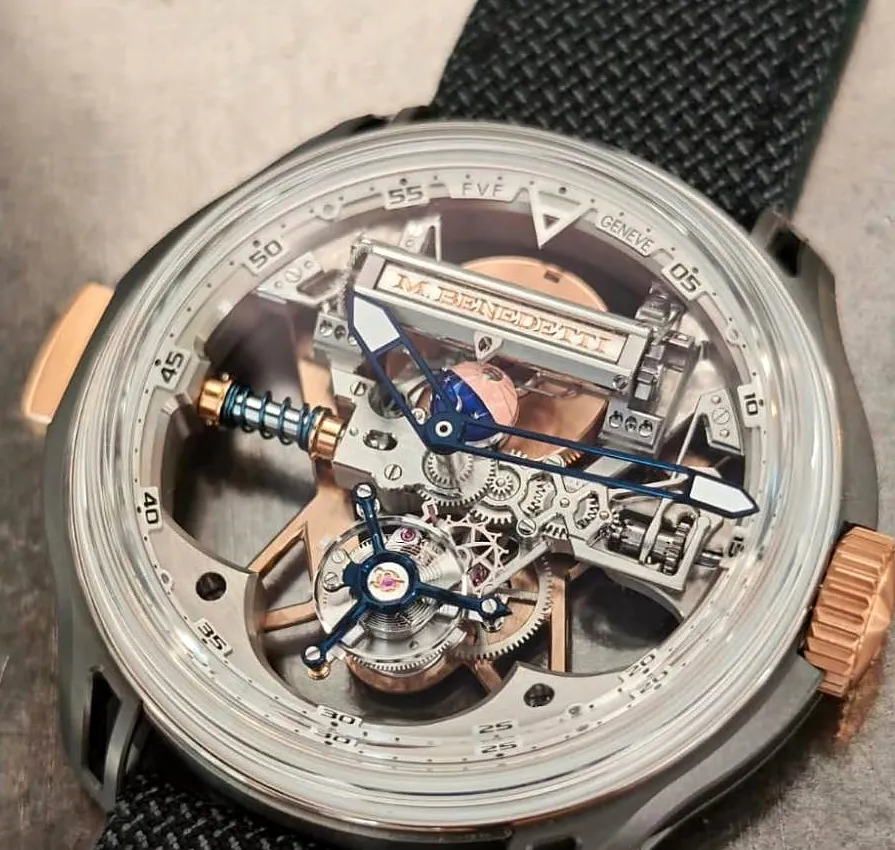
Mario Benedetti draws the conclusion. If it does not come back, then do not spend what you have left protecting yourself. His most quoted poem says exactly that: do not save yourself, do not take refuge in calm, do not stand at the edge, do not set today aside for later. He was Uruguayan and made his poetry out of office corridors, bus stops and exile, which is why the advice does not read as an abstraction but as an instruction for a Tuesday. His novel The Truce tells of a plain book-keeper and a love that arrives too late, and ends before it can be lived.
The least expected name at the table brings the argument down to the ground. Enrique Urquijo was not a poet of books but a singer in Madrid, the voice and the lyricist of Los Secretos. What the others circle for pages he said in three minutes, and his titles alone carry it: let me go, but at your side, cat’s eyes. He is the only one at this table whose time actually ran out: found dead in a doorway in Madrid on a winter night in nineteen ninety nine, at thirty nine. His objection is short. Time is not an idea; it is a last night. And the idea for this watch was born over a dinner in Madrid.
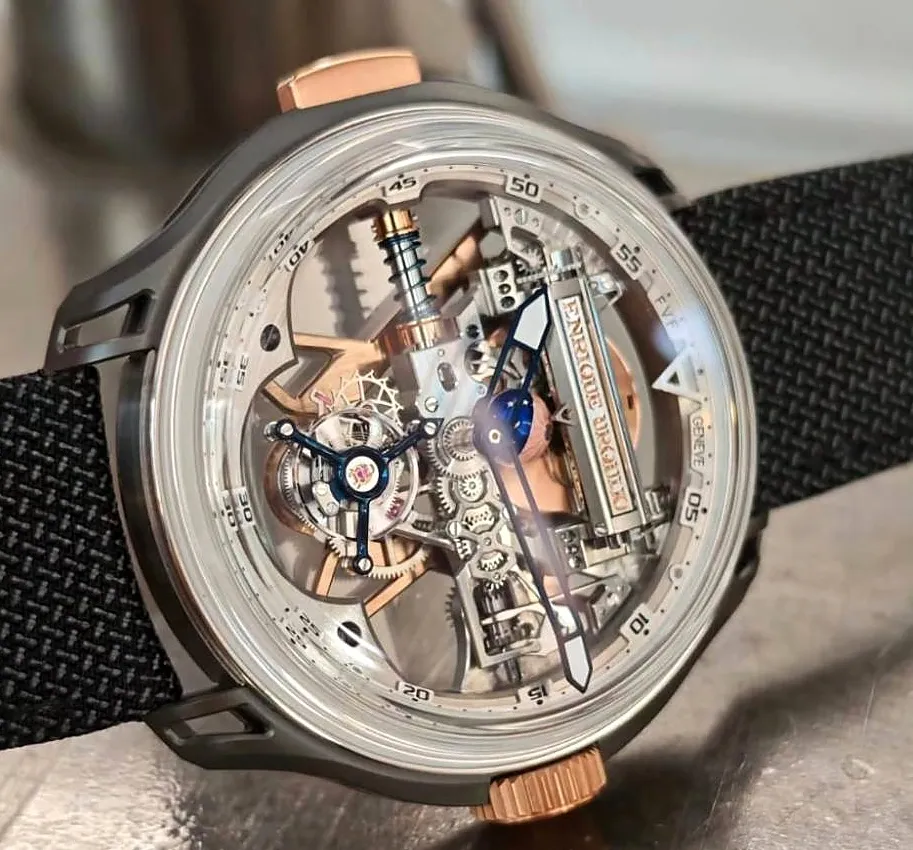
Pablo Neruda agrees with him, but from somewhere else. If there is little time to say it in, then love must be spoken without waiting to be understood. In the seventeenth of the Hundred Love Sonnets he describes the beloved not as a rose but as a secret plant that flowers inwardly in the dark, and admits outright that he does not know how, or when, or from where he loves her. He wrote the book for his wife Matilde Urrutia and divided it into morning, afternoon, evening and night. That he gave the night to ageing and to death is itself a confession that love, too, is on a clock.
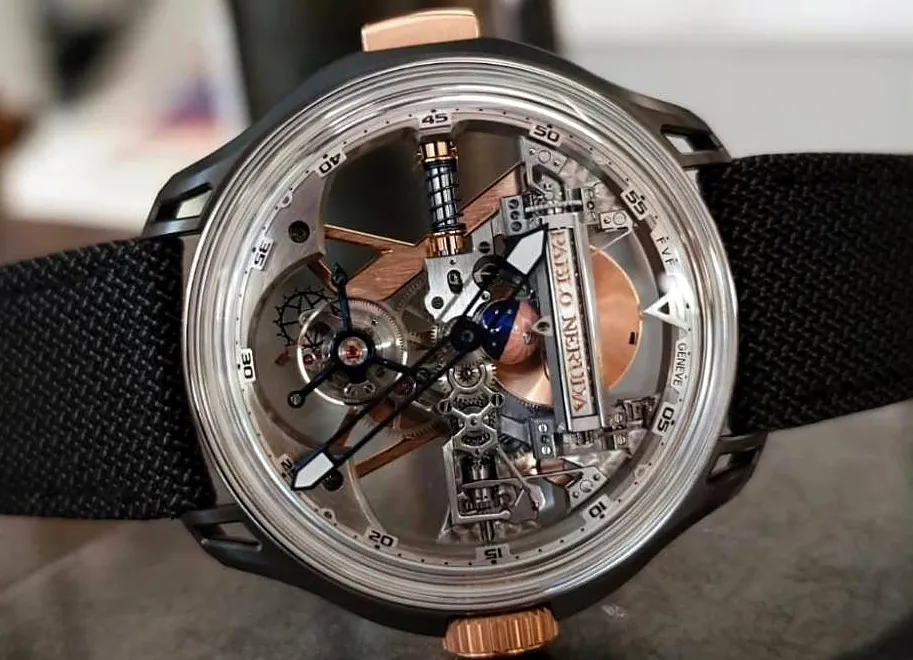
Julio Cortázar objects to the way the argument has been set up. Why should a life be read in one order? The novel known in English as Hopscotch can be read in two separate orders: straight through, or by the table of jumps the author prints at the front. Time does not run straight in his short stories either; in Continuity of Parks the man reading a novel becomes the victim of the murder inside the novel he is reading. If the order can be changed, Cortázar says, then time is not a river. It is a sequence you jump across. On a watch that turns the dial from a calendar into a roller that jumps, his name does not look like a coincidence.
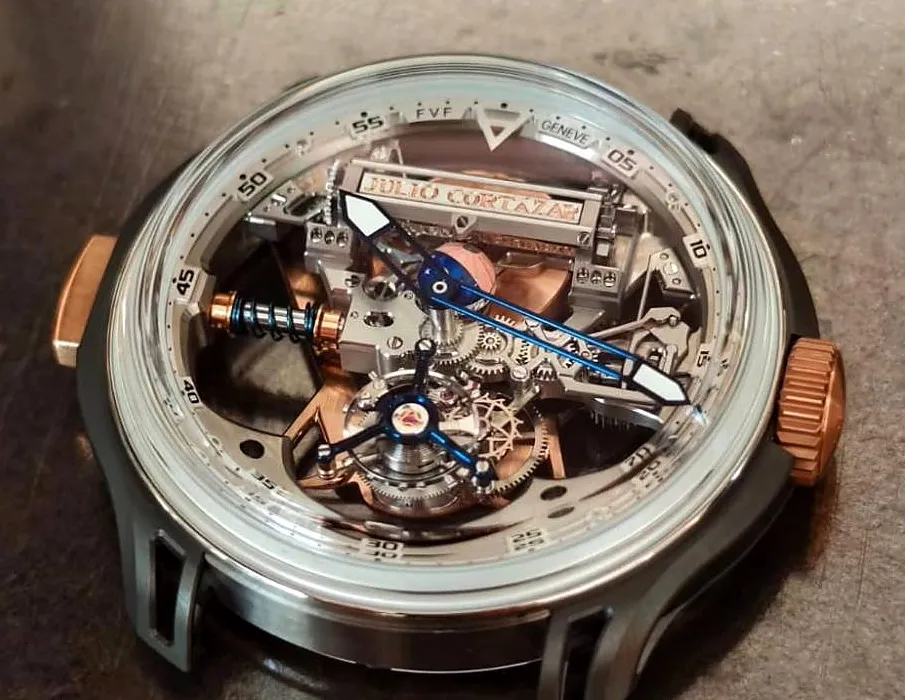
Charles Bukowski has the last word, and refuses every consolation on the table. He wants no system and no comfort. He gave twenty years of his life to a postal sorting office in Los Angeles, wrote his poems at midnight in cheap rooming houses, and called his books Post Office and Tales of Ordinary Madness. His most read poem is about a bird he keeps shut inside his chest: the bird wants out, and he will not let it, so that nobody sees it. For Bukowski time neither kills nor returns. It runs out quietly while nobody is looking. It is the plainest and the most pitiless sentence at the table.
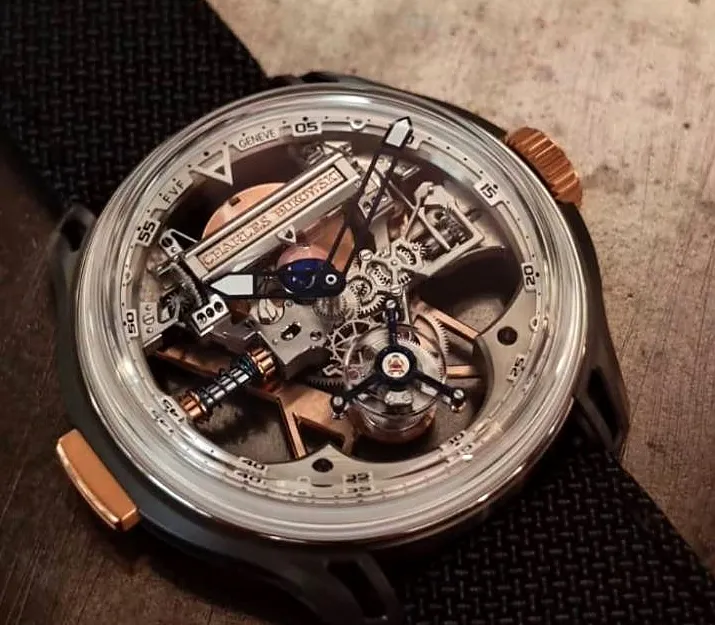
Look at the list whole and one thing shows at once. Five of the seven wrote in Spanish: Bécquer from Spain, Neruda from Chile, Benedetti from Uruguay, Cortázar from Argentina, Urquijo from Madrid again. The two that remain, Wilde and Bukowski, wrote in English. Franc Vila was himself born in Spain, and the watch was talked into being at a table in Madrid. This roller is not a general anthology of world literature; it is the memory of one language and one evening.
Seven names arrive by seven roads at the same place: time is spent and does not come back. Wilde lays it on the loving itself, Bécquer on swallows that do not return, Benedetti on the day you refuse to spend, Urquijo on one last night, Neruda on what must be said before it is understood, Cortázar on an order that can be changed, Bukowski on a room that empties while nobody is looking.
Time is the greatest and the most generous gift ever placed in a human hand; it is a desert of possibility that fits the stillness of eternity, resting on our shoulders, into one fragile life. And yet a man falls into the ingratitude of measuring that immense favour with the cold ruler of seconds and taking it for a sentence that runs out. Whereas time, at the moment it is given over to the one who made it, to the absolute owner of love and of truth, and spent on the showing forth of His pleasure and His order, ceases to be a mortal passage and becomes an everlasting feast.
If you sacrifice that sacred trust to certified trivialities, to the passing greed of the world and to the shallowness of the moment, time becomes a poisoned grain of sand melting in your hands; but if you commit it to the owner of timelessness, to that endless power, then every second turns into a divine breath broken off from the garden of paradise, into a breathless journey towards reunion, and into the surest refuge from loss.
And the seven-sided roller at the centre of the table turns slowly. Each morning it advances one face; a name leaves, a name arrives. Seven men complaining about the spending of time, mounted on a machine built to measure it.
The seven poets fall silent. It is the movement’s turn.
format_quote"At the moment it is given over to the one who made it, time ceases to be a mortal passage and becomes an everlasting feast."
Hasan Bekmezci
After the assembly, Franc Vila’s watchmaking takes over. The open architecture of the watch writes the names of the seven poets not onto cold metal but onto a part that turns.
The heart of it is the day roller. On the series FVF1 that roller is heptagonal and shows a day of the week; one of its seven faces comes to the window each morning. Seven faces means the seven days. On the 7 Dead Poets, the names of seven poets are hand-engraved onto those seven faces in place of the days. The time that passes from Oscar Wilde to Bécquer, from Neruda to Cortázar, is not a calendrical obligation but a literary changing of the guard. That the number is seven is not a preference; it is the geometry of the mechanism itself.
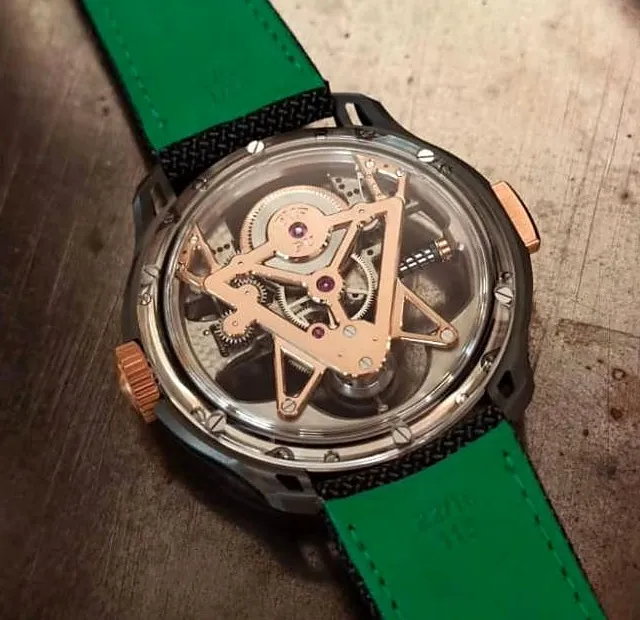
Two things appear on this piece for the first time in the atelier’s history. The first is gold: FVF had never used it on any watch, and here the crown and the pusher that moves the poets on quickly are both in gold. The second is the surface of the case; the Titalyt treatment, applied by the house for the first time, leaves a dark layer of ceramic hardness over the titanium. That is where the difference comes from between the pale grey titanium of the series watch and the dark body of this one.
There is no dial. Case and baseplate are carved as a single piece from grade 5 titanium; this construction, which the house calls unibody, removes the classical weakness of skeletonised watches, that the movement goes out of true when the case flexes. Sapphire front and back wraps the movement in a glass box. Wheels, screws and the German silver bridge stand entirely bare.
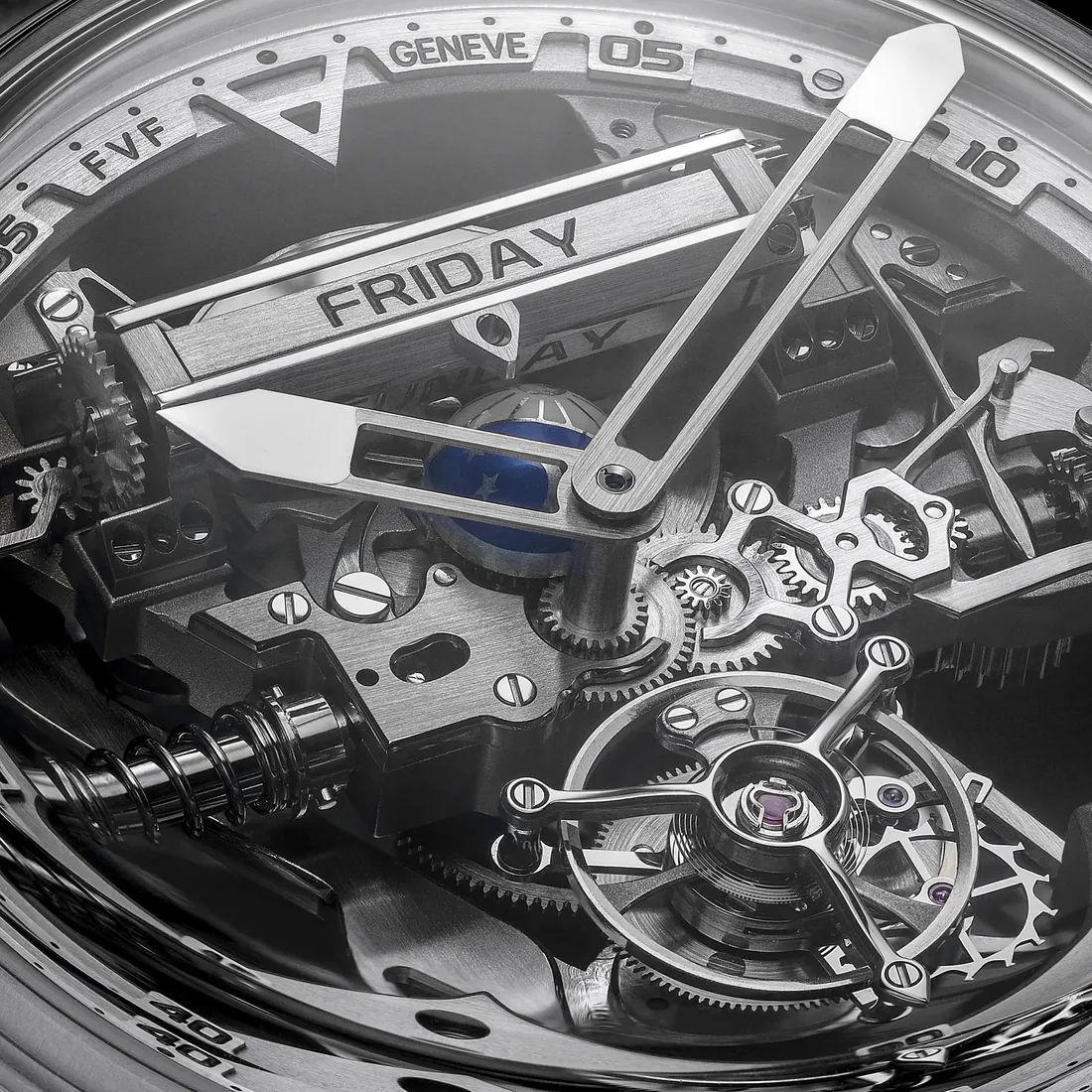
A flying tourbillon turns at six and completes a revolution in sixty seconds. The balance is eight point two five millimetres across; it carries four regulating screws and eight inertia screws, and works with a fifteen-tooth Swiss lever escapement. It beats twenty one thousand six hundred times an hour, three times a second. That relatively slow rhythm is what makes the turning of the cage something the eye can follow.
The barrel gives a power reserve of a hundred hours, more than four days. The movement is thirty two millimetres across and nine and a half high, carries twenty one jewels and is built from two hundred and forty parts; cased up, the count rises to two hundred and ninety seven.
The case is forty two and a half millimetres and, without the sapphire box, thirteen point eight millimetres high, water resistant to thirty metres. The most striking figure, though, is the weight: fifty four point eight grams with its leather strap and titanium pin buckle. That is where the name Superligero comes from.
Looking for a long time at a watch with no dial is like looking at a body with the chest opened. Nothing here is hidden, and no organ is doing another organ’s work.
The barrel is the heart. It does two things at once: it stores energy and it lets that energy go under control. A heart is not a pump either; it works as much by the measure of its relaxation as by the force of its contraction. The barrel here holds a hundred hours of pressure and spreads it over more than four days.
The gear train is the circulation. The single great push of the barrel is divided as it passes through wheels that grow smaller and faster, the way the pressure of the aorta is divided down through the arteries into the capillaries. At no point is energy created; it is only divided and turned.
The escapement is the set of valves. The valves of a heart stop the blood running back and break the flow into beats. The fifteen-tooth Swiss lever does the same: it refuses to let the barrel empty itself at once and cuts its force into equal portions, one at a time. In a body and in a watch alike, nothing flows continuously; everything goes in beats.
The balance is the node that sets the rhythm. In the heart the sinus node makes no energy; it only says when to beat. The eight point two five millimetre balance here makes no power either; it only keeps the time. The four regulating screws and the eight inertia screws on its rim are the fine tuning of that node. It swings twenty one thousand six hundred times an hour, three times a second, roughly sixty times faster than a human heart at rest.
A body has two circulations: the small one from the heart to the lungs, and the great one that goes round the whole frame. The watch has two as well. The small one is the short exchange between escapement and balance, completed six times a second; it cannot be seen, and it sets the timing of everything. The great one is the slow flow out of the barrel through the train to the hands and to the roller that advances a face each morning. Neither means anything without the other.
The flying tourbillon at six takes that whole node, puts it in a cage and turns it once a minute. The reason is this: if the balance stood still, gravity would pull on it always from the same side and the error of that side would accumulate. Because the cage turns, each position cancels the error of another, the way a body balances its own pressure by changing posture, by lying down and getting up again.
And the coiled spring out in the open sits directly behind the gold pusher opposite the crown. Press it with a finger and the spring compresses; release it and the spring returns, and the roller advances one face. It is the only muscle on this dial you can watch work: one poet leaves, one poet arrives.
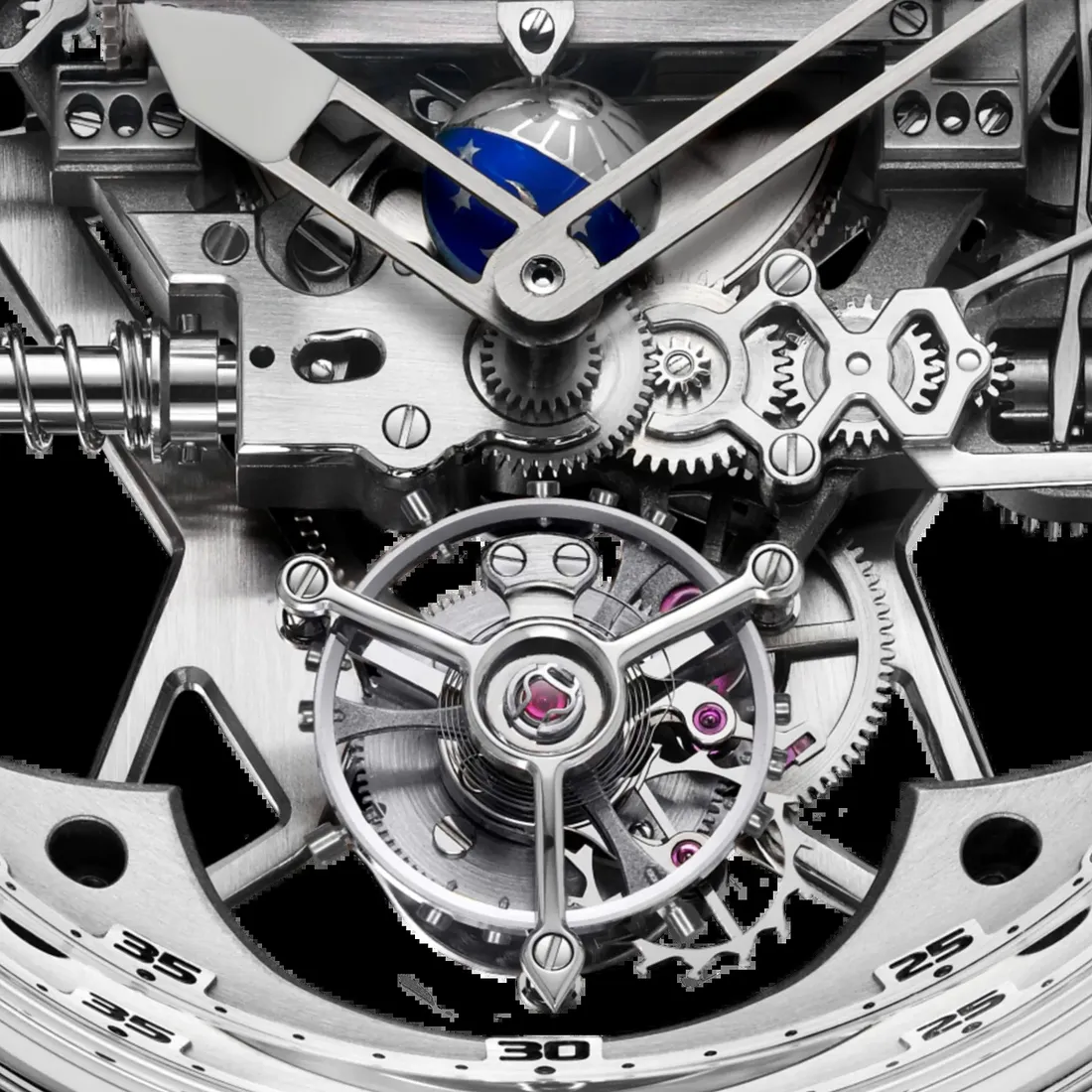
The finishing stands just as openly. Inward angles are polished by hand, wheels and screws are finished one by one, bridges are hand-engraved, some surfaces are black polished, and micro-perlage is laid in places. Because there is no dial, none of it can be hidden; any fault shows at the first glance.
Like Bukowski’s lines with the ornament taken off, this watch has no face to hide behind. And Cortázar shows himself every morning as the roller advances by one face: time does not flow, it jumps, and the order of reading changes. These are the readings of the person looking, not claims about the designer’s intent; but once made, they do not come off the dial.
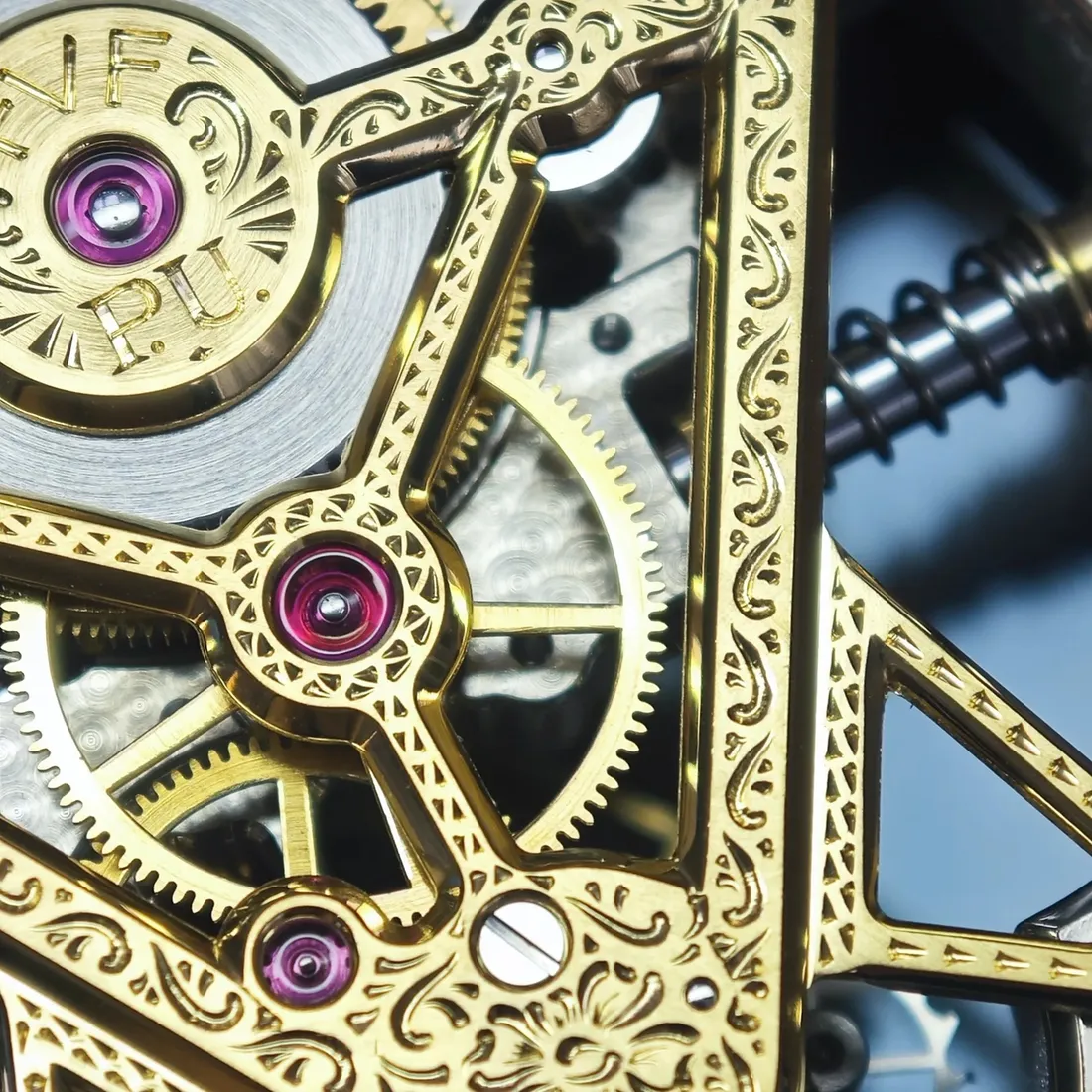
format_quote"With no dial, this watch has no face to hide behind; any fault shows at the first glance."
Hasan Bekmezci
The FVF Genève FVF1 Tourbillon Superligero 7 Dead Poets is a single-piece work that widens the limits of mechanical watchmaking with literature.
Franc Vila has seated an assembly in cold metal, and taken the passage of time out of the realm of pure mathematics by crowning it with the names of seven poets. This watch was not made for those who only spend time, but for those who want to meet each day of the week with a line of verse.
The series watch beneath it, on its maker’s own site: FVF Genève, FVF1 Tourbillon Superligero