The year is 830. In a cool, long courtyard in Baghdad ringed with date palms, Ibrahim, an old engineer who had grown up under Musa ibn Shakir, the father of the Banu Musa brothers, was stroking the hair of his grandson Ahmed. Brass wheels large and small, water channels and hollowed bronze balls lay scattered across the table. Ahmed was watching his grandfather’s calloused hands with admiration.
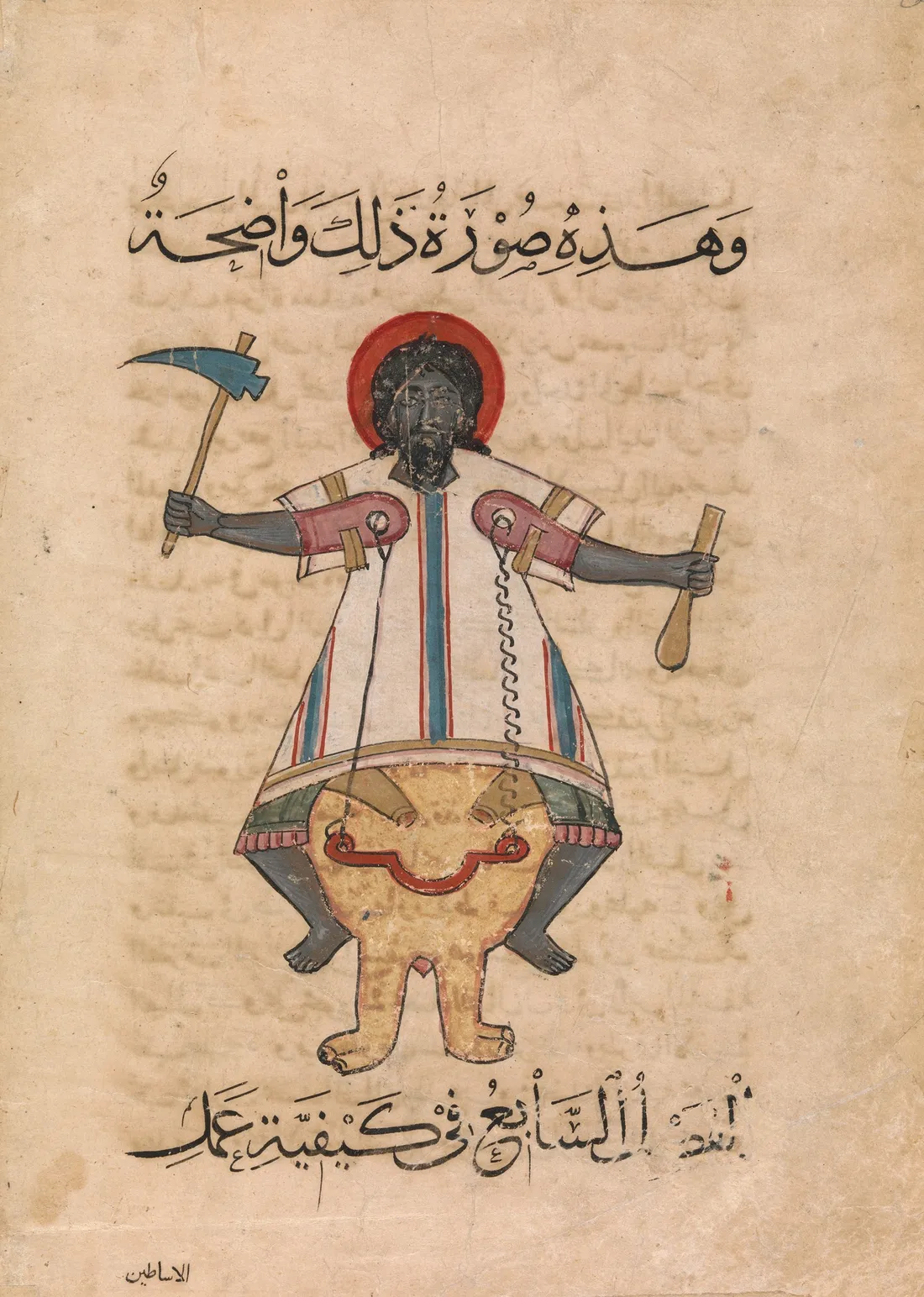
"Grandfather," said the boy, "I have understood those water valves you made in the palace with the Banu Musa masters. But the other day I saw a parchment in the library. In the time of the great Caliph Harun al-Rashid, a clock was sent to a king in the cold forests of the Franks... Did knights made of brass really walk by themselves?"
Old Ibrahim took a deep breath. His eyes slipped back a quarter of a century, to that sunlit Baghdad day in the year 807.
"Let me tell you about that day, Ahmed," he said in a whisper. "Because that clock was not simply a mechanism that ran on water. That clock was the moment when the place where the sun rises and the snow-covered West looked at one another for the first time..."
The Summit of the East: Baghdad and the Splendour of Harun al-Rashid
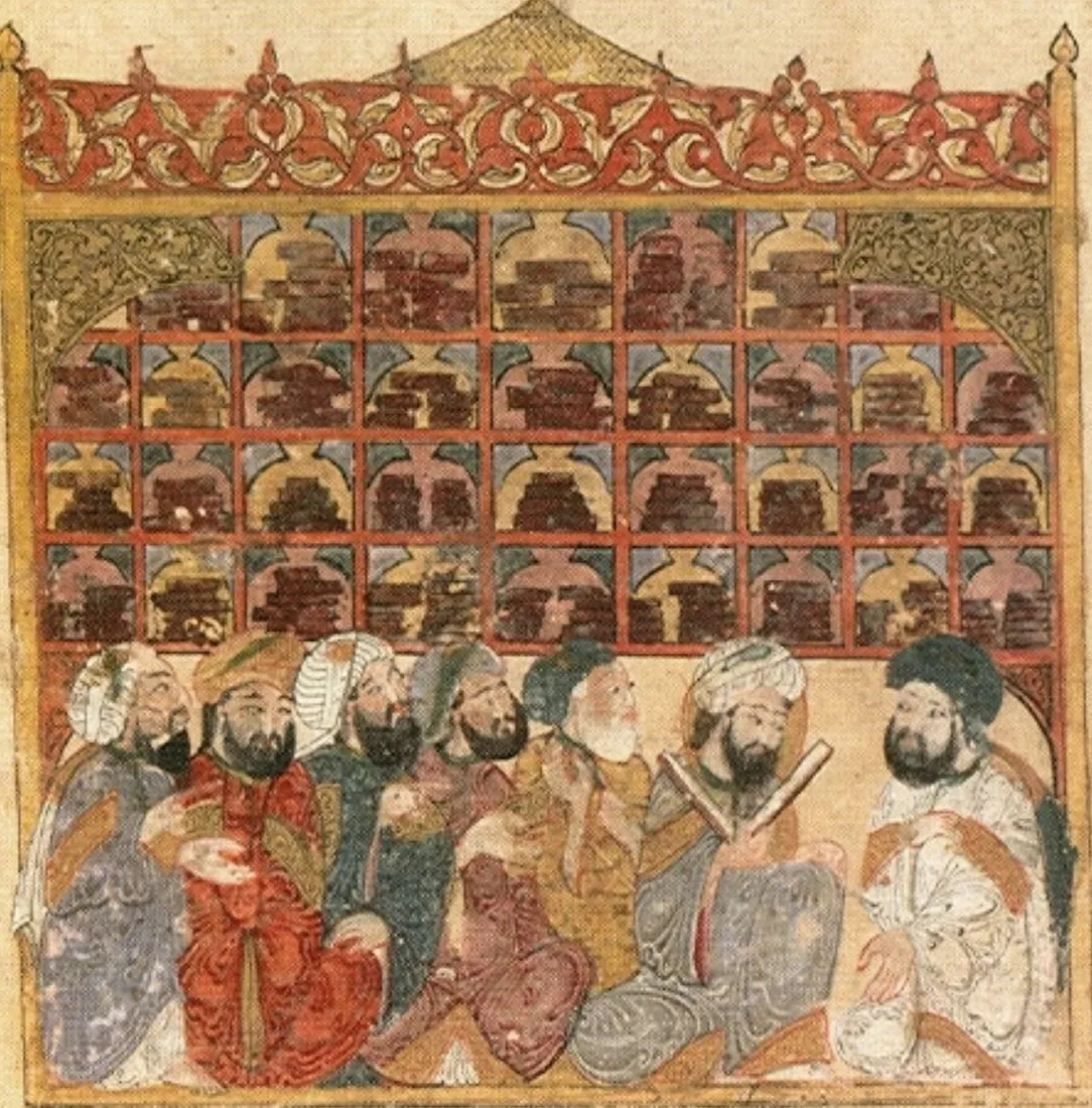
At the beginning of the ninth century Baghdad was the heart of the world. Built to a circular plan, this immense city was the shining lamp of civilisation with its libraries, its observatories and its mathematicians. Every trade route came out here, and the silk of China met the spices of India in the palace of the Caliph Harun al-Rashid.
Old Ibrahim looked into his grandson’s eyes and went on:
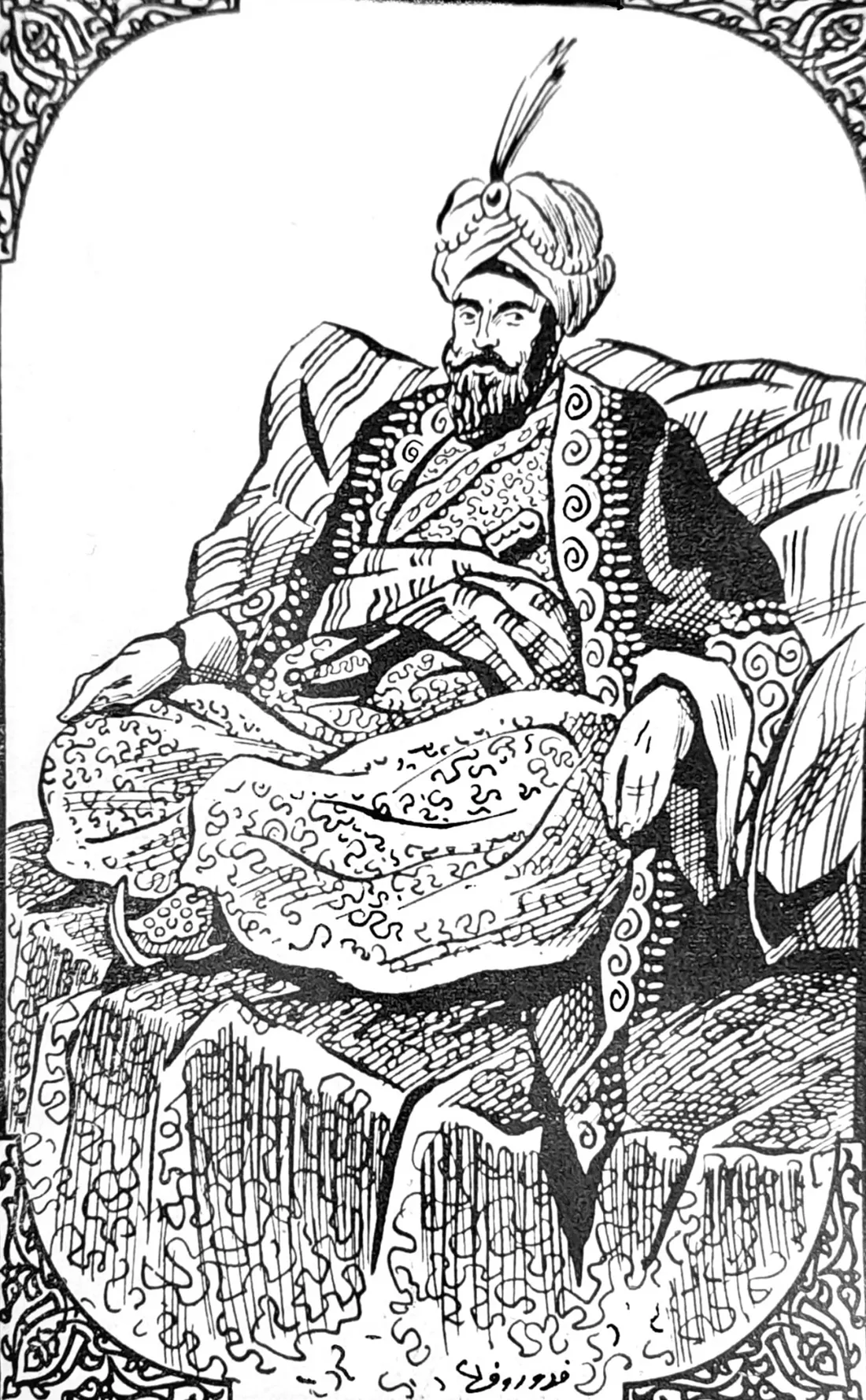
"In those days we turned night into day in the palace workshops. Harun al-Rashid was a just ruler and at the same time a man in love with knowledge. He did not want to give the envoys who came to the palace only gold or cloth. Give them the gift of reason and of wisdom, he would say. When the envoys of Charlemagne, king of the Franks, set foot in the palace, in their heavy furs and with their astonished eyes, they were all but spellbound among the marble columns of Baghdad. The Caliph wanted to show them the power and the learning of the East with an instrument they would never forget."
The Darkness of the West and the Emperor of the Franks: Charlemagne
In those same years Europe was an entirely different world. The Roman Empire had fallen and what remained was a scattered continent where literacy was almost non-existent and where the scientific inheritance of antiquity had been all but forgotten.
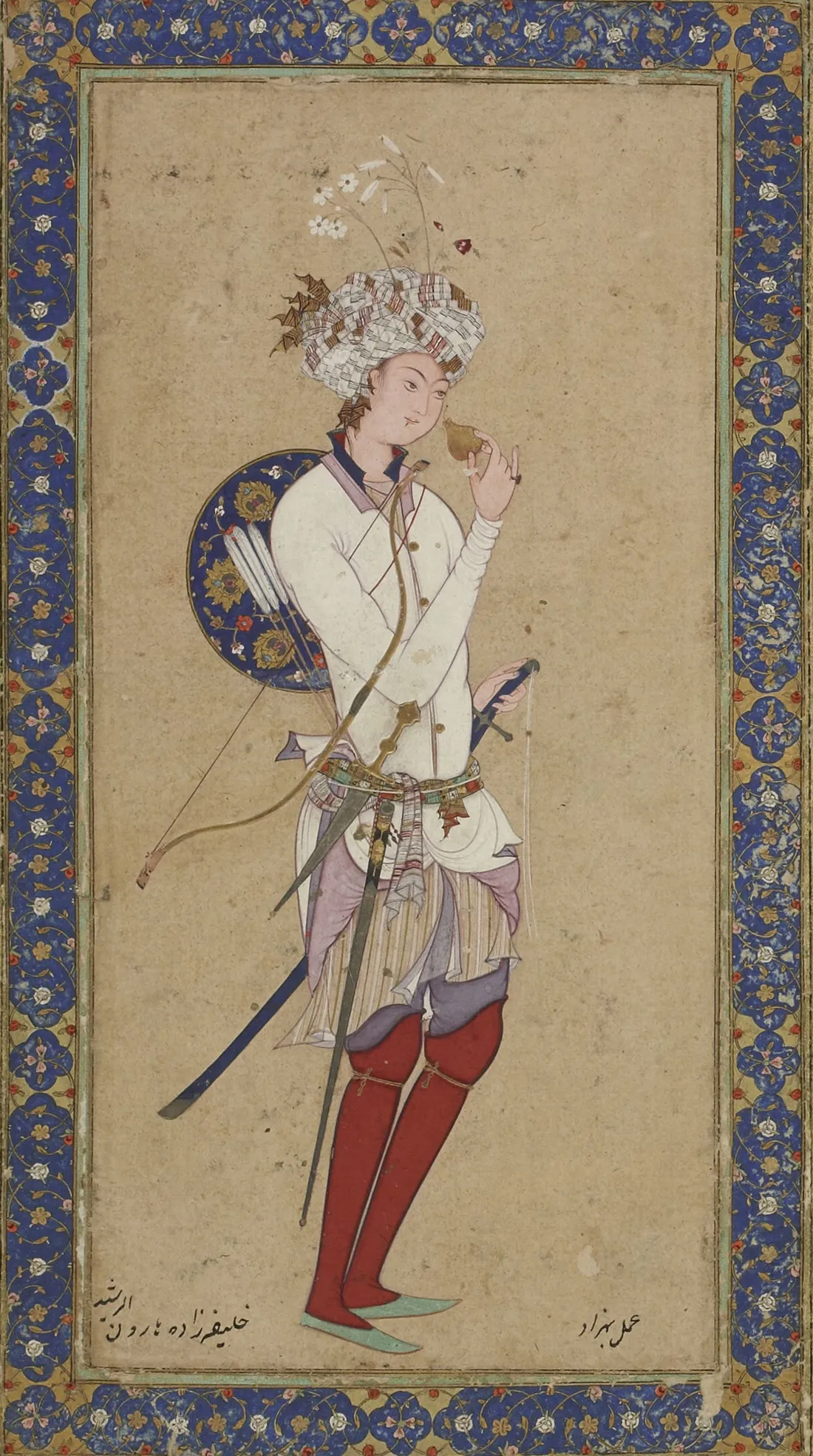
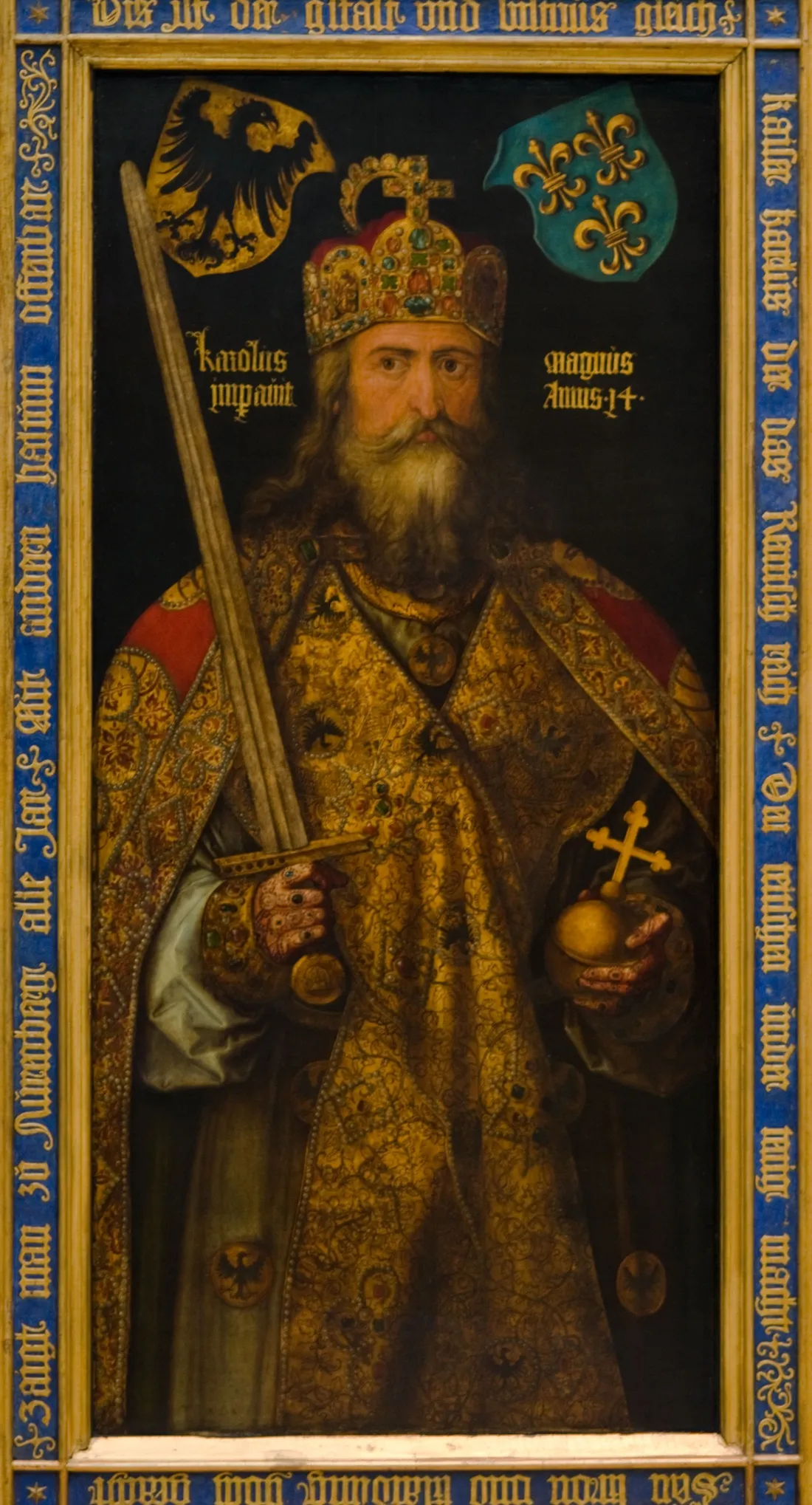
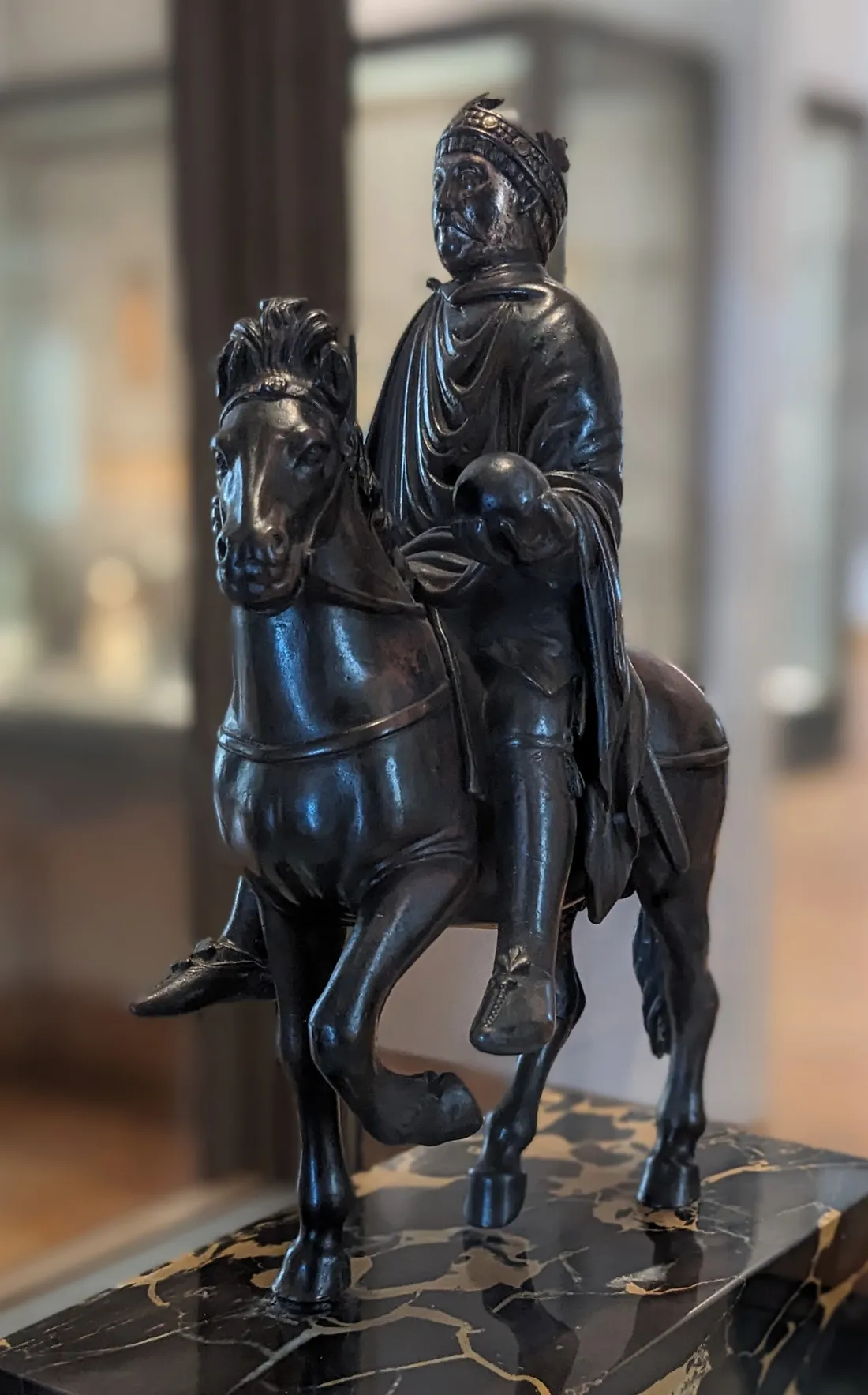
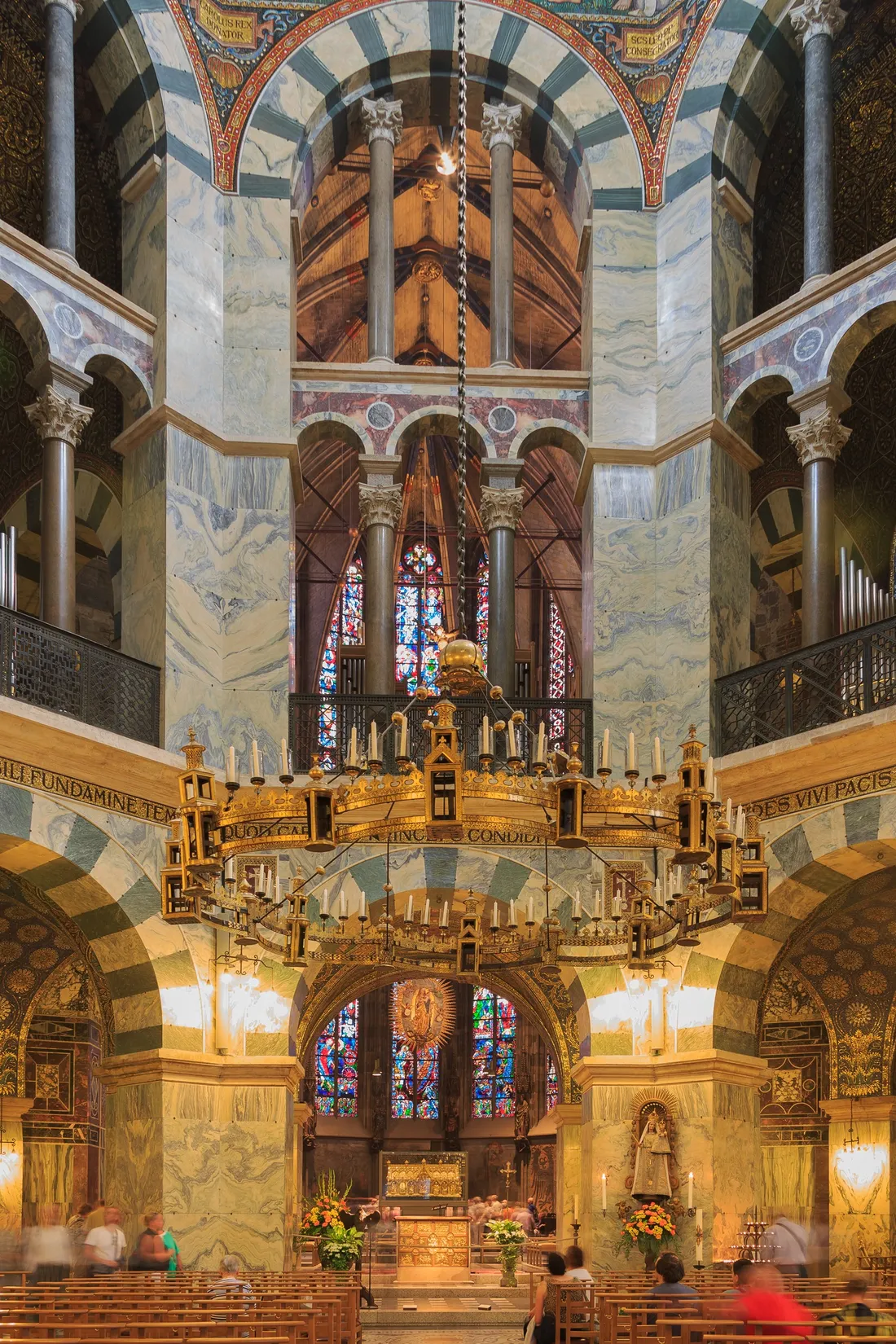
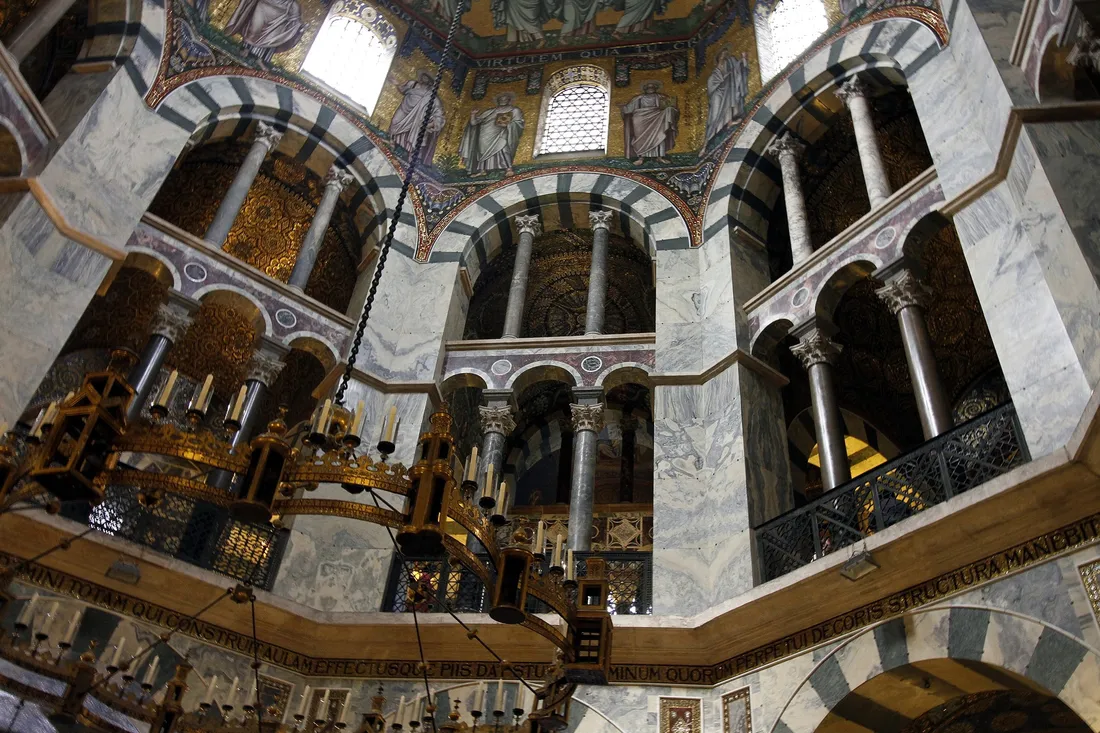
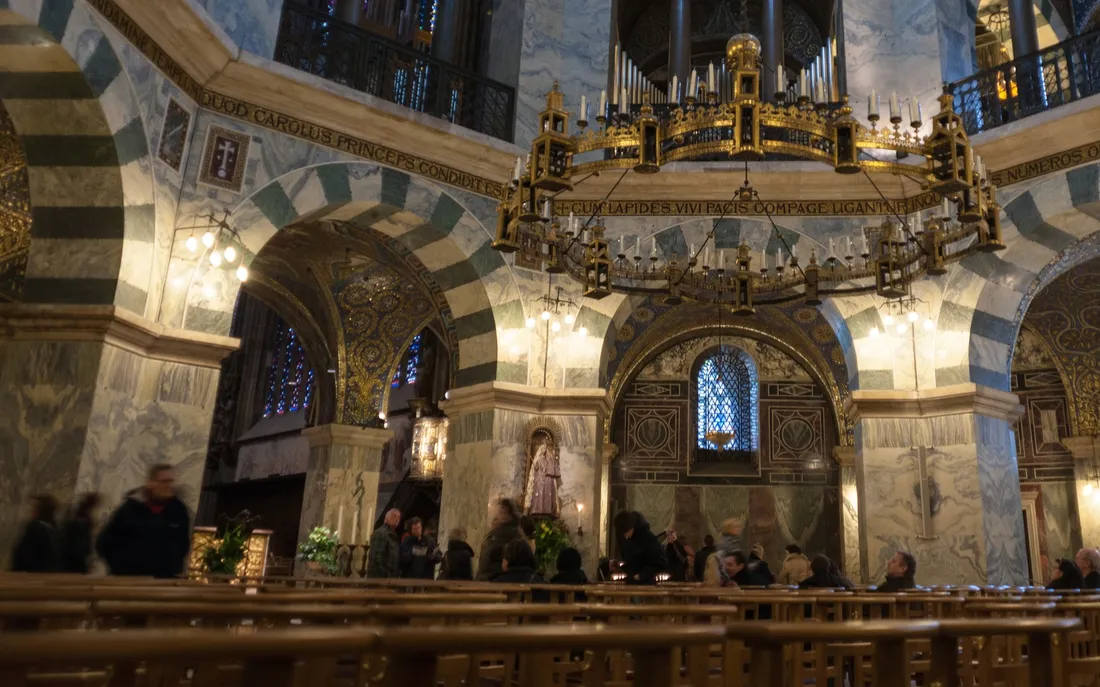
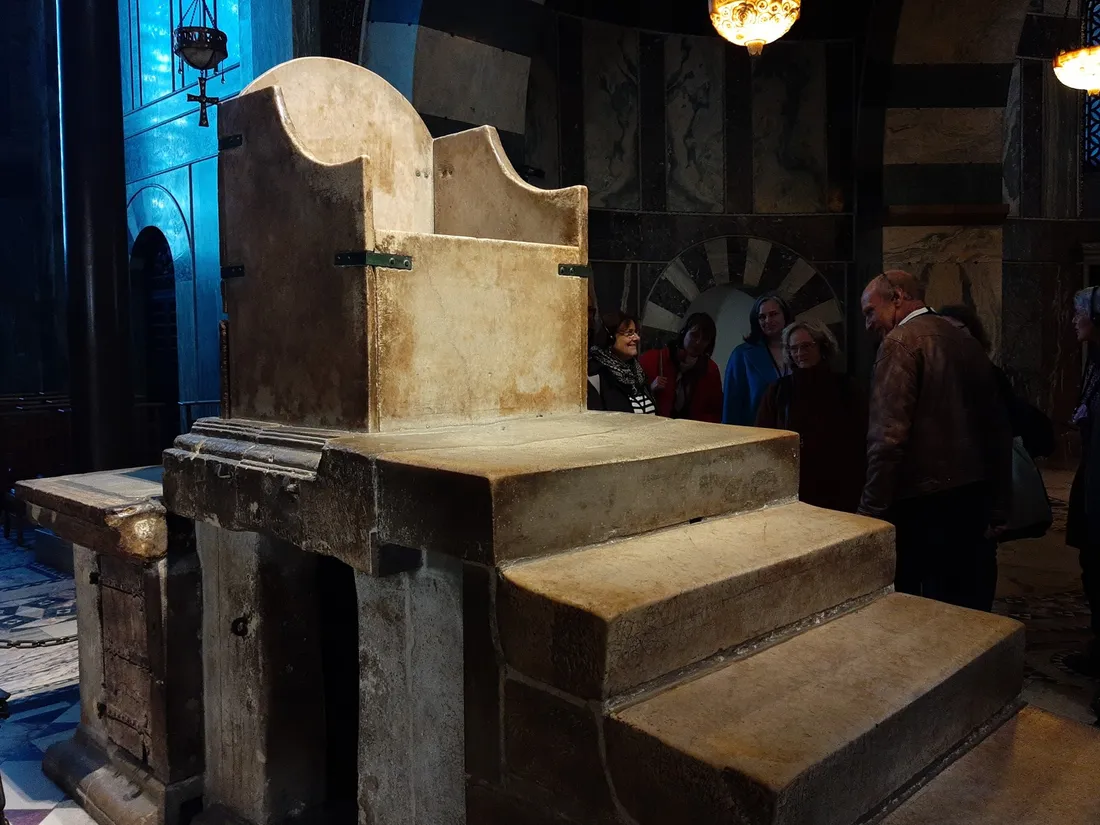
Charlemagne, who appeared in the middle of that darkness, had expanded the kingdom of the Franks from his seat at Aachen and in the year 800 was proclaimed Emperor of the Romans by the Pope. That coronation counts as the beginning of what would later be called the Holy Roman Empire; but that name was given centuries afterwards. Charlemagne was an intelligent ruler; he was trying to raise literacy in his kingdom and having libraries founded in the monasteries. Yet the technical means in his lands were extremely limited. In Western Europe time was still measured with simple sundials or by how far a candle had burned down.
The two rulers had one thing in common: both wanted to balance the power of the Byzantine Empire and of the Umayyads of Andalusia. That diplomatic drawing together prepared the ground for the most iconic exchange of gifts in history.
The Diplomatic Bridge and the Shock in the Palace at Aachen
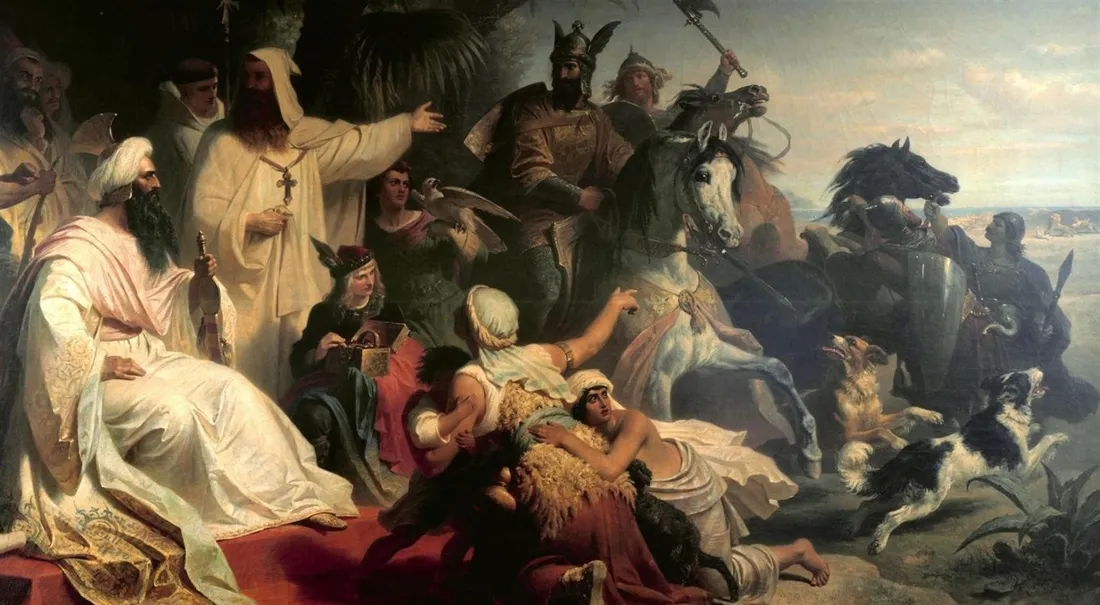
In the year 807 an embassy that had set out from Baghdad crossed the Mediterranean and reached Charlemagne’s palace at Aachen. They brought rare spices and silks with them. But the thing everyone was waiting for with such curiosity was the enormous water clock of brass, carried in a case of its own.
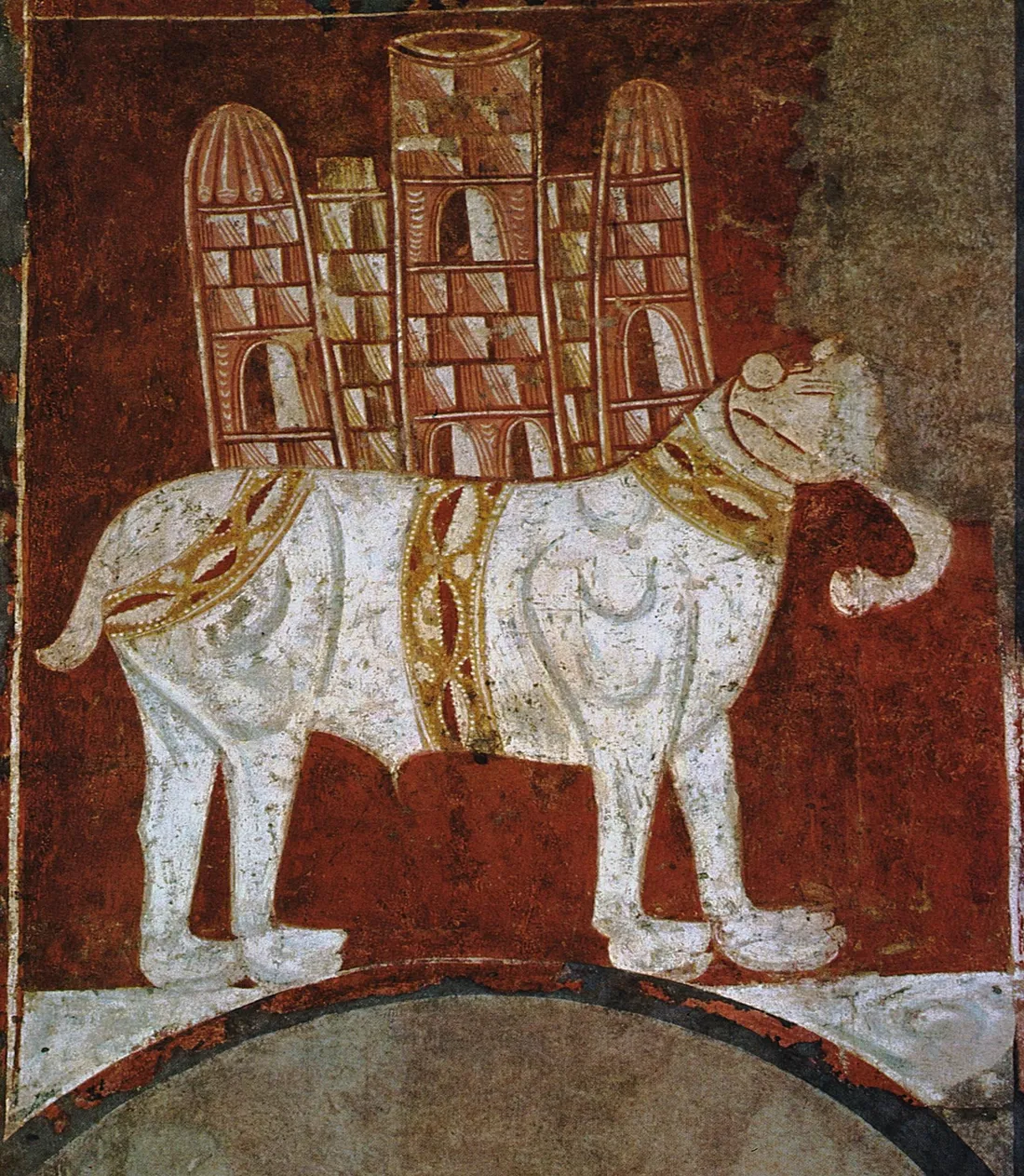
Harun al-Rashid’s famous white elephant, Abul-Abbas, was not in that caravan. He had arrived at Aachen five years earlier, in the summer of 802, having crossed the Mediterranean by ship, wintered in Italy and walked over the Alps in the spring. He was the first elephant seen north of the Alps since antiquity. So on the day the clock arrived, the Frankish court was living through the second great astonishment the East had sent it.
Old Ibrahim’s eyes shone as he described the details of the mechanism:
"When we were building that clock in the workshop we calculated every single part by the golden ratio, Ahmed. When it was set up in the palace of the king of the Franks, can you imagine the awe on the faces of the court? The clock did not merely show the time; it turned time into a living theatre."
The Clock Examined: Magic or Engineering?
When Charlemagne’s courtiers and his priests stood in front of the clock they could not believe their eyes. Many of them thought there was a djinn or a devil hidden inside it. In fact the only things working inside that clock were the kinetic force of water and gravity.
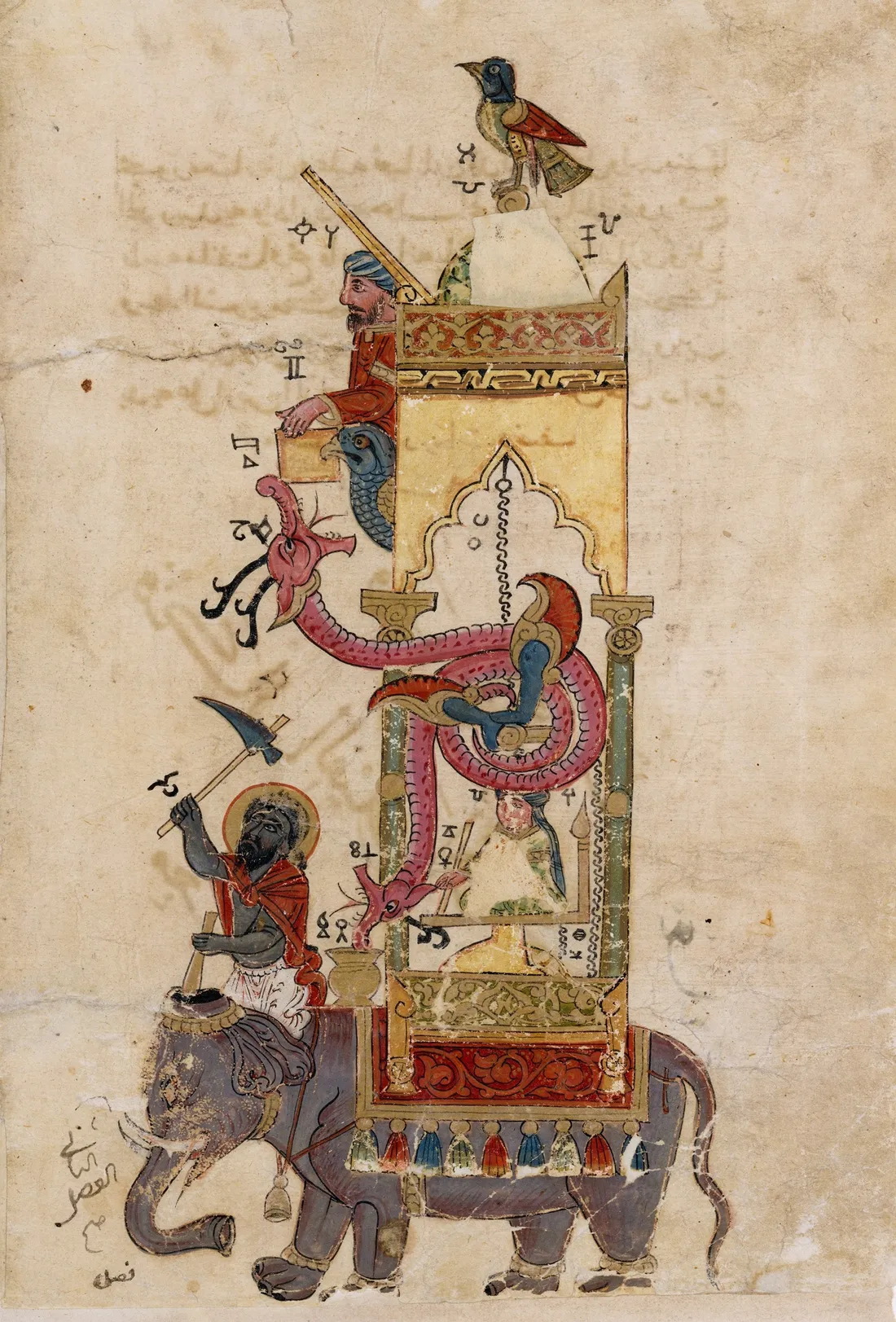
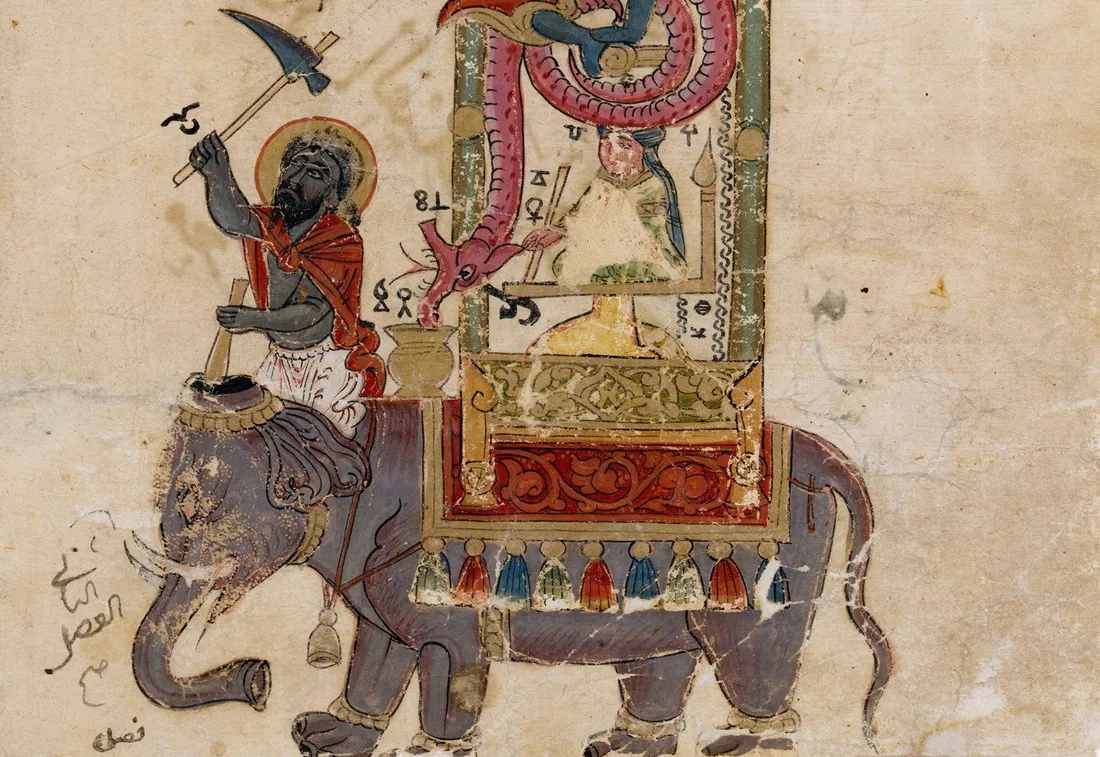
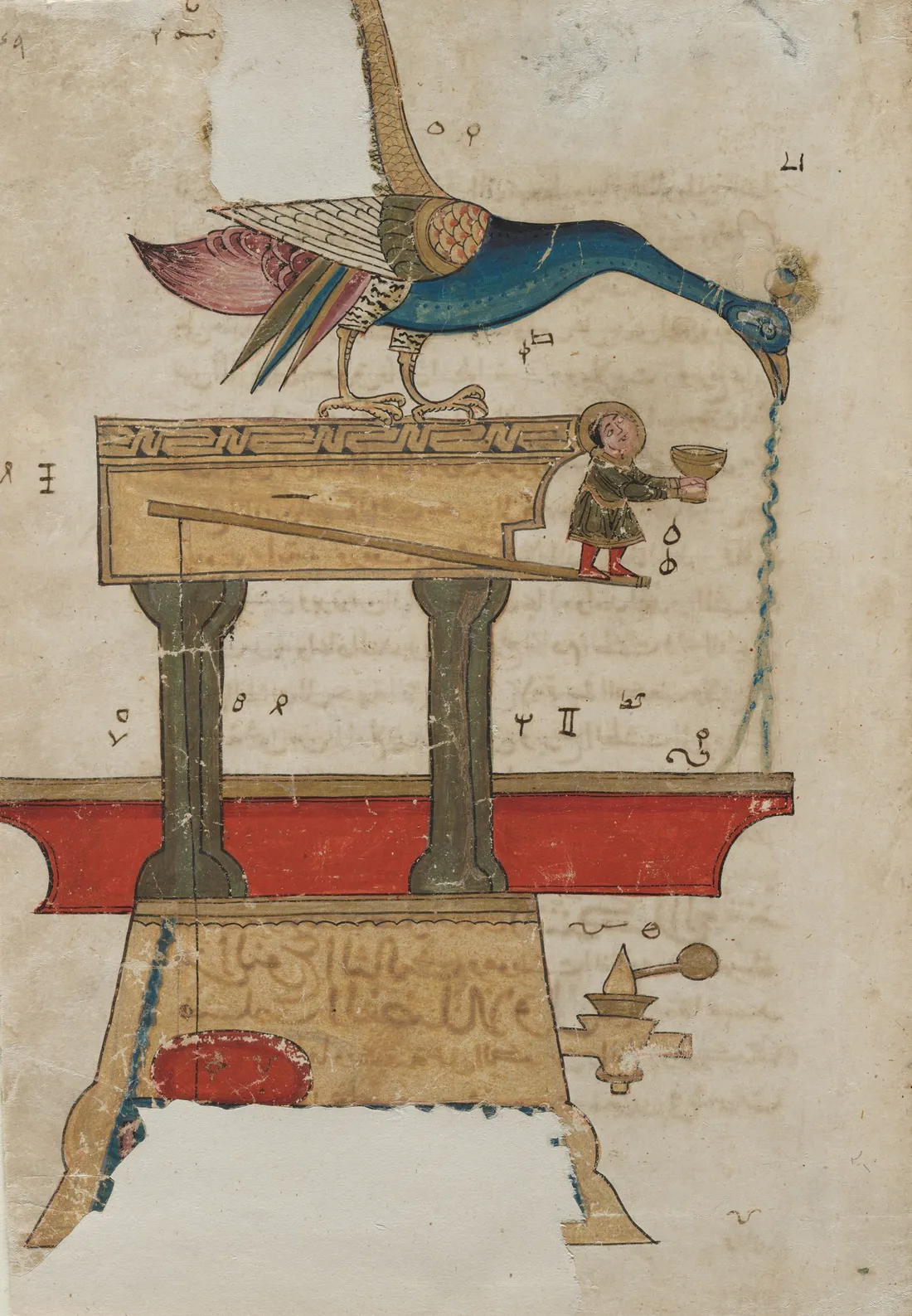
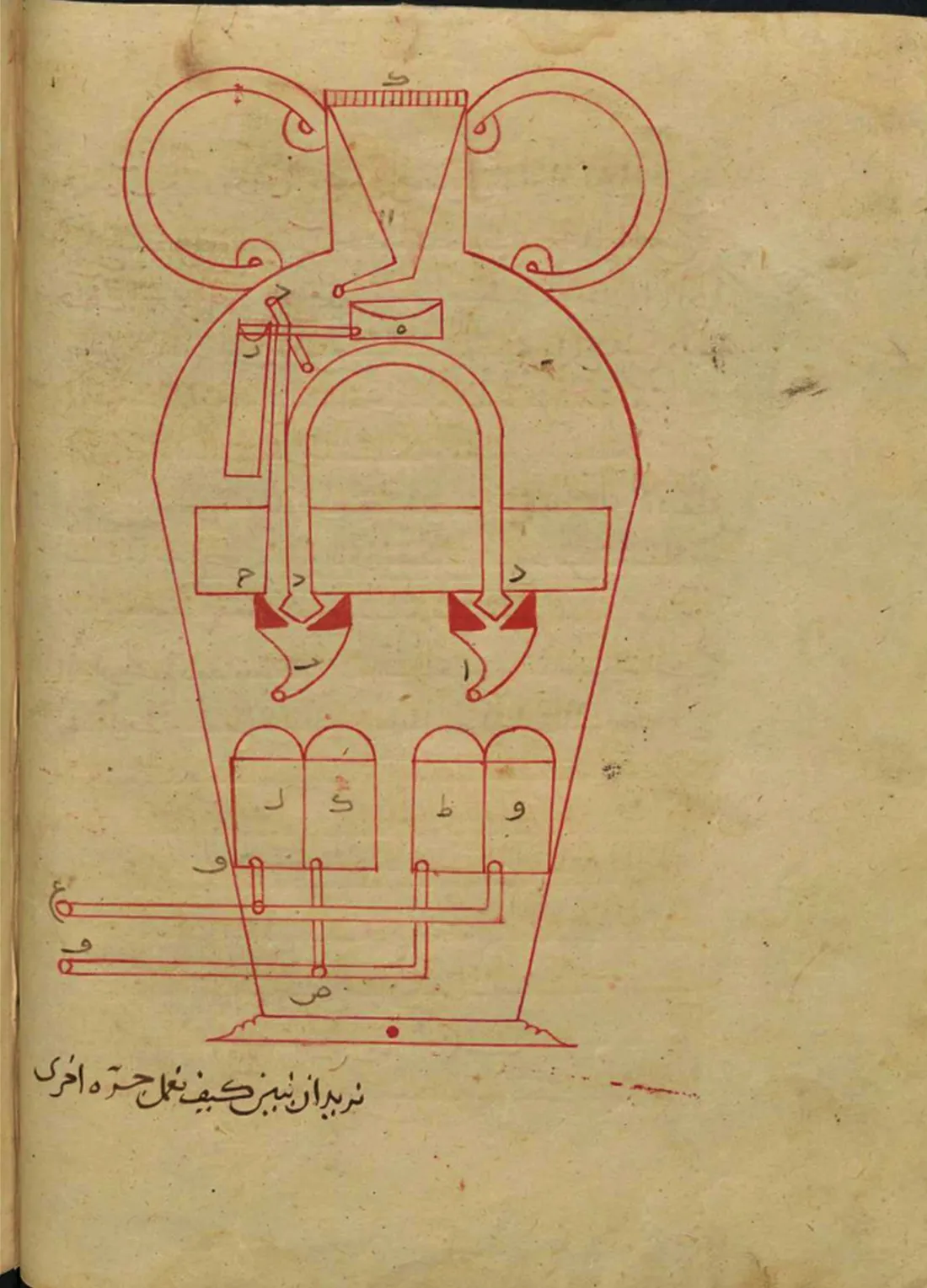
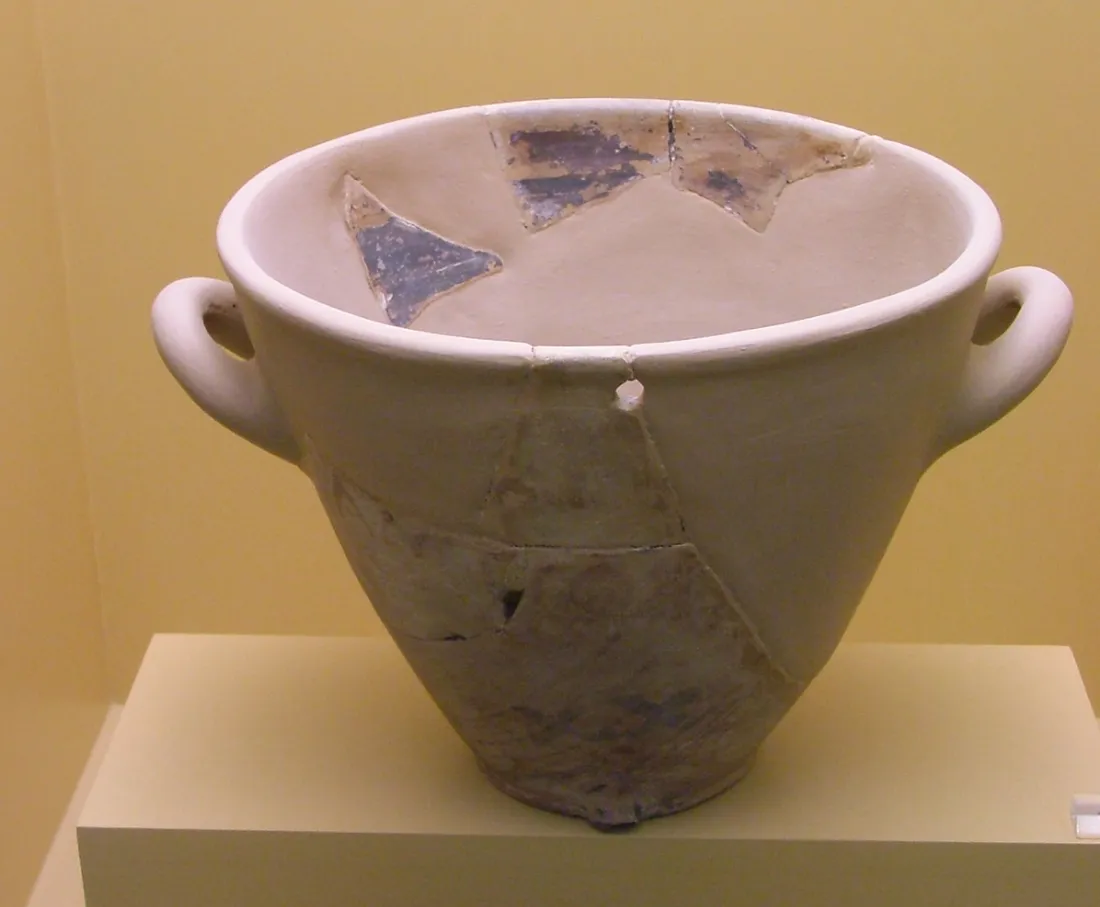
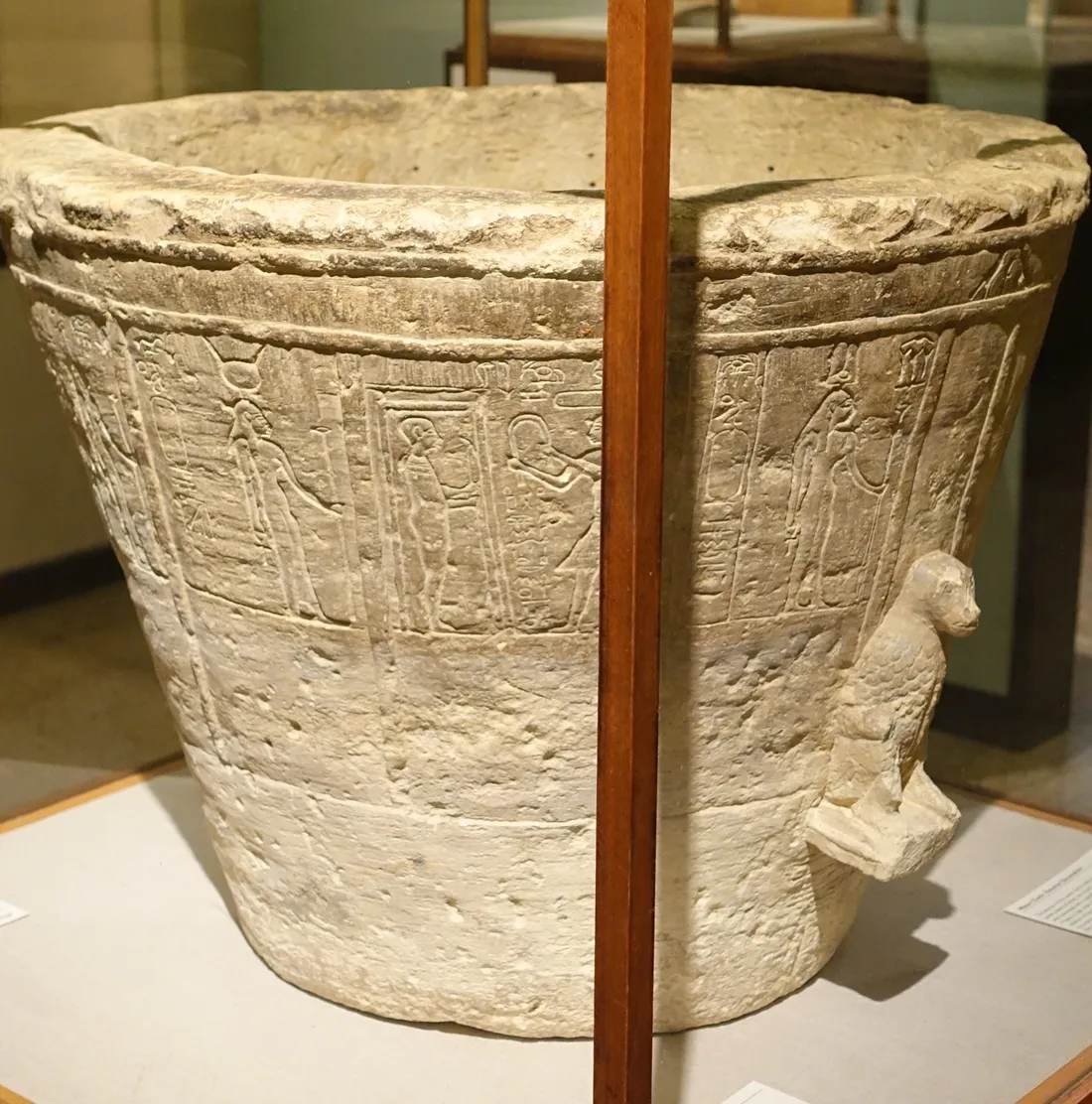
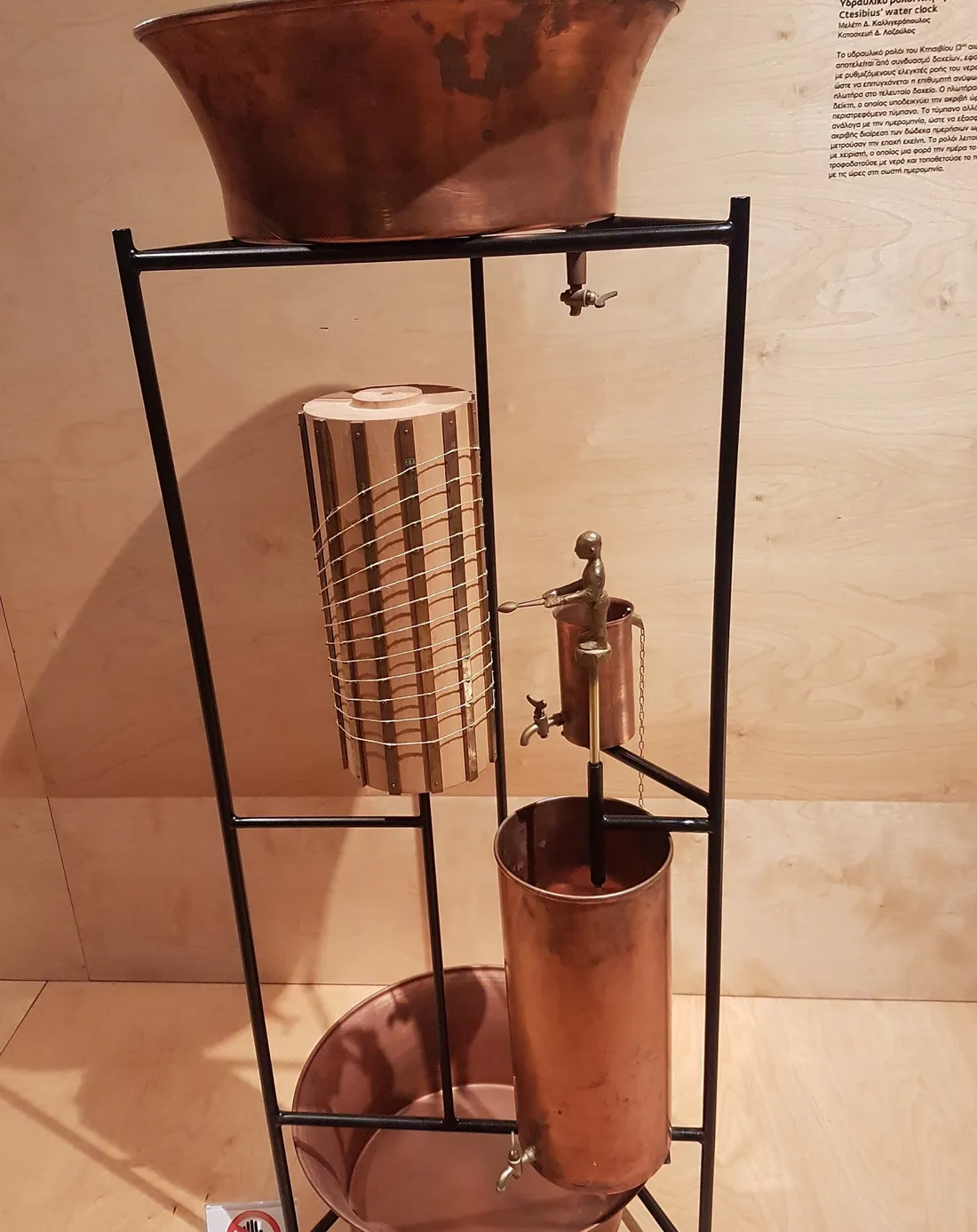
The chain ran like this: the reservoir, the clepsydra, was connected to a constant flow valve; the water coming from it lifted a float, and through pulleys the float carried out three separate jobs at once. One turned the dial and the hands. One released a metal ball on the hour and dropped it onto a brass bowl. And one opened the doors and brought the knights out.
Hydraulic power and flow control. At the base of the clock there was a special reservoir that dripped a fixed quantity under pressure whatever the water level. The millimetric rise in the water was the beating heart of the clock.
The dial and the flow of time. A float raised by the water moved the mechanical steps on the dial of the clock by means of pulleys.
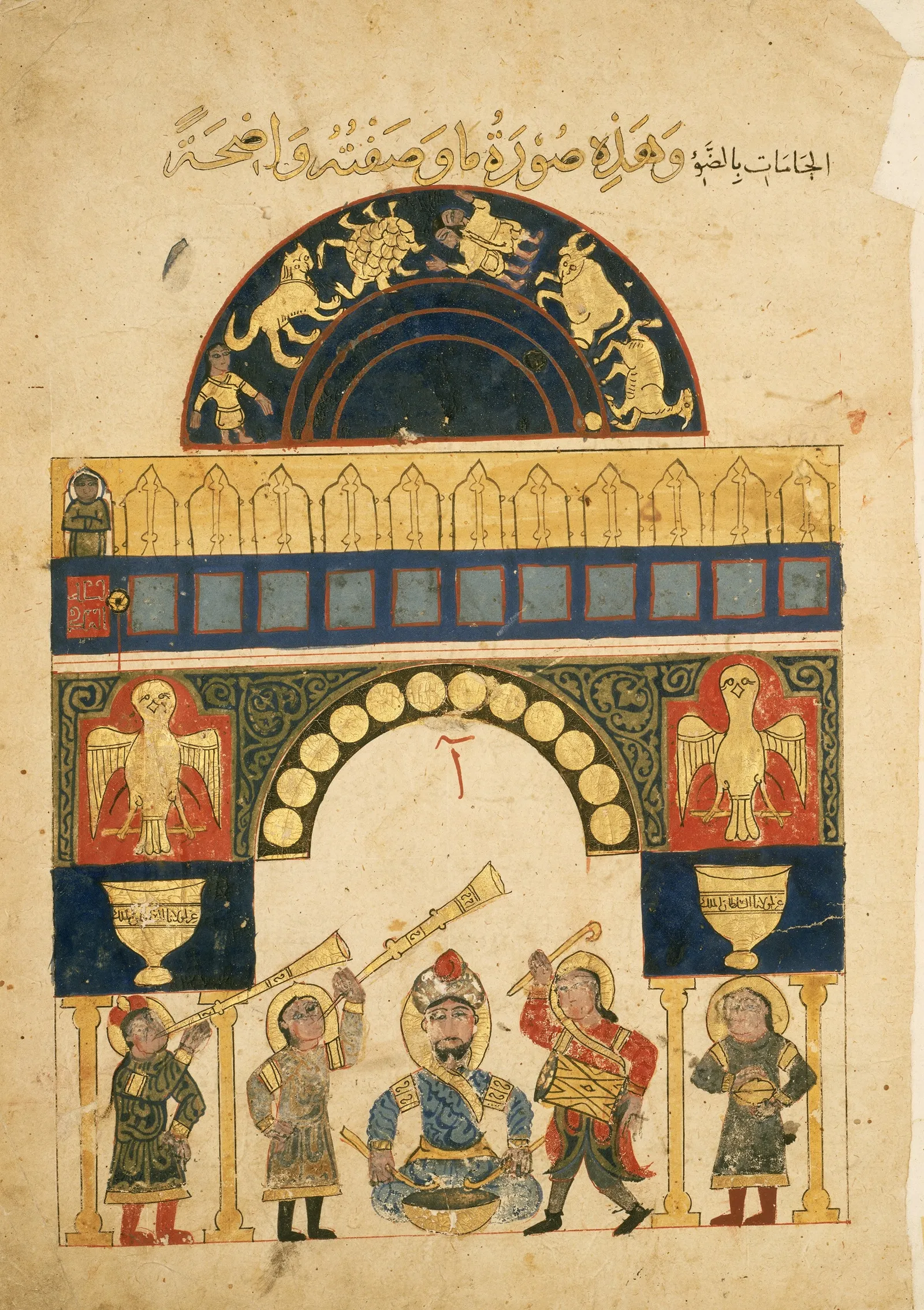
The audible signal. The description left to us by the Frankish chronicles is precise: the clock had twelve bronze balls, and at the completion of each hour one of them was released and fell onto the metal bowl directly beneath, making it ring. That sound heard through the palace was one of the first concepts of a mechanical alarm clock in history.
The automaton knights. On the front of the clock there were twelve little doors with windows. As an hour was completed a door opened and a small mounted knight cast in brass came out of it. The same chronicles add this too: as the knight came out, the push of his emergence closed the door that had been standing open until then. So the clock told you how many hours had passed both by sound and, at the same time, by the doors that stood open.
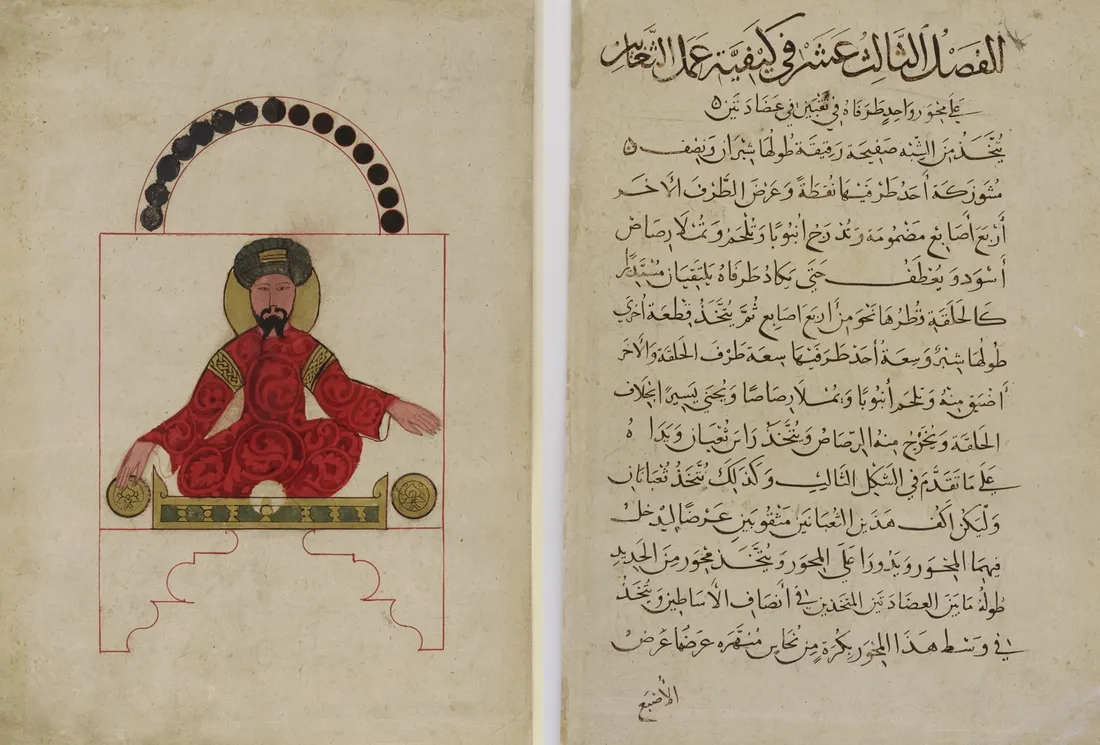
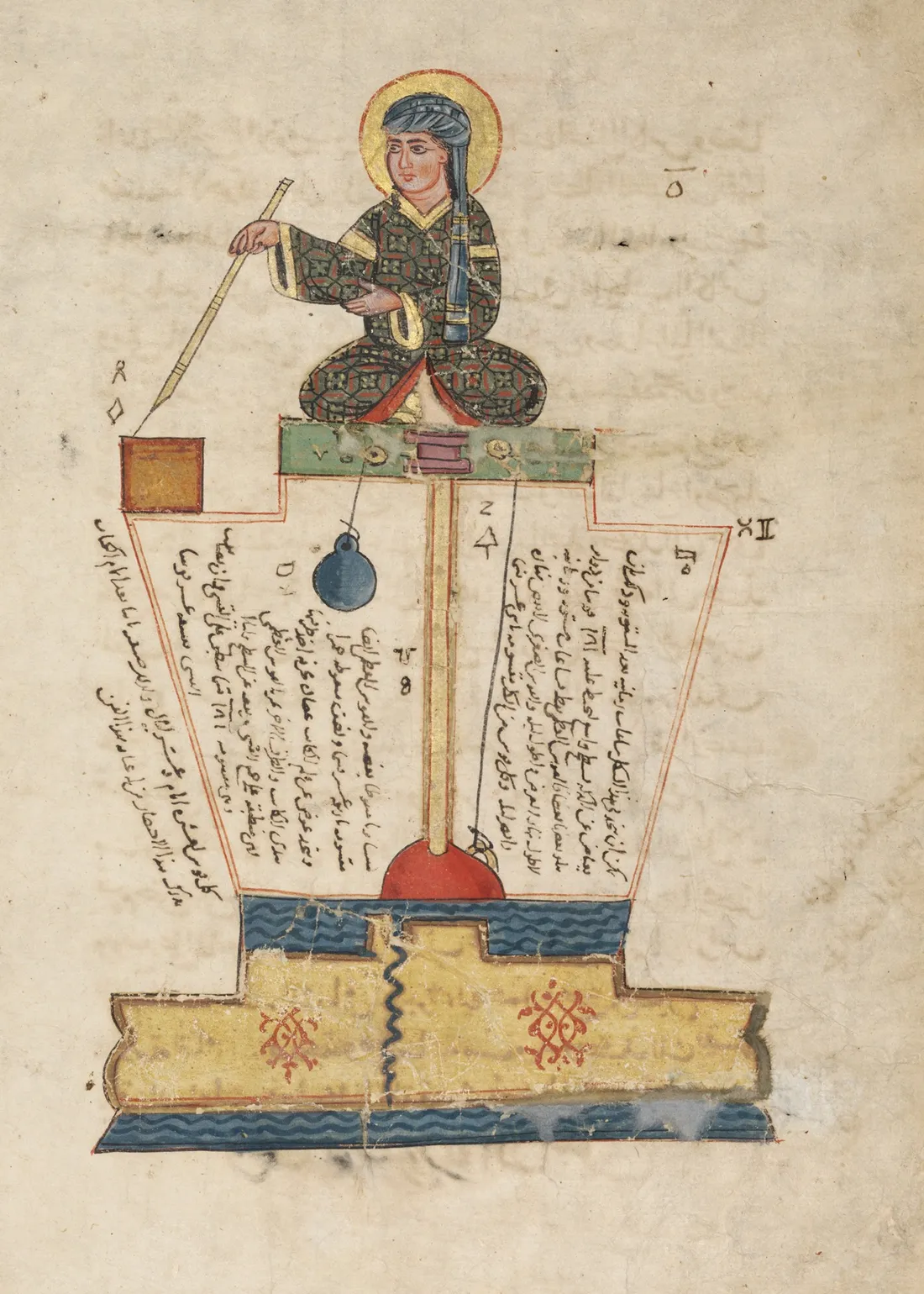
The Close of an Age and the Inheritance of Knowledge
Old Ibrahim picked up the small brass wheel from the table and held it out to his grandson.
"Charlemagne, king of the Franks, saw that clock not as magic but as a victory of learning, Ahmed. He had it placed in the most special part of his palace. He ordered his priests to understand its mechanism. The bridge built that day between East and West showed that knowledge belongs to no single geography."
This immense clock, sent by Harun al-Rashid in the year 807, was not merely a diplomatic gesture. It was a historic turning point that showed the summit reached by engineering in the Islamic world, and that started, in the West, a great curiosity and awakening towards the science of mechanics after the dark age.