Plato, the great founder of the history of thought, opens the door to the road towards truth with an incomparable idea. Describing the soul’s journey towards understanding in the Republic, he puts the first spark struck in the mind like this: "When the soul sees the contradiction and confusion of things it is astonished; and in that moment thinking, questioning and the effort to reach the heart of being wake up." Socrates, for his part, holds that noble shock a person feels at their own ignorance to be the one condition of true reflection. For Plato, the soul moves the instant we notice that hidden architecture lying behind the ordinary thing in front of our eyes.
Aristotle, walking in Plato’s footsteps, draws the fundamental law of being human and of knowing in that immortal masterwork he wrote in the fourth century before Christ, the Metaphysics. Aristotle says: "It is through wonder that men now begin and originally began to philosophise." For him what first moves the mind are the strange things close at hand; then, step by step, comes the deep astonishment at that spellbinding order in the forming of the Sun, the Moon, the stars and the whole universe.
And it is exactly here that a new Paradigm of Existence is born, one that overturns the classical settlement of the history of philosophy. René Descartes’s "I think, therefore I am" gives way to a far more startling and far more living truth: "I wonder, therefore I am!"
Because thinking on its own can be a mechanical act; wonder, though, is the waking of the soul. If a person cannot be astonished by the universe they live in and by its order renewed at every instant, they are no different from a living corpse. For every second, from the nucleus of our cells to the dance of the galaxies, millions upon trillions of events we might wonder at are under way around us. The Creator, in an unbroken showing, puts astonishing detail before us at every instant.
Today we take up the revolutionary discoveries of the scientists who have carried this principle of wonder as their banner for more than two thousand years now, and the startling architectural reflection of that discovery in high watchmaking.
format_quote"If you wonder, you exist; if you wonder, you understand."
Hasan Bekmezci
If all the order in the world had come about by chance, by blind accident, would there not have to be no rule at all in nature, with everything running on in chaotic uncertainty?
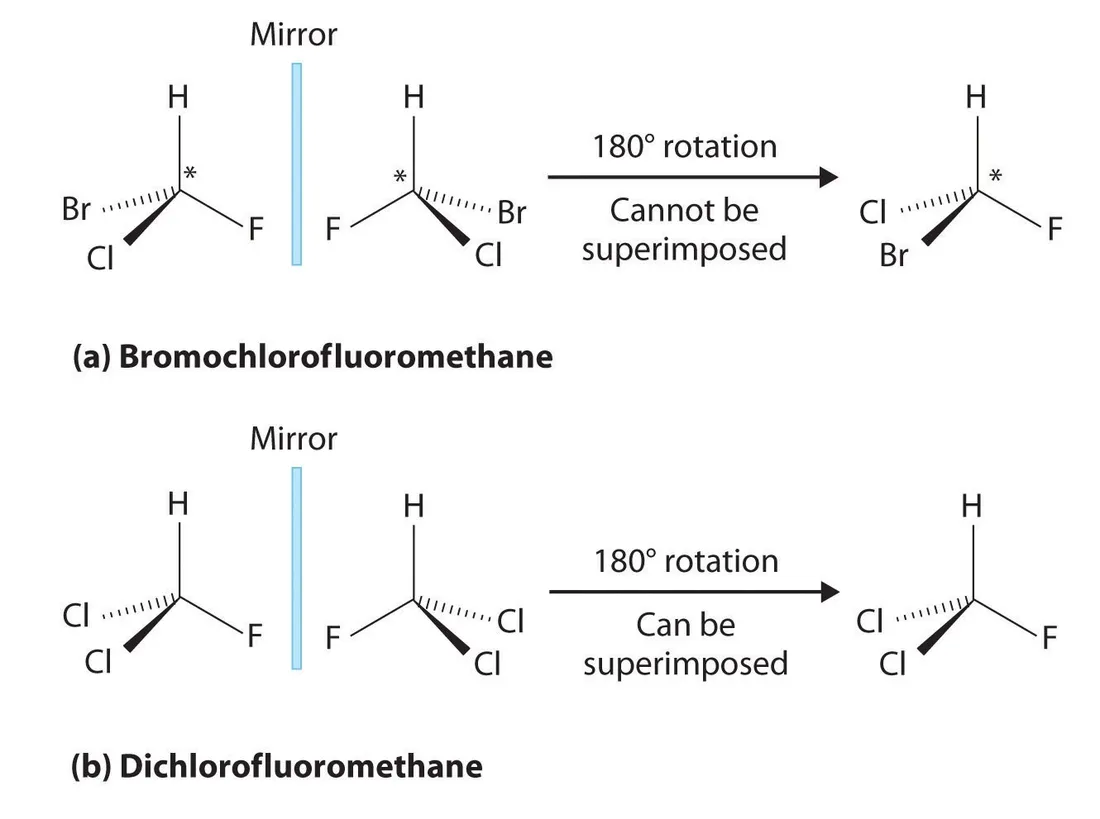
Let us begin with the question that shakes the mind: throw a coin onto a table a trillion times and what comes out? Very close to 50 per cent heads and 50 per cent tails. Dead chemistry out in the world works in exactly that way. When a molecule is synthesised from nothing, in a tube or in nature, the parts bonded to a central carbon atom form two different mirror symmetries in three-dimensional space: the spatial arrangement in which the parts angle to the left is the L form, and the one in which they angle to the right is the D form.
And what exactly does that spatial arrangement, that angling to the left or to the right, mean? Picture it like this: take the carbon atom to be a traffic roundabout, with three different road signs fixed to it. Enter that roundabout and arrange the signs clockwise, to the right, and you get one structure, the D form. Change the places of the same signs and arrange them anticlockwise, to the left, and you get a twin roundabout built of exactly the same signs but facing the opposite way, the L form. Because the stance of the molecule leans left or right in real three-dimensional space rather than on two-dimensional paper, we call this its spatial arrangement.
The law of dead nature is neutrality, a balance of 50 to 50. If the process ran on blind chance, one reaction would come out seventy to thirty and the next ten to ninety, and there would be no rule at all. Yet everywhere in the universe dead matter insists on exactly 50 per cent L form and 50 per cent D form. Where a mathematical ratio never wavers, there is no blind accident but a written and unchanging Law of Balance!
format_quote"Where a mathematical ratio never wavers, there is no blind accident but a written and unchanging Law of Balance."
Hasan Bekmezci
And here is the great astonishment, the unaccountable proof of a Creator. While the law of dead nature is to make half of each, every amino acid in the protein structure of all the living things on earth, of the human being, the plant, the bird, the bacterium, is 100 per cent L form, and all of DNA and of the sugars is built of 100 per cent D form molecules! There is not one single right-handed protein molecule! The rule holds of every amino acid that has a handedness at all; a few, glycine among them, whose mirror image falls back onto themselves, are not exceptions to it but outside its reach.
Imagine a shoe factory. When its machines run at random they automatically make half of each: a hundred right shoes and a hundred left shoes. Dead nature is exactly that factory. But when scientists looked inside living bodies they found that every one of trillions of shoes, without exception, was a left shoe! In a living body there is not one right shoe!
format_quote"In a living body there is not one right shoe!"
Hasan Bekmezci
And the point is not only that left shoes are made: it is not enough for a factory to make left shoes; the feet of the people outside that factory must also be built to wear nothing but a left shoe! The locks in our cells are exactly like this: our biology is made with such an anatomical fit that it accepts only L form molecules. When a right-handed molecule arrives, its chemical formula may be identical and still it will not seat in that lock anatomically, and life stops. That the molecule should be locked to the left and the anatomy of the cell built to run only that left-handed molecule points to an Infinite Architect who brought both sides into being at once.
And what is the purpose, the divine wisdom, in the Creator making these molecules this way? First, to set a universal biological standard: the trillions of cellular factories in our bodies need one single standard measure if they are to run without jamming, like a flawless gear. Were half our proteins right-handed and half left, the cellular machines could not join the parts and the tower of life would fall at once. Second, to prevent confusion and biological chaos: had right and left molecules stood together in living things, enzymes would not know which to take hold of and the body would be in complete chemical uproar. The Creator made one single direction the standard of the lock so that life would run without faltering. Third, to prove intelligent design and set His own seal: that dead nature makes 50 to 50 while the living are made 100 per cent one-sided shows the human mind and the reflecting heart that this life did not come about by the accident of dead clay, that a particular will and a particular choice set their seal here.
Consider who did these experiments. The most patient counter of coin-toss statistics was the English mathematician John Kerrich. He was in Copenhagen when Germany occupied Denmark in the Second World War, was interned in a camp, and spent that enforced emptiness tossing a coin. After ten thousand throws he had five thousand and sixty-seven heads, fifty point six seven per cent. The statistician Karl Pearson took the experiment to twenty-four thousand throws and found twelve thousand and twelve heads. The more throws, the more perfectly the result settles onto half and half.
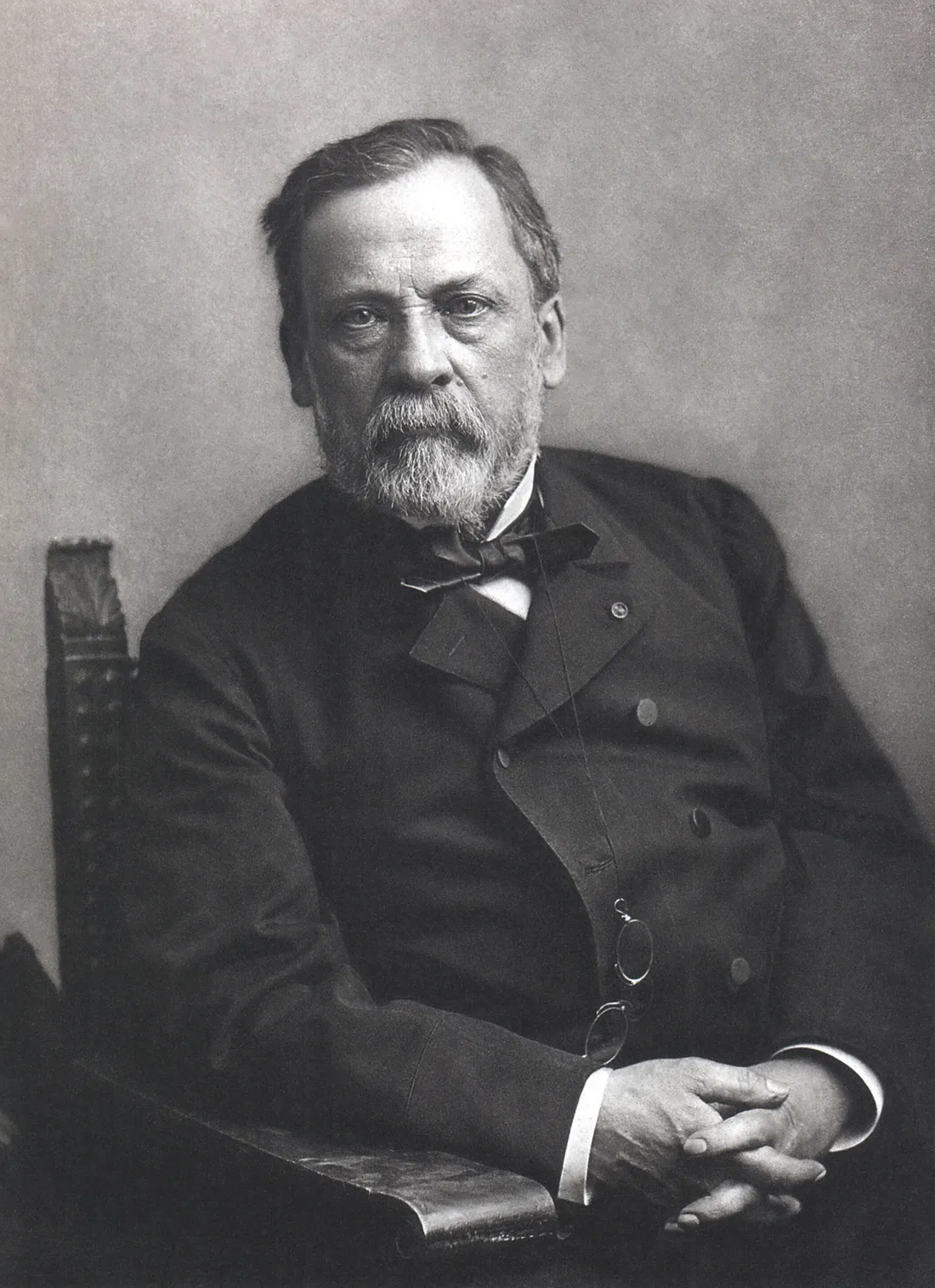
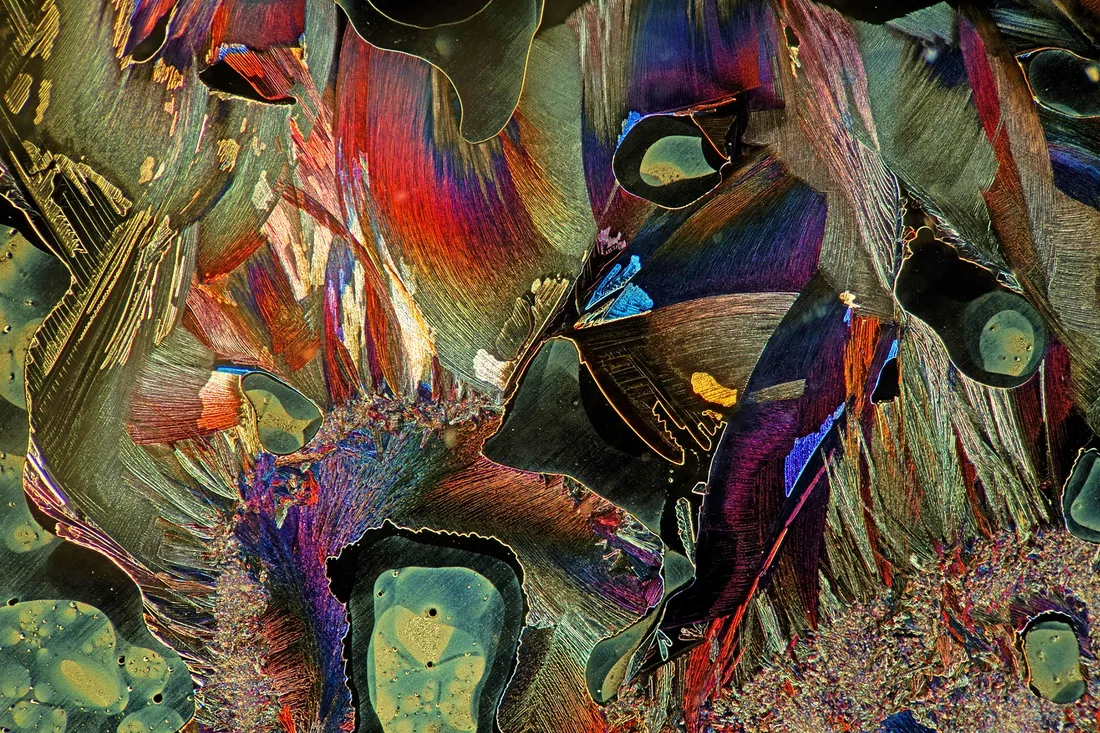
Louis Pasteur did his experiment in 1848 with a magnifying glass and a pair of tweezers. He evaporated the sodium ammonium salt of racemic tartaric acid slowly and obtained crystals. Under the microscope he saw that some of the crystals angled to the right and some to the left. With extraordinary patience he worked for hours, sorting the right-facing and the left-facing crystals one by one by hand into two separate dishes. When he weighed the dishes he became the first person to prove by hand that dead chemistry makes half of each. His experiment showed that dead matter cannot make a one-sided molecule by itself, and that dead chemistry is always sentenced to that symmetry.
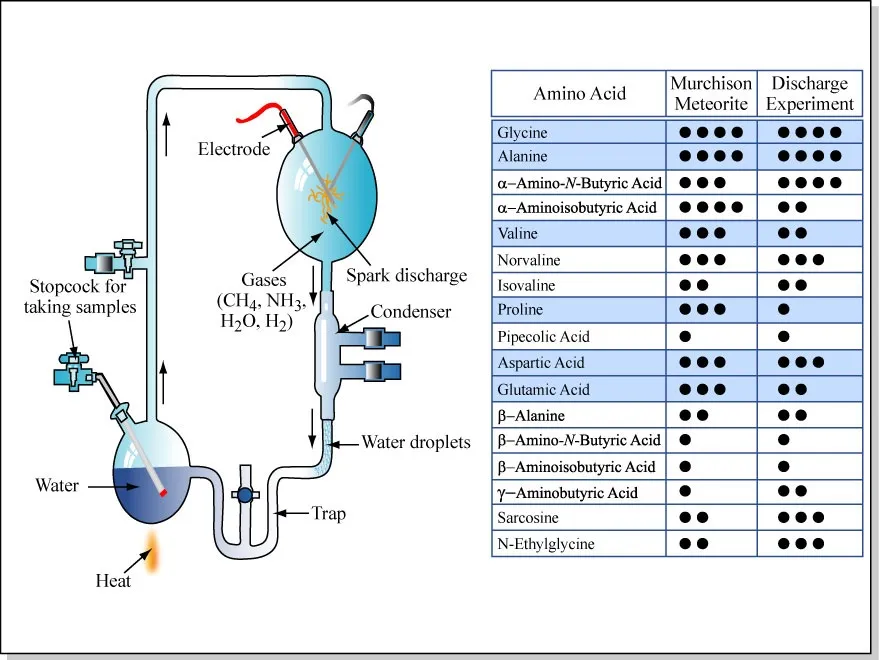
A century later, in 1953, Stanley Miller and Harold Urey imitated the early earth inside a glass tube. They heated a flask of water to make the vapour of a primitive ocean and sent that vapour into a sphere filled with methane, ammonia and hydrogen. With electrodes inside the sphere they struck sparks of sixty thousand volts for days on end, imitating storm lightning. The gases passed through a condenser and dripped back into the ocean like rain. After a week the clear water in the tube had turned into a dark red soup, and in it were the amino acids that are the mortar of life. But the amino acids that came out were again half left and half right. Dead nature could not get past its own rule.
Whether it is Pasteur’s tubes or the glass sphere of Miller and Urey, there is a vast truth that must not be overlooked while scientists run their experiments: the ground the experiment stands on, the atmosphere that permits the reaction, and the laws of physics and chemistry were all made ready beforehand by the Creator.
Take two plain everyday analogies. Suppose you hold the finest tree seed in the world; throw it onto barren ground without moisture, warmth, water or nourishing soil and it rots at once. For that seed to sprout and become a vast tree, a delicate ecosystem prepared in advance and tuned degree by degree is indispensable. Or imagine you want to grow oyster mushrooms in a facility. Take the spore alone and put it in an empty room and not one mushroom will come up; for it to grow you have to build a particular humidity, a precise vapour temperature, a balance of ventilation and, above all, a compost made of the right nutrients. Until you have built that setting, life does not sprout.
Even in reactions run in the most advanced laboratories, the human being is only using the ready ground of the atmosphere, the water, the warmth and the laws of chemistry that the Creator had already brought into being. For the first step of life the existence of the molecule is not enough; the cradle of a universe fitted with billions of fine settings, in which that molecule could turn into life, must itself have been created on purpose.
Dead atoms have neither consciousness nor mind, so how did they all speak with one voice while the tower of life went up and use only L form parts so that the tower would not fall? Three everyday scenes show how that first left-handed spark in the dead soup locked the whole mass. On a platform where millions post at random, one person at the far side of the world starts an odd dance; everyone who watches the clip makes their own copy of it, and within seconds that single video has locked the whole platform to one direction. You strike one match in a forest holding trillions of dry leaves; the small flame lights the leaf beside it, and each lit leaf turns everything around it into a flame like itself. Fifty people sit quietly on a bus until one in the middle yawns deeply; two beside them follow, then ten, and in seconds everyone has joined the same act.
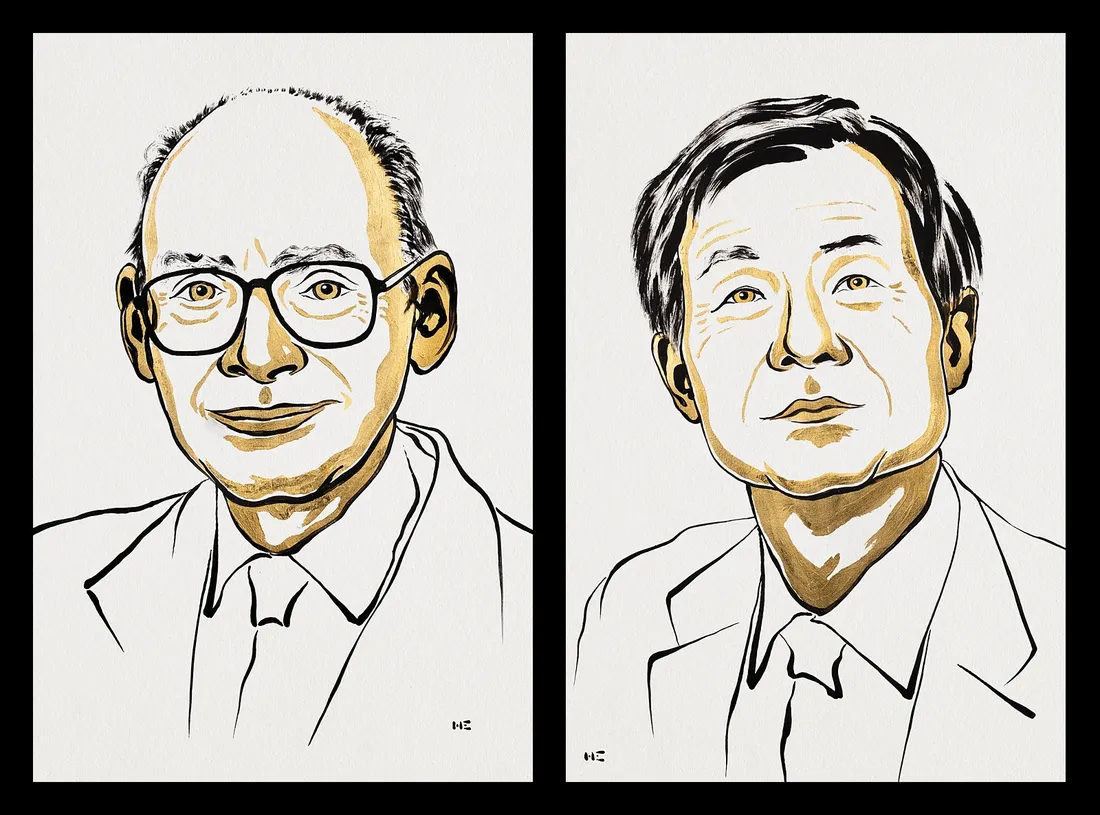
Henri B. Kagan and Kenso Soai set out the laboratory proof of that turn at the beginning of life, and the 2026 Nobel Prize in Chemistry was given to the two of them in Stockholm on Wednesday 7 October 2026 for the discovery of non-linear effects and autocatalysis in asymmetric organic synthesis. Kagan’s non-linear effect says this: even when the catalyst in the vessel is far from pure itself, the purity of the product does not stay in proportion to it but climbs far above what was expected. It is like ninety-nine unsteady couriers with failing engines pulled into the slipstream of one expert rider and drifting into the left lane behind him; a tiny deviation in the minority dominates the medium by a sharply non-linear acceleration.
Soai, bringing dead materials together, added to the vessel an excess of L form product too small to measure. The moment that molecule entered it behaved like a pinhead of a mould touching a vast mass of dough: it caught the neutral material around it and began to make new moulds that were exact copies of itself. By the end of the reaction the whole vessel had turned to nearly pure L form.
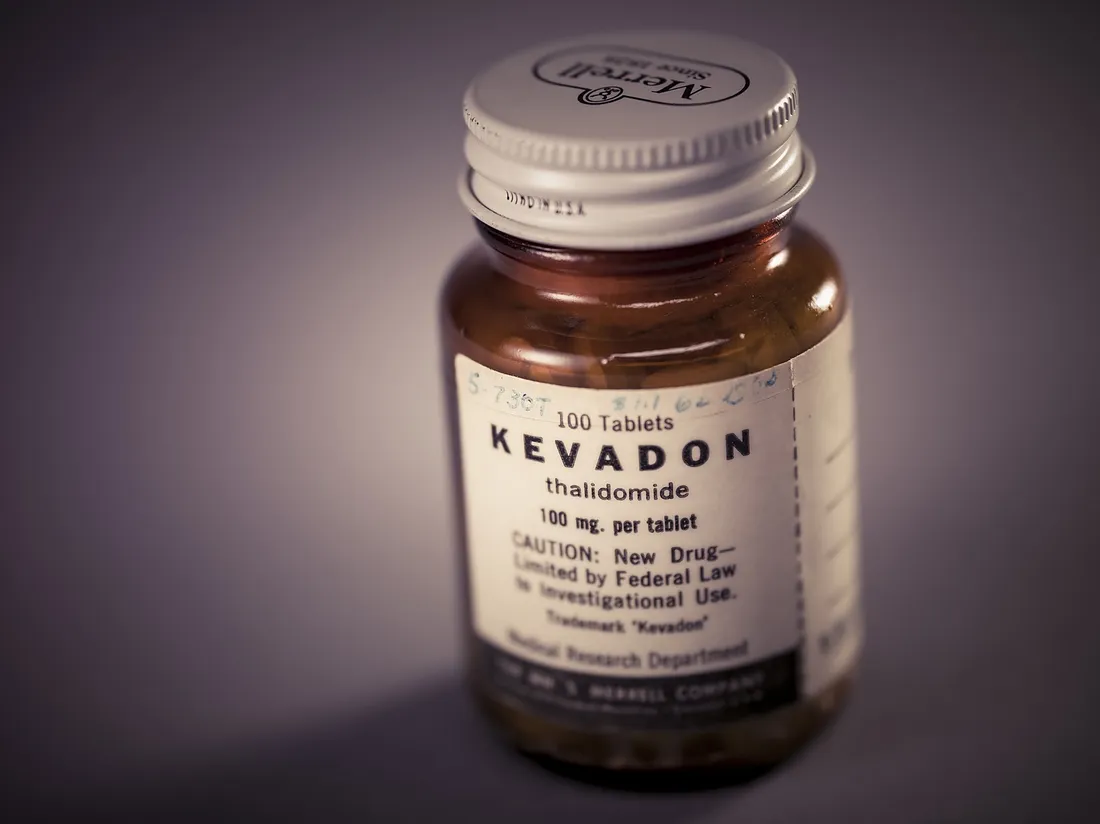
How critical that distinction is for human life was learned at the end of the nineteen fifties through bitter experience. A drug with thalidomide as its active ingredient was put on the market to relieve morning sickness and sleeplessness in pregnant women. The production technology of the day gave a half and half mixture. The R form of the drug was a cure that stopped the nausea; but the mirror image in the same box, the S form, was a poison. More than ten thousand babies worldwide were born without arms, without legs or with organs missing, and thousands died before birth. The stance in space of a molecule whose chemical formula was identical led to one of the great tragedies of medicine.
There is a bitter subtlety here. With thalidomide itself, giving only the R form would not have prevented the disaster, because the two forms of this molecule convert into one another inside the body, with a half-life in serum of about an hour. The discoveries of Kagan and Soai do make it possible today to produce many drugs pure and one-sided, separating out the healing form and shutting out the poisonous mirror image. Thalidomide is not the rule of that revolution but the exception that shows why it was needed.
The claim heard lately in some quarters, look, chemical reactions can become 100 per cent left-handed by themselves through autocatalysis, so there is no need of a Creator, falls at this exact point into a root error of logic: confusing the Law with the Lawgiver! It is impossible that dead atoms, with neither consciousness nor mind, should come together and say, let me make exact copies of myself and lock every random part around me to one side so that the biological tower to be built later does not fall.
format_quote"The Soai autocatalytic reaction does not mean there is no Creator; it is the name of the mathematical domino law the Creator placed inside dead matter while raising the tower of life."
Hasan Bekmezci
The Power that set the 50 to 50 law of balance over dead nature and the Power that set the Soai autocatalytic law, which at the instant life was to begin locked the whole system to 100 per cent L form with the smallest of touches, are the same. Nor are these laws mechanisms wound once and then left alone. Every molecular turn in the Soai reaction is the showing of the continuous creation the Creator carries out at every moment, and of a will that never breaks off. Whatever the system, the Creator behind it goes on creating at every instant.
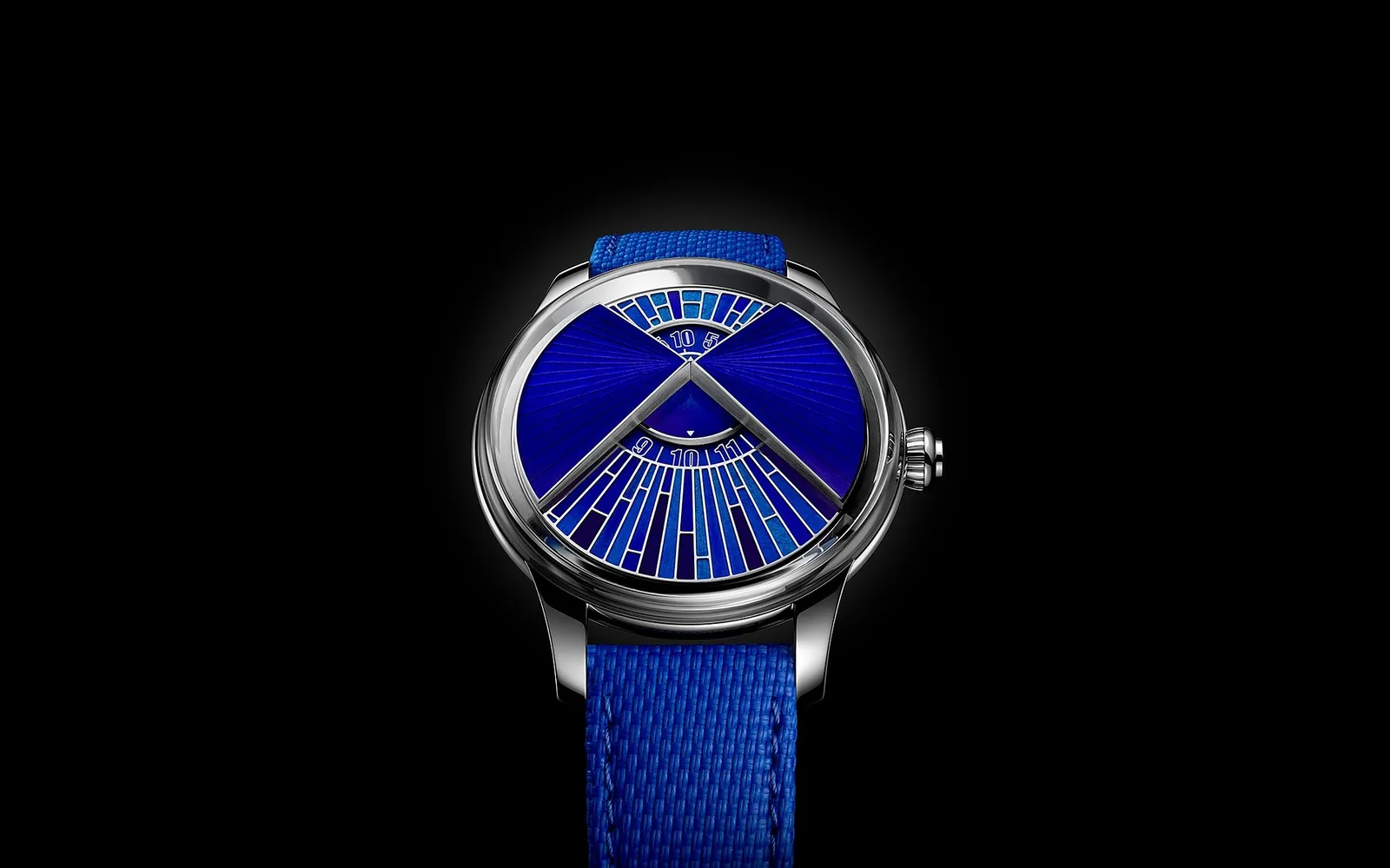
That three-dimensional locking at the molecular level, that depth of volume and play of angle, are not without a counterpart in high watchmaking. The unique piece unveiled this year by the Jaquet Droz atelier in La Chaux-de-Fonds takes time off the flat two-dimensional line of a dial and turns it into volume and stagecraft. Its name is Les Volumes du Temps, the volumes of time. Designed by Fiona Djukanovic, a student at the Académie de Meuron, it will be sold at the TimeForArt auction on 5 December, with the proceeds going to young talent at the Swiss Institute.
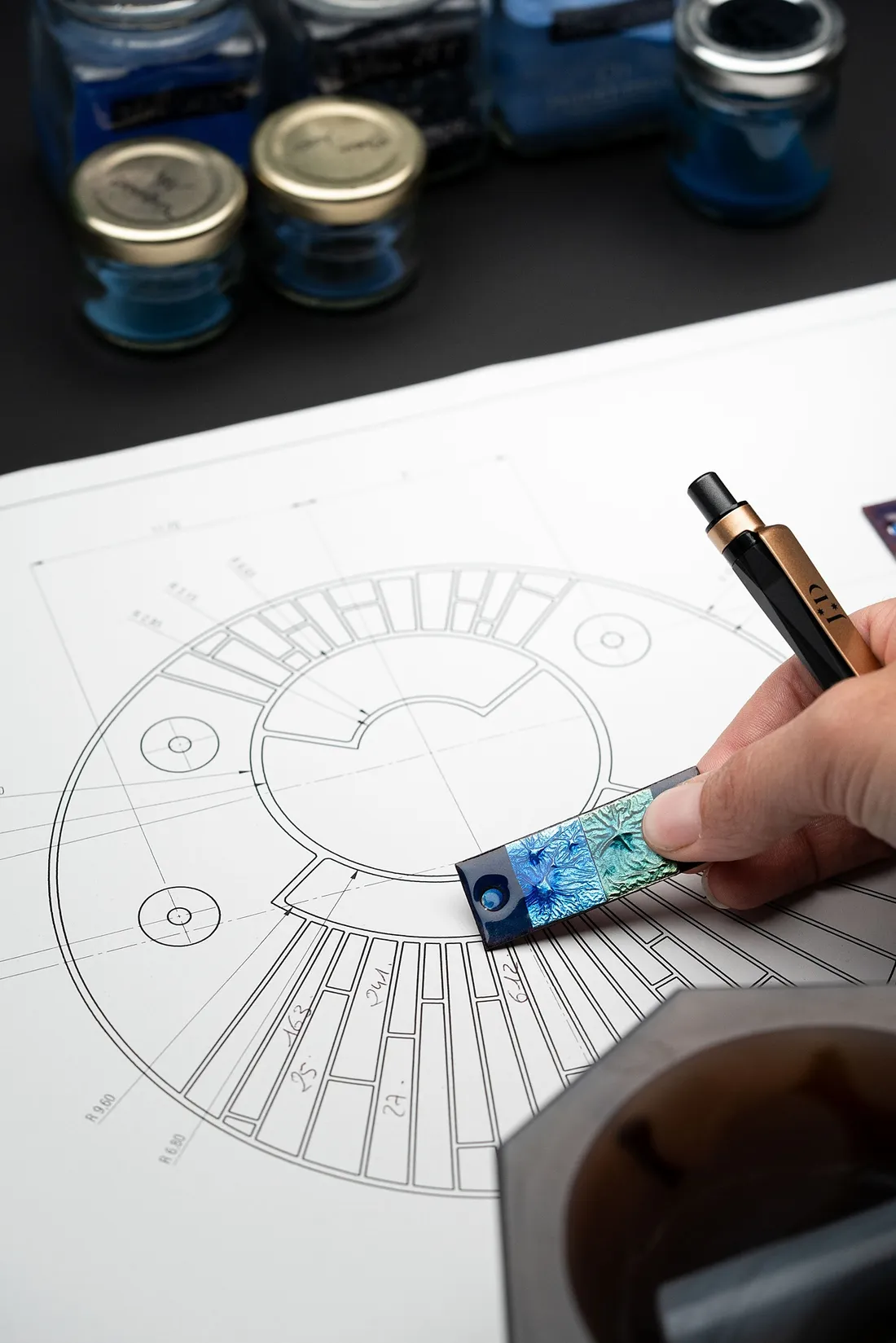
The project itself was unorthodox: to bring volumes, flat surfaces and variations of one colour together and literally sculpt time, but without hands. For a watch designer that is a near-impossible challenge, because the surfaces, perspectives and volumes involved are interwoven and even work against one another. Jaquet Droz therefore called on its own artists and artisans to build a shared language between them.
The hands that turn on a two-dimensional plane in a classical watch are abandoned altogether here. Time is read off two trailing discs set beneath the dial and the central circle that covers them, which points to each hour and each minute in turn. The surfaces of the discs carry a hand-worked sunray motif that breaks the light according to the angle it arrives at.
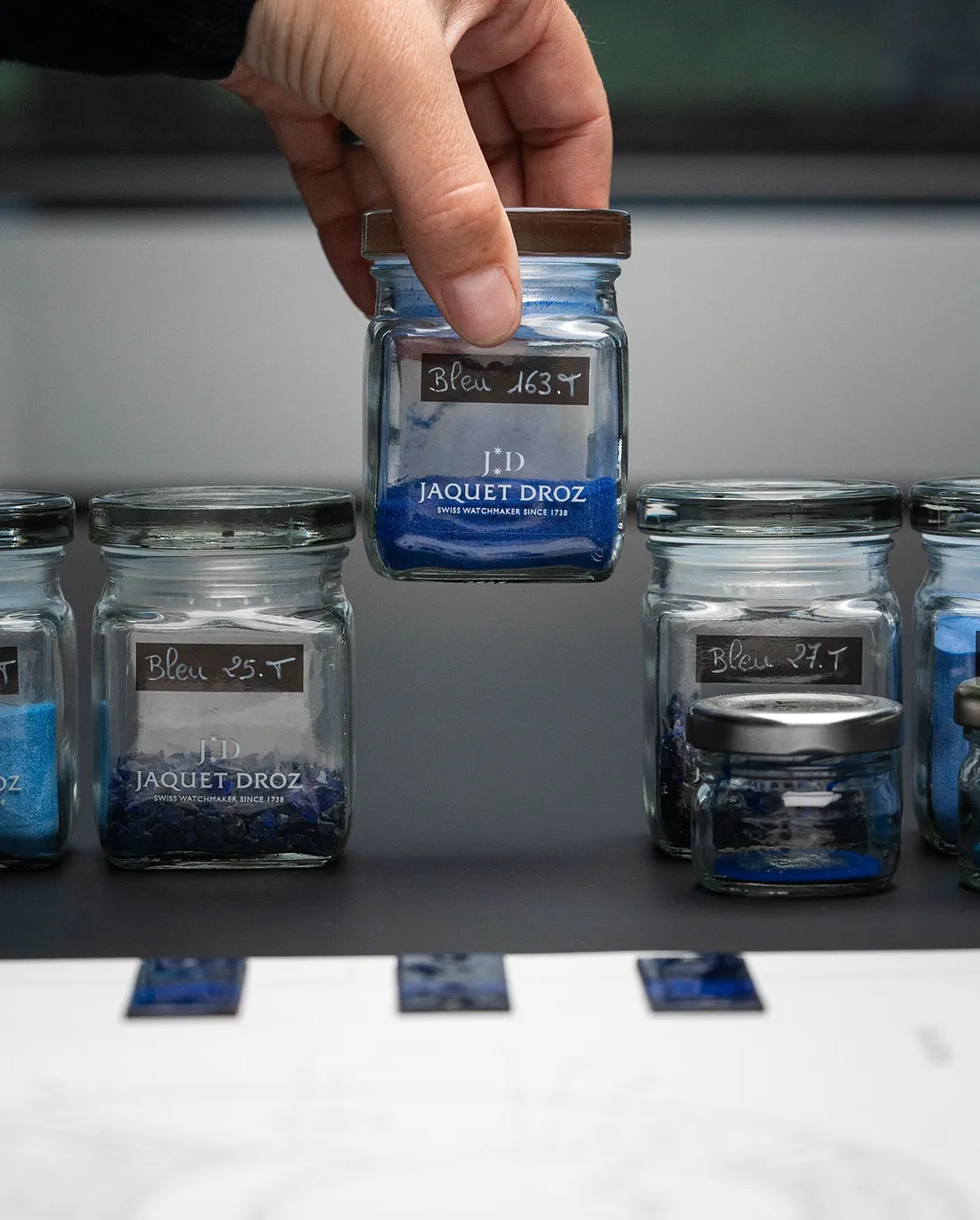
At the heart of the piece stand two opposing elements whose form no term in geometry will describe. They have two straight sides of a triangle, completed by a gently curved third side that embraces the profile of the forty-one millimetre white gold case. Their height varies too: at its maximum in the centre, an apex that draws the eye towards the hours and minutes, and vanishing at the edges into the thickness of the flange. Before being enamelled their surfaces are hand-engraved with a sunray motif.
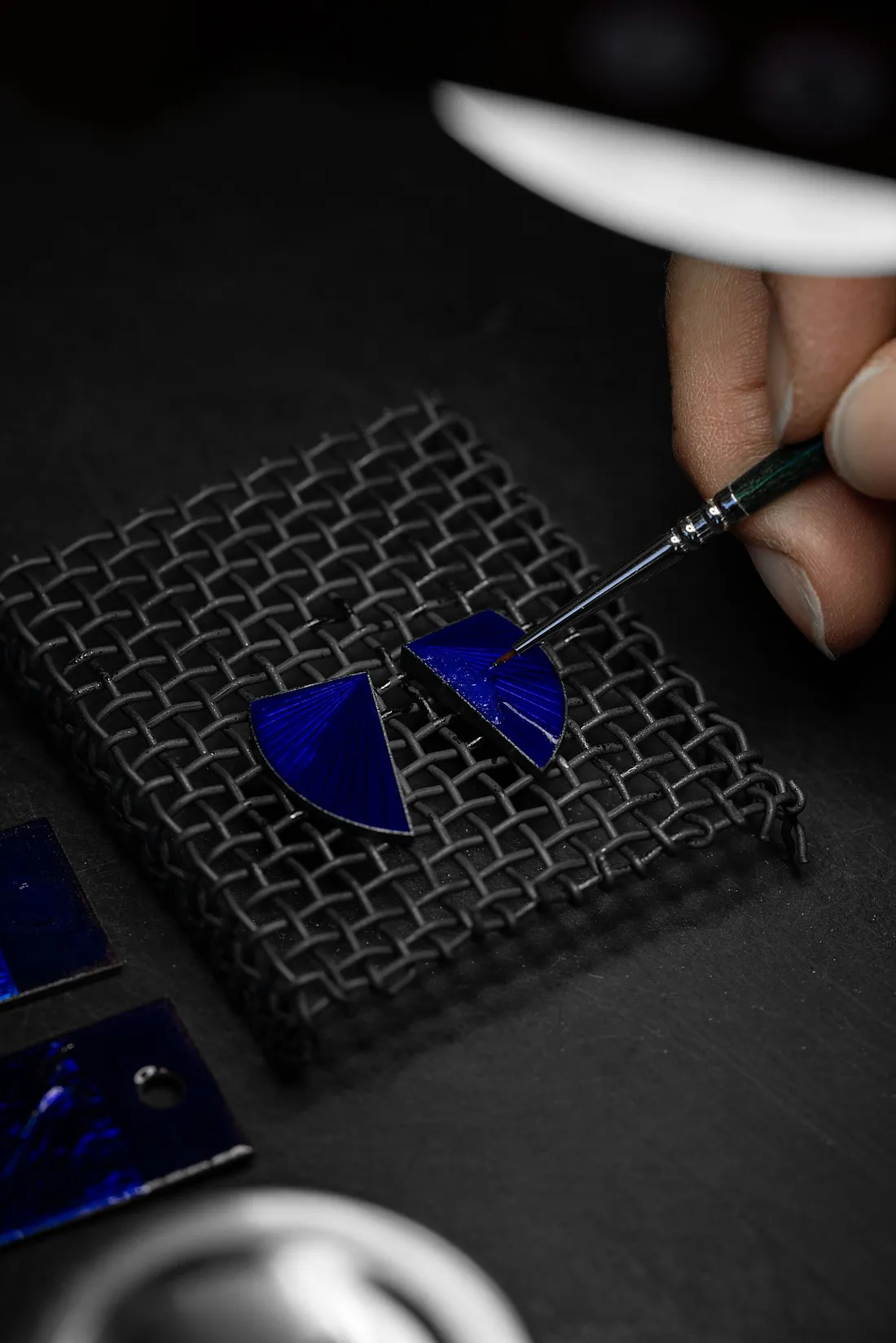
On either side of this X-shaped figure lie about forty champlevé enamel parallelepipeds in endless shades of blue, every one of them obtained with hand-applied Grand Feu enamel. The top of each motif declines as it comes closer to the discs of the hours and minutes, turning the eye back towards them. Light arriving from different angles makes a constantly shifting glitter across these layered enamel surfaces and the sunray discs; the face of the watch endlessly sculpts a new volume of time according to the angle at which the light strikes it.
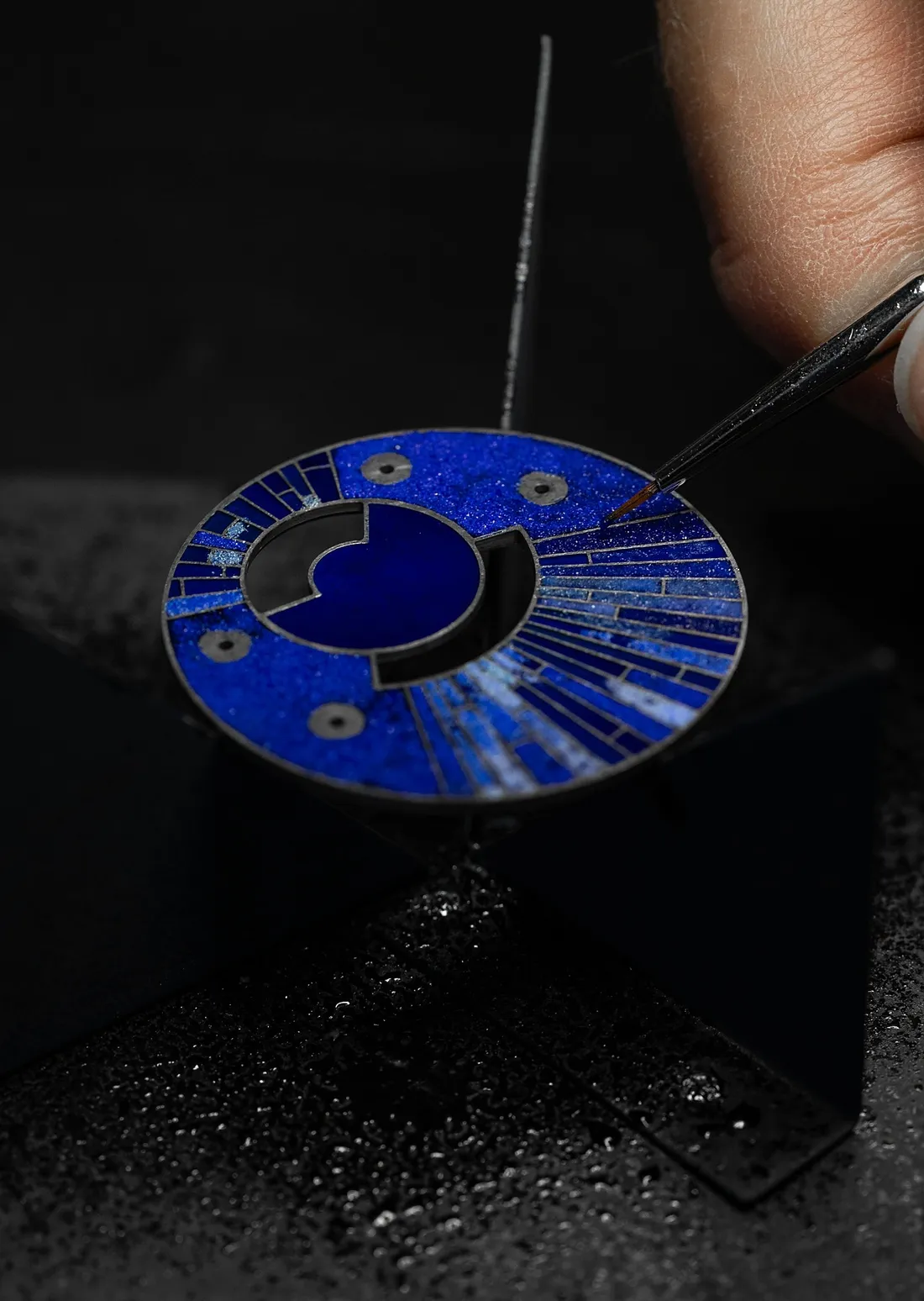
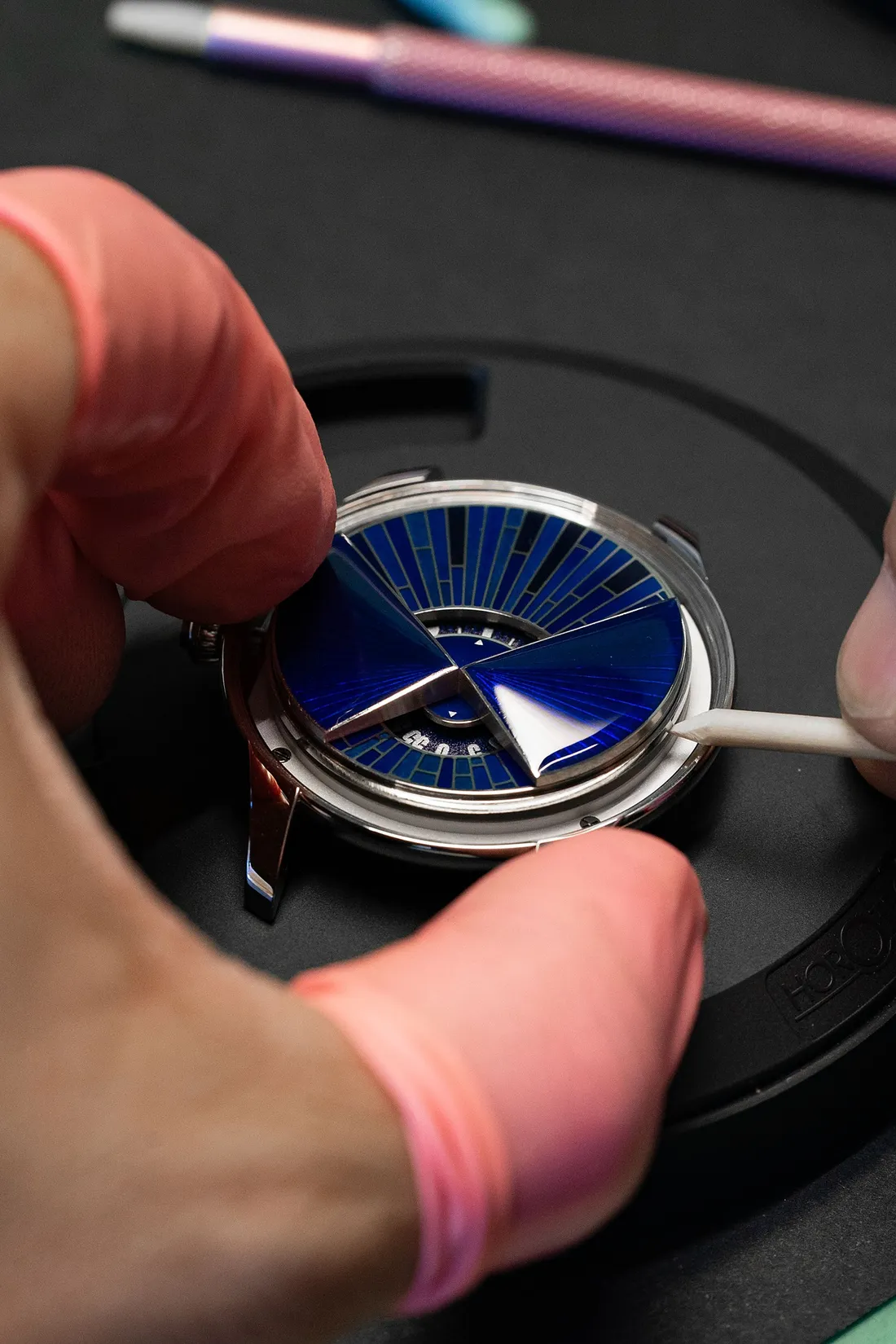
That three-dimensional locking and angular rise beneath the dial calls the chiral geometry of the molecular level to the reader’s mind. The likeness is not an intention the maison has declared; it is a connection the viewer makes, and that is what reflection is for. Just as the Soai autocatalytic law that locks dead atoms into L form chirality at the molecular level shows an immense Intelligence and Will, so the Les Volumes du Temps, in which Jaquet Droz sculpts time in forty one millimetres without hands, in three dimensional volumes and layers of Grand Feu enamel, shows the design power of a great watchmaker.
And just as the layers of champlevé enamel and the curved volumes on that dial could never have formed by themselves, by accident, so behind the autocatalytic law that locks the molecular architecture at the root of life to one single side, and works at every moment, there stands an Intelligent Designer, a Creator, designing the whole universe at every moment with endless wisdom.
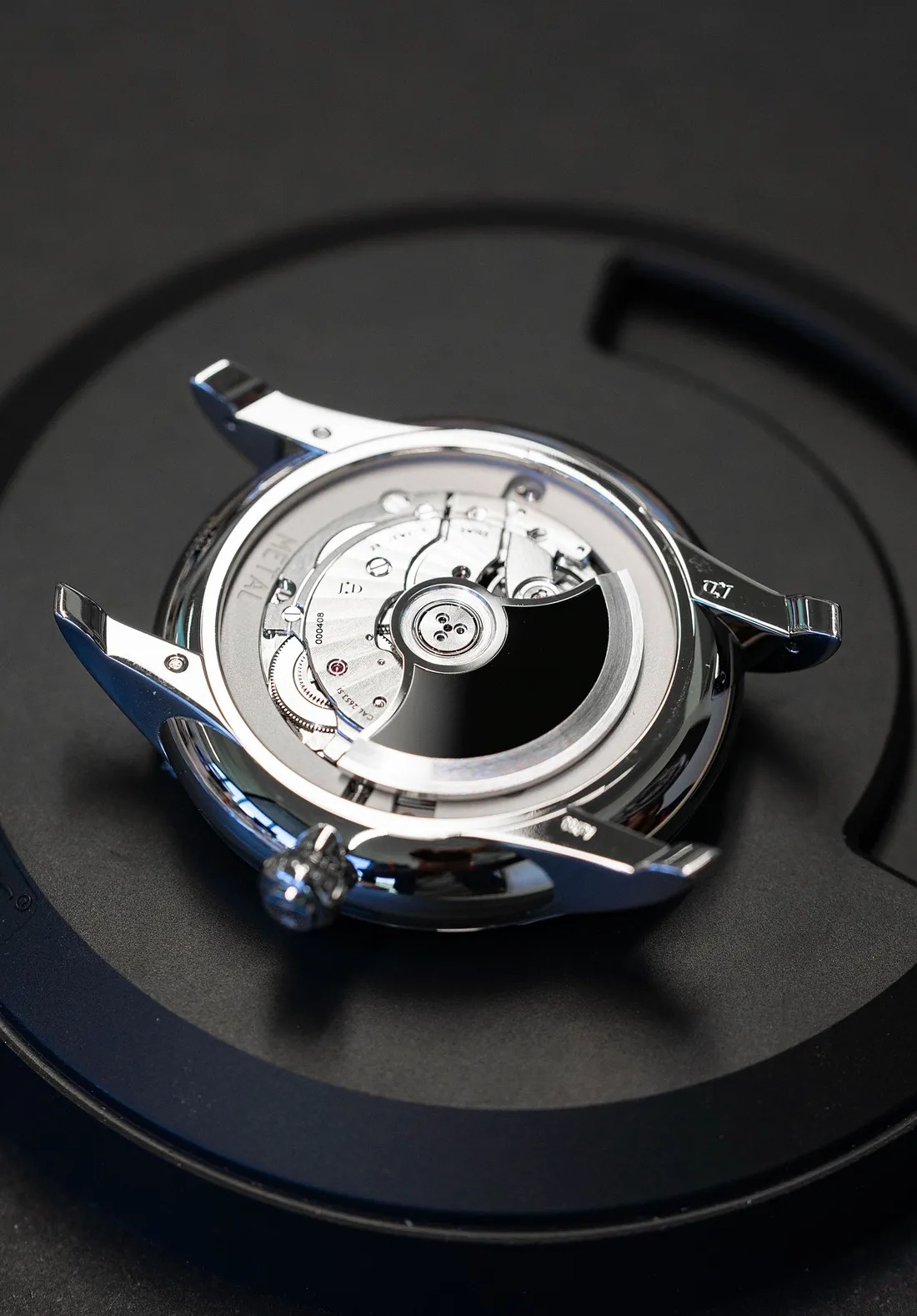
As long as a person keeps looking at the universe, at molecules and at the sculpted volumes of time with wonder, this ontological truth behind existence will keep showing itself in all its clarity.
The watch on its maker’s own site: Jaquet Droz, Les Volumes du Temps