Towards seven on the evening of Friday 2 October 2026, the terraces along the Quai du Mont-Blanc in Geneva were full of a warm autumn wind. The lake had taken the last of the sun as it dropped behind the Jura and turned a dark copper. On one side of the table sat Dr Hasan, a historian of philosophy; on the other, Professor Nil, director of deep-sea biology at the Woods Hole Oceanographic Institution.
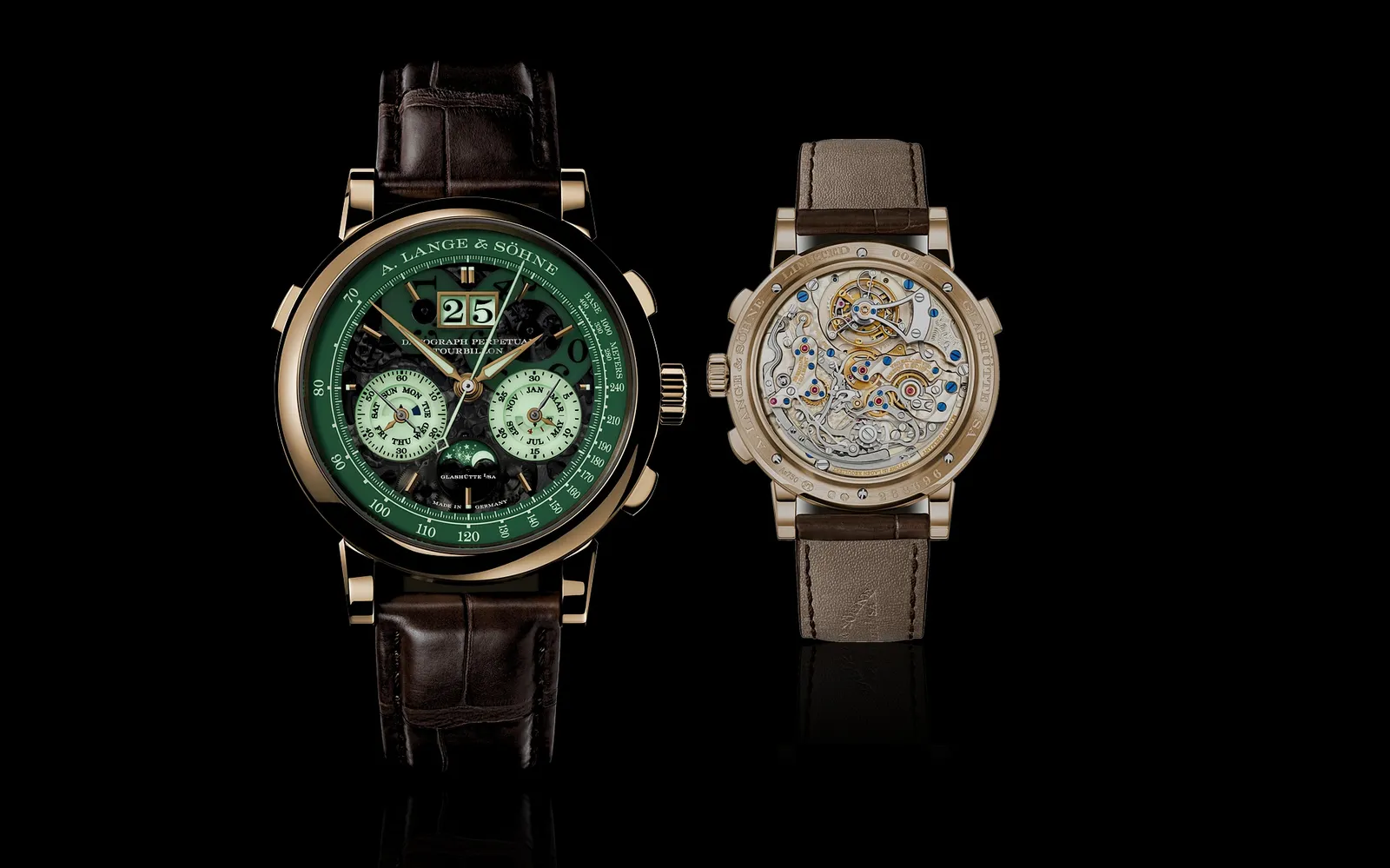
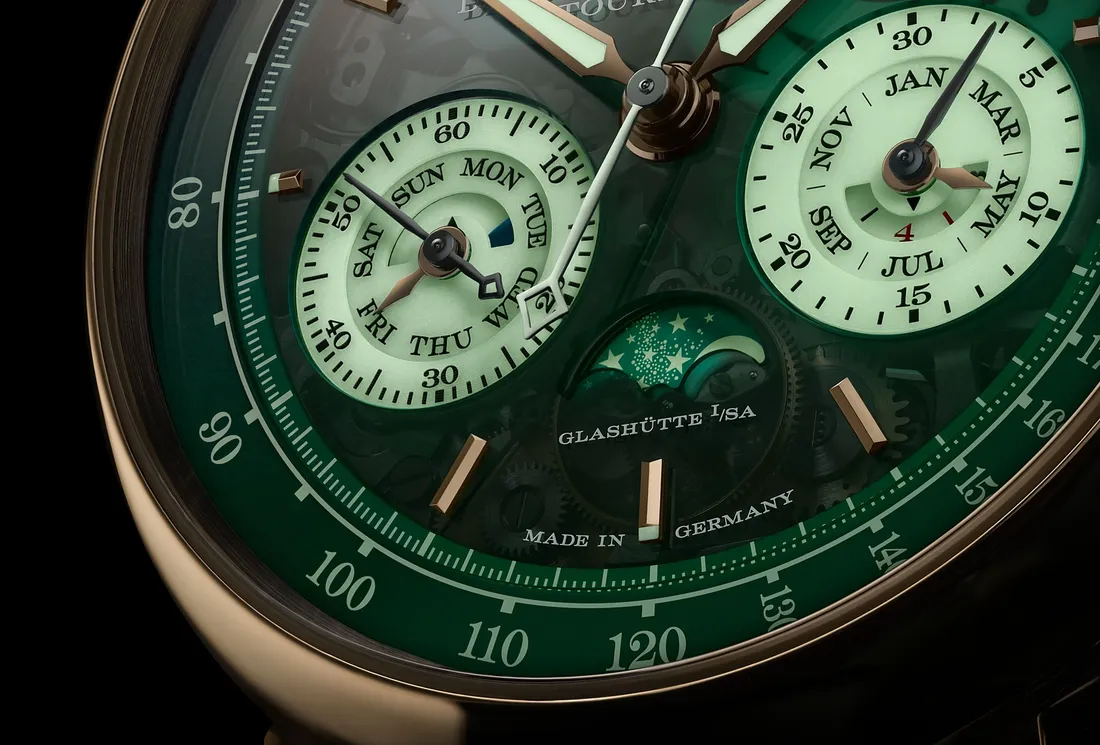
Between them lay Nil’s photographs of creatures brought up from four thousand metres and a battered first edition of William Paley’s Natural Theology of 1802, which Hasan carries everywhere. On Hasan’s wrist was an A. Lange & Söhne Datograph Perpetual Tourbillon Honeygold Lumen, counted among the summits of Saxon watchmaking, leaking a neon-green glow from behind its smoked sapphire dial.
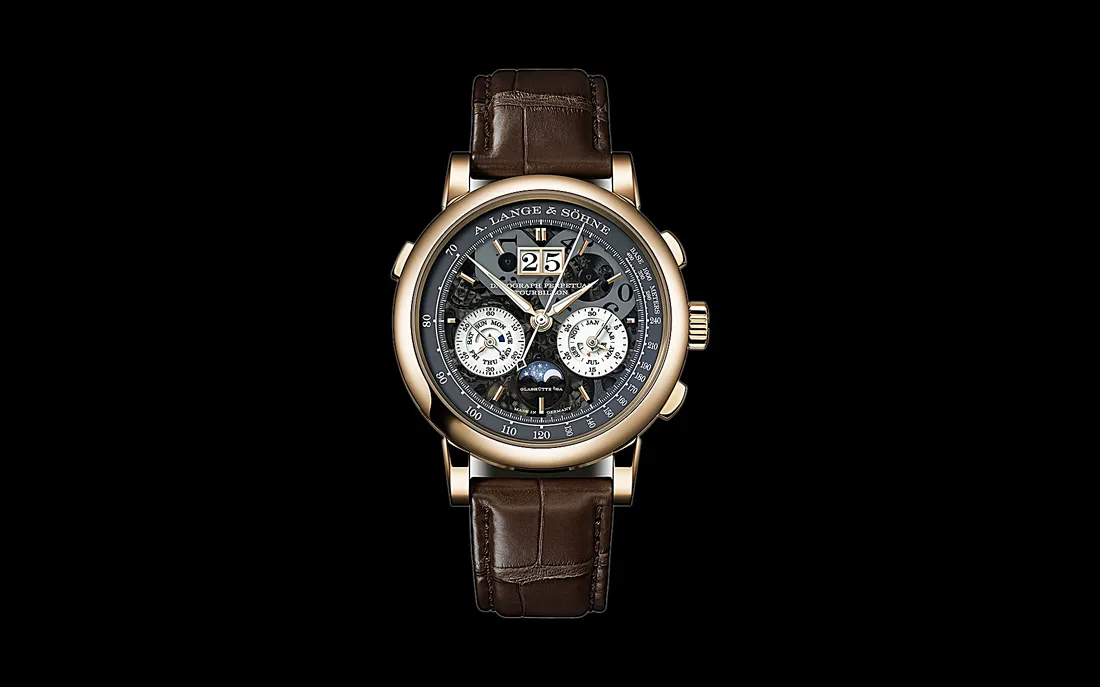
Nil opened by looking at the watch. She said she was following the green light coming off the dial and the intricate mechanism behind it, and that Hasan, looking at this object, surely saw more than wheels and gold bridges. She asked what connection he drew between Paley’s watchmaker analogy and this piece of applied art.
Hasan smiled and turned the honey-gold case in the light. When Paley wrote his famous argument in 1802, he said, philosophy was still reeling from David Hume’s scepticism. Paley walks his reader across an empty heath. If your foot strikes a stone, you may answer that the stone had lain there forever, because a stone contains no hierarchy of parts arranged towards an end. Now suppose you find a watch on the ground. Looking into its structure you recognise intention and purpose, and although you have never met the maker, you accept the watchmaker as a logical necessity.
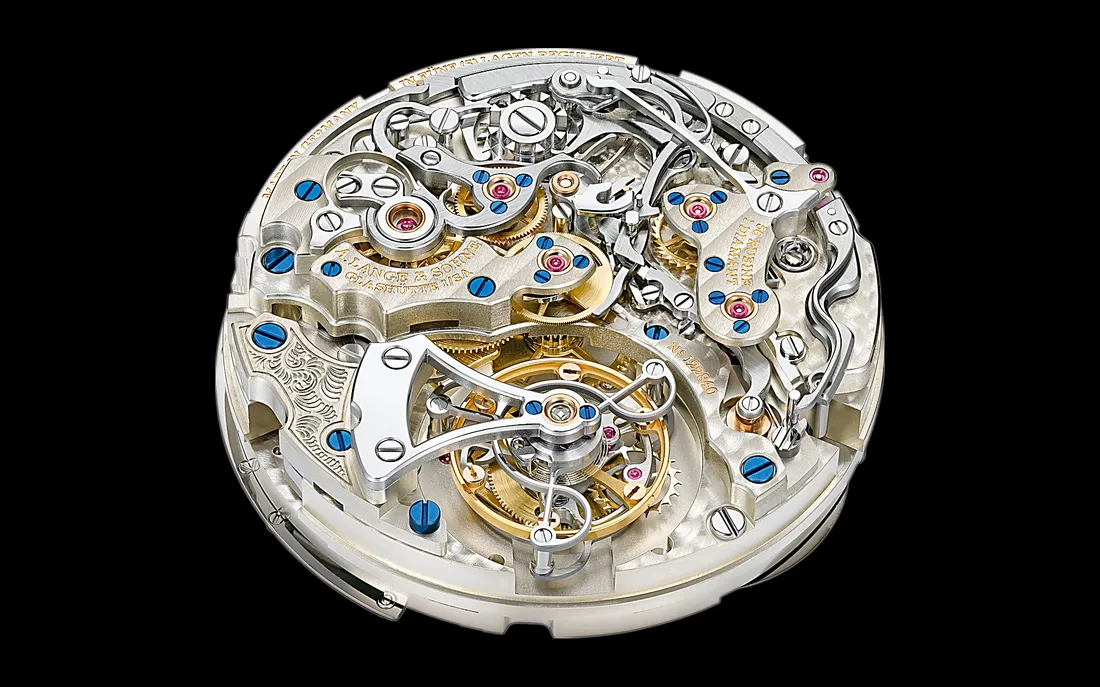
Hasan laid the watch on the table. What had come off his wrist was a monument of six hundred and eighty-four parts. Each one is finished to the micron, and the whole movement is assembled, taken apart and assembled again. Inside this single case three great complications run at once.
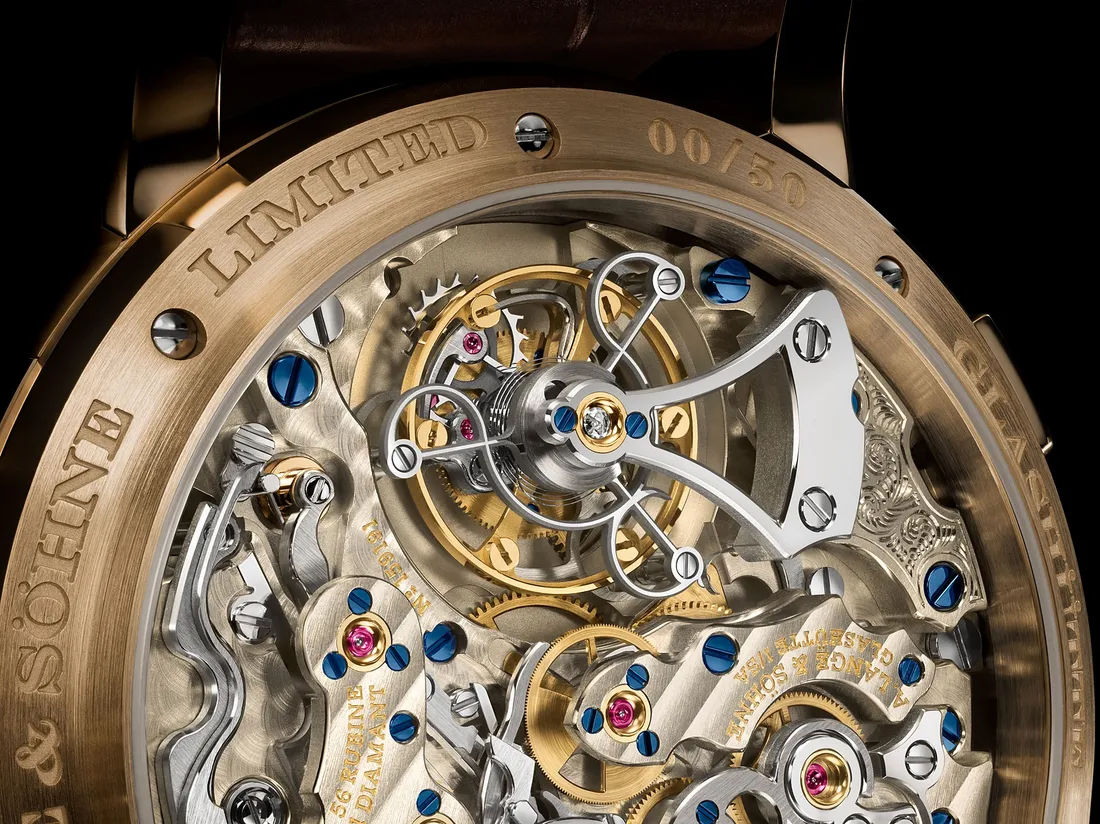
The flyback chronograph measures fractions of a second and, at one press, stops, returns to zero and starts again from where it stood; its minute counter jumps precisely on the minute, and the reading runs out to the tachymeter scale on the outer circumference of the sapphire dial. The perpetual calendar knows which month has twenty-eight, thirty or thirty-one days, counts the leap year that arrives every four, and asks for no manual correction until 2100; the moon-phase display at six o’clock will have drifted by a single day only after a hundred and twenty-two point six years. The tourbillon turns once a minute to free the heart of the watch from the pull of gravity. That cage does not sit on the dial but under the sapphire caseback, drawing its orbit around a stationary fourth wheel, and it halts when the crown is drawn out.
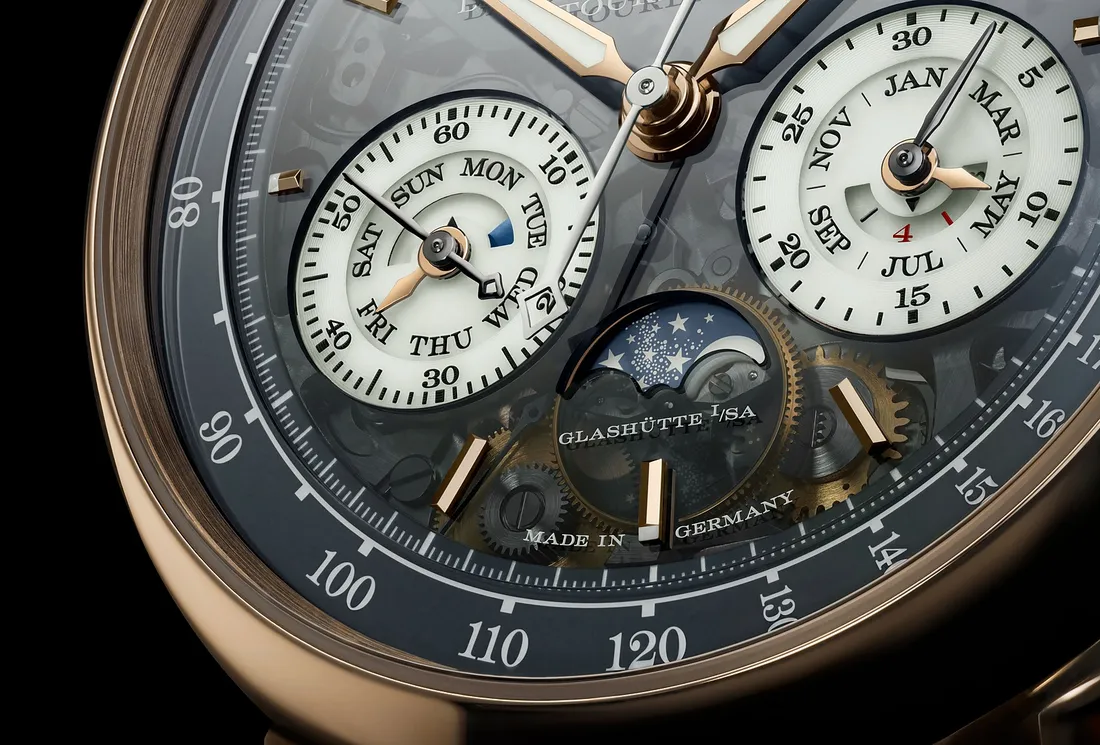
Hasan called it an unaccountable art that six hundred and eighty-four parts should be fitted into so small a case without once fouling one another. Let a single part be cut a micron wrong or a single tooth be missing, and the whole system locks on the instant.
format_quote"Let one of those six hundred and eighty-four parts be cut a micron wrong, and the whole vast system locks on the instant."
Hasan Bekmezci
The matter does not end with the wheels. Hasan pointed to the green light on the dial. What produces that glow is strontium aluminate, doped with two rare earth elements, europium and dysprosium. None of these was made on this planet. Like every atom heavier than iron they are cosmic dust, scattered by the deaths of stars, by supernovae and by the collision of neutron stars. They filtered down from those explosions into the layers of the earth; a human being dug that ground, separated the elements and laid them on the dial of this watch.
What happens when light strikes the dial Hasan compared to a dance. The moment a photon arrives, europium atoms are excited and electrons leap to a higher level. Defects that dysprosium opens in the crystal lattice catch those electrons like traps and hold them for hours. When darkness falls, the ordinary warmth of the room releases them one by one, and each, returning to its old level, lets go of a green photon. That is why the light lasts through the night.
format_quote"The atoms are quite literally dancing."
Hasan Bekmezci
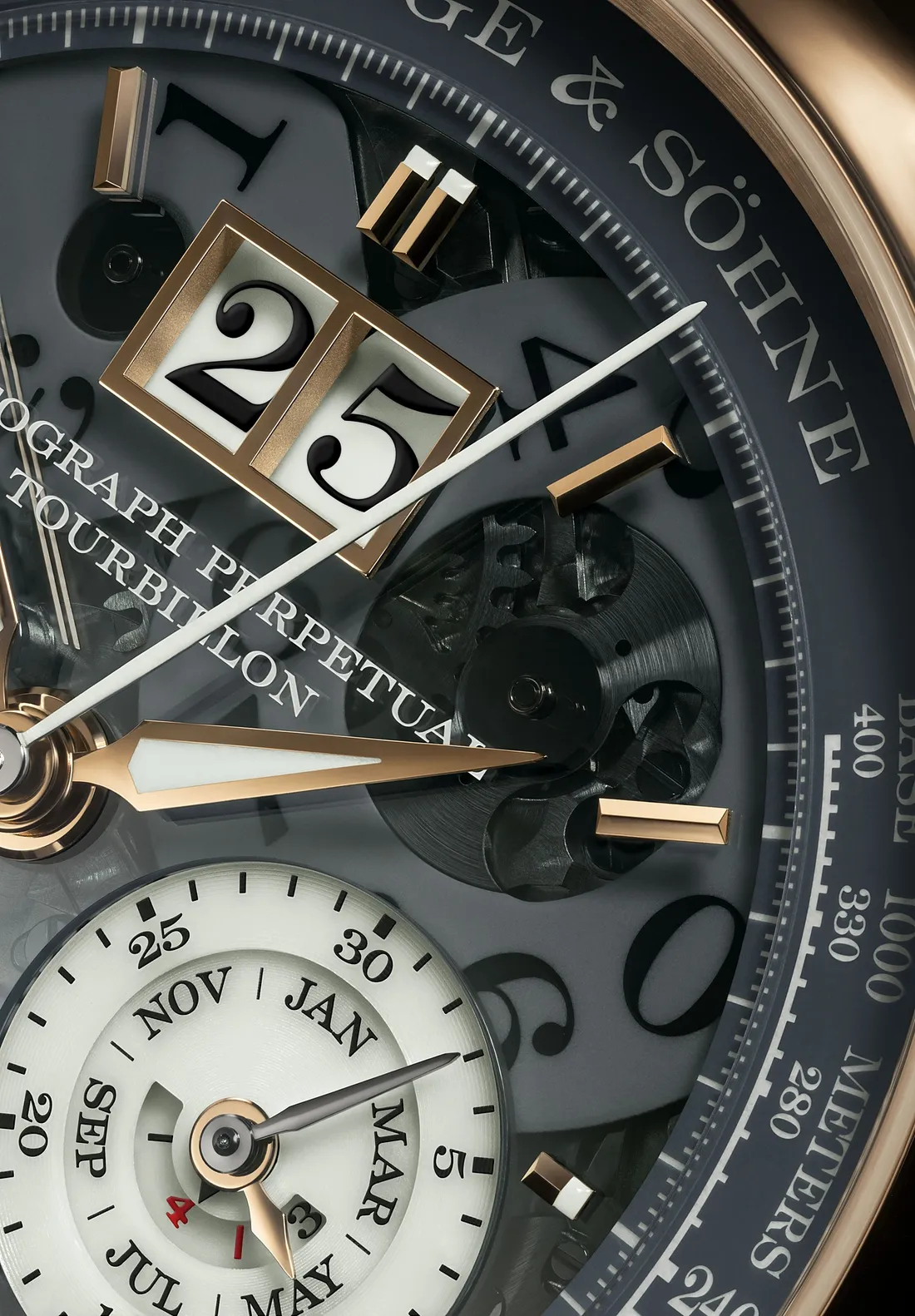
This dance of elements born in exploding stars was joined, inside one case, to a mechanical complication of six hundred and eighty-four parts. Hasan asked what the odds of such a thing arising by accident might be. Paley had said it in 1802, but long before him the prophets had cried out the same truth. There was not a pinpoint of slack anywhere in it.
format_quote"Without an intelligent mind and an immense design behind it, no such order sets itself up on its own."
Hasan Bekmezci
This, said Nil, was exactly where she came in. Hasan descended through the watch on his wrist into the depth of atoms; she, going down into the pitch dark four thousand metres under the ocean, was in truth going down into her own brain, into the sea of thought made by eighty-six billion neurons. Looking at the creatures that live in the abyssal zone under four hundred bars of pressure, where not one photon of sunlight arrives, she builds a theatre in her mind that ticks along quietly so that she may understand them better. In that theatre the creatures under the ocean talk to one another.
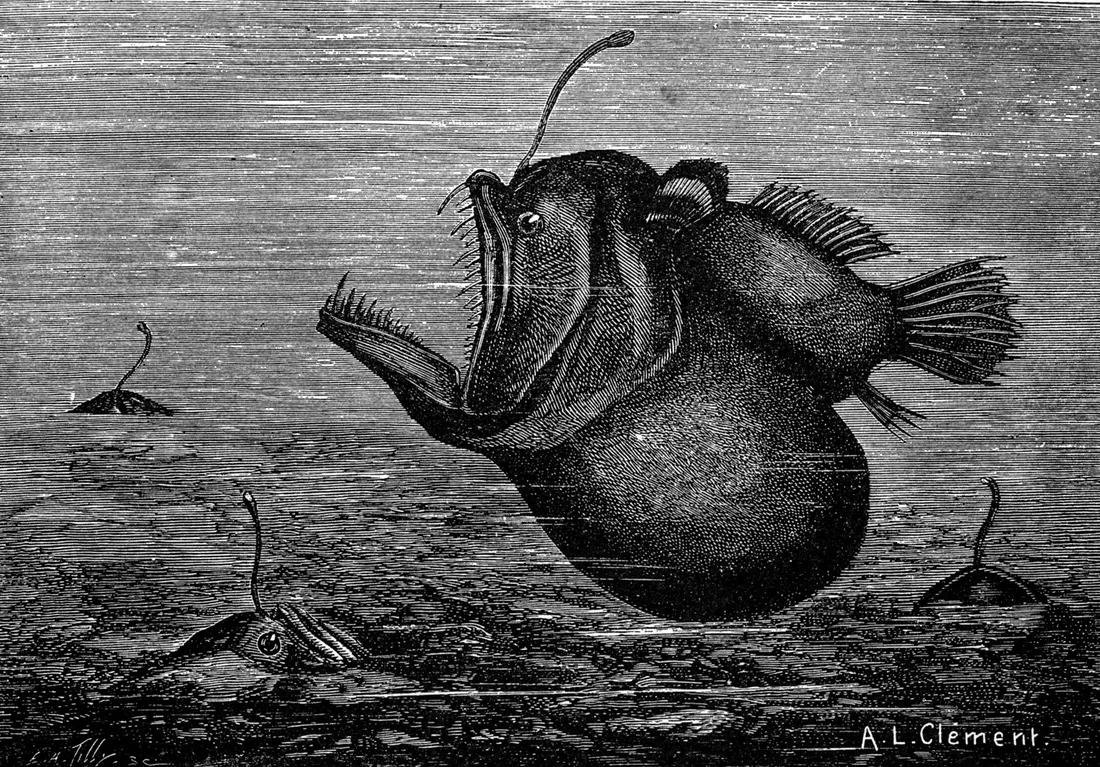
Melanocetus johnsonii, the deep-sea anglerfish, speaks first, lighting the bright rod that hangs over her head. At the tip of that rod, the esca, she feeds billions of bacteria, known today as Candidatus Enterovibrio escacola, and gives them a safe home, oxygen and food. In return they light the blue-green lamp that fascinates prey in total darkness. Only the females carry the rod; the male is a far smaller companion that fastens onto her body.
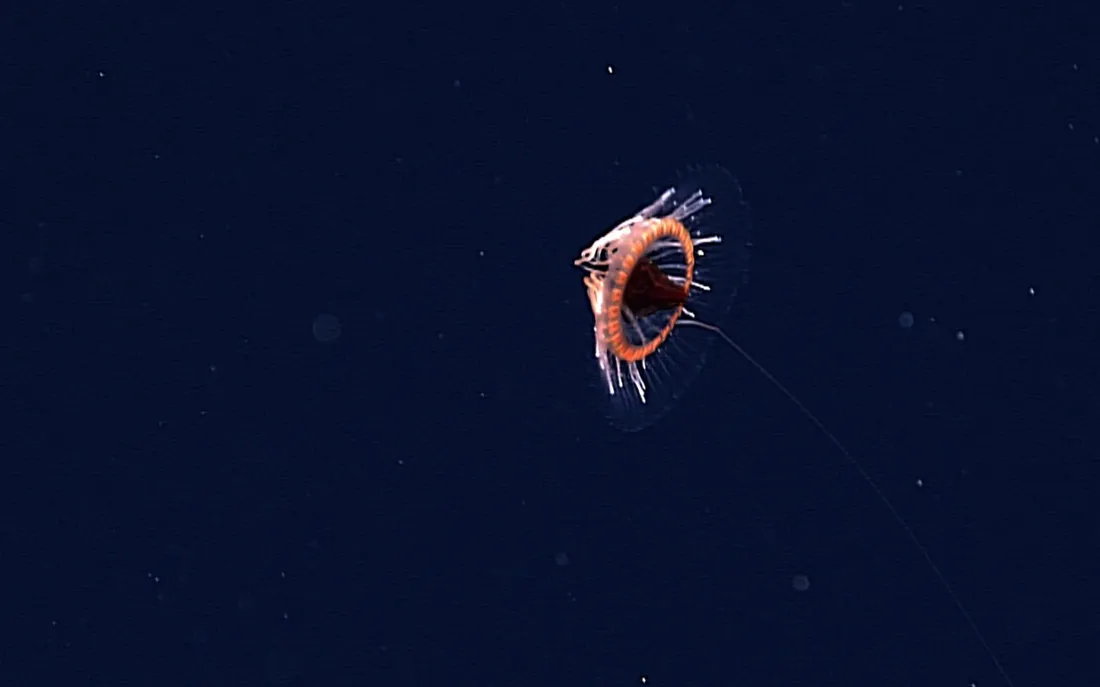
Atolla wyvillei, the crown jellyfish, breaks in to say that such a lantern catches only one fish at a time. The instant a predator attacks her, she starts the burglar alarm in her body and spins like a police light. The burst points whoever wants to eat her out to something larger still. She makes that light by oxidising a luciferin with a luciferase, and the reaction gives off almost no heat at all. That is why it is called cold light.
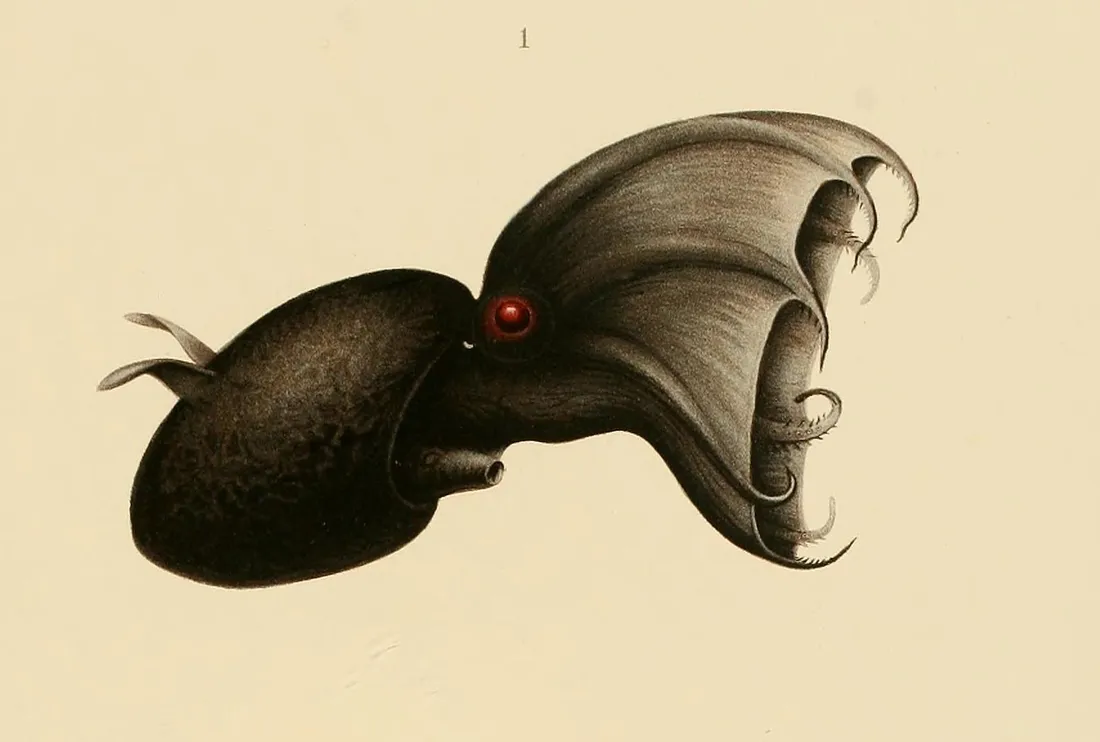
Vampyroteuthis infernalis, the vampire squid, says the others only light their own bodies. In danger he sprays a glittering blue cloud into the water from the photophores at the tips of his arms. While his enemy’s eye is lost in that cloud of light, he withdraws into the dark.
Anomalops katoptron, the flashlight fish, carries a living lamp directly under his eyes. The Candidatus Photodesmus katoptron bacteria inside it make light without pause, and these partners never switch it off. When the fish wants darkness he cannot put the lamp out; he rotates the organ downward and turns its black-pigmented back to the world. Done several times a second, this rolling lets him both see his prey in the dark and signal to the rest of the school.
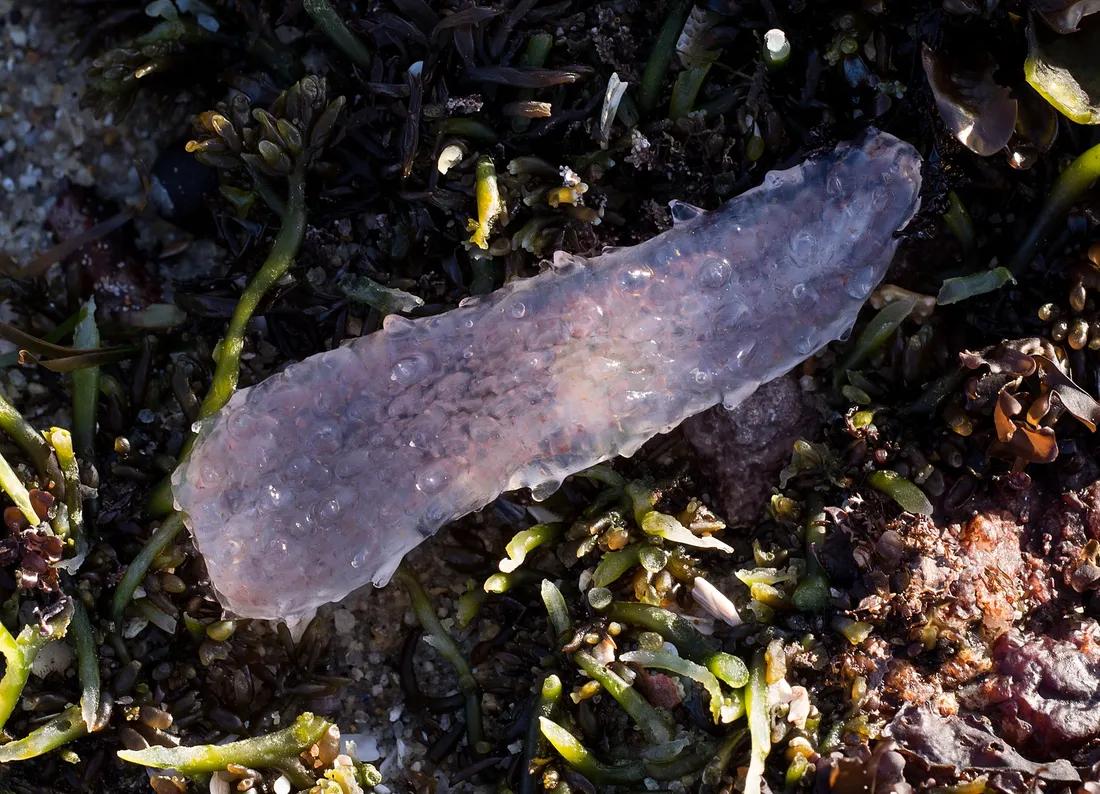
Pyrosoma, the fire body, says it does not burn as an individual. It is not one animal but a colony, thousands of small tunicates joined inside a common gelatinous tunic. This tube-shaped colony, which can run to several metres, becomes a vast blue column of light in the middle of the ocean.
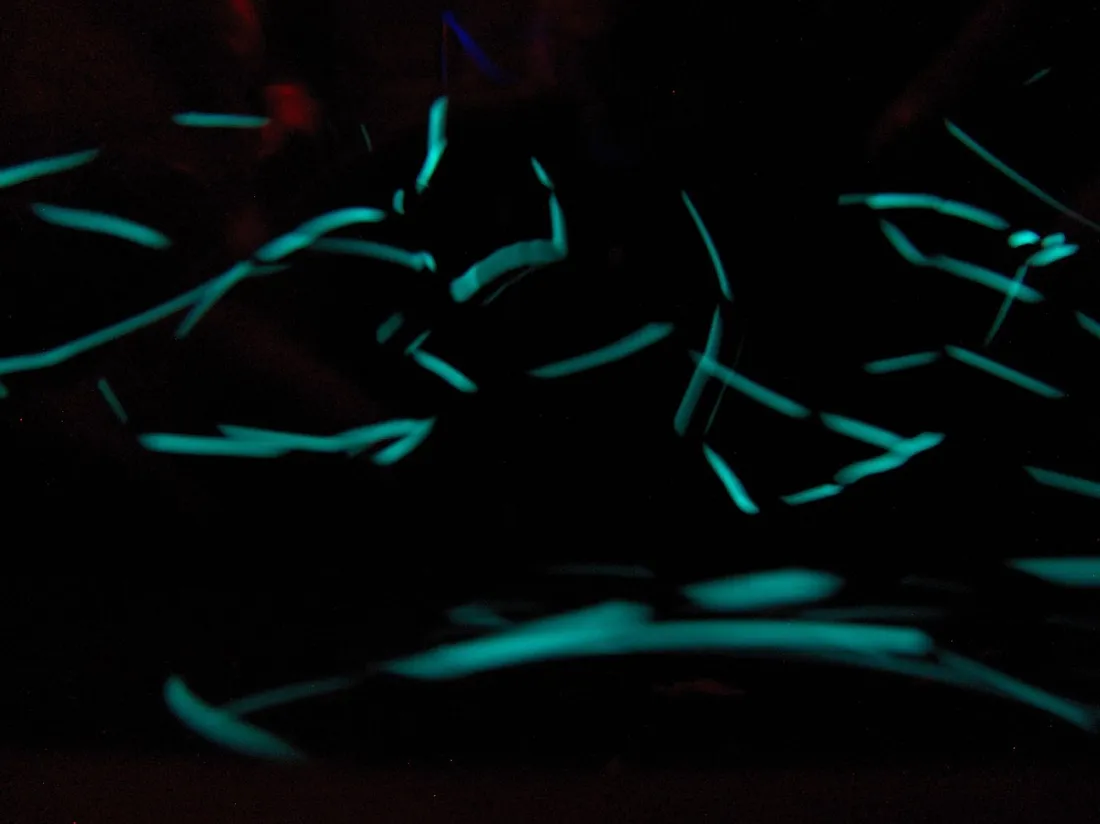
Noctiluca scintillans, the sea sparkle, says it is a microscopic single-celled dinoflagellate. But when millions come together they flare at night at the moment the waves break on the shore. When a person walks through the water, every footprint he sets down lights up a deep blue.

Having heard this submarine symphony out, Hasan asked his real question. Could we not put this bioluminescent mechanism into a watch on the wrist, he said; could we not set the anglerfish’s living capsule on the dial? Nil took a sketch of a watch out of her bag and laid it on the table. Under the drawing it read Anglerfish Bio-Tourbillon.
She gave five reasons why such a watch is impossible. Bacteria consuming glucose to make light leave metabolic waste behind them, and in a sealed capsule that waste poisons the culture within hours. The internal pressure of the cells and the ionic balance of the medium must be held to the finest margin, and when temperature or pressure shifts, the membranes tear. The luciferase protein loses its three-dimensional folding above forty degrees, denatures, and light production stops for good. Supplying the bacteria with uninterrupted oxygen would mean fitting a micro-lung and a pump inside the case. And bacteria that divide this fast mutate within a few generations and lose the lux operon that makes the light altogether.
format_quote"Not even a single blue-green photon fired at the deepest point of the dark can be the work of accident."
Hasan Bekmezci
The masterpiece that gives this philosophical and biological truth a body in high watchmaking is the Datograph Perpetual Tourbillon Honeygold Lumen, reference 740.055FE. The maison presented it in April 2024 and limited it to fifty; it is Lange’s sixth Lumen and the second watch to bring honey gold and Lumen together. The calibre L952.4 inside it is hand-wound, runs at eighteen thousand vibrations an hour, carries fifty hours of power and measures to a fifth of a second; its minute scale is divided by three hundred markers.
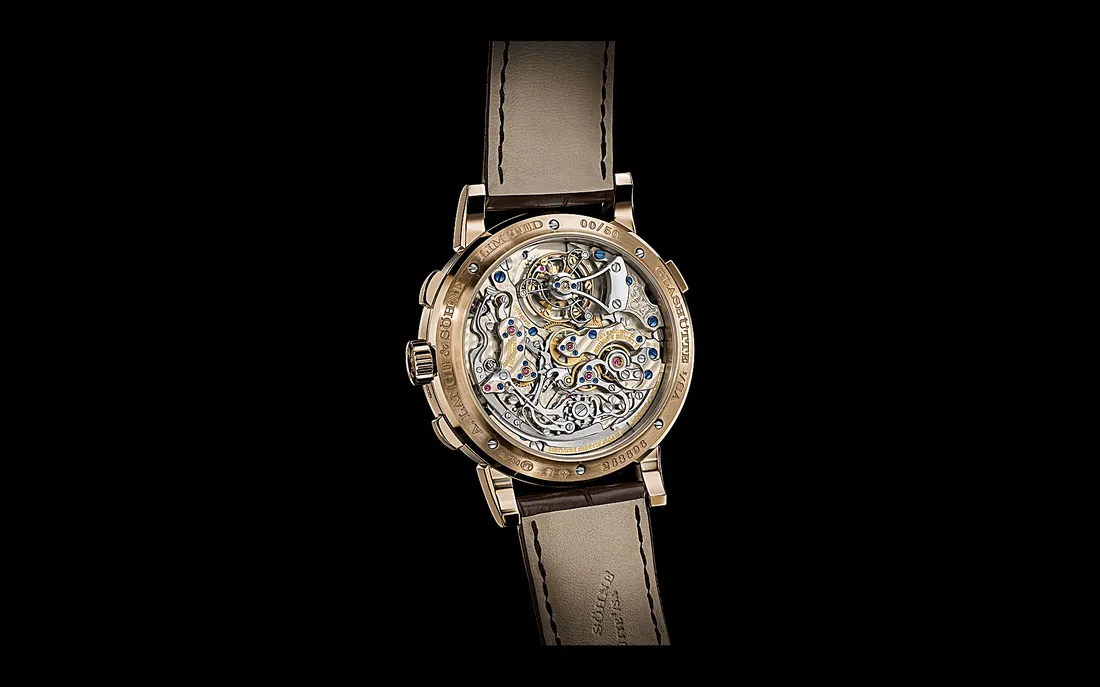
On a classical watch the dial is a closed metal plate. In Lange’s Lumen series it is cut from smoked, semi-transparent sapphire crystal. Filtering ultraviolet light inward through the day, that plate calls a cell membrane to mind; when night comes it charges the luminous coating that wraps the outsize date discs beneath it, the subdials, the circumferential minute and tachymeter ring and the moon phase, and the watch glows neon green.
The case is cut from Lange’s own patented eighteen-carat honey gold. Markedly harder than classical pink or yellow gold, it measures forty-one and a half millimetres across and fourteen point six millimetres high, and guards the six hundred and eighty-four parts within it with something of the hardness of the bone chassis that carries the human body.
As dusk came down over the lake, the green glow off the smoked sapphire dial on the table ran together with the photographs of the anglerfish. Whether it is a cell lighting its lantern with a luciferase in the depth of the ocean, or the architecture of six hundred and eighty-four parts that a craftsman in Glashütte set under a honey-gold case, both systems whisper the same truth. Exactly as real as the human art of watchmaking, which gives direction to dead matter and six hundred and eighty-four wheels, is the clock of the universe that holds a symphony of cold light together with living cells in the depth of the sea, and it is the art of a flawless and wise Maker.
The watch on its maker’s own site: A. Lange & Söhne, Datograph Perpetual Tourbillon Honeygold Lumen