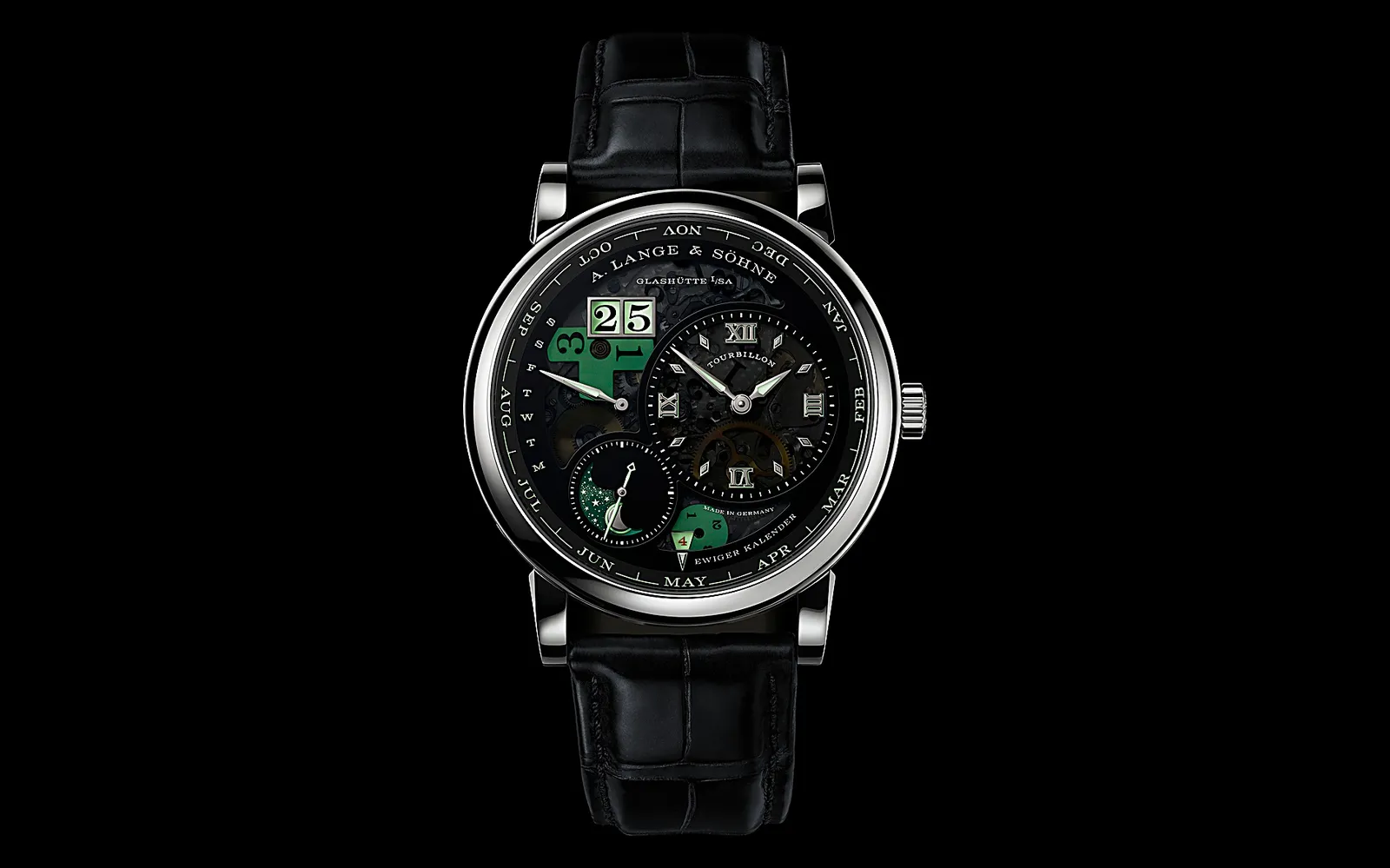
2026 became a year in which science and watchmaking crossed in the same passion: making the invisible visible. The 2026 Nobel Prize in Physiology or Medicine, announced on 5 October, went to optogenetics, the technology that steers the dark and tangled networks of neurons in the brain with light sent in from outside. The Academy divided the prize between Karl Deisseroth, Peter Hegemann and Georg Nagel, and wrote its citation as their discoveries concerning light-gated ion channels and optogenetics. In the same year A. Lange & Söhne, at the summit of fine watchmaking, presented the Lange 1 Tourbillon Perpetual Calendar “Lumen”, which gives that same philosophical and technical truth a form on the wrist.
At first sight one of these disciplines looks like the summit of microbiology and the other like the summit of micromechanics; at bottom both seek the answer to one great question. How do you wake, and make visible, the immense order hidden in the heart of a dark system, with a single beam of light sent in from outside?
The human brain, with its eighty six billion neurons, its trillions of synaptic connections and an electrical network that communicates in thousandths of a second, is the most tangled and most intractable architecture there is. But for neuroscientists that complexity also meant a dark room that was nearly impossible to enter. A hundred thousand people are whispering at once in a stadium and you want to know what only three of them, in row thirty five, are saying. Scientists used to push metal needles into the brain and apply current; this was like striking lightning into the middle of the stadium in order to hear those three. The whole stadium was shocked, and telling who said what became impossible.
Intervening with a drug was like making everyone in the stadium swallow a sleeping pill in order to silence those three. The drug took minutes to be absorbed and reach the brain, and its effect lasted hours. Yet decision and signalling in the brain work in milliseconds. The ideal the scientists imagined was this: a mechanism had to be devised by which a single targeted group of cells, among trillions of connections, could be given a command remotely and precisely; that cell would wake in a thousandth of a second and do its work, and fall silent the instant the light was withdrawn.
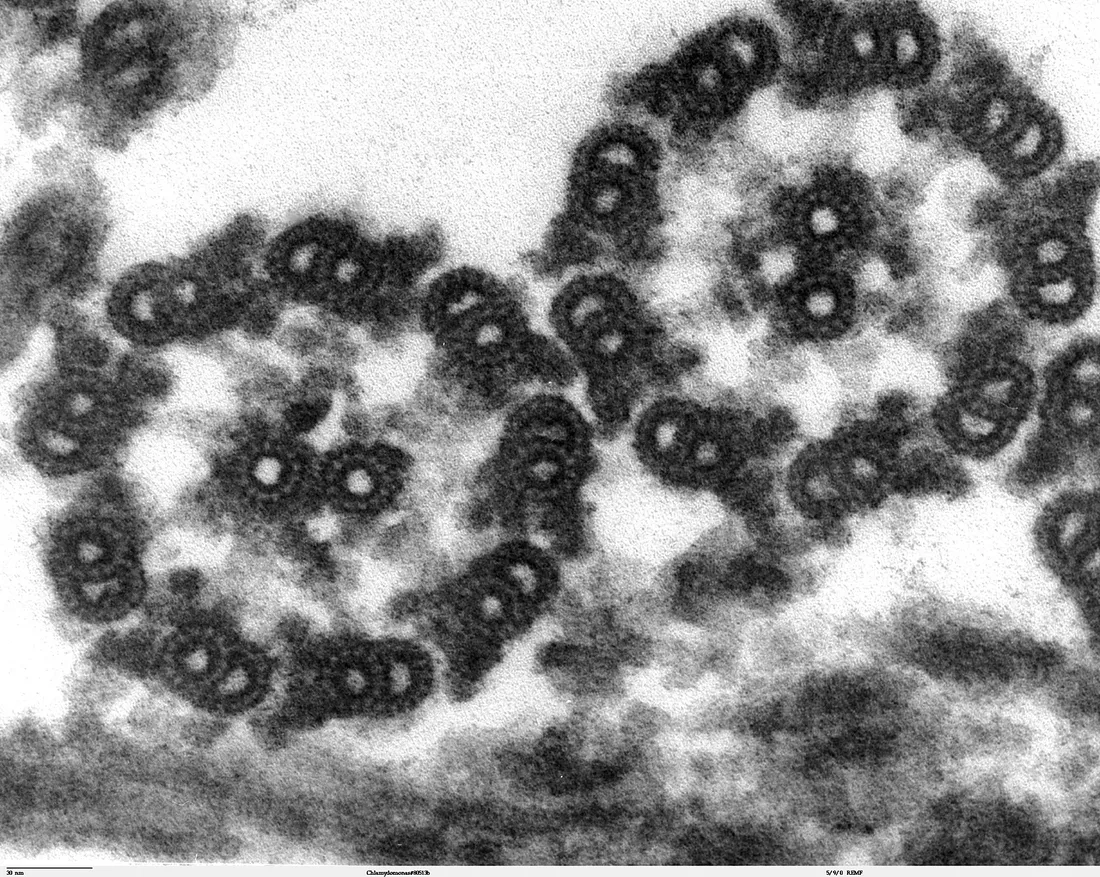
The German biophysicists Peter Hegemann and Georg Nagel turned their eyes away from the human brain and towards a single-celled green alga floating in still lake water, Chlamydomonas reinhardtii. This microscopic creature photosynthesises and must swim towards the light in the water in order to live. How does a single-celled organism with no eye, no brain and no developed nervous system work out where the light is coming from and turn towards it?
Hegemann and Nagel found on this alga a small lens-like eyespot called the stigma, and on it special protein channels called channelrhodopsin. You can think of that protein channel as an automatic door that opens the instant blue light falls on it. Normally the door is locked; the moment blue light strikes, it opens at the scale of microns and positively charged ions outside flood in. As the cell’s electrical balance changes, the flagellum of the alga begins to turn and the creature is driven towards the light. The instant the light stops, the door closes. In 2002 and 2003 the two of them worked out this mechanism and proved a rule of nature: light, at the microscopic scale, is a direct on-switch.
format_quote"Light, at the microscopic scale, is a direct on-switch."
Hasan Bekmezci
When the neuroscientist Karl Deisseroth of Stanford University read of this discovery, a new horizon opened in his mind: what if we took the genetic code of this light-gated door on the alga and, through a carrier, transferred it to the neurons in only the region of the brain we wanted? In 2005 Deisseroth and his team carried out the historic experiment. They loaded the alga’s genetic code into a virus that had been made harmless. They applied the virus to the target neurons; the neurons read the code and built into their own membranes, exactly as the alga does, those doors sensitive to blue light. The moment the blue light was lit, only the target cells were excited, and the instant it was switched off they fell silent. The method was shown first in cultured neurons, and then carried to the level of behaviour by running a fibre optic cable as fine as a hair into the brain of a living animal. This technology was called optogenetics, genetic control by light.
The exact counterpart of that revolution of light in the laboratory is, in watchmaking, the Lange 1 Tourbillon Perpetual Calendar “Lumen”, the summit of Saxon watchmaking. Just as, while billions of neurons stand in the brain, optogenetics wakes only the cells that have been made sensitive to light, the same selectivity takes place on Lange’s dial.
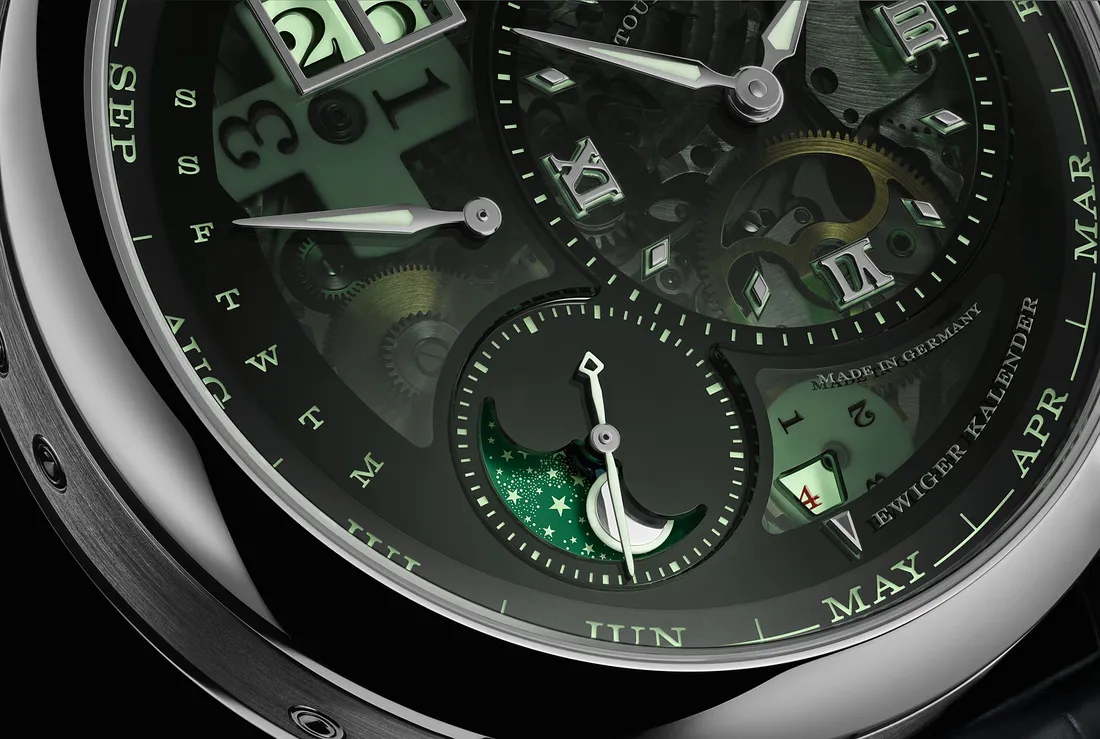
In a conventional watch the dial is a closed wall that covers the mechanism entirely. In this one the dial is a smoky, semi-transparent sapphire crystal. In the maison’s own words this transparency is not an aesthetic preference but a structural necessity: the dial allows the passage of the energy-rich ultraviolet light that continuously charges the luminous compound of the displays beneath it. Like a cell membrane, it admits certain wavelengths and veils the inner complexity of the mechanism from the outside with an elegant reticence.
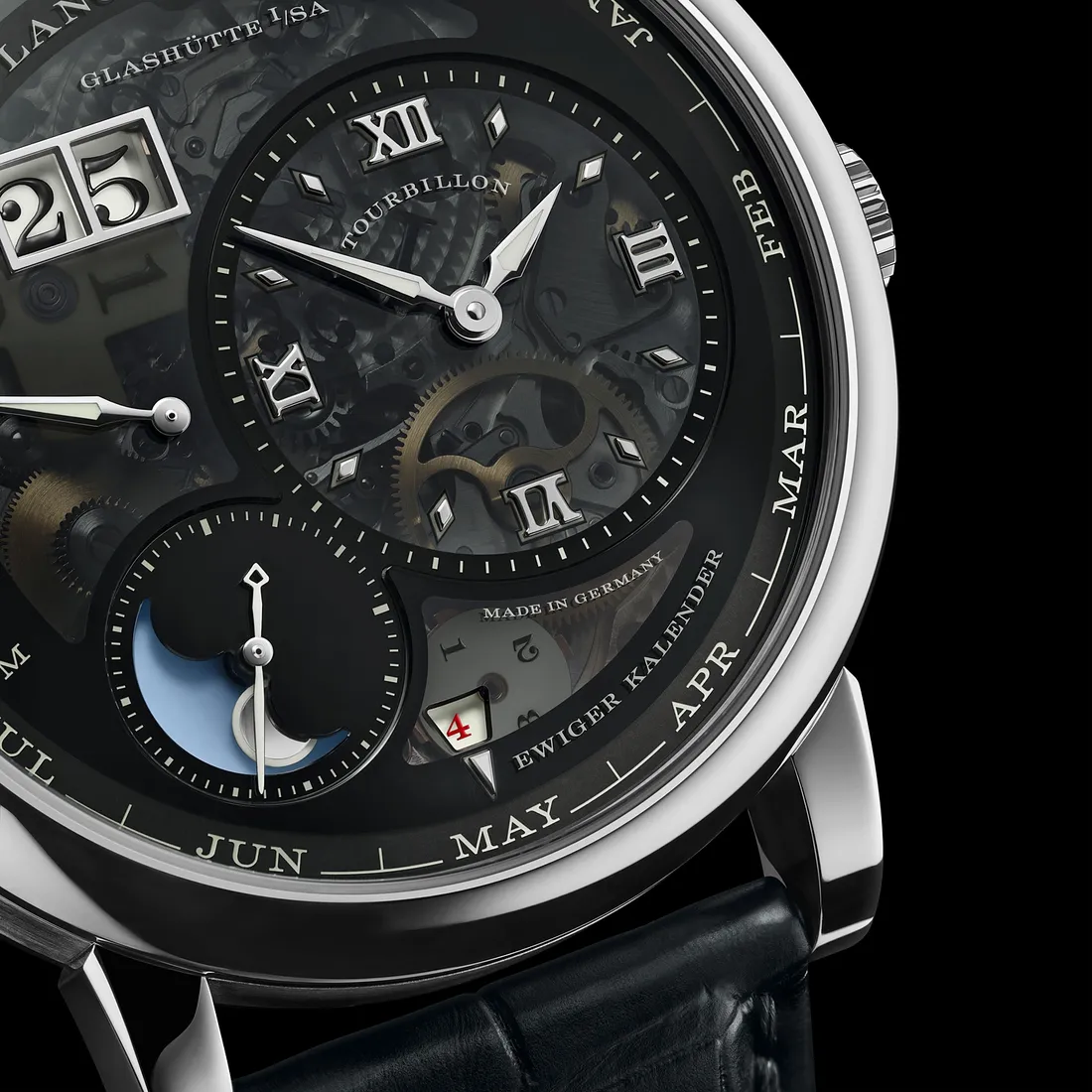
Beneath the dial, on the outsize date discs, the moon-phase display and the ring of months turning around the dial, thousands of different atoms stand side by side: steel, brass, ruby, sapphire. But the Lange craftsmen have applied a photoluminescent pigment to the discs that show the time. The base of that family of pigments is strontium aluminate, and two more critical elements are hidden within it: europium and dysprosium.
The moment you hold a light to the dark dial, the trillions of steel or brass atoms on the dial stay inert. But the atoms of strontium aluminate, europium and dysprosium go into action the instant they see light. As the europium atoms absorb photons they throw their electrons up to a higher energy level; dysprosium then traps those electrons there for a while and holds the energy. When the outside light is withdrawn, the trapped electrons return slowly to their old shells and begin to emit a green photon outward. This is the horological twin of cellular excitation in optogenetics: in a darkness holding millions of atoms, only the chosen ones begin to dance under the right light sent in from outside.
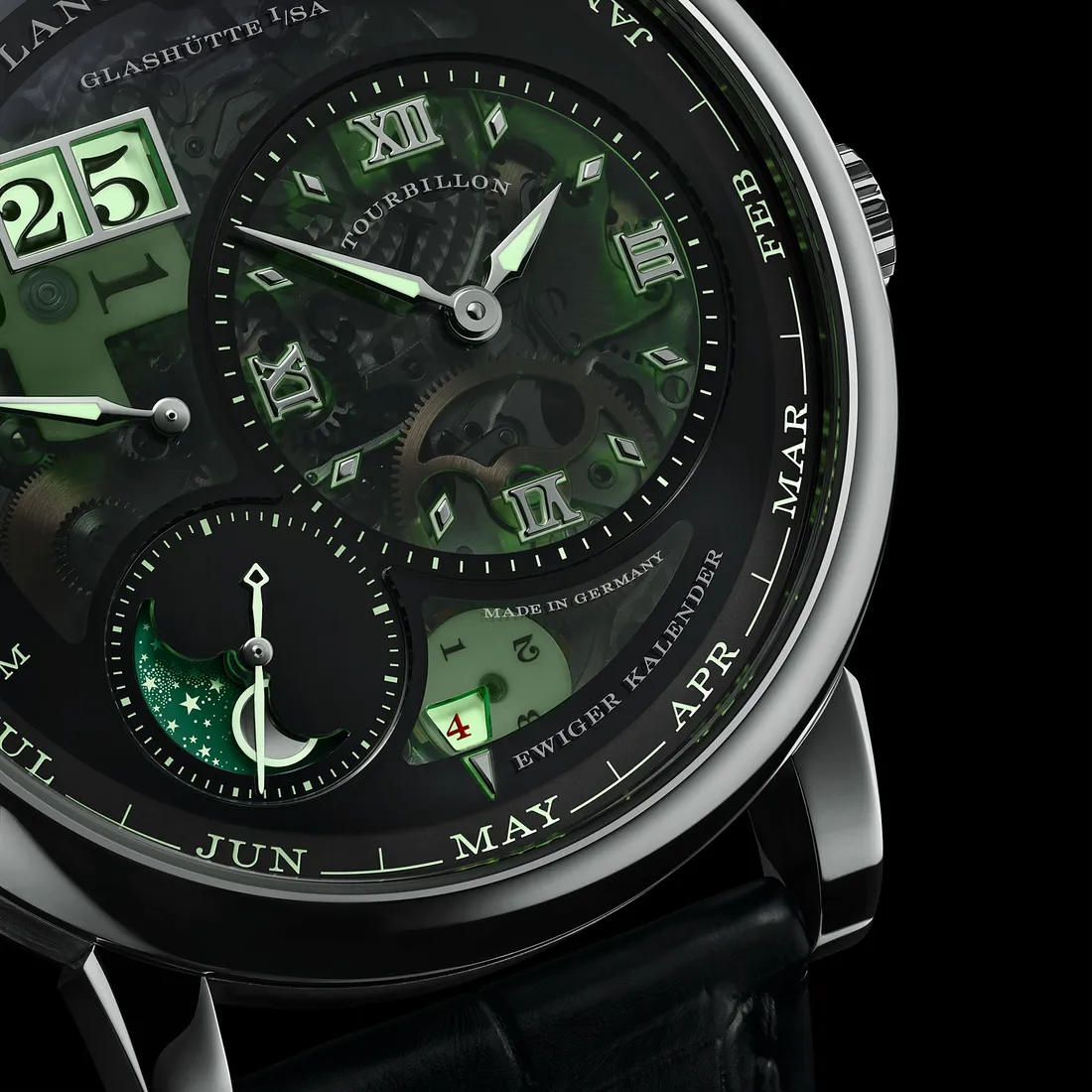
Even the choice of what glows carries a hierarchy of its own. The brightest point is the outsize date; in the dark the mechanism of a tens cross and a units disc becomes visible. The leap-year aperture at 6 o’clock glows at the same intensity. The hands for hours, minutes, seconds and the day of the week, and all the scales, appliques and the contours of the moon, make do with a far more delicate luminescence.
What the maison offers here for the first time is a luminous moon phase combined with a day and night indication. A celestial disc that forms the backdrop to the moon’s orbit turns once clockwise in twenty four hours. By day a light sky without stars can be seen; by night a dark sky scattered with a multitude of luminous stars. In front of that sky the waxing and waning of the moon can be followed, and the display departs from the true position of the moon by only one day after a hundred and twenty two point six years.
At the centre of all these scientific searches stands one key: the architecture of the human brain. That tissue of some one and a half kilogrammes kept inside our skull is the most complex network structure in the known universe. There are about eighty six billion neurons in our brain. But the real wonder lies not in the number of neurons; it is hidden in the network of connections those neurons build with one another. A single neuron can connect with more than ten thousand of its neighbours at once, which means on the order of a hundred trillion synaptic bridges inside the brain. Think of all the cities, streets and fibre cables on Earth and of the vehicles moving on them at any moment; a single second of the brain manages traffic on the scale of that global network, to a precision of thousandths of a second.
format_quote"The real wonder lies not in the number of neurons; it is hidden in the network of connections those neurons build with one another."
Hasan Bekmezci
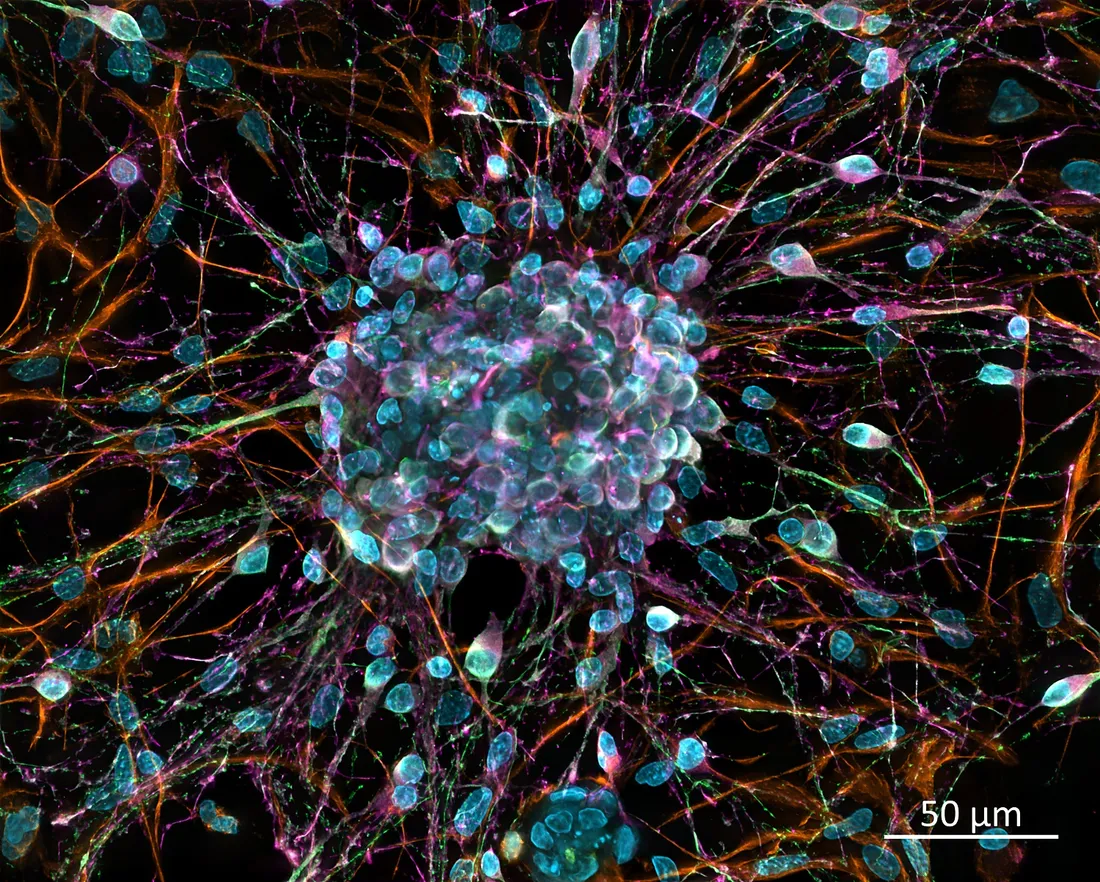
And here lies the real subtlety that brought the Nobel Prize to Karl Deisseroth, Peter Hegemann and Georg Nagel. These three have managed, within that immense network of a hundred trillion, to pick out with light what amounts to a single drop from an ocean. The network in our brain is an unbroken electrical and chemical orchestra that never stops. When you remember a word, when you look in wonder at the dial of a watch, when you think a deep thought, trillions of electrical potentials burst at once in the depths of the brain like a symphony. If a single note in that orchestra were to falter, or the wrong group of neurons were to fire, human will, memory and selfhood would be dragged into chaos.
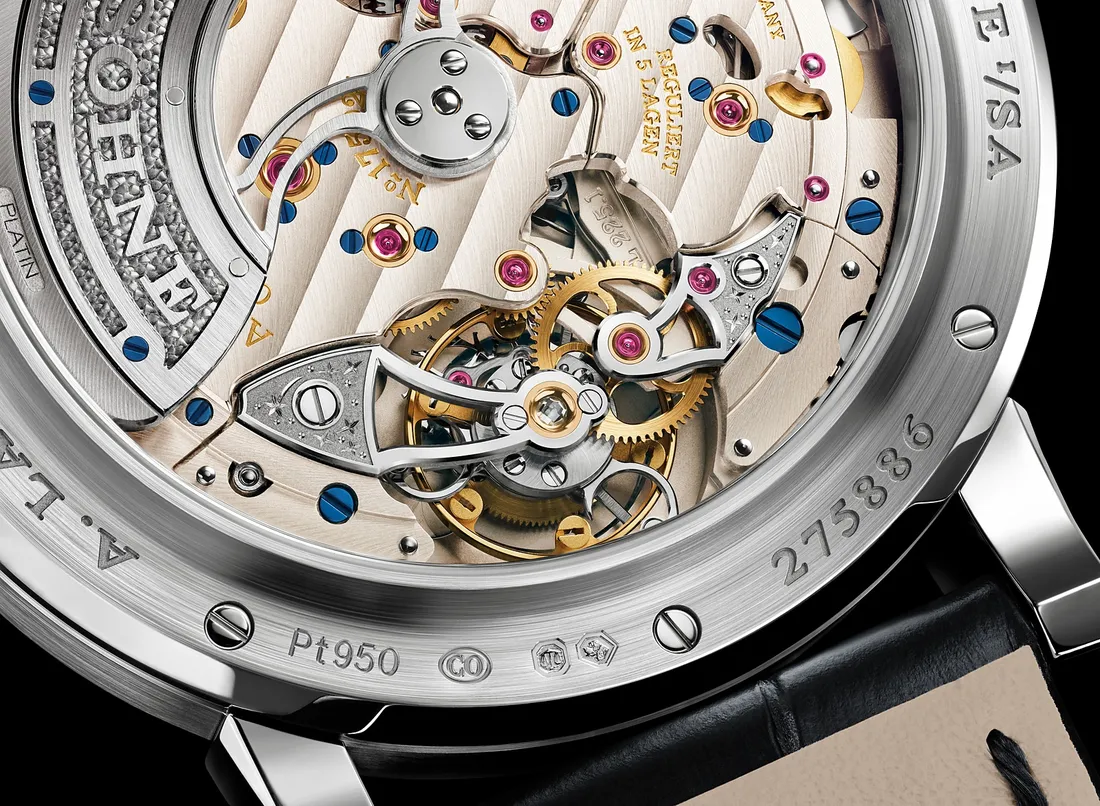
The watch’s own orchestra is assembled with the same meticulousness. The 950 platinum case is forty one point nine millimetres across and thirteen millimetres thick. Inside runs the self-winding calibre L225.1, beating three times a second and carrying fifty hours of power; the central rotor is made for the first time in the maison’s history in eighteen carat white gold, with an outer centrifugal mass in platinum. The tourbillon cage and the cocks that carry it are steel, finished in the technique called black polish, in which the piece is slid by hand across a tin plate at an even pressure until the surface turns to a mirror; small stars and a shooting star are engraved on those cocks by hand. At the centre of the tourbillon sits a diamond endstone in a screwed gold chaton. Pull the crown and the balance inside the cage stops at once, thanks to a V-shaped arresting spring patented in 2008, so the watch can be set to the second.
The calendar works with the same precision. All indications jump instantaneously, the months are read on a ring turning around the dial, and the leap year appears in a small aperture at 6 o’clock. As long as the watch runs without interruption, the first date on which the calendar must be corrected by hand is 1 March in 2100, a secular year. The black alligator strap closes on a platinum deployant buckle, and the edition is limited to fifty pieces.
The optogenetic revolution that won the 2026 Nobel Prize in Medicine and the A. Lange & Söhne Lange 1 Tourbillon Perpetual Calendar “Lumen” whisper the same truth to us. The blue photon that lights the darkness by waking one group of cells in the brain’s synaptic ocean of a hundred trillion, and the green light that makes time visible by setting the strontium, europium and dysprosium atoms behind a smoky sapphire dial dancing, confirm the same thing: light at the right frequency can make the hidden architecture and the order at the heart of even the most complex systems visible with a single touch.
format_quote"Light at the right frequency can make the hidden architecture and the order at the heart of even the most complex systems visible with a single touch."
Hasan Bekmezci
The watch on its maker’s own site: A. Lange & Söhne, Lange 1 Tourbillon Perpetual Calendar “Lumen”