What we see when we look at the night sky is not the present but the ghosts of the past. Looking at the Moon, we watch it as it was one and three tenths of a second ago; looking at the Sun, we watch a brightness that left it eight minutes and twenty seconds ago. And when we look at a star sixty four light years away, a next-door neighbour on the cosmic scale, what we see is the moment its light set out for the Earth, which is to say its past of sixty four years ago.
Does this hold only for our own frame of observation? No. The part that strains the mind, that splits reality in two and shakes a person philosophically, begins exactly here.
format_quote"What we see when we look at the night sky is not the present but the ghosts of the past."
Hasan Bekmezci
Looking at the sky is not watching the outdoors through a window; it is reading letters kept on the dusty shelves of the past. For the postmen who carry these letters are the massless grains of light that physics calls photons. Photons are the fastest couriers in the universe.
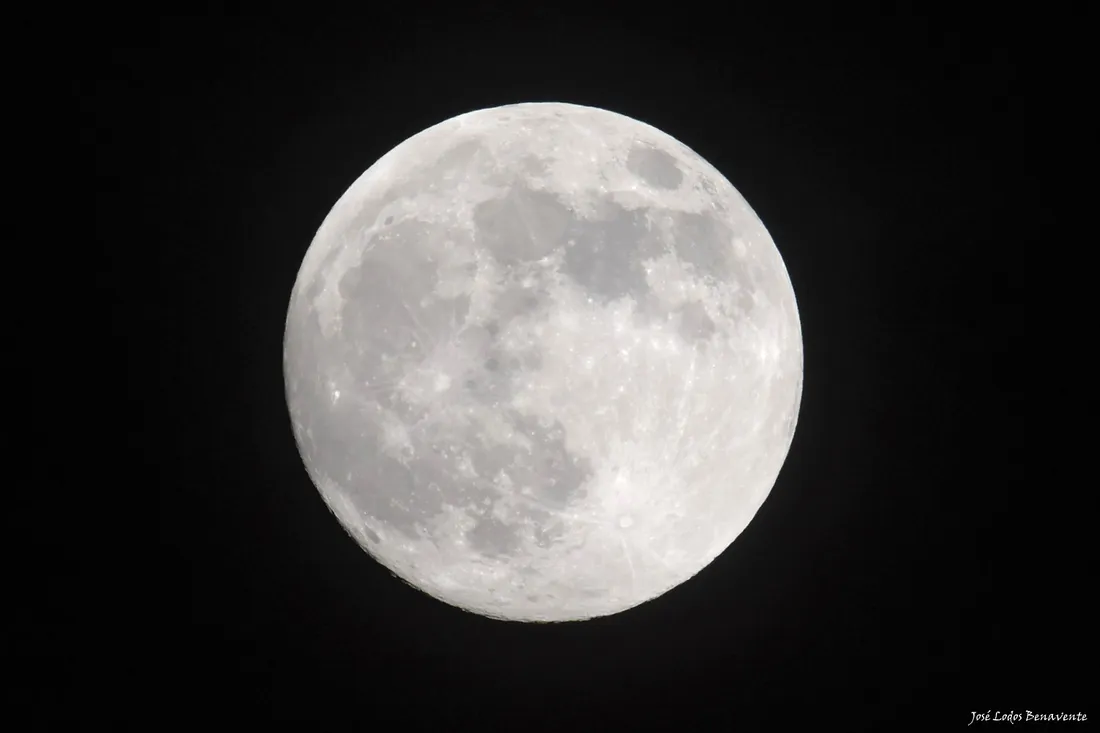
What you see when you look at the Moon is not what is there now. The photon couriers rising from its surface deliver to you an envelope of photographs that set out exactly one and three tenths of a second ago. If someone threw you a ball from the next room as you walked down the hall, a second would pass before it reached your hand. When you catch the ball you catch it now, but the ball is a movement of one second ago. The photons from the Moon, too, are news that has aged by one and three tenths of a second by the time they touch your eye.
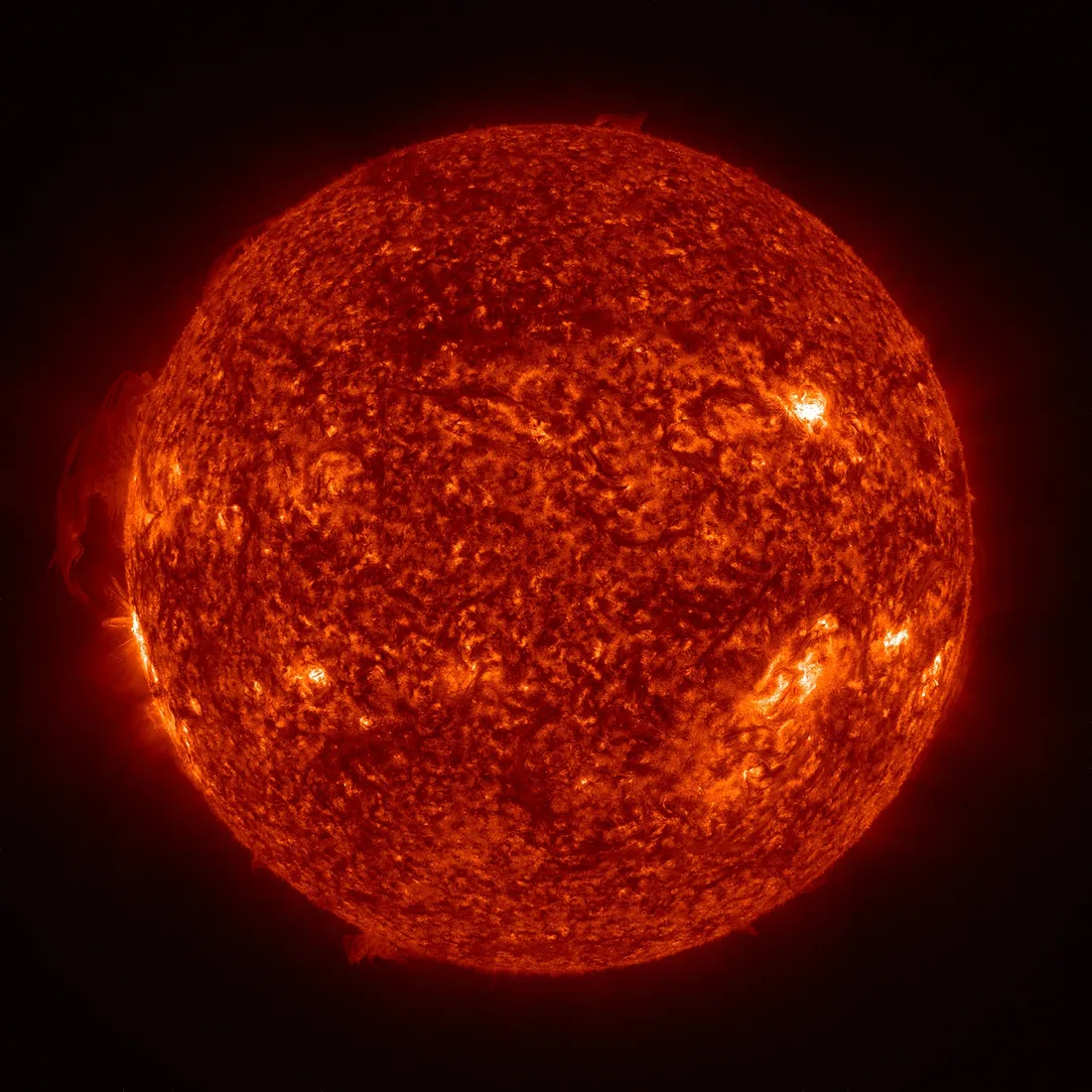
To look at the Sun, or to feel its warmth on your skin, is to open an enormous packet of photons that set out eight minutes and twenty seconds ago. The hundred and fifty million kilometres between the Sun and the Earth are like an unbroken motorway of photons, and along it a convoy that forms a line eight minutes and twenty seconds long is always moving. If a friend a city away sent you a freshly baked loaf by fast courier and the courier took exactly eight minutes and twenty seconds to reach your door, you would call the bread fresh as you bit into it; yet the loaf carries the heat of an oven of eight minutes ago.
If the Sun vanished suddenly at twelve o’clock exactly, the making of new photons would stop. But the convoy that set out between eleven fifty two and twelve would still be running towards us through space at three hundred thousand kilometres a second. That is why we on Earth would go on seeing the Sun in full brightness, and go on being warmed, until twenty seconds past eight minutes past twelve. At that minute the last packet on the road would reach our eyes, and only then would the sky turn pitch black. For eight minutes we would be watching not the Sun itself but the packets of photons running towards us through space.
And what of that next-door star sixty four light years away? Imagine finding an old chest in an attic and pulling out of it a letter your grandfather wrote sixty four years ago, when he was twenty. Reading it, you feel his excitement and his youth now. The letter is new to you and stands in your hand in the present; but the reality it carries belongs to sixty four years ago. When you look at that star, the brightness the photons carry is your grandfather at the age of twenty. Perhaps the star exploded and vanished thirty years ago, but because the photon courier has only just knocked at our door, we go on believing it exists.
According to Albert Einstein’s theory of special relativity, time is not an absolute metronome ticking at the same rate at every point of the universe. Time is an elastic fabric that bends with mass, with gravitational field and, above all, with speed.
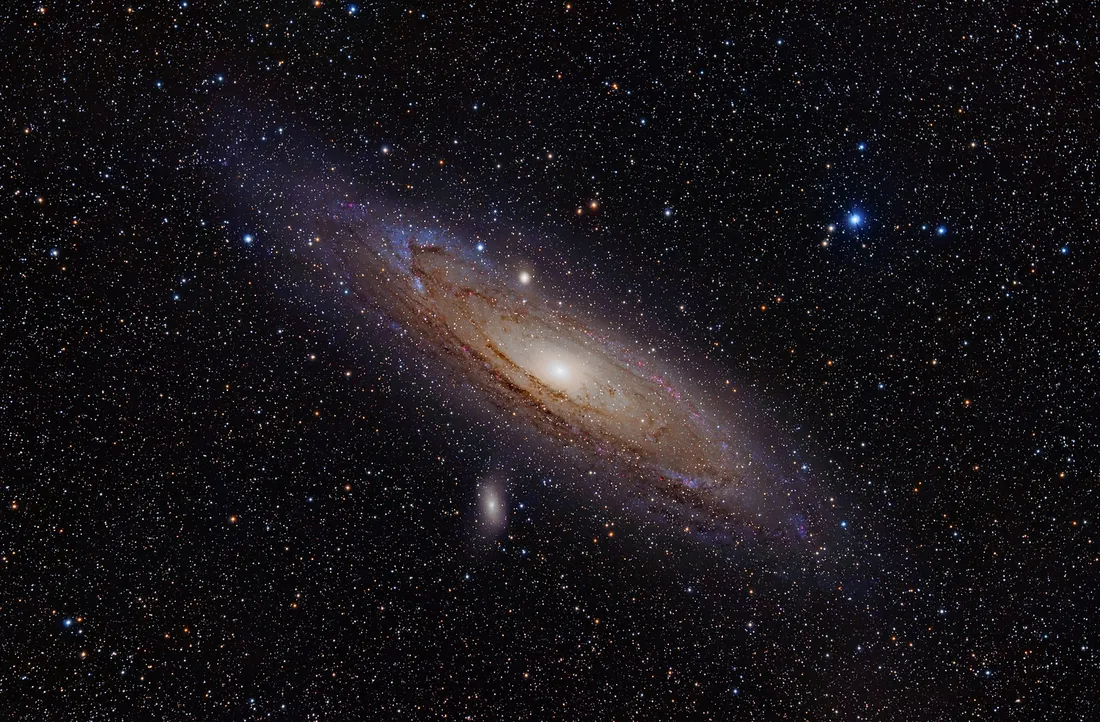
Let us put that thought experiment before our eyes. Suppose we have a craft able to reach the speed of light, some three hundred thousand kilometres a second, and an enormous telescope watching us from Earth. Our course is set for our neighbour the Andromeda Galaxy, two and a half million light years away. One condition has to be stated at the outset: no craft with mass can actually reach the speed of light; that limit belongs only to what has no mass, which is to say to light itself. Let us imagine the experiment with a craft that approaches the limit without ever touching it.
The moment you fire the engine and come close to the speed of light, time dilation grows in your frame of reference and, through length contraction, the distance very nearly vanishes. In your own proper time the journey shrinks to a single instant; and for light itself there is no journey of two and a half million years at all. The photon lives the span between the moment it is made and the place it will arrive at outside time; it does not tire on the road, does not age and does not feel time. For your friend who stays on Earth and watches you through the telescope, meanwhile, the speed of light is a constant, and in his frame your arrival at Andromeda takes exactly two million five hundred thousand years.
If you reached Andromeda and turned straight back, then while only a few seconds had passed for you, five million years would have fallen away on Earth, continents would have shifted, civilisations would have risen and gone under. Both realities are utterly real. Neither is the illusion of the other. The universe holds two separate flows of time within itself, in the same instant, without a flaw.
format_quote"Both realities are utterly real. Neither is the illusion of the other."
Hasan Bekmezci
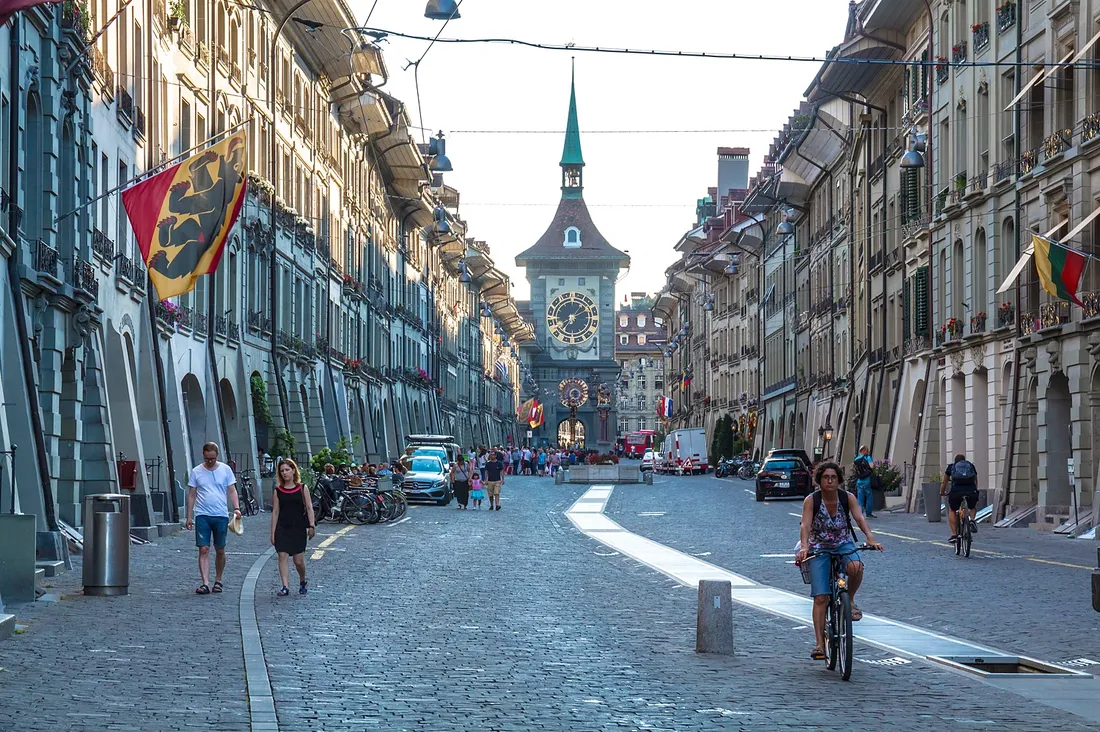
In 1905, working in the patent office in Bern, Albert Einstein was wrestling at night with an enormous puzzle. In one thought experiment he imagined boarding a train that passed the famous clock tower of Bern and travelled at the speed of light. The moment the train begins to move away from the tower at the speed of light, the photons reflected from the face of the clock can no longer catch it. Looking back at the tower from inside the train, Einstein sees the hands frozen and time stopped; for the photon postman who carries the ticking is running at the same speed as the train and can deliver no new letter. For a pedestrian standing beneath the tower, however, the clock goes on ticking at its normal rate. Time is an elastic song that changes its tempo according to how fast the observer is running.
Even someone who understands nothing of physics can work out what Einstein did, through two simple lines of reasoning. The first is that what we call matter is in fact an enormous quantity of energy, extremely compressed and locked away. Imagine that you compressed a vast steel spring under a press of thousands of tonnes and locked it inside a tiny box. From outside, the box is a silent object that simply sits there; but the moment you open the lock, the spring flies out with an explosion that could bring down a whole building. The short equation that binds mass to energy through the square of the speed of light says that every piece of matter you see carries an enormous spring of energy locked inside it.
The second is that as you accelerate, the watch on your arm and the watches of those outside no longer tick together. Think of a runner. Standing still, each step he takes is a second. But as he speeds up, it is as though an enormous slow motion camera came into play for the universe around him. As he approaches the speed of light, a single step of his takes years for the watchers outside. And at that limit the film in the camera stops altogether.
This reality, which physics describes as time stretching with speed, appears in the accounts of the Qur’an as scales of time that widen step by step. Let us climb that break in time like a ladder, from the human scale towards the divine.
The first rung is three hundred and nine years. The Qur’an tells of young men who took shelter in a cave and slept for three hundred years, with nine more added to them. Tradition recounts the episode in the voice of Yemliha, the one sent to the market for bread.
We were the children of the wealthiest and most respected families of the city. We wore silk and were received in palaces. But when our ruler Dakyanus declared himself a god and began forcing the people to worship idols and butchering those who would not obey, our spirits closed in. We had bound our hearts to the one Creator of the heavens and the earth. We gathered in secret; we left behind the power, the wealth and the comfort the palaces offered, and fled the city to keep our faith. With a shepherd who joined us on the road, and his faithful dog Kıtmir, we took shelter in that dark cave on the mountain.
On our last night in that refuge we shivered with the fear that the soldiers of Dakyanus would find our tracks. We knelt and prayed. A sleep so heavy fell upon us that we would not have heard a storm outside. The sun rose to the right of our cave and set to its left, and we did not feel it. When we opened our eyes it was as though we had taken no more than an afternoon nap. One of us asked how long we had stayed, and we said a day, or part of a day. We were very hungry. They gave me the silver coin from our purse and said: slip into the city unseen, buy the cleanest and most lawful food you can and bring it back, and take care to leave no trace of us.
When I came out of the cave I could not believe my eyes. At the city gate the walls had changed and the buildings had become other things. The clothes of the people, their speech, even the way they smelled, were foreign. At the baker’s I held out the silver coin, and the baker gave me a strange look; he turned the coin over in his hand, showed it to the others and said: have you found a treasure, young man? This is the coin of Dakyanus, a ruler of centuries ago. At that moment my knees gave way. We had slept in that cave for three hundred and nine years. The tyrant Dakyanus who had wanted us dead was long gone, and even his bones had turned to earth. His vast empire had fallen, and generations had risen and gone under. And we had thought that no more than an afternoon had passed. Time had flowed straight through us, and had not touched us at all.
Climbing one rung higher on the ladder of time, we reach the scale of a thousand years. The Qur’an says that a day in the presence of the Creator answers to a thousand of the years a man counts. And what does humanity live through when a thousand years pass on the earthly calendar? A thousand years is more than enough for a whole empire to be born out of nothing, to spread across continents, to reach its summit, to begin to rot and to be wiped entirely off the map. Between thirty five and forty human generations pass in a thousand years; of the eight billion people now walking the earth not a trace, not a bone, not even a headstone would remain. Family names, kingdoms and fortunes disappear. Rivers change their beds, vast forests turn to desert, cities are buried under the soil. Humanity, fighting on horseback with swords a thousand years ago, sends satellites into space and builds artificial minds a thousand years later. That whole thousand years, in which humankind raised great civilisations, brought up forty generations and vanished, and changed the maps hundreds of times, answers to a single day on the metronome of the divine scale.
On the topmost rung stands the scale at which human time perception collapses altogether. The Qur’an gives the measure of the ascent of the angels as a day of fifty thousand years. Fifty thousand years is the geological history not only of kingdoms but of the whole human species and of the planet. Ice ages begin and end on Earth, continents slide a millimetre at a time, climates turn over entirely. The roughly twelve thousand years of settled history that began with agriculture, and the roughly five thousand years of written history inside it, remain a tiny sliver beside fifty thousand years. The birth and death of billions of people, every pain borne, every war fought, every pyramid and every tower raised, all lie within those fifty thousand years. That immense span, in which the ice ages opened and closed and the whole of human history was lived, is for a being moving in the luminous dimension a single day that begins in the morning and ends at evening.
format_quote"Before time, every worldly power is condemned to become dust."
Hasan Bekmezci
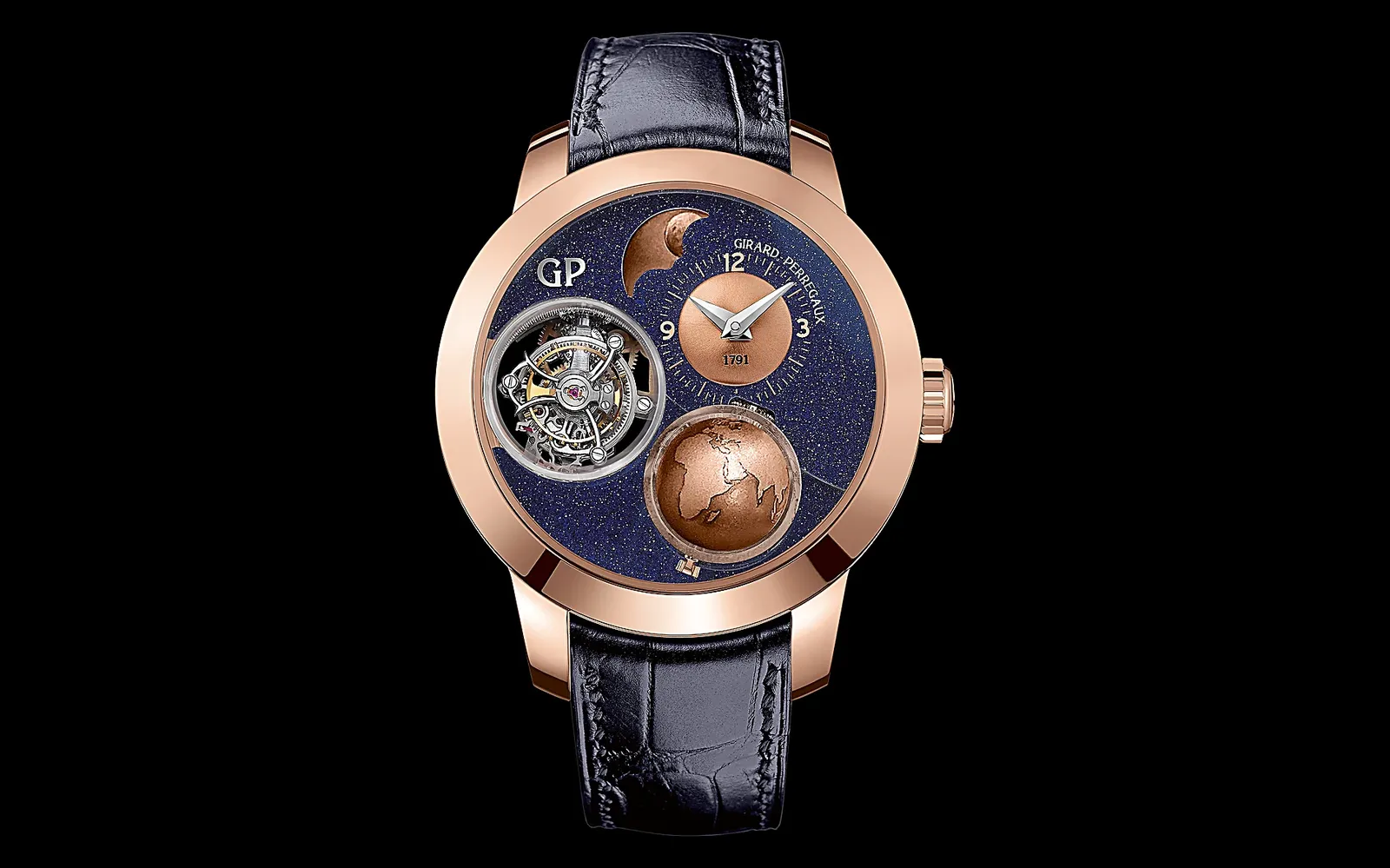
All these astrophysical equations, the theory of relativity and these philosophical questions take concrete form, in the world of fine watchmaking, in one masterpiece: the Girard-Perregaux Planetarium Tri-Axial. This watch is not merely an instrument that shows the time but a micro universe fitted onto a dial, a mechanical answer to the relativity of time.
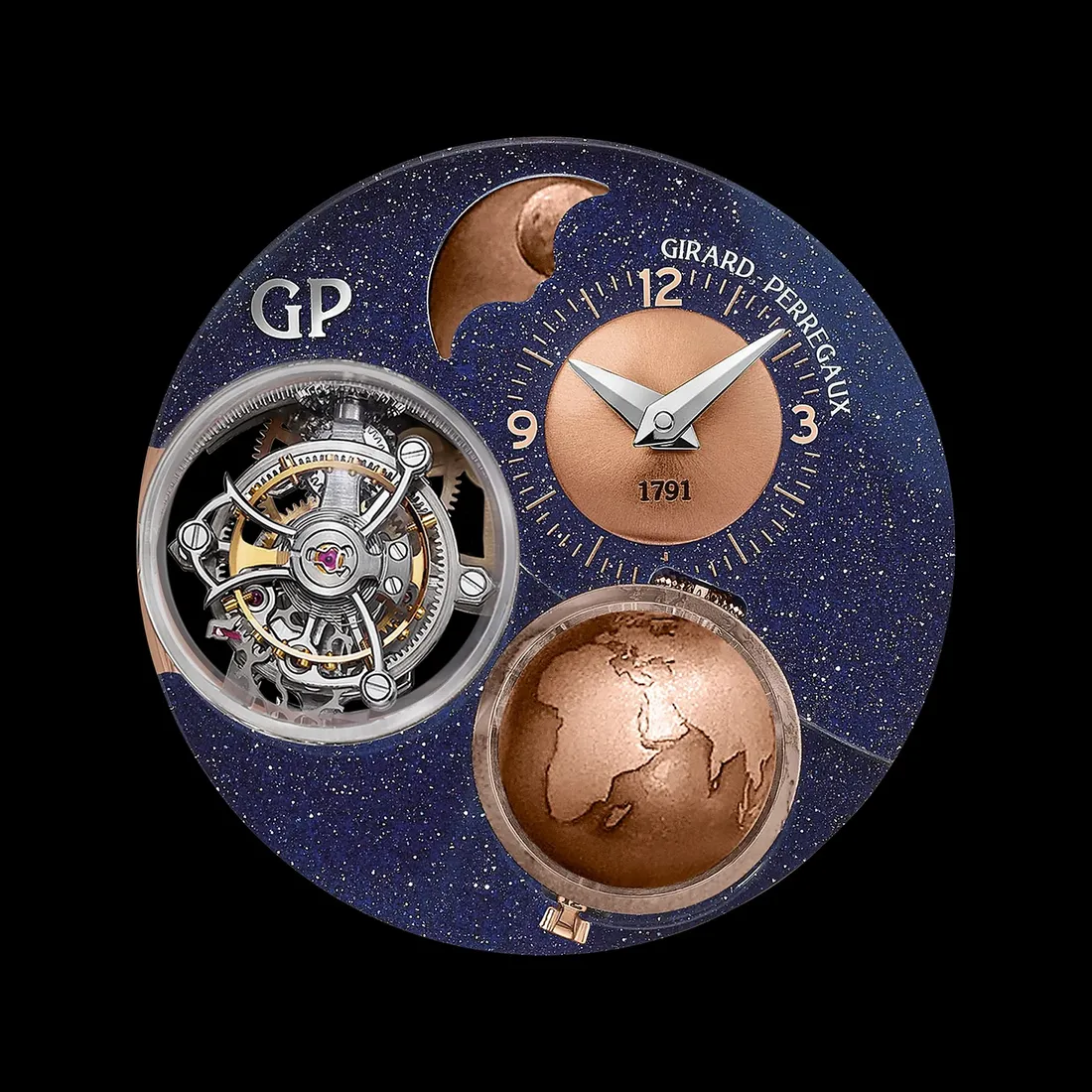
The cage at 9 o’clock carries a tourbillon that turns not on one axis but on three, each at a different rate; the number of watches in the world with a triple-axis tourbillon barely passes the fingers of one hand. Gravity is the fundamental force that slows time and binds us to this earthly dimension. This triple-axis tourbillon turns in every direction, as though gliding in space, in order to cancel the deviations the Earth’s gravity works upon the movement; in its way it stands against gravity and against the mortal time gravity bends. The lyre shape of the cage has been a signature of the house since the 1880s.
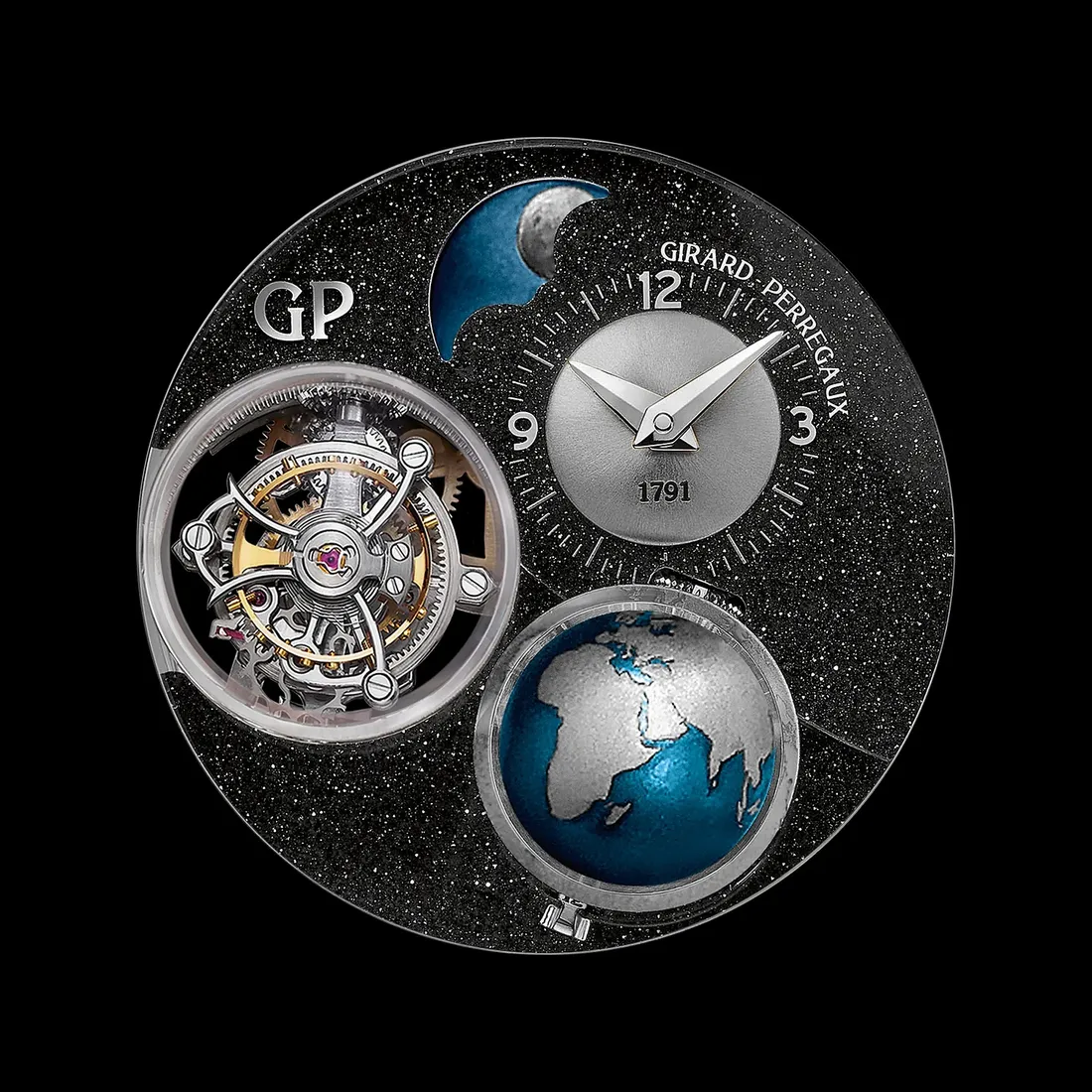
The globe between 4 and 5 o’clock makes one full turn on its own axis in exactly twenty four hours. It is made of titanium, and the miniature map upon it is painted by hand after maps of the seventeenth and eighteenth centuries; in the pink gold execution that map stands in tones of gold, in the white gold one in blue and silver. Looking at the dial, you see at a glance where on Earth the sun is rising and where the night holds sway. The time that runs while you look at the dial is being lived, by the eight billion people on that globe, in different geographies and different realities.
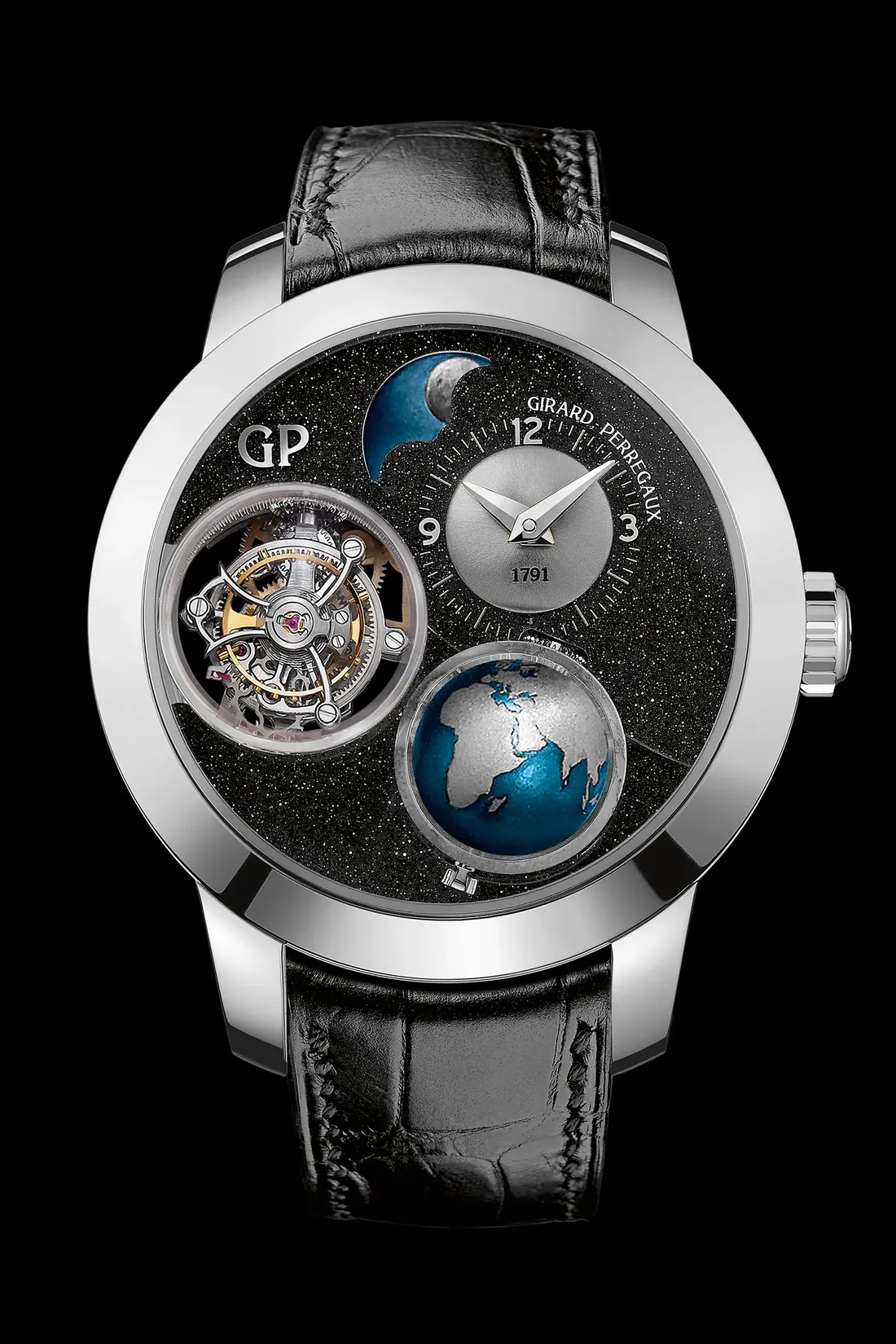
The dark, glittering surface that forms the ground of the dial is aventurine glass, a visual answer to deep space; deep blue in the pink gold execution, and in the white gold Earth to Sky close to black, as though dusted with stars. The three dimensional moon phase at 11 o’clock carries the rhythmic cycle of the sky onto the dial. Hours and minutes are read on a separate small dial in the upper right, and at the centre of that dial stands 1791, the year the house was founded.
The forty eight millimetre case is eighteen point eight two millimetres thick and water resistant to thirty metres. Two sapphire domes and an opening in the side let the tourbillon be watched from every angle; the back is sapphire as well. The hand-wound calibre GP09310 is thirty six point one millimetres across, is built of three hundred and eighty six parts and forty two jewels, and beats three times a second. The arrow-shaped gold bridges on the back and the engraved eagle are marks the manufacture has used since 1867.
The stopping of time on a journey to Andromeda at the speed of light, and the silent turning of that globe on the dial of the Girard-Perregaux Planetarium Tri-Axial, point to the same truth. Time is not an absolute prison. Time is a divine order that takes its shape according to the frame of reference and the dimension we happen to be in.
Just as Dakyanus rotted away while the young men slept for three hundred and nine years, the forty generations overturned in a thousand years and the ice ages erased in fifty thousand show that before time every worldly power is condemned to become dust. When you put this watch on your wrist you do not merely see what the hour is; you carry on your wrist the gliding of photons, the elasticity of time and that immense order of the heavens.
The watch on its maker’s own site: Girard-Perregaux, Planetarium Tri-Axial