Looking into the pitch-dark labyrinths of the human soul, William Shakespeare once put into a single line a truth that outlives both its time and its place: "There is no darkness but ignorance."
The age of the Tudor dynasty, perhaps the bloodiest and most convulsive chapter England ever lived through, is the plain evidence of what happens when ignorance, an obsession with the throne and blind pride are fused into one engine of ruin. Monasteries burned for the sake of power, innocent lives handed over to the headsman’s axe and sword, a whole people dragged into delirium so that one man’s line might continue. All of it was carried off, one piece at a time, by the merciless and unstoppable river of time, and what remained was only the truth of how empty, how pitiful and how meaningless a mortal’s ambitions really are.
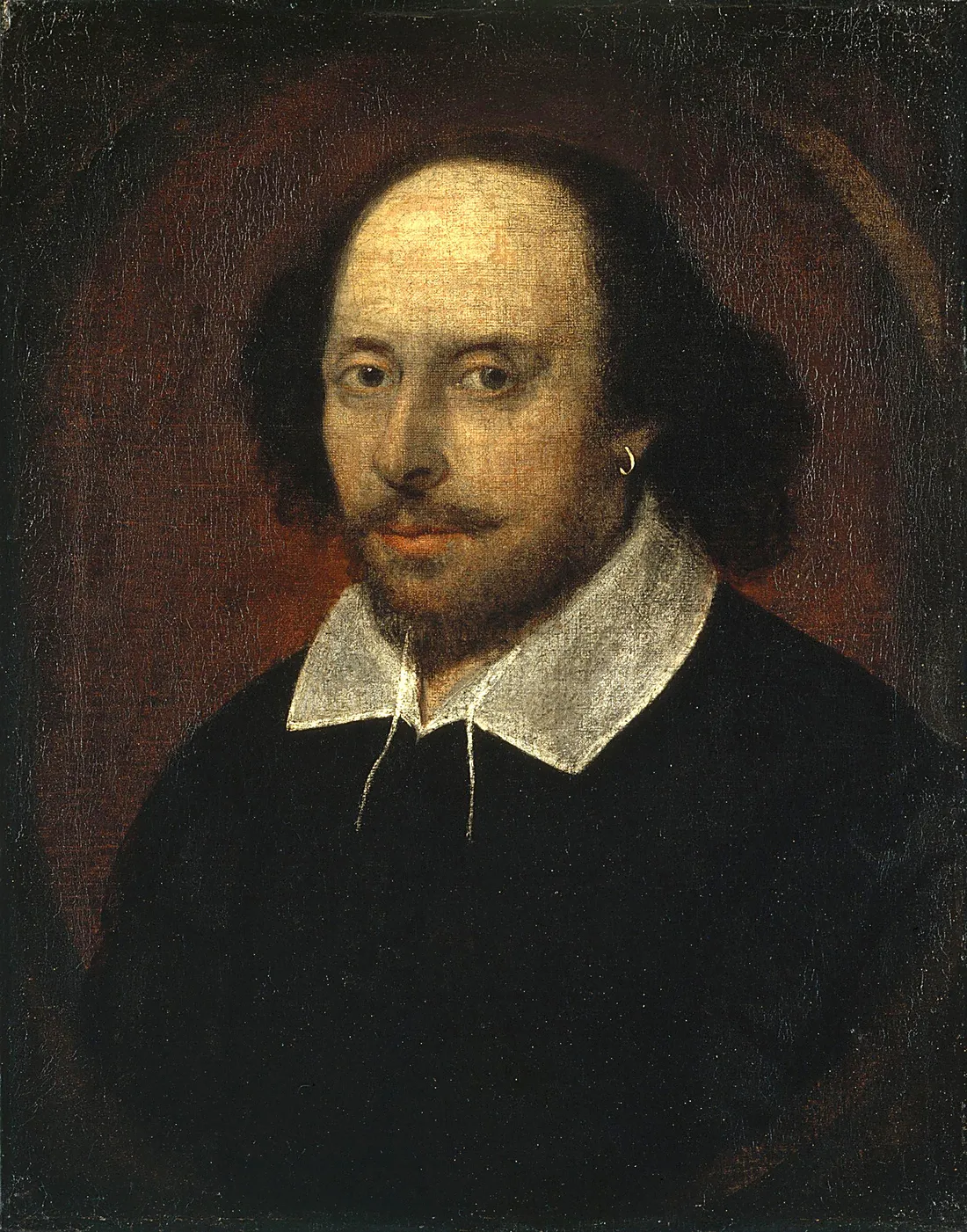
At the centre of the Tudor age stands Henry VIII, a king who placed his own appetites above both the law of God and the law of the state. The great blindness of the century was a shallow and unshakeable conviction that a woman, a daughter, could not govern a country or hold a dynasty upright. In the grip of that idea Henry turned a generation, and the lives of six women, into a private hell.
His first wife was the Spanish princess Catherine of Aragon. Their long marriage produced many children, and only one daughter survived: Mary, who would later be remembered as Bloody Mary. To Henry a daughter meant nothing at all. Convinced that his wife had grown too old to give him a son, he set out to put her aside and have the marriage undone.
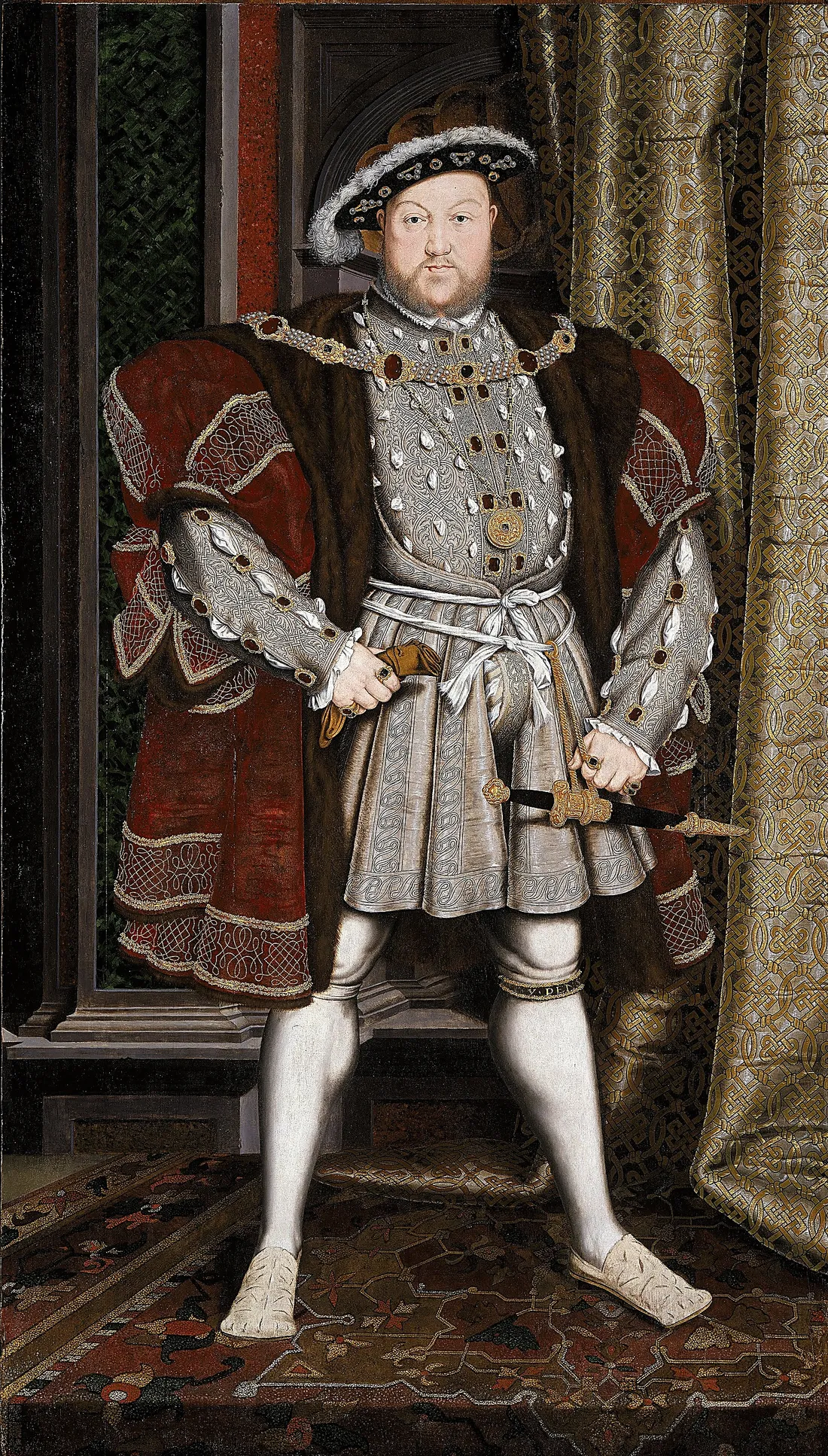
Henry then fell for Anne Boleyn, a clever and magnetic lady of the court. The Catholic Church and the Pope refused to dissolve his sacred marriage to Catherine, and at exactly that point his selfishness broke out into policy. In order to marry and to father a son, he tore the whole kingdom away from Rome and declared himself the sole head of the Church of England. Abbeys that had stood for centuries were burned and pulled down, priceless libraries scattered, sacred places levelled. Under the cover of religious reform he murdered a history and a culture.
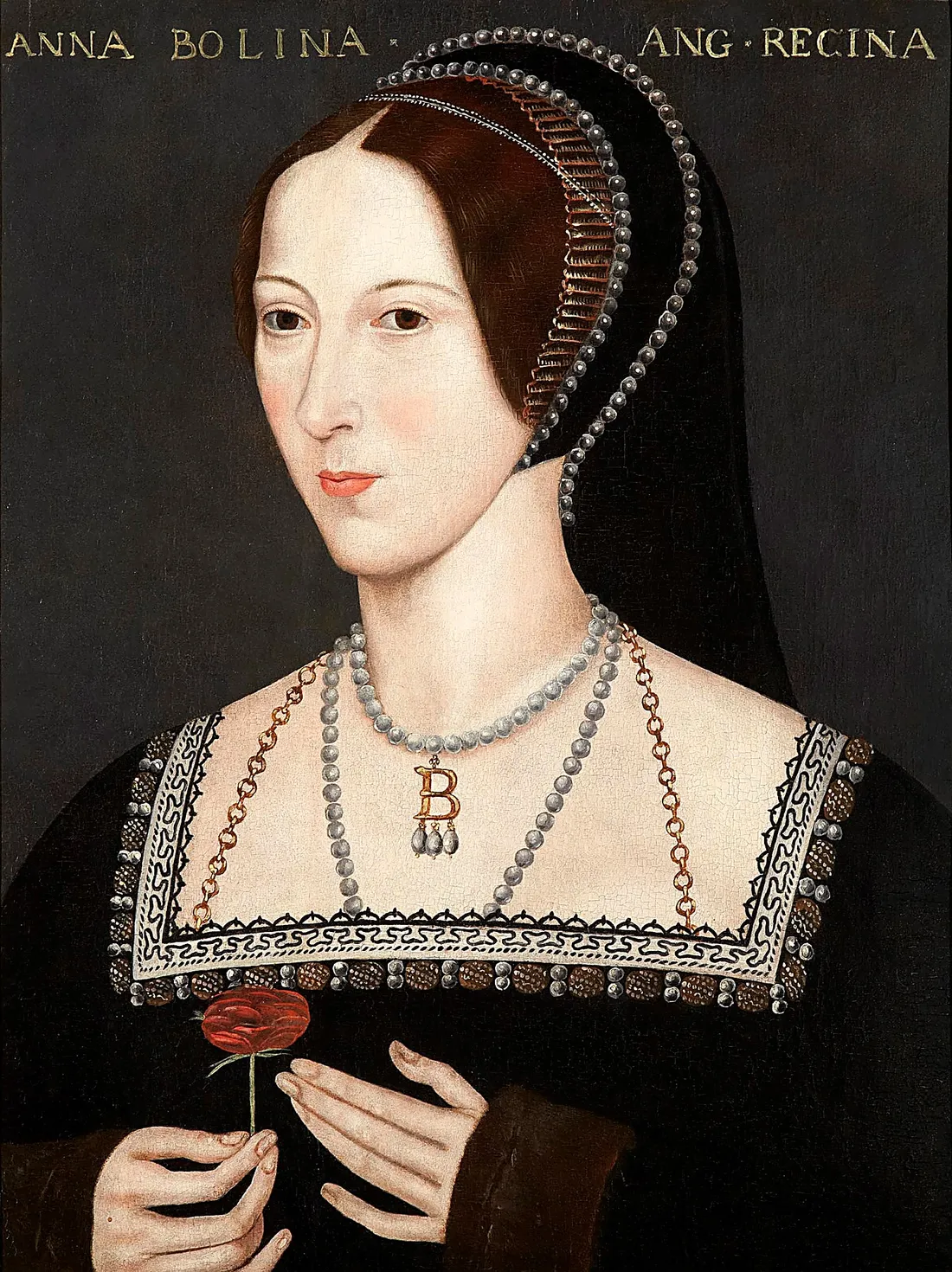
Anne Boleyn gave him no son either; the child born to her was another daughter, Elizabeth. Henry had her shut in the Tower on invented charges of adultery and treason, and on a May morning in 1536 he had her neck struck through, not with the English axe but with the sword of an executioner brought over specially from Calais.
format_quote"The shallow belief that a daughter could not govern became the most expensive ignorance of a century."
Hasan Bekmezci
Days after the execution Henry married Jane Seymour, and Jane at last gave him the boy he had waited for, Edward. Fate then made its own comment on the whole enterprise: twelve days after the birth for which Henry had set the world alight, Jane Seymour died of childbed fever.
For the sake of a political alliance he married the German princess Anne of Cleves. He disliked her on sight, never touched her, and within six months had the marriage annulled and the woman moved out of court. The famous jibe about a mare of Flanders, so often put in his mouth, was actually written down two centuries after the event, and no contemporary source records him saying it. That the story stuck so easily tells us something in itself about how the king’s view of women was remembered.
By then Henry had aged badly and the ulcerated wound in his leg had turned him into something perpetually on the edge of rage. He married Catherine Howard, decades his junior, and used her earlier attachments at court as a pretext to send her, in February 1542, to the headsman’s axe in the courtyard of the Tower. The guillotine had not yet been invented; in Tudor England heads came off by axe, and by sword only when a rare mercy was granted.
Catherine Parr, who nursed him as much as she accompanied him through his last years, was the only one of the six to outlive him. For the sake of a son to carry his name Henry burned and broke England, imposed Protestantism by force, threw thousands into prison and shed the blood of his own wives.
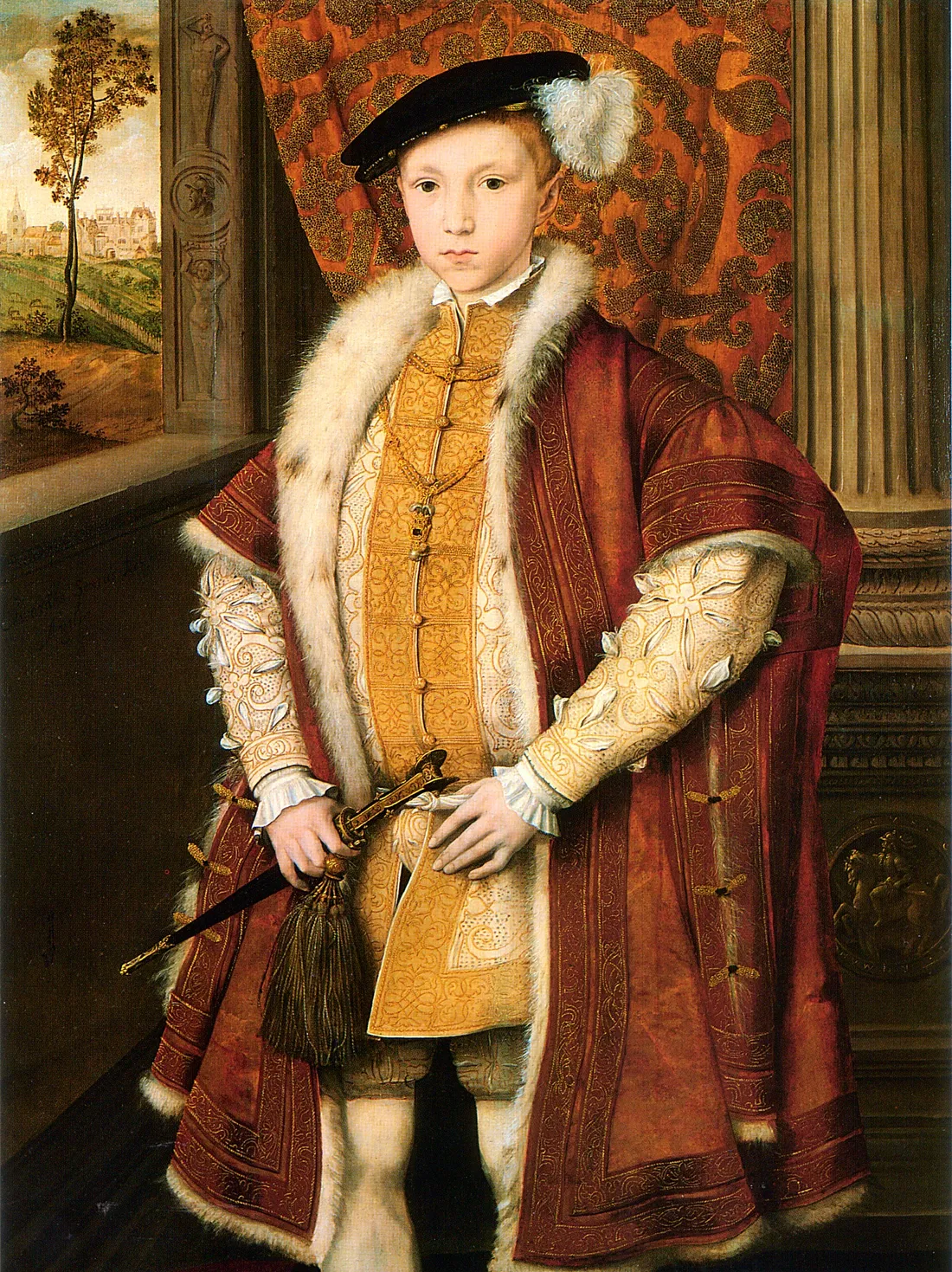
When Henry VIII died, the son for whom so many lives had been spent came to the throne as a boy of nine. Fate seemed to be mocking every one of those arrogant and cruel calculations: Edward was a sickly child, and consumption took him at fifteen.
The reckoning had arrived for the daughters Henry had despised, ignored and even imprisoned on the grounds that a woman could not rule.
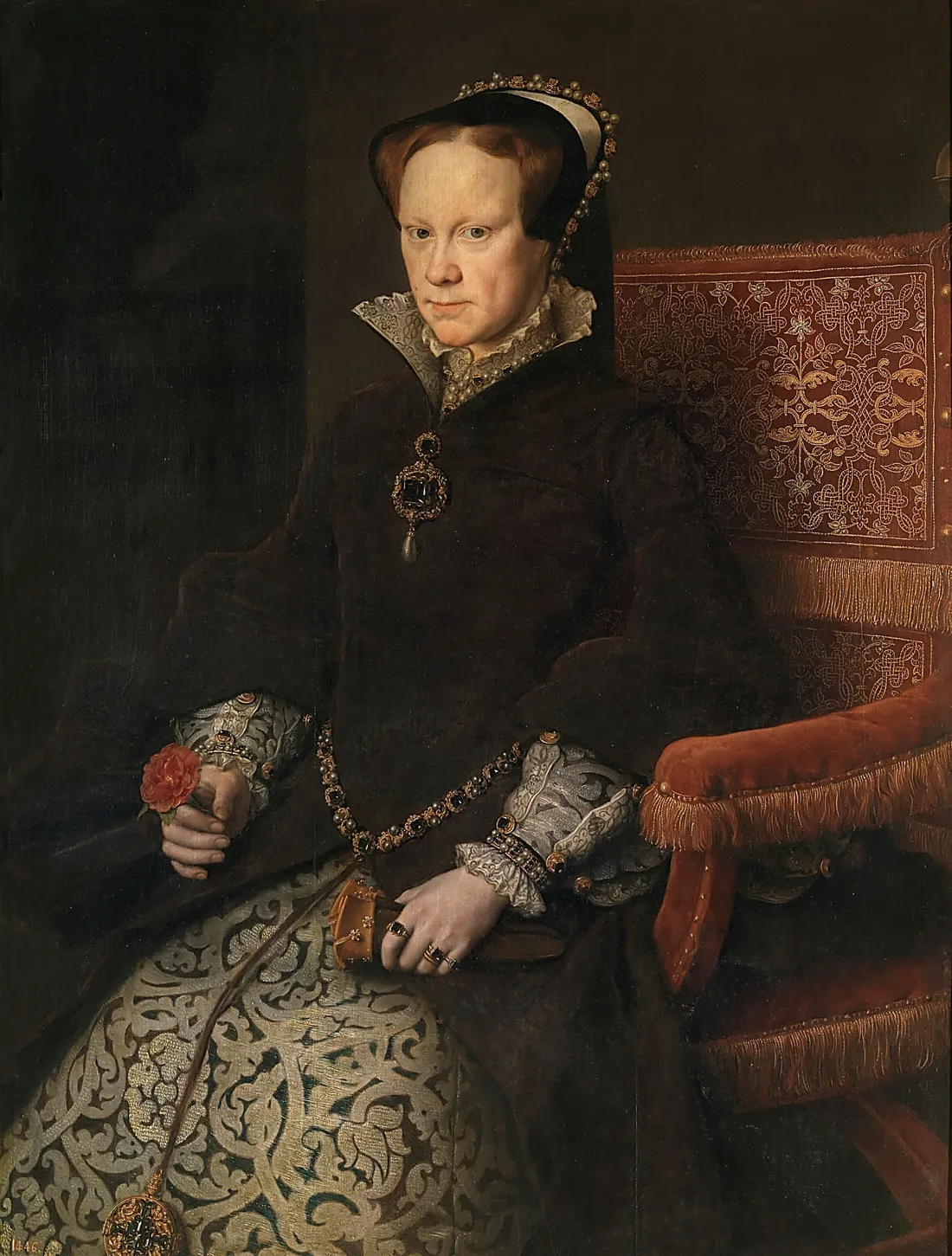
Mary, the daughter of Catherine, the first woman he destroyed, took the crown. She set herself to dragging the country her father had made Protestant back into the Catholic fold, and she seemed to have inherited his fury with it: in three years she had some three hundred Protestants burned alive at the stake. The queen history remembers as Bloody Mary took the revenge for her father’s religious wound out of her own people.
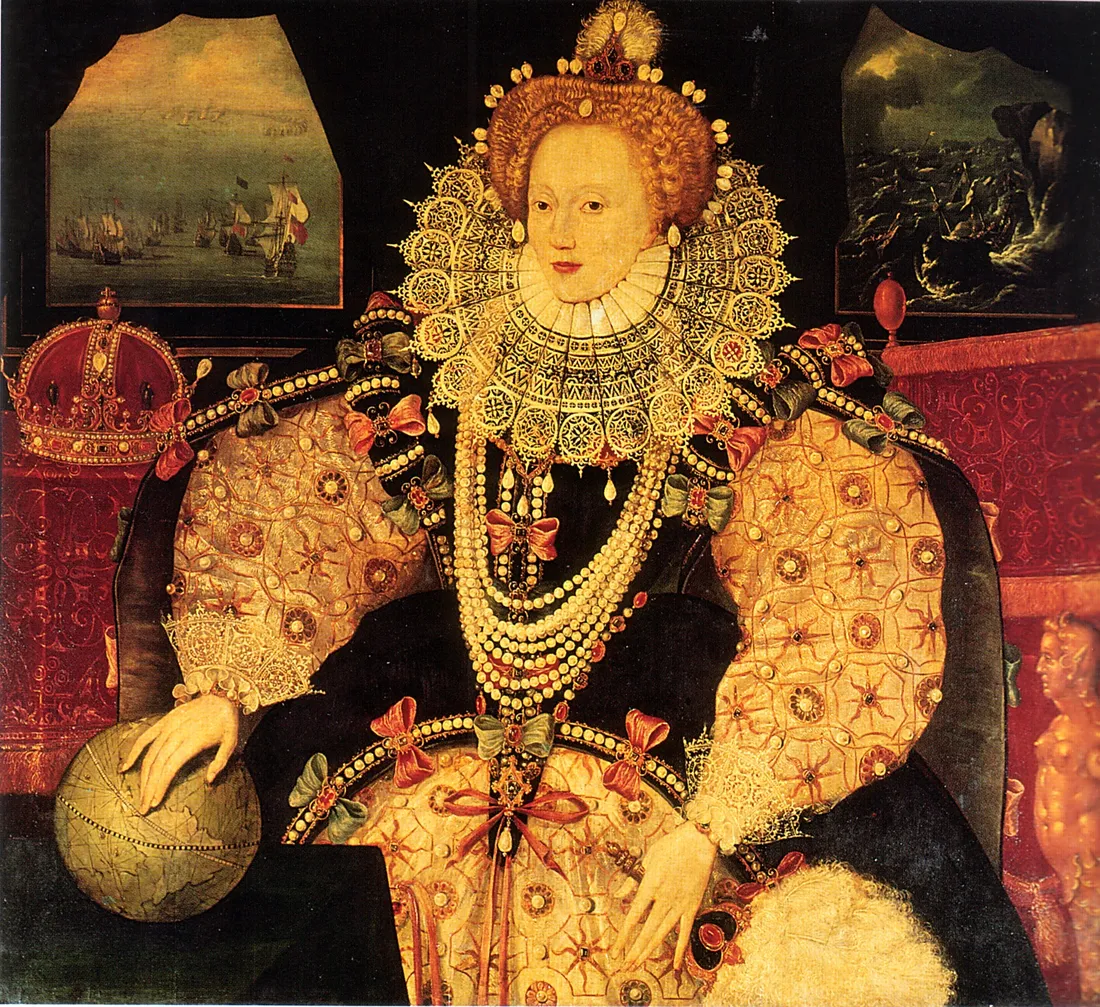
Elizabeth, the daughter of the Anne Boleyn whose head Henry had taken, was shut into the Tower during her half-sister’s reign on suspicion of treason. For two months in the spring of 1554 she waited between stone walls for the day of her own execution, and was then moved to Woodstock and held there under guard for a further year. Four years later, in November 1558, her sister’s death brought her to the throne of England.
The girl her father had scorned, whose mother he had killed, went on to govern the country for forty-five years with intelligence, diplomacy and formidable nerve. She broke the Spanish Armada in 1588, lifted art and letters and Shakespeare into their full height, and built the most brilliant Golden Age in English history. What kings and reckless men had failed to do was done by the mind of a woman who had come out of a prison cell.
format_quote"What kings and reckless men had failed to do was done by the mind of a woman who had come out of a prison cell."
Hasan Bekmezci
Walking the dim corridors of the National Portrait Gallery in London, you come to a halt in front of a panel unlike anything else on those walls, and find yourself alone with the whole summary of history and of a human life. Painted around 1596 and commissioned by his widow Dorothy in memory of the Elizabethan diplomat Sir Henry Unton, it is far more than a conventional portrait; it is a biographical allegory that freezes the flow of time.
On the right of the panel are Sir Henry’s birth and childhood. Moving towards the centre, his schooling, his diplomatic missions at the French court, his great banquets, his music parties and his splendour all rise. At the very middle of the picture sits Sir Henry himself at his desk, at the summit of his life.
Look to the left and the story ends in sorrow. The sickbed, the funeral procession, and in the far corner his lifeless body lying inside a marble tomb.
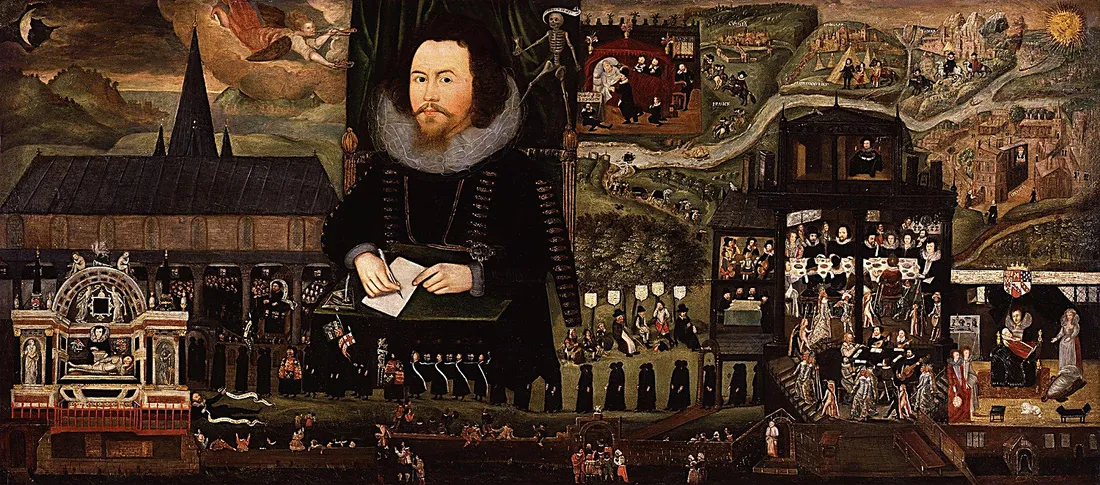
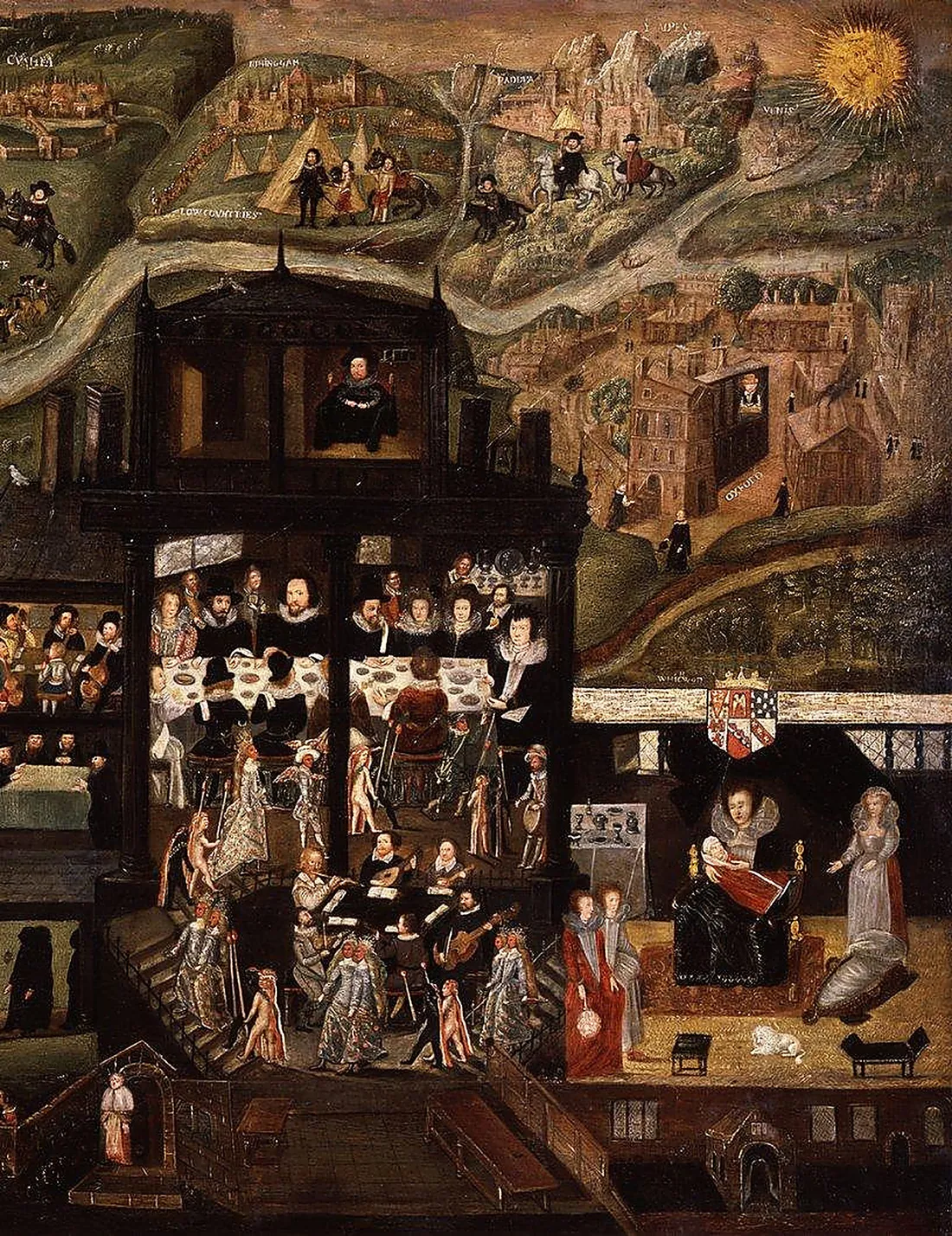
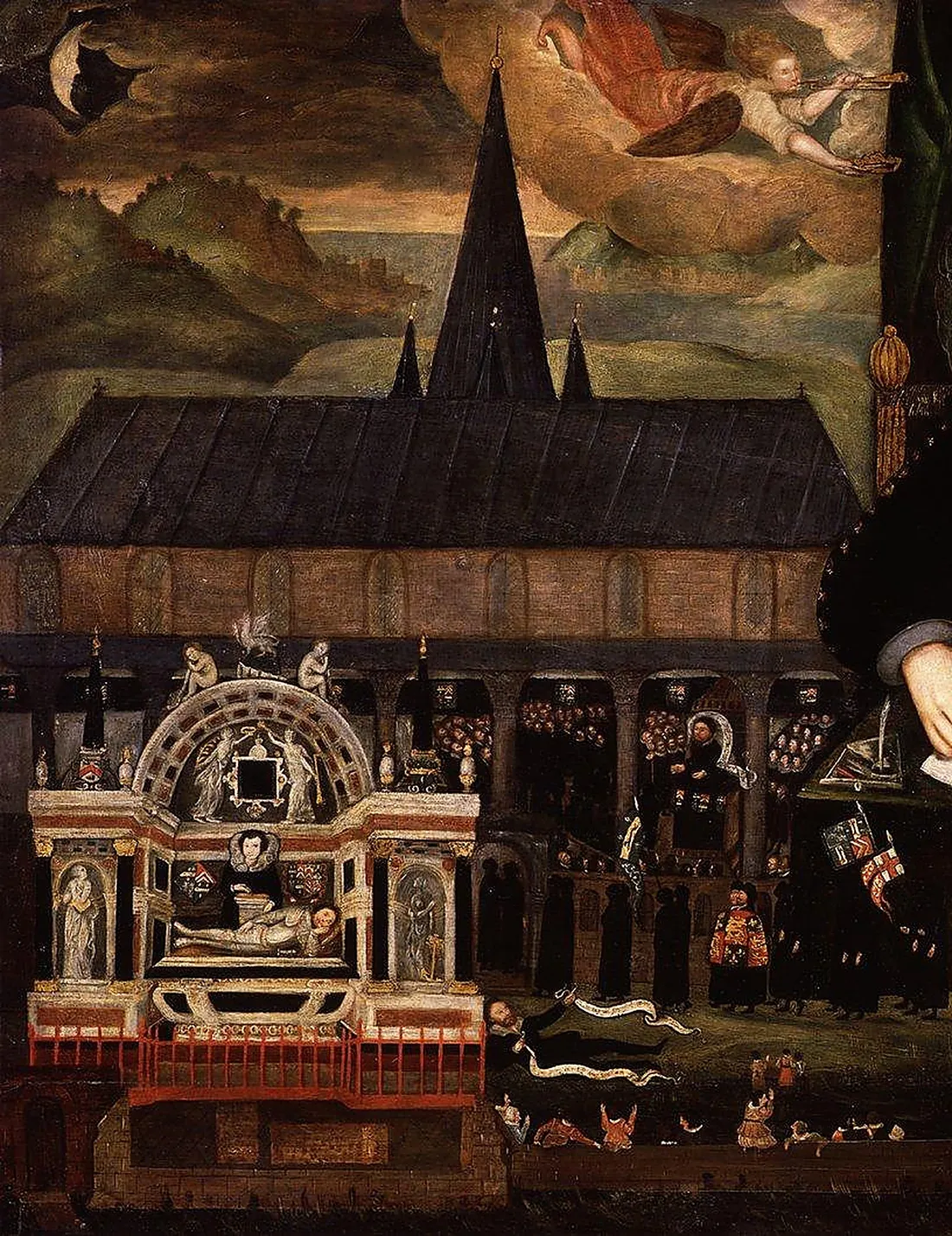
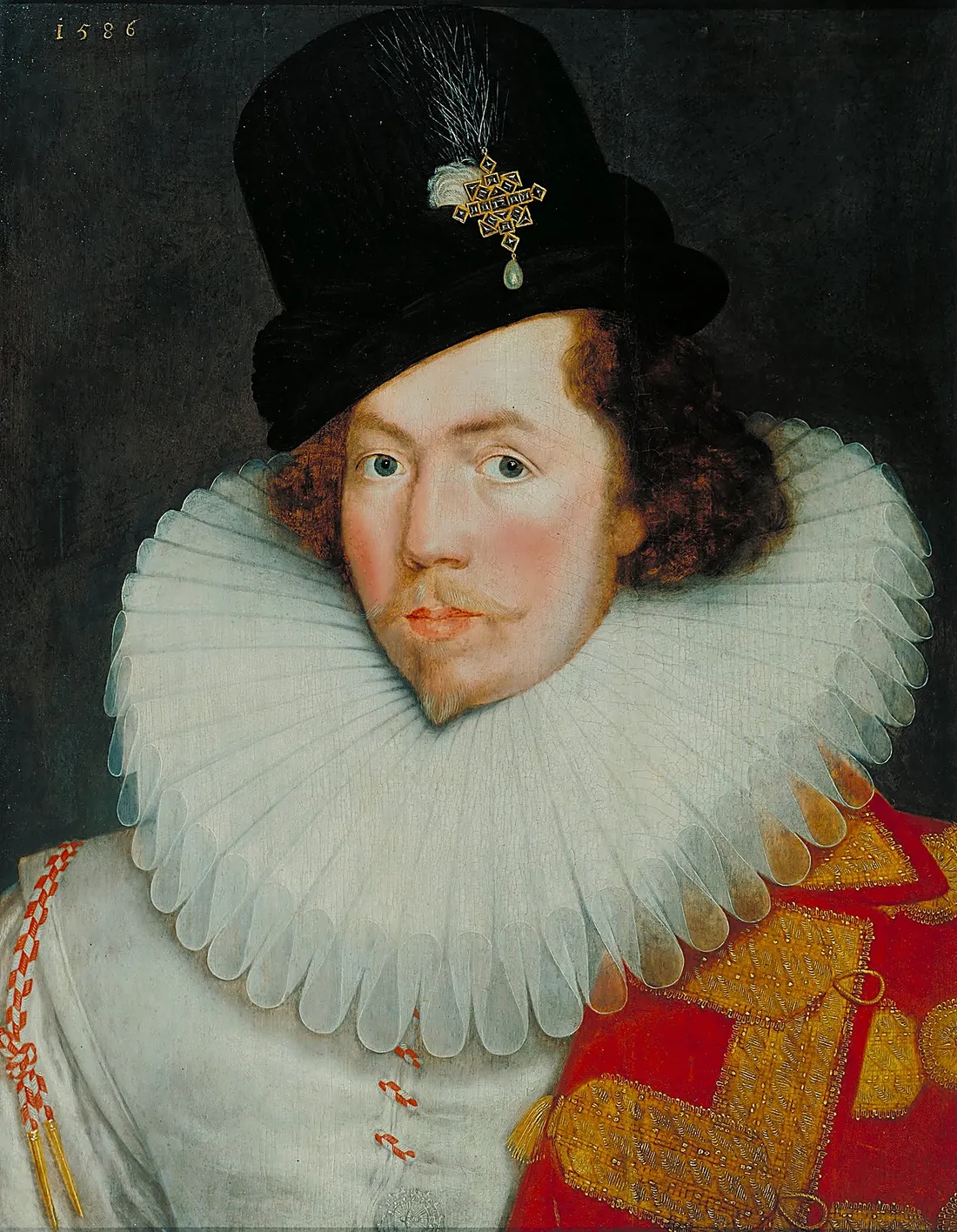
Another portrait of the same man, an unboastful bust painted in 1586 while he was still alive, hangs today in the collection of Tate. Holding the two pictures side by side is genuinely unsettling: in one there is a man of thirty, upright, furred and proud; in the other the entire span of that man, from his birth to his grave, has been fitted onto a single wooden surface.
The panel lays out the whole logic of the Tudor and Elizabethan age, and the shortness of life, on one piece of oak. Kings like Henry VIII believed they would stay forever in the part of the picture given over to splendour and power. Simply to own a throne, simply to have a name written into a pedigree, they turned the world into hell. Yet that handful of marble in the left corner was the last station, where the king, the executioner and the imprisoned queen are all made equal. However vast a human ambition grows, against time it is no more than a pitiful thrashing.
format_quote"That handful of marble in the left corner is the last station, where king, executioner and imprisoned queen are made equal."
Hasan Bekmezci
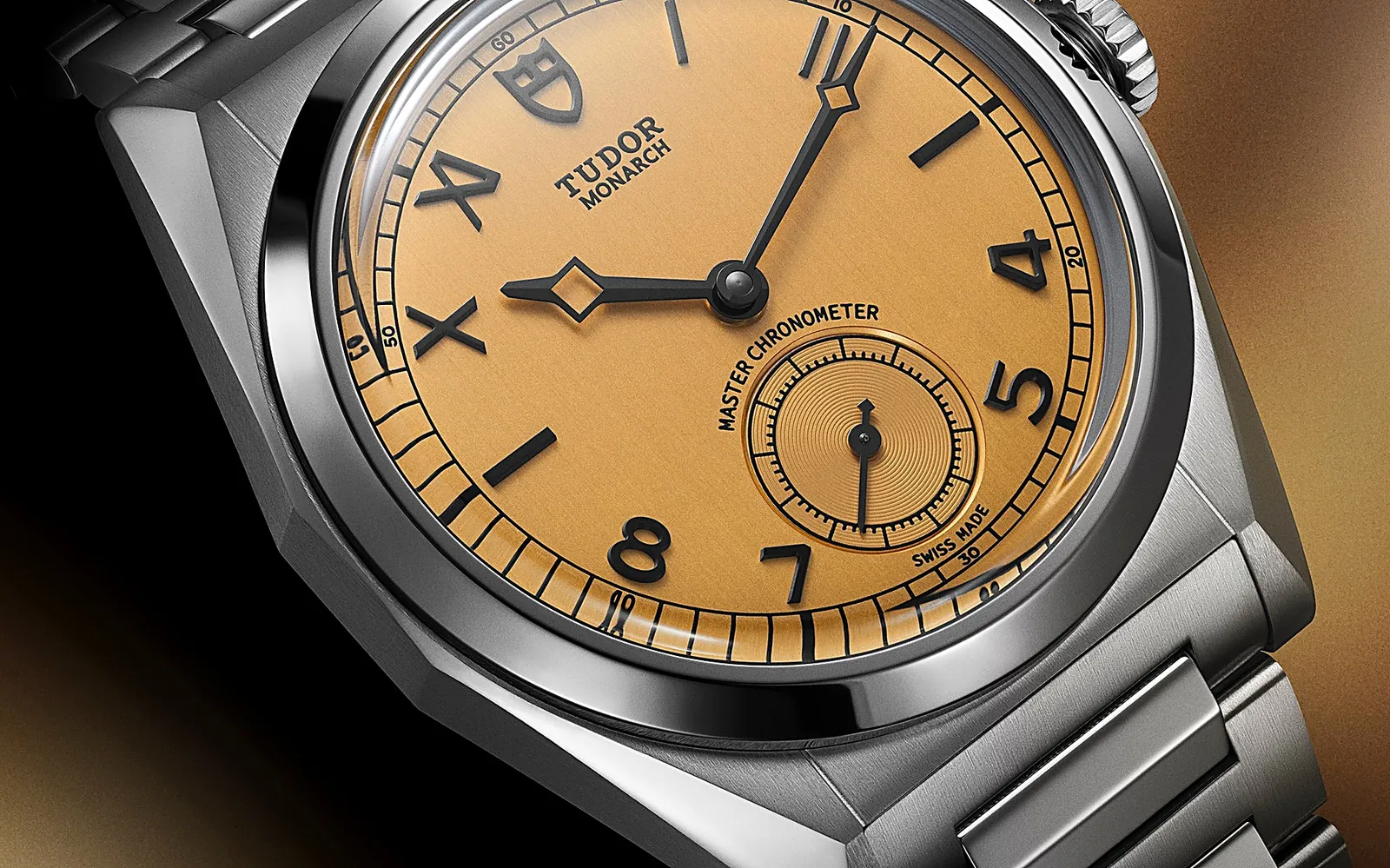
The bloody, stormy, philosophical story of a dynasty defeated by time turns into a micromechanical monument in the hands of the watch house that took its name from that very kingdom. When Hans Wilsdorf founded the brand in 1926 he named it after England’s most turbulent dynasty, and Monarch became one of the names that ran through its catalogue across half a century. For its centenary, the house has taken that name back out of the archive.
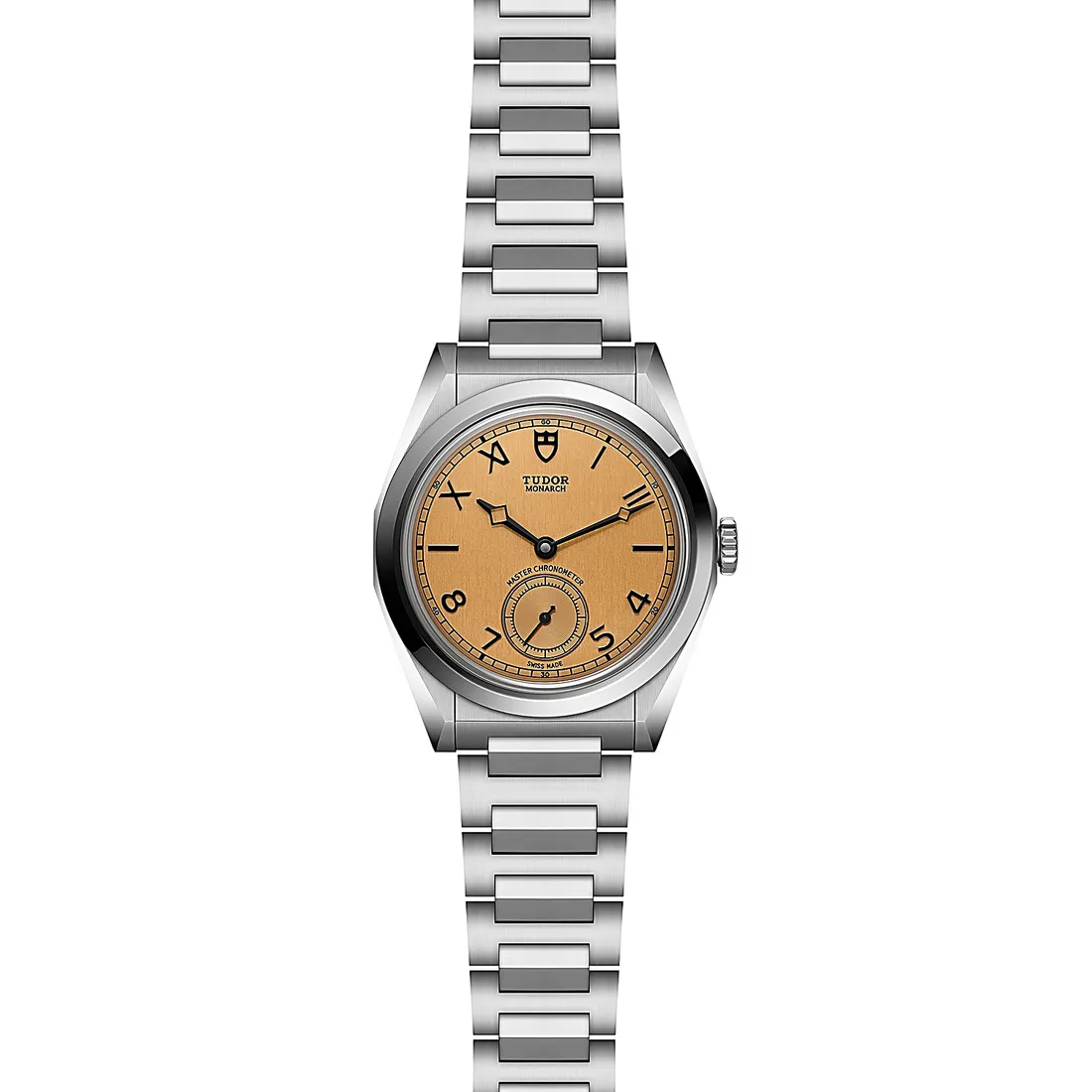
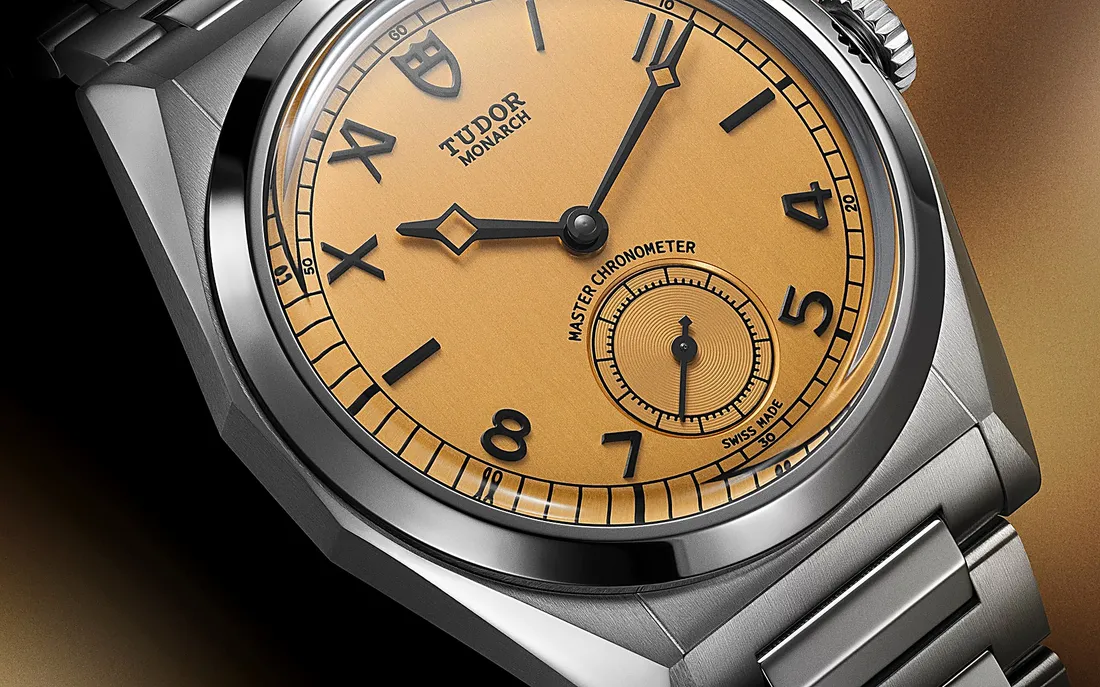
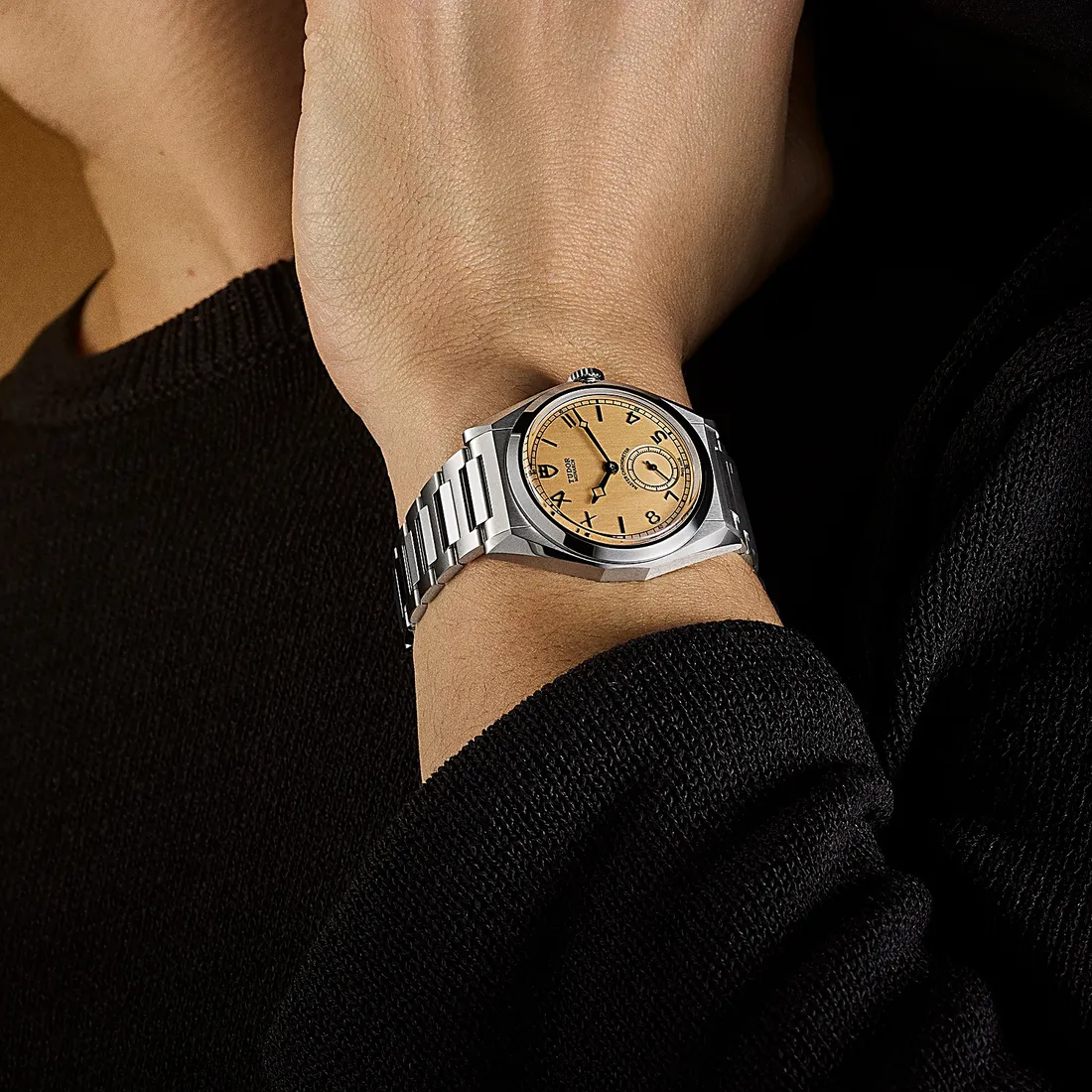
The vertically brushed dark champagne of the dial brings to mind the heavy, ceremonial air of throne rooms and palace halls. Tudor compares the texture of that surface to papyrus; it shifts colour with the light, and offers a depth much like the constantly turning fortunes of the Tudors themselves.
The real oddity, once you begin reading the dial, is that the numerals come from two different alphabets. Roman figures stand at ten, eleven and two; Arabic ones at four, five, seven and eight. Watchmaking calls this an error-proof dial, and it was not born as decoration. It was drawn in the late nineteen-thirties so that a pilot or a soldier glancing at the dial for half a second could never read the hour the wrong way round. At twelve, in place of a numeral, sits the Tudor shield, the house’s own emblem, in which it is easy to read the power of the dynasty and its wish to stand against time. The word Monarch at the centre calls that stormy past straight to mind.
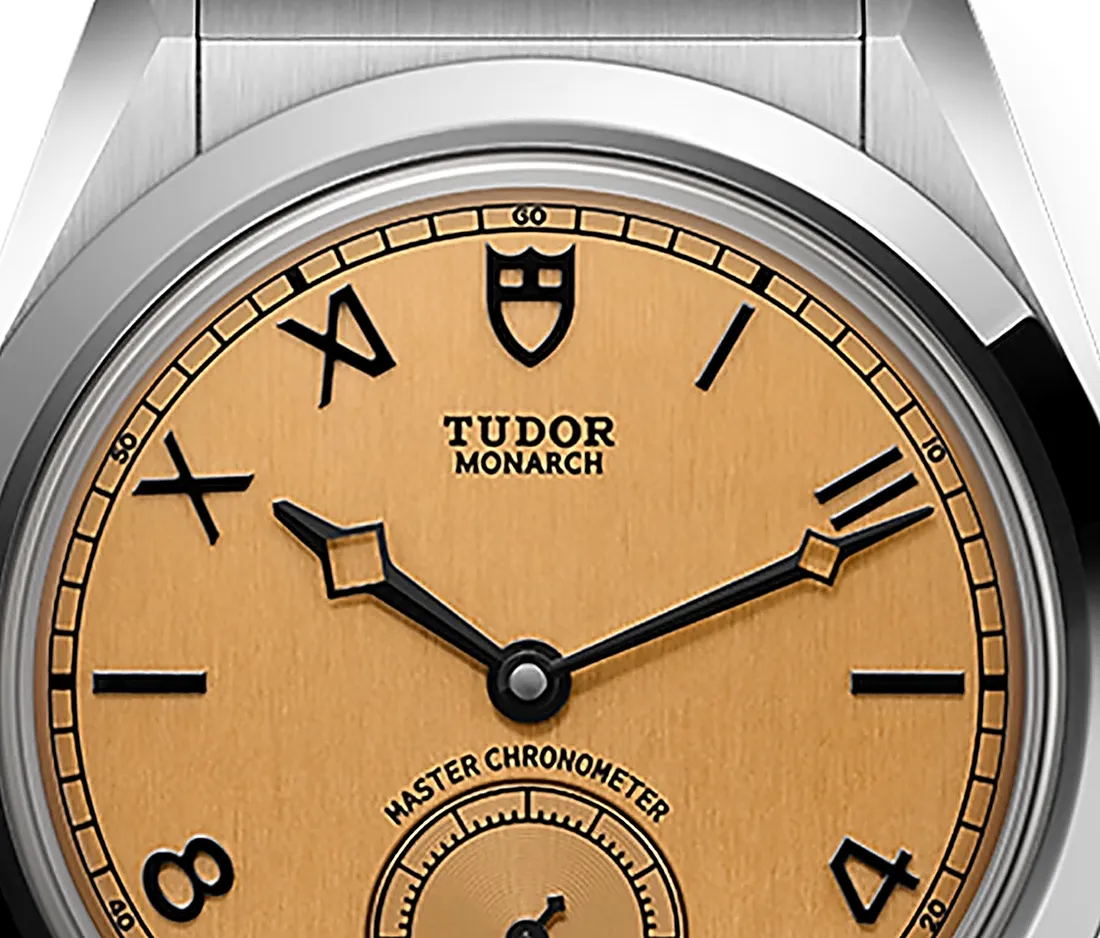
The small seconds at six, sunk into a circular guilloché, makes the unerring accuracy of time visible, and the Master Chronometer signature above it certifies it. Kings give orders, queens are executed, empires fall; and that small seconds wheel goes on turning, ticking away without bowing to anybody’s ambition.
Two separate examinations lie behind that precision. The first is COSC, the official Swiss chronometer institute, which measures the bare movement before it is cased at two temperatures, in six positions and at both full and one-third power reserve. The second is the METAS Master Chronometer test, which examines the watch fully assembled in its case, the way it will actually live on a wrist. It is driven through a magnetic field of fifteen thousand gauss, and its hundred-metre water resistance and sixty-five-hour reserve are verified as well. That certified precision is the victory of time over human ambition.
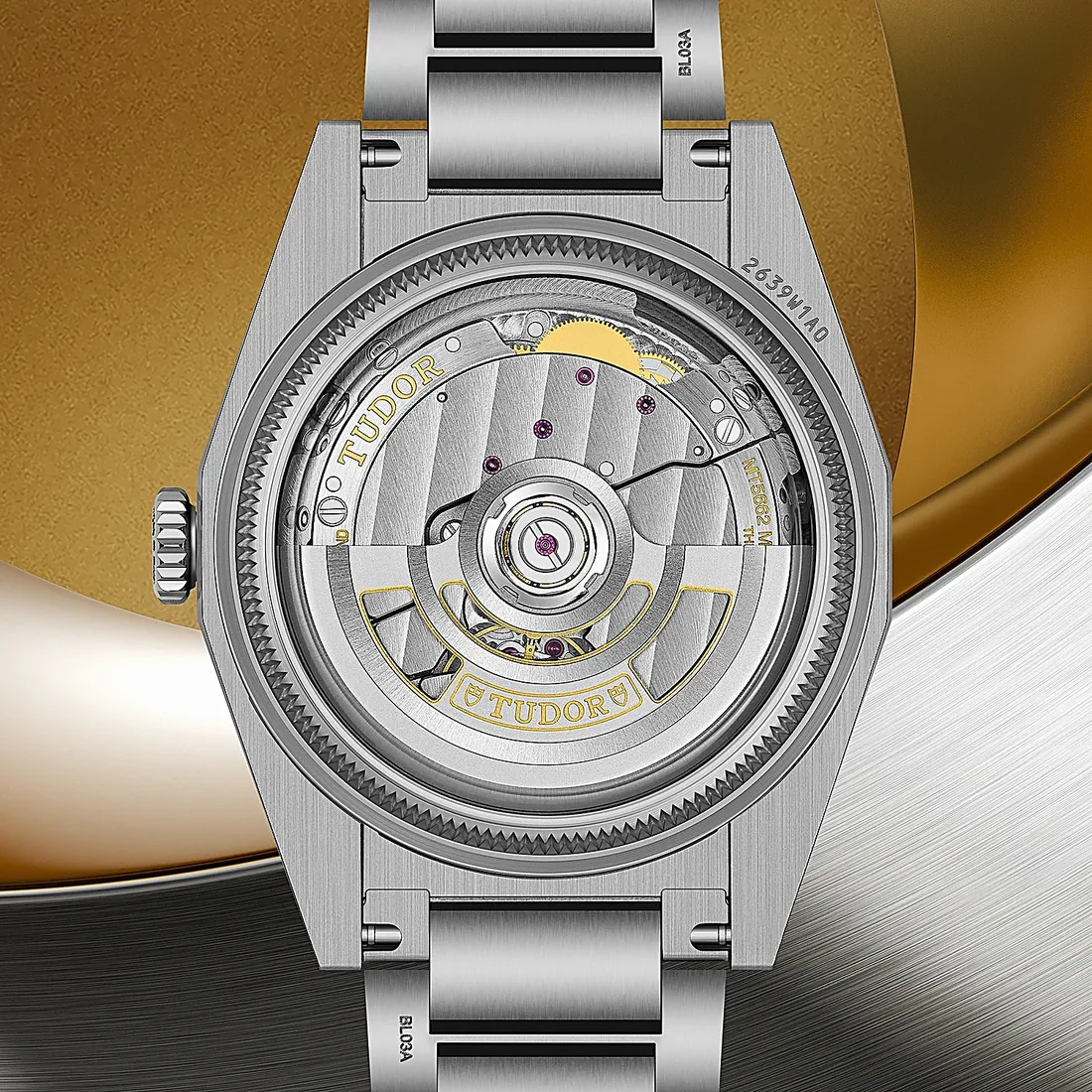
Inside the case beats Tudor’s own manufacture calibre, the MT5662-2U. Thirty-two jewels, a bidirectional rotor system, and the whole thing visible through a sapphire back: Côtes de Genève and perlage across the bridges, and an eighteen-carat gold inlay in the rotor. The watch is sold with a five-year transferable guarantee that requires neither registration nor scheduled servicing.
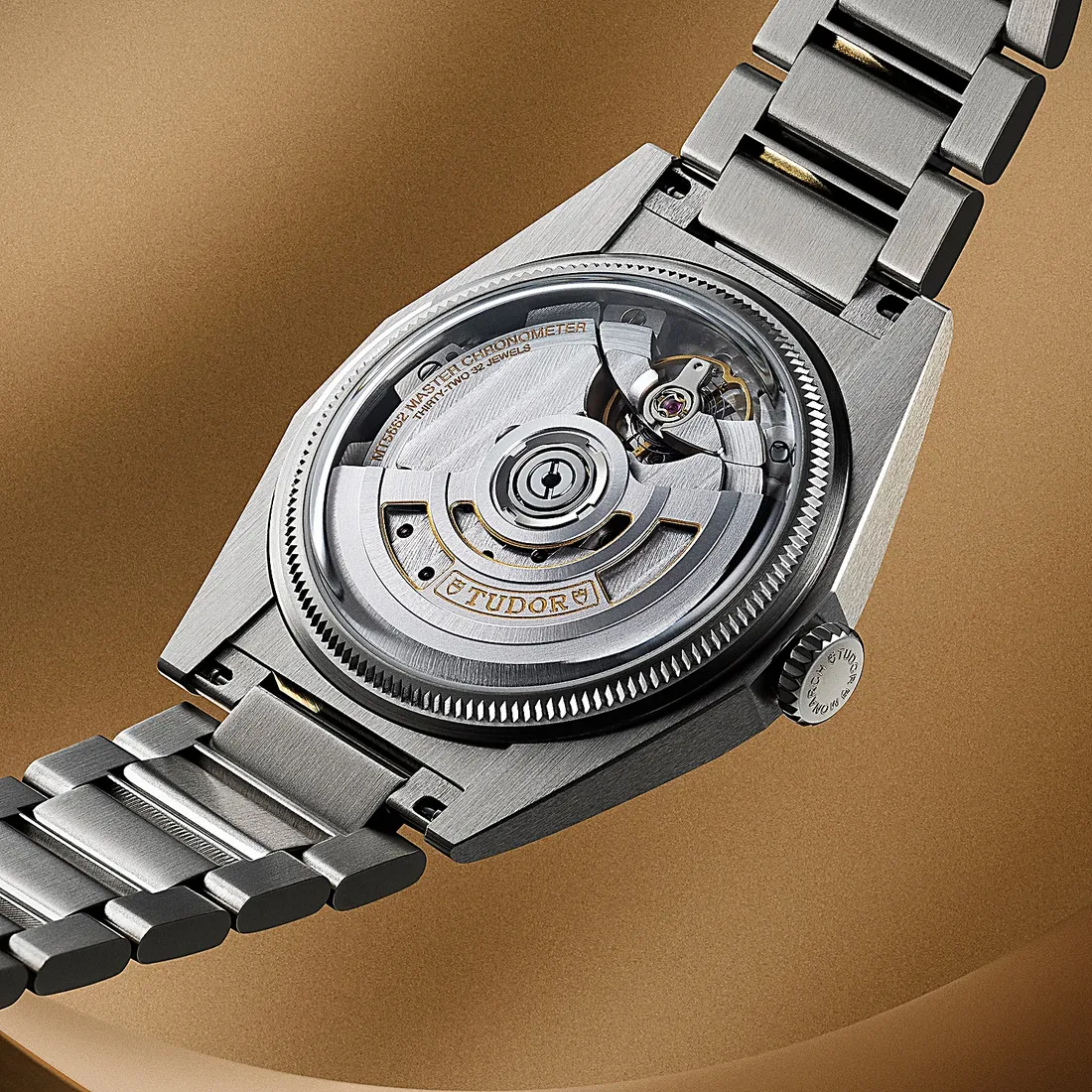
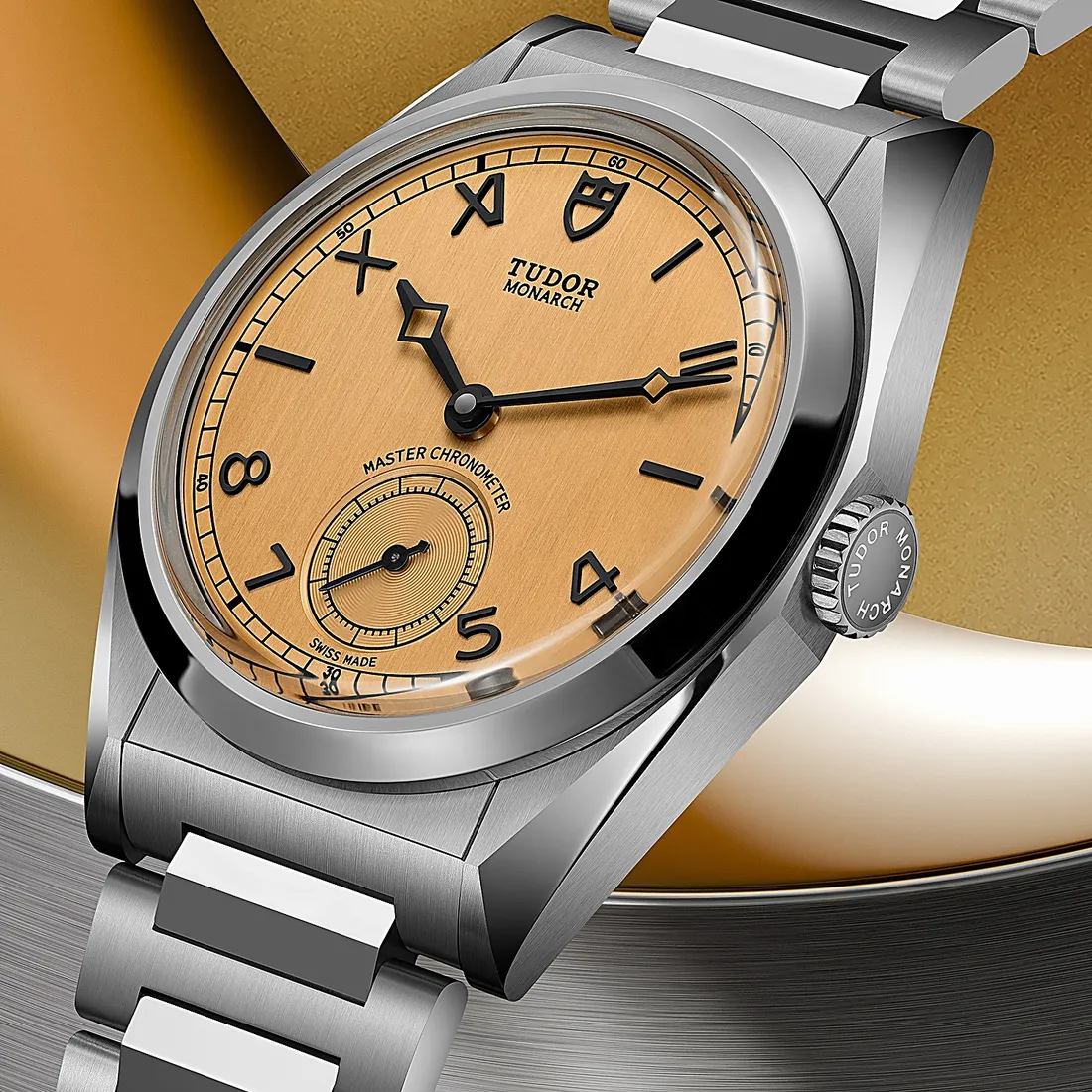
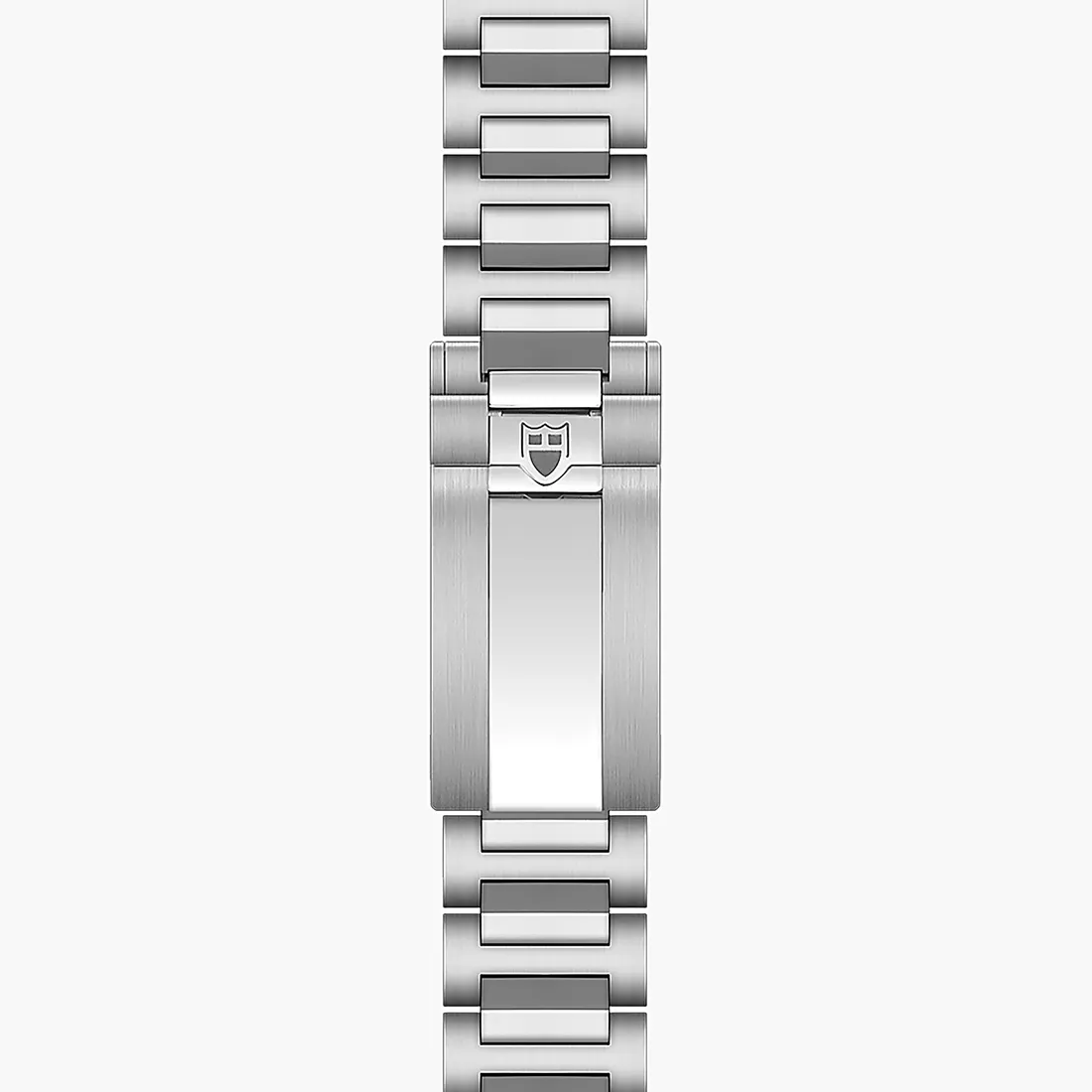
The faceted steel case with its sharp brushed and polished edges, and the two-link bracelet built into it, recall the cold stone walls of the Tower of London, the armour and the impassable curtain wall. The T-fit clasp lets the bracelet be adjusted by a few millimetres, without tools, as the wrist swells through the day.
As that panel in the National Portrait Gallery sets out: we are born, we live, and we die. Henry VIII’s kingdom is gone, the walls are down, the thrones have gathered dust. Time, though, did not stop. Nobody halted it, nobody slowed it, nobody took a second of it back, because time belongs to the Creator who brought it out of nothing, and He shares His dominion with no sovereign.
On the wrist, the Tudor Monarch does not only show the hour and the minute. Every second it whispers how empty human ambition is, how destructive ignorance can be, and how absolute and unerring is the reign of time that brings even kings to their knees.
format_quote"Time belongs to the Creator who brought it out of nothing, and He shares His dominion with no sovereign."
Hasan Bekmezci
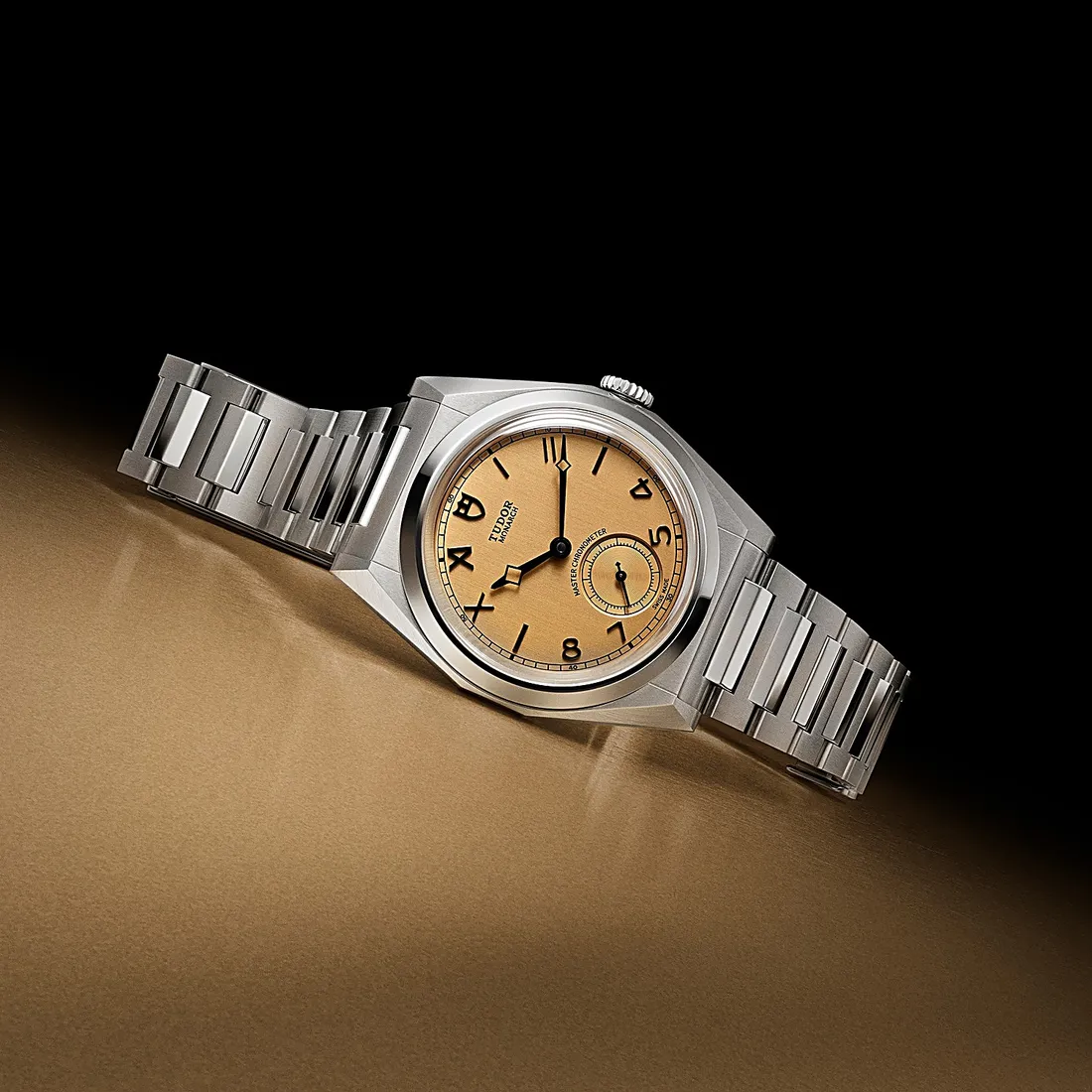
The watch on its maker’s own site: Tudor, Monarch M2639W1A0U-0001