In the freezing silence of the Arctic Circle, the hull of the icebreaker Arktos was pushing forward, splitting ice metres thick with a rhythmic roar. Behind the windows lay minus thirty degrees and a dark Arctic night.
Two friends stood watch on the bridge under the yellow chart lamp: First Officer Elias, a former marine biologist, and Second Officer Tarik, a former theoretical physicist.
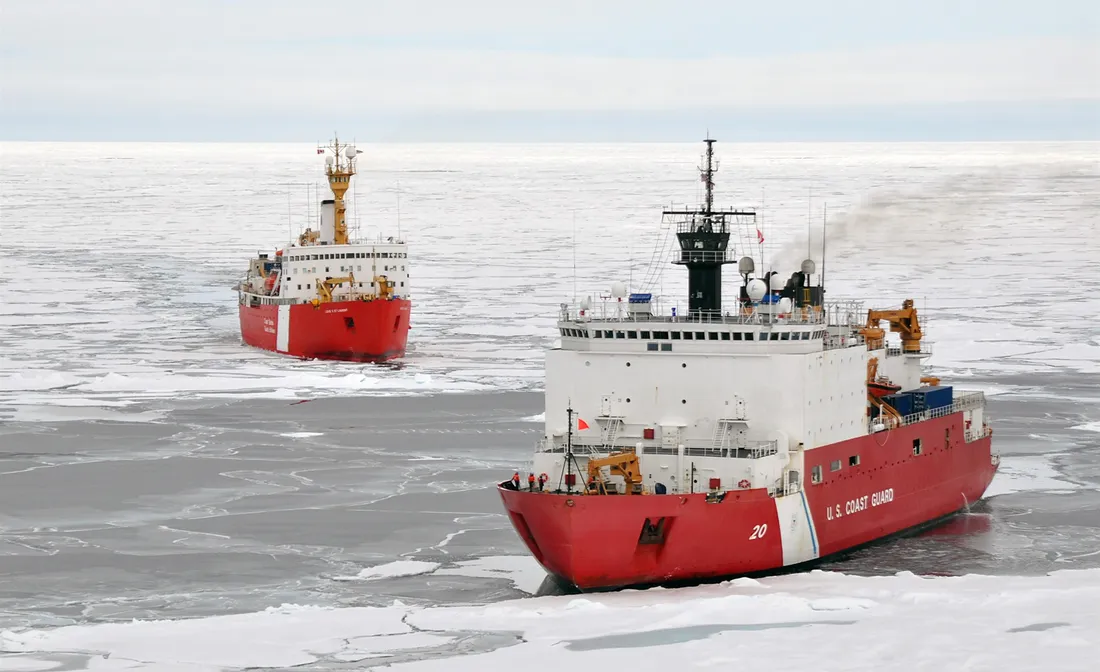
Chapter I: The Giant Among the Ice and the Enormous Mouth
Tarik had turned the heavy watch binoculars towards the channel of open water on the starboard side when he suddenly froze.
format_quote"Elias! Look at starboard thirty, quickly! Turn the searchlight that way!"
Second Officer Tarik
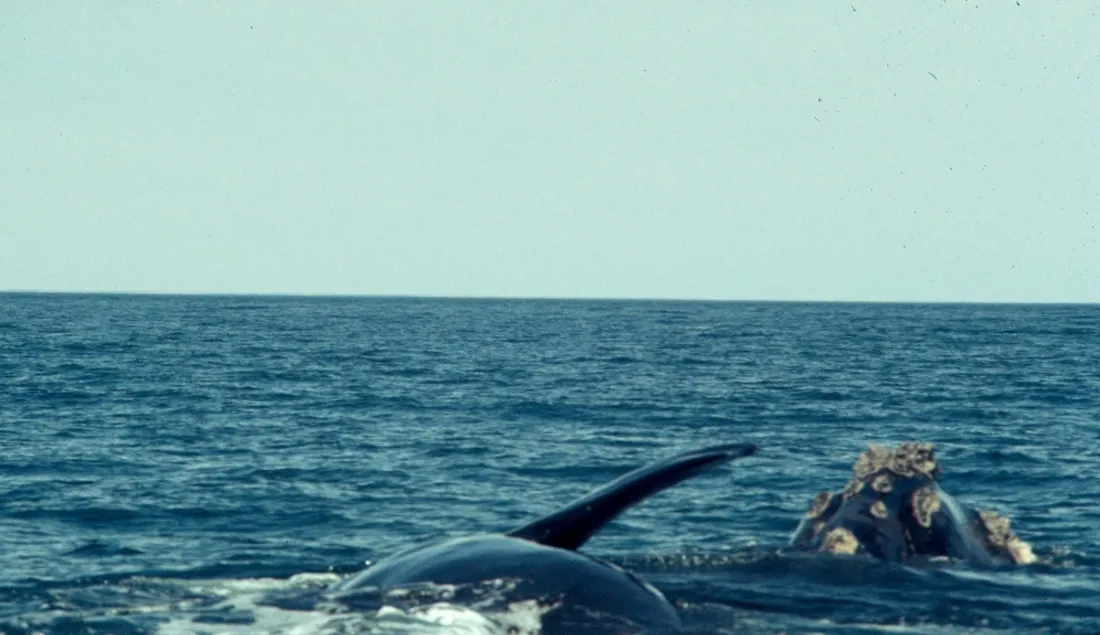
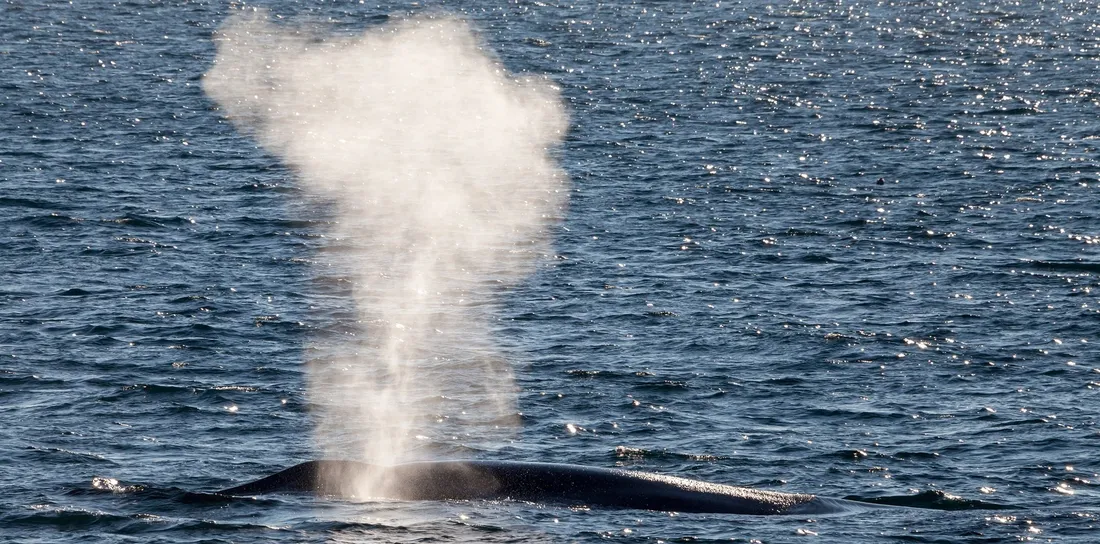
Elias swung the searchlight lever. The strong beam lit the black water between the ice. At that very moment, about two cables from the ship, the surface seemed to explode. An enormous body burst out of the water: a hundred tonne bowhead whale.
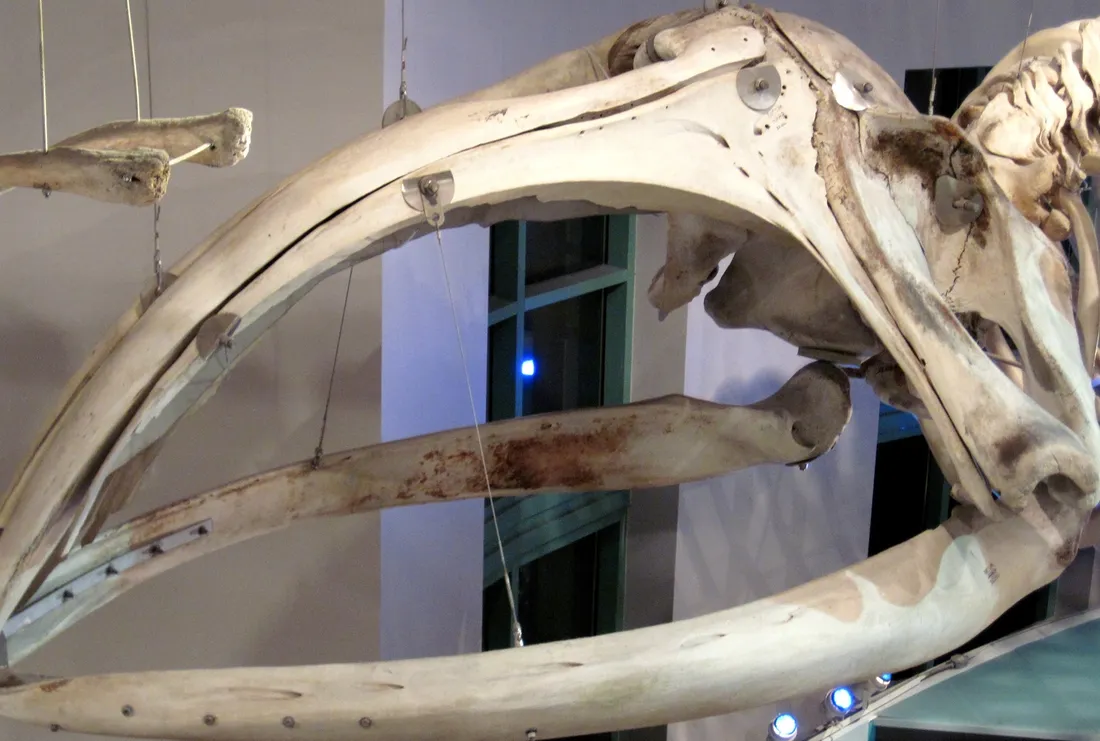
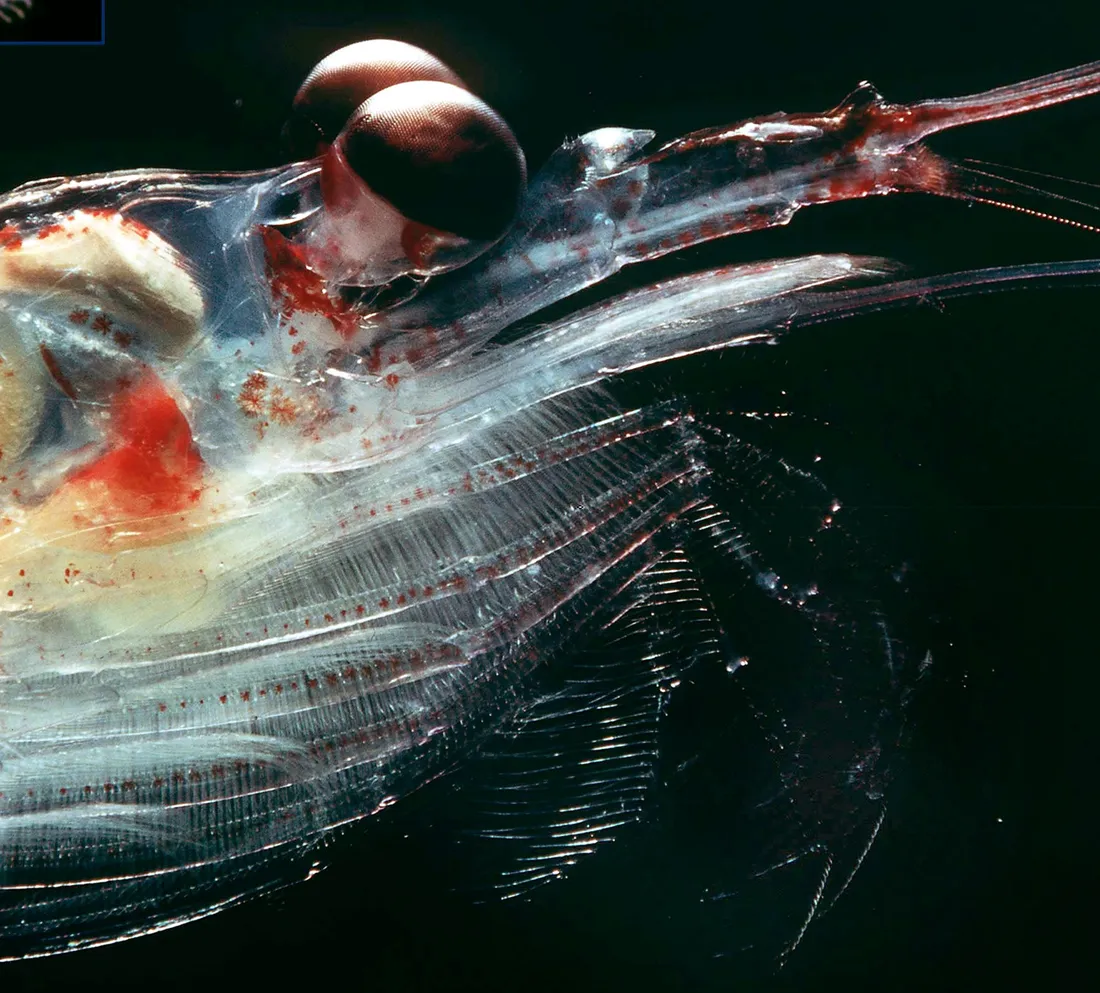
The whale opened its lower jaw and began to move along the surface. Tonnes of salt water foamed in between the baleen plates in its mouth, and the mouth filled like a reservoir with krill and microscopic creatures. When it closed its jaw and drove the water out, its body sank back into the dark water with a dull roar.
This way of feeding is called skim feeding, and the bowhead is an animal equipped for it. Its baleen plates approach four metres; nothing alive has longer, and its mouth is the largest known. The plates are made of keratin, the same material as our fingernails; as the water strains outward, the fringe of fibres on the inner face of the plates holds the krill back. Which is to say this is not a jaw but a filter, and its mesh is measured against the size of its prey.
There is one more detail. The bowhead is the longest lived mammal known; measurements made from the rate of ageing of the proteins in its eye lens indicate individuals of more than two hundred years.[1] So the animal that entered the beam of the searchlight at that moment might well have been swimming under this ice in a year when nobody on board had yet been born.
Tarik was out of breath as he put the binoculars down on the table.
format_quote"That was an unbelievable sight, Elias. The opening of that enormous mouth, tonnes of water straining through those plates. In a scene like that a man is spellbound before the majesty of the ocean."
Second Officer Tarik
Chapter II: The Whale Pump and the Trophic Cascade
Elias fixed his eyes on the foaming water where the whale had disappeared and smiled.
format_quote"There stands a living ecosystem engineer right in front of us, Tarik. That feeding movement you just saw is the first tooth of the wheel that keeps the balance of the ocean standing. Some fishing lobbies and hunters once put forward the claim that if we hunt the whales, more fish will be left for people."
First Officer Elias
That claim was not merely stated and left alone, it was tested. In models built for the exploited ecosystems of the world's oceans, no clear and direct relationship was found between the predation of marine mammals and the potential catch of fisheries; large scale culling brought no gain to fishing.[2] The reason is simple: most of what whales eat are invertebrates such as krill and squid, and the fish species they do eat are not the ones commercial fleets are after.
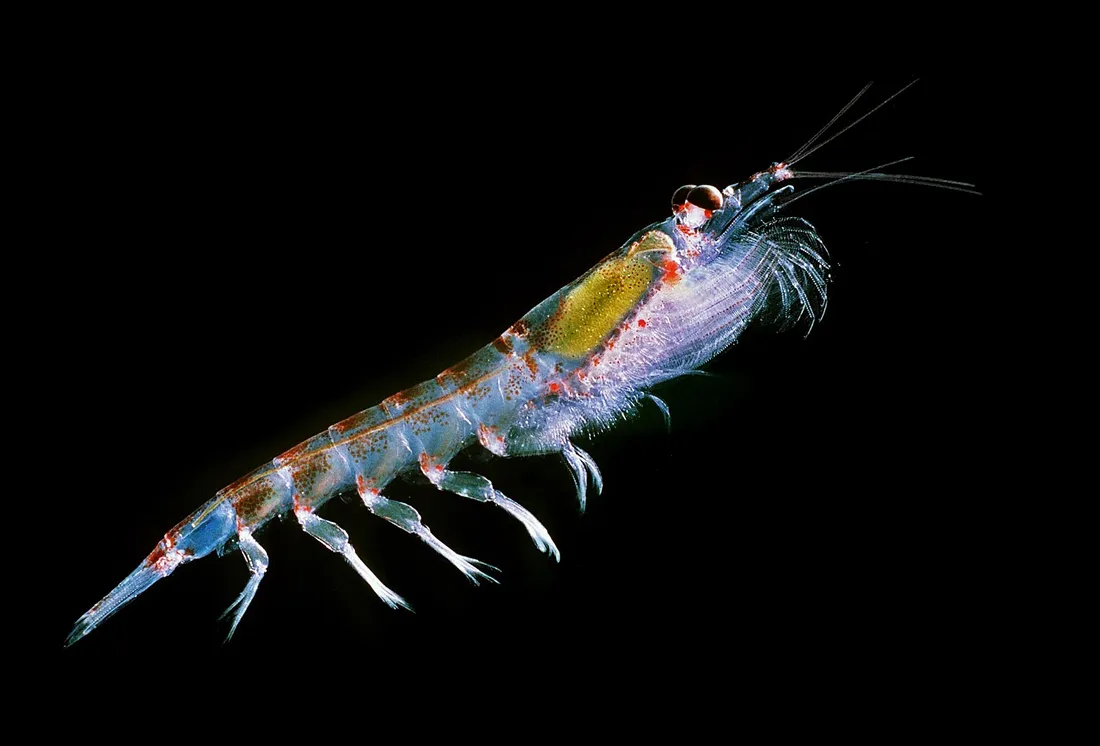
But the more striking side of the matter lies elsewhere. In the former Antarctic whaling grounds, krill abundance fell by about eighty per cent in the three decades that followed industrial scale hunting. That is the exact opposite of intuition; prey whose predator has been removed is expected to increase, not to decline. In the literature it is called the krill paradox, and that paradox showed that whales do not merely eat krill, they also feed it.
format_quote"How do you mean? Do these creatures not eat fish?"
Second Officer Tarik
format_quote"They eat them, but at the same time they keep them alive. Whales feed in the dark depths of the ocean. Then they come up to the surface layer that sunlight enters, the photic zone, and release their faecal plumes there. That matter is an enormous mineral store in terms of the iron and nitrogen that are scarce in surface waters. The whale fertilises the surface and makes the phytoplankton multiply."
First Officer Elias
The size of that cycle has been measured too. A study in the Gulf of Maine calculated that whales and seals return around twenty three thousand tonnes of nitrogen a year to the photic zone; that is more than the total contribution of all the rivers flowing into the gulf.[3] The name of the mechanism is the whale pump, and the point is not the quantity of the fertiliser but its direction. Iron is scarce in the lit upper layer of the ocean; and phytoplankton have to live exactly there, because photosynthesis needs light. By feeding at depth and voiding at the surface, the whale carries the nutrient upwards.
A very often repeated claim needs correcting at this point. It is frequently said that the power with which whales mechanically stir the water as they swim comes close to the sum of all the winds and currents on earth. That idea was put forward as a serious hypothesis in 2006; but calculations of scale showed that the eddies left behind by animals are far too small, and that almost all of the energy turns into heat through viscous friction.[4] Which is to say whales are not stirring the ocean like an oar. What they do is not physical but biological: a living lift that takes nutrient from the depths and carries it to the surface. And the size of the measured effect is already large enough to make that exaggerated comparison unnecessary.
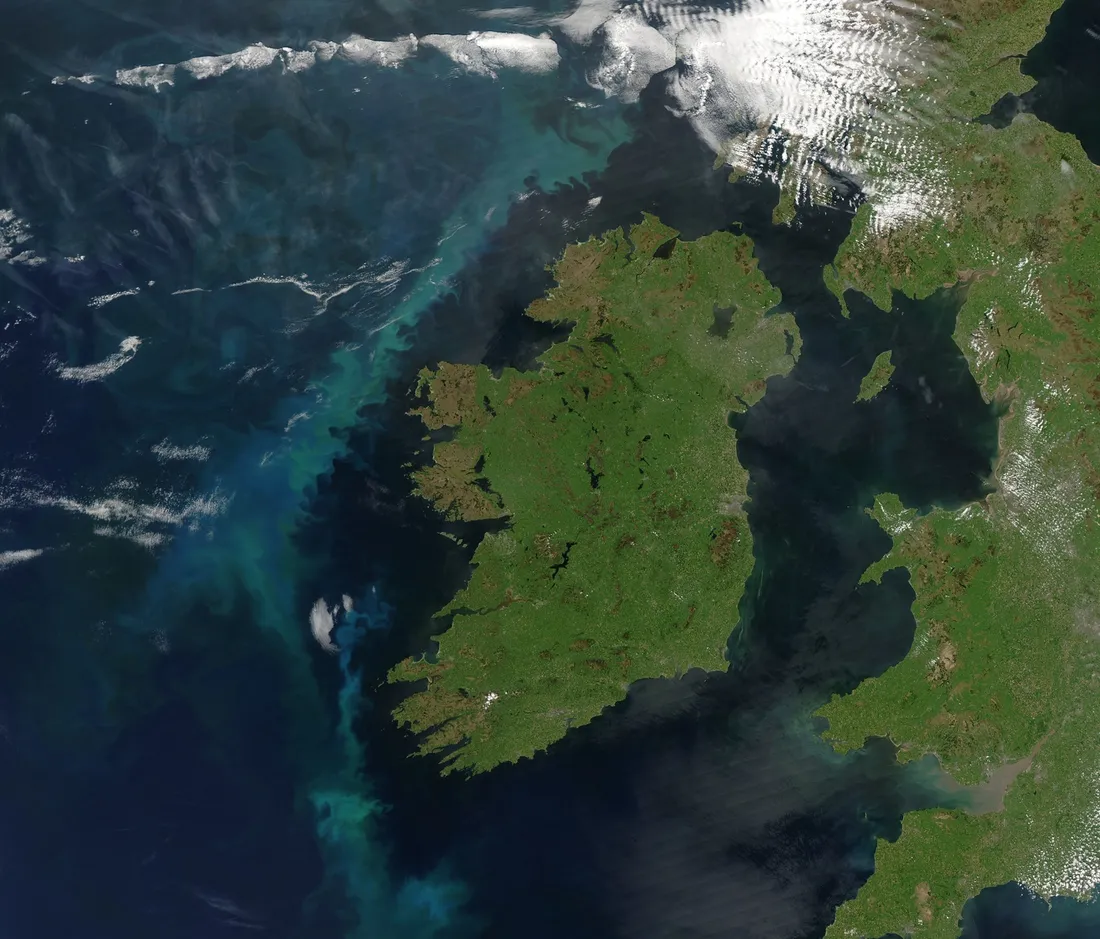
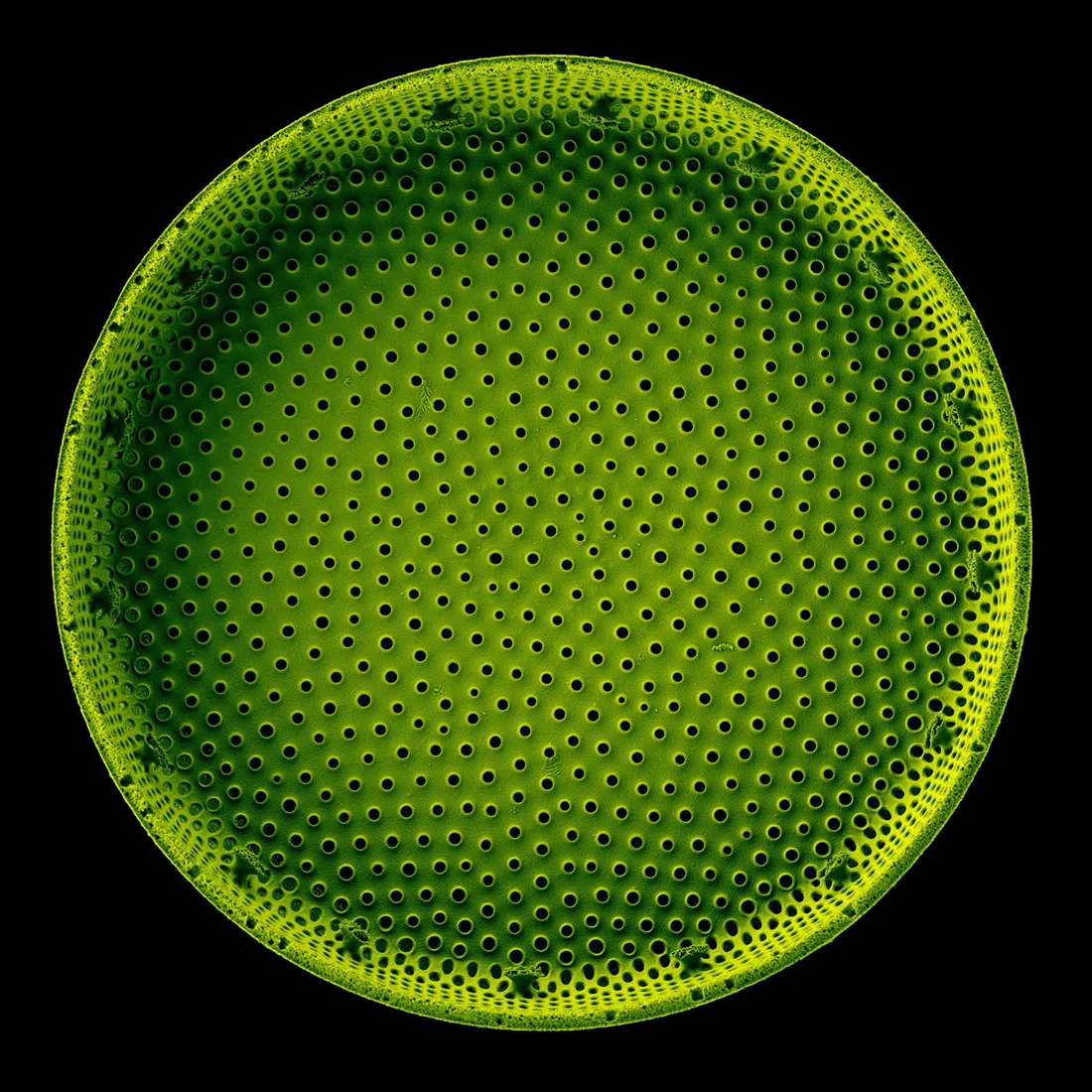
format_quote"What is more, more whales means more phytoplankton, more phytoplankton means more zooplankton, and in the end more fish. In marine biology this is called a trophic cascade; pull the creature at the top of the chain away and the steps below topple one by one."
First Officer Elias
Chapter III: From Cosmic Elements to Carbon Graveyards
With the reflex of a physicist Tarik reached for the chart table. After thinking for a few seconds his eyes lit up.
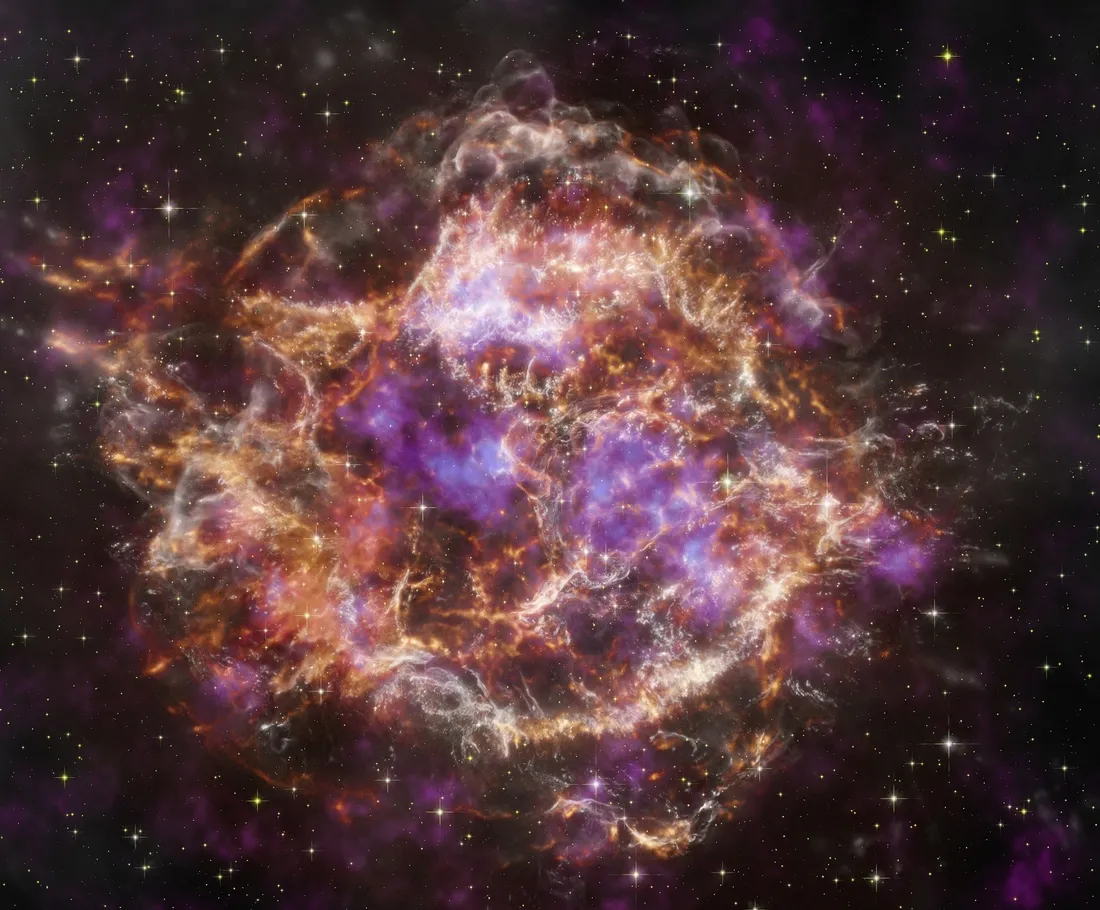
format_quote"Elias, do you know where this picture takes me as a physicist? Into the depths of the universe. Where did the iron in that whale's droppings and the calcium in its bones come from? From inside the stars and from supernova explosions. The Creator synthesised these elements in the furnaces of the stars and scattered them into the oceans of the earth."
Second Officer Tarik
The elements have to be written to the right addresses here, because they do not all come from one place. Iron is the last step at which fusion stops in the core of a star; most of the iron in the universe is spread by exploding white dwarfs, the rest by collapsing massive stars. Calcium is produced inside massive stars by the burning of oxygen and silicon and is thrown out by core collapse supernovae. Nitrogen, however, is the product not of an explosion but of patience: it forms in the CNO cycle inside stars and mixes into space mostly through the winds that intermediate mass stars release slowly at the end of their lives.[5]
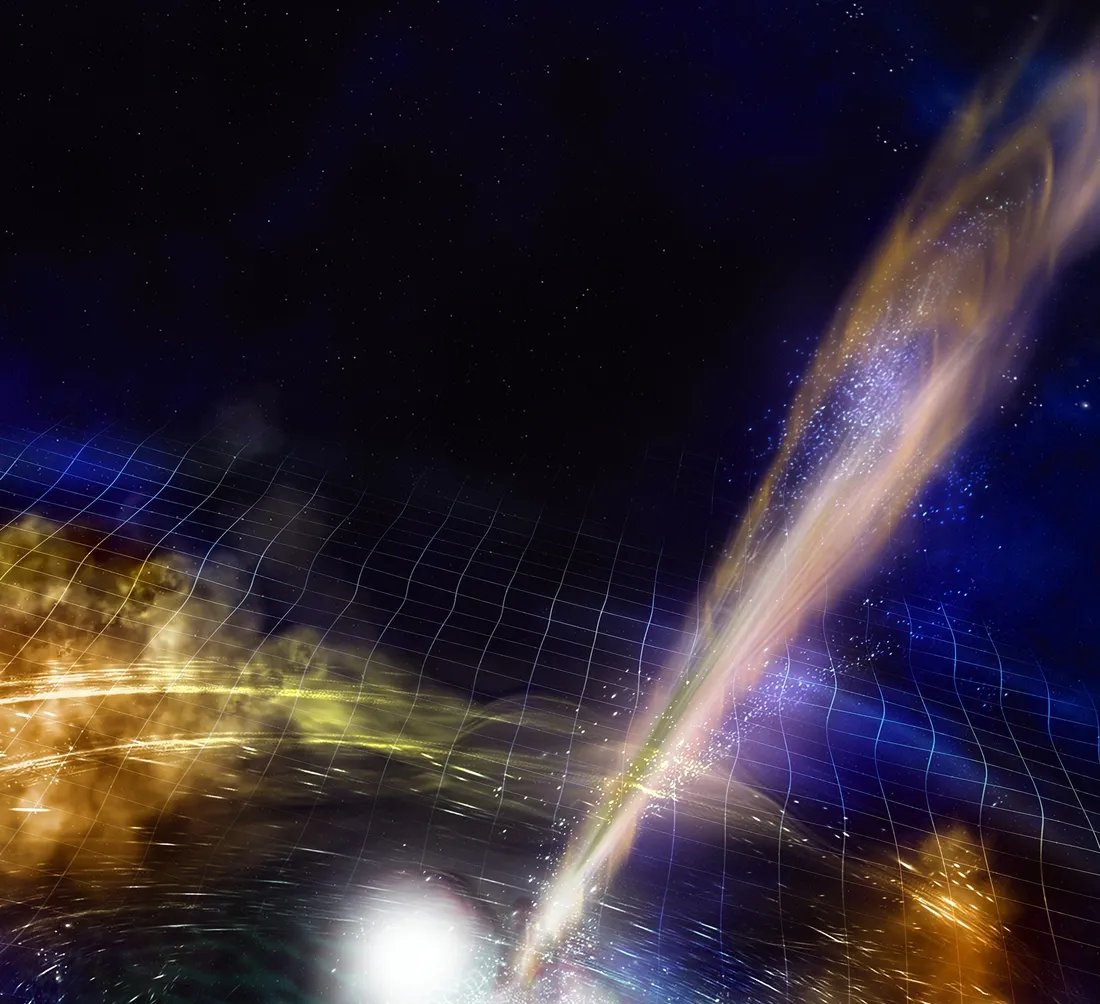
A kilonova is a separate address, and it looks precisely at the second half of this piece. That short flash produced when two neutron stars collide makes the heaviest ends of the periodic table: gold, platinum, the lanthanides. In 2017 the merger of a pair of neutron stars was observed simultaneously in gravitational waves and in light, and the production of these elements there was confirmed.[5] Which is to say the platinum on a watch dial was not cooked in the same furnace as the calcium in a whale's bone. The same universe, different benches.
format_quote"But that raw iron arriving from space and the sunlight could not have regulated the atmosphere on their own. Those microscopic phytoplankton you spoke of take that iron of cosmic origin and the energy of the sun and work them; they absorb carbon dioxide and produce the oxygen we breathe. We owe one out of every two breaths we take to those creatures invisible to the eye."
Second Officer Tarik
That proportion rests on measurement too: photosynthesis in the ocean accounts for roughly half of the planet's oxygen production.[6] And the truly surprising thing here is not the mass but the rate of turnover. The total mass of the photosynthesising organisms in the ocean is about one per cent of the mass of the plants on land. A forest tree lives a hundred years, a diatom a week. The same mass renews itself dozens of times a year, and with every round a quantity of carbon falls downwards.
format_quote"Exactly, Tarik. And that cycle closes with the death of the very whale that just sank into the water. When a great whale dies it sinks to the bottom of the ocean together with the carbon it gathered in its body over a lifetime. That body turns into an oasis feeding thousands of deep sea creatures for decades."
First Officer Elias
The name of those oases is a whale fall, and their discovery was an accident. In 1987 Craig Smith's team, using the submersible Alvin, came across a whale skeleton at a depth of one thousand two hundred and forty metres in the Santa Catalina Basin off California, and found around it a community of creatures never seen before. In 2002, at two thousand eight hundred and ninety one metres in Monterey Canyon, the bone eating worms of the genus Osedax, which feed on nothing but whale bone, were described.[7] Most known whale falls lie between one thousand and four thousand metres; the figure of seven thousand metres circulates from time to time but is not supported by observation.
The process runs in three stages. First the mobile scavengers arrive and strip the soft tissue within months. Then opportunistic species multiply in the enriched sediment around the bone. Finally, as bacteria break down the fat inside the bone, hydrogen sulphide is released and a chemosynthetic community, not dependent on the sun at all, establishes itself. That last stage lasts for decades. It has been calculated that one whale carcass carries the equivalent of about thirty three tonnes of carbon dioxide down to the floor.[8]
So the animal carries nutrient upwards while it lives, and carbon downwards when it dies. Two directions, one creature.
Chapter IV: The Synthesis of Macro and Micro, and the Human
format_quote"Look at this order, Captain. The Creator has bound the most enormous creature on earth and the most microscopic creature invisible to the eye to one another in a single cycle. The enormous one pumps the ocean and fertilises the microscopic one; the microscopic one works the cosmic elements and the sunlight, regulates the atmosphere and feeds the enormous one. And at the very centre of this mechanism He has placed the human being as a third beneficiary."
Second Officer Tarik
Every link of that cycle can be measured and every link depends on the others. Without the whale's nitrogen the phytoplankton do not multiply enough, without the phytoplankton's oxygen the upper steps do not breathe, without krill the whale cannot feed. That pulling on one point of the system strains the other links is known thanks to an experiment carried out unintentionally by the whaling of the twentieth century. And the result of that experiment is clear: when you remove a creature, what is left behind is not a gap but a broken proportion.
Chapter V: Horological Contemplation and a Double Engineering
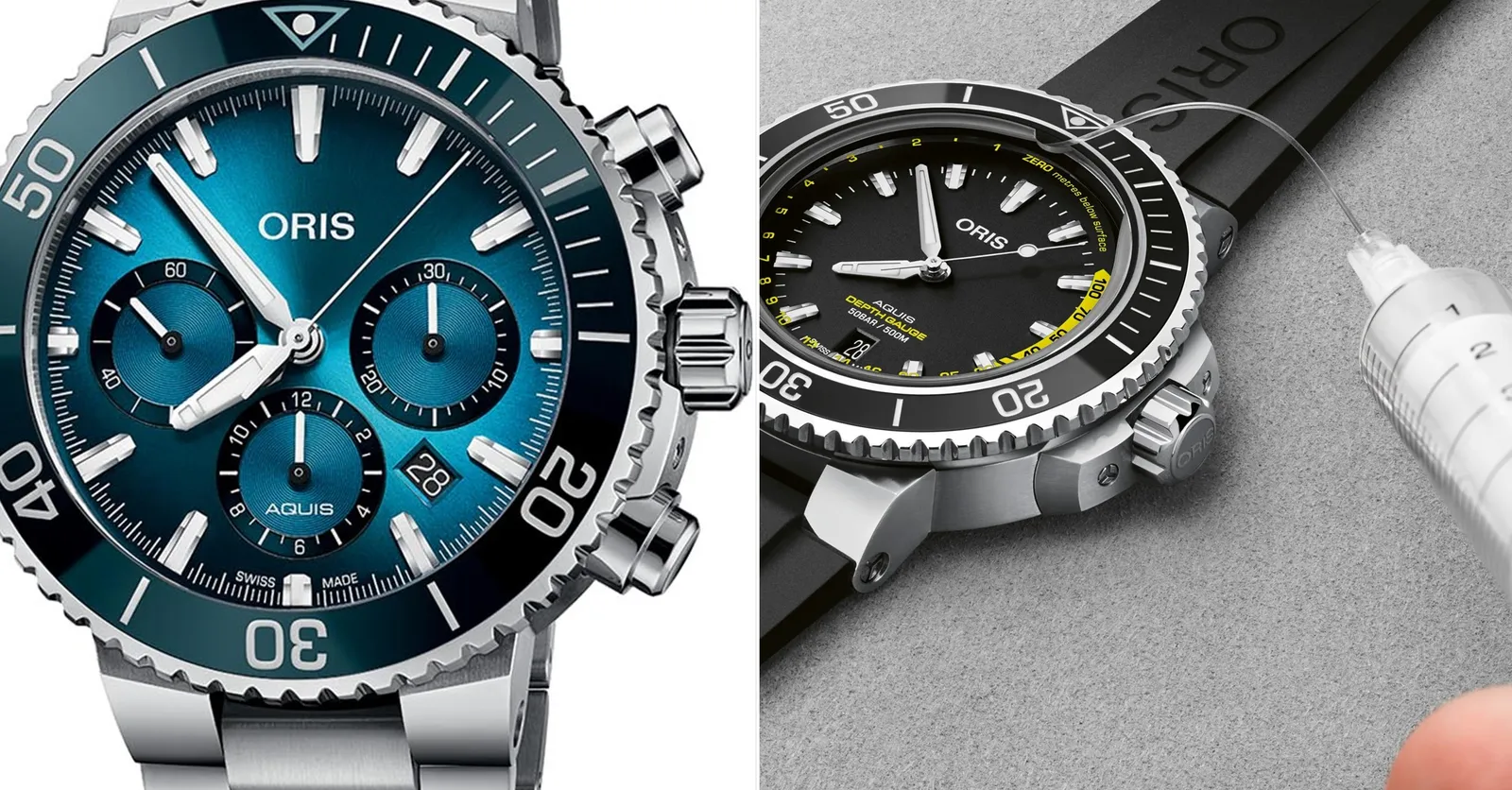
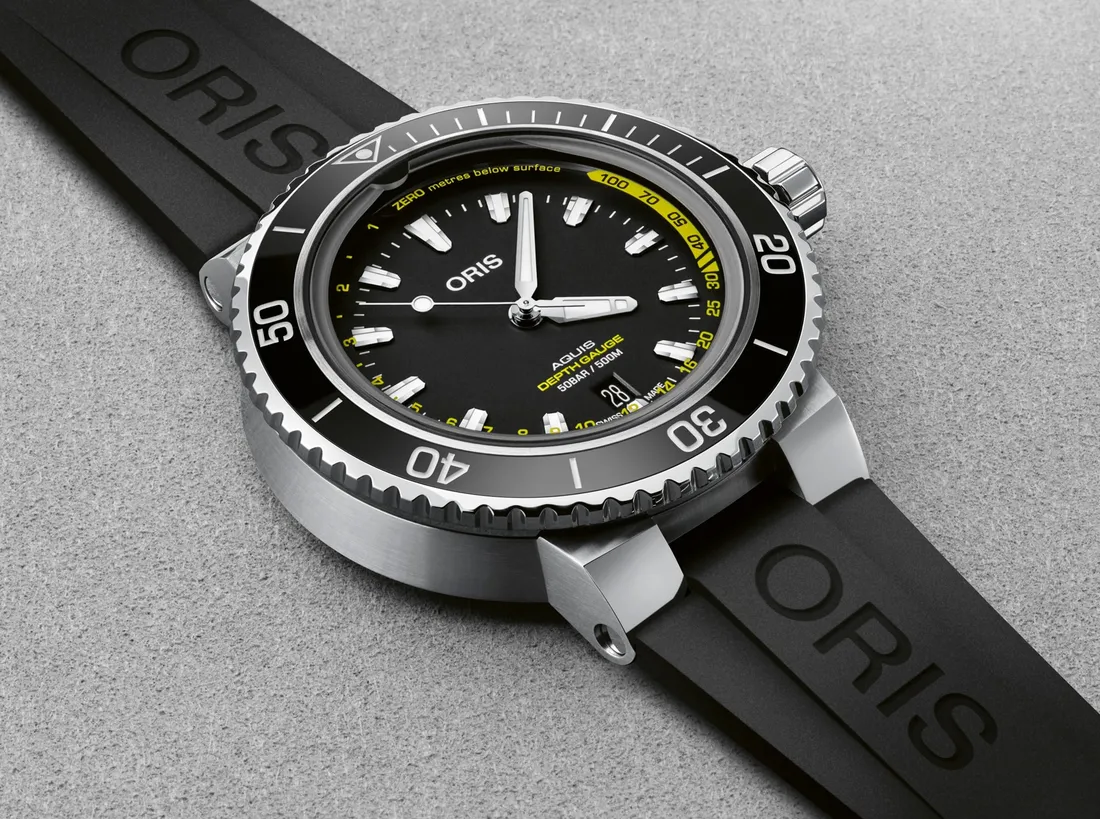
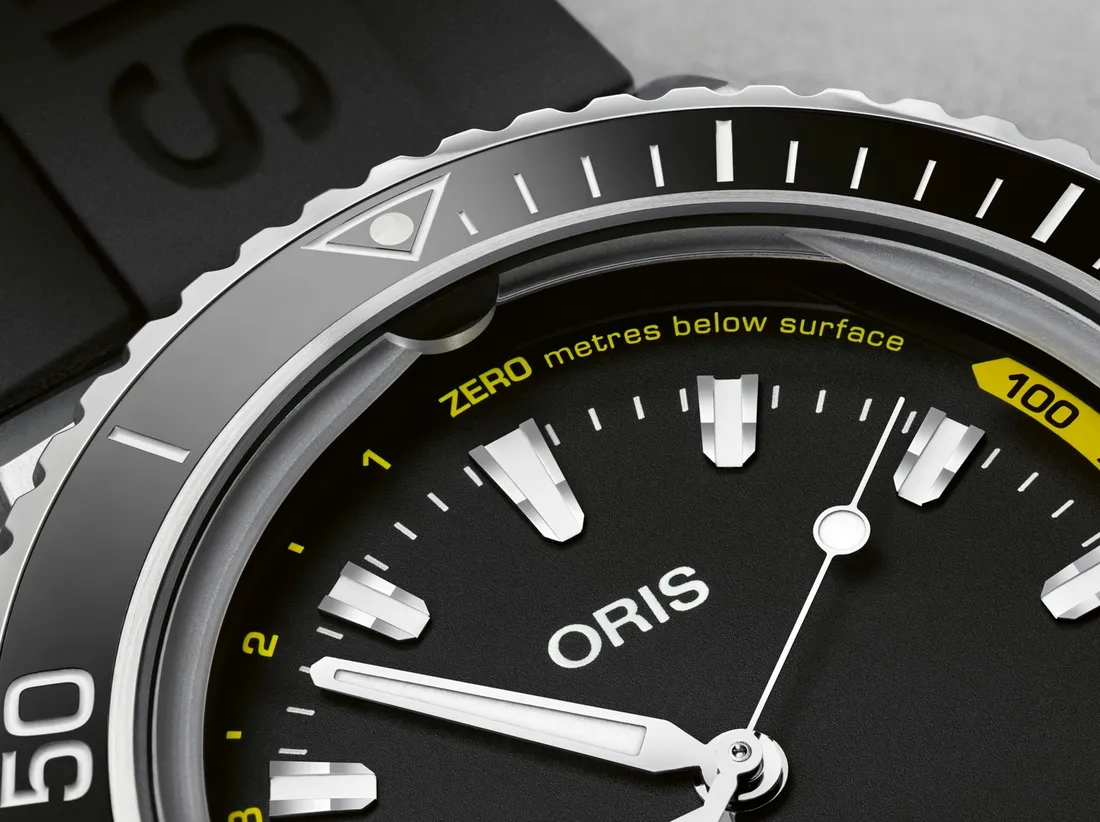
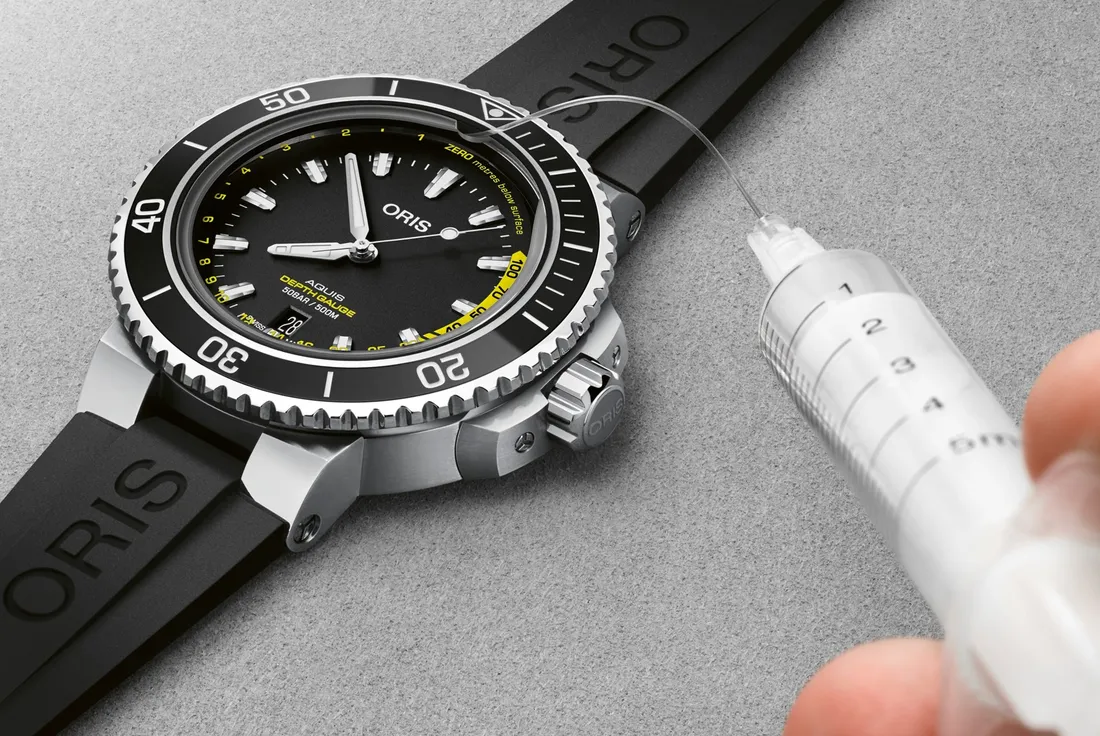
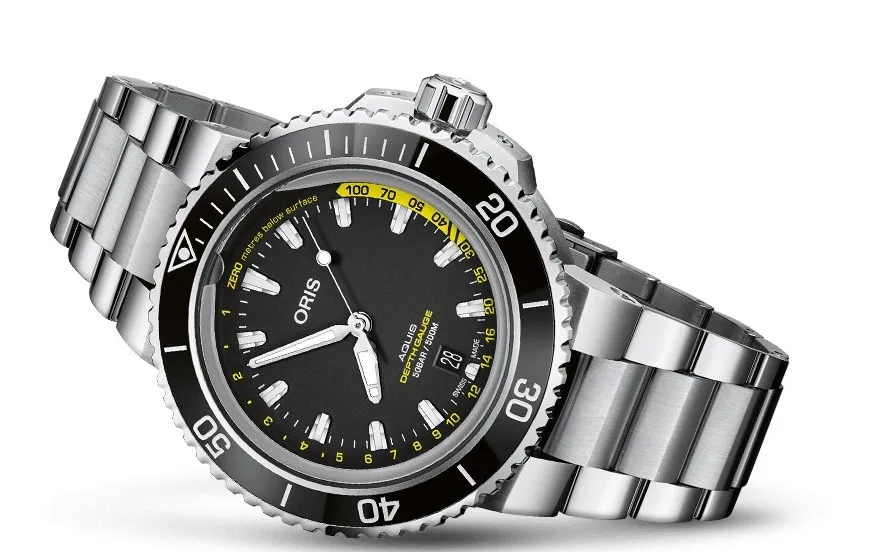
In the dim light of the yellow chart lamp the pair took off their heavy sailing gloves. Two different horological works lay on the chart table: the Oris Blue Whale Limited Edition with its deep blue dial, which Elias had taken off his wrist, and the Oris Aquis Depth Gauge that Tarik had put down, notable for the channel in its sapphire crystal.
Cycle I: A Conservation Vision and the Blue Whale
format_quote"Elias, I suppose the protection of those ecosystem engineering giants you spoke of does not stay in scientific reports alone. The watch on your wrist represents that struggle directly, does it not?"
Second Officer Tarik
format_quote"Exactly so, Tarik. Blue whales, Balaenoptera musculus, are the largest creatures that have ever lived on earth. Together with the organisation Whale and Dolphin Conservation, Oris brought the Ocean Trilogy project to life. This watch is a message made to support research in marine biology and funds for the protection of blue whales."
First Officer Elias
It is worth being precise about why the numbers fell so far: the cause was not poaching but the industrial scale commercial whaling of the twentieth century. In the Southern Hemisphere alone around three hundred and eighty thousand blue whales were killed, and by the time the species came under international protection in 1966 only a few per cent of the population remained. Today global estimates run between five thousand and fifteen thousand; the International Union for Conservation of Nature counts the species as Endangered and the Antarctic subspecies as Critically Endangered.[9]
Elias set the watch down in the middle of the chart table. The yellow beam of the searchlight struck the dial.
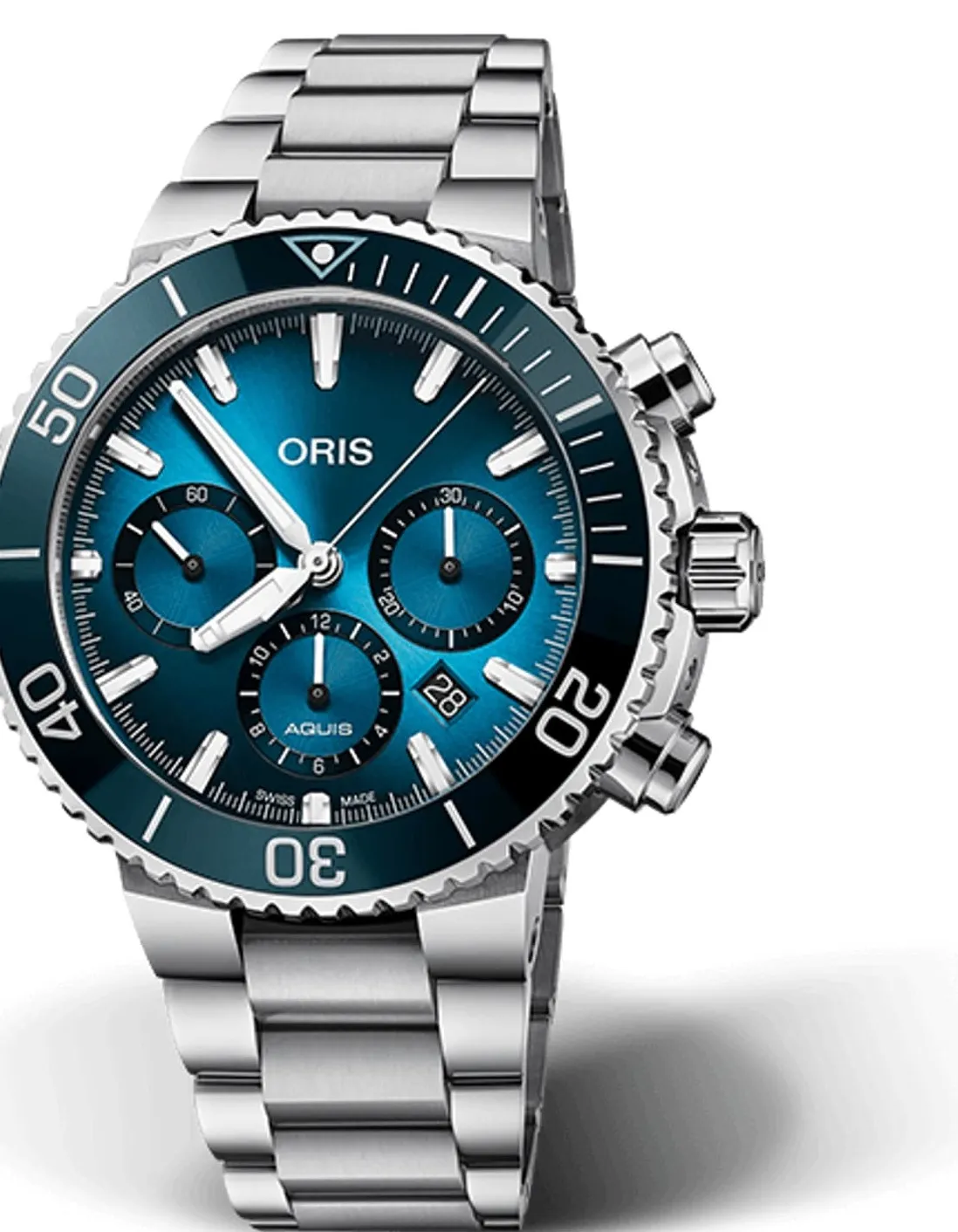
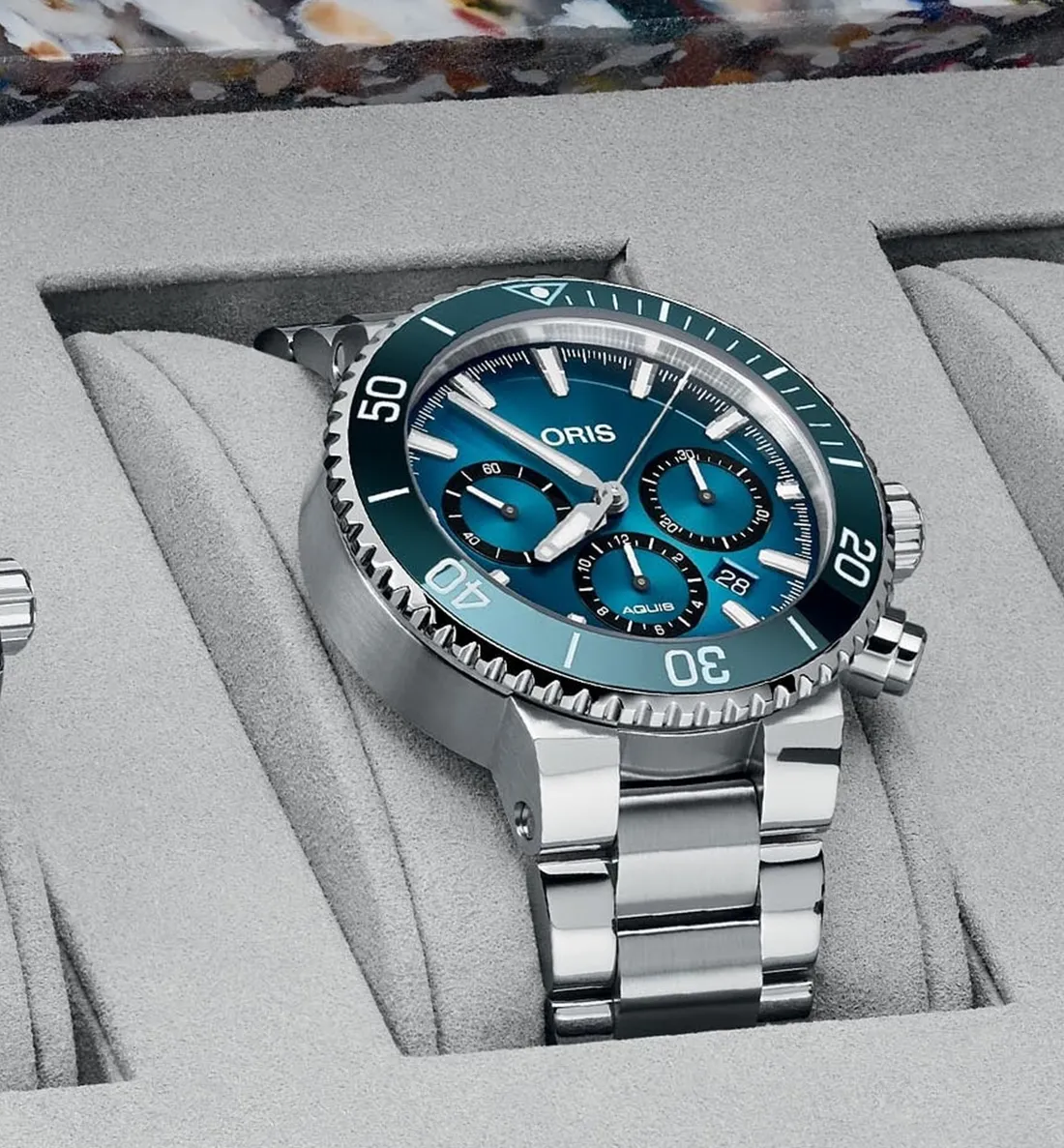
format_quote"The gradient on the dial is unbelievable. There is a sunburst pattern that begins in a light aqua blue right at the centre and runs towards the edges into the dark of ocean depth. In spite of a forty five and a half millimetre steel case the slope of the lugs is so ergonomic that it wraps the wrist well. And the scratch resistant aqua blue ceramic bezel completes the tone of the dial."
Second Officer Tarik
One small correction on the layout of the dial: the sub-dials of this chronograph are not at three, six and nine o'clock. The architecture of the calibre puts the thirty minute counter at twelve, the twelve hour counter at six and the small seconds at nine; the date window sits between six and seven. That arrangement is not a design choice but a consequence of the movement's own geometry, and it makes the dial symmetrical about a vertical axis.
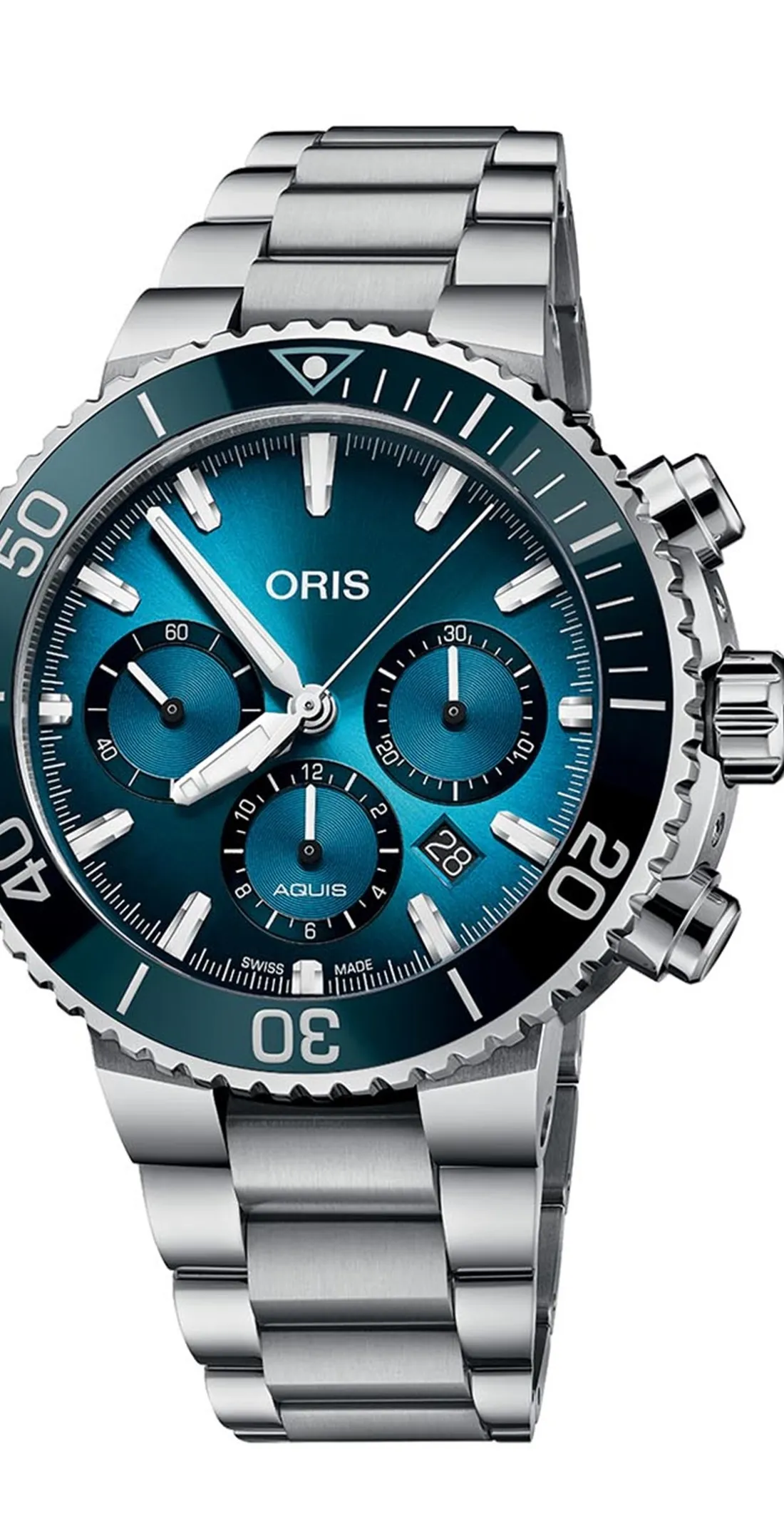
format_quote"Its architecture is built entirely to high maritime standards. Inside runs the Oris calibre 771, an automatic chronograph built on the Sellita SW500 architecture. Twenty eight thousand eight hundred vibrations an hour, that is four hertz; forty eight hours of power reserve; twenty seven jewels. Thanks to the screw locked crown it offers five hundred metres of water resistance. On the case back there is a relief of a blue whale diving into deep water and the number of the limited series."
First Officer Elias
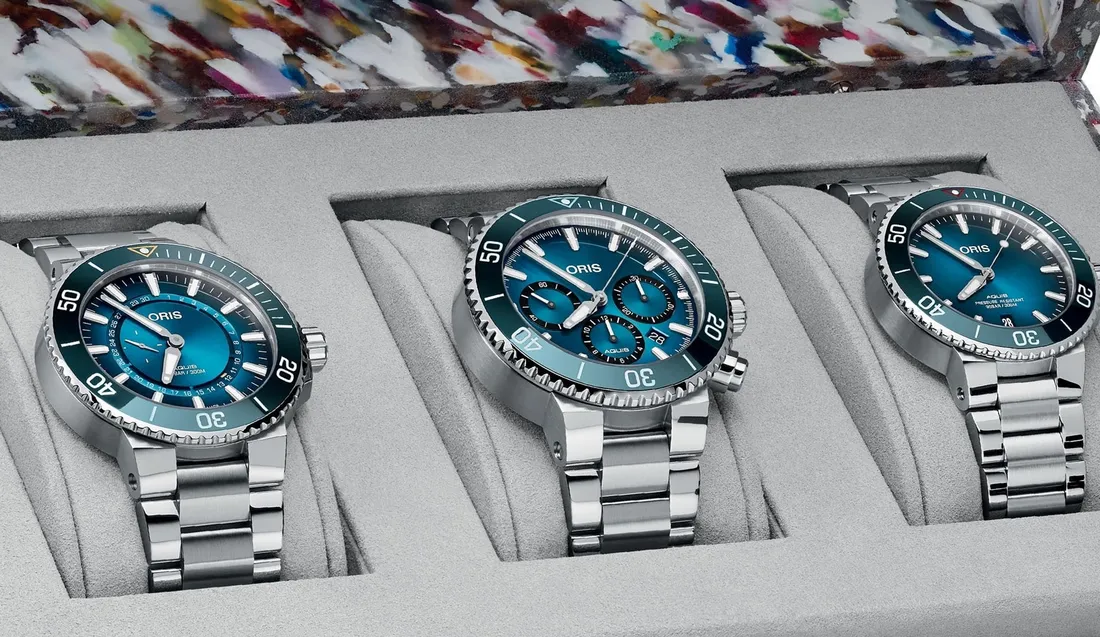
There is a detail on the limited production side, and it is what makes the watch particular: this model was never sold on its own. Only two hundred were made, and all of them were delivered inside a three watch set called the Ocean Trilogy.[10] The other two members of the set are the Great Barrier Reef Limited Edition III, which supports the Reef Restoration Foundation, and the Clean Ocean Limited Edition, which supports Pacific Garbage Screening. The box itself was made from recycled plastic bottles; which is to say the packaging is part of the argument too.

Cycle II: The Vertical Dive and the Physics of Fluids
format_quote"Carrying an awareness of the blue whale onto a dial is admirable. But what really fascinates me as a physicist is the hydrostatic pressure the ocean applies to us when one dives vertically, and the mechanical way of measuring it."
Second Officer Tarik
format_quote"I understand you, Tarik. While most makers put gasket upon gasket to seal a case against pressure, the Oris Aquis Depth Gauge you have put on the table does the exact opposite: it invites the ocean water inside."
First Officer Elias
Tarik took the case in his hand and held the channel on the sapphire crystal up to the light.
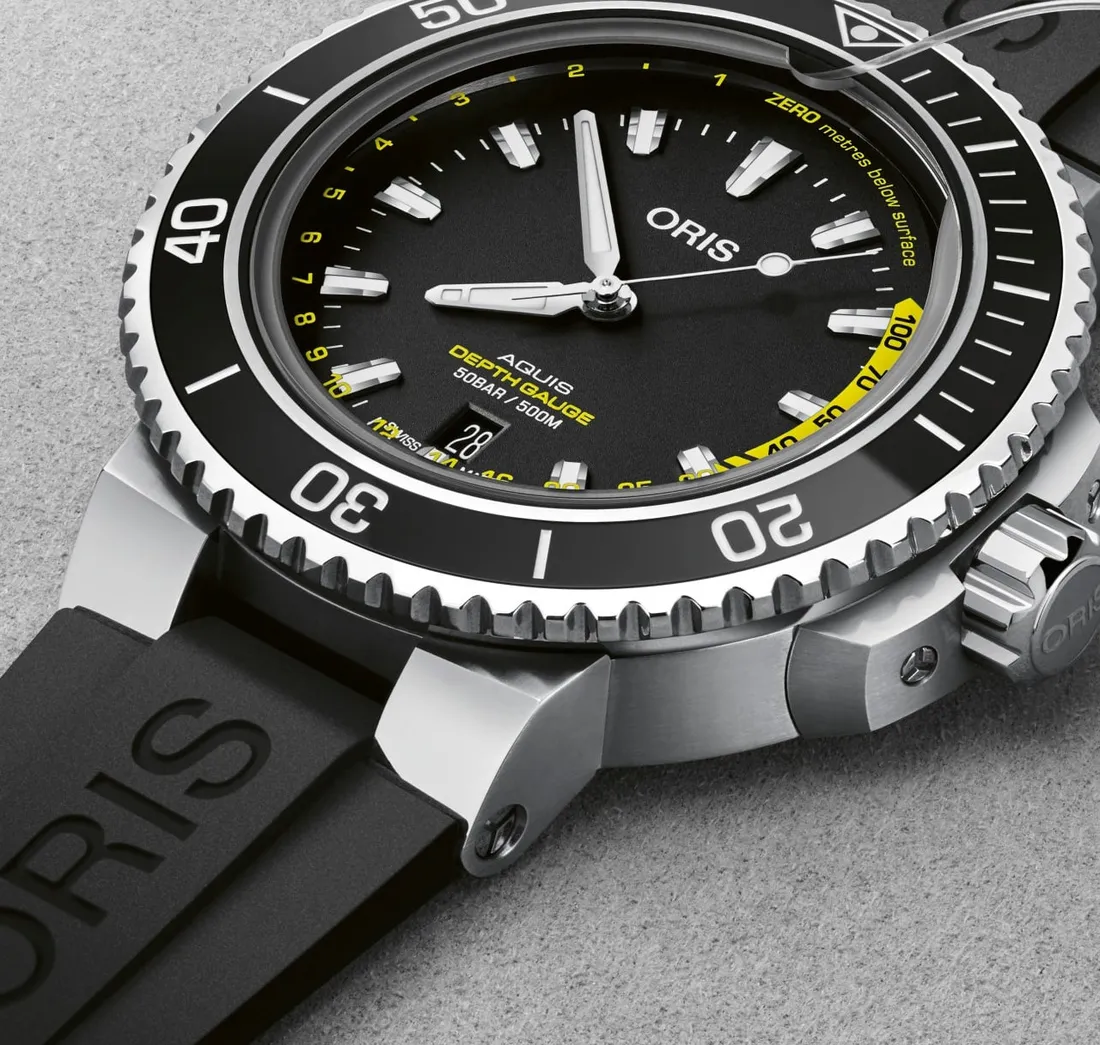
format_quote"Here is the point where the vertical dive meets physics. There is a tiny inlet hole at twelve o'clock on the watch; as you descend, water enters through that hole. So does the movement not get wet? No. A circular channel is milled into the outer edge of the extra thickened sapphire crystal. The water advances only in that channel, without ever touching the mechanical body. Just as, when you were a child and covered the top of a straw with your finger and pushed it into water, the air inside compressed and held the water at a certain level, so the water compresses the air in the channel as the watch goes deeper. You read the yellow scale at the edge of the crystal: the boundary where the water ends and the air begins is your depth in metres."
Second Officer Tarik
Elias took out a sheet of paper and wrote the equation on it.
format_quote"Seventeenth century gas dynamics in the fullest sense. The Boyle-Mariotte law: at constant temperature the pressure of a gas is inversely proportional to its volume. At the surface, at one atmosphere of pressure, the channel is full of air. Descend ten metres and the pressure rises to two atmospheres, the volume of the air halves, and the water reaches exactly the ten metre line."
First Officer Elias
At this point a detail that is what really makes the system elegant needs adding: the scale is not linear. At twenty metres the pressure rises to three atmospheres and the volume of air falls to one third; at thirty metres to a quarter; at forty metres to a fifth. Which is to say the water travels half the road in the first ten metres and covers a steadily shorter distance for every ten metres after that. That is why the graduations of the yellow scale at the edge of the dial crowd closer together as the depth increases. Calibrating that scale is not marking a ruler; it is cutting a hyperbola into stone.
It is also right to state a limit plainly: this measurement depends on temperature, because Boyle's law assumes a constant one. In cold water the air in the channel contracts a little and the indication reads slightly deeper than the truth. This system does not make the electronic correction a dive computer makes. In return it asks for no battery, no circuit and no software; the ocean itself drives the indication.
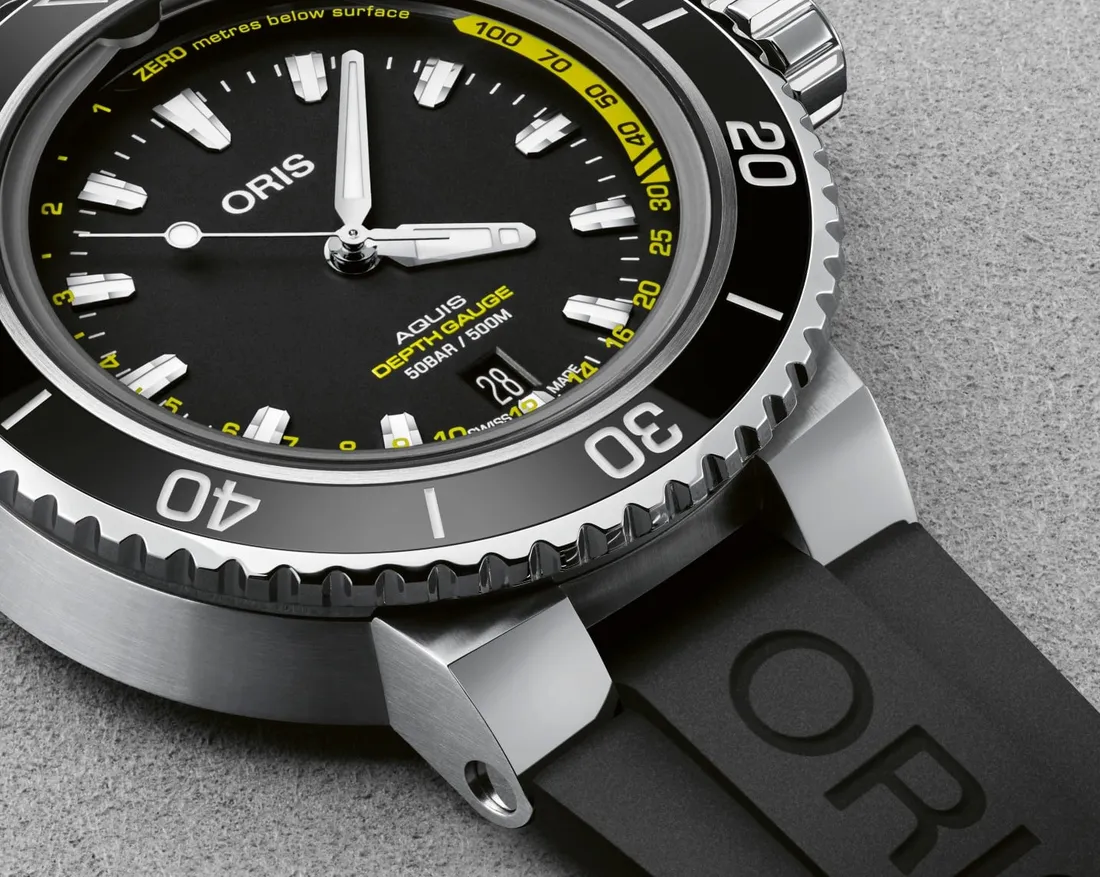
format_quote"It takes its power from the automatic Oris calibre 733, based on the Sellita SW200-1. Twenty eight thousand eight hundred vibrations, thirty eight hours of power reserve, twenty six jewels and the iconic red Oris rotor. On a case with five hundred metres of water resistance there is a safety anchor that prevents the rubber strap from coming open and a sliding sledge system that lets it be worn over a diving suit."
First Officer Elias

Chapter VI: The Last Word and a Flawless Order
Tarik tightened the strap of the Depth Gauge on his wrist and locked the clasp.
format_quote"Look at these two watches, Elias. On one side the Oris Blue Whale; with the art on its dial and the mission behind it, it defends the right to live of the largest creature in the ocean. On the other side the Oris Aquis Depth Gauge; without needing any electronic circuit or battery, it measures depth by keeping alive in its sapphire crystal the Boyle-Mariotte law the Creator has placed in the universe."
Second Officer Tarik
What the two watches actually share is not the ocean but a method. Both use the thing itself in order to measure it. The Depth Gauge takes water inside in order to measure depth; the Blue Whale carries the creature it wants protected not as an ornament but as the destination of its sales. In neither of them does an extra layer come between the indication and the thing indicated.
format_quote"This is exactly the point where real watchmaking and science meet, Tarik. We human beings measure time and depth by using material, the physics of fluids and mechanics inside the cases of watches. Yet the Creator binds the blue whale and the microscopic phytoplankton in the vast oceans, and the elements cooked in the furnaces of the stars with the oxygen we breathe, by the same fine tuning. We only discover the laws He has written into the universe and bow in admiration. The course is steady, Captain; let us sail until dawn breaks."
First Officer Elias
Notes and Sources
[1] The lifespan of the bowhead whale has been calculated from the rate of racemisation of aspartic acid in the eye lens; the measurements indicate individuals of more than two hundred years. The figures for baleen length and mouth size are from NOAA Fisheries species records.
[2] Morissette, L., Christensen, V., Pauly, D. (2012). Marine Mammal Impacts in Exploited Ecosystems: Would Large Scale Culling Benefit Fisheries? PLOS ONE 7(9): e43966.
[3] Roman, J., McCarthy, J. J. (2010). The Whale Pump: Marine Mammals Enhance Primary Productivity in a Coastal Basin. PLOS ONE 5(10): e13255. About 2.3 x 10^4 tonnes of nitrogen a year for the Gulf of Maine.
[4] The biomixing hypothesis was put forward by Dewar and colleagues in 2006; for the objection from scale see Visser, A. W. (2007). Biomixing of the Oceans? Science 316: 838-839.
[5] For the origins of the elements, the standard stellar nucleosynthesis literature; the production of heavy elements in a neutron star merger was confirmed by both the gravitational wave and the electromagnetic observations of the GW170817 event of 2017.
[6] For the share of ocean photosynthesis in global oxygen production, NOAA National Ocean Service.
[7] Santa Catalina Basin whale fall: Smith and colleagues, 1,240 metres, 1987. The genus Osedax was described at 2,891 metres in Monterey Canyon, 2002.
[8] Pershing, A. J. and colleagues (2010), on the carbon carried by great whale carcasses.
[9] For blue whale population estimates and conservation status, the IUCN Red List entry.
[10] Oris Blue Whale Limited Edition, reference 01 771 7743 4185; official Oris technical data and Ocean Trilogy set information.
[11] Oris Aquis Depth Gauge, reference 01 733 7755 4154; official Oris technical data and the patented sapphire channel depth gauge.