An Attic in Le Locle
The top floor of the old manufacture in the Swiss town of Le Locle was full of the smell of wood and machine oil. The young journalist Lea climbed a narrow staircase behind the master watchmaker Henri, close to retirement. Henri had worked under this roof for forty years; his hands were worn enough to know a thousand tiny wheels by touch.
"I am going to show you a watch," said Henri, "but first you must see this room." He stopped before a dusty door. "Here it is. For years this was a room that had been walled up and hidden. And a legend survived right here, behind these very walls."
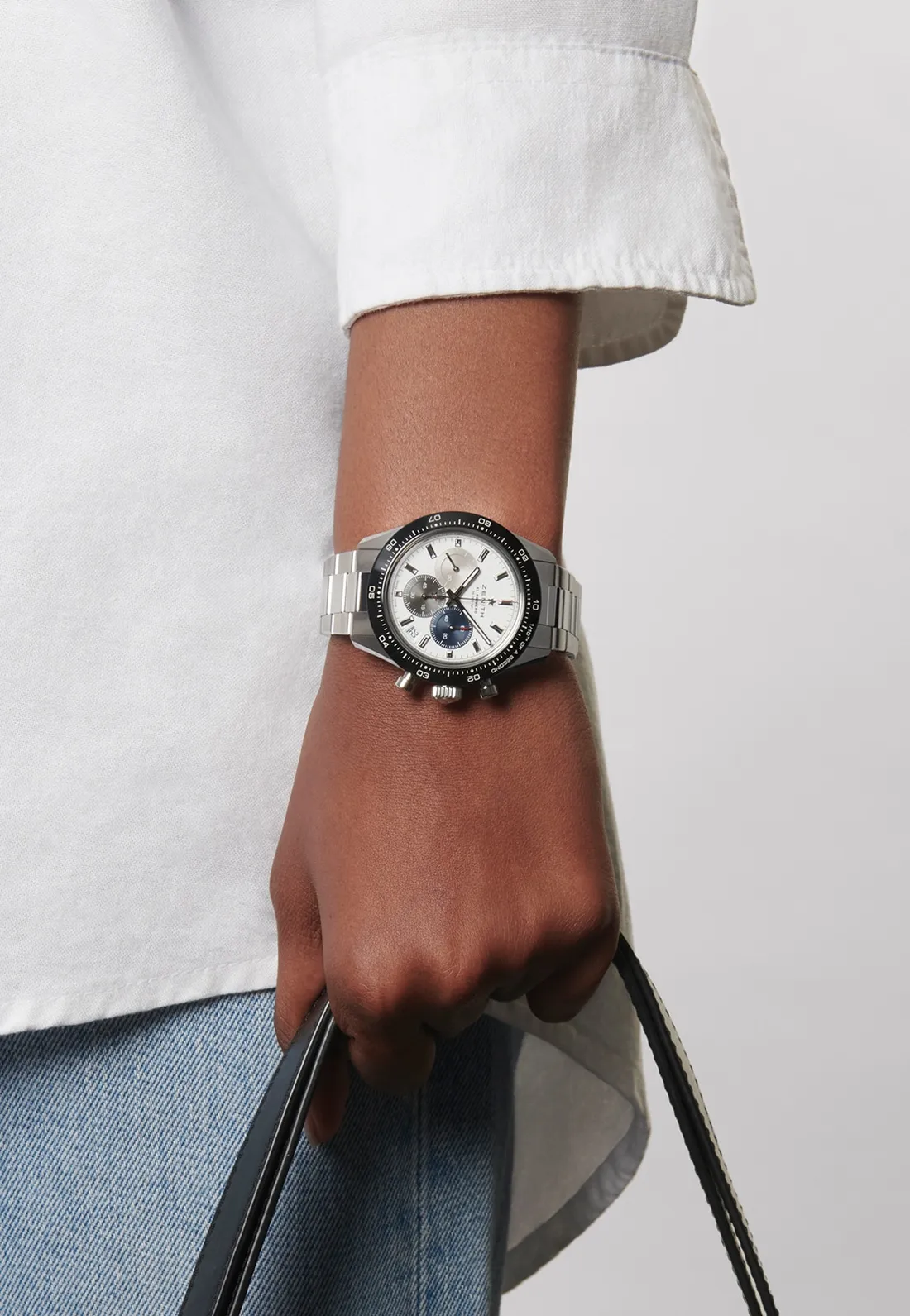
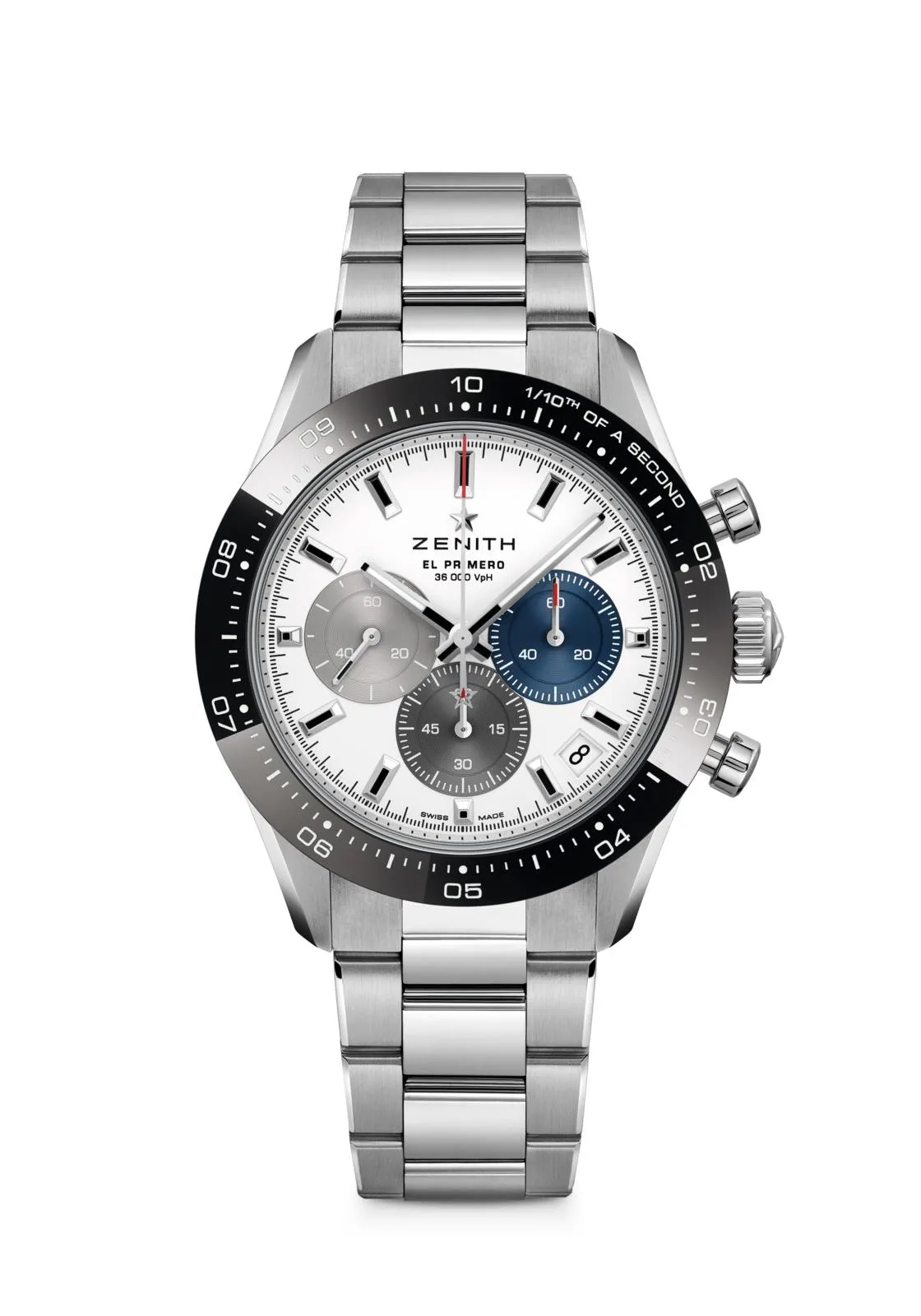
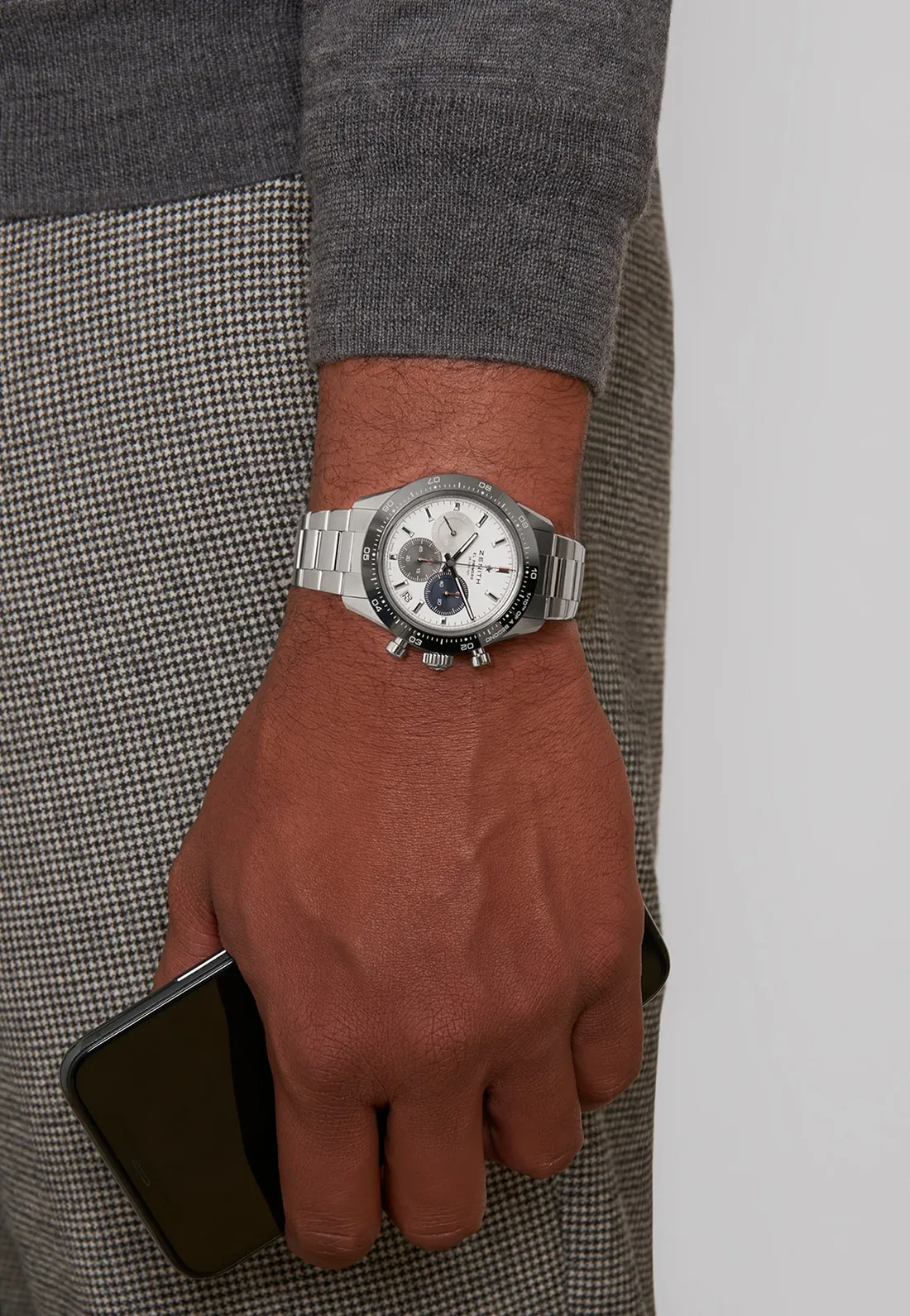
Lea's eye was caught not by her own wrist but by the watch on Henri's: a 41-millimetre steel chronograph, a black ceramic bezel and, on its dial, three small counters overlapping one another. "This," said Henri, smiling, "is the Zenith Chronomaster Sport. And the heart beating inside it is called the El Primero. Today I will tell you its story."
El Primero: 'The First'
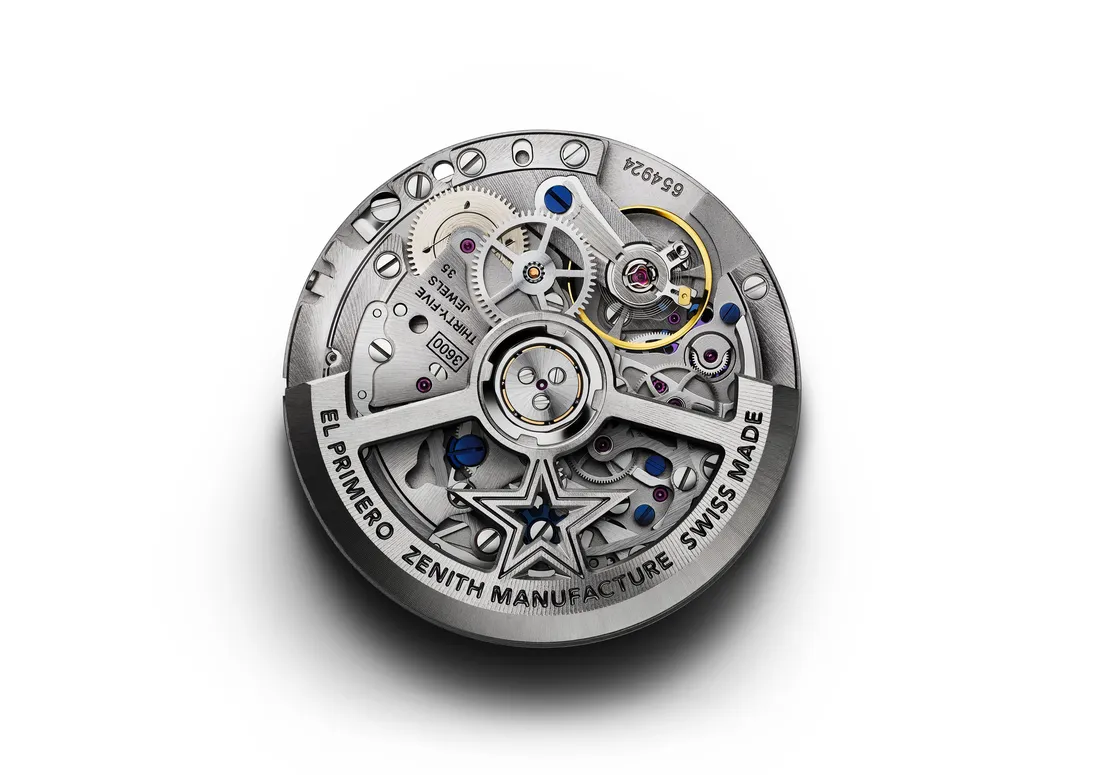
"El Primero means 'the first' in Esperanto," said Henri. "And it earns the name. When it was born in 1969, it was the world's first self-winding, single-piece, high-frequency chronograph movement. Until then no automatic chronograph had beaten this fast."
"How fast?" asked Lea. Henri turned the watch over; behind the transparent glass, the movement was visible, turning with its star-shaped rotor at the centre. "Thirty-six thousand vibrations an hour; that is, it breathes ten times a second. We call this five hertz. An ordinary watch beats four or six times a second; the El Primero, ten. And this speed has a magical consequence: this watch can measure time down to a tenth of a second."
"Look at the chronograph hand," he went on. "When you press the button, that slender hand turns around the dial so fast that it completes a full lap in only ten seconds. Those little numbers on the bezel are there for exactly this: when the hand stops, you read at which tenth of a second it stopped. To cut time into slices this fine was a miracle sixty years ago; it still is today."
format_quote"To cut time into a tenth of a second was a miracle sixty years ago; it still is today."
Henri
The Secret in the Attic
Henri laid his hand on the dusty door. "But this heart was to die almost as if it had never been born," he said. "In the 1970s came quartz watches; cheap, battery-powered, running perfectly every day. The whole world thought mechanical watches were dead. In those years the American company that owned Zenith decided to halt mechanical production for lack of profit, and, more cruelly still, ordered that all the presses, tools and plans that made the El Primero be scrapped and destroyed."
"But here, under this roof, worked a craftsman named Charles Vermot," said Henri, his voice softening. "He did not bow to that order. At night, in secret, he gathered one by one the hundreds of tools, dies and technical drawings needed to make the El Primero; he carried them to this room and hid them behind a wall he built brick by brick. Without telling a soul, he waited for years."
"And he was proved right," he concluded. "When, in the 1980s, people began once more to seek the soul of the mechanical watch, Zenith found itself with nothing in hand; it would have had to start from zero. Then Vermot tore down that wall and brought out the treasure he had hidden. The El Primero returned not from the ashes, but from an attic. Had that day never come, this watch on my wrist would never have existed."
format_quote"The El Primero returned not from the ashes, but from an attic."
Henri
The Language of the Dial
Lea took the watch in her hand and looked closely at the three small counters on the dial. "Why are these three rings in different colours?" she asked. "That is the El Primero's signature," said Henri. "The three counters overlap slightly, and each is a different shade of grey: light grey, anthracite and blue. Even though they overlap, each is read with ease. A racer, dealing with fractions of a second, must be able to glance at the dial and see everything in an instant; this design was conceived for exactly that."
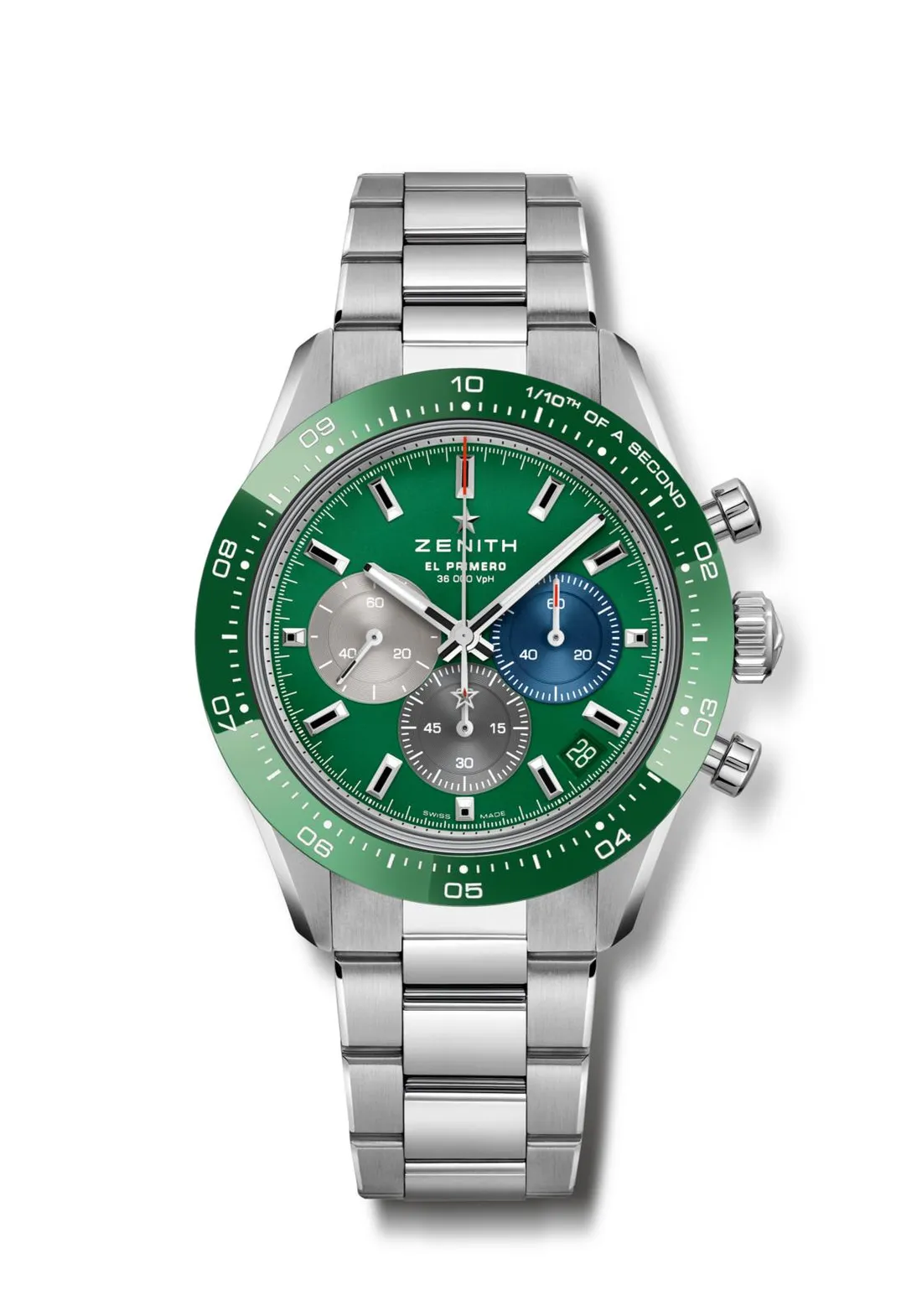
"The bezel too is ceramic," he added. "On it is written not a speed scale but the tenths of a second, from one to ten. The case is 41 millimetres, neither too large nor too small; it suits both the cuff of a suit and a racetrack. And this watch no longer comes in a single colour: it arrives with white, black, navy, even bright green dials. But whichever you choose, the legendary heart inside is the same."
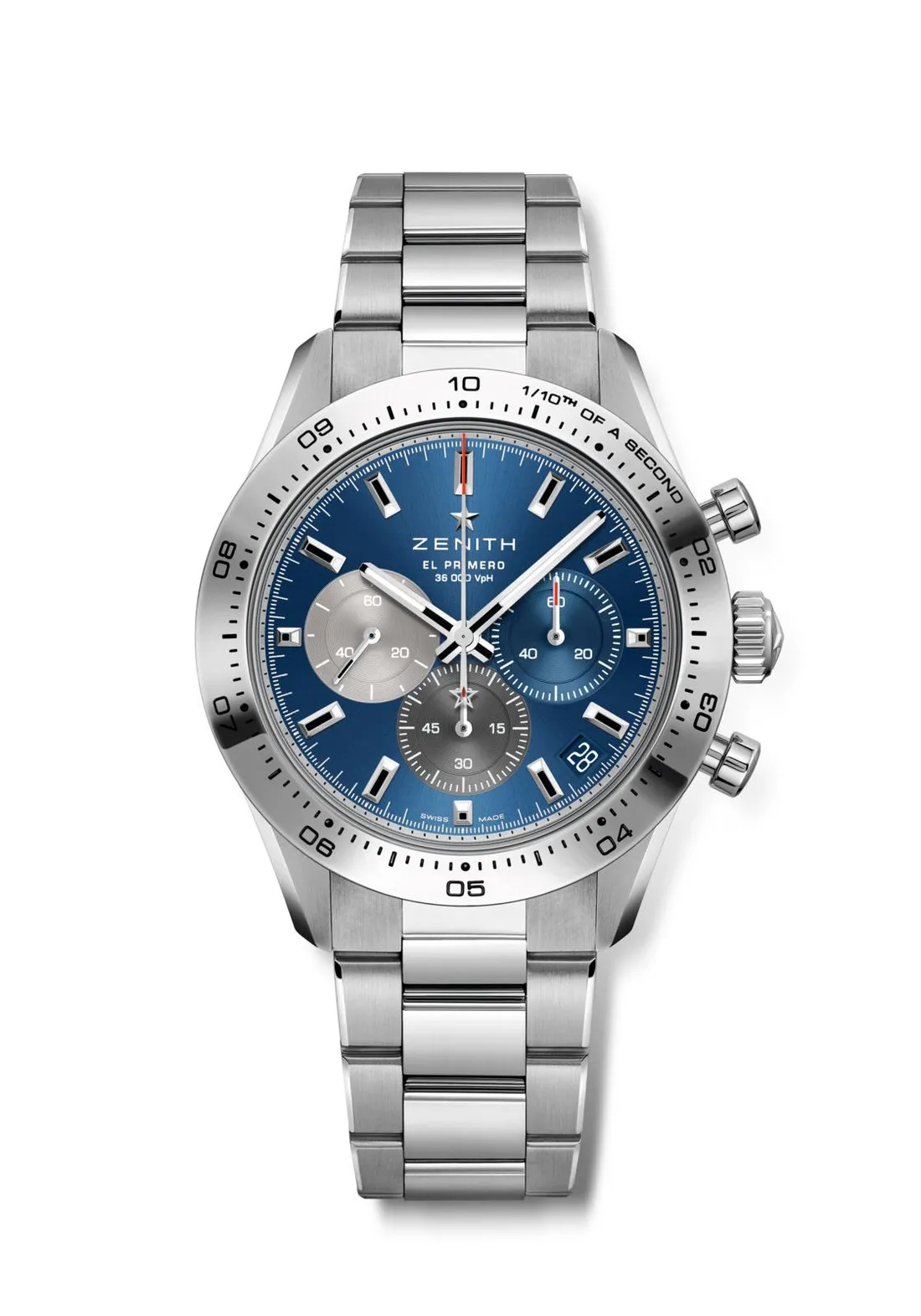
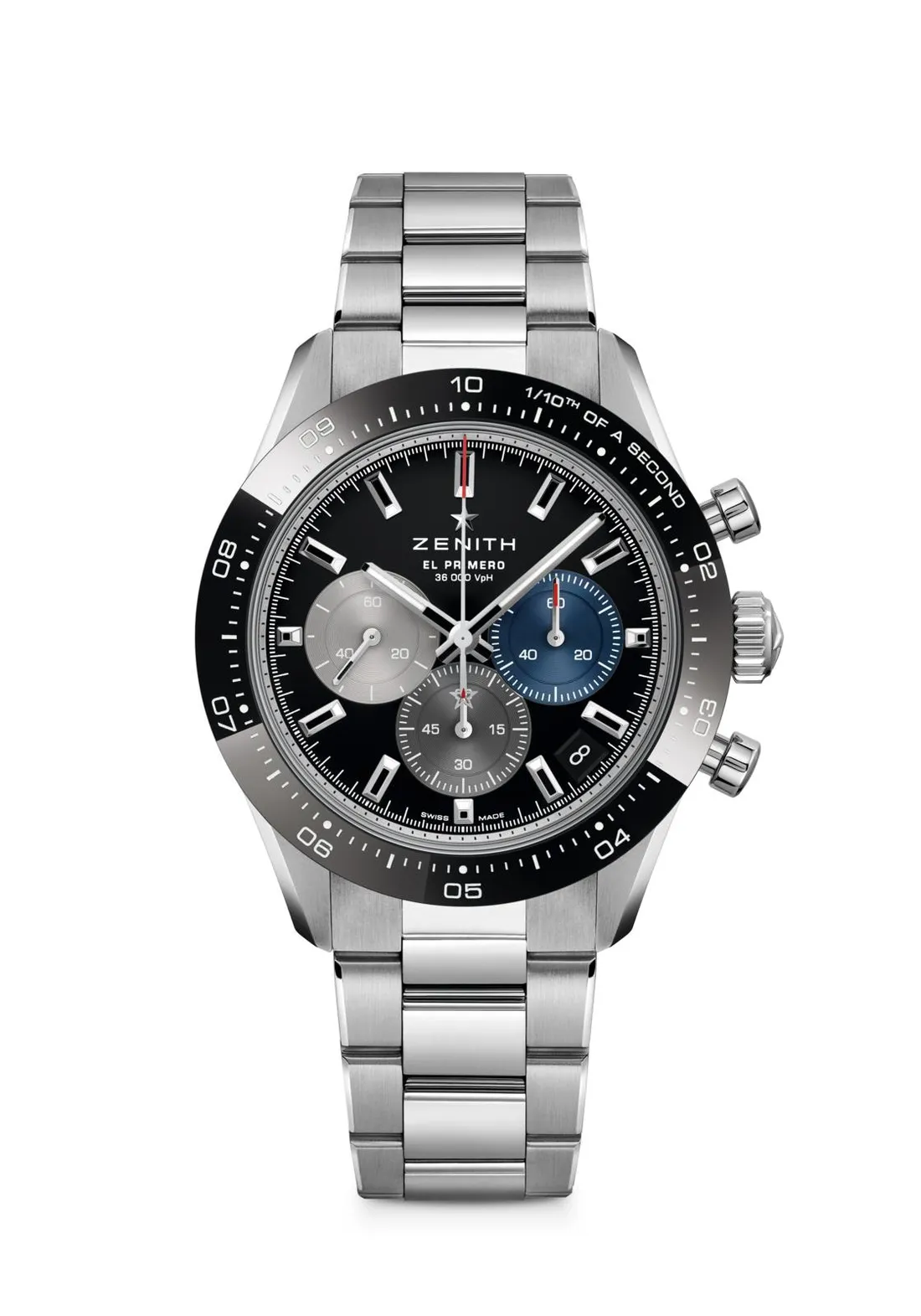
format_quote"A racer must be able to glance at the dial and see everything in an instant; that is what this design is for."
Henri
The Same Heart, New Colours
"Zenith freshens this icon a little more each year," said Henri, pointing to another model with a green dial. "Some in steel, some in gold, some with a skeleton dial laying the movement bare. But what they all share is this: they are all children of the movement that survived in that attic. The true value of a watch is not in how new it looks, but in how fiercely owned a story it carries behind it."
Lea fastened the watch to her wrist and pressed the chronograph button. The slender hand glided around the dial, completing a full lap every ten seconds; as though time were flowing like a visible river. "Incredible," she said. "There is a whole history on my wrist."
A Debt to a Master
Henri looked one last time at the dusty room. "When I retire," he said, "the machines that make these watches will keep running. But what must not be forgotten is not the machines; it is the courage of a craftsman to do the right thing when no one is watching. Charles Vermot hid behind a wall not merely tools; he hid the future of an entire craft."
As the sun set outside, Lea looked at the watch on her wrist: a white dial, three colour counters, and that slender seconds hand advancing without pause. For a moment she felt that, with every lap of that hand, the silent stubbornness of a master sixty years ago was still beating.
"Some watches show the time," said Henri as he closed the door. "Others carry a promise made against time. The El Primero is one of those promises."