In the middle of the Sahara, in a freezing silence where the night temperature suddenly falls towards zero. The Milky Way ran across the sky like a river, and the crackle of the campfire threw the shadows of two men onto the dunes.
One of them had given his life to desert ecosystems and extreme physiology, a biologist; the other had given his to studying how wheels the size of a micron turn energy into time, a horologist.
Just beyond the fire stood the silhouette of a single-humped camel, settled on the sand and chewing its cud.
The Enzyme Architecture of Life and the Biology of the Camel
The biologist threw a branch onto the fire.
"People think that camel carries water in its humps. What a mistake. Those humps are not water, they are a store of pure fat weighing around thirty-five kilos. When food runs out in the middle of the desert, the camel metabolises that fat and turns it both into energy and, by joining hydrogen with oxygen, into metabolic water."
The horologist took his loupe out of his pocket and set it into his eye. "So it carries a biological reserve of power hidden inside its own body."
"Exactly. But the miracle is not only there. Look, at night the air is freezing and by day it reaches fifty degrees. The camel lets its body temperature move flexibly between thirty-four and forty-one; it does not lose water by sweating, it traps the heat inside itself. Even its red blood cells are oval. When the blood thickens during dehydration, those oval cells still pass through the capillaries without blocking them. And when it finally finds water, those same cells can swell to two hundred and forty per cent of their own volume without bursting."
"And nobody ever makes this distinction," the biologist added. "The animal you are looking at has one hump; it is a dromedary. The two-humped one is the Bactrian, and it does not live here but on the cold steppes of Central Asia. Every camel you see in the Sahara, in Arabia, in Sinai has a single hump. The number of humps is not decoration, it is an address."
The horologist looked up. "And where does an adaptation on that scale sit in the food chain of the desert?"
"It is an ecosystem engineer. It is a herbivore, a primary consumer. It eats thorned acacias no other animal will touch, and halophyte plants loaded with salt. Its hard digestive system grinds those plants down and spreads their seeds for kilometres, keeping the desert flora alive. And when it dies, its carcass feeds an entire trophic pyramid for weeks, from desert hyenas to vultures, from insects to bacteria. It is the main axis of the desert’s energy cycle."
The Architecture of Sand and the Coldness of Platinum
The horologist took the watch off his wrist and held it up to the lamp.
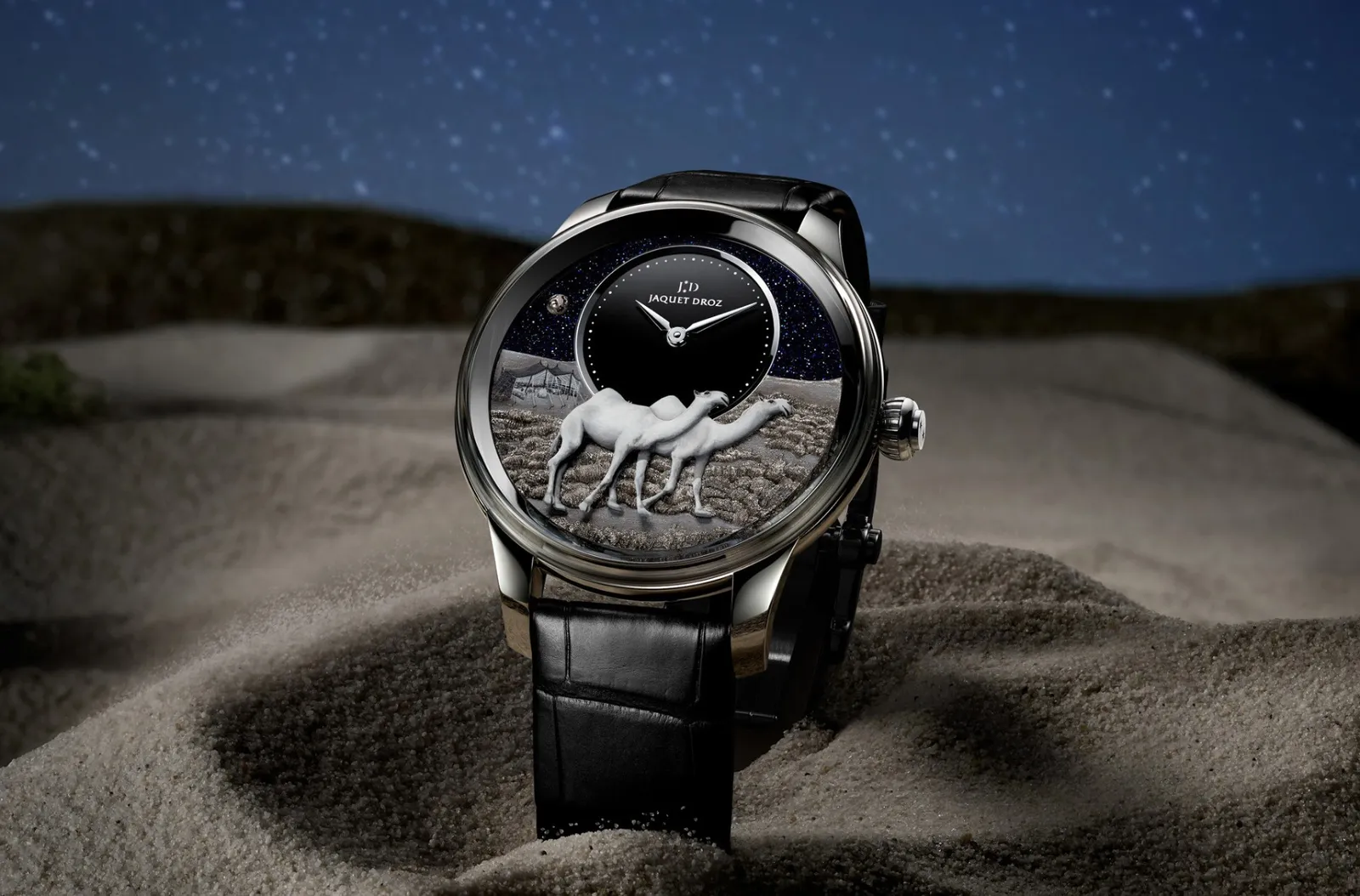
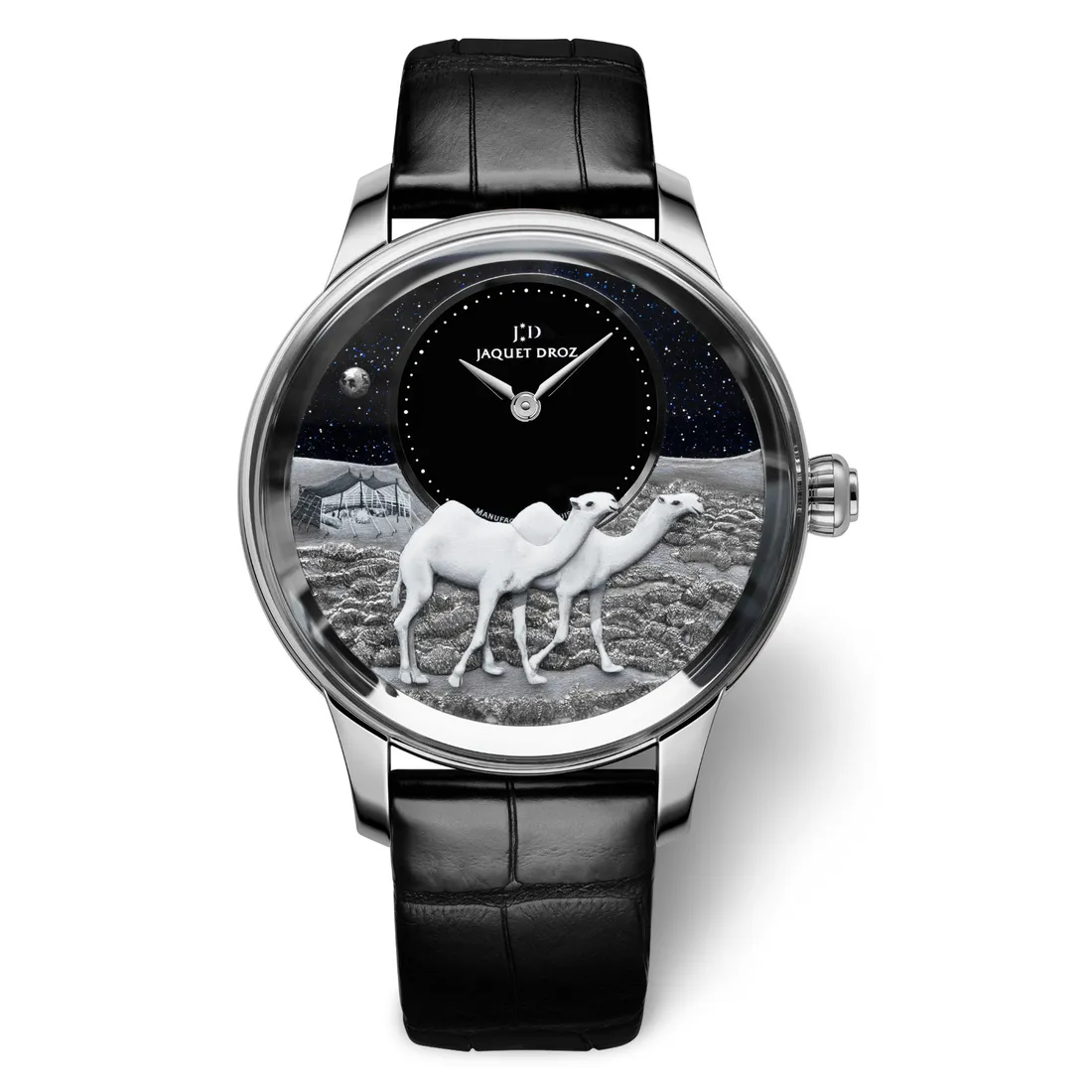
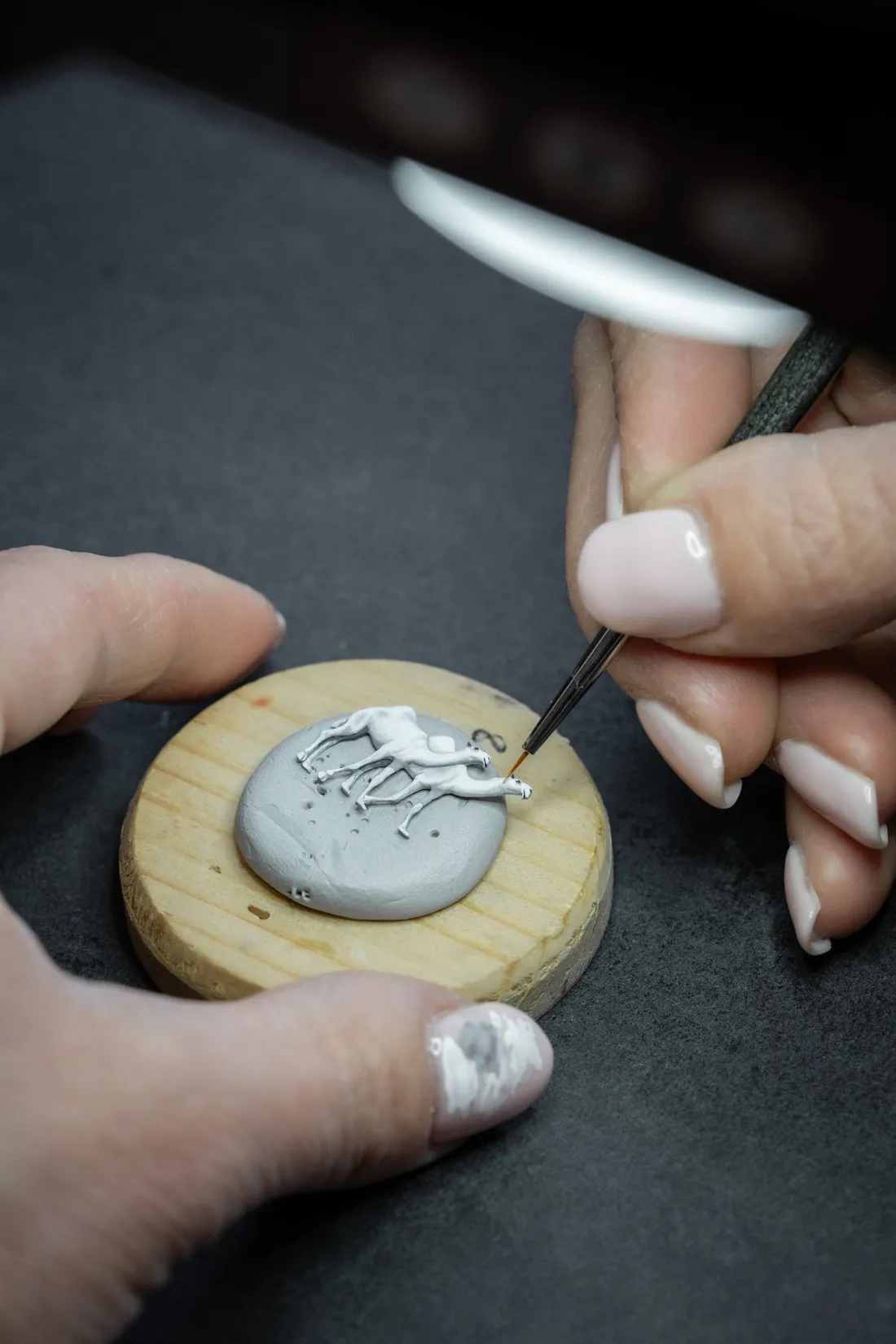
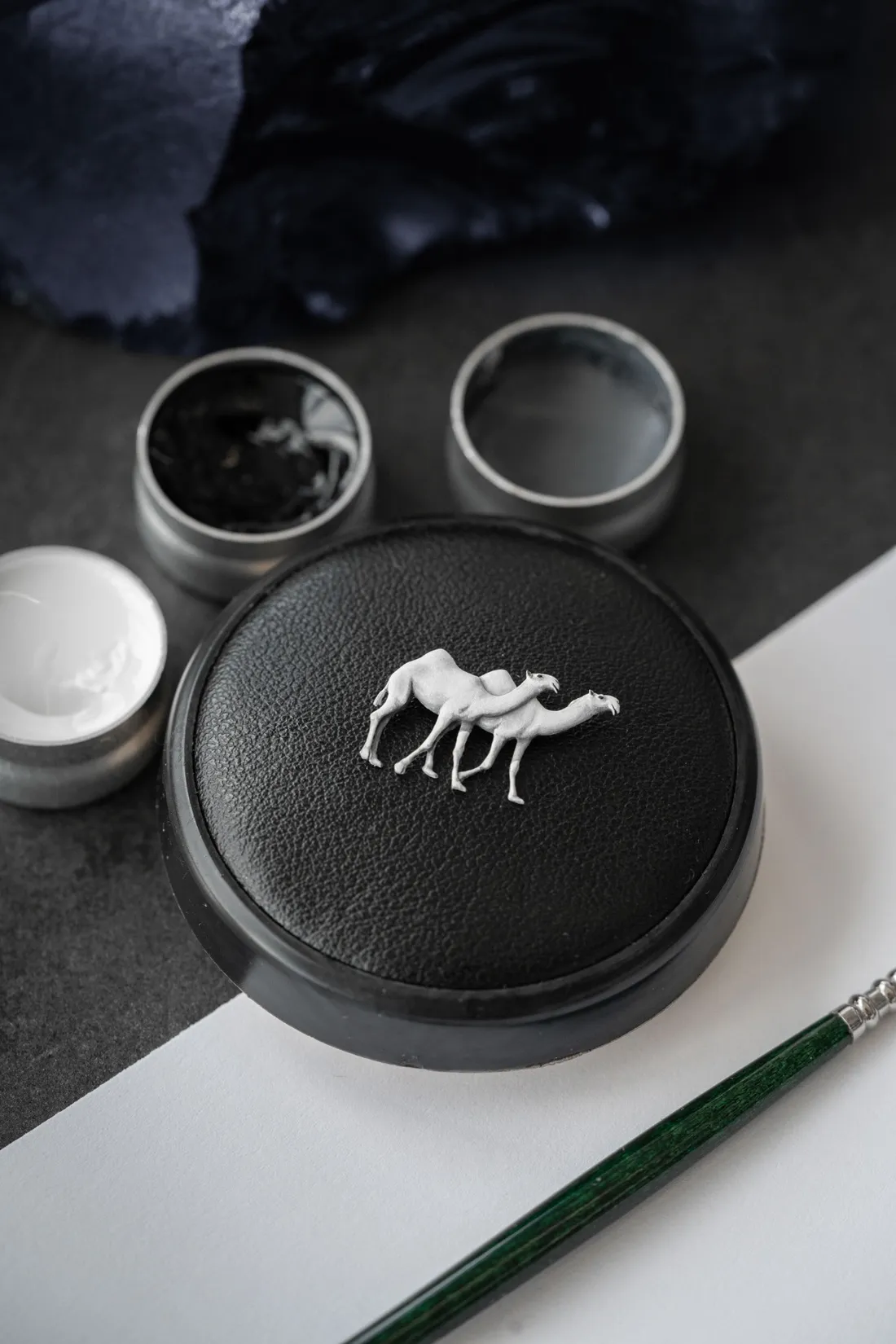
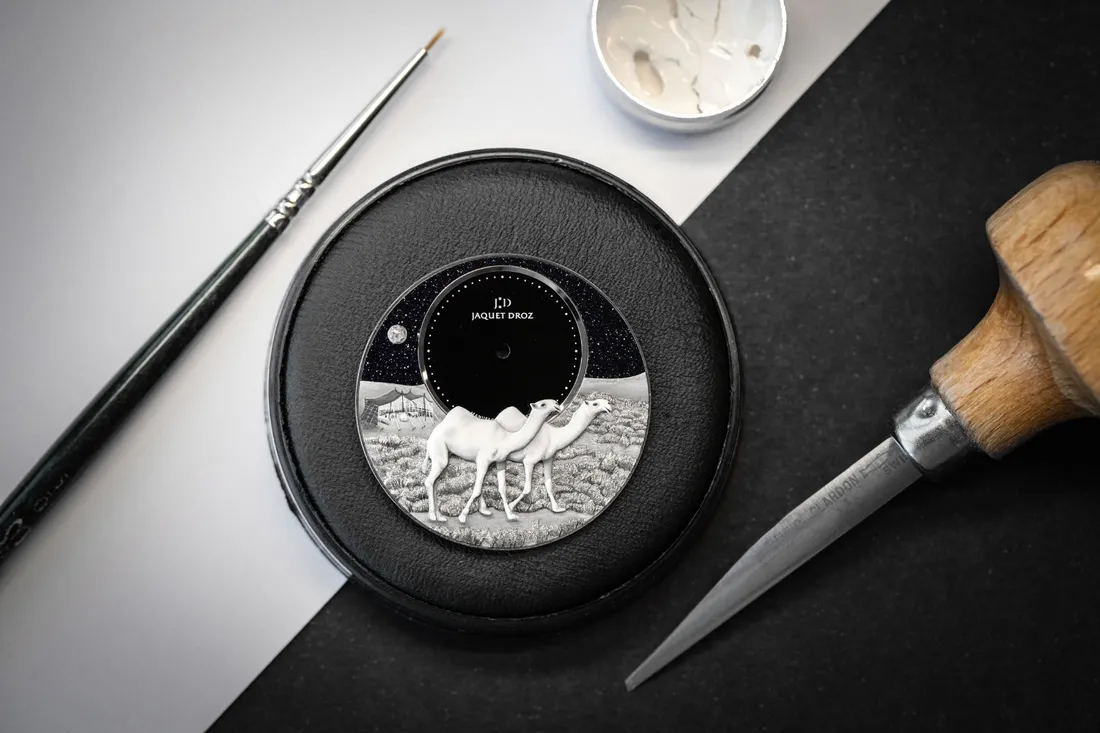
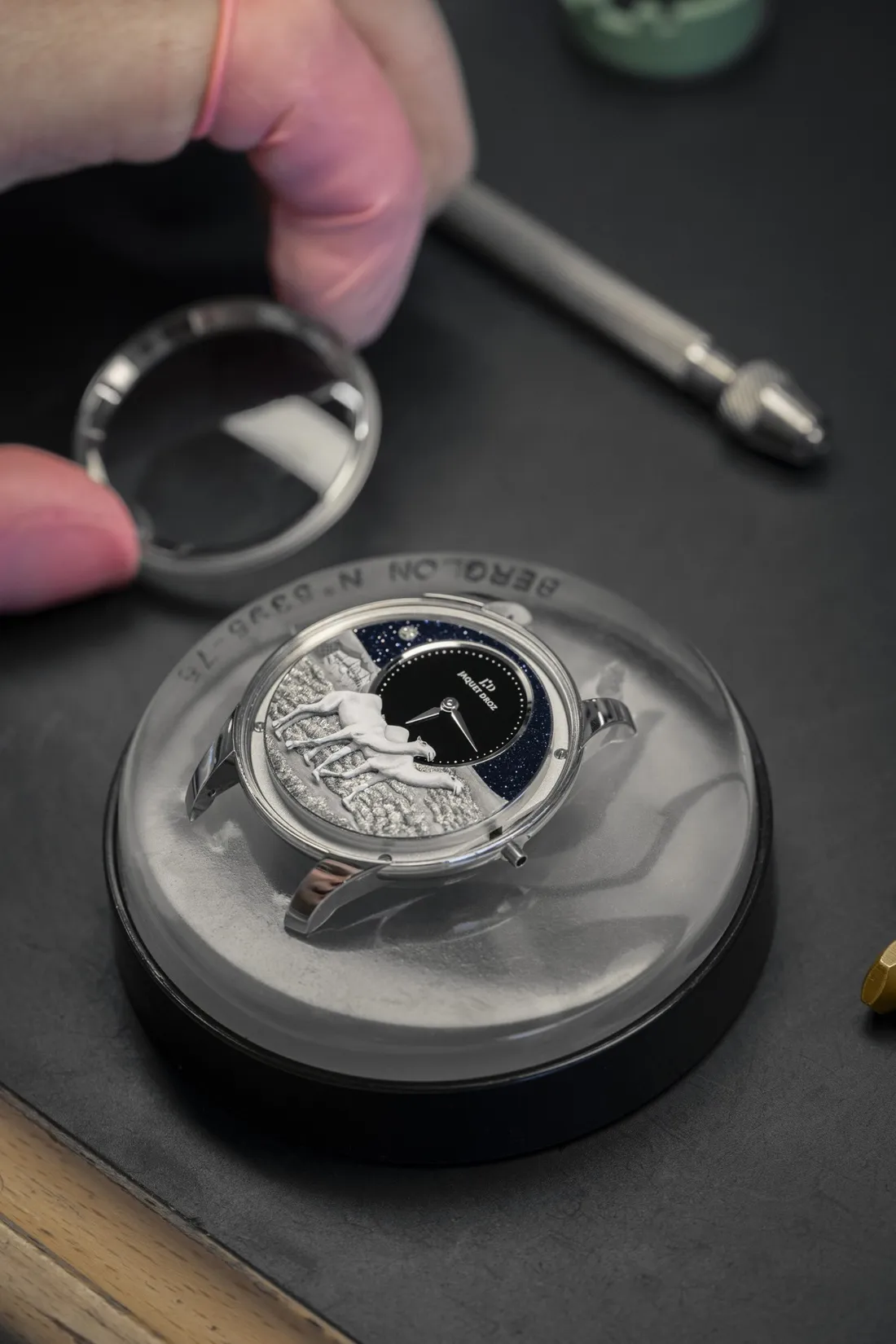
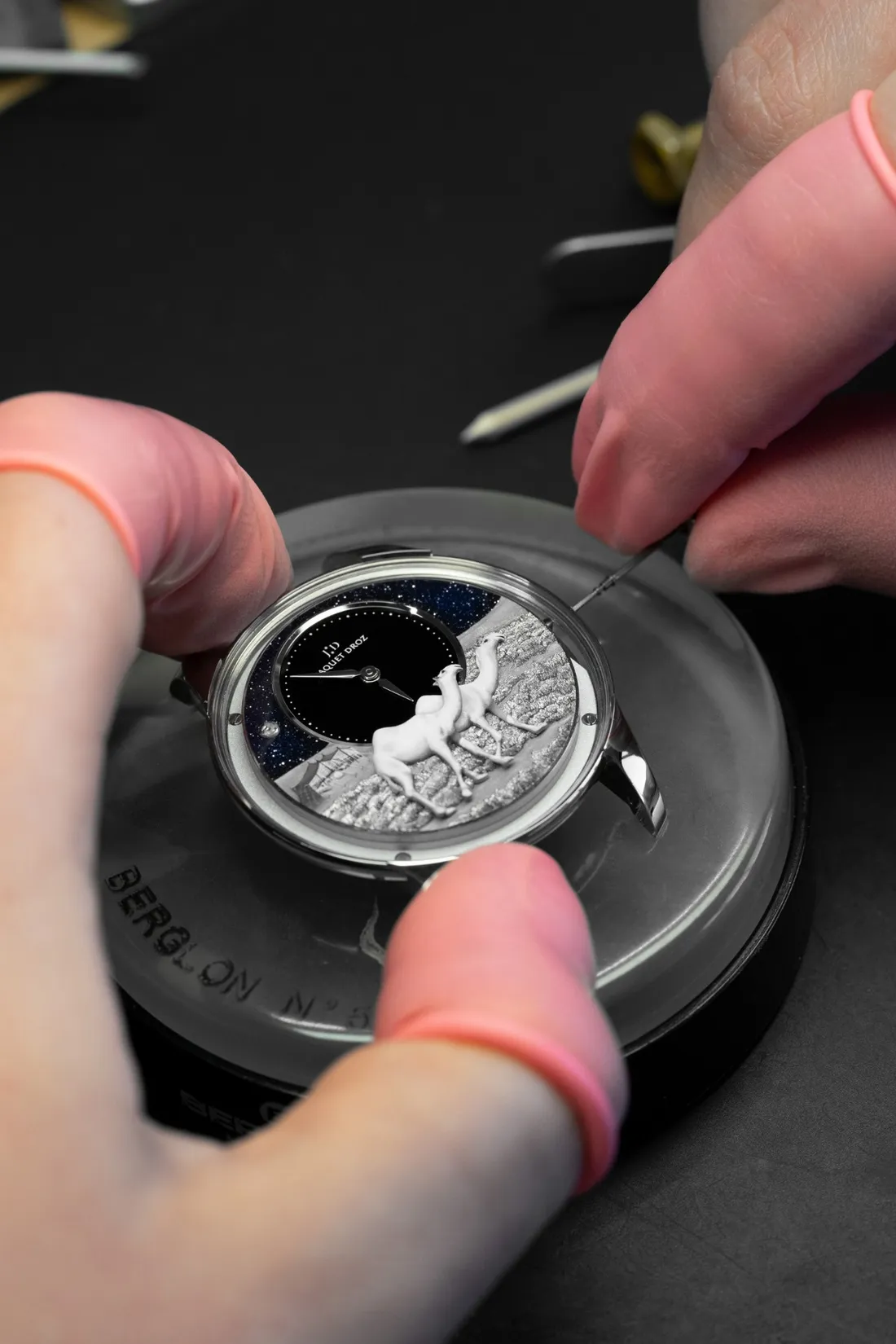
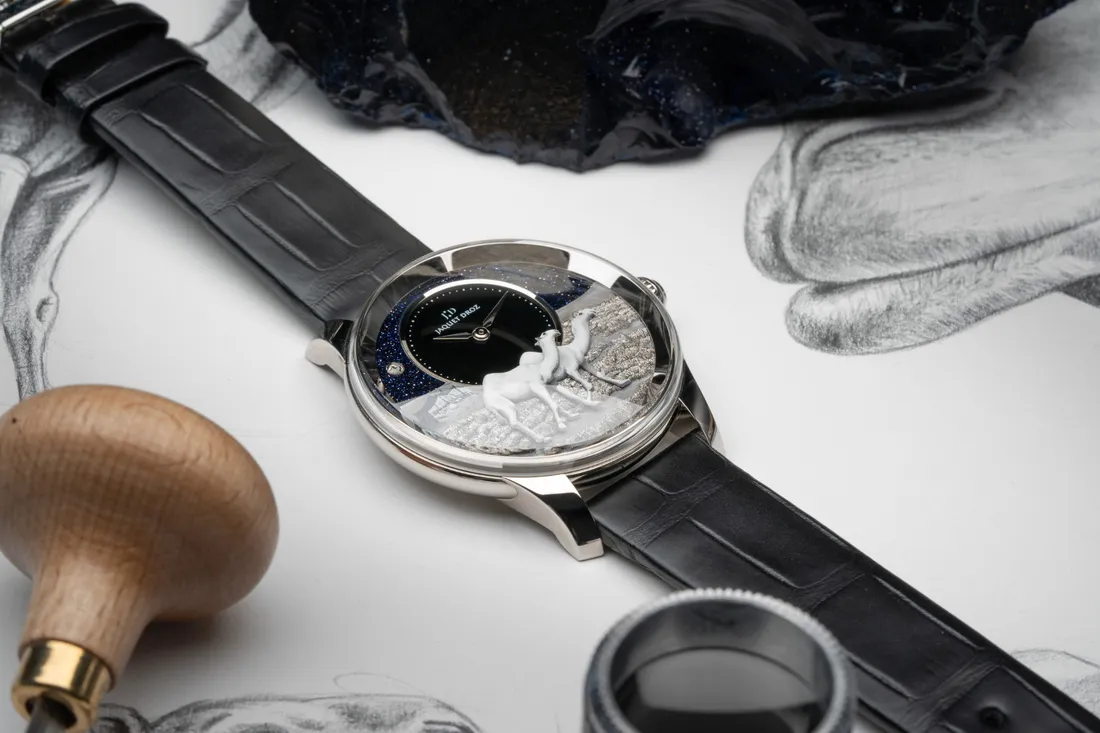
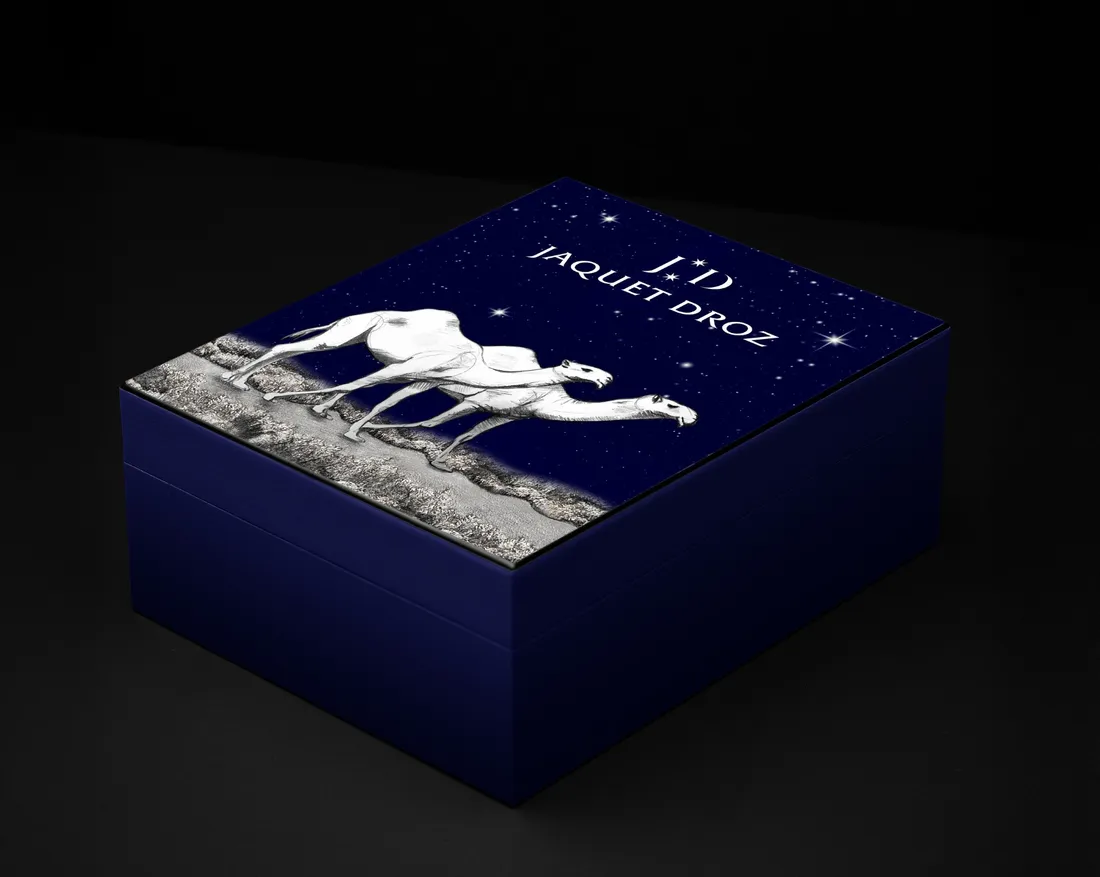
"While you describe an algorithm nature has been writing for millions of years, I am looking at how a human being froze that algorithm into metal. This one is called the Petite Heure Minute Platine, and its nickname is Camels. It was made as a single piece; not a series, a commission. Its owner is a collector from the Arab world, and the two animals on the dial are not imaginary: they are two white dromedaries he knows, animals that compete in beauty contests."
The biologist leaned in. "Those two camel figures at the bottom of the dial. Are they cast?"
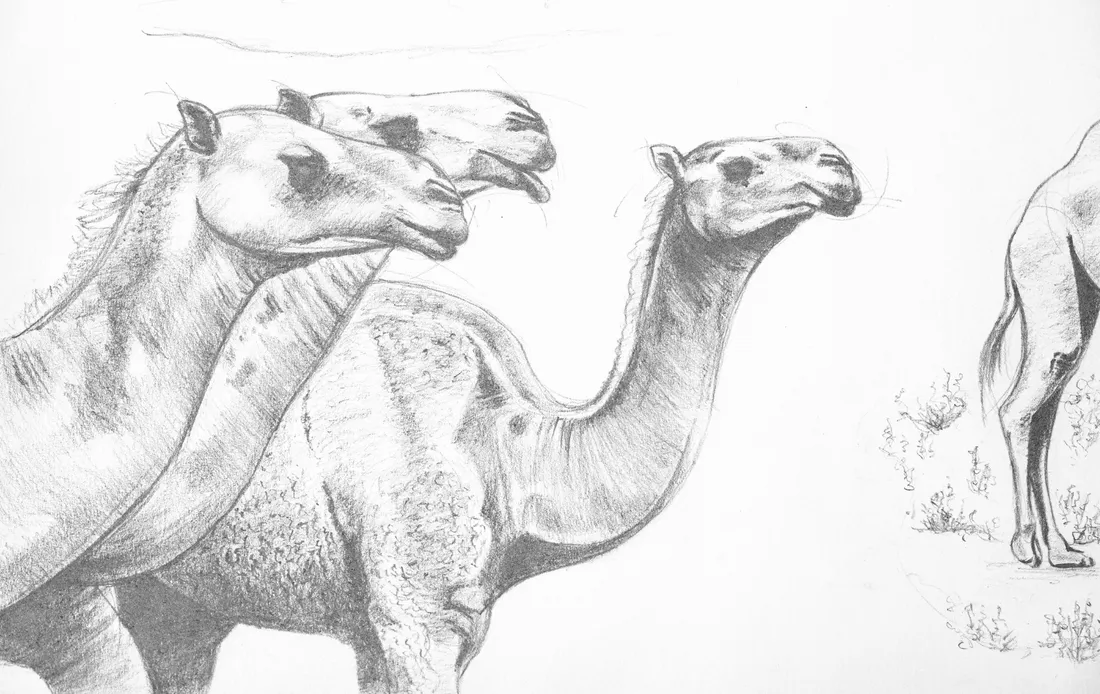
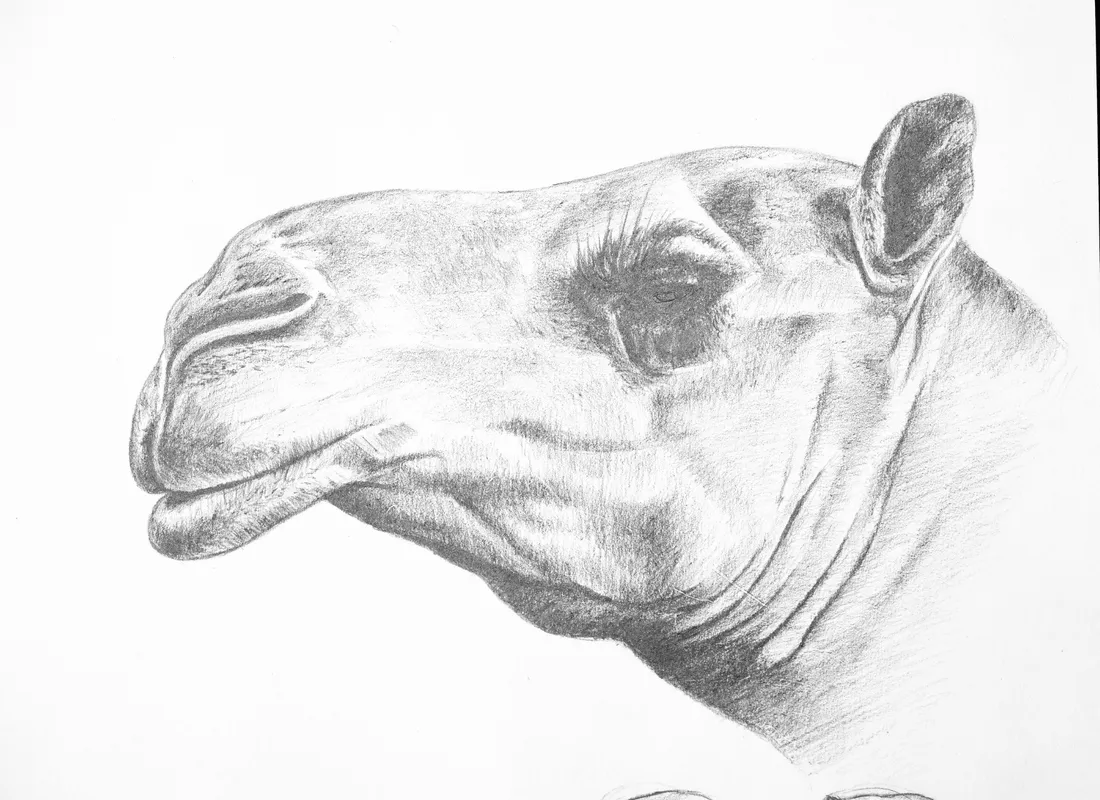
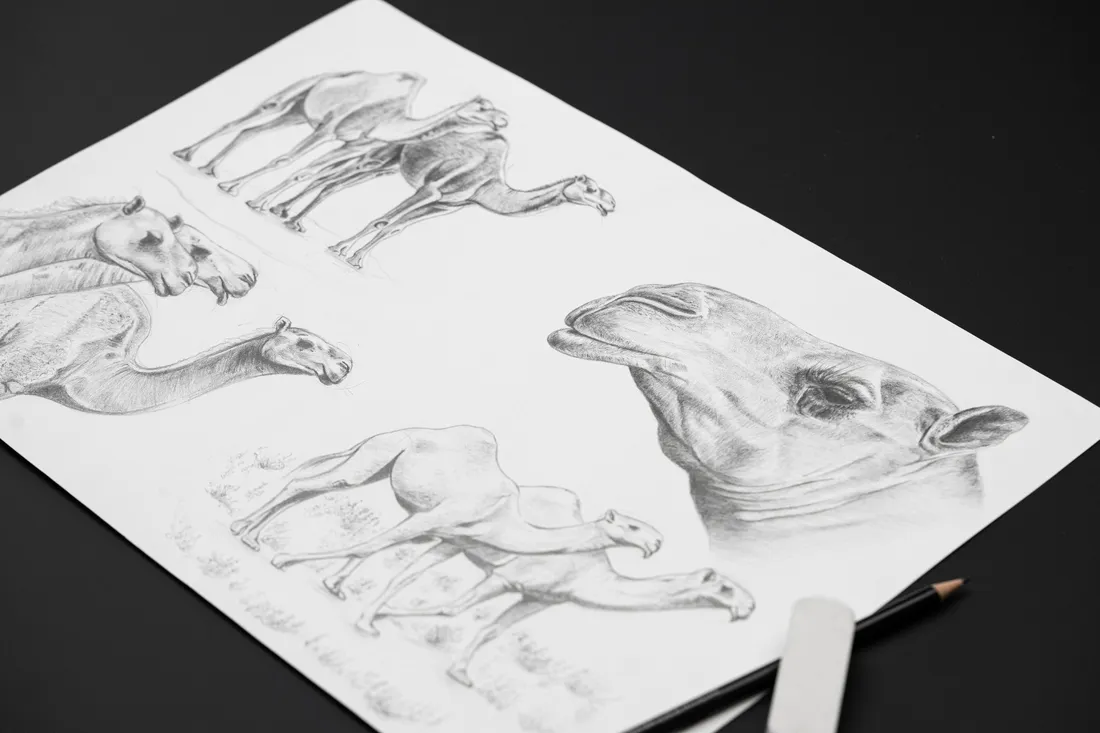
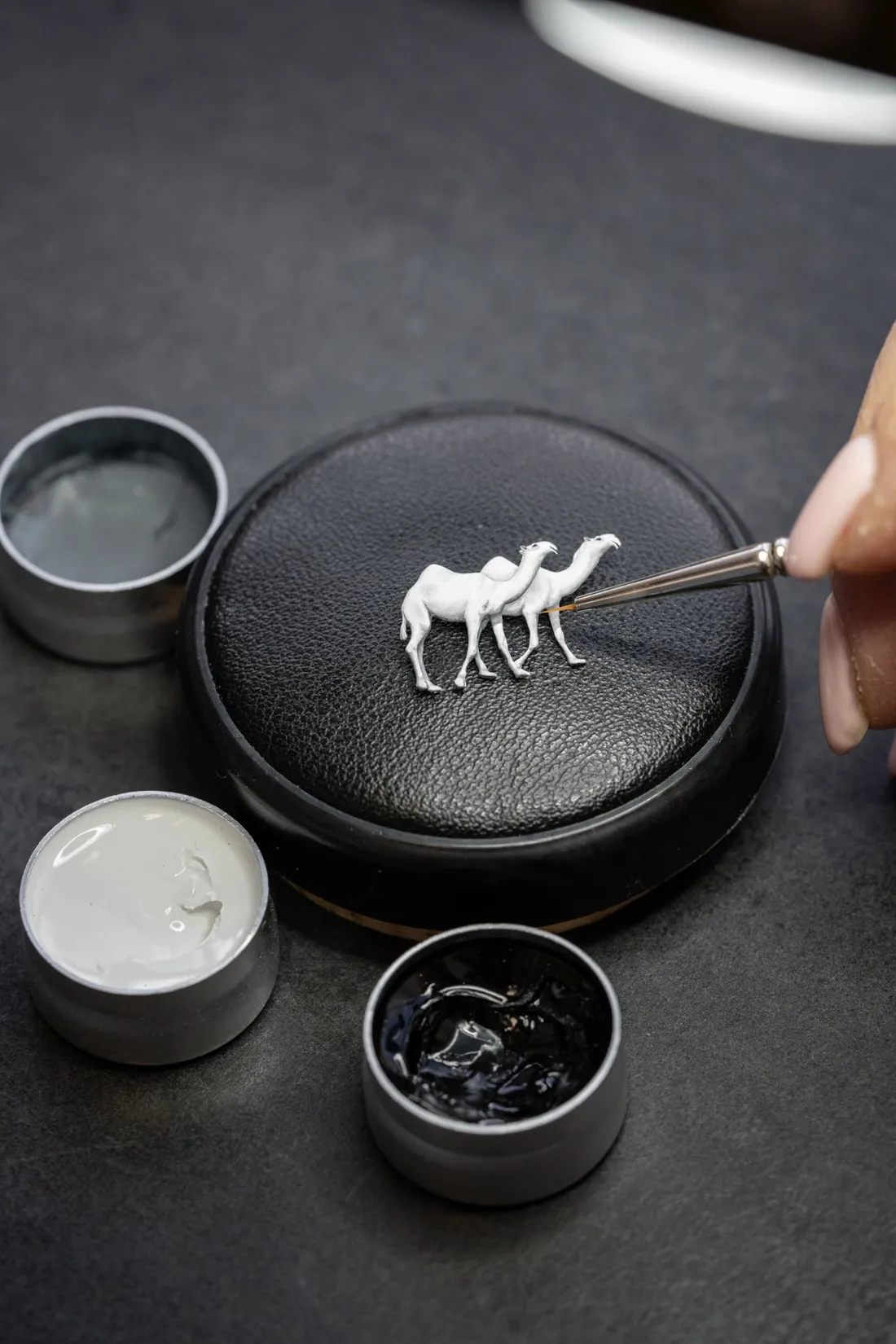
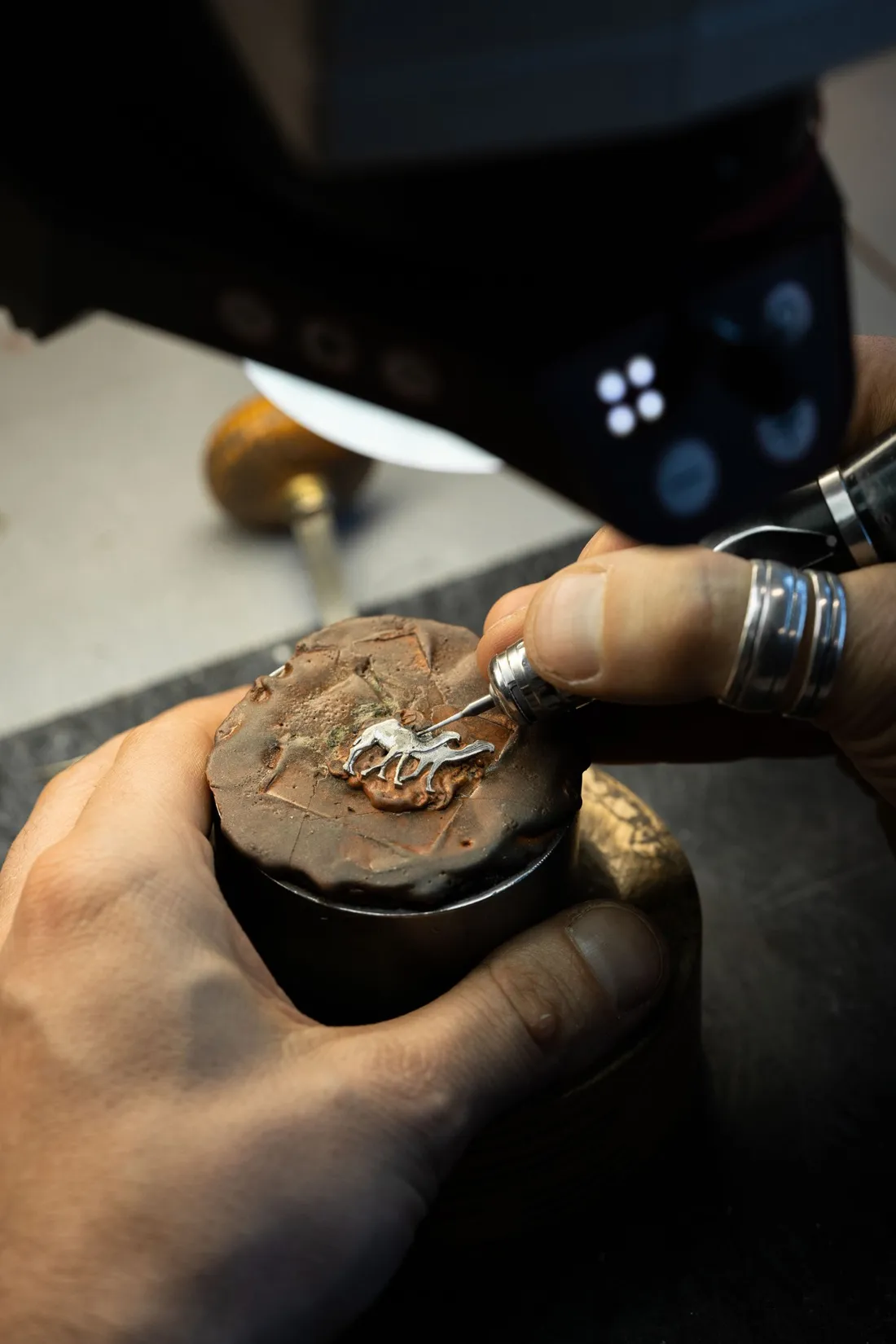
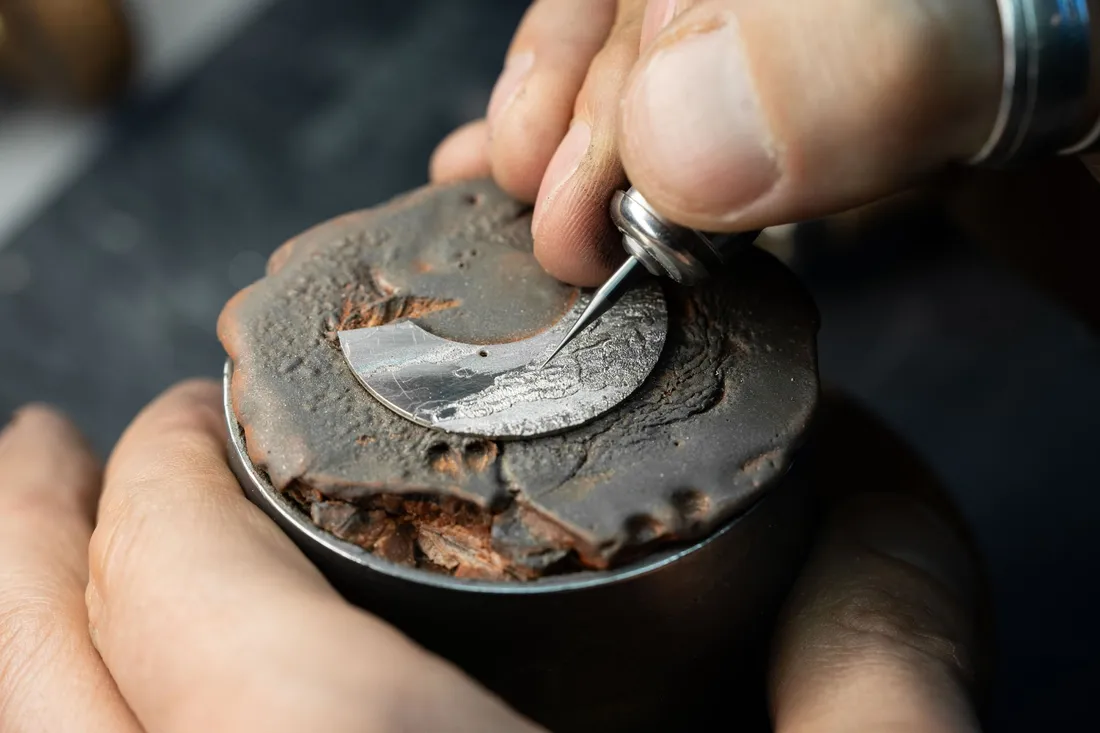
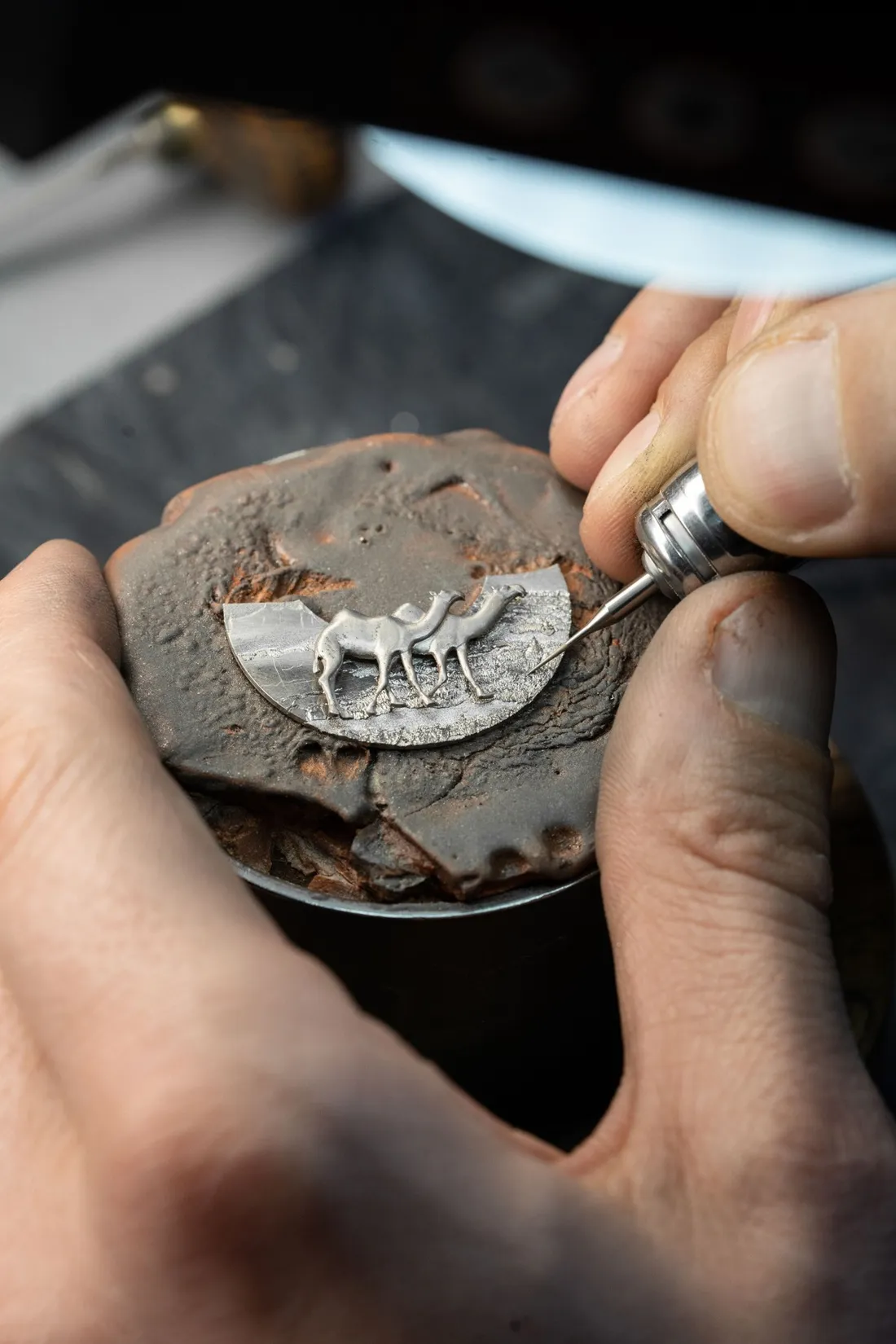
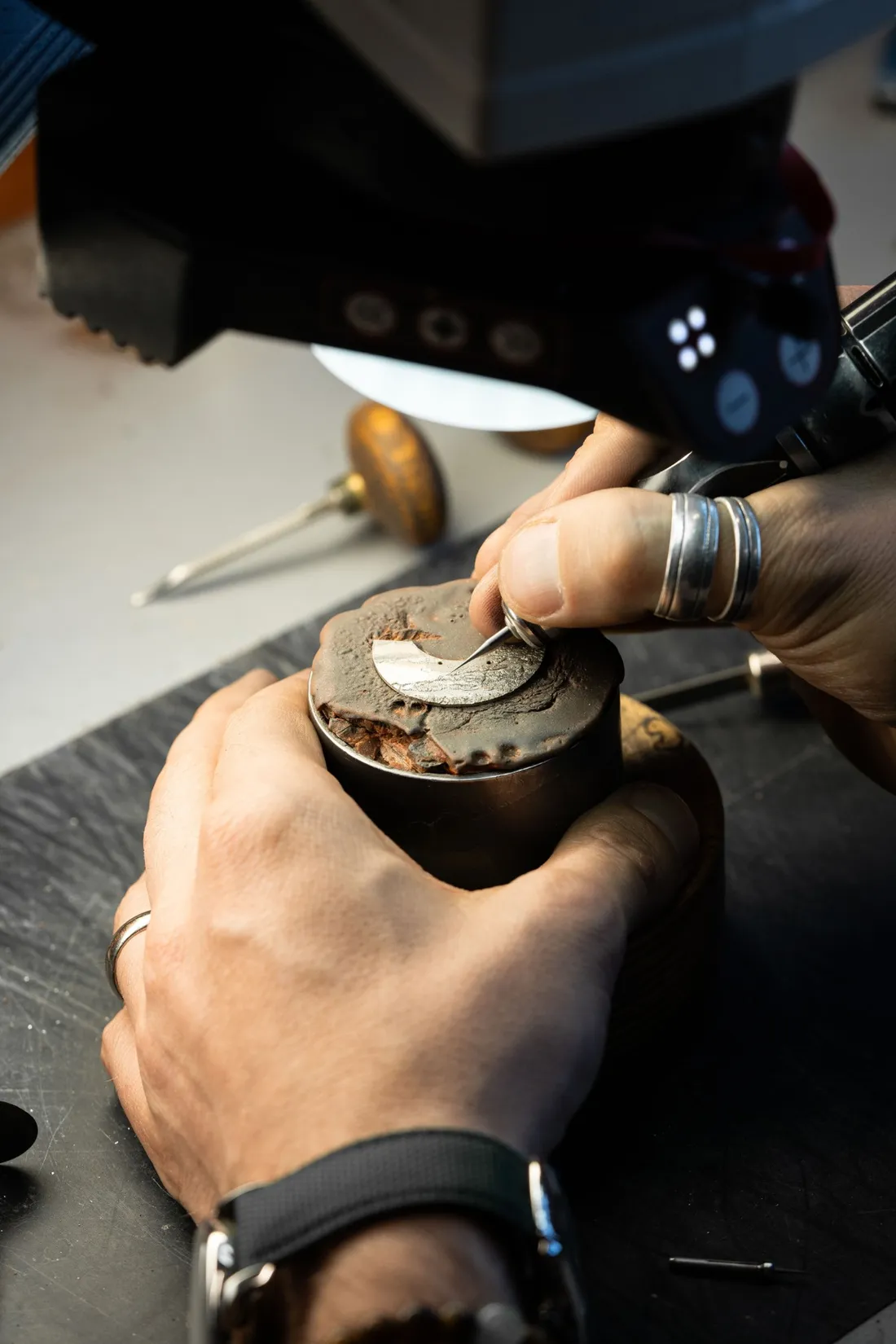
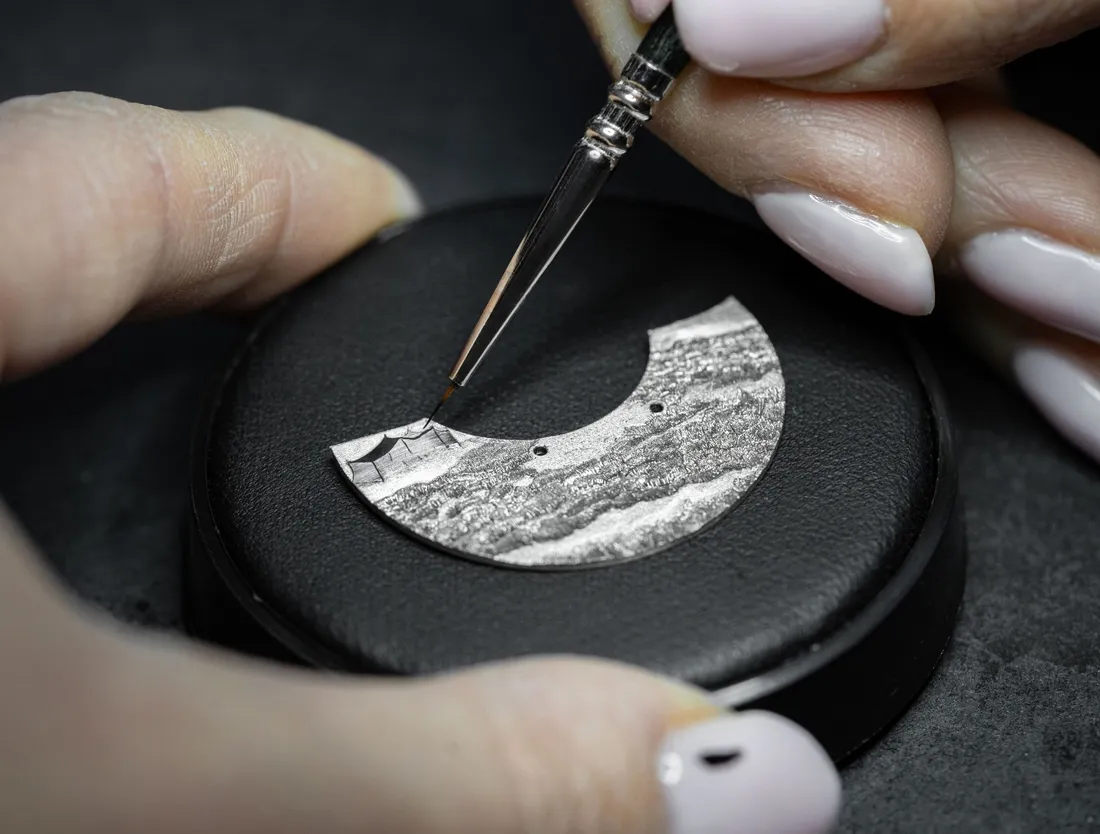
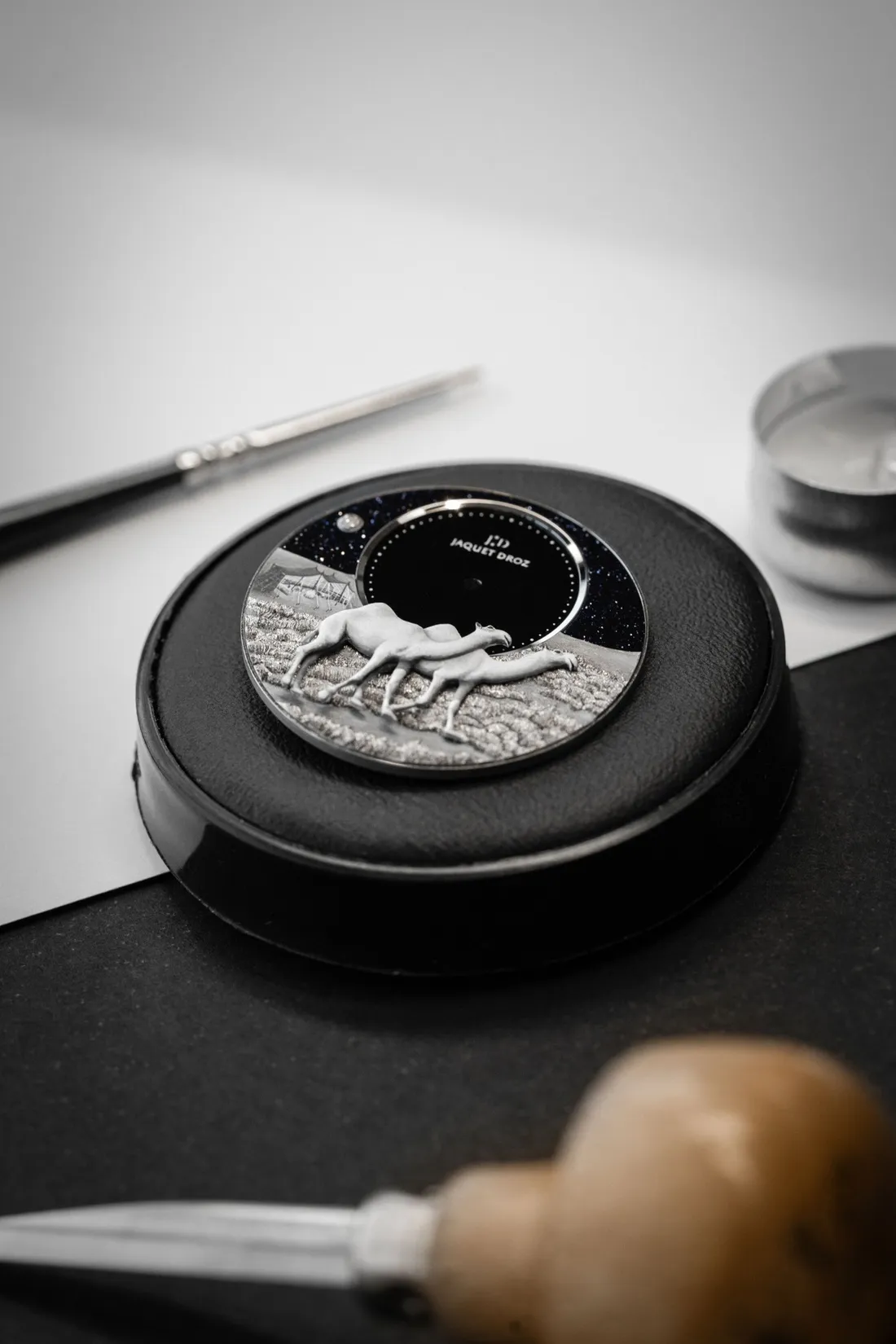
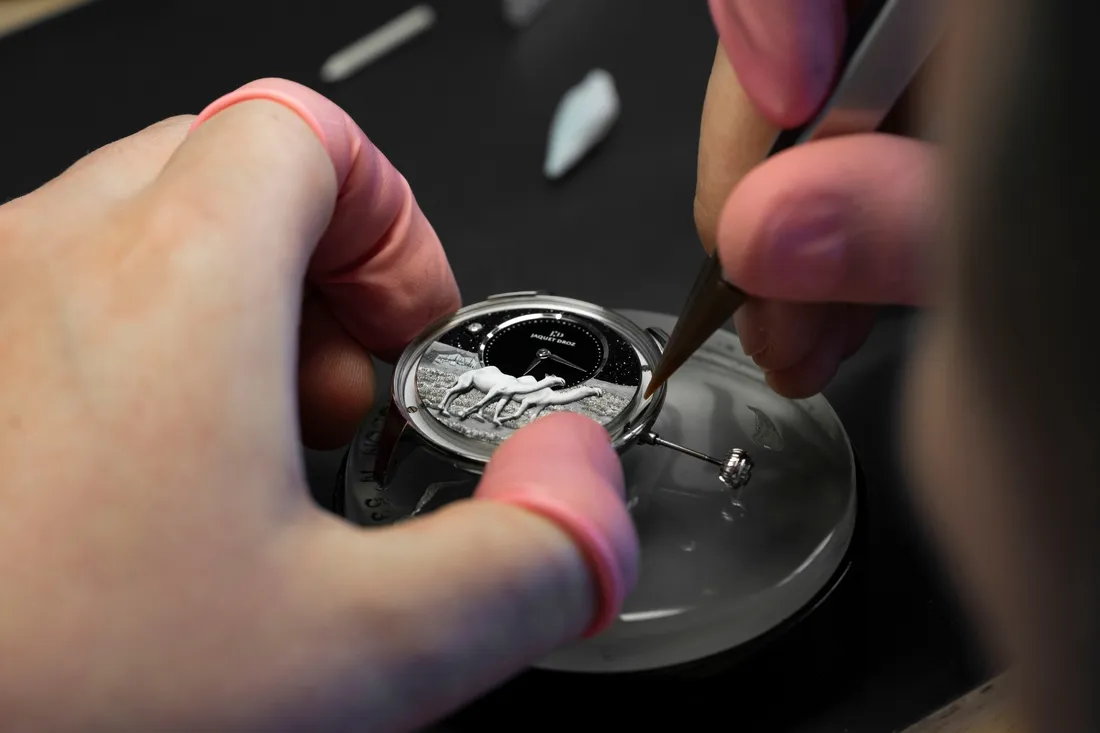
"Never. But they do not come from where you think either. It is the case that is platinum, forty-one millimetres of it. The camels are born out of the dial. The lower zone of the dial is a plate of white gold nought point eight five millimetres thick, and every bush on that plate was opened by hand with a graver. The camels are separate reliefs, worked apart and then set into place; dozens of sketches came first, the animals drawn in profile and full length, standing and walking, and only then were those lines carried into metal."
"And why platinum?"
"Because platinum is denser than gold, and when you scratch it, it does not lose material, it displaces it. A gold case grows thinner over the years; a platinum case does not thin, it only softens. On a unique piece that matters: the object is meant to weigh the same after its owner as before. But you do the graver work in white gold, not in platinum, because under a graver platinum behaves like rubber and will not hold fine detail."
"Look at the muscle fibres of the camel, at the rough texture of the hump. The artist has sealed into metal exactly the biological endurance you were describing a moment ago. And the bushes on that ground are not invented either; that is wild lavender, the kind that grows in certain parts of the Saudi Arabian desert."
The biologist laughed. "So the desert on your dial is not the Sahara."
"It is not. It is Arabia. Our fire may be burning in the wrong desert, but the animal is right."
Natural and Mechanical Parallels
"That small black area in the upper part of the dial caught my eye," said the biologist. "Why is the time squeezed up to twelve o’clock instead of sitting in the centre?"
"That is what is called the Petite Heure Minute architecture, the small hour and minute. By sliding the time display upwards, Jaquet Droz left most of the dial as a purely artistic canvas. Like the endless emptiness of the desert. The hands tell the time, but the eye slides downwards, into that three-dimensional microscopic scene."
"That black area is black onyx, a plate cut from a single stone. The deep blue sky around it is aventurine, which is glass with copper crystals trapped inside it. Those sparks are not paint, they are crystals catching the light. So the Milky Way standing over our heads right now has been rendered on the dial by the physics of the material itself. And there is a moon at the upper left."
The biologist bent closer and stopped. "There is a tent at eight o’clock."
"There is. And in front of it, benches, people and a burning campfire. The flames of that fire were painted with a brush of a single hair. I rather like the fact that the scene we are sitting in was already painted onto the dial on my wrist."
"And is there anything of this desert in the movement inside?"
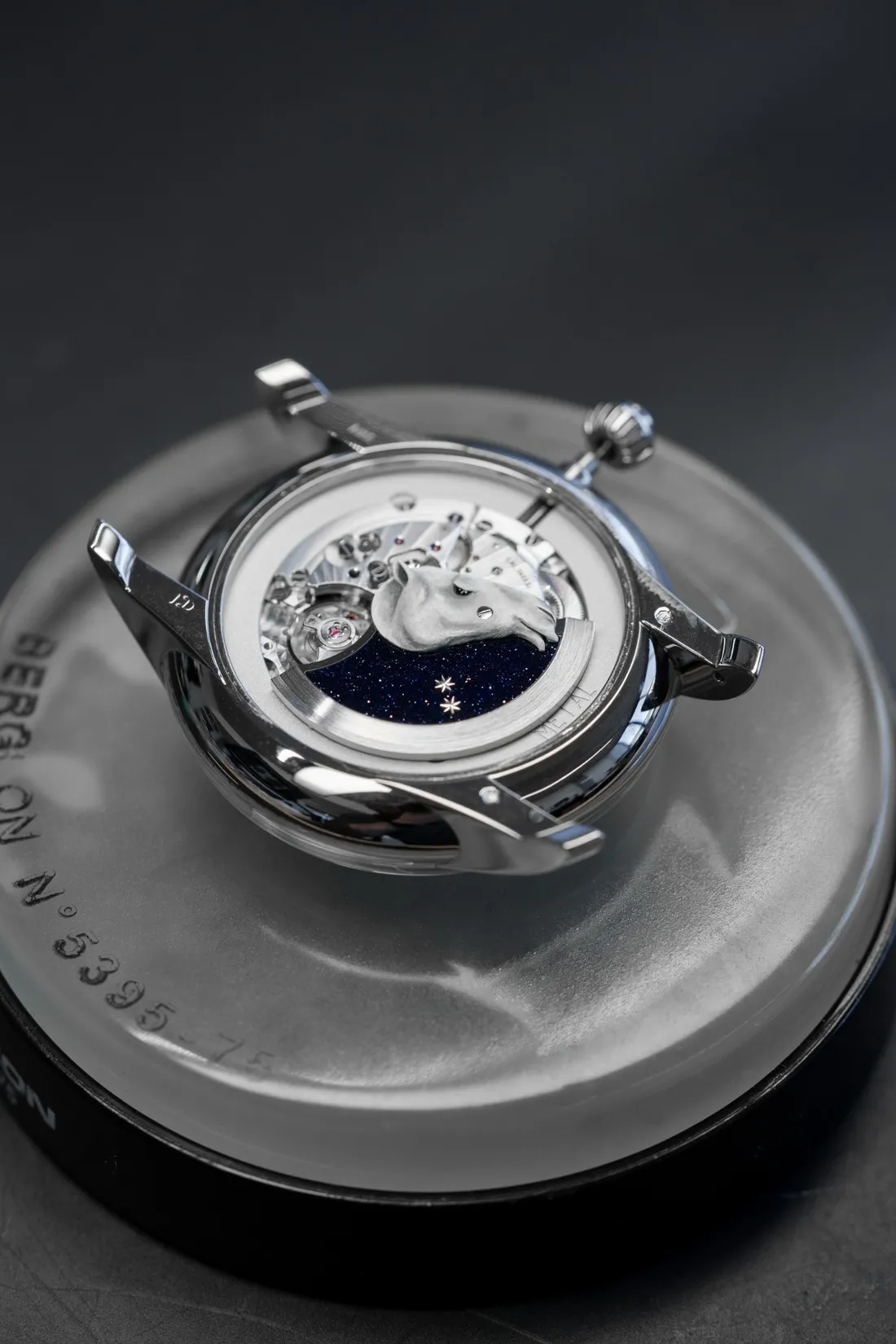
"How could there not be? The balance spring of this watch is made of silicon. Do you know what silicon is? It is what you get when you take the quartz sand we are sitting on, extract it and refine it. So the watchmaker took the sand of the desert and turned it, with a good deal of technology, into a spring that magnetic fields cannot touch at all. The same material is used for the horns of the pallet lever, where it lowers friction so far that the part runs practically without oil."
"There are also two mainspring barrels in there. Just like the fat store in the camel’s hump, they give the watch sixty-eight hours of smooth, uninterrupted energy. The reason for two barrels is not more hours but a flatter curve: a single barrel loses force as it empties and the watch slows. Two of them unwinding in turn keep the force almost constant. The calibre is the 2653.Si; self-winding, twenty-eight jewels, beating four times a second, twenty-eight thousand eight hundred times an hour."
The biologist nodded. "The camel does the same thing. It does not burn the fat in one day, it divides it across days."
Time and Eternity
The biologist took a deep breath and looked at the stars. "It is a strange thing to put these side by side. The creature I study stays alive by using the physics of water and heat. Yours holds time by using the physics of energy and friction."
"There is only one difference between them. Your camel breathes, it lives its time, and one day it will return to that food chain. This Jaquet Droz in my hand was made as a single piece; it holds time at the density of platinum, and nobody will ever produce a second one. One is biological evolution, the other a micro-mechanical revolution."
As the fire slowly turned to embers, the deep sound of the camel breathing in and out and the silicon balance spring inside the watch were beating to the same rhythm: one was nature’s way of measuring time, the other was man’s.
format_quote"The watchmaker took the sand of the desert and turned it into a spring that magnetic fields cannot touch."
Hasan Bekmezci