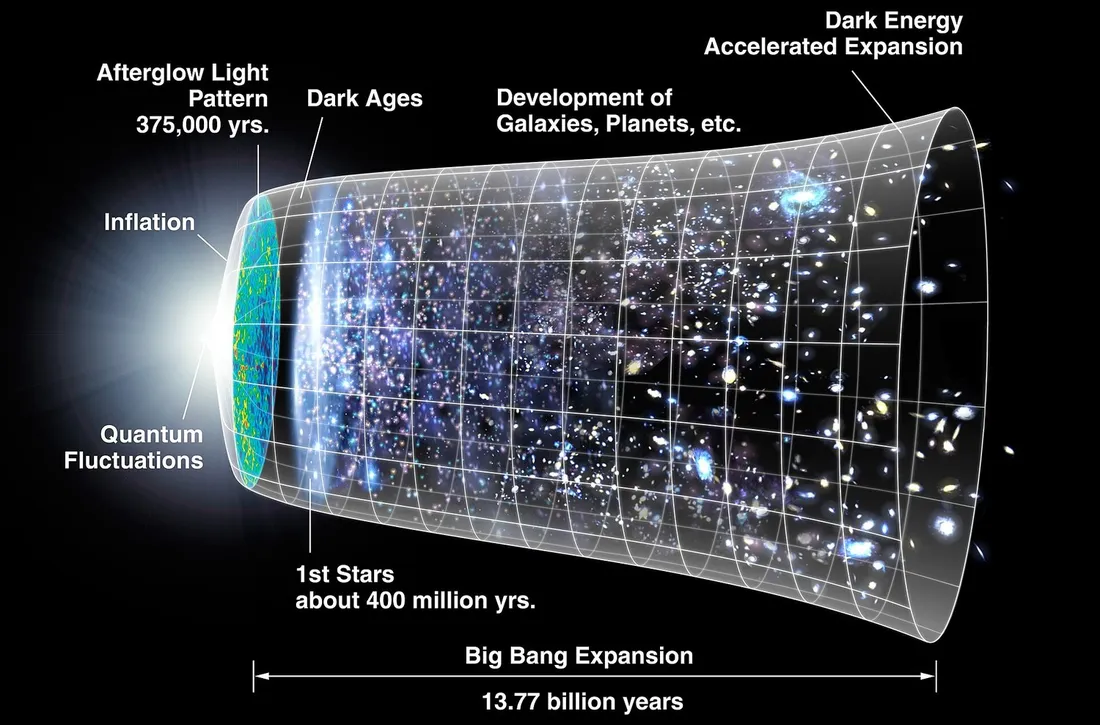
The silence of the universe was broken, about 13.8 billion years ago, by a single Instant. Until that instant there was neither space nor time. Then, out of an unimaginable density, space began to expand; matter became stardust, stardust became galaxies. And that flowing river we call time began to run precisely with this birth. Time is not a property the universe happens to have; it is a dimension brought into being together with it.
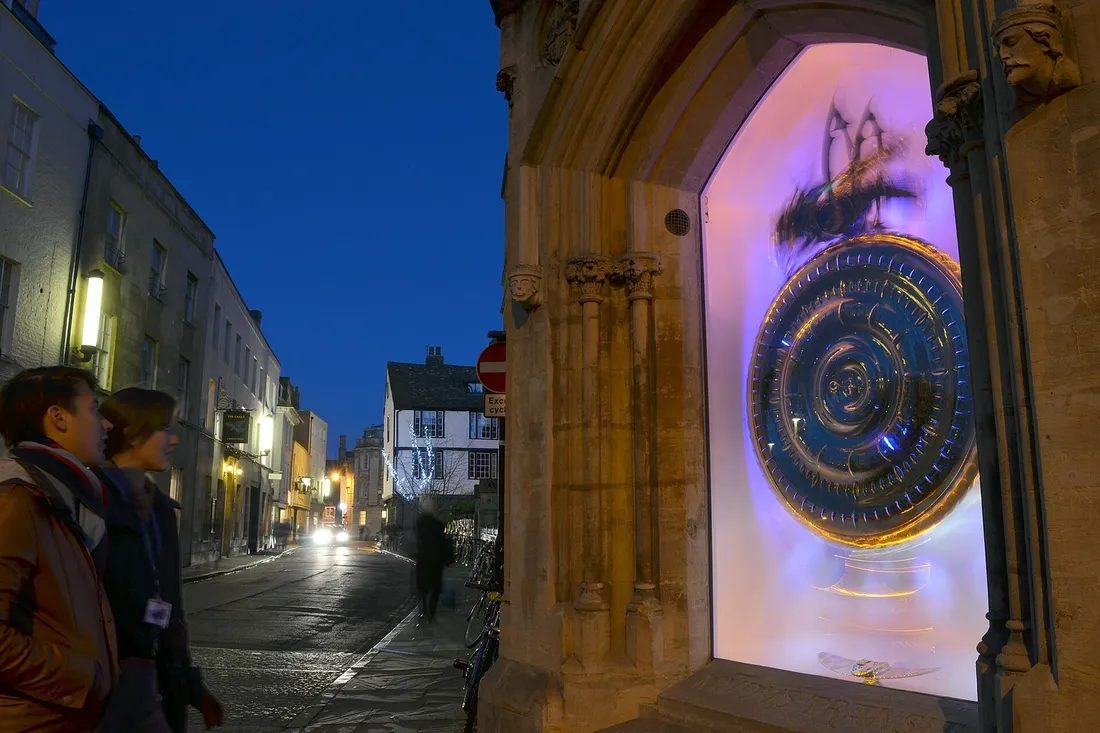
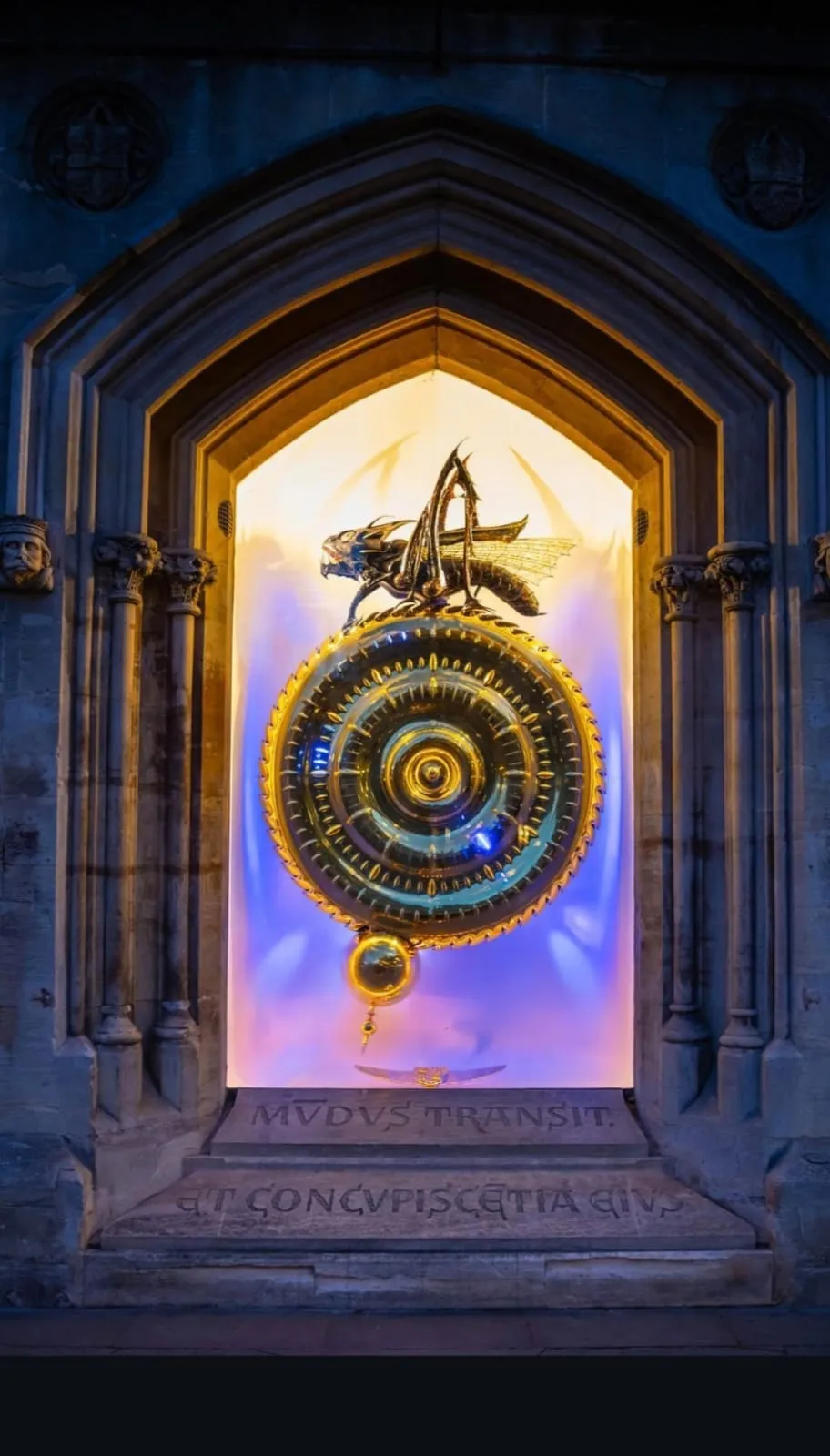
The centrifugal ripples of that cosmic birth now stand before us on a library wall in Cambridge, as a rippling dial made of pure gold. Its name is the Corpus Clock. It is not merely a box that counts seconds; it is a vast cosmic theatre where astrophysics, sacred scripture, the relativity of time and the inevitable end of a human being meet upon a single surface.
The Rippling Dial and the Big Bang: The Birth of Time
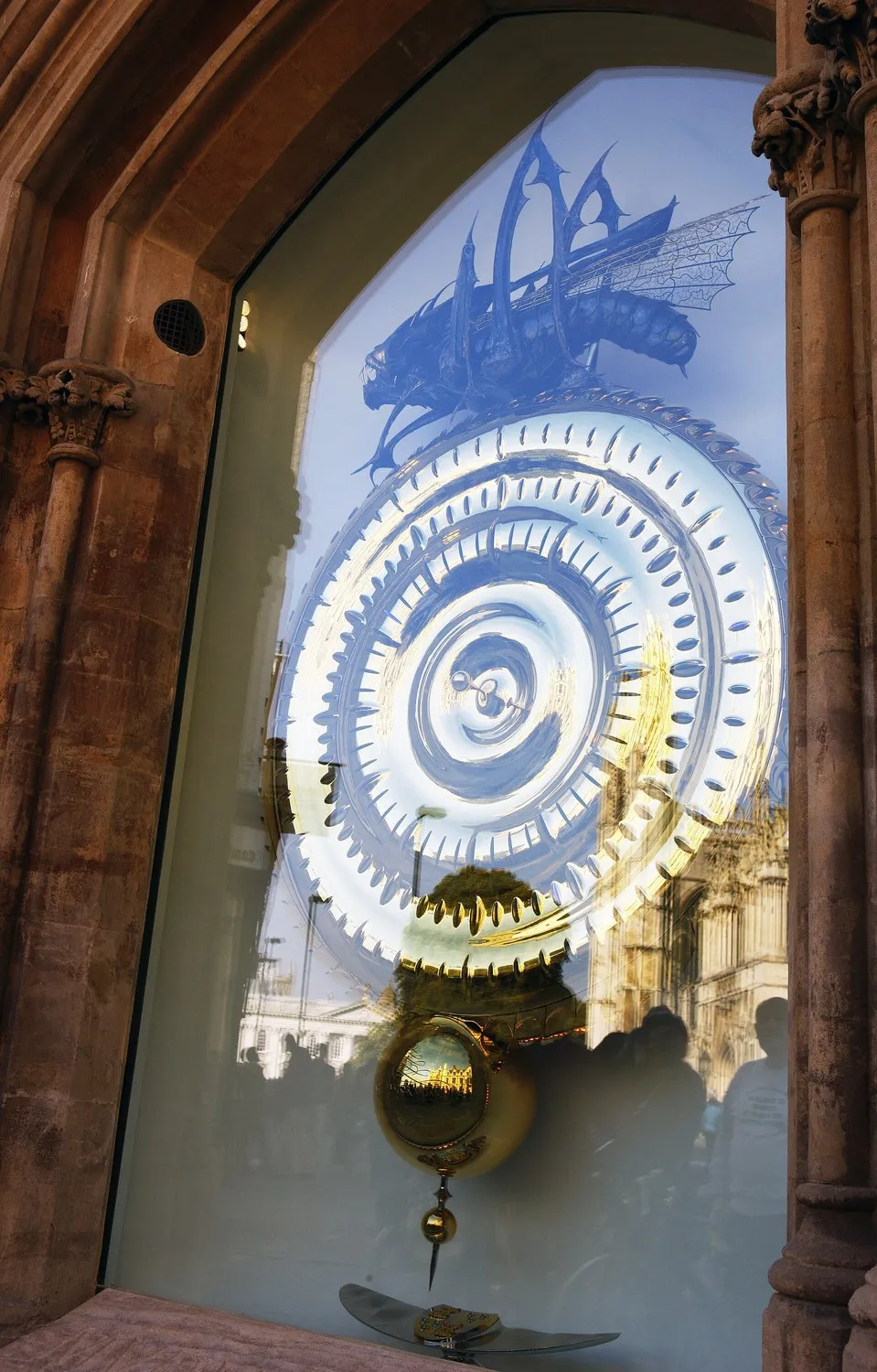
The circular ripples on that gold-plated surface, the first thing to catch your eye, are no random ornament. The clock's inventor and designer, Dr John C. Taylor, points with these ripples directly to the beginning of the universe, to the energy rings of the Big Bang spreading outward from a centre. Like the rings that open when a stone drops into still water; only this time, what falls into the water is the universe itself.
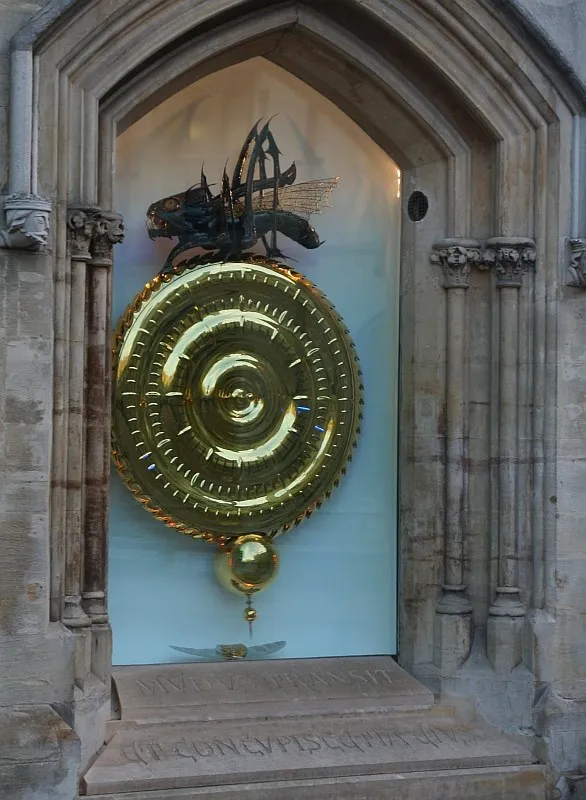
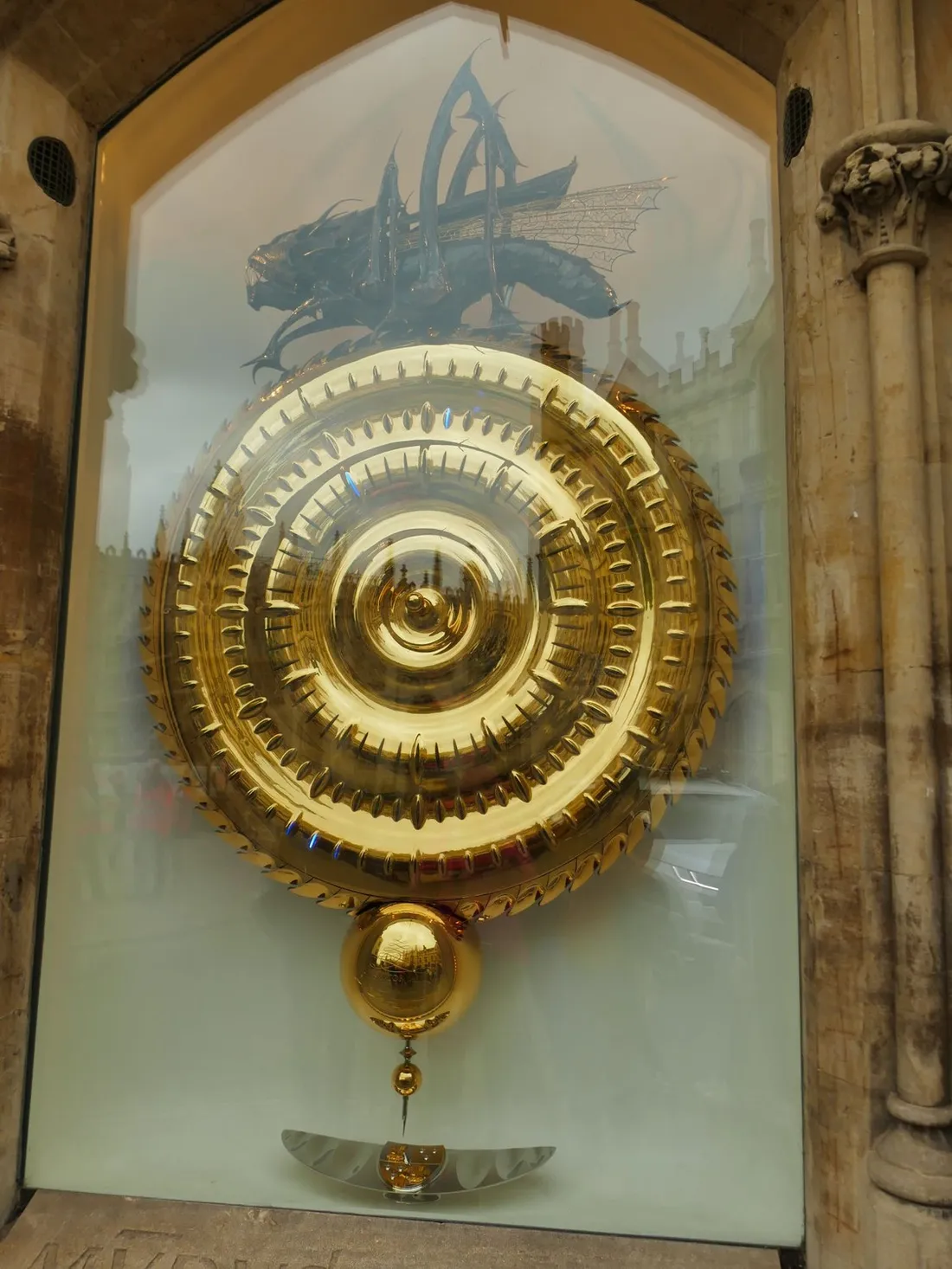
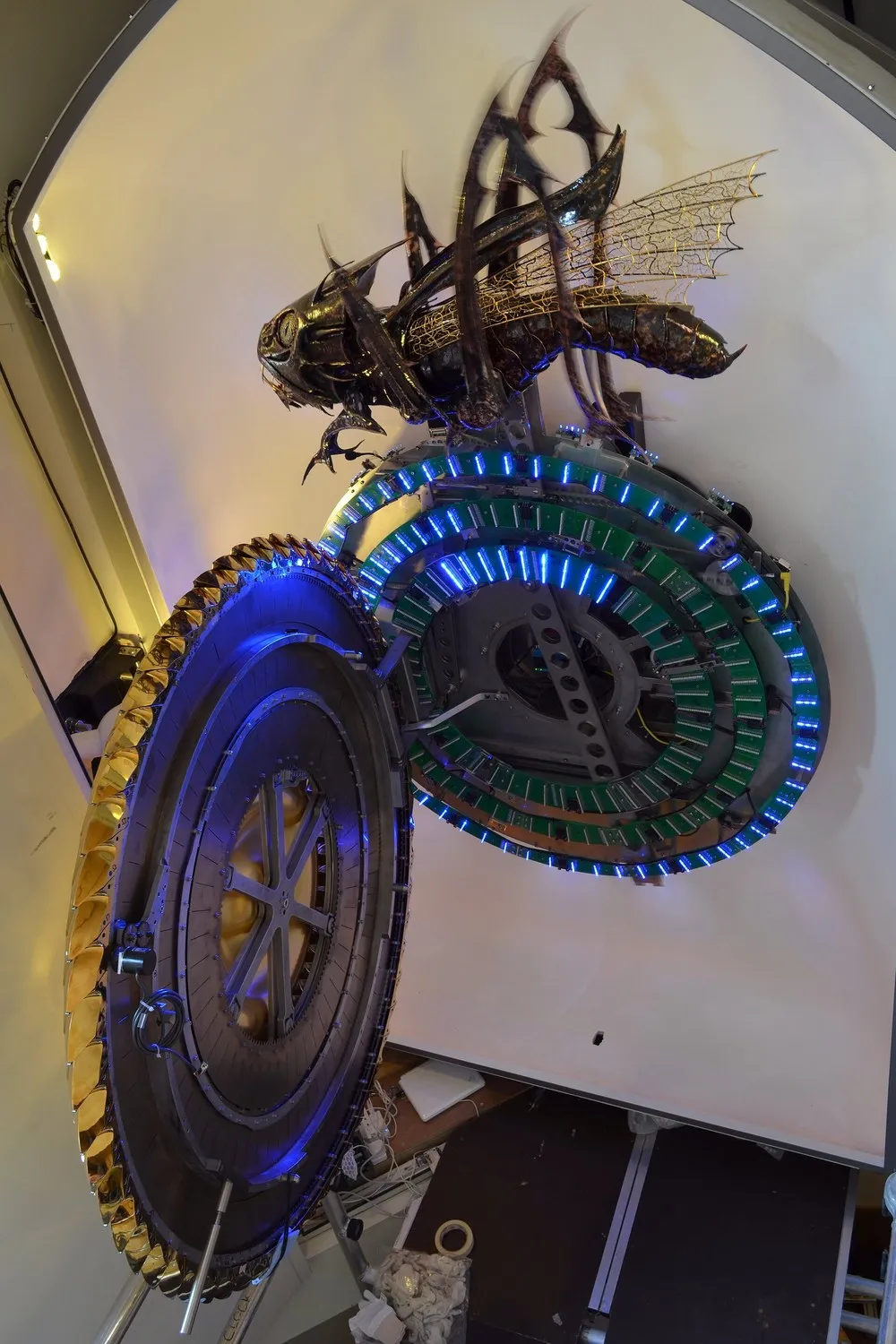
About 1.5 metres in diameter, this dial is made of stainless steel plated in 24-carat gold. Its flawless ripples were shaped not with an ordinary mould but with a rare technique that forms metal by controlled detonations, that is, explosive forming. Just as the universe began with a blast, the dial that tells its story was shaped by one too.
The Relativity of Time: From Einstein to the Scriptures
Time does not flow everywhere at the same speed, flat and unchanging, as we suppose. In the twentieth century Albert Einstein proved this with mathematics: the time of a body that accelerates slows down; near a great mass, such as a star, time stretches and grows heavy. This is no theory but a measured fact. The clocks aboard GPS satellites, where gravity is weaker, run about 38 microseconds ahead of those on the ground each day; if this were not corrected, navigation would drift kilometres off within hours. The time above your head is not the same as the time beneath your feet.
This relativity, which modern physics could formulate only in the last century, the sacred scriptures whispered to humankind thousands of years ago. The Bible sums up the relativity of time in the sight of the Creator: 'But do not forget this one thing, dear friends: With the Lord a day is like a thousand years, and a thousand years are like a day.' (2 Peter 3:8)
The same cosmic relativity appears in the Quran in almost identical words: 'And indeed, a day with your Lord is like a thousand years of those which you count.' (Surah Al-Hajj, 47). The time that the human mind measures out, and time in the sight of the Absolute; upon exactly this duality the Corpus Clock is built.
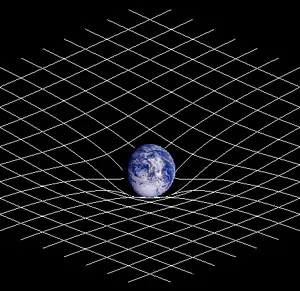
This is why the Corpus Clock is deliberately designed to run imperfectly. Its blue lights sometimes pause for an instant, sometimes race like mad, sometimes grow heavy. Taylor wants to show that human perception of time is never linear: in suffering, time refuses to pass; in joy, it flows away like water. An hour with the one you love is like a second; a single night of anguish can stretch to a thousand years.
Yet the clock resets itself to true time exactly every five minutes, and at that instant shows the hour without error. So even though our feelings stretch and bend time, real time is always there, fixed, waiting for us. The clock tells, at once, both the relative time of our feelings and the unchanging absolute time.
A Dial Without Hands: Time in Blue Light
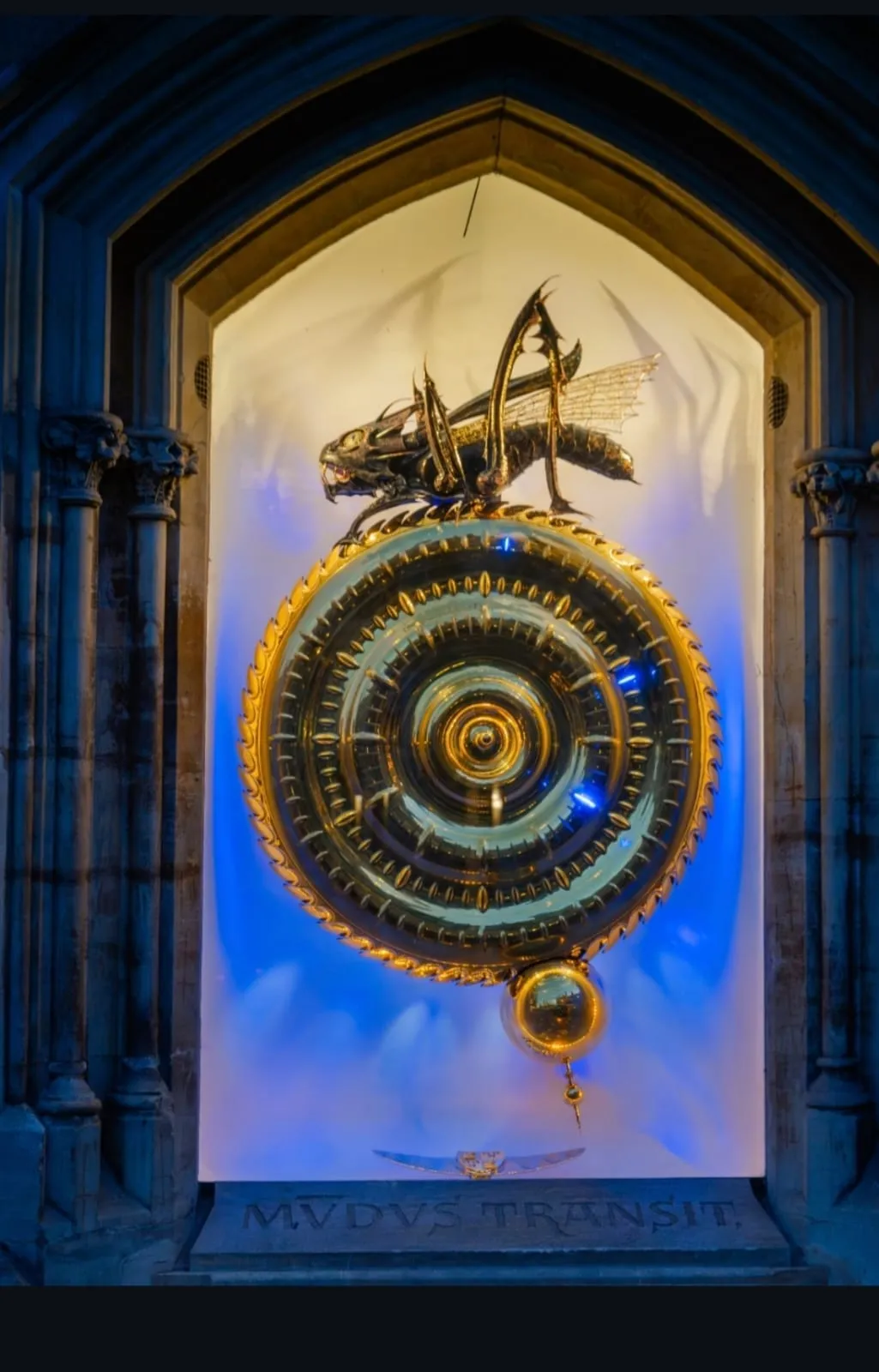
On this clock there are no hands, no numerals, as on ordinary watches. Time is shown by blue LED lights seeping through three concentric rings on the gold dial. The outermost ring marks the seconds, the middle the minutes, the innermost the hours. Lights rising through slits beneath the dial race along these rings; and you read the time not from the tip of a hand, but from an advancing wave of light.
By night the clock takes on a wholly different identity. The gold speaks by day of the Big Bang; the blue light by night speaks of a cold stellar glow that seems to come from the depths of the universe. In the dark street of Cambridge, glowing alone within a Gothic arch, these blue rings make every passing second visible.
The Chronophage: The Monster That Devours Seconds
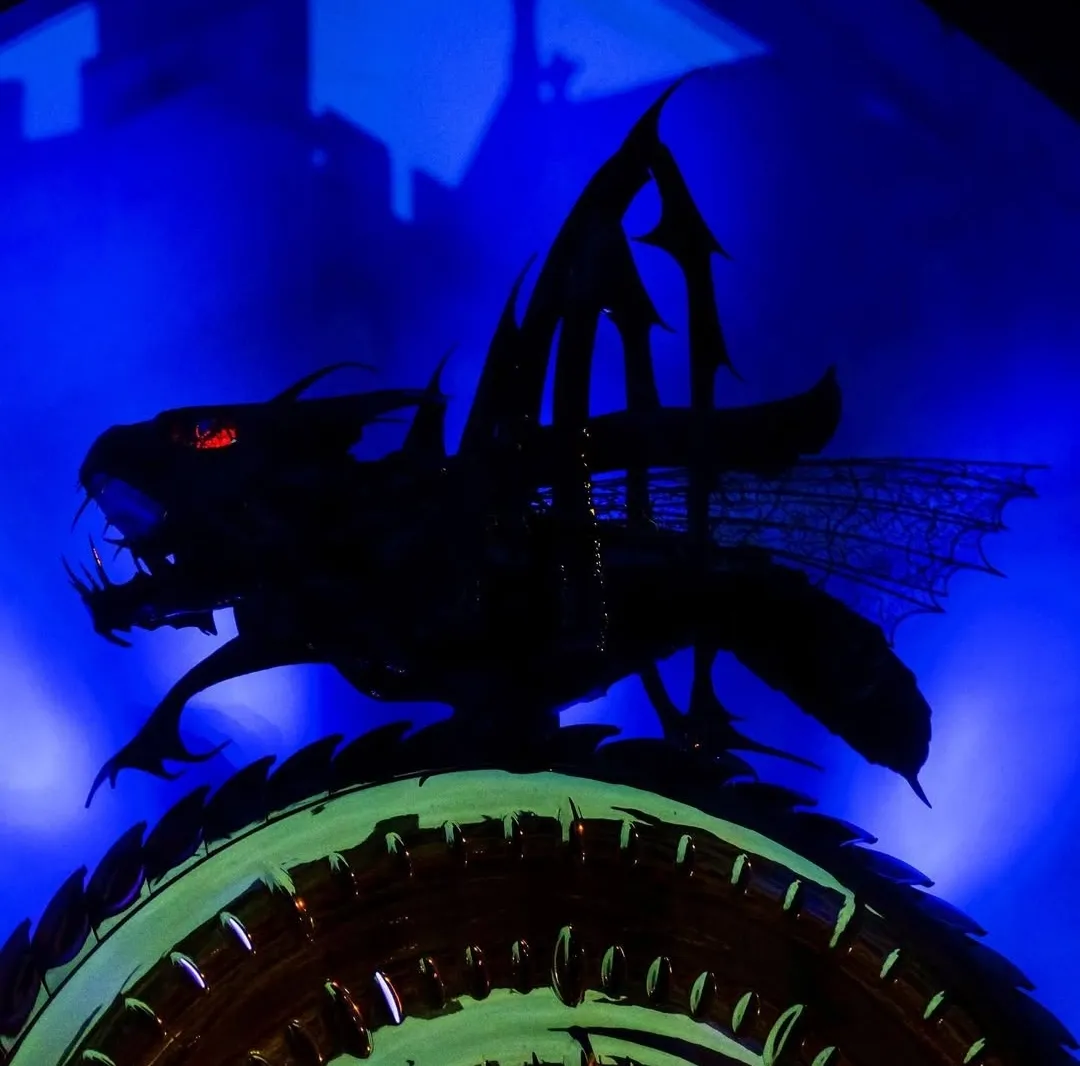
The metallic creature perched atop the clock, resembling a prehistoric grasshopper, is called the Chronophage; in Greek it means time-eater. It does not merely measure time; it devours it with great appetite. Every second it moves its legs; at the close of each minute it opens its jaws wide and snaps them shut once more, swallowing the moment that has passed. Now and then it blinks its eye, as if mocking you. This is a hard metaphor, a reminder that every second that passes will never come again.
The scriptures describe this human fragility before time in the plainest terms: 'Our days on earth are like a shadow, without hope.' (1 Chronicles 29:15). The Psalms refine it further: 'They are like a breath; their days are like a fleeting shadow.' (Psalm 144:4)
The Quran ties the delusion that grips a person before this devouring directly to the fleeting glitter of worldly life: 'Know that the life of this world is but amusement and diversion and adornment and boasting to one another and competition in wealth and children... And what is the life of this world except the enjoyment of delusion.' (Surah Al-Hadid, 20). As the monster swallows the seconds, a person is busy hoarding titles, riches and ambitions; yet each time that jaw shuts, how weightless the hoarded things are grows a little clearer.
A Mechanical Marvel: The Grasshopper Escapement and John Harrison
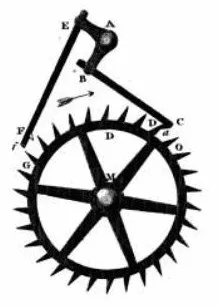
The creature's mechanical legs are no ornament; they are the very lifeblood of the clock. The Corpus Clock runs on a system called the grasshopper escapement. The escapement is the most critical part of any clock: it is the gatekeeper that releases the energy of the wound spring one step at a time, in equal measures. Just as a turnstile lets people through one by one, the escapement counts out power, tick by tick, into time. In the grasshopper escapement this work is done by two graceful arms that push against each other; their leaping motion recalls a grasshopper's legs. It is almost frictionless and needs no oil.
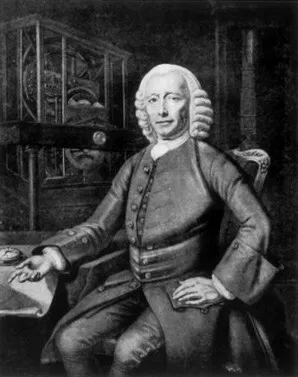
This ingenious mechanism was invented in the 18th century by the English horologist John Harrison; the same Harrison who made history with the marine chronometers that solved the problem of finding longitude at sea and saved the lives of sailors. Taylor took this tiny mechanism, normally hidden inside the clock, turned it inside out, enlarged it to colossal scale and brought it outside, before everyone's eyes. The Corpus Clock is the only clock in the world to display the grasshopper escapement in this way; and as such it is a tribute paid to a genius of three centuries ago.
The Rhythm of the Heart
The rhythmic to-and-fro of this escapement recalls another mechanism, the tender piece of flesh that beats without cease in our chest, the heart. The heart too, just like this mechanism, brings us one step closer to the end with every contraction and release. Every beat is a tick toward the finish; every pause, a tock opening onto eternity. Holy Scripture reminds us of this fragility: 'Why, you do not even know what will happen tomorrow. What is your life? You are a mist that appears for a little while and then vanishes.' (James 4:14)
The Sound of a Coffin and Mundus Transit
On the Corpus Clock, no cheerful melody sounds on the hour. Instead comes the rattle of a chain, cutting all joy like a knife, followed by a hammer striking into emptiness. It is the sound of a hammer striking a wooden coffin hidden behind the clock; the sound of a carpenter driving a coffin nail, of the first spadeful of earth falling. With that pitiless blow the clock whispers: another hour is done; you have taken one more step toward the door of no return.
This shudder is described in the Quran through a person's regret at the moment of death: 'Until, when death comes to one of them, he says: My Lord, send me back, that I might do righteousness in that which I left behind. No! It is only a word he is saying.' (Surah Al-Mu'minun, 99-100)
And the Latin letters gleaming on the marble base below seal this scene: Mundus transit et concupiscentia eius. That is: the world passes away, and all its desires with it. The words are taken from the First Letter of John in the Bible (2:17).
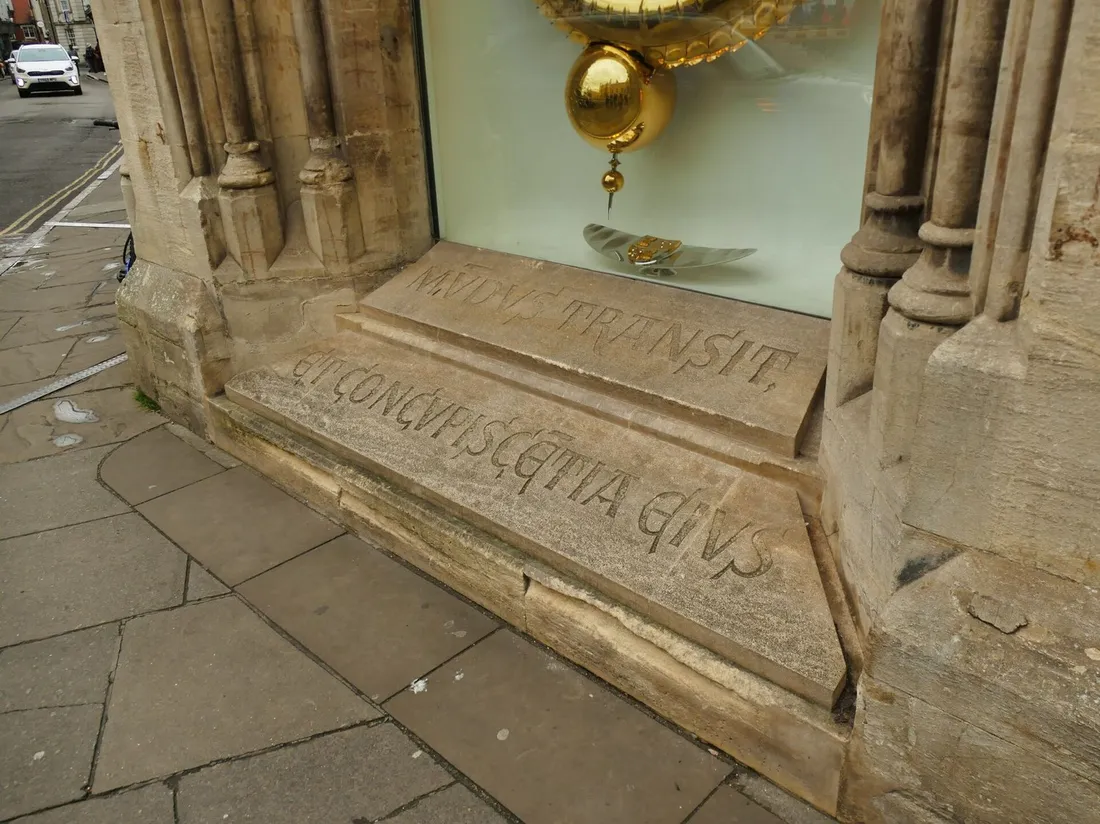
A Library Wall in Cambridge
The Corpus Clock was unveiled on 19 September 2008, at the corner of the Taylor Library of Corpus Christi College, one of Cambridge's oldest institutions, founded in 1352, by the famous physicist Stephen Hawking. That a scientist who spent his life questioning the nature of time should draw the veil from a work that speaks of time so boldly is, in itself, a meaningful moment.
Behind the clock lies enormous labour. The inventor Dr John C. Taylor, who conceived the idea and funded it entirely, worked for about five years with close to two hundred people, chief among them his engineer Stewart Huxley; the total cost approached one million pounds. What emerged was a wristwatch grown thousands of times over, spilled out onto the street, and turned to philosophy.
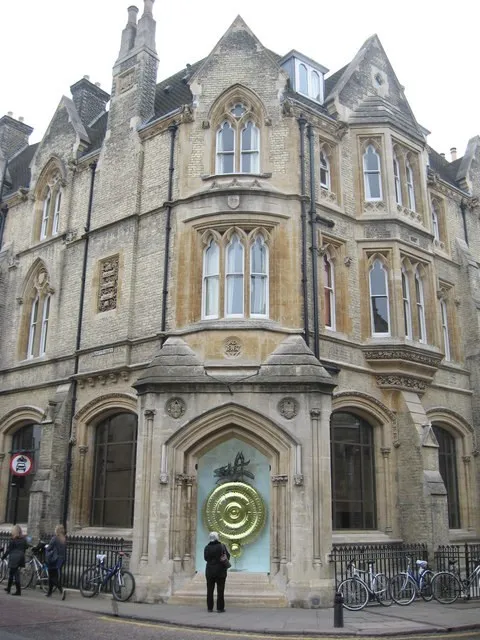
The Eternity Beyond the Wheels
Whoever stands in the cold street of Cambridge and fixes only on the gold he can see and the moving monster will be disappointed; for to the eye of matter, it is merely a death machine. But to the eye of faith and contemplation, that gold dial is only a fleeting scene in an immense divine scenario that began with the Big Bang.
The grasshopper that swallows the seconds may gnaw at our mortal body; but it can never swallow our soul, nor the longing for eternity within us. Time flows, the blue lights fade, and the hammer keeps striking the coffin on every hour. Perhaps the only way not to be crushed within this pitiless wheel is this: to transcend time by turning the fleeting seconds into what endures, into love, into faith, into goodness.
For the One who created time is beyond it; and the whole story that rippling gold dial tells comes down to a single question: this brief mist, with what did we fill it?