Leaving a craft is heavier than never having learned it. Somebody who never learned does not know what he is missing. Somebody who left does.
Dominique Renaud opened a workshop in the Vallée de Joux in 1986. For the next thirty years what was made in that workshop travelled across the dials of the largest watch houses in the world: minute repeaters, tourbillons, chronographs. His own name never appeared in a window. Then one day he stopped, and withdrew from watchmaking.
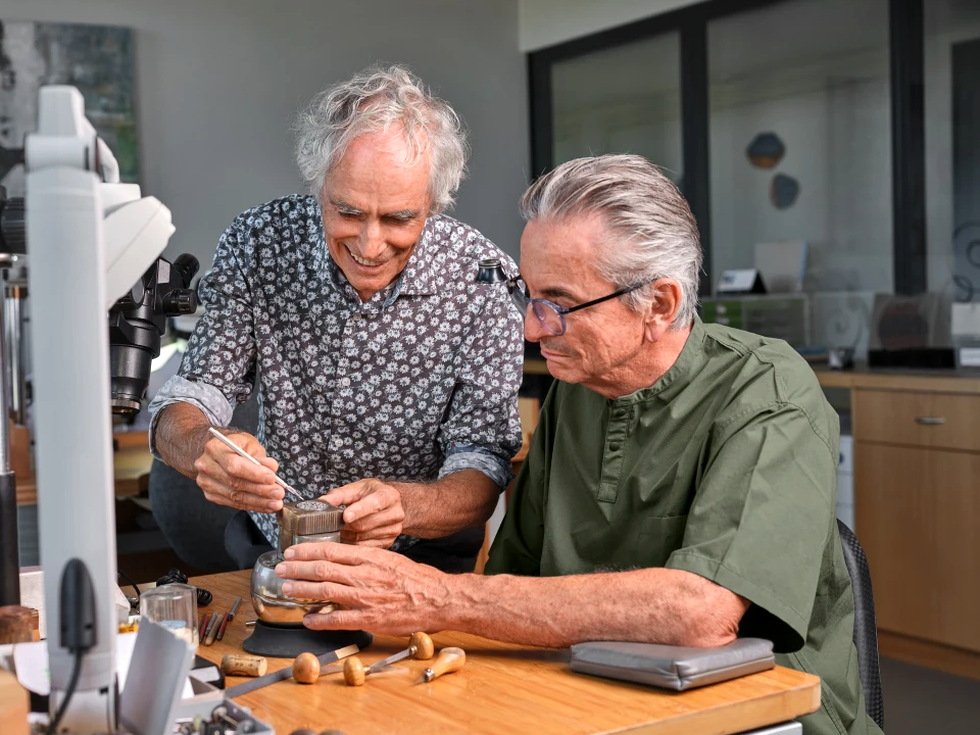
People do not usually come back from a departure like that. The hand loses its memory, the bench goes cold, the industry moves on at its own speed. But Renaud came back, and he did not come back alone. Beside him was Julien Tixier, then in his early thirties, trained as a restorer, a man who makes his own parts and his own tools by hand. In 2023 the two of them founded a house together.
And they named their first watch after a Monday.
That name is not a joke but a programme. The plan is seven watches, each given a day of the week, and each day devoted to one of the fundamental problems of watchmaking. The first day, Monday, takes the oldest one: energy. Where does a watch get its power, how does it store it, and how does it deliver it evenly?
And a master returning to the bench after years away calling his first day Monday is the second layer of that same sentence. Monday is the day work begins again. Not from where it was left, but from the beginning.
format_quote"Leaving a craft is heavier than never having learned it. Somebody who never learned does not know what he is missing. Somebody who left does."
Hasan Bekmezci

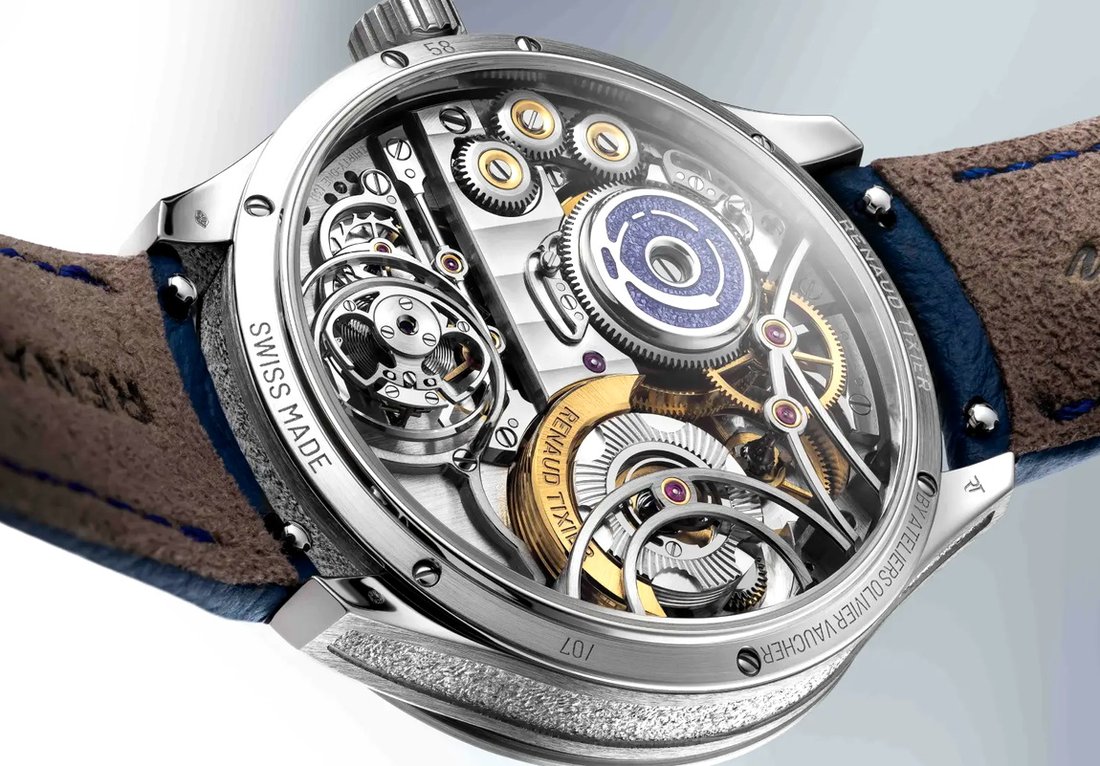
The problem Monday sets out to solve is technically very clear. In an automatic watch the motion of the arm turns a weight, and that weight winds the mainspring. The larger and heavier the weight, the more efficient the winding. But a full-size rotor covers the movement; nothing beneath it can be seen.
The micro-rotor was invented as the answer: a small weight sunk into the movement itself. It opens the view, but because it is smaller its inertia falls and it winds less. For close to a century watchmaking has patched that deficit in the same way, by making the weight from gold, or even platinum. Which is not solving the problem but buying it off with density.
Renaud and Tixier tried a different road at this point and treated the micro-rotor less as a weight than as a mechanism of motion. The name they gave the part says as much: the dancer. The aim is to gather the small amount of energy a small mass produces more intelligently.
The same thought shows up in the rhythm of the movement. This watch runs at eighteen thousand vibrations an hour, which is two and a half beats a second. Today’s standard is half again as fast, and a slow watch counts as dated. But a balance oscillating slowly spends less energy, swings through a wider arc and runs longer off the same spring. That is where the sixty-plus hour reserve comes from. It is not a coincidence that a watch about energy beats slowly.
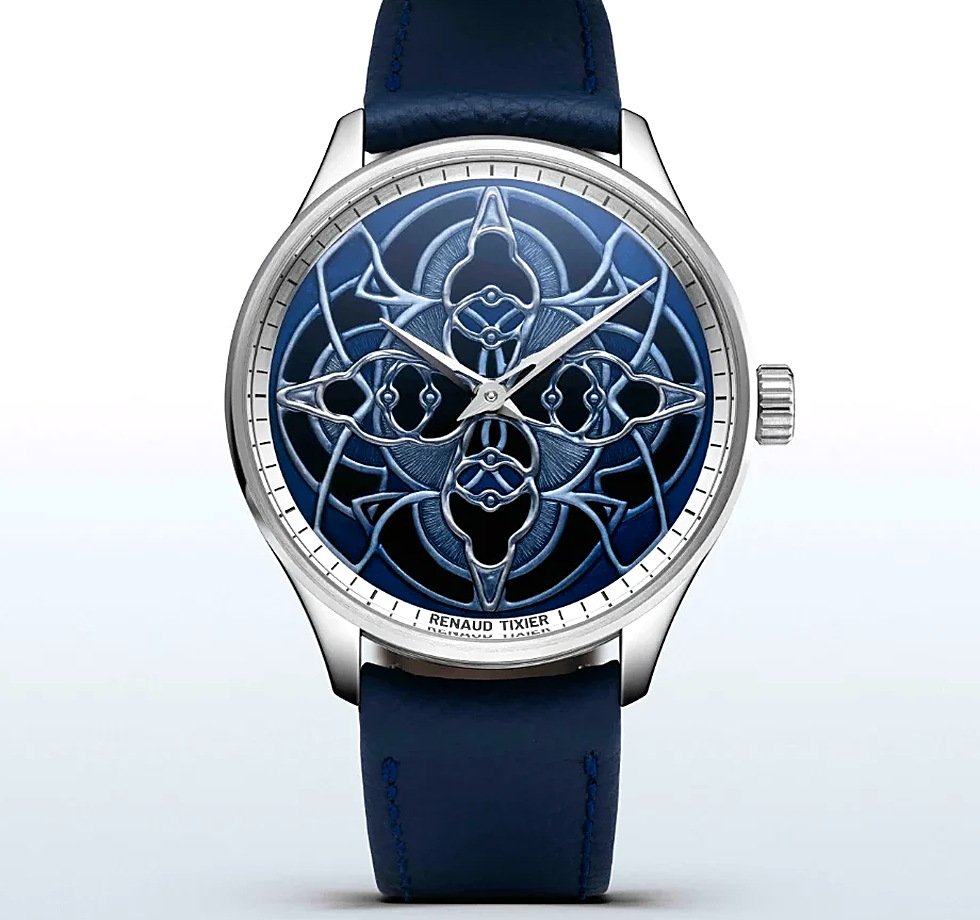
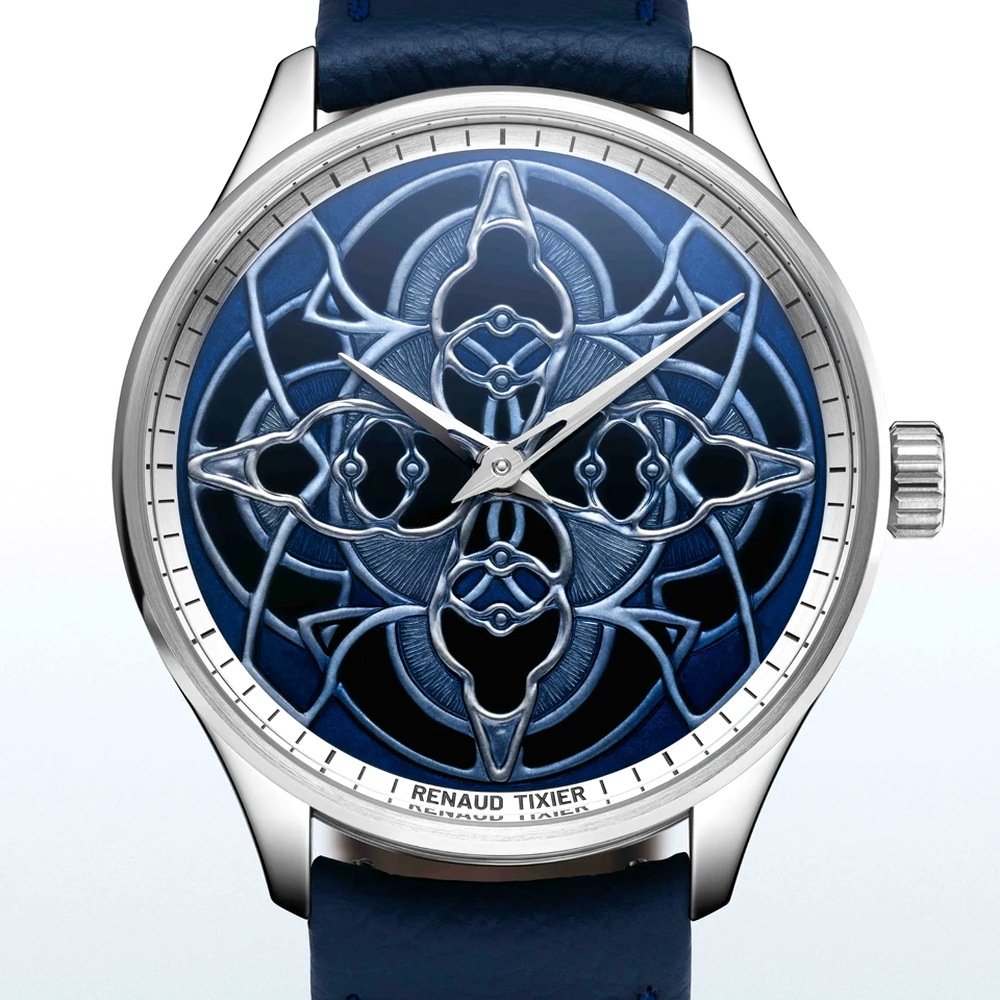
Organica is the new suit that movement wears. The case is made of platinum for the first time: forty point three millimetres across, twelve point six deep including the crystal. Platinum is heavier than gold and far more troublesome to work; it drags on the lathe, it goes doughy under polish, and producing the same shape in it takes several times what gold would take. A house chooses it only because it wants the weight to be felt in the hand.
The dial comes from an entirely different world. It was made by Ateliers Olivier Vaucher, a Geneva house that has quietly produced enamel and engraving for the major brands for years. Its name is usually not on the dial; the surfaces it makes are on watches everybody knows.
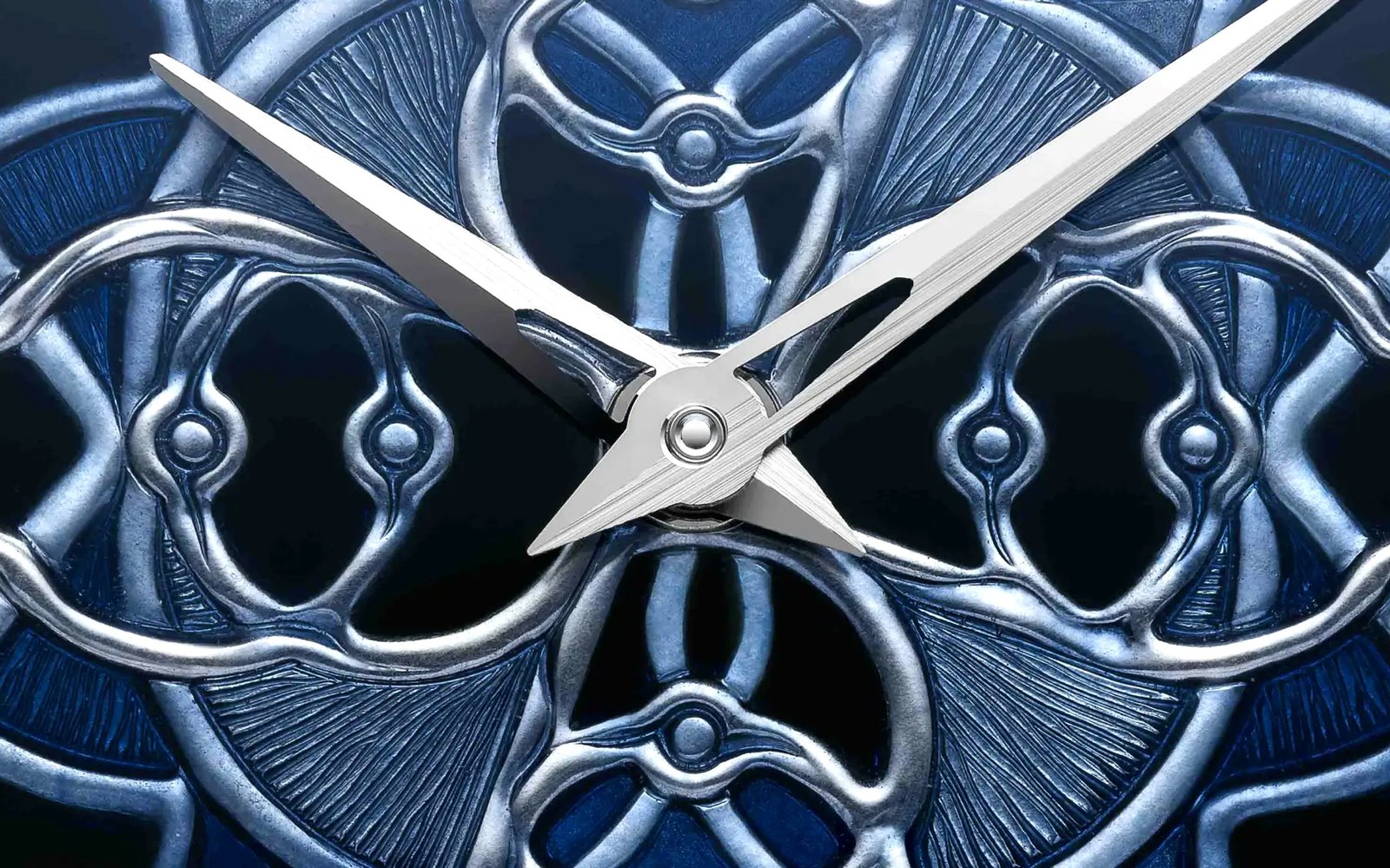
More than a hundred and twelve hours of handwork went into this one, and two techniques are stacked on top of each other. First multi-level engraving: the surface is not cut to a single depth but stepped at several, so the pattern stops being a drawing and becomes a low relief. Then grand feu enamel: powdered glass laid over the metal and fired repeatedly at close to eight hundred degrees. Every firing shrinks the enamel, sometimes cracks it, sometimes shifts its colour. And if a dial cracks in the last firing, a hundred and twelve hours go in the bin.
What comes out is neither a flat enamel nor a dry engraving. The light does not reflect from one plane; it refracts several times between the layers, and the pattern therefore opens and closes with the angle of view.
format_quote"If a dial cracks in the last firing, a hundred and twelve hours go in the bin. Enamel is the one decorative technique that cannot be undone."
Hasan Bekmezci
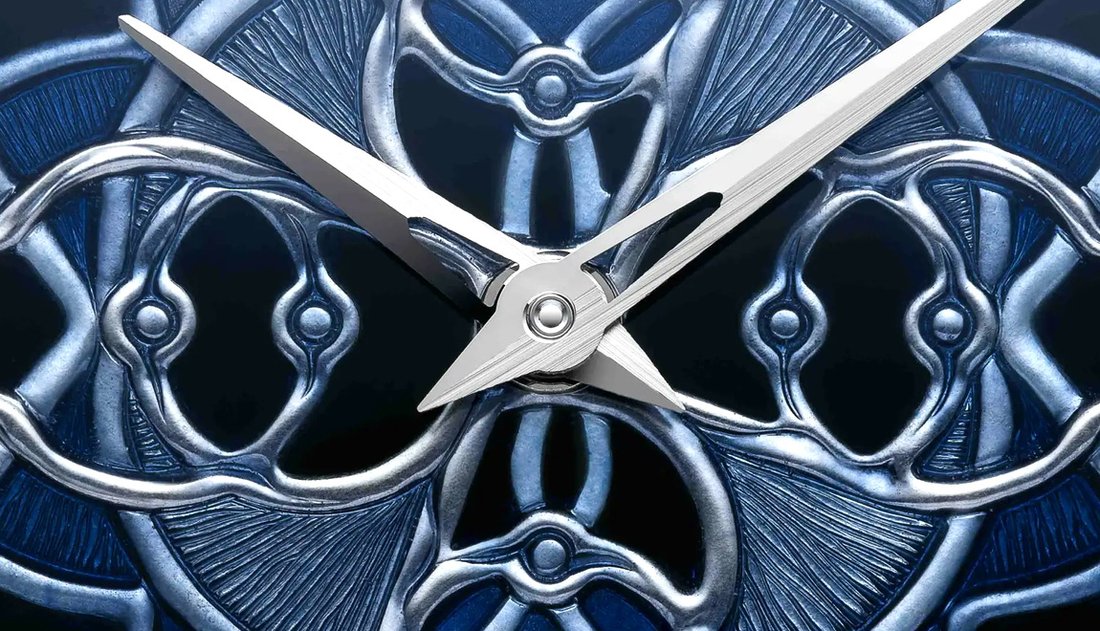
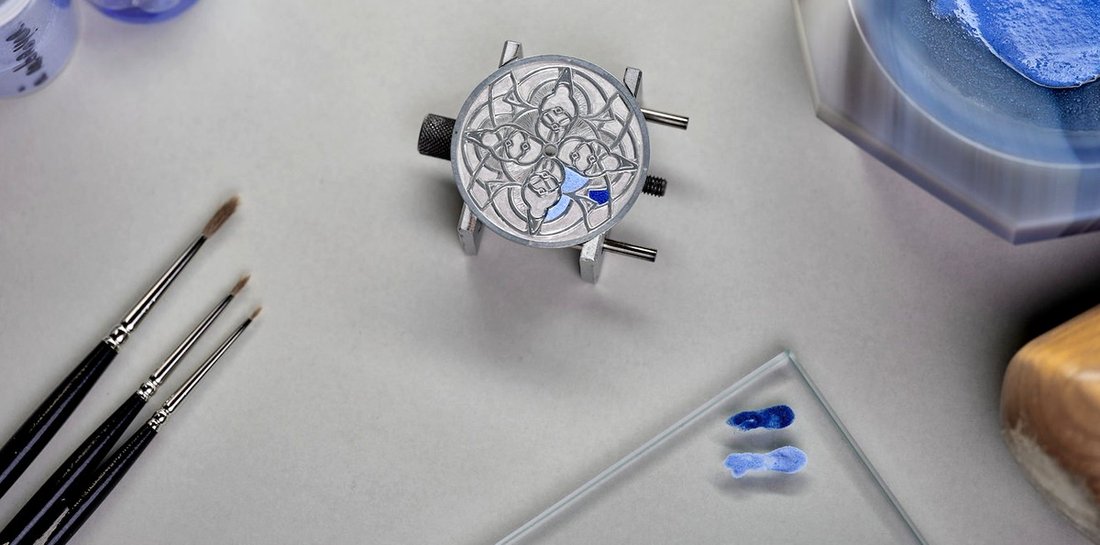
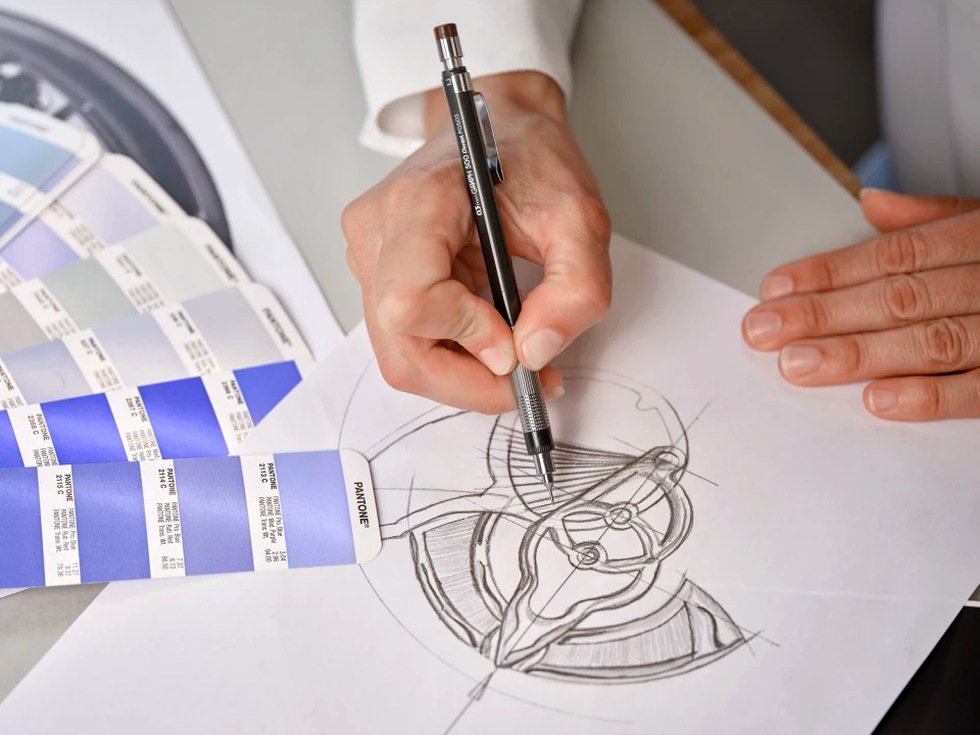
The pattern itself is a calculation. Symmetrical, branching, opening from the centre to the rim; a plant at first glance, an architectural plan at the second. There is a constraint behind the choice: a movement is turning beneath that dial, and a path has to be left for the hands to sweep. The denser the pattern, the more a hand disappears into it. What Vaucher has done is keep the complexity away from the roads the hands travel.
The hands are therefore thin, long and sharply pointed. On a busy ground what makes a hand readable is not its thickness but the crispness of its edge.
format_quote"The oldest and least discussed truth in watchmaking: every signature is laid over a great many unsigned hands."
Hasan Bekmezci
Seven are being made. In the first years of a house that number is not a strategy but a capacity: as many as a bench of two people can genuinely produce.
The first workshop Dominique Renaud founded worked under other people’s names and built some of the hardest mechanisms in the world. Forty years later, the second house he founded has his own name on the dial, and the enamel on that dial came from another house whose name is not written anywhere on it. This is the oldest and least discussed truth in watchmaking: every signature is laid over a great many unsigned hands.
Monday is the day you begin again knowing that.