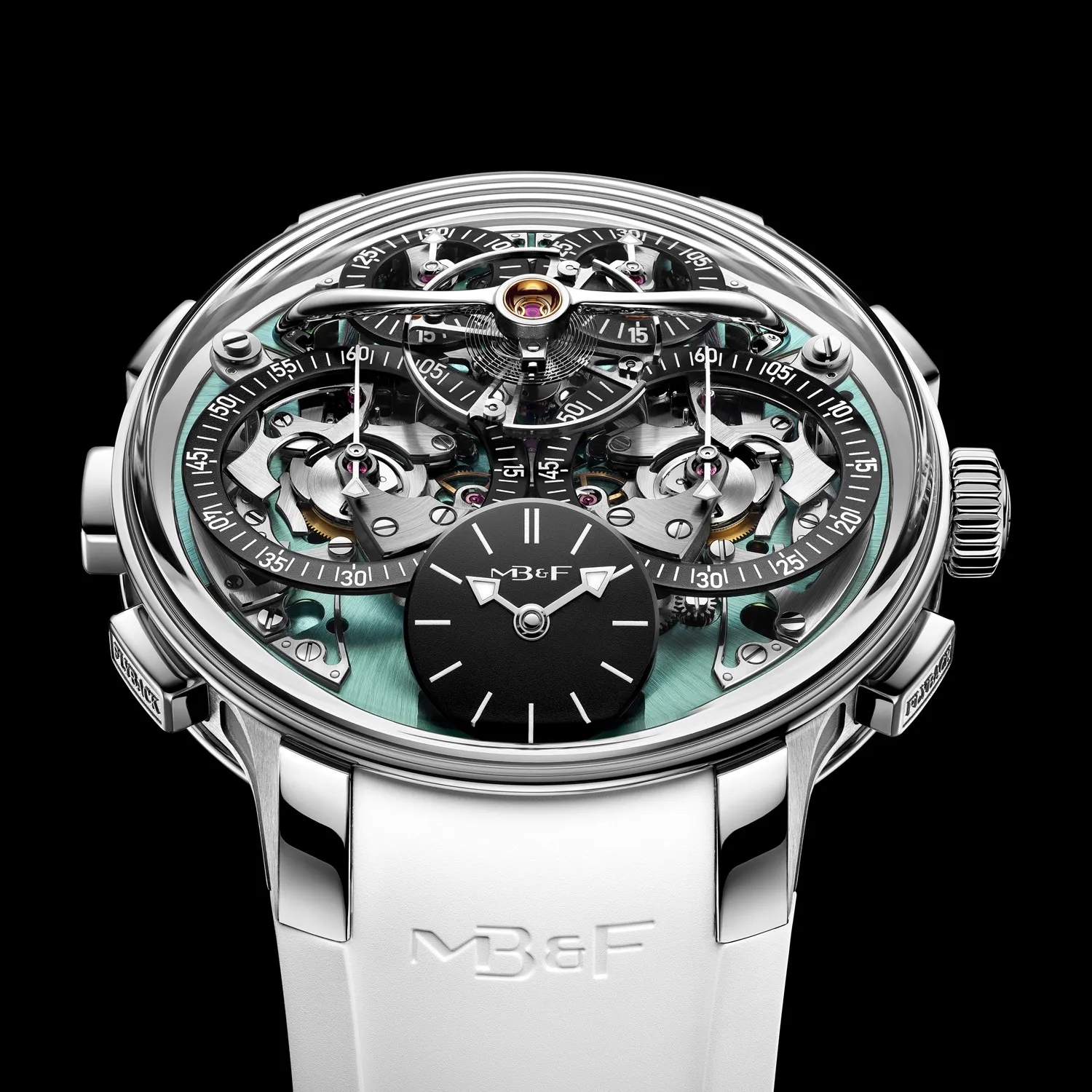
format_quote"Ever since Louis Moinet designed the first chronograph in 1816, humankind has kept time locked into a single straight line: start, stop and reset. Yet life in this universe has never run in one lane. When the brilliant Northern Irish watch architect Stephen McDonnell sat down in front of his whiteboard, he asked the question that would break two hundred years of watchmaking shackles: "What if we could govern time in two parallel universes at once?""
PART I: THE RAILWAY POINTS OF A BELFAST MIND
Working alone in his workshop through the misty evenings of Northern Ireland, Stephen McDonnell was determined to resolve the greatest contradiction in traditional haute horlogerie.
Even split-seconds (rattrapante) chronographs could only measure two events that began at the same instant. But what if two runners start the race seconds apart? What if the thing to be measured is a relay, where one man finishes exactly as the next one starts?
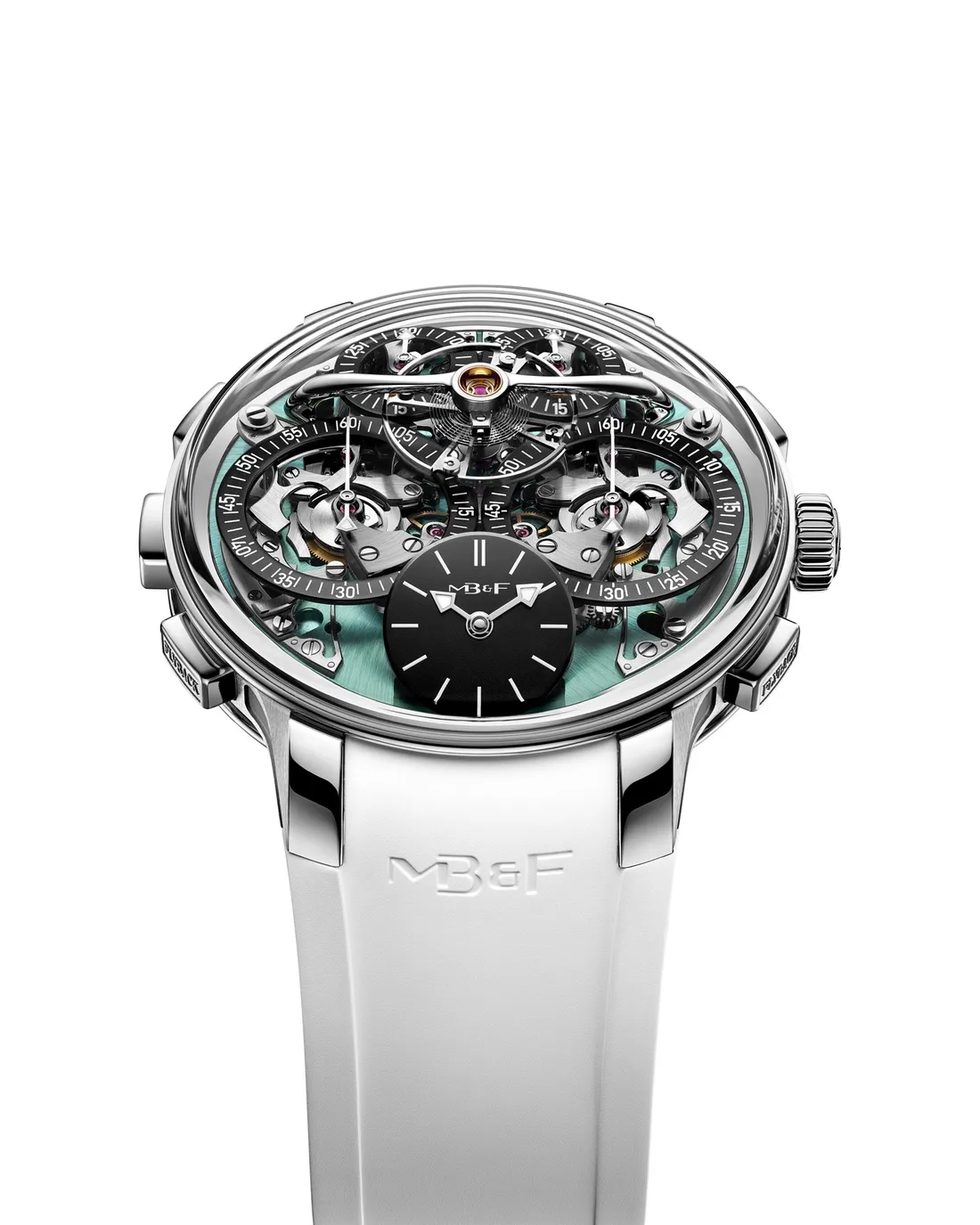
In the calibre he developed for MB&F and Max Büsser, McDonnell placed a binary toggle switch at nine o’clock on the case and called it the Twinverter. Working like a railway pointsman, this mechanism ties the fate of two entirely independent chronographs together with a single touch.
McDonnell was no stranger to MB&F when he built this engine. He had already written the extraordinary mechanical language behind the 2015 Legacy Machine Perpetual, the movement that genuinely calculates the length of each month rather than skipping over it. The Sequential is MB&F’s twentieth calibre and its first chronograph. In 2022, the year of its launch, it won the GPHG "Aiguille d’Or", the highest prize in watchmaking, so the claim of a first was not the brand’s alone.
PART II: THE TWINVERTER AND THE PARALLEL DIMENSIONS OF TIME
A mechanism that sounds forbidding in the language of traditional watchmaking becomes very simple through everyday analogies:
The Relay Race Analogy (Lap Timer / Sequential Mode)
What is happening on the field? In a 4x100 metre relay, the second runner has to launch in the same millisecond that the first crosses the line.
The mechanical magic: the instant you press the Twinverter, chronograph one stops without so much as half a second of hesitation and seals the lap time; in that same fraction of a second, chronograph two begins counting from zero. Not one instant of the flow of time is wasted.
The Chess Clock Analogy (Chess Timer / Cumulative Mode)
What is happening at the board? Two masters are making their moves. When player A moves a piece and hits the button, their own time stops and the opponent’s begins.
The mechanical magic: the Twinverter locks the two independent chronographs into opposite states. While one runs, the other waits; every press swaps the roles instantly.
The Two-Lane Race Analogy (Simultaneous Mode)
What is happening on the track? Two athletes start running in different lanes on the same gunshot.
The mechanical magic: instead of trying to press the left and right chronograph buttons with two fingers at once, you press the Twinverter. Both mechanisms are launched from zero in perfect synchronisation. Whichever athlete crosses the line first has their chronograph stopped independently, with its own pusher.
The Two Separate Universes Analogy (Independent Mode)
What is happening at home? You want to time the dish in the oven while also timing the coffee brewing beside it.
The mechanical magic: the two chronographs can be started and stopped at completely independent moments, like two universes unaware of each other’s presence on the same dial.
The Pilot’s Waypoint Analogy (Flyback Mode)
What is happening in the cockpit? A pilot has to restart the count at every waypoint of the flight plan. If stop, reset and restart are three separate actions, they are also three separate chances to be wrong.
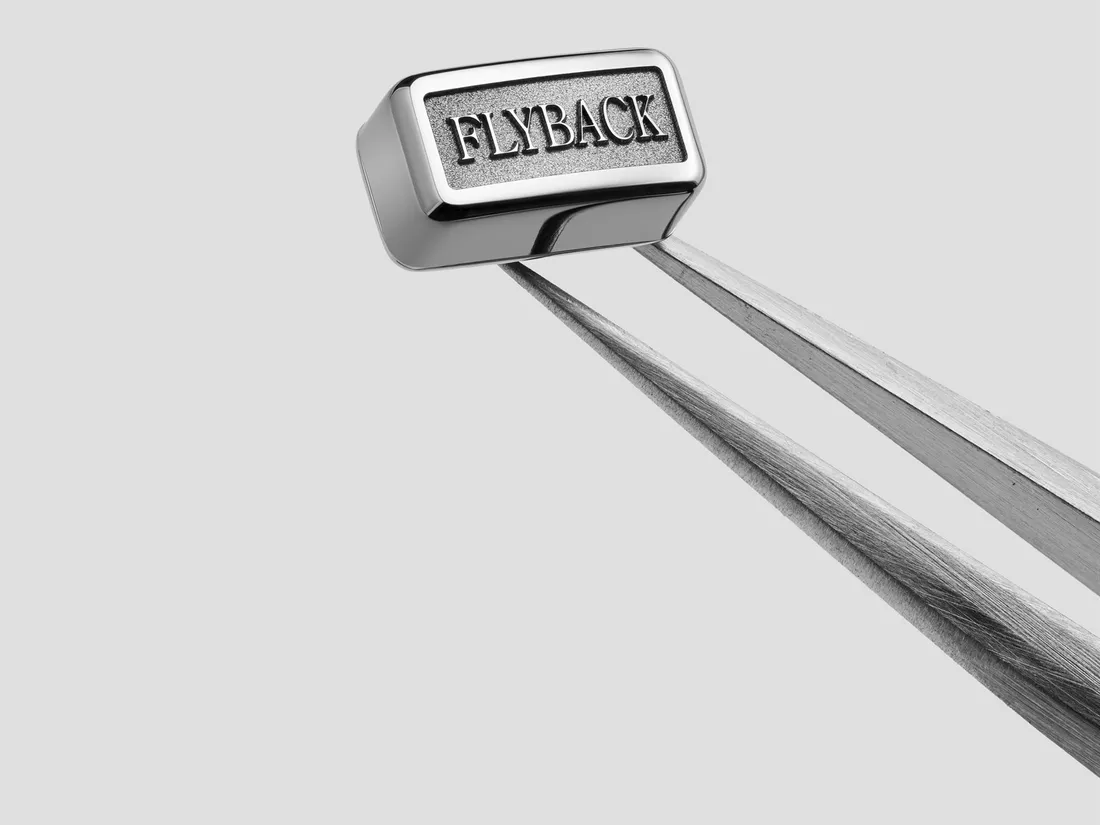
The mechanical magic: with the flyback function added to the EVO body in 2026, pressing the reset pusher at eight or at four while the chronograph is running is enough. The hand snaps back to zero in an instant and carries on counting from there. This was never a patch: McDonnell’s original prototype calibre was drawn with a flyback, and the provisions for it were built into the 2022 EVO. Four years later those spaces were filled.
format_quote"The two chronographs can be started and stopped at completely independent moments, like two universes unaware of each other’s presence on the same dial."
PART III: THE PHYSICS AND THE ENGINEERING
FlexRing: A Shock Absorber in a Steel Cage
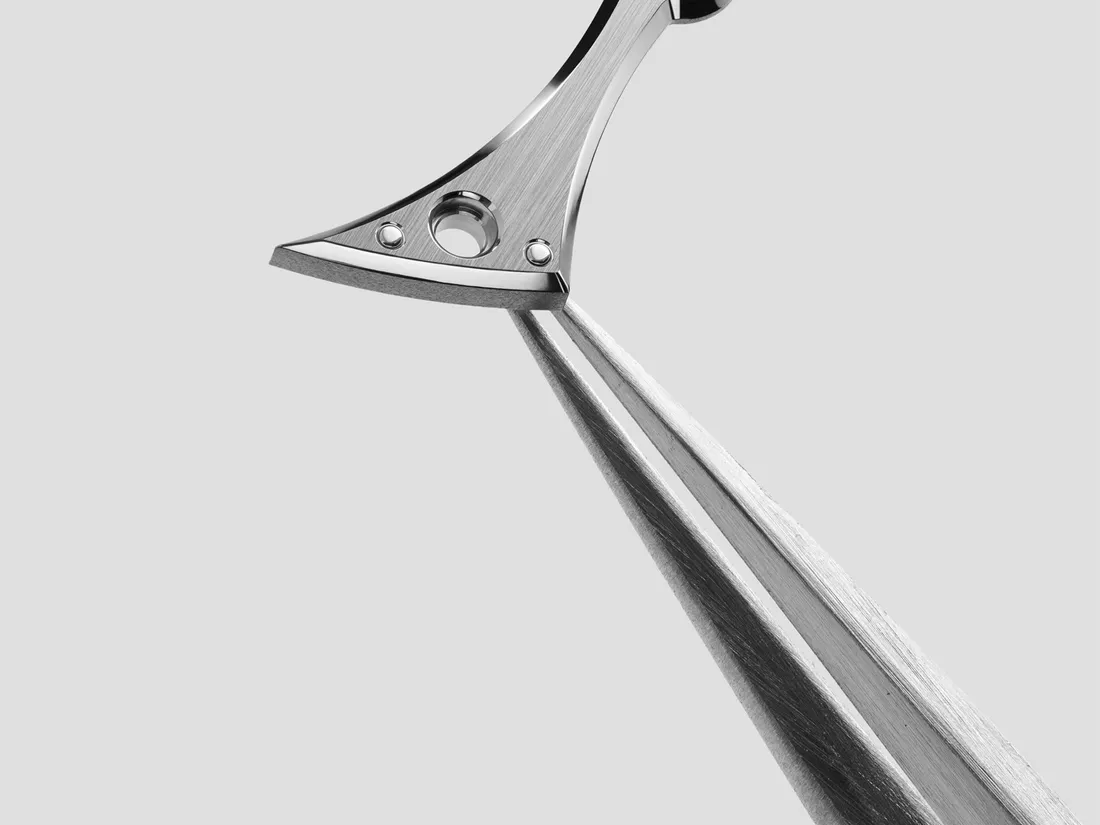
The huge 14 mm balance wheel suspended above the dial is extremely delicate. Stephen McDonnell placed a monobloc annular shock absorber in stainless steel between the movement and the zirconium or titanium case, and named it the FlexRing. Like the suspension of a fine motor car, it soaks up hard knocks from the outside; combined with 80 metres of water resistance, it gives this piece of haute horlogerie the resilience of a sports watch.
The real subtlety of the FlexRing lies in its material. Where most modern shock protection reaches for polymers or carbon composites, MB&F machines a single piece of stainless steel so that it behaves like a spring: the ring flexes both laterally and vertically, forms a cushion between case and movement, and puts a traditional material to a thoroughly contemporary use.
Twin Column Wheels and the Balance of Power
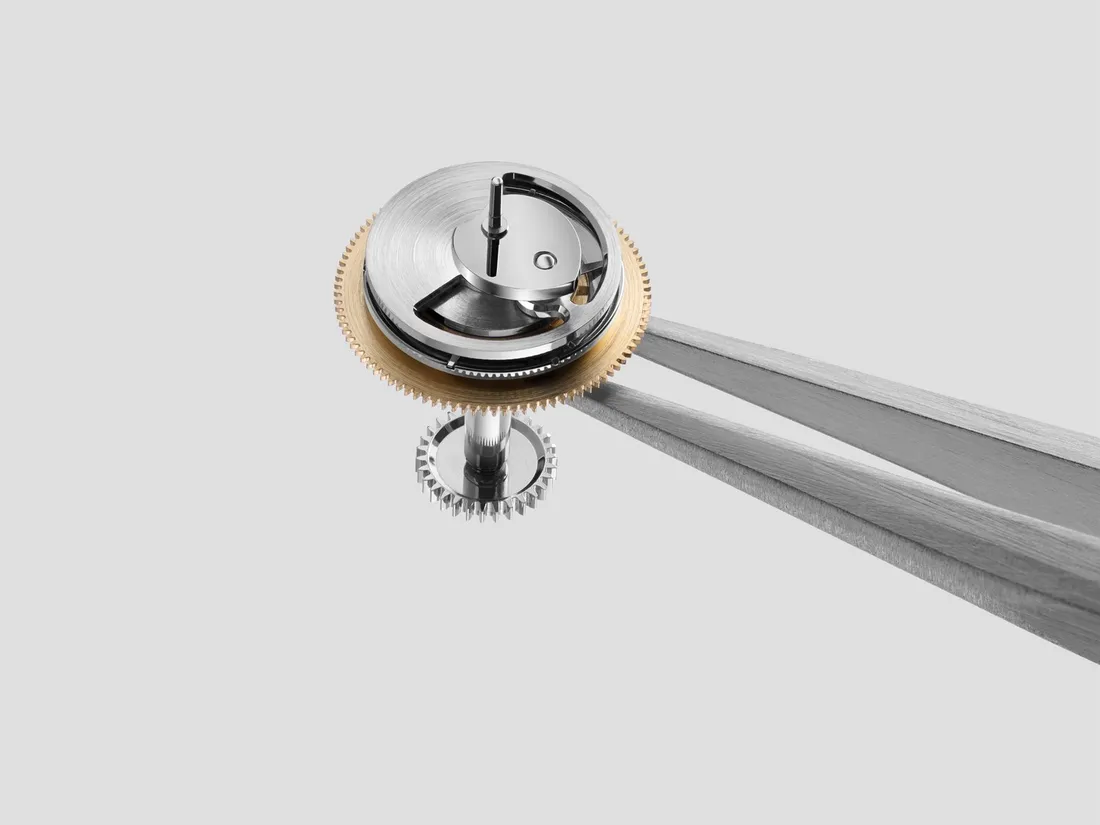
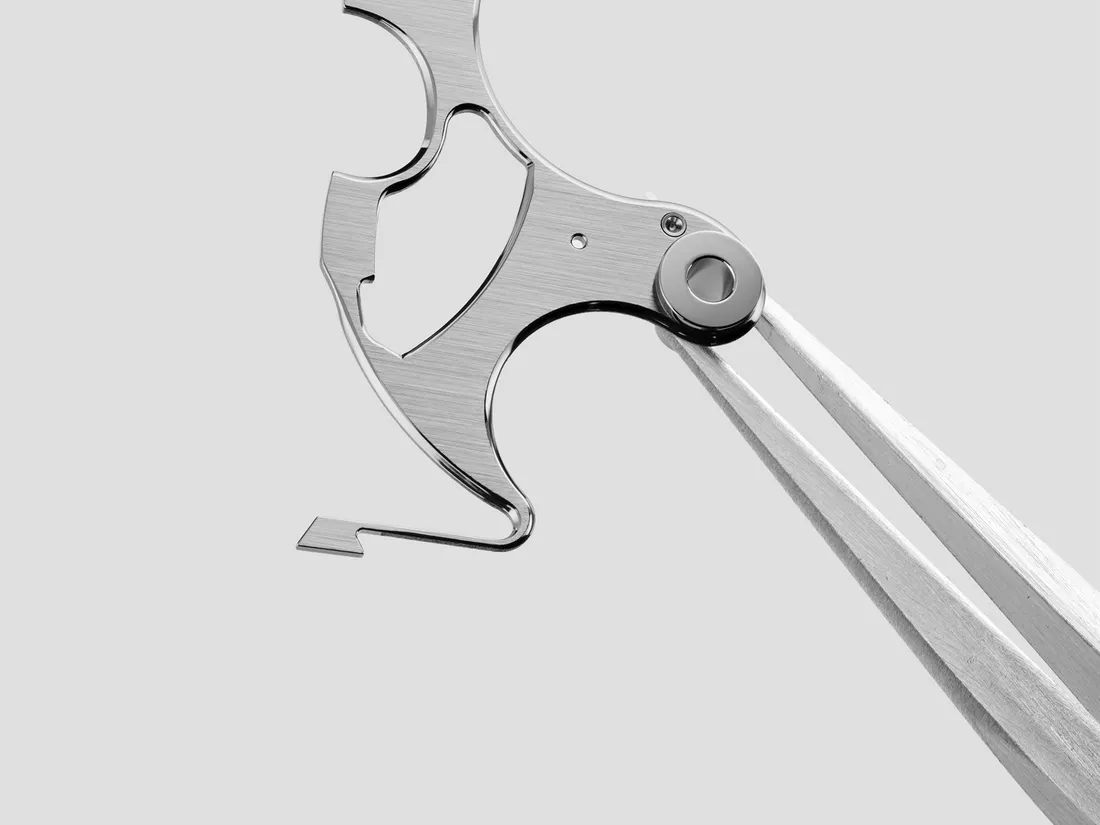
When a traditional chronograph is engaged, an extra load falls on the balance at the heart of the movement and precision suffers. By using two column wheels with vertical clutches, McDonnell prevented the movement from losing amplitude even when both chronographs are running at once.
To put numbers on it: in an ordinary chronograph the amplitude of the balance drops by twenty to thirty degrees when the seconds hand starts, and by another twenty to thirty when the minute counter jumps. McDonnell set the chronograph clutch shafts in internally jewelled bearings and drove friction low enough to erase that drop. The result is a watch that runs at the same rate whether the chronographs are working or asleep.
PART IV: THE TECHNICAL AND SCIENTIFIC RECORD
Lead architect: Stephen McDonnell and MB&F.
Core innovation: two fully independent flyback chronographs inside one calibre, governed by the Twinverter binary logic switch.
Timing modes: lap timer (relay), chess timer (cumulative), simultaneous (split-seconds), independent, and from 2026 flyback.
Shock absorption: monobloc stainless steel FlexRing annular absorber.
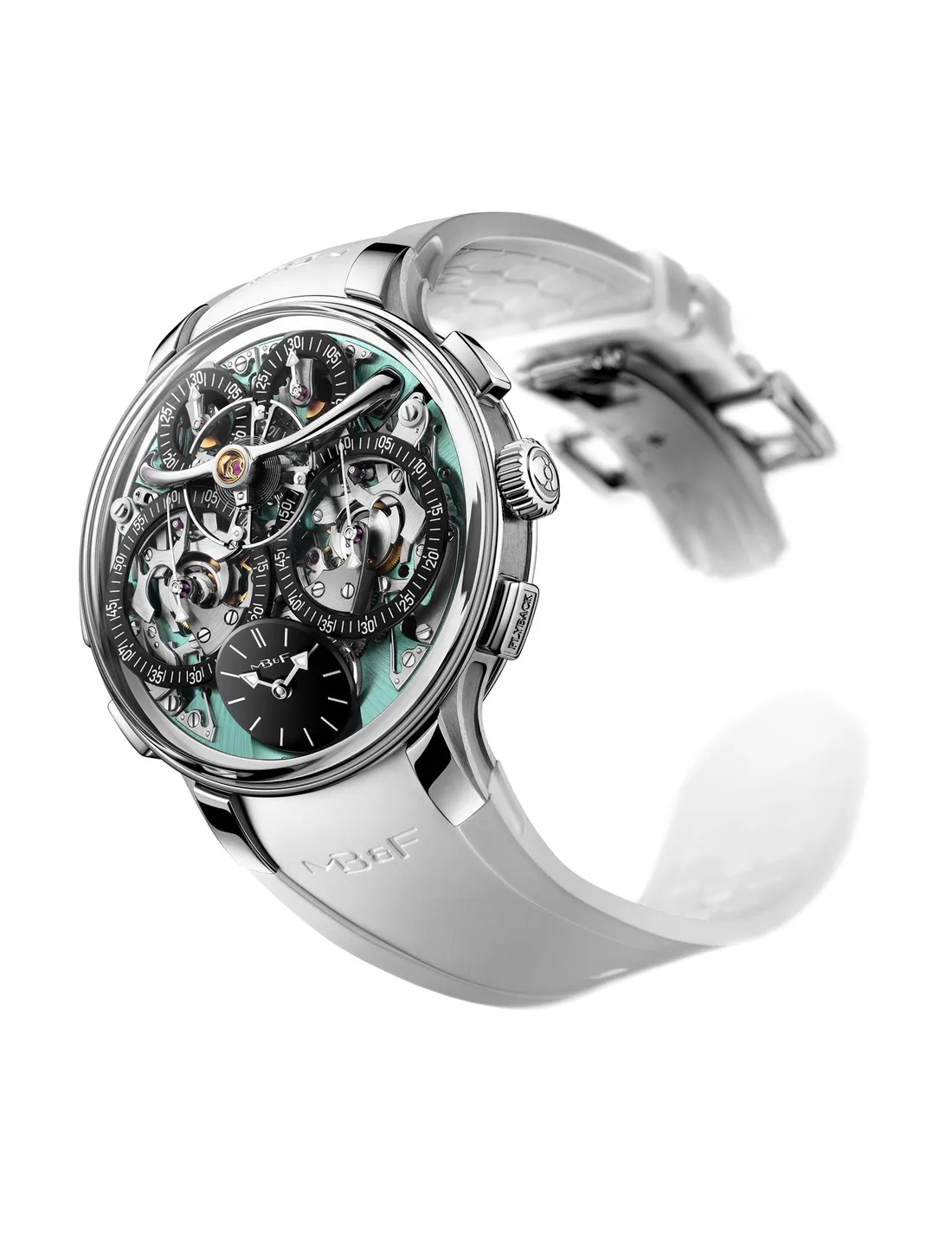
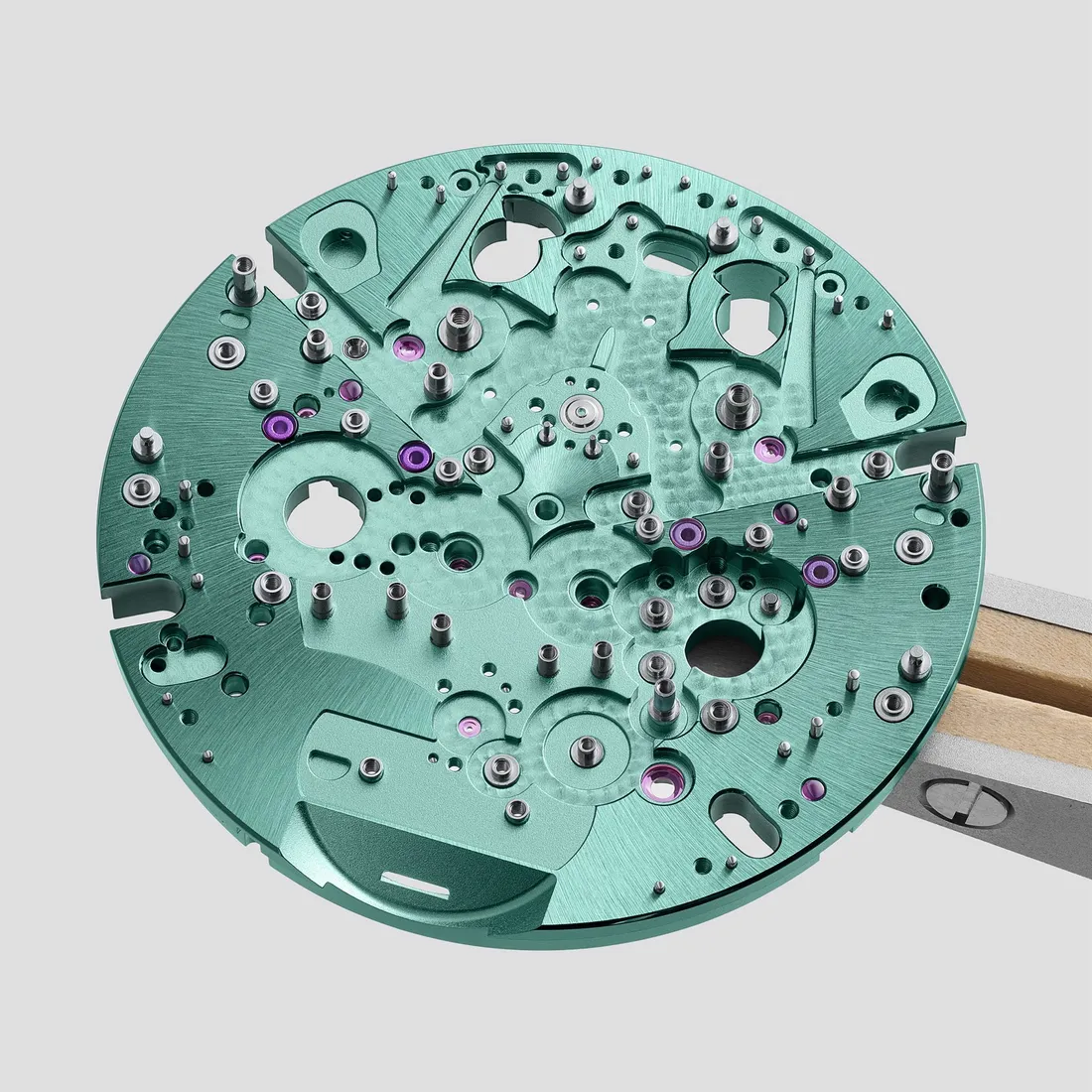
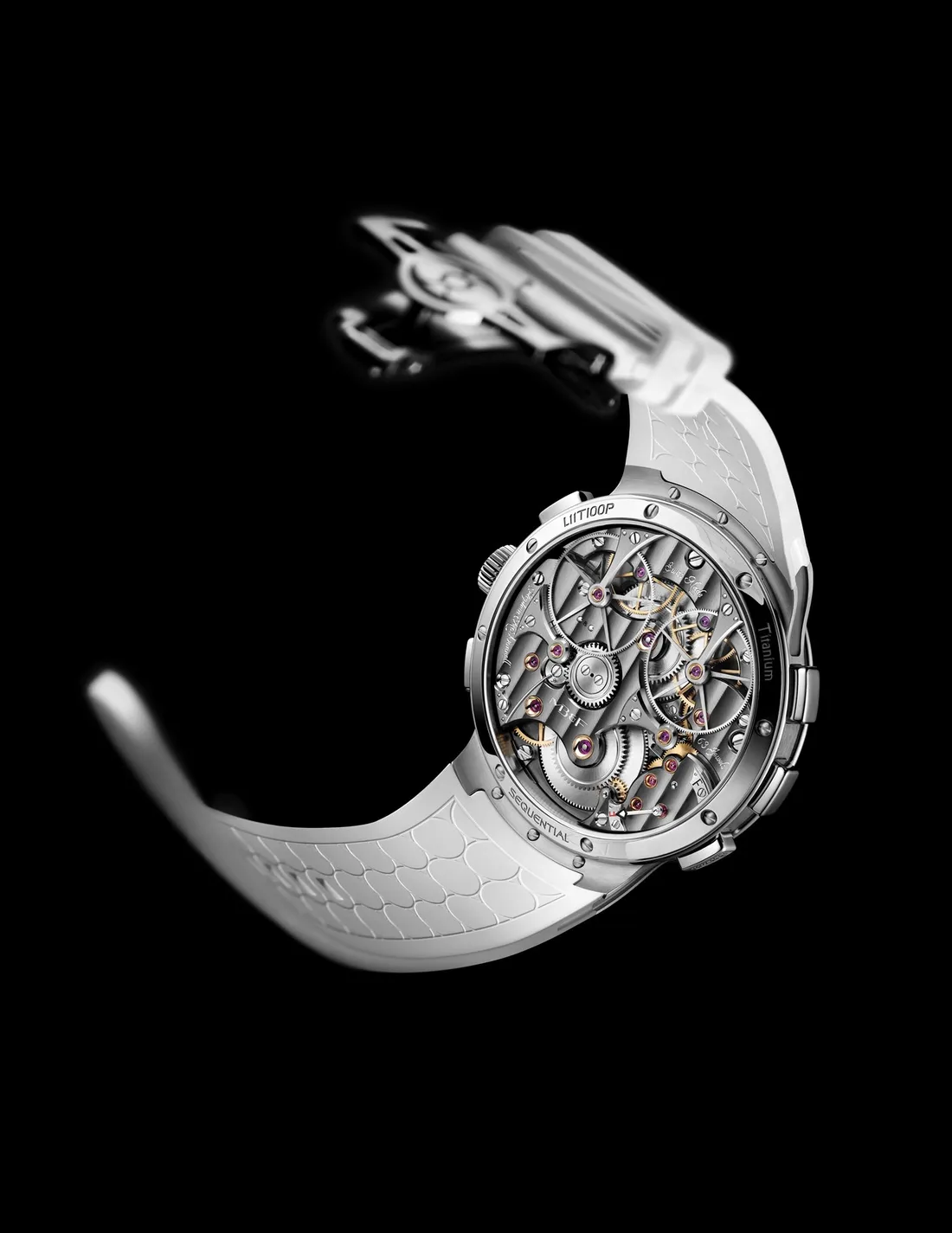
Case and body: the 2026 edition shown here, the LM Sequential Flyback EVO, has a grade 5 titanium case with an aquamarine dial plate; the original 2022 LM Sequential EVO came in zirconium with an atomic orange or coal black plate.
Water resistance: 80 metres, screw-down crown and integrated white rubber strap.
Balance and frequency: 14 mm balance wheel suspended above the dial, with regulating screws and a Breguet overcoil; 3 Hz (21,600 vph).
Winding and power: manual winding with a double mainspring; 72 hours of power reserve, indicated on the back of the movement.
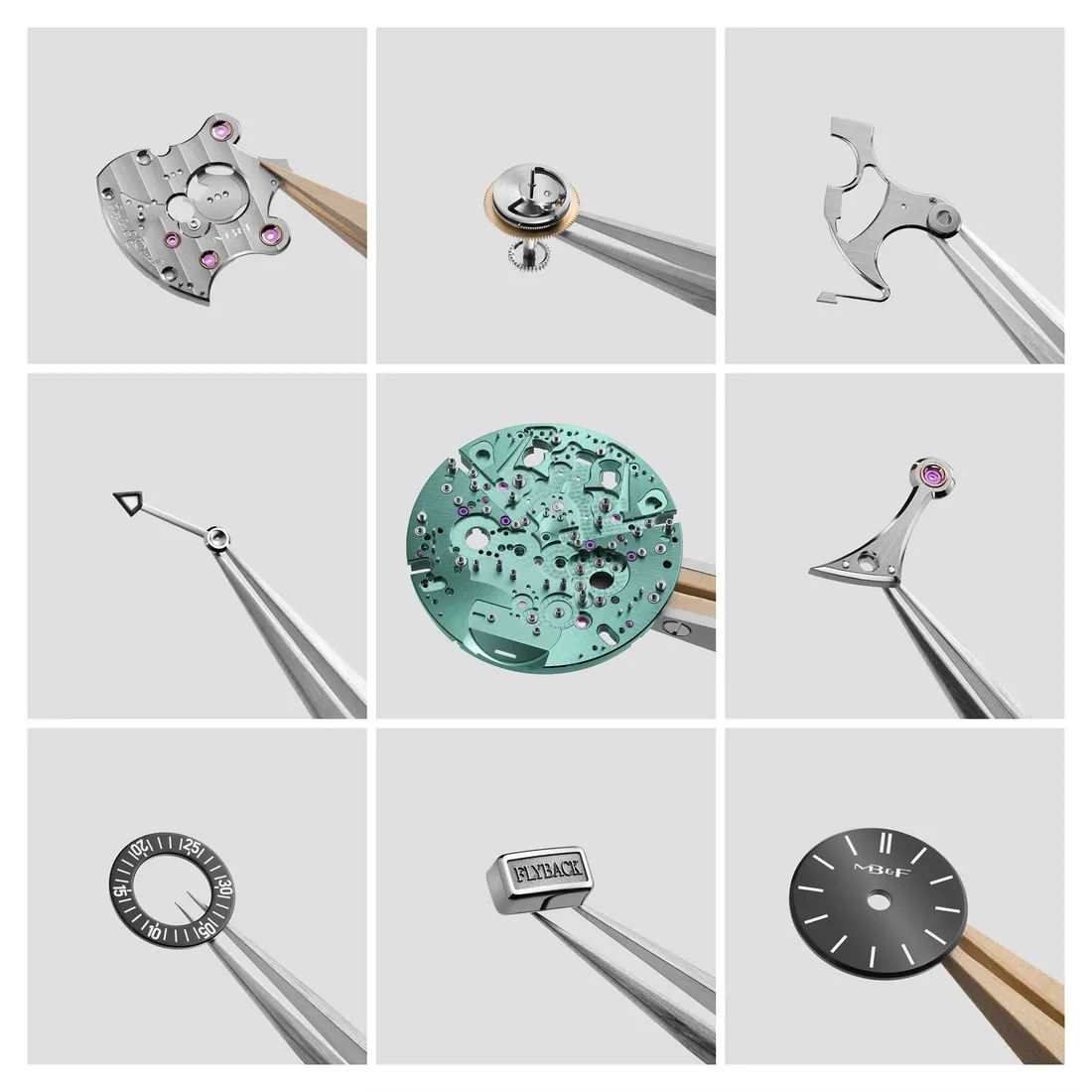
Component count: 621 parts and 63 jewels (585 parts and 59 jewels in the 2022 original).
Award: the 2022 GPHG "Aiguille d’Or", the highest honour in watchmaking.
Price: CHF 168,000, excluding tax.
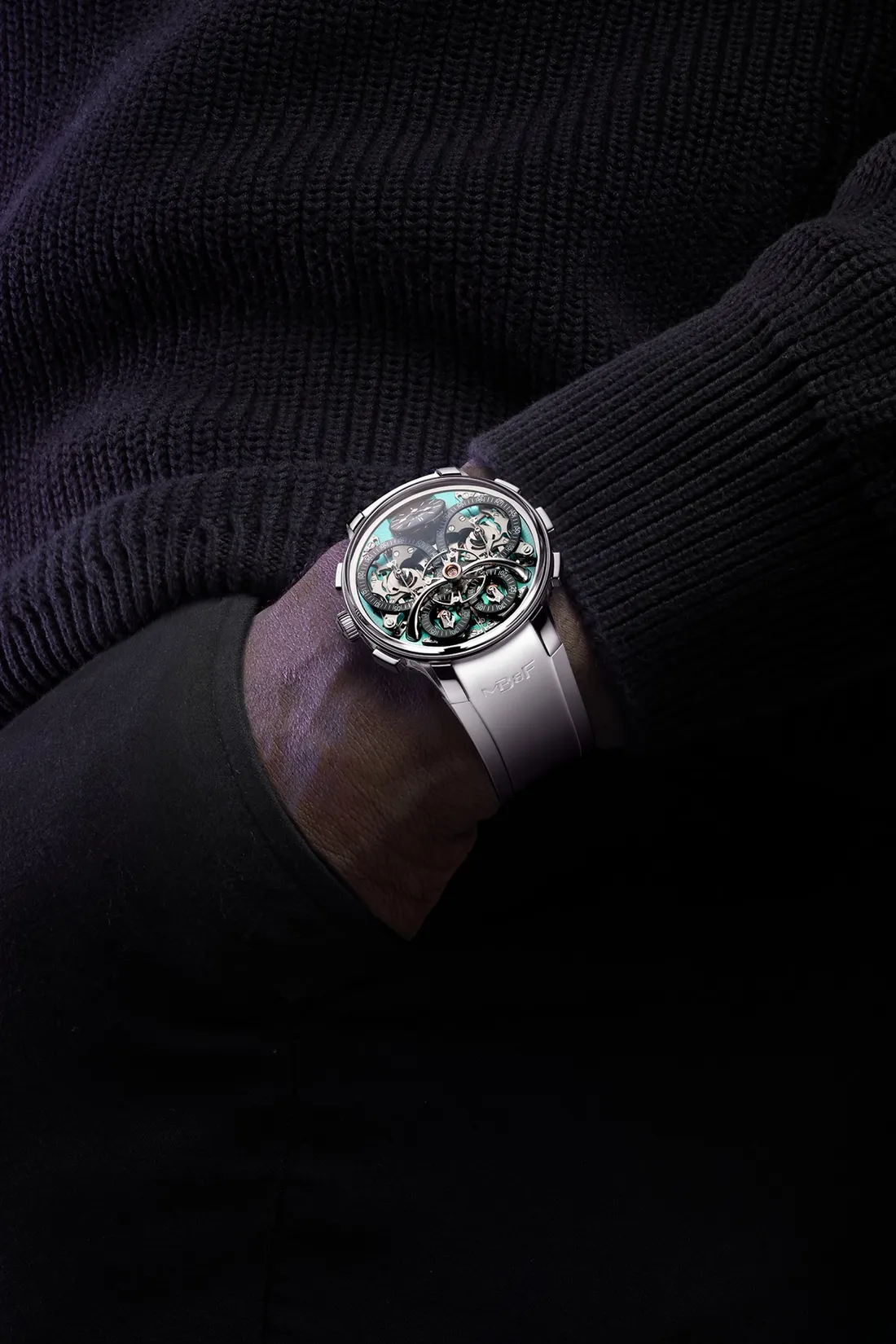
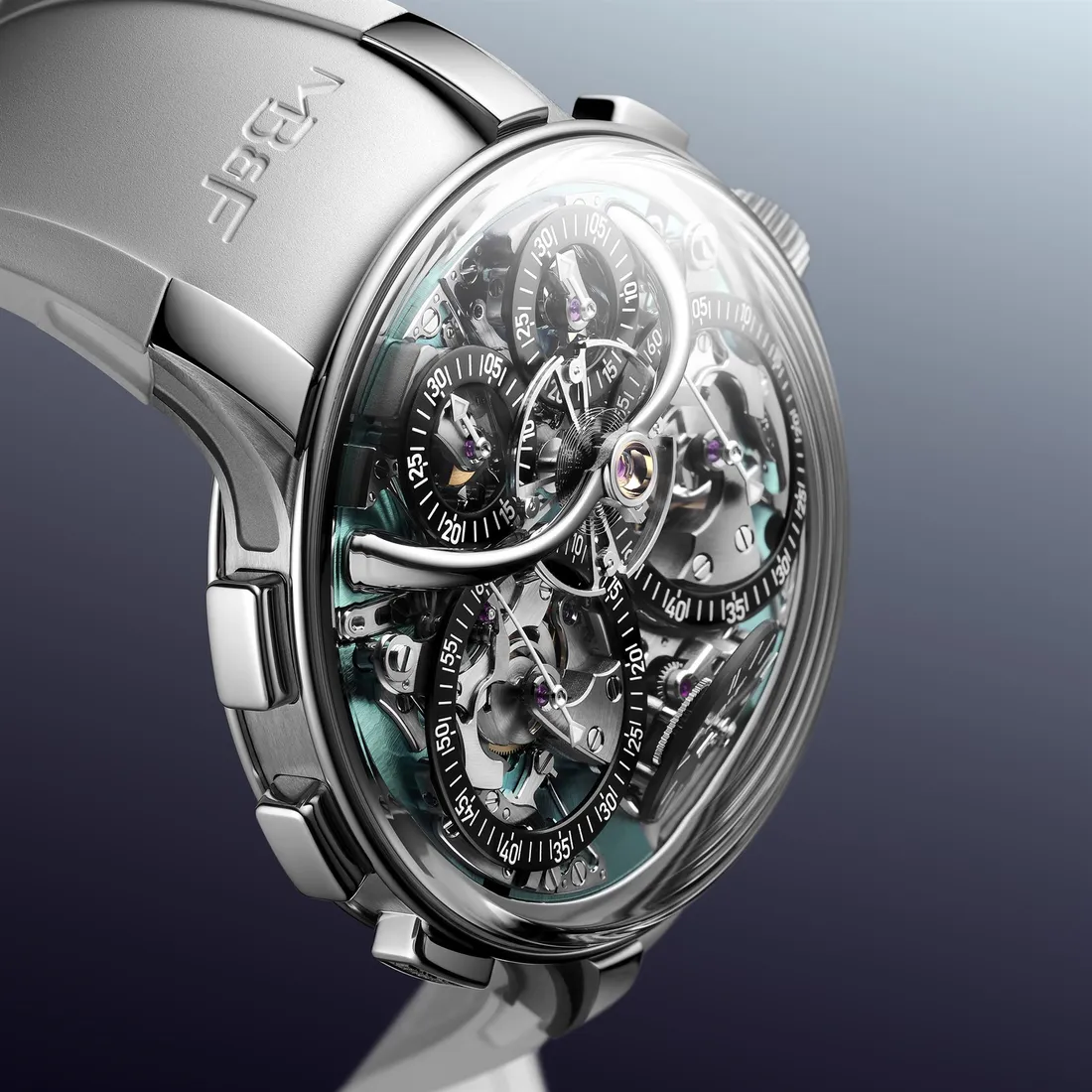
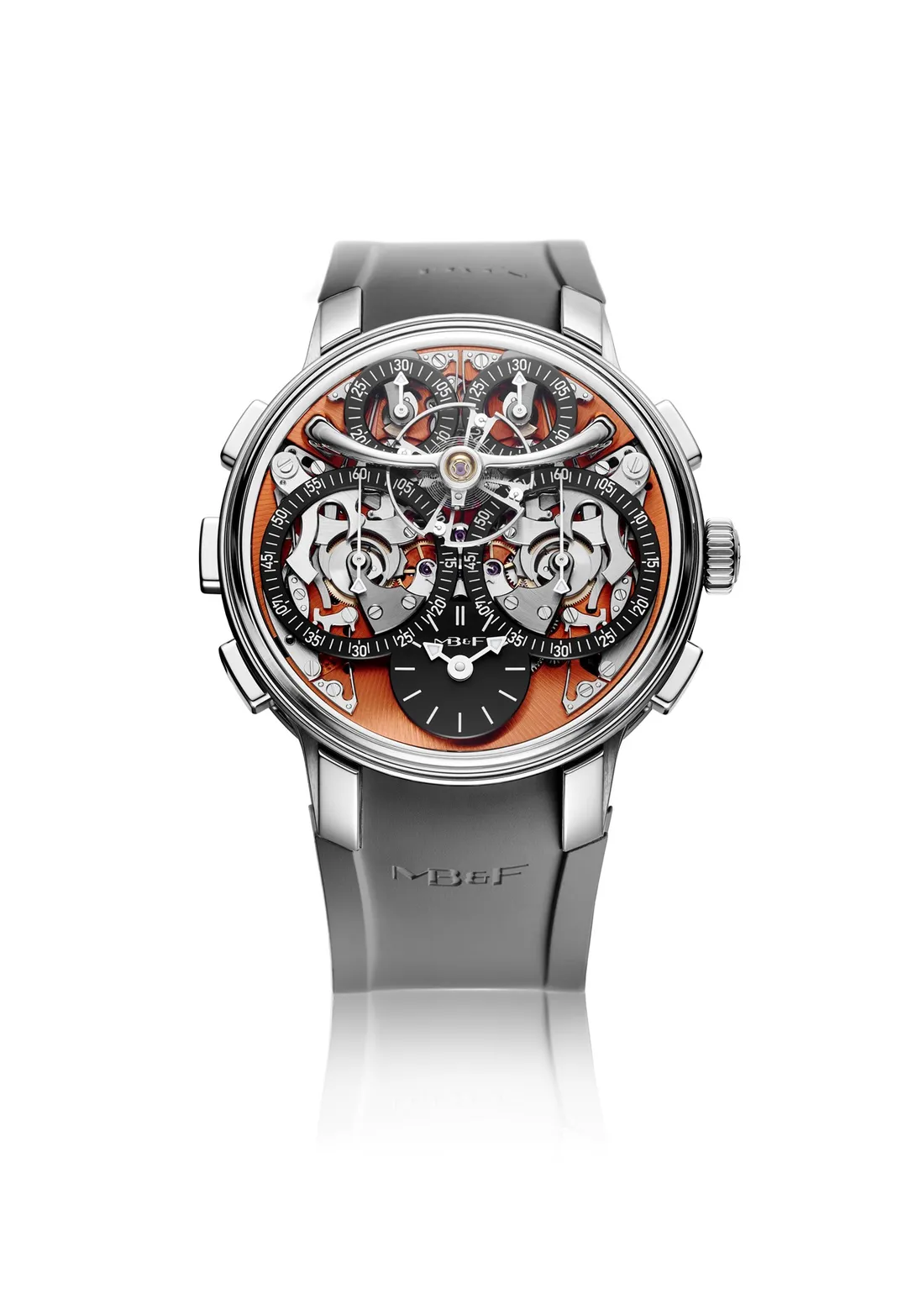

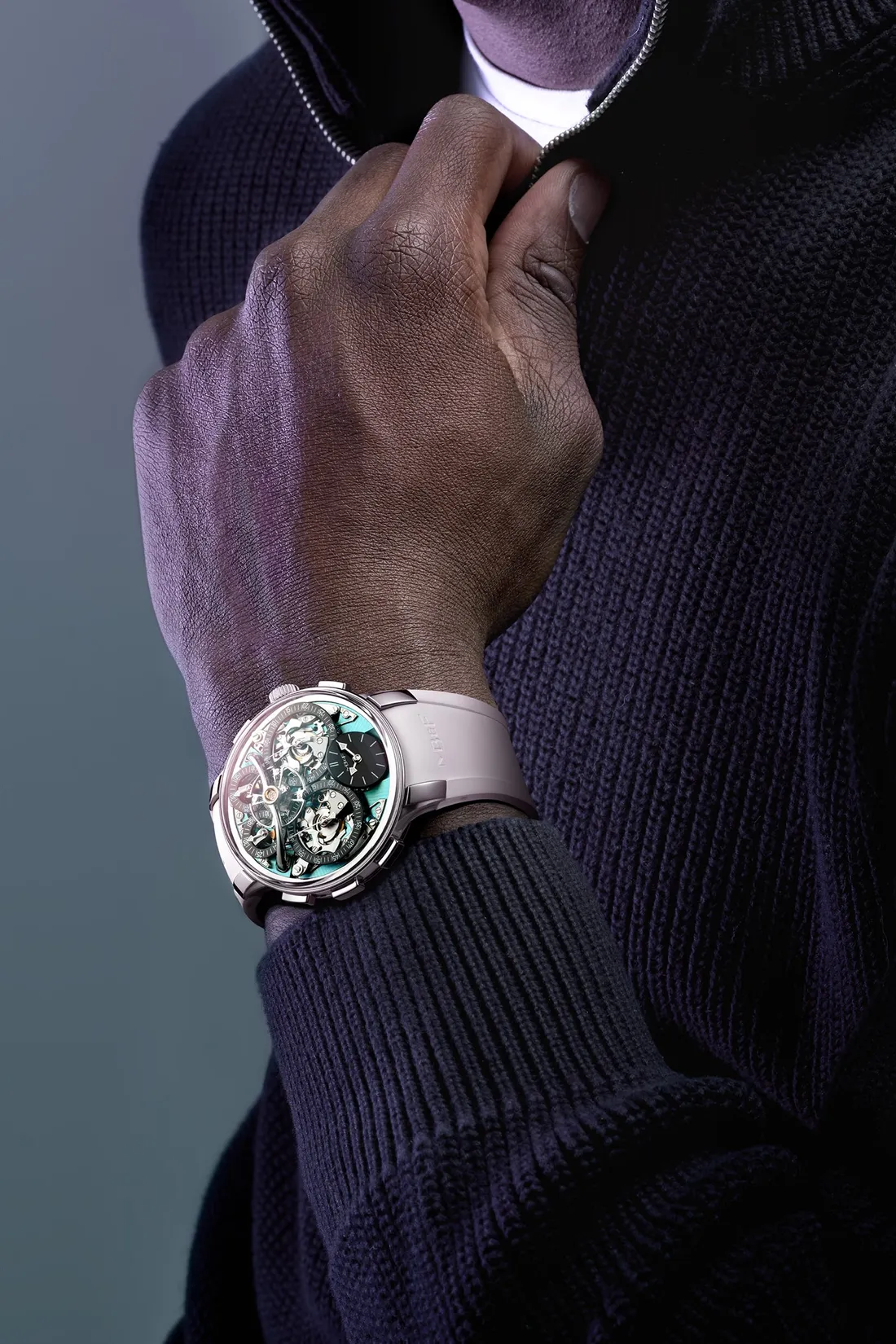
Through Stephen McDonnell’s analytical mind and Max Büsser’s contrarian vision, the MB&F LM Sequential EVO has moved watchmaking out of the act of "watching time" and into the art of "governing time". Beating above its mint green plate, the enormous 14 mm balance wheel is a mechanical monument that proves, second by second, that time is not a single straight line.
format_quote"It has moved watchmaking out of the act of watching time and into the art of governing time."
Hasan Bekmezci