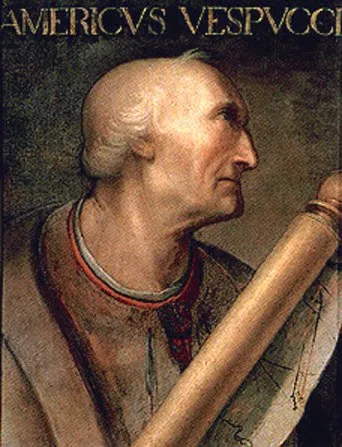
The early 1500s. The wild waves of the Atlantic hammered mercilessly at a wooden hull making its way into the unknown. At the ship's bow stood a man trying to cut through the darkness with nothing but primitive charts and the stars overhead: the Florentine navigator Amerigo Vespucci.
In that age, everyone believed the lands beyond these boundless waters were India. But within Vespucci stirred another intuition, mingled with the whisper of the wind. When he crossed the waves and reached lush green shores and the mouths of vast rivers never seen before, he wrote in his journal the sentence that would change his destiny: this is not India, this is a new continent, a New World.
A New World
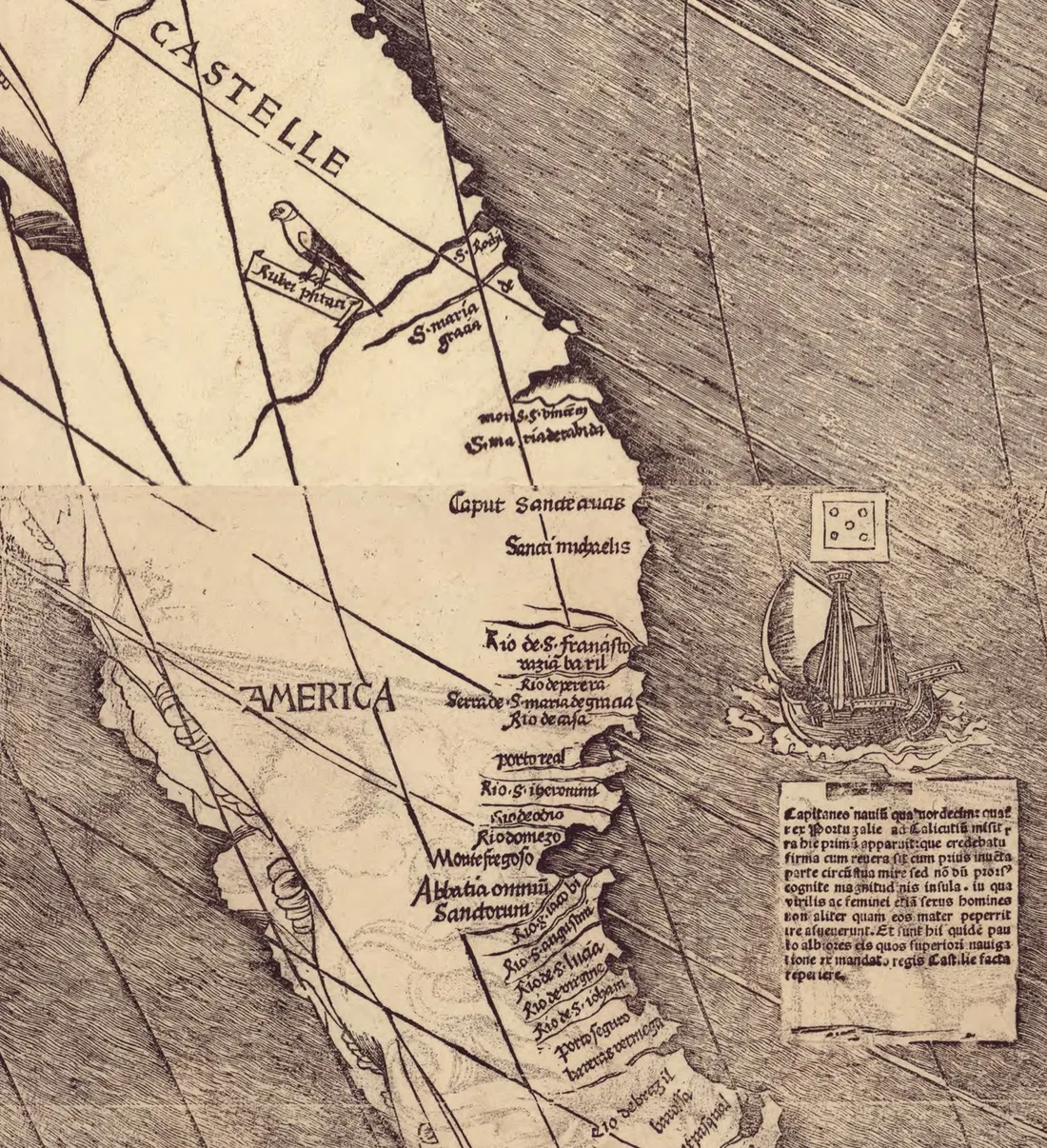
Christopher Columbus had pushed the boundaries of the ocean; but he believed until his death that he had reached Asia. It was Amerigo who proclaimed that it was a wholly different world, and whose letters shook all of Europe. So much so that in 1507, when the cartographer Martin Waldseemüller drew this new continent on a map for the first time, he gave it the explorer's name: America, derived from Americus, the Latin form of Amerigo. For a single person's name to be stamped like a seal upon an entire continent is an honour rare in history.
The Ship That Took the Wind at Its Back
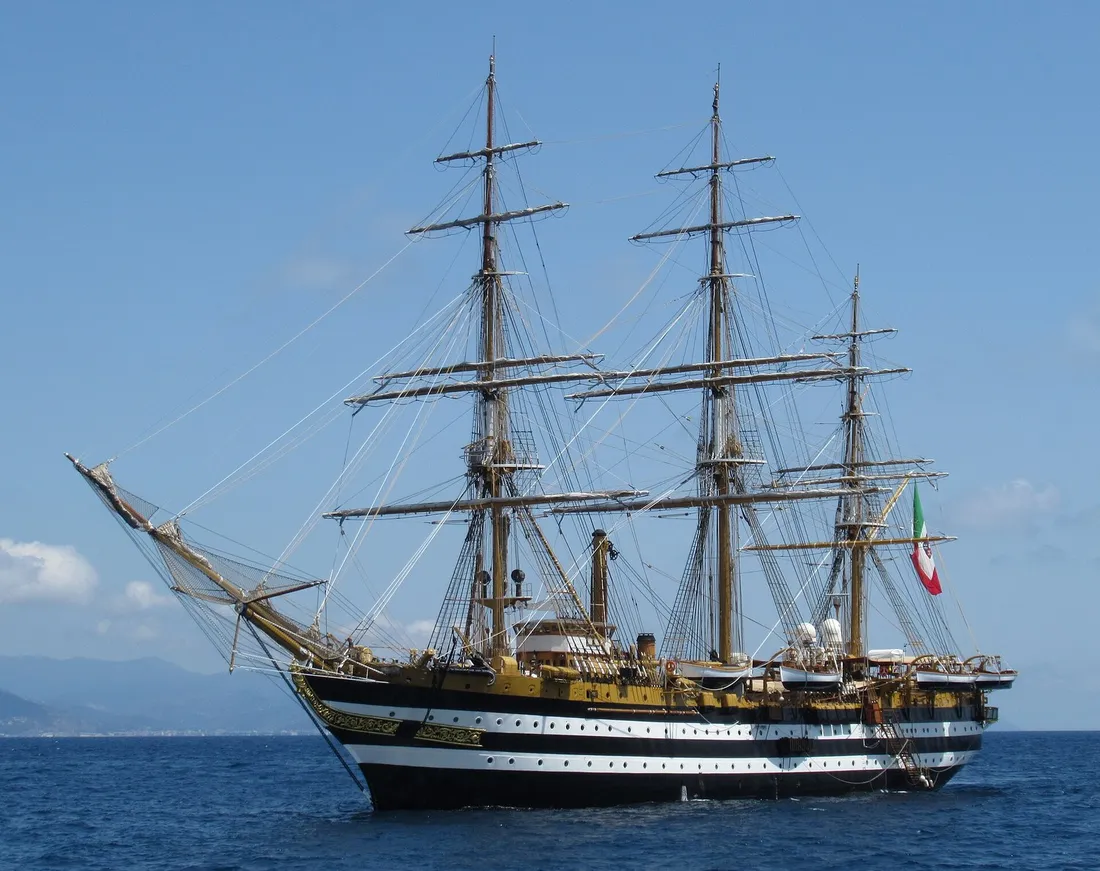
Centuries passed; wooden ships gave way to steel, compasses to satellites. But humankind's passion for discovery never faded. To keep alive the name of this noble explorer of the seas, the Italian Navy built a training ship in 1930 and launched it in 1931: the Amerigo Vespucci. This magnificent three-masted sailing vessel, recalling the warships of old, is celebrated today as the most beautiful ship in the world.
So much so that, as the story goes, a giant American aircraft carrier once flashed her a signal by light: 'You are the most beautiful ship in the world.' When she takes the wind at her back and opens her white sails to the sky, she carries into the present the very spirit of that voyage of discovery of centuries ago.
An Ocean Flowing on Your Wrist: the Ulysse Nardin Classico
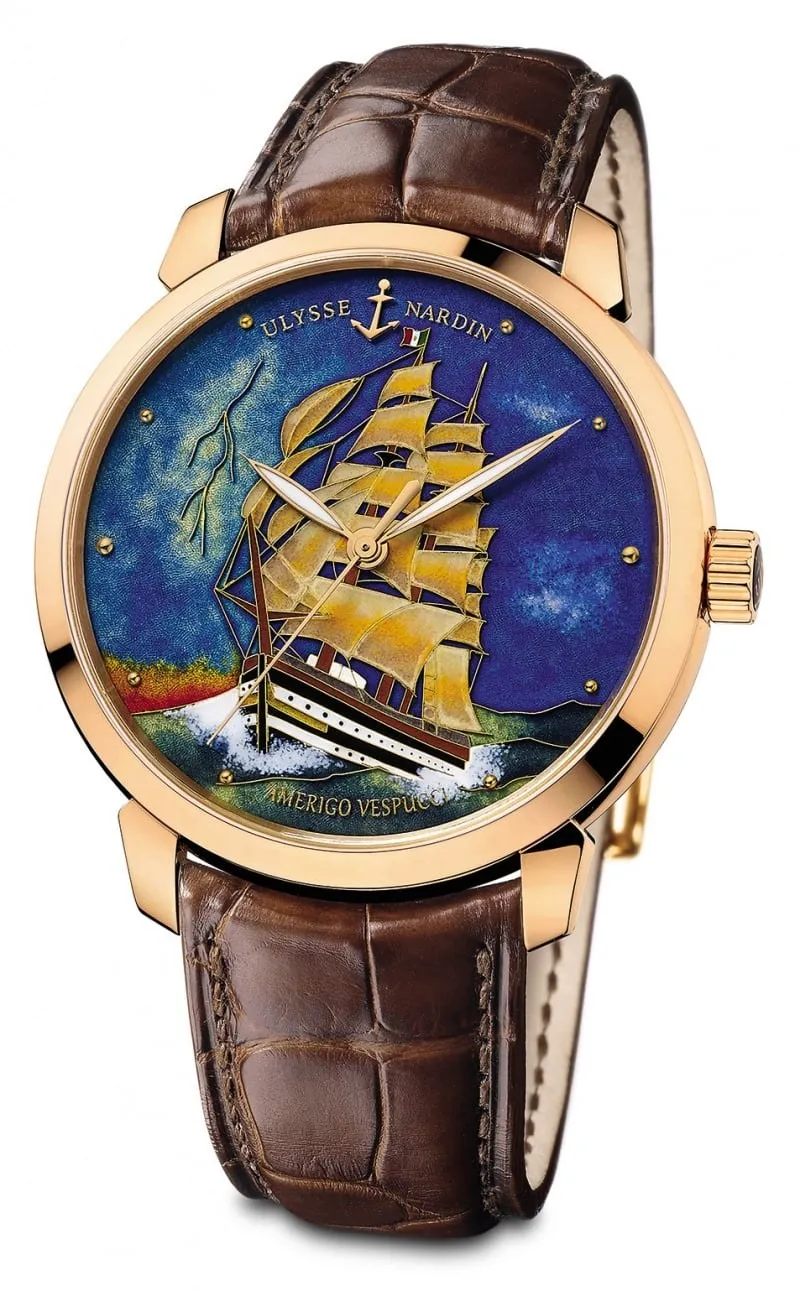
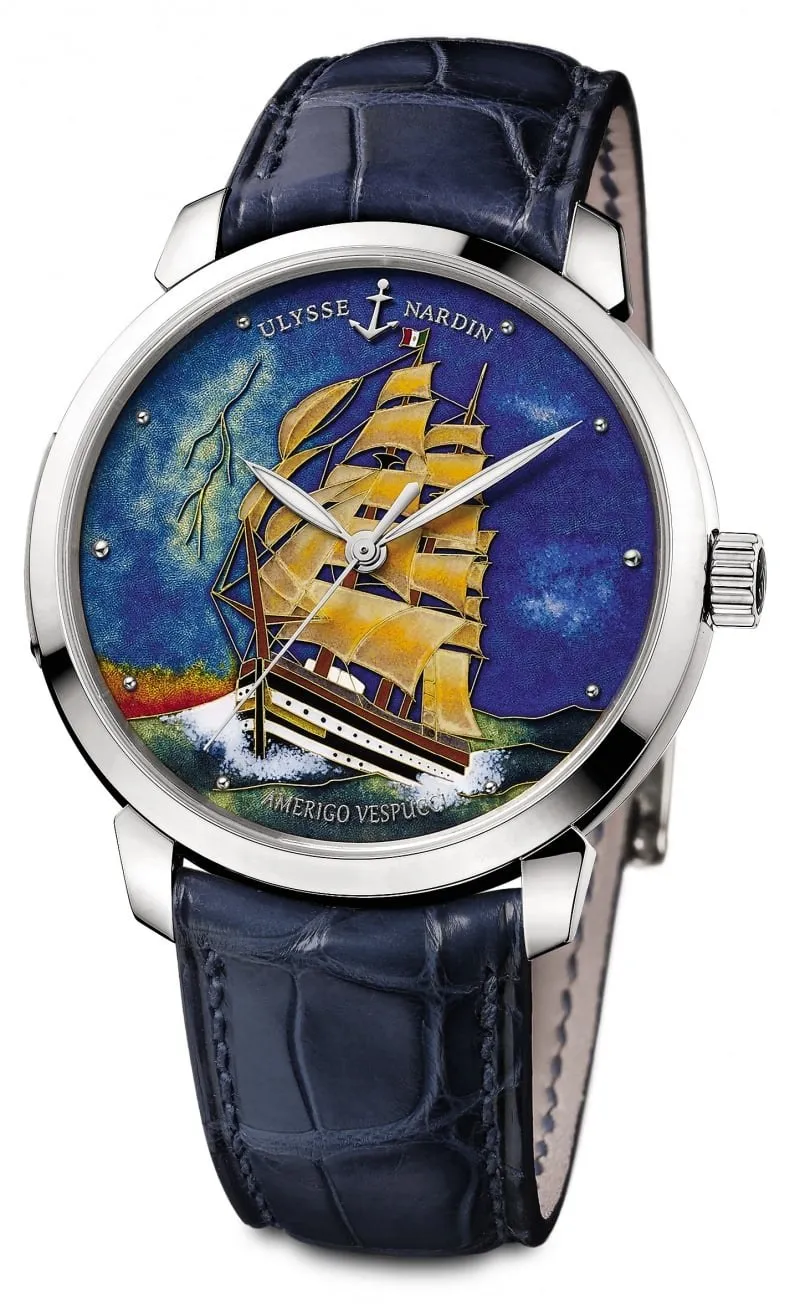
Ulysse Nardin, the first name that comes to mind in the world when marine chronometers are mentioned, carries this noble spirit to the very centre of time, to your wrist. The maison is a house that made the precise chronometers which guided ships; now it celebrates that maritime heritage by inscribing a ship upon a dial. The Classico Amerigo Vespucci is not merely a watch; it is a miniature ocean within which storms rage and waves foam.
At first glance the watch greets you with the deep blue of the ocean into which Amerigo set sail toward the unknown. The vessel, in the copper tones of sunset, seems frozen mid-voyage at full sail. But this is no painting; it is brought to life through cloisonné, or cell enamel, one of the most difficult and elite handcrafts of high watchmaking.
Cloisonné: A Ship Drawn with Threads of Gold
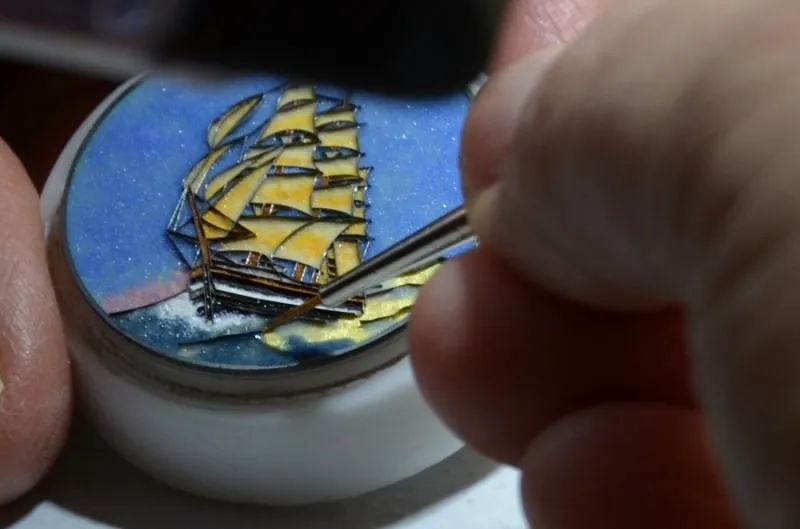
This dial is born at Donzé Cadrans, one of the finest enamel studios in the world. Cloisonné means 'partitioned' in French, and that is exactly the essence of the technique. The artisan bends, one by one with their fingertips, threads of pure gold finer than a hair, and draws the ship's hull, each sail and every foaming wave upon the dial. These gold threads, like the lead lines of a stained-glass window or the black outlines of a colouring book, keep each colour within its own cell, preventing them from bleeding into one another. More than 500 millimetres of fine gold wire is needed for a single dial.
Then these tiny golden pools are filled with enamel in powdered-glass form; some opaque, some translucent, some wholly transparent. Each colour is mixed by a secret recipe. The dial is then fired repeatedly in a kiln at 800 degrees Celsius, just as a piece of pottery is glazed. It is like sailors passing through storm-tossed trials: at each firing the enamel may crack, bubble or lose its colour. After 26 separate processes and more than 50 hours of work, the colours that emerge have become glass; and so they will not fade for centuries. That you feel the sails swell in the wind each time you look at the dial is the miracle of this patience.
Like a Ship's Engine: the Calibre UN-815
This work of art lives in a forty-millimetre case of 18-karat rose gold; like the noble timbers of the ship's deck, the warm tone of the gold carries the sense of luxury to its peak. Within ticks the automatic calibre UN-815. Automatic means that every movement of your wrist turns a rotor inside and winds the spring; that is, the watch winds itself from your motion, just as a sailing ship feeds itself from the wind.
This calibre is also COSC-certified. That means the watch was tested for fifteen days at the official Swiss institute, in five positions and three temperatures, and proven to keep its daily deviation within a very narrow margin; just as a ship passes strict sea trials before setting out. Its forty-two-hour power reserve is the watch's fuel tank. And when you turn over the sapphire crystal caseback, the flawless harmony of the wheels recalls the synchronisation of a ship's engine room. The watch is water-resistant to 50 metres; and with its anti-reflective sapphire crystal, the dial shows all its depth under the light.
A Heritage for Lovers of Discovery
As Amerigo Vespucci crossed the oceans, he had at his side only the stars and his courage. Ulysse Nardin crowns that courage with this rare collector's piece, made in only 30 examples worldwide, in both rose and white gold. This is less a watch than a ship's logbook worn on the wrist.
If you wish to carry on your wrist not only the time but the salt scent of the wind, the sound of the waves, the discovery story of an entire continent and a century-old enamel craft, the Classico Amerigo Vespucci invites you to write your own open-sea story. For time is not merely a notion that flows away; it is a vast ocean waiting to be discovered.