While the solar system was assembling, some bodies never made it to planethood. Several had grown large enough for iron and nickel to separate out and form a core; then a collision broke such a body apart and the cooled remains of its core were thrown across space. Millions of years later one of those fragments entered the Earth’s atmosphere and came down in northern Sweden.
The meteorite fragments found in that region are called Muonionalusta, and their estimated age is greater than our planet’s. Which is to say that when this material formed, the Earth had not yet solidified.
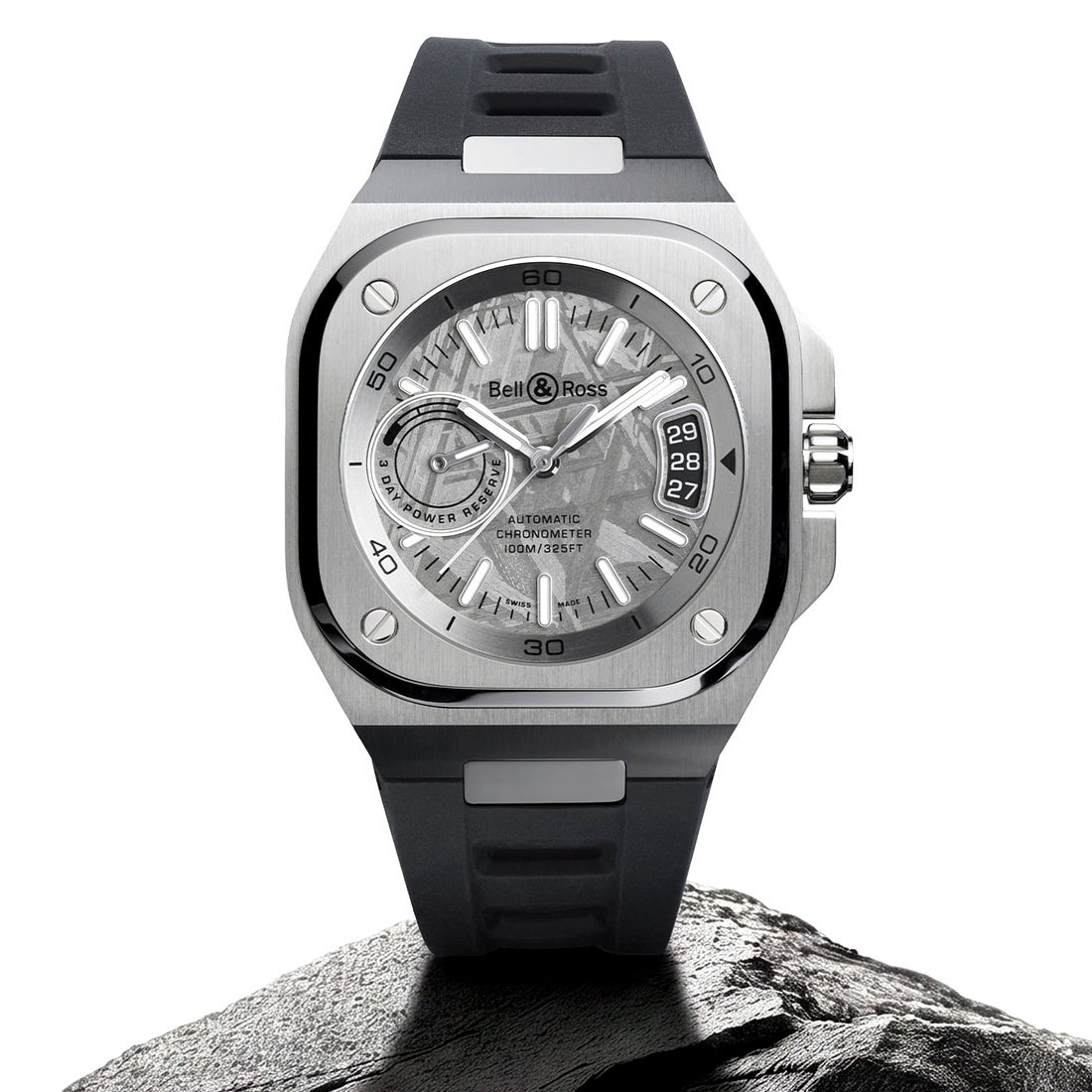
Bell & Ross has sliced that material into a dial. But the real subject is not where it came from. It is how the pattern on it was made.
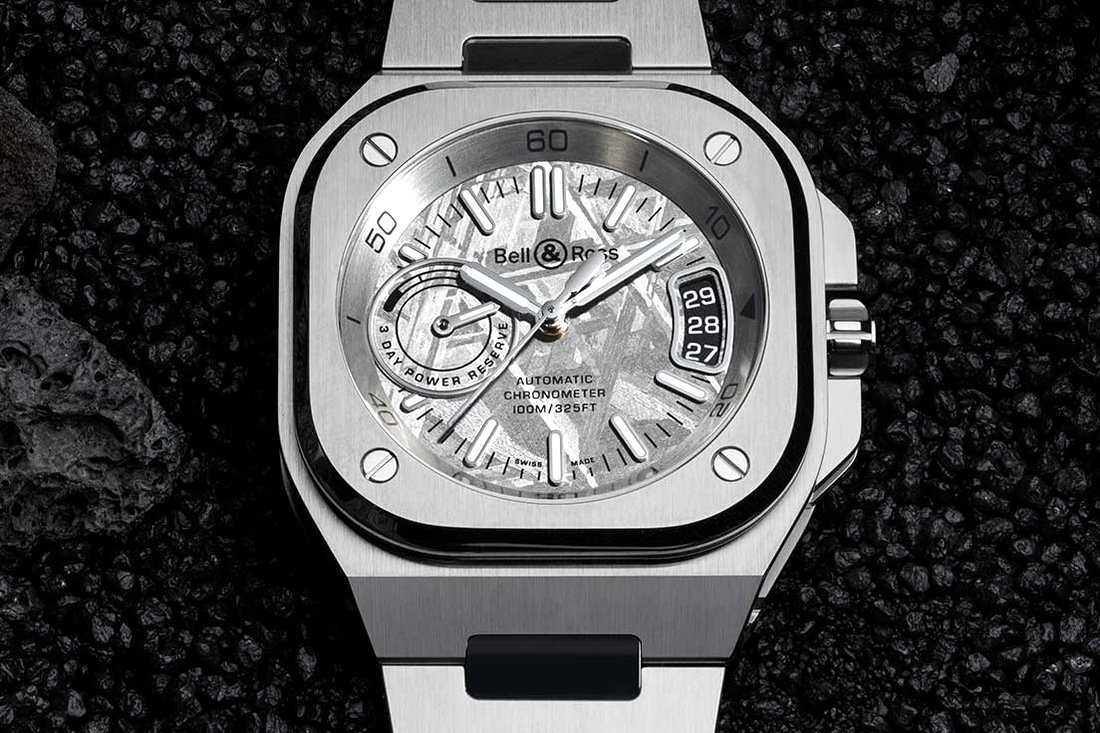
When an iron-nickel meteorite is cut and etched with acid, long intersecting bands appear on its face. That pattern is not the result of a process; it is the internal structure of the metal, and it forms under one condition only: extraordinarily slow cooling.
As iron and nickel solidify together they build different crystal structures depending on the cooling rate. Cool quickly and the crystals stay microscopic and invisible. Cool slowly and they grow. The rate required to produce this pattern is on the order of a few degrees per million years. It cannot be imitated in a laboratory, because no furnace can be run for millions of years.
For a dial material that is an extraordinary property. Guillochage comes from a craftsman’s hand, enamel is fired in a kiln, marquetry is cut and glued. This pattern was made by nobody and cannot be repeated. Each slice carries the crystal orientation of whatever point in the body it was taken from. No two dials are ever the same.
format_quote"This pattern was made by nobody and cannot be repeated. The only thing that produced it was a cooling rate of a few degrees per million years."
Eric Berger
format_quote"Here the craft is not production but selection."
Eric Berger
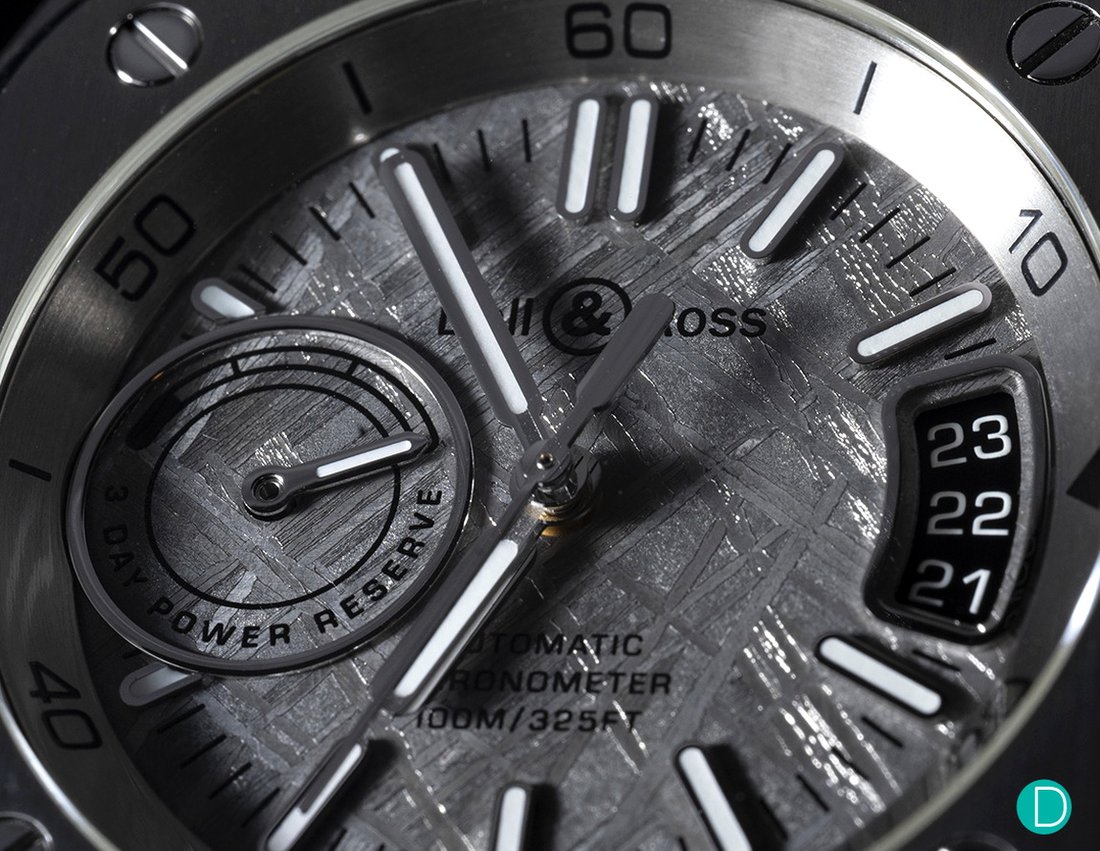
Turning that material into a dial is a difficulty of its own. Meteorite is not steel; it carries internal stresses and micro-cracks and can separate in an unexpected place while being cut. The thinner the slice, the higher the risk, and a dial is under a millimetre. Once cut it is also open to corrosion, since raw iron and nickel react with moisture in the air and rust. Dials are therefore sealed with a protective layer after etching.
The pattern is entirely at the mercy of the material as well. The bands appear at whatever angle the cutter entered, and the only thing a craftsman can do is cut repeatedly and choose what he likes. Here the craft is not production but selection.
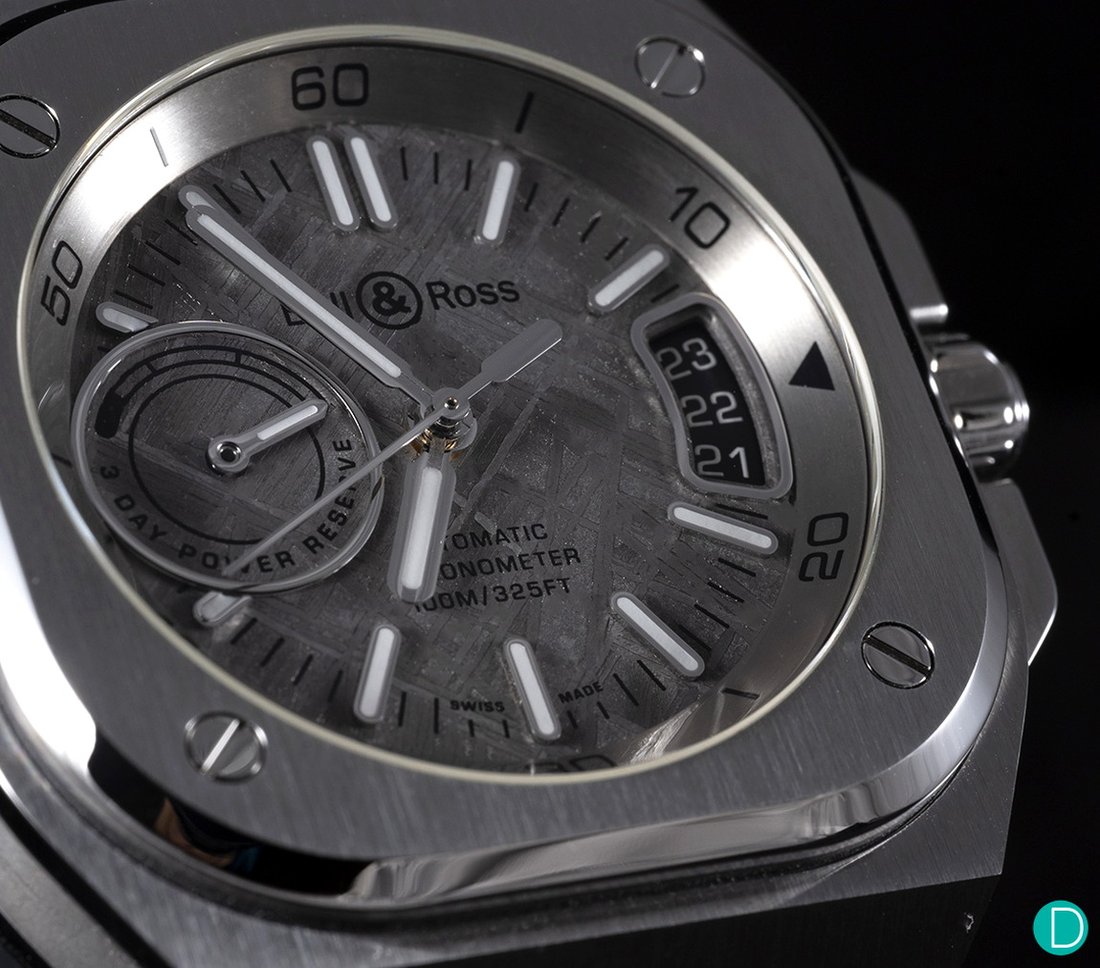
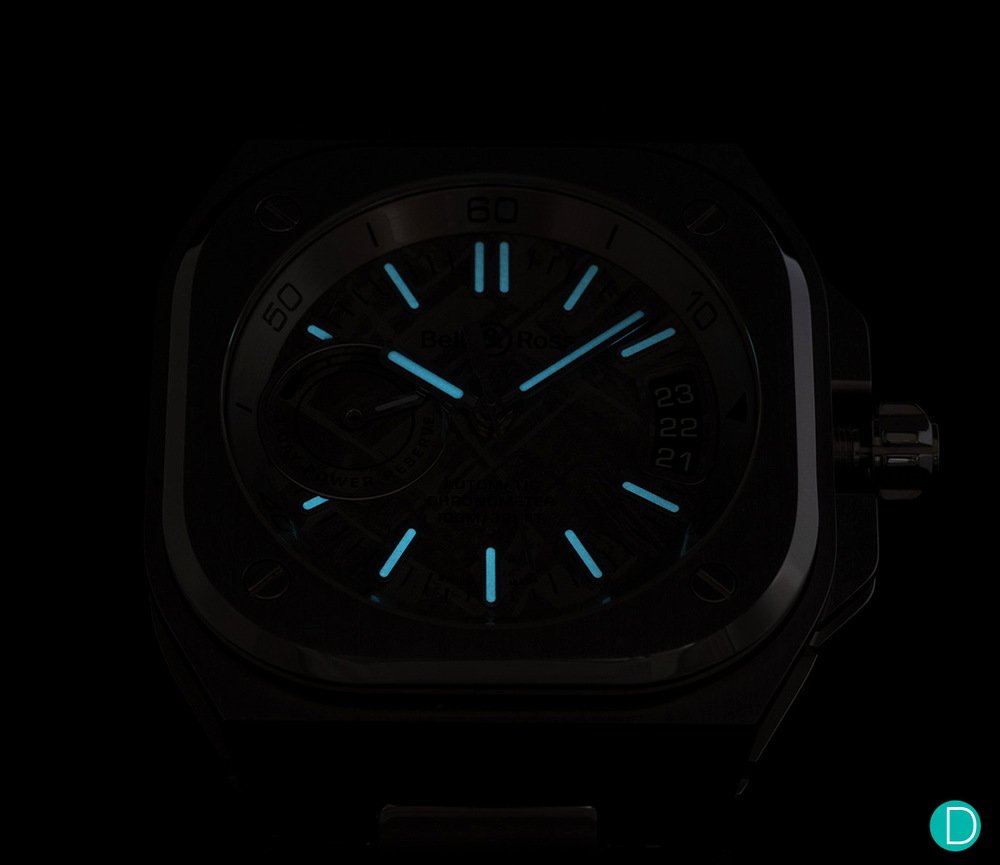
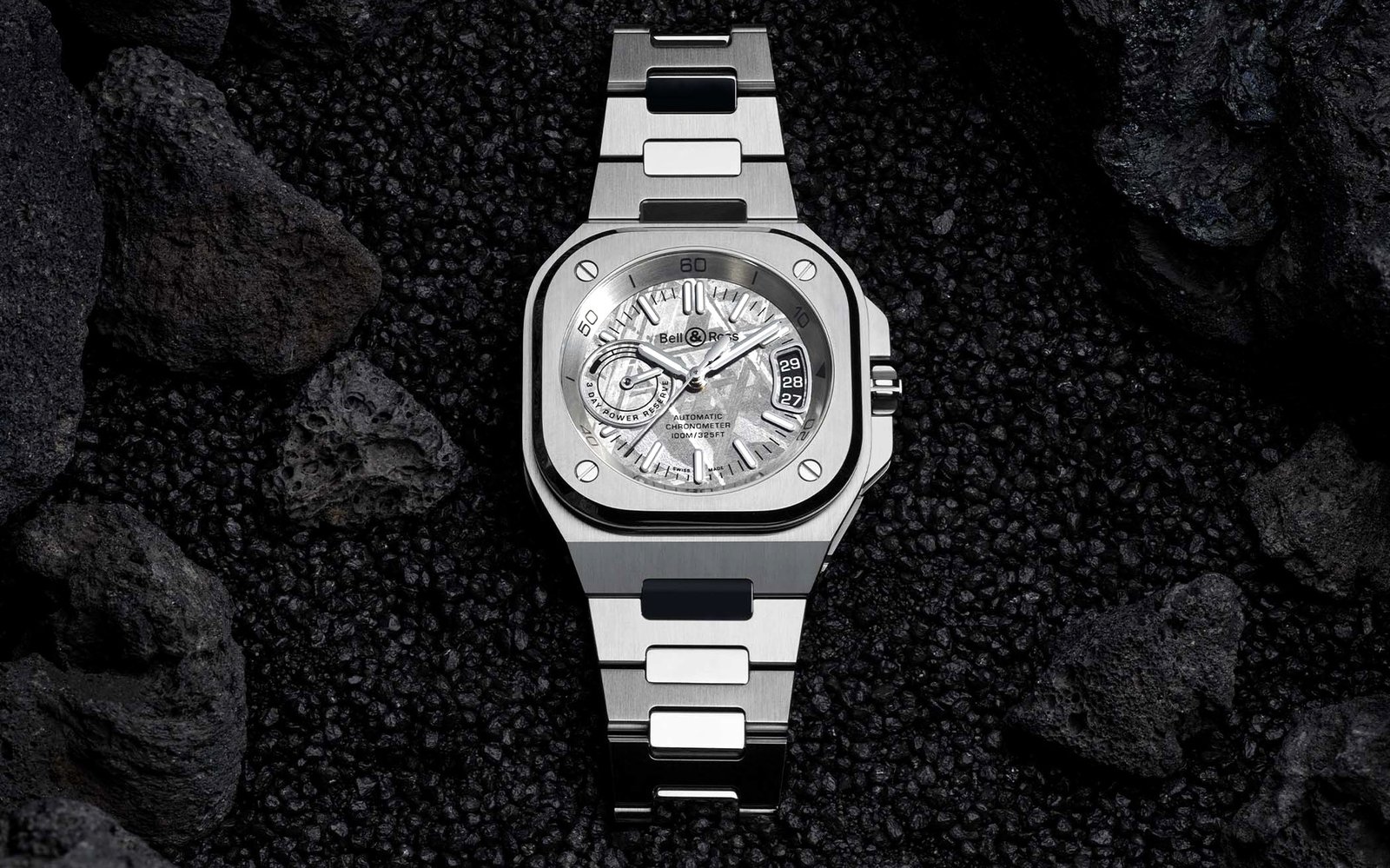
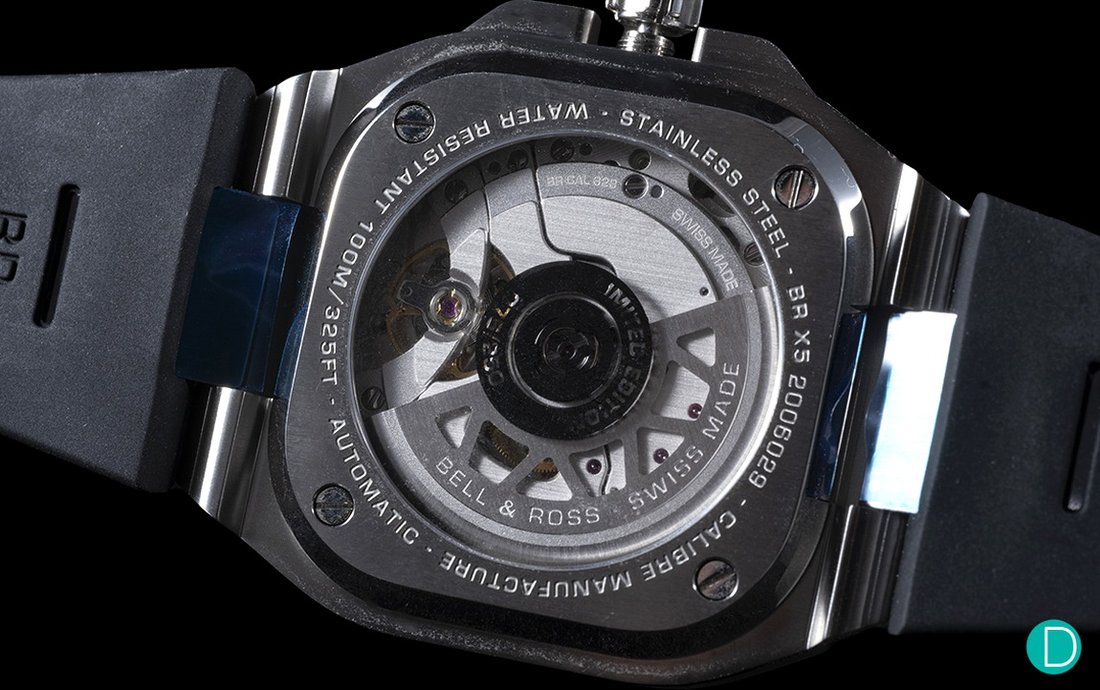
As for the case, the BR-X5 keeps Bell & Ross’s familiar square-dial architecture but is assembled differently. It is not one piece: it is a layered construction of up to twelve parts built around a watertight central container holding the movement. The reason for that arrangement is not only visual. The outer layers absorb shock and stress while the inner container isolates the movement.
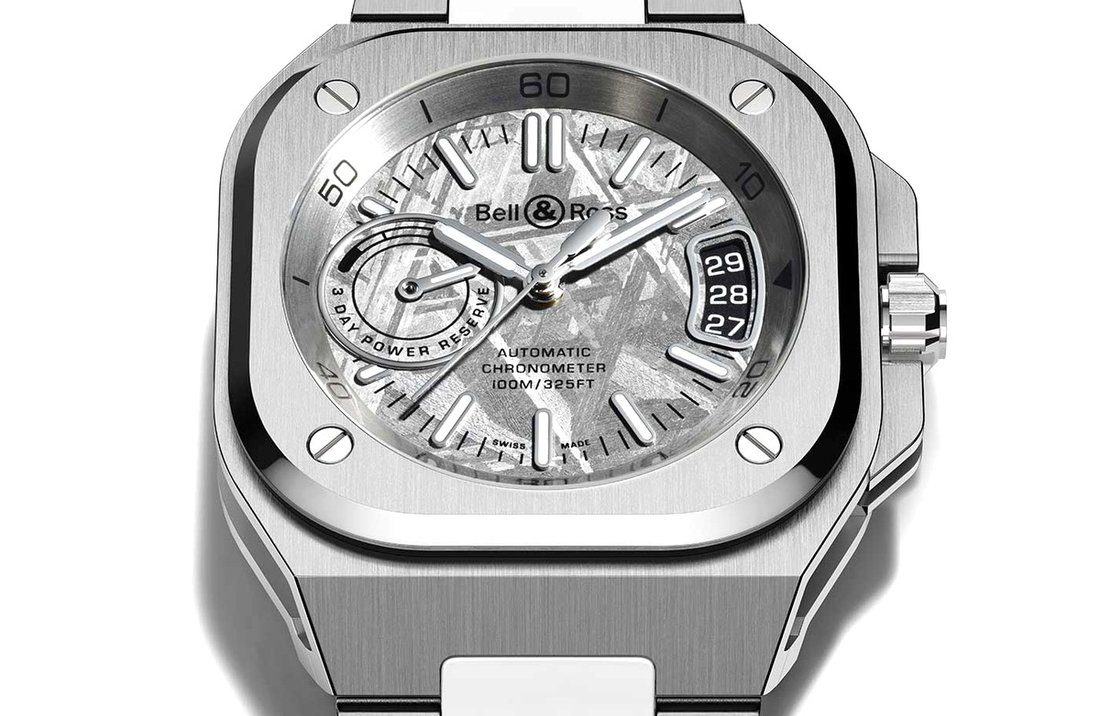
Forty-one millimetres across and 12.8 thick are reasonable figures for that structure. The dial carries automatic winding, chronometer certification, a date window and a power reserve indication.
format_quote"A watch is an instrument for measuring time. This one also carries the record of a span it could never measure."
Eric Berger
Meteorite dials have been tried by a number of brands in recent years and risk becoming a cliché. What rescues this watch from that risk is that the material is used as a texture rather than as an exoticism. A grey matte surface sits in the same family as the brushed steel of the case; the dial does not announce itself and shows what it is only close up.
And it is a strange experience to remember what you are carrying on your wrist: the lines on it were drawn before your planet existed, in darkness, in a place nobody was looking at, and at an unimaginable slowness. A watch is an instrument for measuring time. This one also carries the record of a span of time it could never measure.