A Quantum Conversation in Zurich: "We Are All Stardust"
In the high-ceilinged hall of the focusTerra Museum in Zurich, the midday sun filtered in among the glass cases displaying vast cross-sections of meteorites. In that calm moment, with the smell of coffee spreading across the wooden table, three old friends were talking.
One was Prof. Dr. Henrik, an expert in astrophysics and astronomy; another was Prof. Dr. Florian, professor of planetary geology; and the third was Prof. Dr. Mateo, a cosmochemist who studies elemental isotopes in the laboratory...
Turning his coffee cup and fixing his eyes on the vast star map on the ceiling, Henrik started the conversation: "Sometimes, when I look at the sky, I think that humanity’s greatest illusion is to imagine itself as made of nothing but earth... And yet the iron atom at the heart of the haemoglobin that carries oxygen in the blood coursing through our veins, and the iron in the core of a giant star in the farthest corner of the universe, came out of exactly the same factory. When a giant star reaches the end of its life and explodes as a supernova, it scatters billions of tonnes of iron and nickel across the universe. Carl Sagan’s words, We are all stardust, are not a romantic literary phrase but a plain astrophysical truth."
Florian nodded with a smile: "Very true, Henrik. The dust scattered from those stellar explosions comes together over millions of years in the void of space and forms asteroids and planetary cores. So a rock hundreds of kilometres beneath the ground and a stone that falls from space are in fact products of the same cosmic dough."
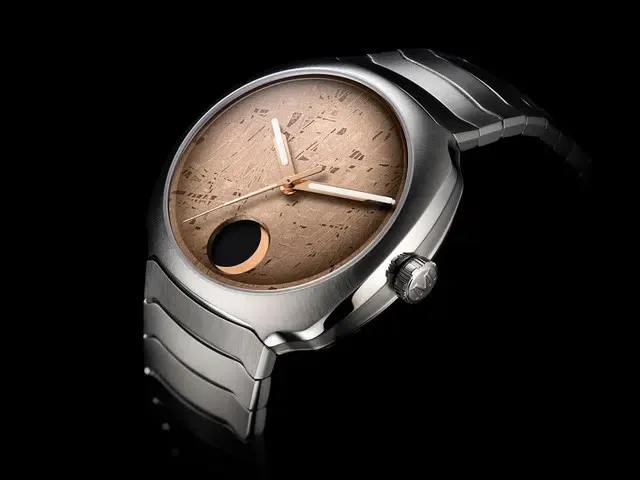
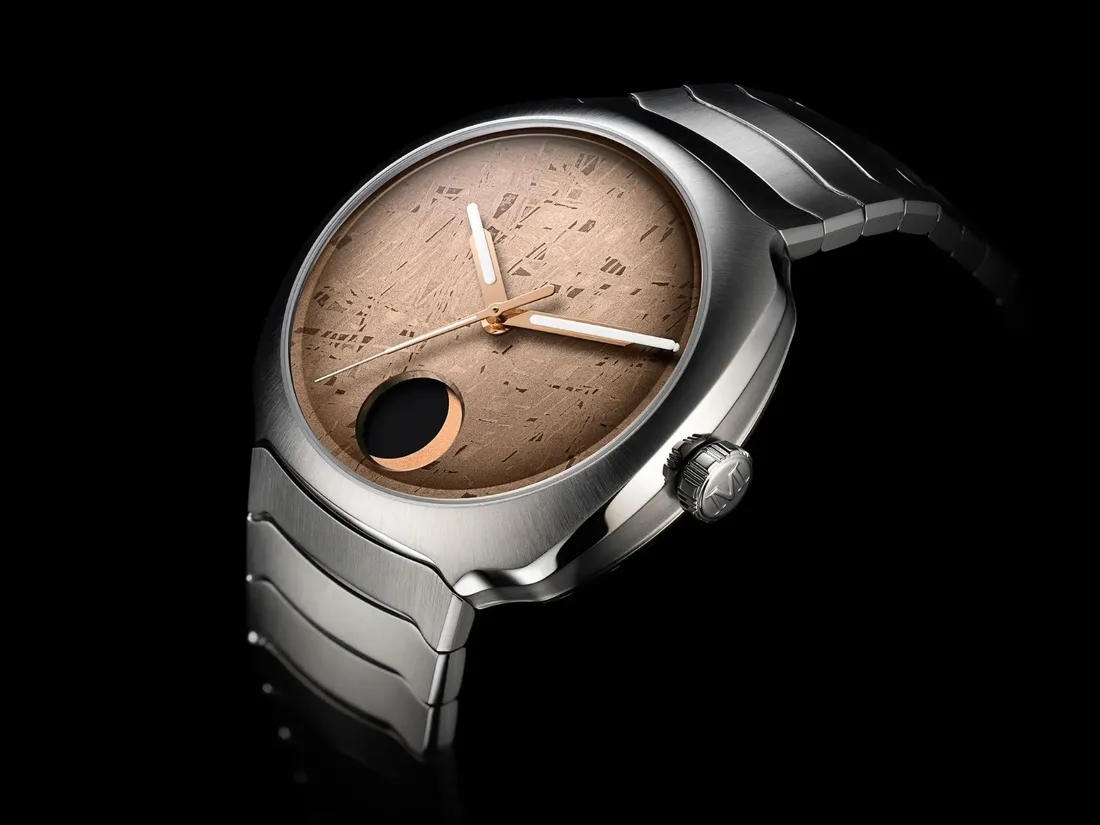
Just then Mateo reached his hand toward the table. The steep Alpine sun filtering through the windows struck the stainless-steel body and the dial of the watch on his left wrist. The golden, prismatic, streaked crystalline texture flowing from the dial cast onto the table what looked like a mesmerising beam of light from the depths of space.
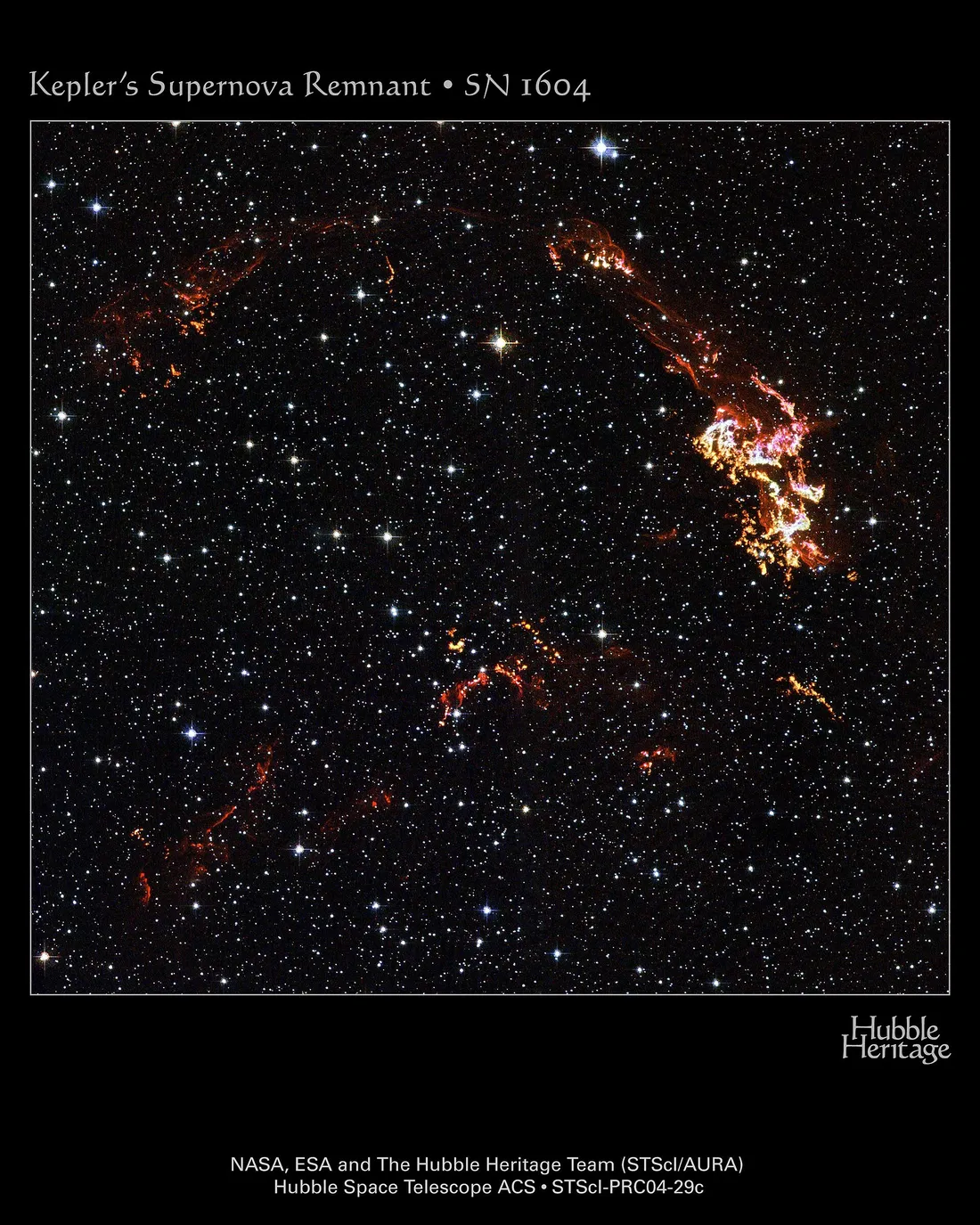
format_quote"Carl Sagan’s words, "We are all stardust", are not a romantic literary phrase but a plain astrophysical truth."
Prof. Dr. Henrik
The Surprise on the Table: Light Reflected from a Wrist
Florian paused for a moment. The strange, crystalline light and shadows spilling from the dial onto the table had caught his attention directly.
"Wait a minute..." said Florian, leaning forward. "Mateo, what on earth is that watch on your wrist?"
Henrik too narrowed his eyes and drew closer: "That texture on the dial really does look mesmerising. As the light hits it, it shimmers layer upon layer."
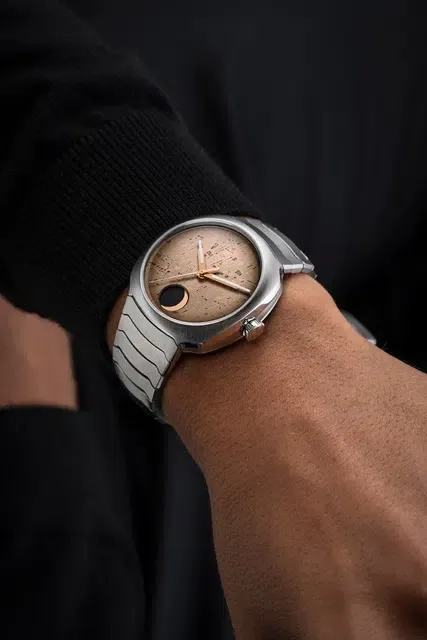
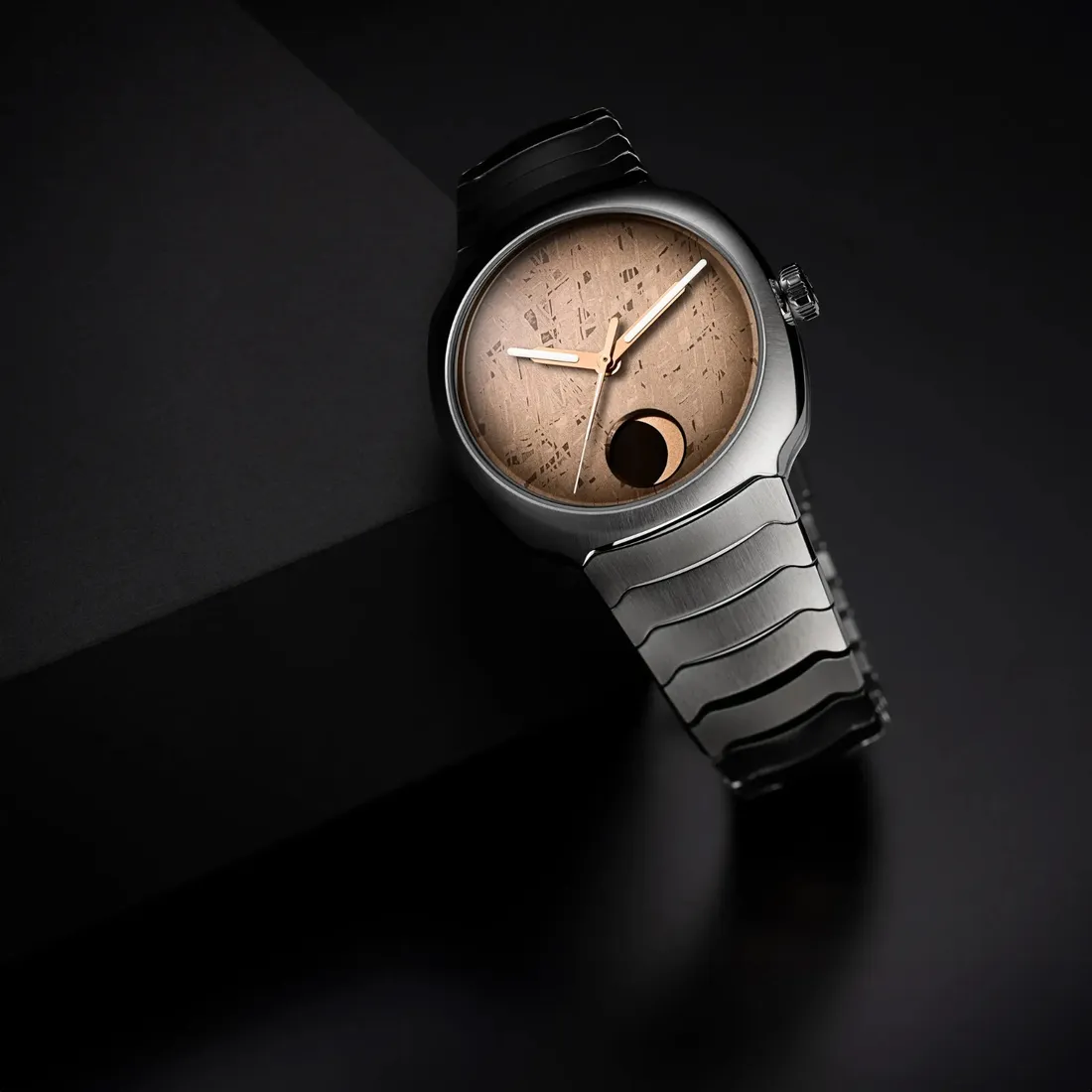
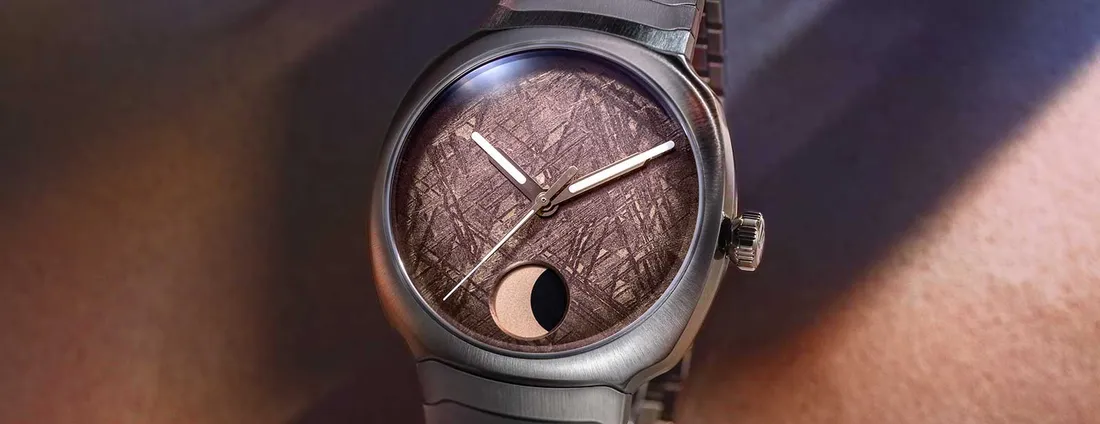
Mateo smiled faintly. With its cushion-shaped fluid steel case, its integrated bracelet and that pure "Concept" dial bearing no logo or index whatsoever, the watch shone in the middle of the table like a living piece of space.
"We are actually right at the heart of the very subject we were discussing, my friends," said Mateo cheerfully. "The model on my wrist uses a meteorite dial. This dial is not ordinary metal or paint; it is a genuine fragment of a meteorite, 4 billion years old!"
A Million Years for One Degree: The Philosophy of Time and the Widmanstätten Secret
Looking excitedly at those crossing, three-dimensional geometric lines on the dial, Henrik asked: "So are those lines and textures on the dial natural? What is the true nature of that structure?"
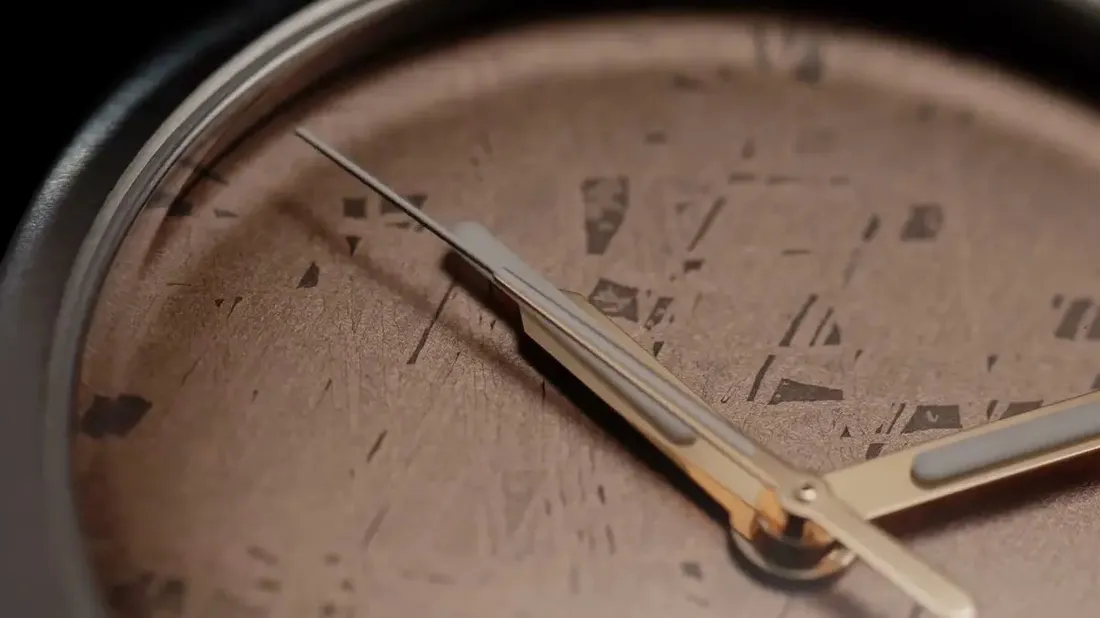
Pointing to the play of light on the watch, Mateo began to explain: "This geometric structure we are looking at is called the Widmanstätten pattern. Let me explain its logic in the simplest way: a blacksmith in the neighbourhood heats iron in glowing embers, then plunges it into water and cools it in a few minutes, right? On Earth, cooling processes are measured in minutes or hours. But in the void of space there is neither atmosphere nor air... When our Solar System was still forming, the molten iron-nickel core of one of those enormous asteroids between Jupiter and Mars broke off and was left alone in the void of space. As this vast mass of metal drifted through space, it could cool by only 1 degree every million years! A million years for a single degree..."
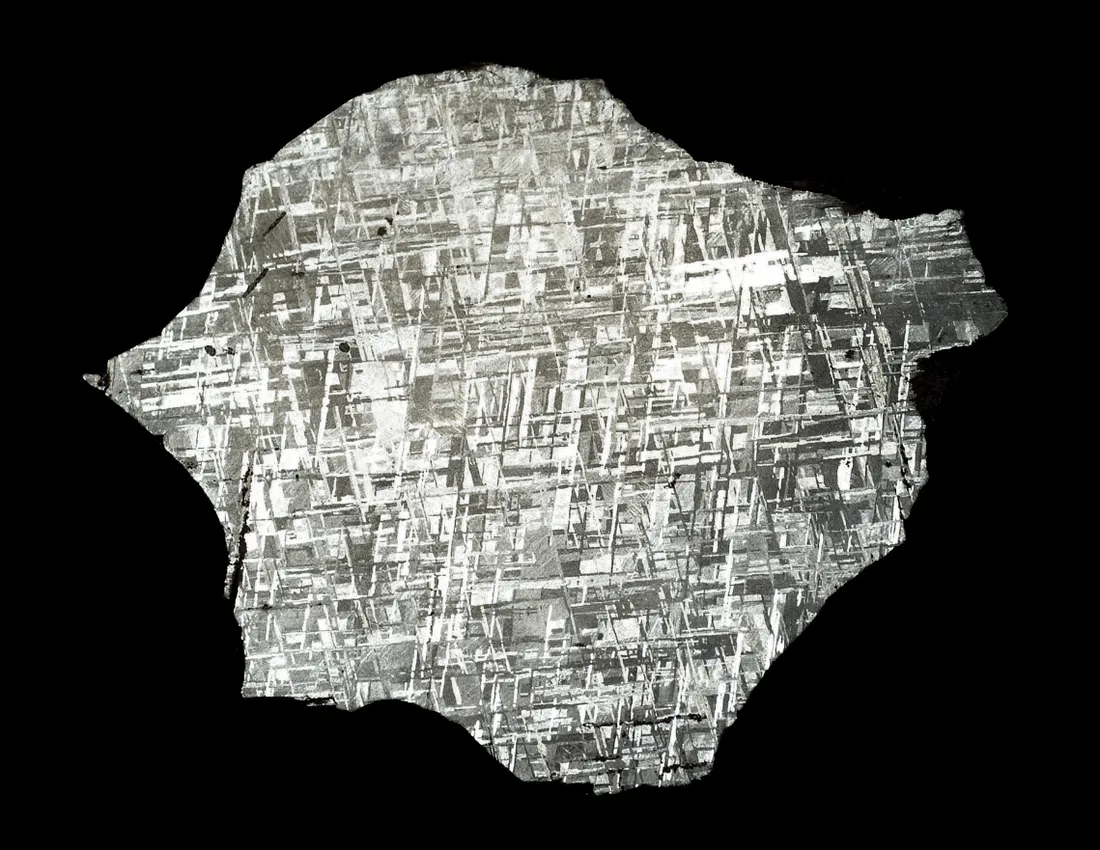
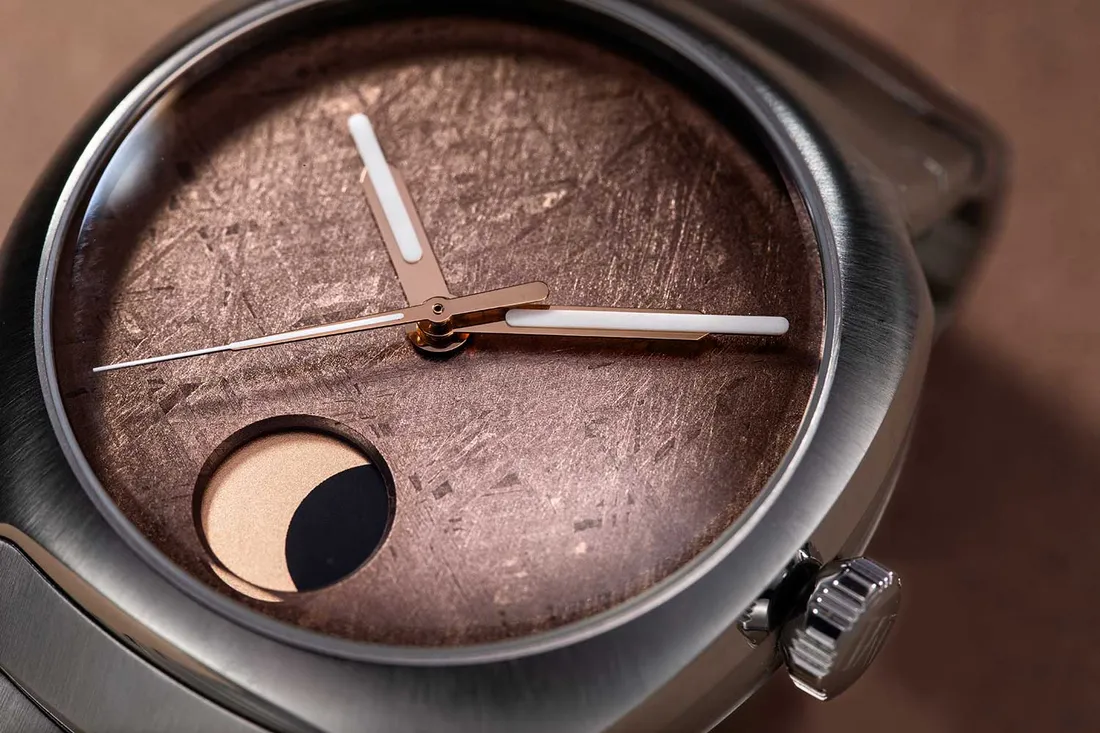
Henrik fell into a deep silence. Nodding, he leaned even closer to the dial of the watch: "Can you imagine... a single degree in a million years. Look at our own mortal lifespan, my friend. We live 60 or 70 years here and then pass away. How relative, how immense a concept time is... Just as Einstein theorised the elasticity of time with his theory of relativity; beside this stone that cooled by 1 degree in a million years in the depths of space, a human being understands how small and how transient they are."
Florian too joined the conversation with excitement: "Absolutely! Just imagine the moment in 1808 when the Austrian scientist Alois von Widmanstätten heated this iron-nickel meteorite plate in his laboratory and treated it with acid... The man was merely trying to clean the metal. The instant he poured the acid, when that crossing, three-dimensional prismatic crystalline network emerged on the surface, who knows what astonishment he felt! Because what he was looking at in that moment was not merely a metal; it was the petrified, crystallised physical trace of 4 billion years of cosmic time."
Henrik put down his coffee cup with a smile: "Well well... A marvellous discovery and a truth that leaves one in awe. But anyway, my friends, we have wandered into deep matters. There is no philosopher among us; we are scientists after all, so let us not drown our topics in too much philosophy and overstep the mark."
Without taking his eyes off the dial, Mateo smiled: "Not at all, Henrik... You do not need a diploma in philosophy. Anyone who can look at the immense order in nature and the universe and marvel at it is a philosopher, my friend!"
format_quote"Anyone who can look at the immense order in nature and the universe and marvel at it is a philosopher."
Prof. Dr. Mateo
From Meteorite to Dial: Alchemy and Craft
Continuing to examine the details on the watch, Florian asked: "So Mateo, when this stone was first cut it was a grey, ordinary metal plate. After that hidden pattern was brought to the surface, how was this golden fumé transition achieved?"
"A wonderful point!" said Mateo. "The famous Gibeon meteorite, which fell within the borders of Namibia in prehistoric ages, is sliced with wire saws into wafer-thin plates at the micron level. When first cut it is a flat, grey piece of metal. Then the watchmakers immerse this plate in a nital (nitric acid) bath. The acid erodes the different nickel layers inside the meteorite at different rates. In a sense it etches the metal, bringing to the surface that hidden Widmanstätten texture that nature had concealed."
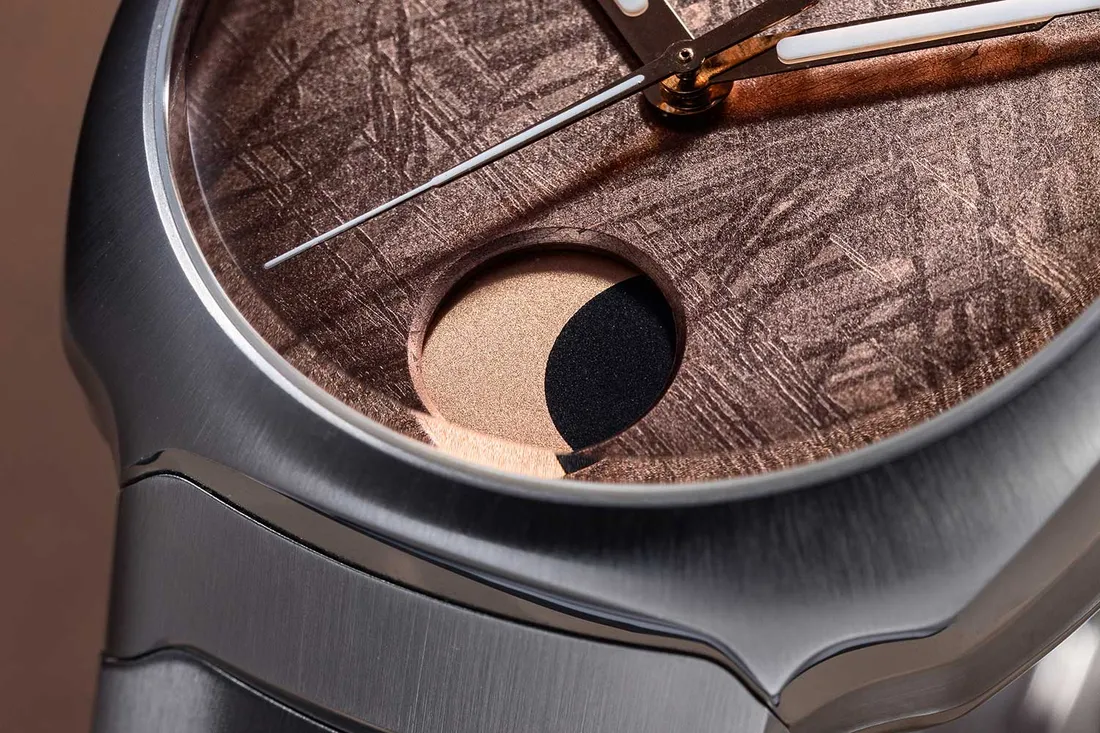
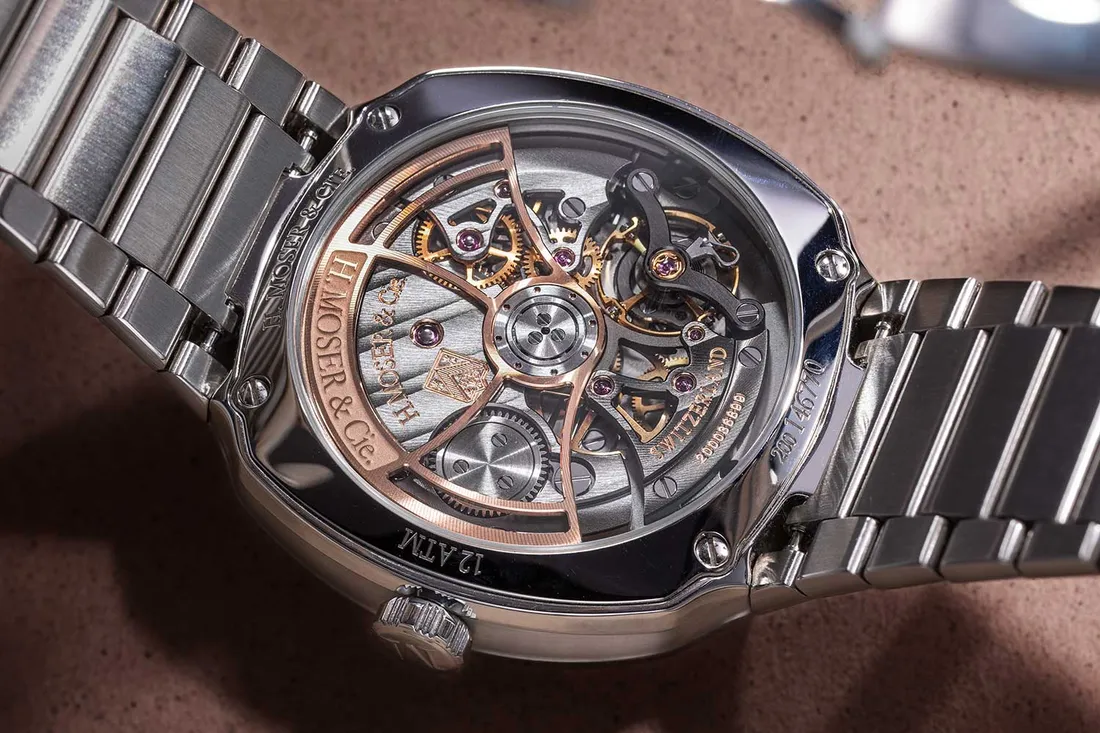
"Then the masters of H. Moser & Cie. step in. They give this natural grey meteorite texture a warm gold-champagne tone with a special PVD coating. After that they apply the brand’s signature Fumé effect; as you move from the centre of the dial toward its outer edges, the colour deepens, creating a mesmerising gradient. Because each meteorite section corresponds to a different inner layer, there is no second watch anywhere in the world with exactly the same pattern!"
One Day’s Drift in 1027 Years: The Magical Dance of the Moon and the Meteorite
Henrik had locked onto the matte black circular window in the lower half of the dial and the golden Moon figure within it: "And what about that Moon at the bottom of the dial? Why have they placed a moon-phase display on a meteorite?"
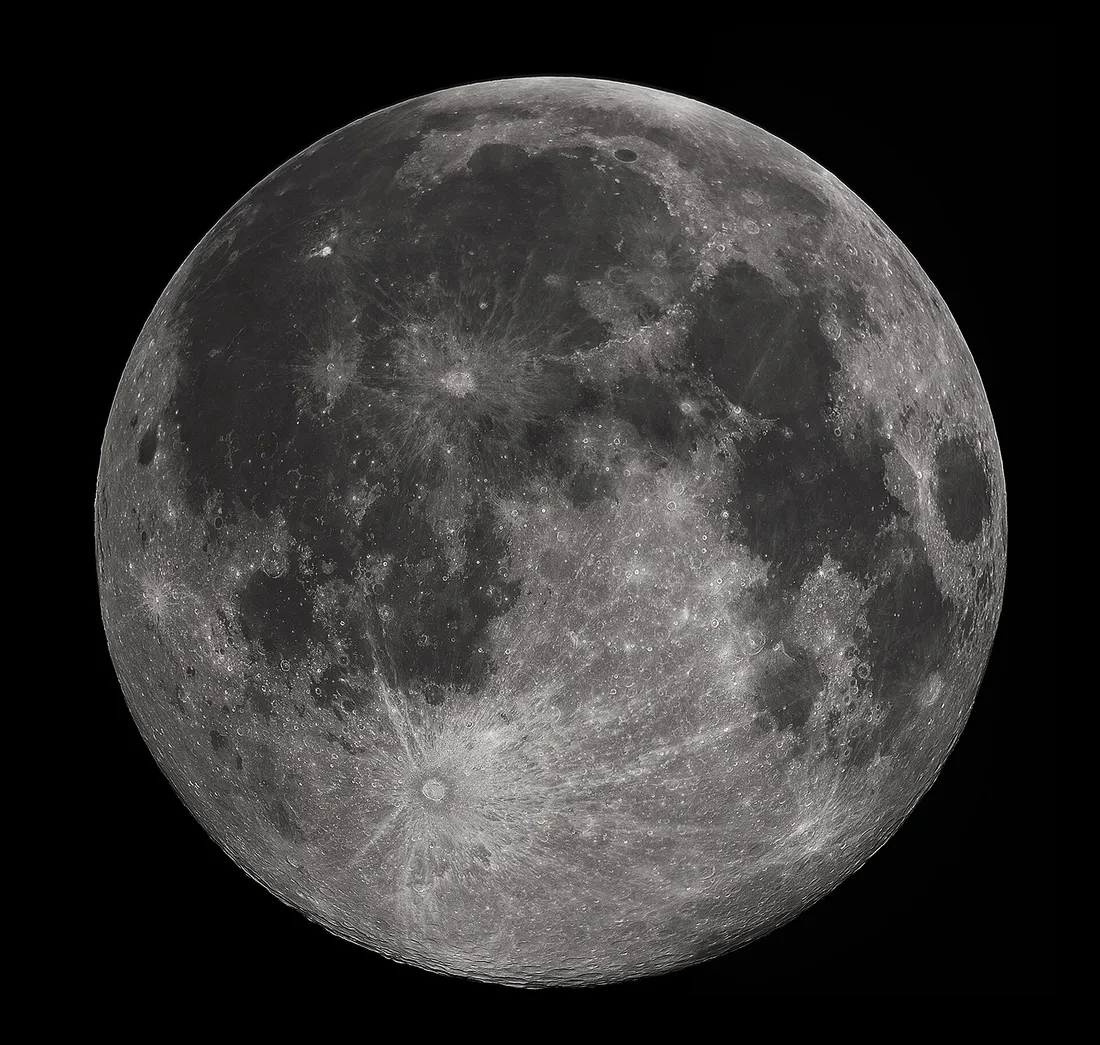
Mateo took a deep breath: "The Moon is Earth’s oldest companion in space. Its surface is a vast museum of memory, hammered by meteorites for billions of years. But here, in the name of watchmaking, there is such a feat of engineering that it will blow your mind, Henrik! The moon-phase displays on ordinary mechanical watches drift by 1 day from the real Moon every 2.5 years and need to be adjusted. But the mechanism H. Moser & Cie. has placed in this model is calculated so precisely that, if the watch ran without interruption, it would drift by only 1 day over a full 1027 years! Can you imagine? A single day in 1027 years! In other words, the lifespan of you, of me, even of our grandchildren’s grandchildren, will not be enough to witness that 1-day drift on this watch’s Moon display."
format_quote"One single day in 1027 years; even our grandchildren’s grandchildren will not live to see that drift."
Prof. Dr. Mateo
In the Presence of Time and the Stars
The three friends around the table were silent for a while.
Florian raised his cup and looked at those golden crystalline lines on the dial: "Truly mesmerising... On one side, a meteorite born from stellar explosions and steeped in space for 4 billion years... On the other, a mechanical intelligence humankind produced to capture time, one that errs by only a single day in 1027 years. It whispers to a human being their place in the universe and the immense flow of time."
Henrik smiled: "What were we saying at the start of the conversation? We are all stardust... But some stardust can be turned, in the hands of humankind, into magnificent works of art that tell time."
As the sun slowly withdrew from the glass dome of the museum, the three friends around the table continued their conversation in the silent witness of this small piece of space carried on the wrist and of the uninterrupted flow of time.
(Note: The characters in this text [Prof. Dr. Henrik, Prof. Dr. Florian and Prof. Dr. Mateo] and the dialogues between them are a work of fiction. However, all the technical and historical details regarding the H. Moser & Cie. Streamliner Perpetual Moon Concept Meteorite, the Gibeon meteorite, the Widmanstätten crystalline structures, the discovery of Alois von Widmanstätten and the 1027-year moon-phase accuracy are entirely factual.)
format_quote"Some stardust can be turned, in the hands of humankind, into magnificent works of art that tell time."
Prof. Dr. Henrik