The Patience of a Single Pair of Hands
When the young collector Clara stepped into the dim workshop of her mentor, the seasoned watchmaker Emile, the noise of the city outside fell suddenly silent. Inside there was only the ticking of an old wall clock, the smell of oil and brass, and the warm light of the bench lamp illuminating a small circle. Emile had worked in this workshop for forty years; Clara, for a few years now, had been learning the true value of time at his side. On the bench, this time, sat a small velvet box.
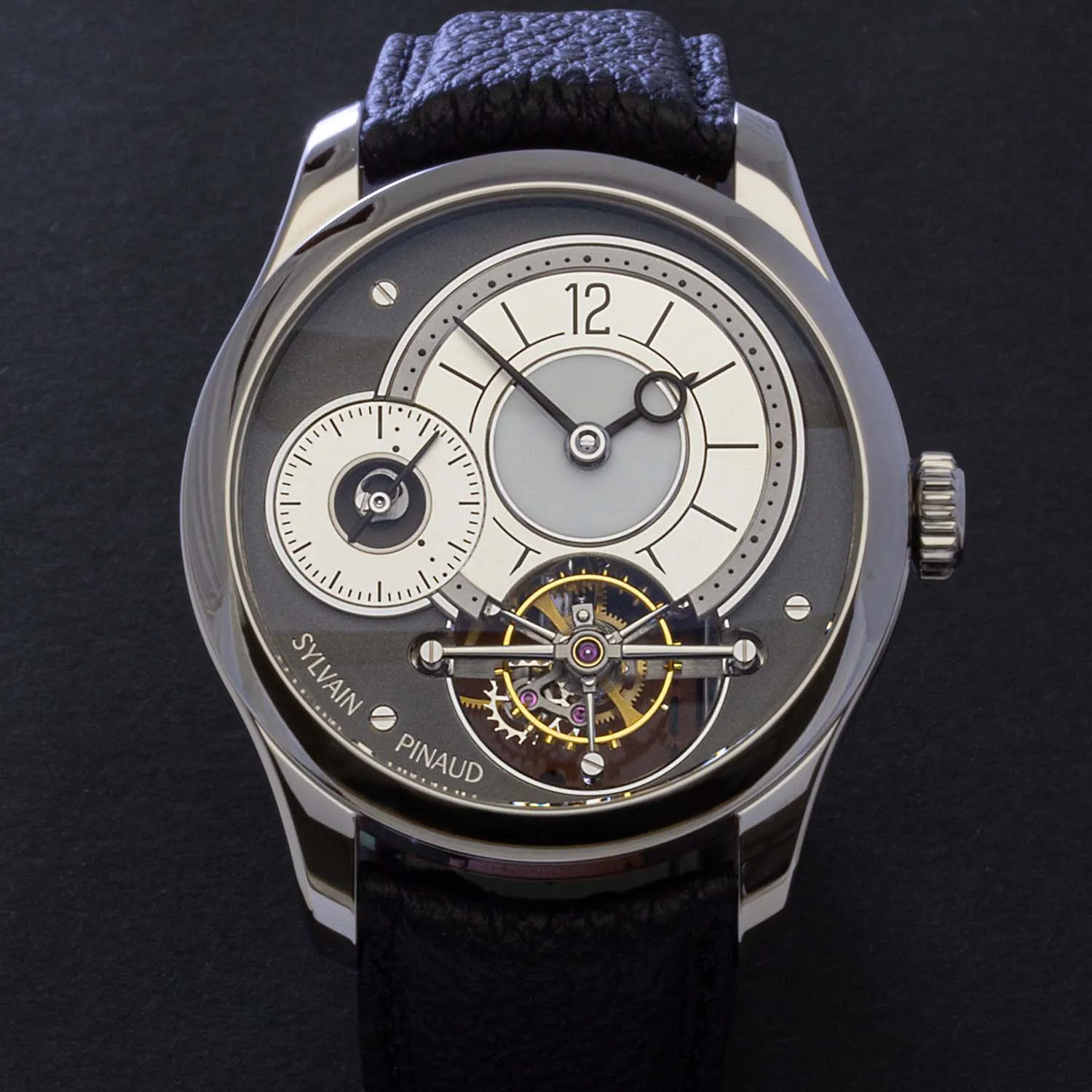
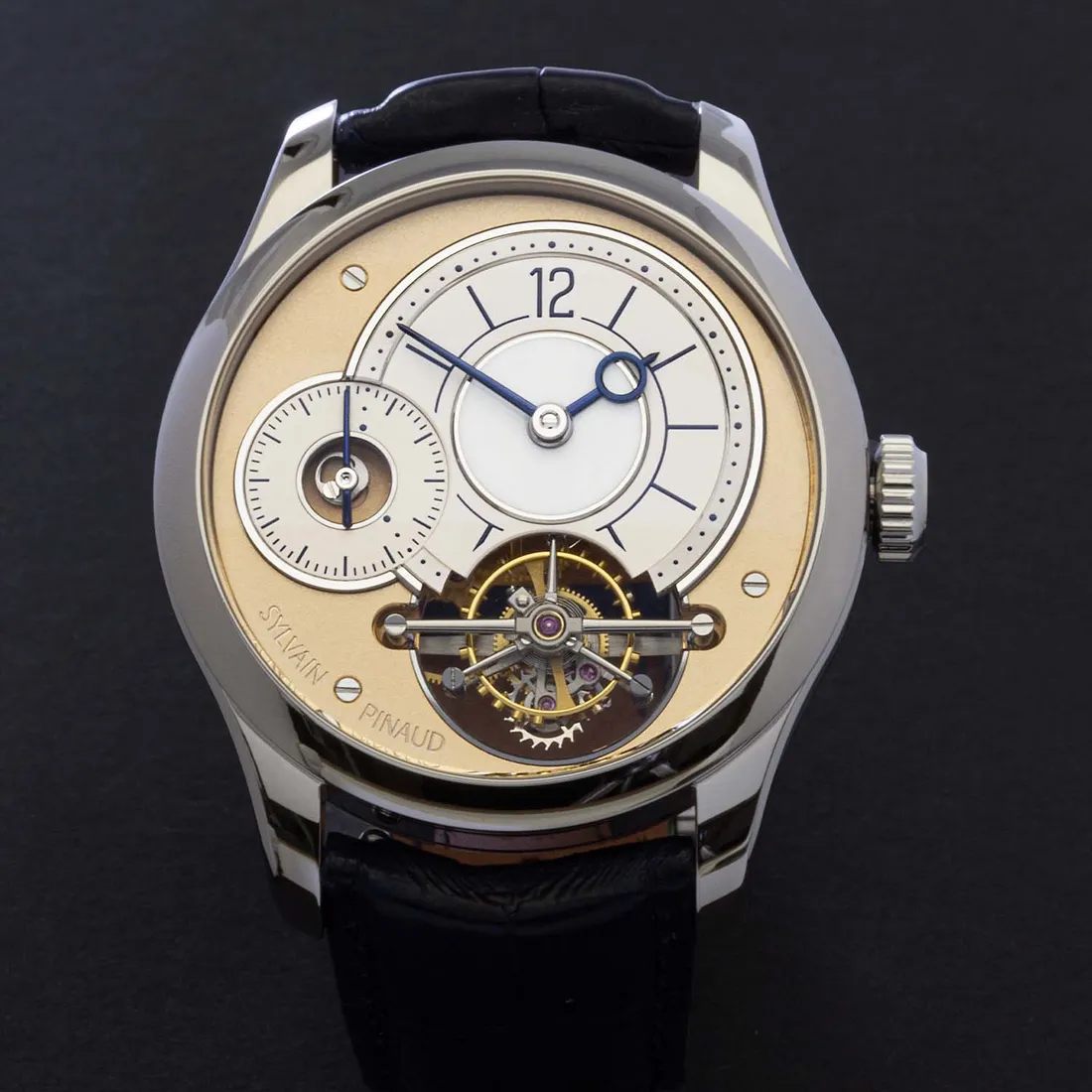
Emile lowered the loupe from his eye and smiled. “Today I will not show you a mass-produced watch,” he said. “Today I will show you something that is almost the work of a single pair of hands.” He opened the box. The watch inside, with its case and its deep black, onyx-centred dial, was sober yet striking: the Tourbillon 30-Second, unveiled in 2026 by the French independent master Sylvain Pinaud.
“Pinaud,” Emile went on, “is a craftsman who makes nearly every part of his watches in his own workshop, with his own hands, and can produce only a few pieces a year. That is why there will be just thirty of this model in the whole world: three separate series of ten pieces each. One in titanium, two in platinum. What I hold in my hand is not the signature of a factory, but of a single human being.”
A Heart That Turns Twice as Fast
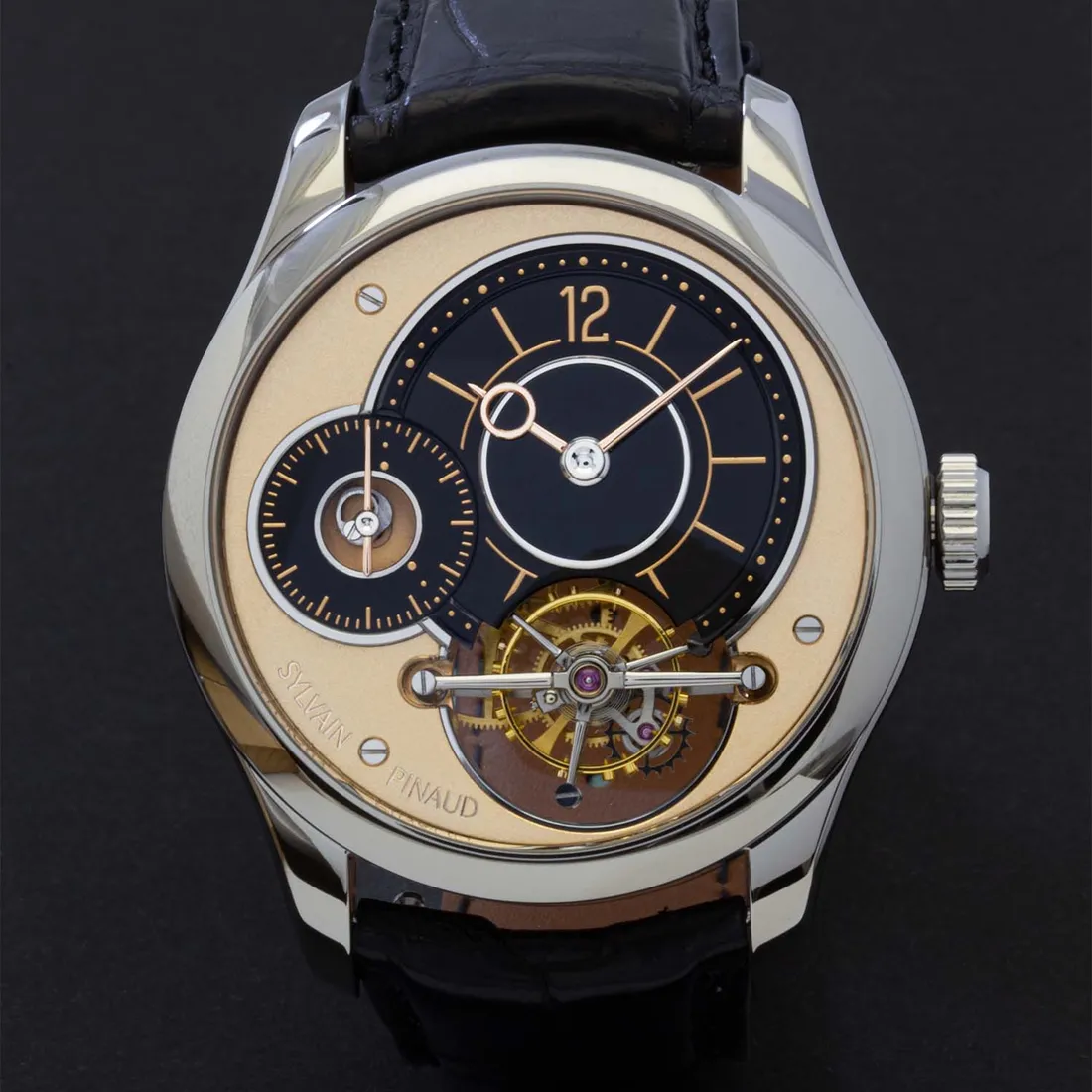
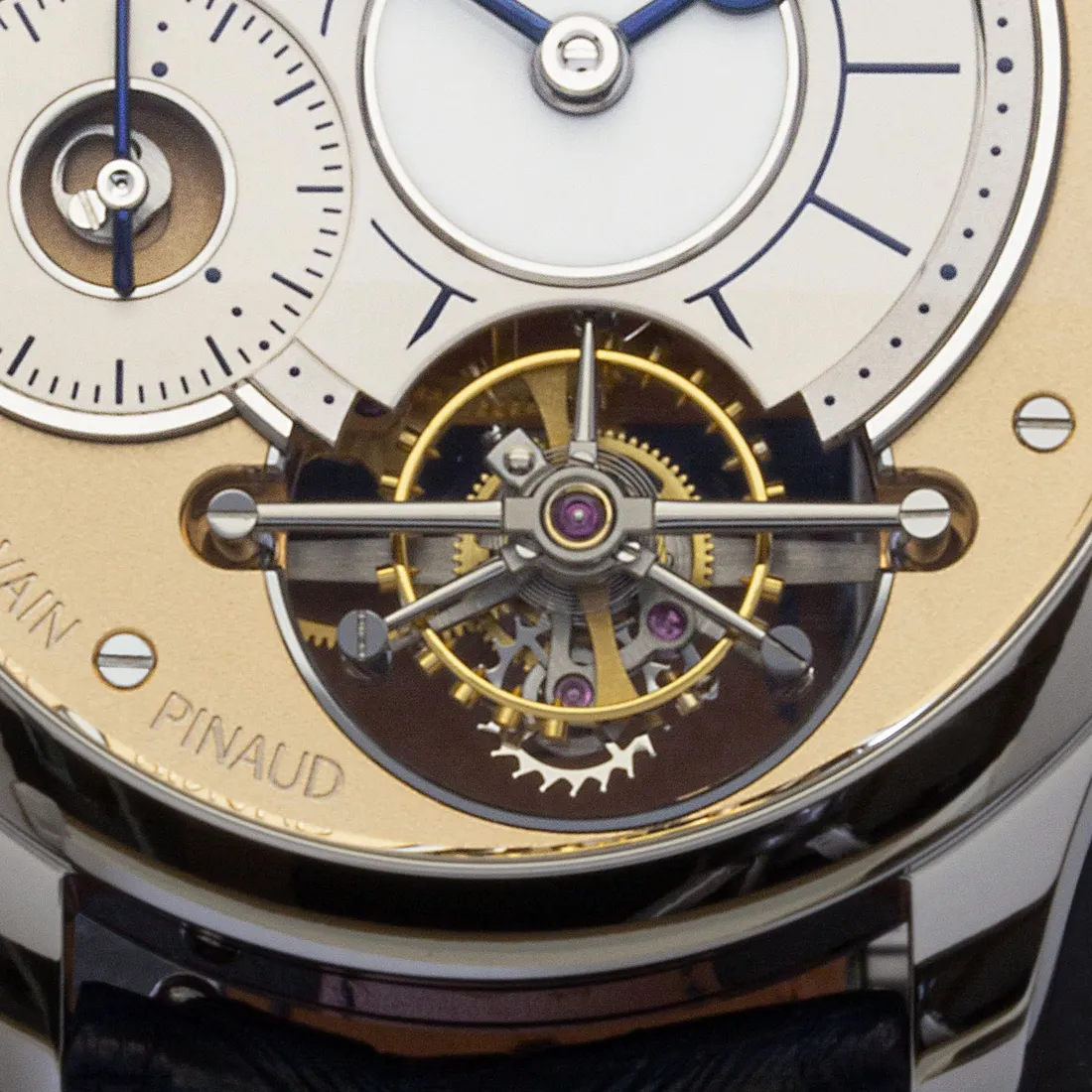
Clara fixed her gaze on the elegant cage turning at six o'clock in the lower half of the dial. “That is a tourbillon, isn't it?” she said. “But it looks odd, as though it turns much faster than the ones I am used to.”
Emile nodded: “A keen eye. A classic tourbillon cage makes one full turn per minute; Pinaud's turns once every 30 seconds, twice as fast. Clara asked with curiosity: “And does that serve a purpose, or is it just for show?”
“A good question,” said Emile. “The true purpose of a tourbillon is to average out the small errors a watch suffers from gravity in different positions, by turning the balance inside a cage. The faster the cage turns, the more quickly those errors cancel one another, and the more stable the watch's rate becomes. But speed exacts a price: a faster-turning cage consumes more energy. That is why Pinaud made the cage of titanium, lightening it by about 20 percent, and so balanced the energy cost of that speed. This is a heart quickened not for show, but for purity.”
format_quote"To quicken a tourbillon is to defeat not time, but error."
Emile
Right Now: The Reset Seconds
“There is one more detail,” said Emile, and he gently pulled the crown. In that instant the small seconds hand leapt to exactly zero and waited there, motionless. Clara started.
“This is called the zero-reset,” said Emile. “The moment you pull the crown to set the watch, the seconds hand jumps instantly to zero and stops. So, by waiting for a reference signal, the seconds on your phone for example, and releasing the crown at the precise moment you want, you can set your watch to the very second. This was a virtue of the old marine chronometers; a sailor knew that even a single second mattered when calculating his longitude. Pinaud has carried that rigour onto a modern wristwatch.”
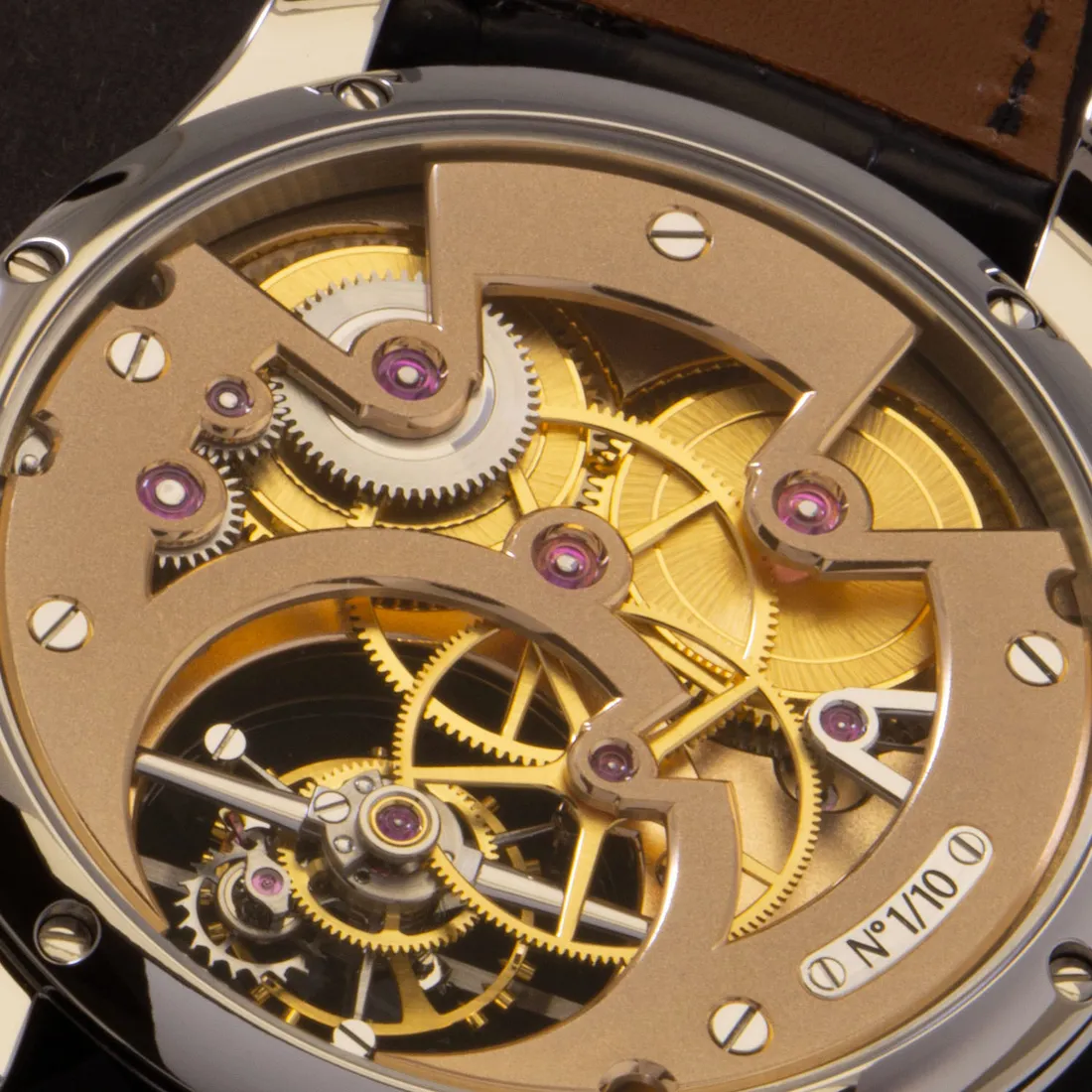
“The movement inside reflects the same philosophy,” Emile added. “It is hand-wound, not automatic; you wind it yourself each morning, a small ritual between you and your watch. It draws its energy from two mainspring barrels arranged in series. Two barrels mean a much longer and steadier flow of power than one alone; thanks to this the watch runs a full 100 hours, more than four days. It beats at 21,600 vibrations an hour, advancing with a variable-inertia balance and an elegant Phillips overcoil.”
format_quote"The reset seconds is the courage to say to time, “right now.”"
Clara
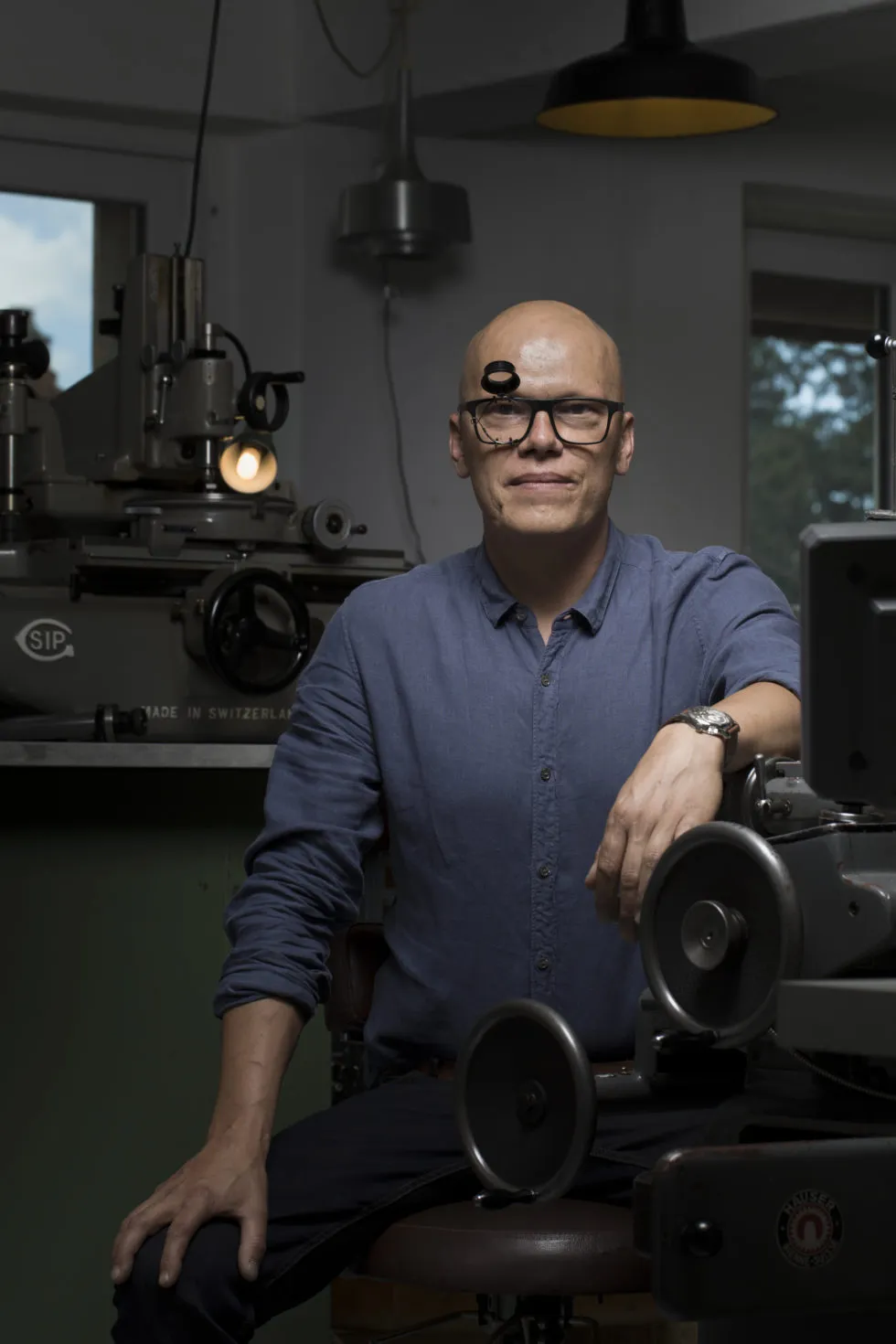
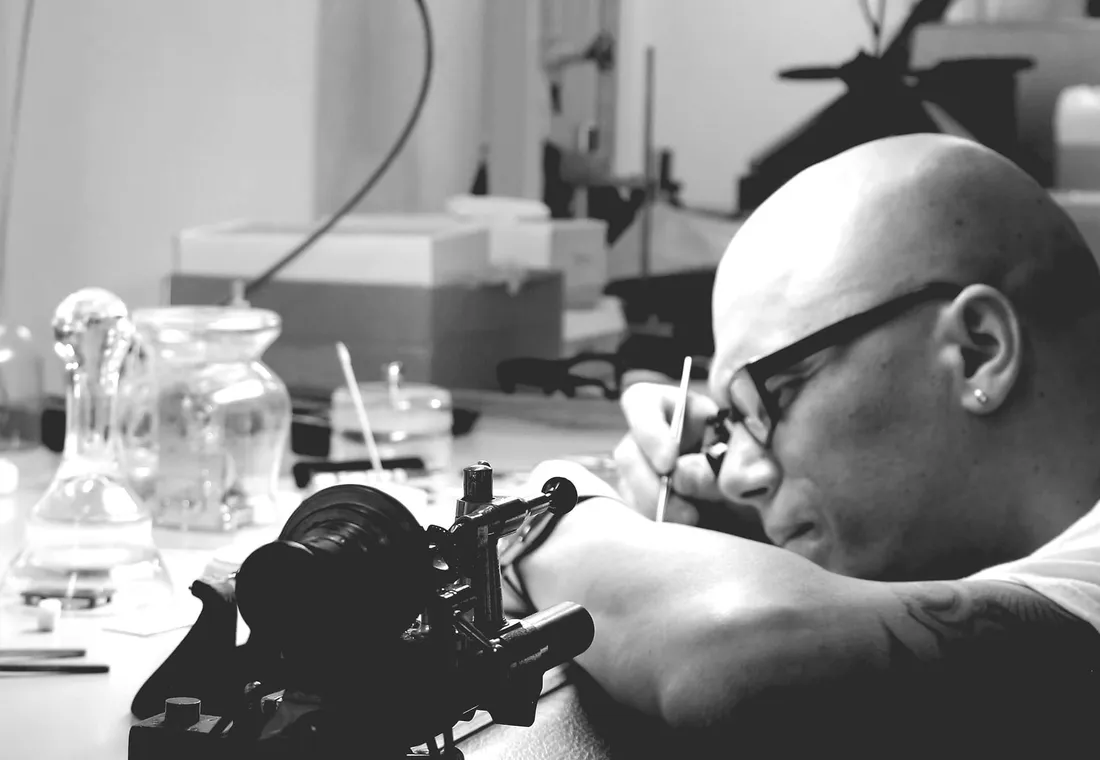
The Path of a Single Master: Who Is Sylvain Pinaud?
Clara held the watch up to the light. “Tell me about this man, Emile,” she said. “How does someone capable of making such a thing alone come to be?”
Emile leaned back. “Sylvain Pinaud is the child of a family of watchmakers,” he said. “As a small boy he grew up at his father's bench; wheels, springs and patience were his toys. Then he went to the school in Morteau, the cradle of French watchmaking, and graduated in 1998. After that he worked at Franck Muller in Geneva, in the high-complications workshop where precisely the things we consider hardest are made: perpetual calendars, tourbillons and minute repeaters.”
“But what truly made him a master came after,” he continued. “For years, in Sainte-Croix, he restored museum-grade antique timepieces; he repaired works that had come from the hands of Breguet, of Ferdinand Berthoud, of Antide Janvier. In other words, before learning modern watchmaking, he took apart, understood and reassembled, piece by piece, how the masters of the masters had thought. Later he joined the THA workshop, founded by pioneers of independence such as Journe, Flageollet and Halter. In 2018 he unveiled his first chronograph, and in 2021 his sober masterpiece, the Origine, earning the respect of his peers, of the GPHG, and of collectors the world over. This tourbillon is his most ambitious work yet.”
format_quote"A true master is one who took apart and rebuilt the masters of the masters before learning modern watchmaking."
Emile
The Mark of the Hand: From Object to Signature
Emile handed the watch back to Clara. “Now look at the edges of the bridges,” he said. “Along both the straight and the curved lines they are hand-bevelled, we call this anglage, and polished like a mirror. On the plate beneath the dial there is a fine, hand-applied graining. In a factory a machine makes such a surface in a second; but the hand of a master works it for hours, patiently, one by one. This is exactly where the difference between beauty and labour is hidden.”
“This 39-millimetre watch is offered in three souls,” he added. “A titanium case with a silver dial and a white agate centre; or a platinum case with an onyx-centred black dial and rose-gold hands; or, again in platinum, a dial with a white agate centre and blued steel hands. All with sapphire crystals, all hand-finished. And what all three share is that they carry the signature of a single human being.”
format_quote"For a watch to be made by a single pair of hands turns it from an object into a signature."
Emile
The Value of Patience and of the Second
Clara fastened the watch to her wrist and watched the seconds hand turn twice as fast within the cage of the tourbillon. In so small a space there was so much labour, gathered with such patience, that time itself seemed to slow for a moment. In the silence of the workshop, only the rhythm of that small cage and the ticking of the old wall clock could be heard.
“These watches are expensive,” said Emile as he slowly closed the box. “Because within them there is not money but a lifetime. You are buying a person's eye, hand and patience. Mass production makes time cheap for us; a work like this makes it precious again. On thirty wrists, thirty times, the breath of a single master will go on turning.”
Clara looked at the watch one last time. Born of the patience of a single pair of hands, that small tourbillon went on turning, counting the seconds gently and flawlessly.