Measuring time is the most elegant obsession in mankind's effort to bridle nature. The history of horology is usually started with the heavy iron gearing in the cathedral towers of fourteenth century Europe, and yet the first true masters of time were not the men of the gear but the visionaries who set the terms for the fluid soul of water.
We are travelling from an ancient Greece that brought the linear movement of water together with a mechanical mind, to the ninth century Baghdad that breathed a cybernetic soul into that mind, and finally to the modern Swiss watchmaking that turned liquid into art beneath a sapphire crystal. This is the story of the memory of water, of a micro-mechanical evolution twenty three hundred years long.
I. The Seed: a Barber's Son in Alexandria and the Linear Mind of Water (3rd Century BC)
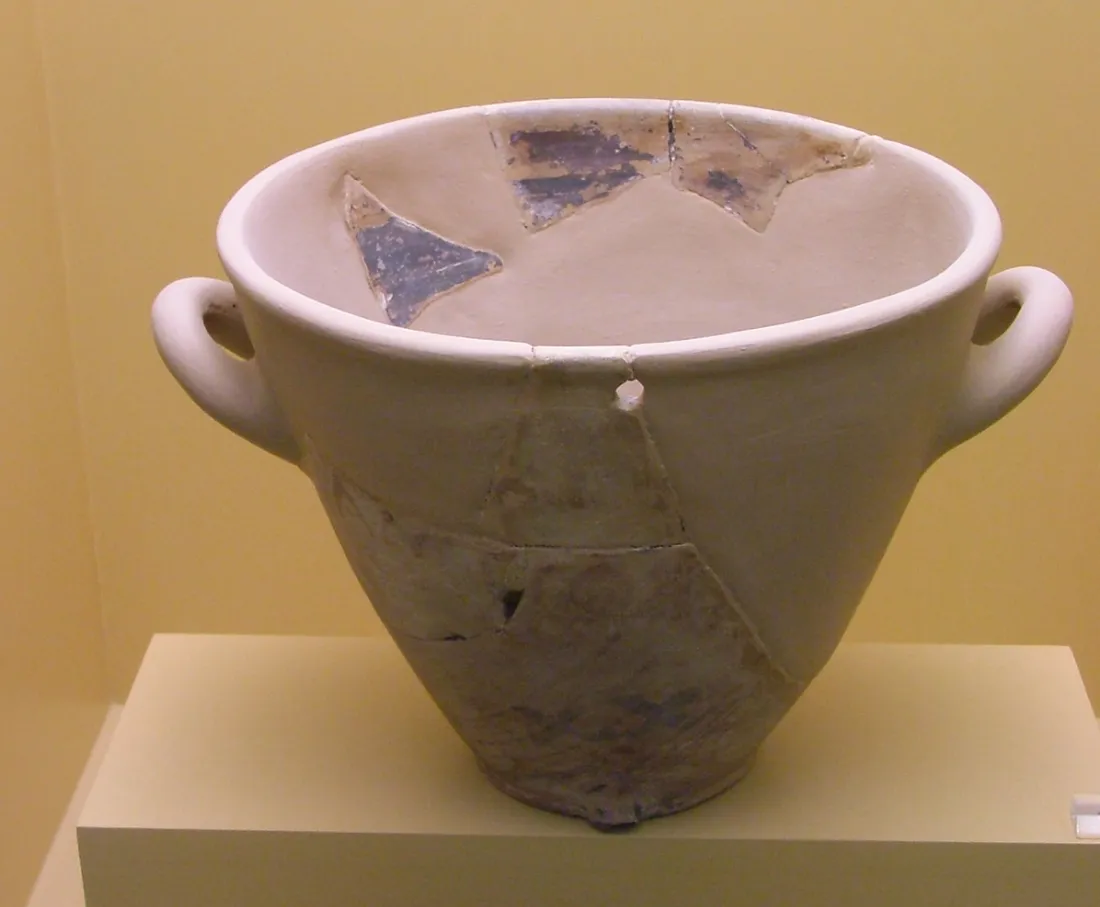
Around 285 BC, in the marble streets of Ptolemaic Alexandria, there was a young man who watched the counterweight mechanism of the mirror in the barber's shop where he worked as an apprentice: Ctesibius. The whistling sound made by the lead weight that balanced the mirror as it moved whispered to the young Ctesibius that air and water could be turned into mechanical power.
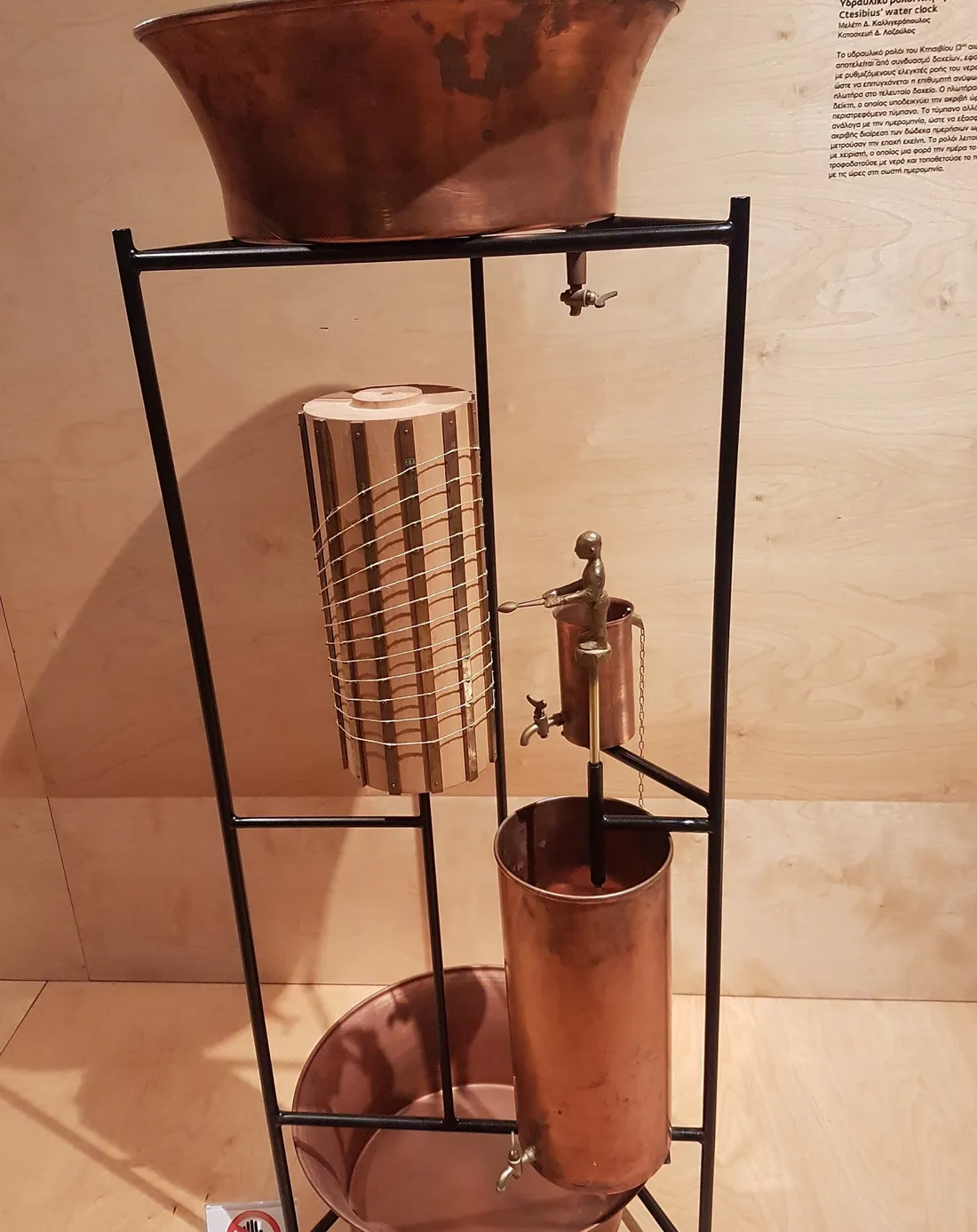
When Ctesibius designed the first precise water clock in history, the klepsydra, he stopped time from being merely a dripping liquid.
The chain ran like this: the reservoir, the constant flow valve, the float, and finally the mechanical hand on the dial.
The invention of the float. Ctesibius was the first to notice that the rate of flow falls as the water level drops. With an upper valve and a float system added to the reservoir, he made the water drip in exactly equal quantities every second.
The conversion to linear movement. On top of the cork float he placed on the collected water he set a toothed rod. Rising as the water rose, this rod turned the circular wheel facing it, and the wheel moved the hand on the dial.
Ctesibius was the man who, for the first time in history, converted the fluidity of water into a hand on a mechanical dial. But this mechanism was not yet "alive"; it was only a river flowing one way.
II. The Soul: Baghdad's Three Geniuses and the Birth of Automation (9th Century)
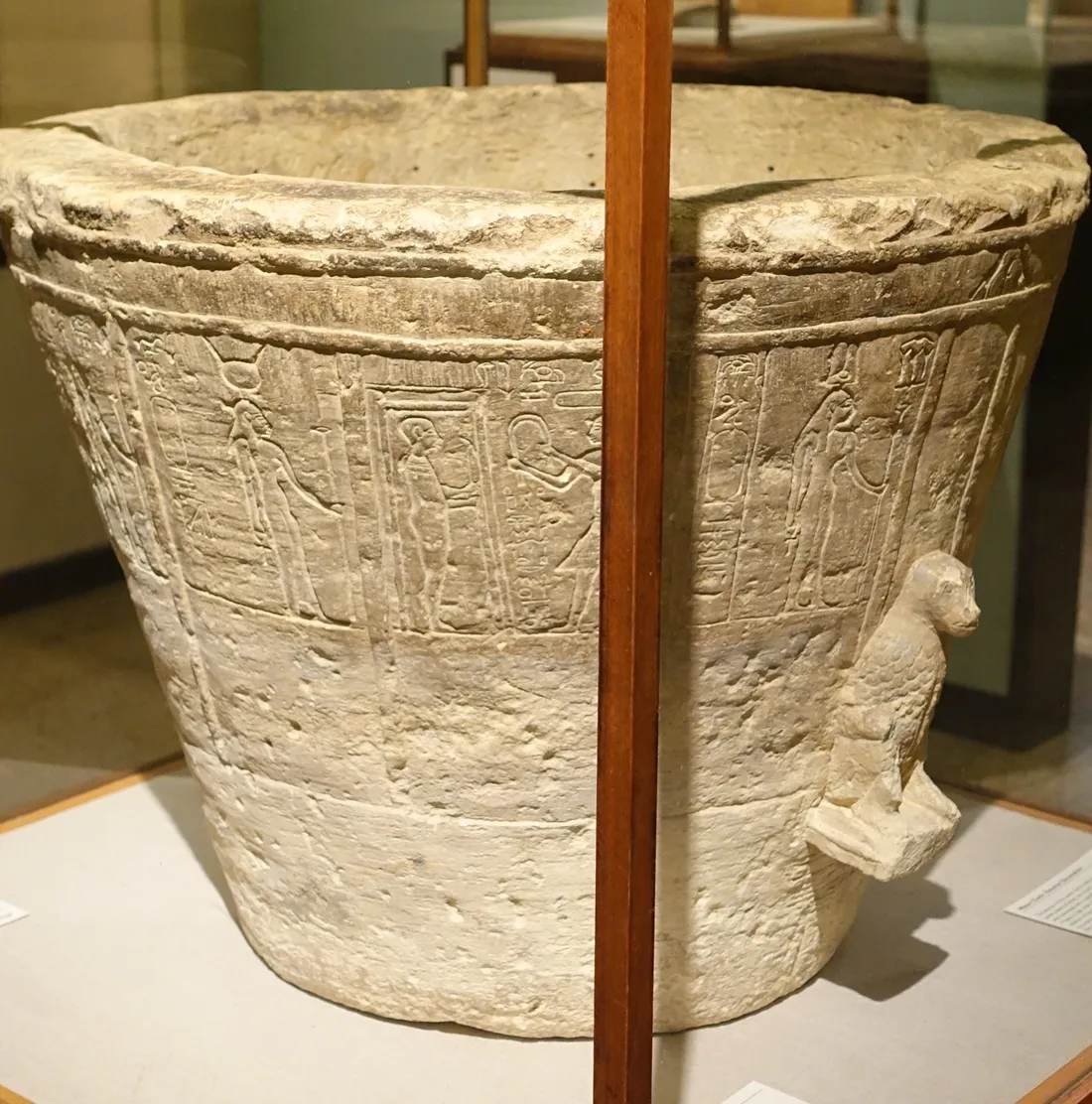
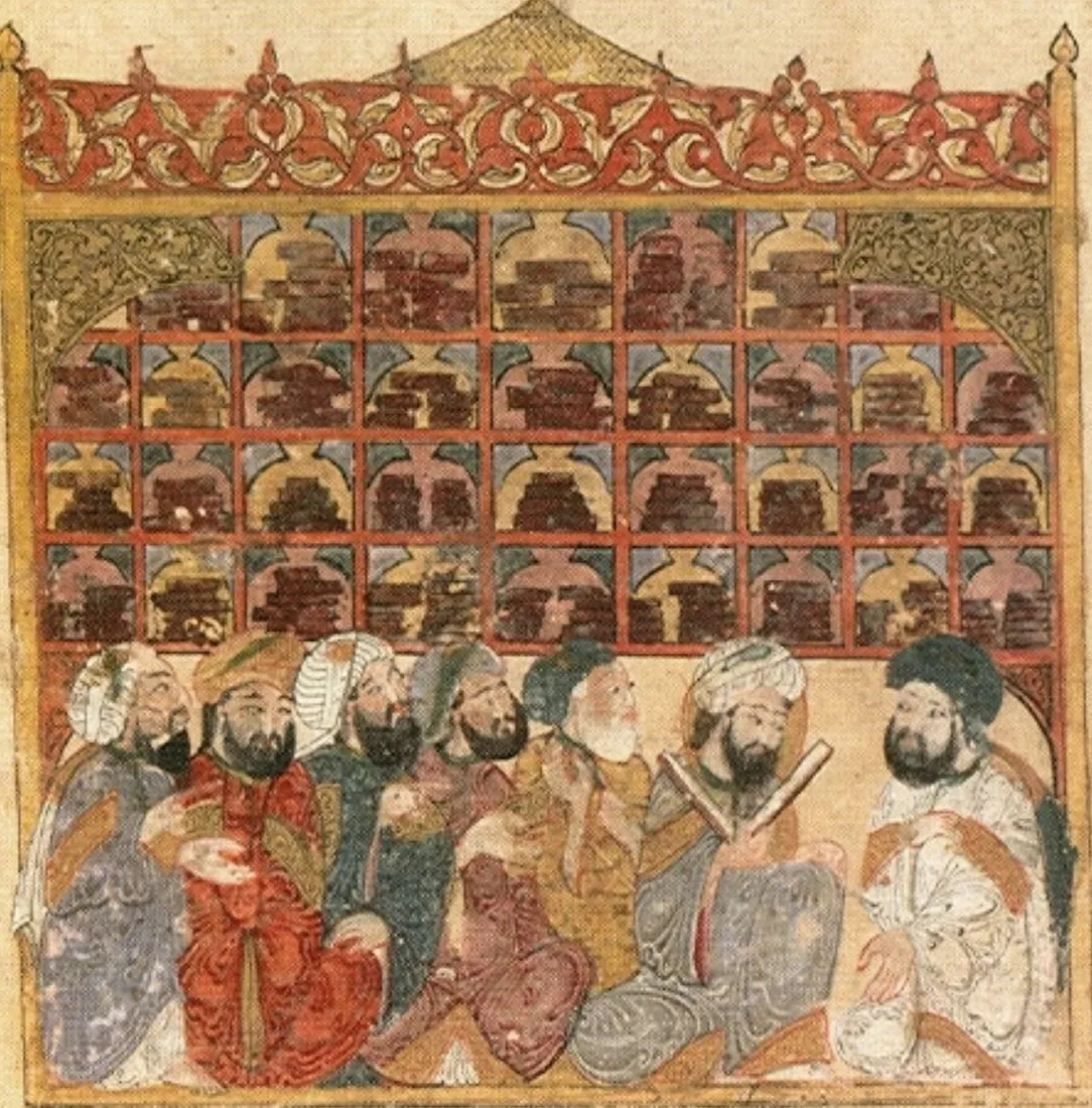
The year is 828. The scorching summer heat of Baghdad was trying to cool itself with a light wind off the Tigris. At the heart of the city, in the courtyard of the Bayt al-Hikma, the House of Wisdom, whose dome reached up to the sky, three brothers were bent over a marble basin: the Banu Musa brothers, Muhammad, Ahmad and al-Hasan.
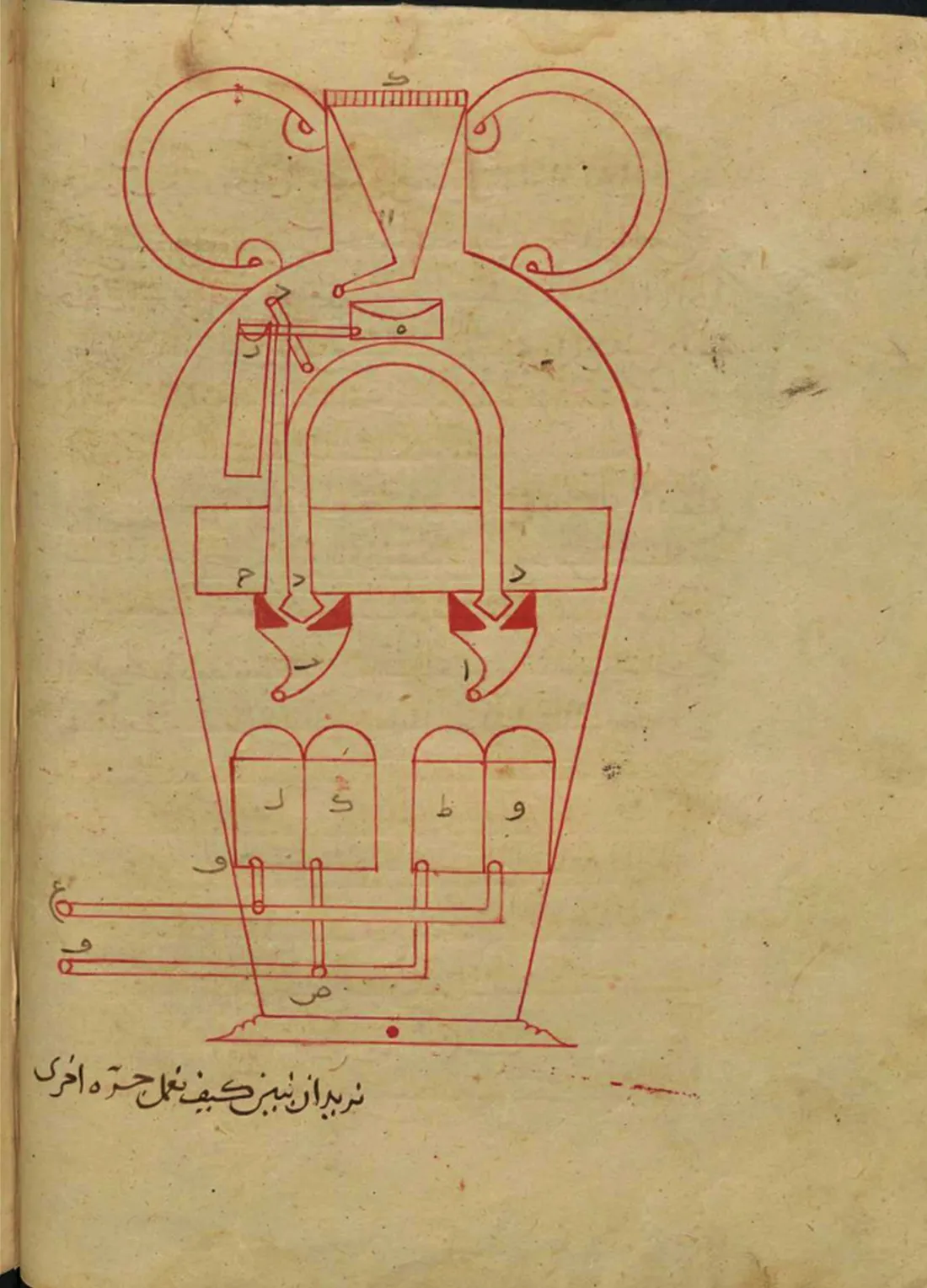
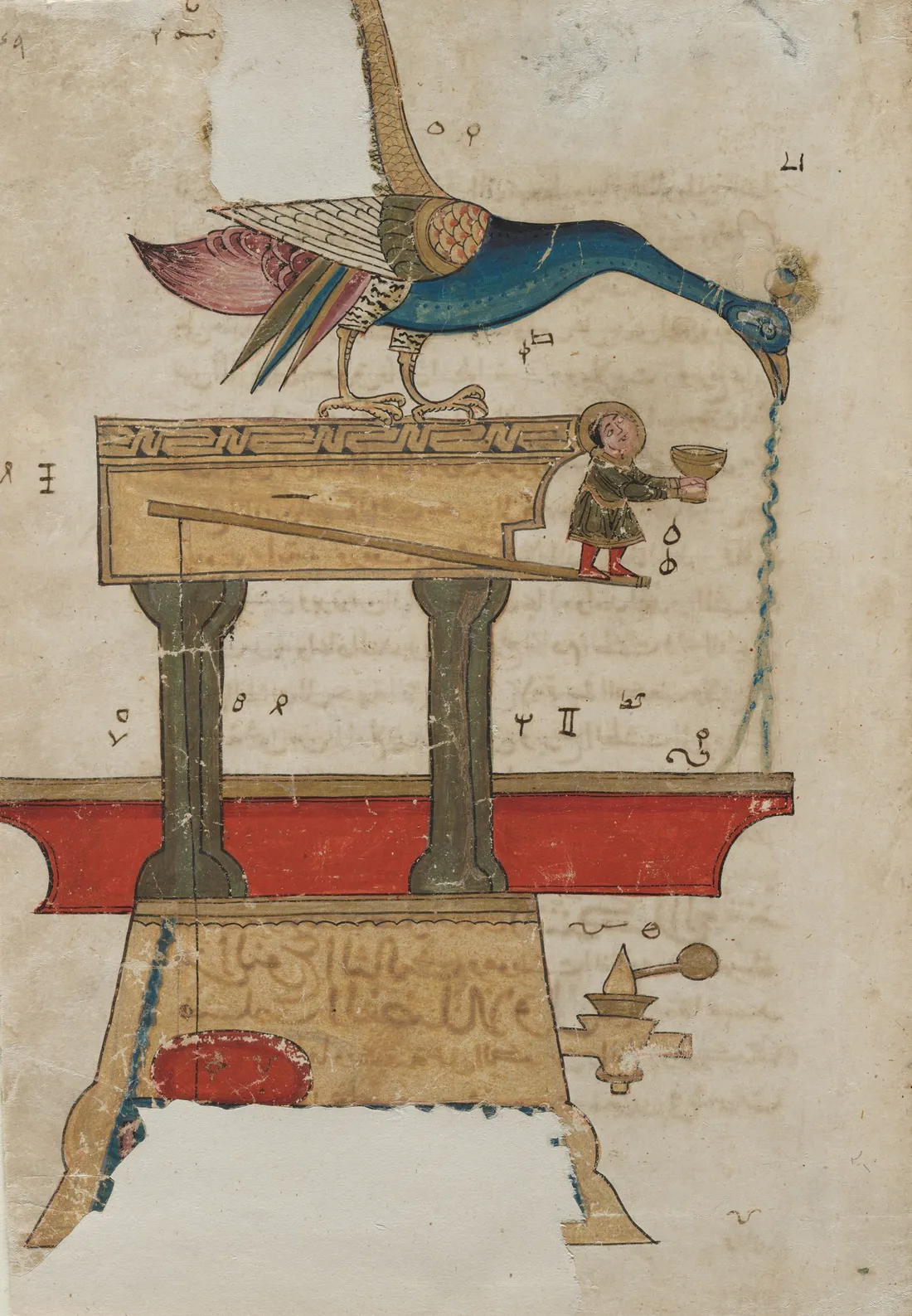
The ancient inheritance left by Ctesibius became, in the hands of these three brothers during the Islamic Golden Age, a revolution in automation. The Kitab al-Hiyal, the Book of Ingenious Devices, written under the leadership of Ahmad ibn Musa, proved that water did not only drip but could also "decide".
The Banu Musa's automatic flute was built like this: a water wheel and air pressure provided a continuous flow of air, the indentations on a programmable rotating cylinder determined the notes, and when the two came together the mechanical levers and the flute played the melody by themselves.
Programmable automation, the automatic flute. The Banu Musa took Ctesibius's float one step further. They designed a pinned cylinder turned by a water wheel. The pins on the cylinder struck mechanical levers that closed the holes of a flute, and the instrument played itself. By moving the pins, different compositions could be loaded. This was the first programmable robot in history.
Feedback and intelligent valves. With air channels and siphons that opened automatically as the water in the reservoir was used up, they built hydraulic systems that reset themselves without human intervention, in a feedback loop.
Ctesibius had given water a direction; the Banu Musa gave water memory and will.
III. The Summit: HYT H0 and Skull, a 2,300 Year Old Prophecy Under Sapphire
Centuries after the Banu Musa, traditional Swiss watchmaking pushed water outside the sapphire case. The rule that "a mechanical watch calibre and a liquid can never live under the same roof" became an unchanging dogma of horology.
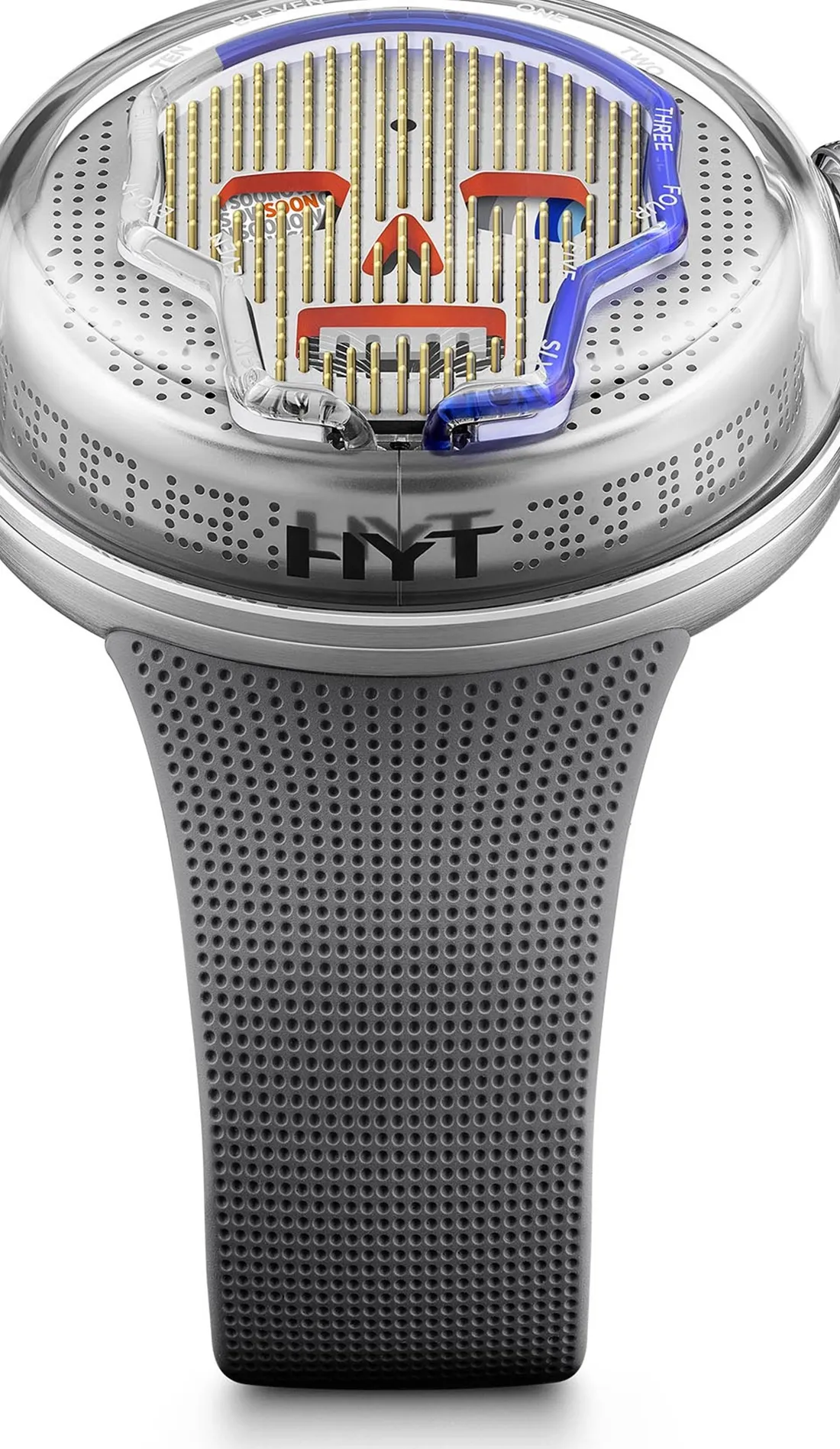
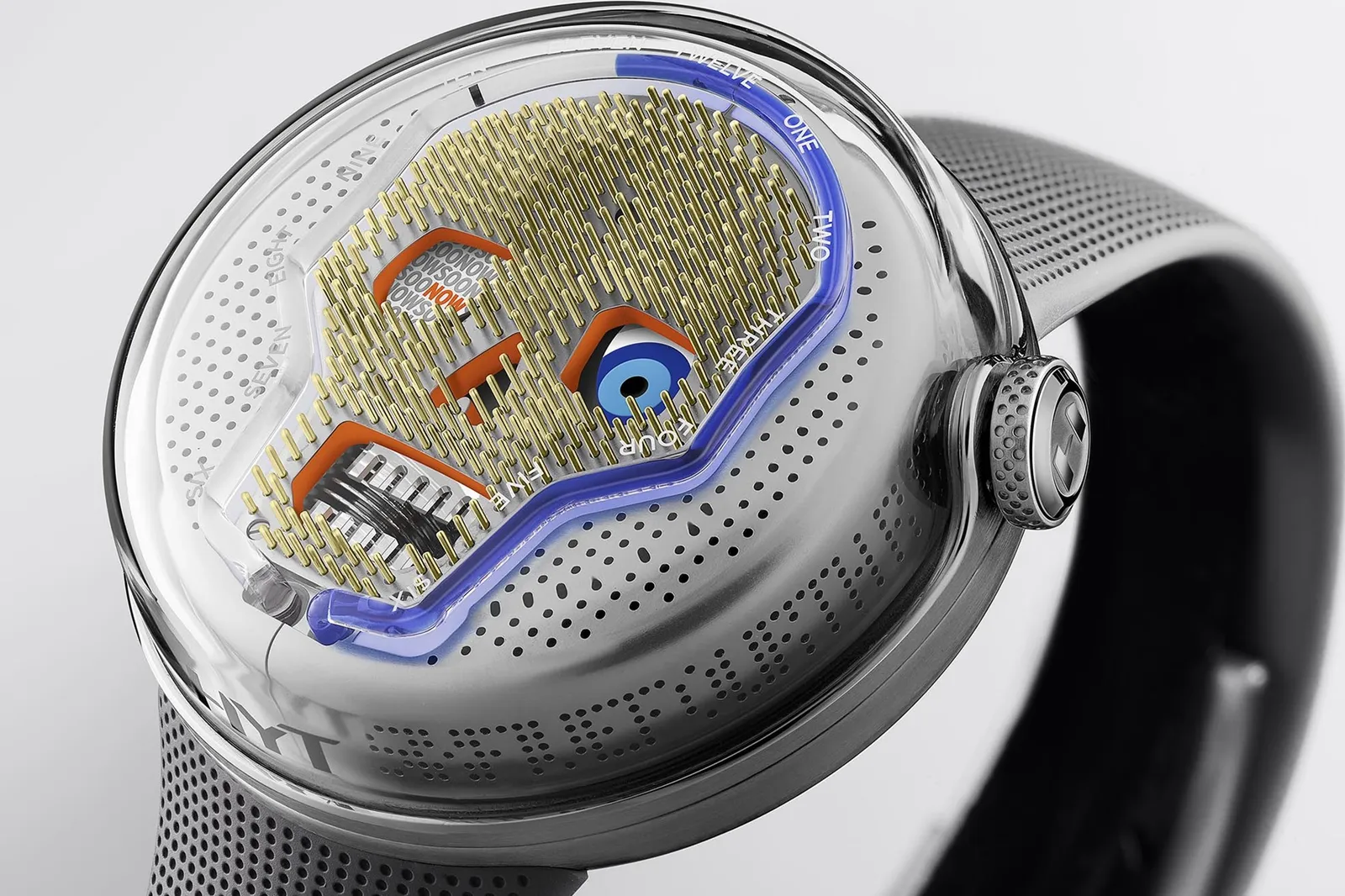
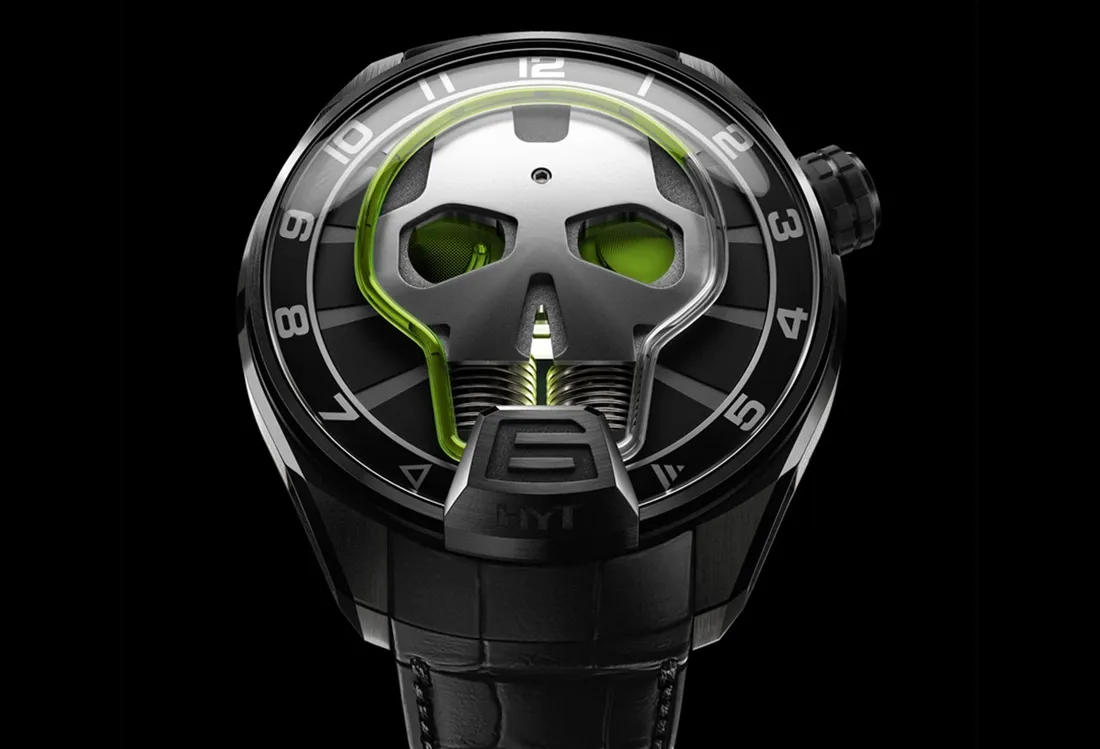
Then, in 2012, HYT, the Hydro Mechanical Horologists, broke that taboo with their first model, the H1, by shrinking Ctesibius's float and the Banu Musa's intelligent valves down to a micro-mechanical scale. The skull-shaped Skull came in 2015 and the round-tubed H0 in 2016. The brand's H0 and Skull collections are the summit, on our modern wrist, of water's twenty three hundred year journey.
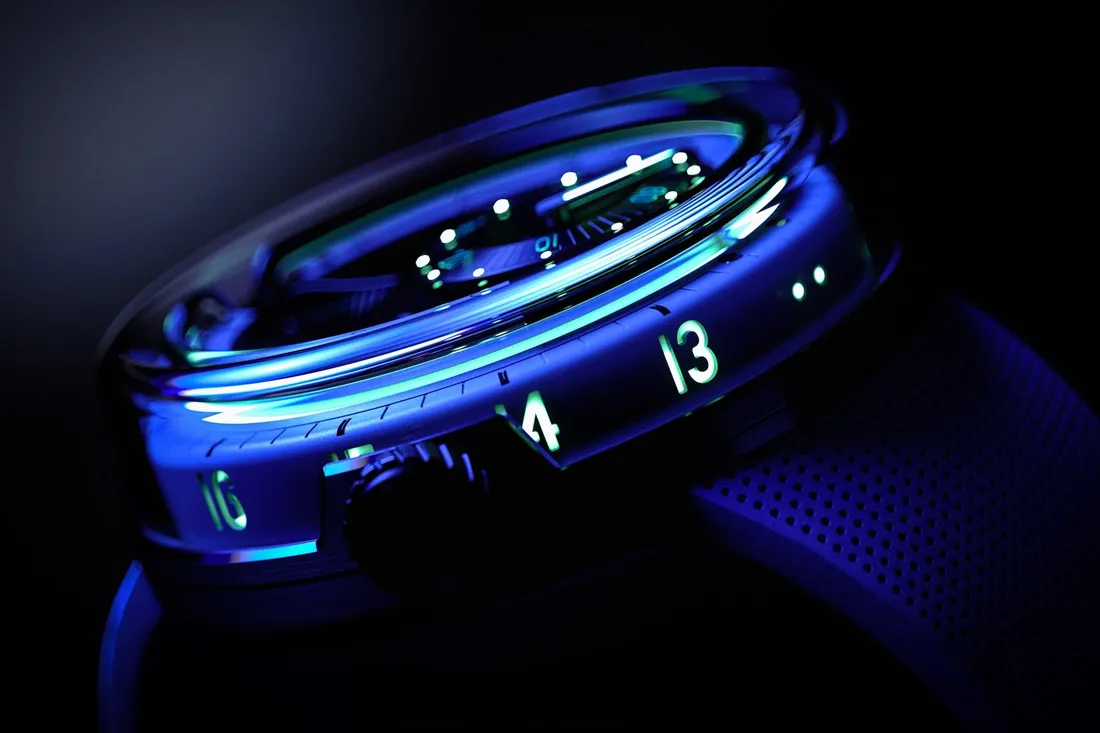
The Architecture of a Hydro-Mechanical Calibre
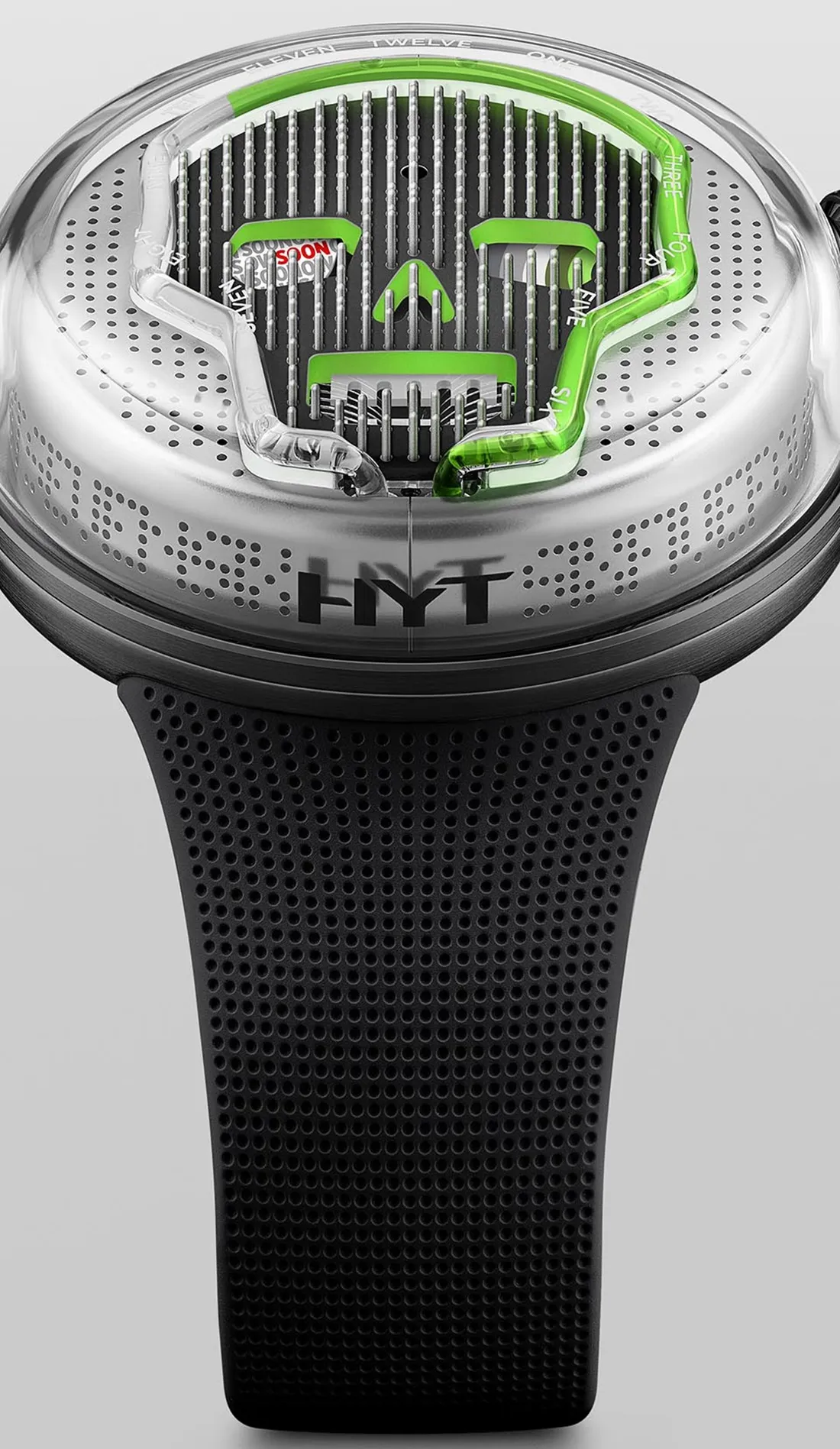
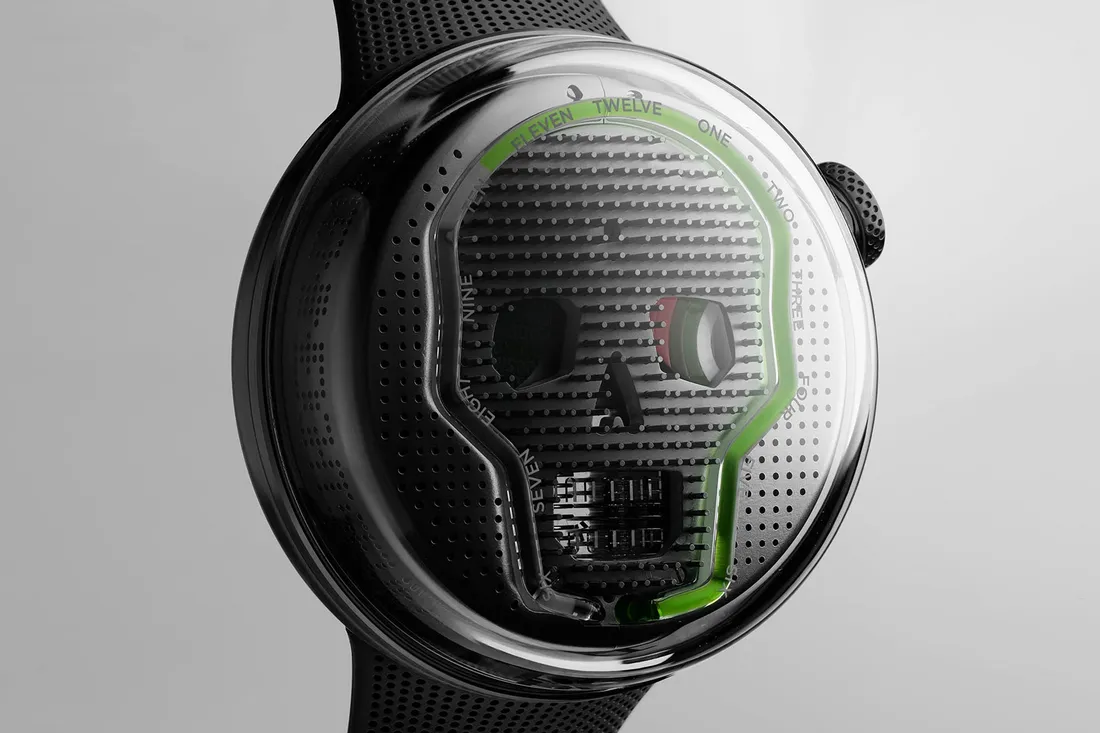
In place of a conventional hour and minute hand, HYT sets into the dial a capillary tube of glass less than a millimetre thick, 0.8 mm. Inside the tube there are two different liquids:
One coloured, water based, the other transparent, oil based.
Because of surface tension and their molecular structure these two liquids never mix. That millimetric boundary where the liquids meet, the meniscus, is the hour indicator on the dial.
The modern form of the chain is this: the mechanical calibre and its mainspring, the cam and lever system, the bellows; the bellows push the coloured oil based liquid, the colourless liquid retreats, and the point where the two touch tells the hour.

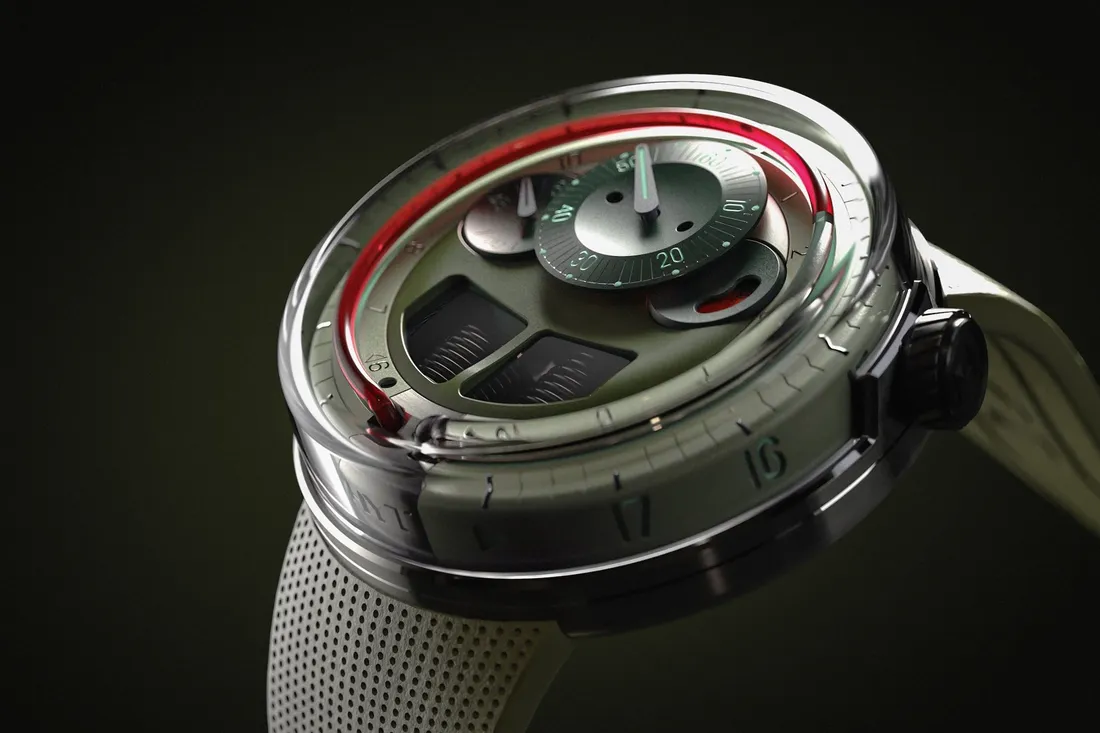
Micro-Bellows and the Retrograde Reset
Ctesibius's water tanks and the Banu Musa's hydraulic valves have become, inside HYT's case, two extremely flexible metal bellows made with rocket technology:
As the mechanical mainspring runs down, a special cam mechanism compresses the first bellows.
The compressed bellows pushes the coloured liquid into the tube.
When six in the evening arrives, or on the Skull when the cycle on the dial is complete, a hydraulic retrograde takes place that recalls the Banu Musa's siphon systems: the pressure on the bellows is released all at once and the coloured liquid is drawn back to where it started in a single second.
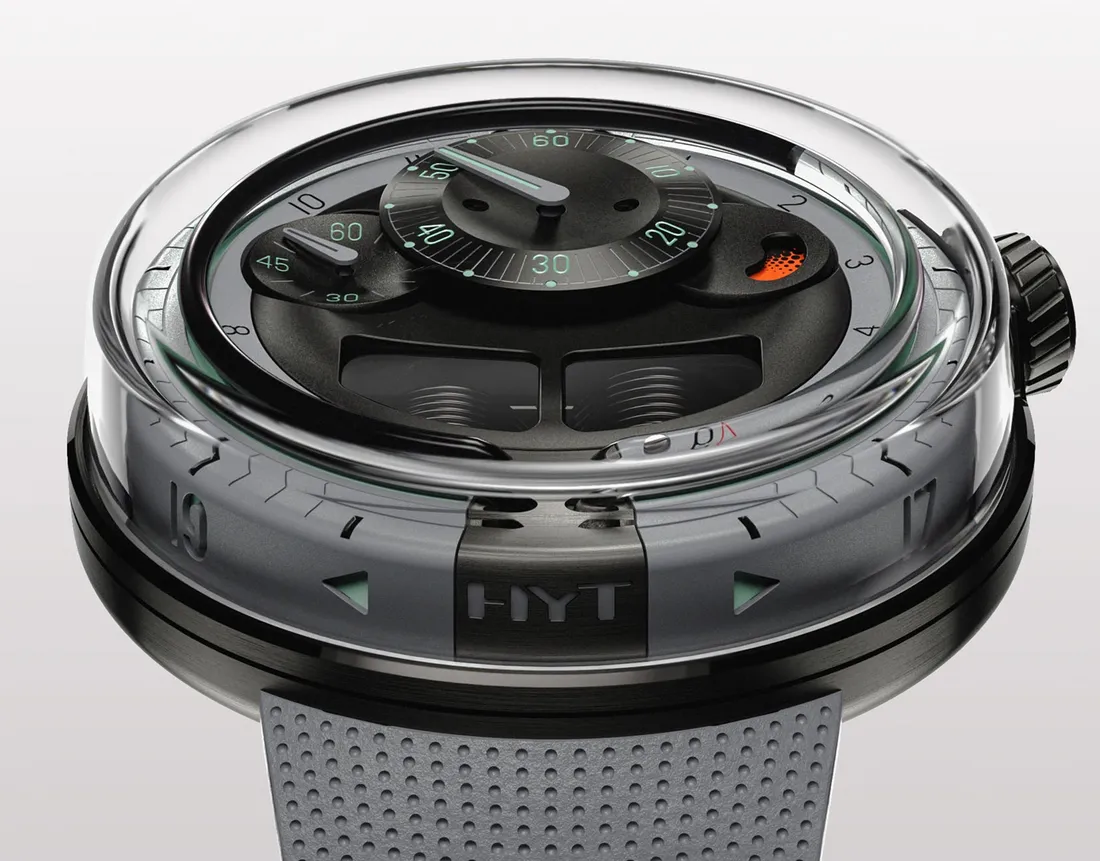
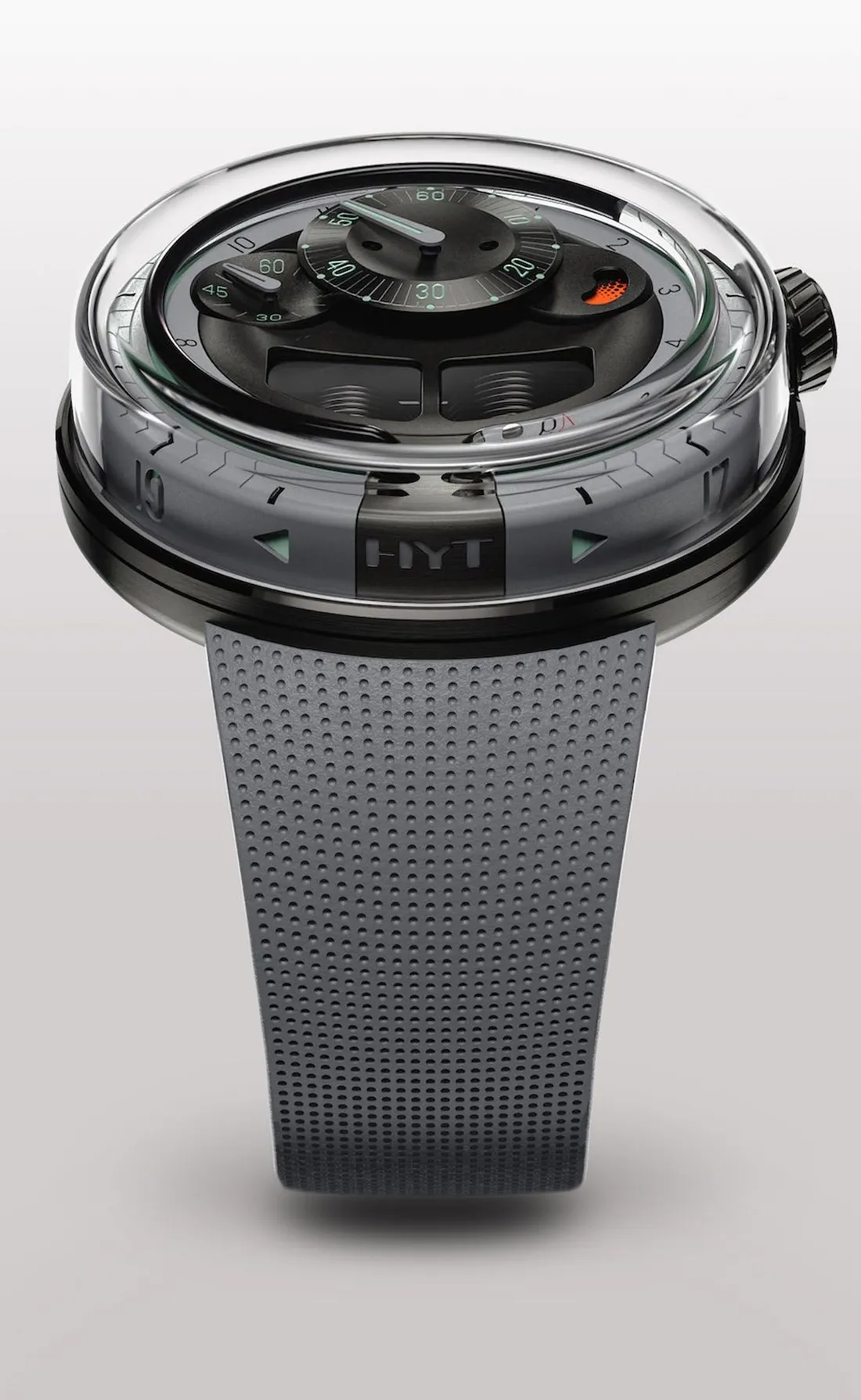
HYT Skull: a Design Victory in Fluid Dynamics
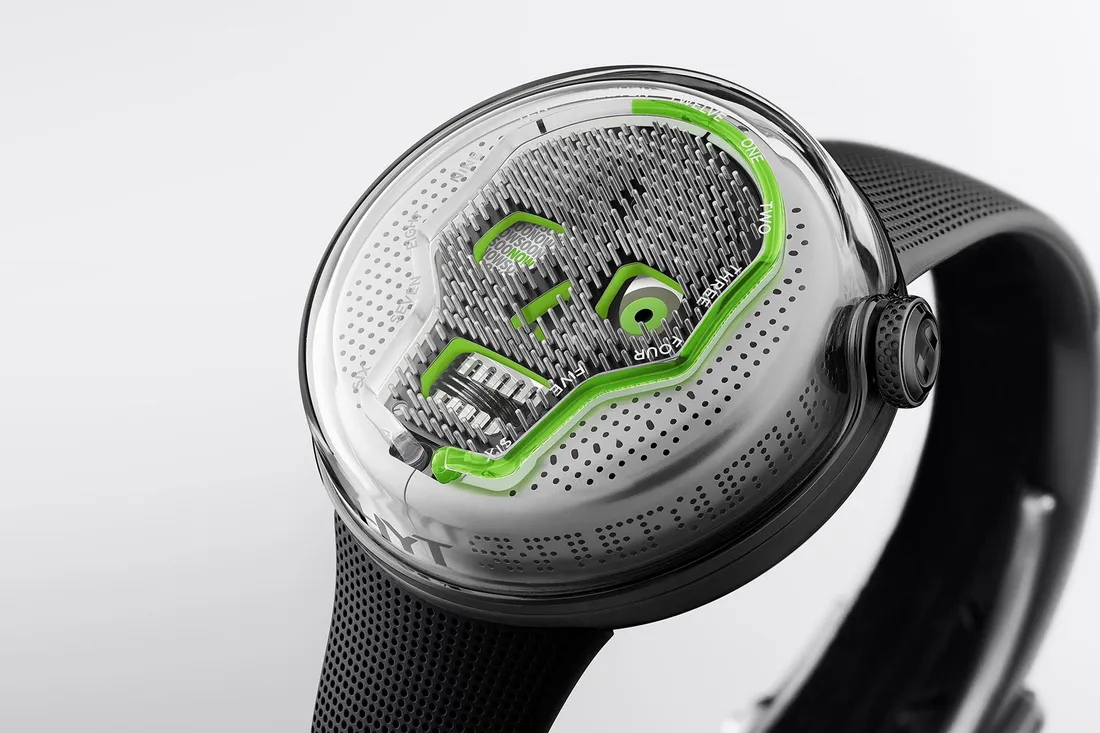
Where the tube follows a circular line on the HYT H0, on the HYT Skull that glass tube is bent into the form of a human skull. That the liquid does not lose pressure as it breaks around the sharp corners of the tube is the fluid pressure problem the Banu Musa were trying to solve in the Kitab al-Hiyal, solved with twenty first century simulation. On the Skull the left eye of the skull stands for the small seconds disc, and the right eye, with its slowly darkening colour, for the power reserve.
A Comparison Across Time
Set the three ages side by side and the engineering focus, the transmission of power and the inheritance they left separate as follows.
Ctesibius, third century BC: the focus, constant water flow and the float; the transmission, gravity and linear rise; the horological inheritance, turning liquid into a hand on a mechanical dial.
The Banu Musa, ninth century: the focus, automation and the pinned cylinder; the transmission, hydraulic pressure and air channels; the horological inheritance, the first programmable mechanism and its automatons.
HYT H0 and Skull, today: the focus, micro-fluidics and the retrograde; the transmission, metal bellows under the control of a mainspring; the horological inheritance, a hybrid mechanical and hydraulic haute horlogerie.
The Poem of a Drop of Liquid
The first drop of water that fell in a barber's shop in Alexandria in the third century BC found its rhythm among brass valves in the cool courtyards of ninth century Baghdad. Today, in the HYT H0 and Skull, it glides through a capillary tube driven by a mechanical calibre beating at 28,800 vph beneath a sapphire crystal.
Ctesibius measured the flow of water, the Banu Musa added a mind to that flow, and HYT tied that flow to our wrist. Time goes on running in the memory of water.