Nothing in nature exists on its own, and no violation of a right stays local. Humanity generally looks for justice in the grandeur of enormous institutions, international conventions and castle-like courts. Yet the most shattering truth the universe and biology teach us is this: the fate of the largest systems depends on the dignity and the health of the smallest link.
The award of the 2026 Nobel Peace Prize to the South African international lawyer and monument of human rights Navanethem Pillay proclaimed that existential law to the world once again. Announcing the prize on the morning of 9 October 2026, the Norwegian Nobel Committee cited her efforts to advance peace and international law, and her part in making war crimes, crimes against humanity and genocide prosecutable. Pillay did not only defend the prisoners crushed in the racist jails of the apartheid regime; she changed the memory of justice in human history at the root.

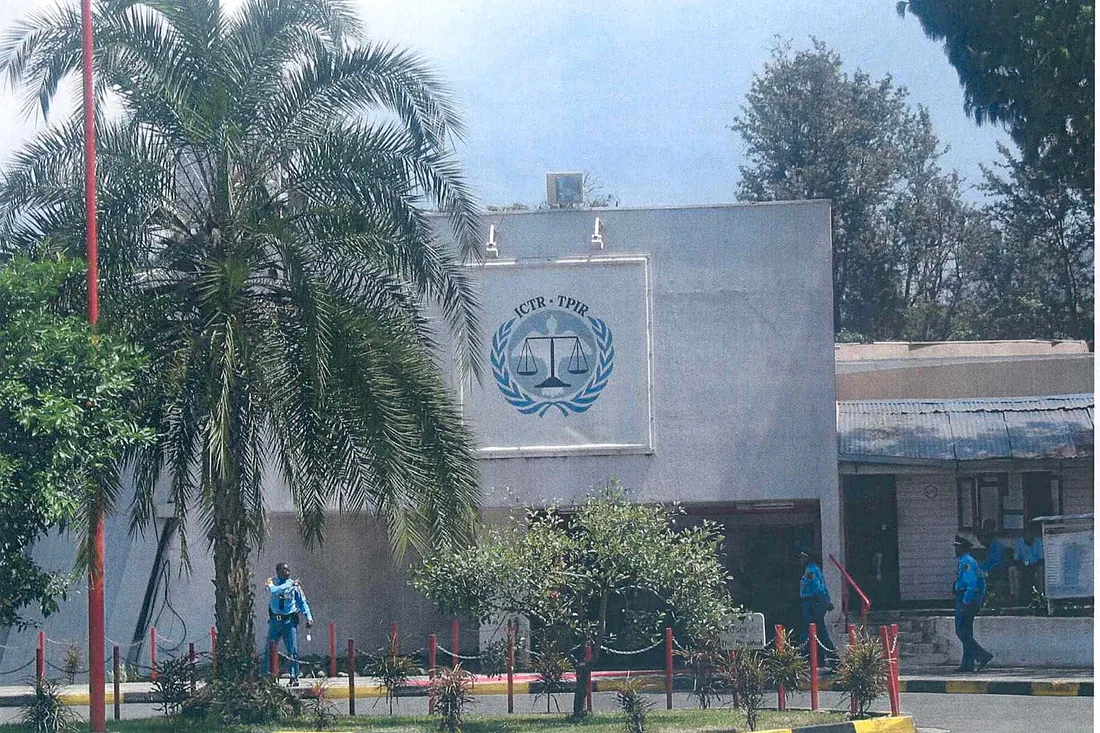
She was the first non-white woman to sit as a judge on the High Court of South Africa. In 1995 she was elected to the International Criminal Tribunal for Rwanda, which she then presided over from 1999 to 2003. She went on to serve as a judge of the International Criminal Court from 2003 to 2008, and as United Nations High Commissioner for Human Rights from 2008 to 2014.
During her service at the Rwanda tribunal, the landmark Akayesu judgment registered mass rape and sexual violence, seen throughout history as spoils of war or as an inevitable consequence of victorious armies, formally and for the first time in legal history as an act of genocide and as a crime against humanity. That judgment of 2 September 1998, in holding that rape is no longer a trophy of war but a crime against humanity, placed the cry of the system’s most defenceless and most silenced victims at the centre of the global architecture of justice.
Most recently, as chair of the United Nations independent commission of inquiry, her historic report documenting the violations of human rights in Gaza and Palestine, the blockade and the acts of genocide committed under the new circumstances turned the right of a single innocent person at the very bottom into an unshakeable finding of the global conscience.
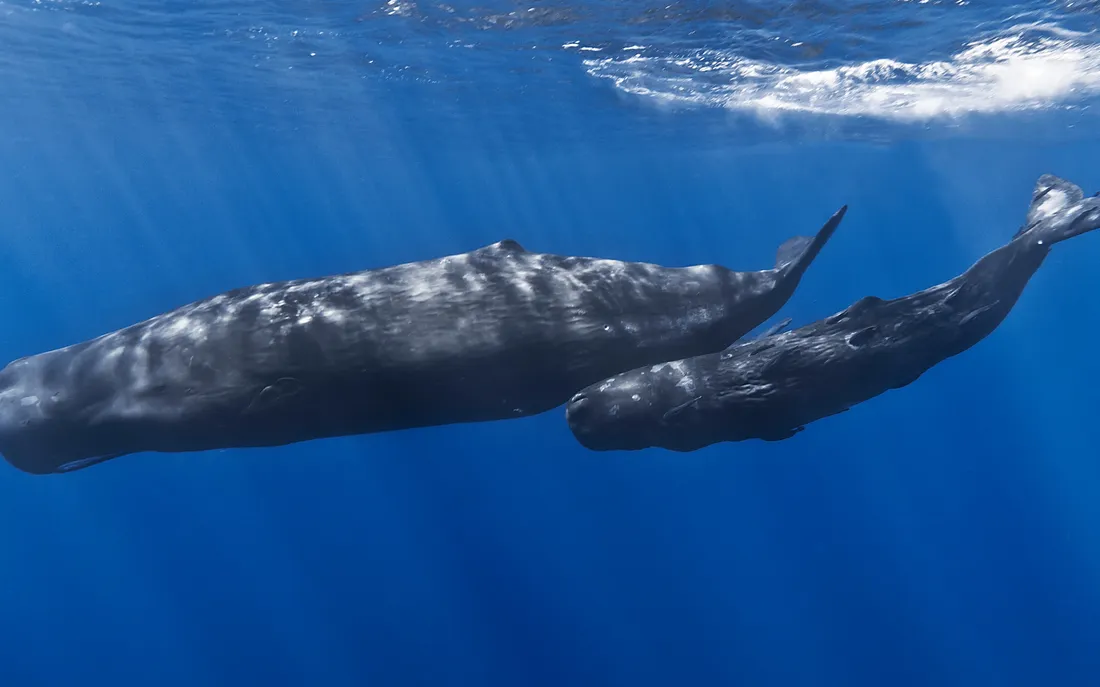
In marine biology there is an ecological cycle known as the whale pump.
Blue whales and sperm whales feed in the dark and deep layers of the ocean. They then rise to the surface, and the organic waste they leave behind, iron, nitrogen and phosphorus, fertilises the upper layers that get the sunlight. That enormous organic input feeds the microscopic creatures the eye cannot see, the phytoplankton.
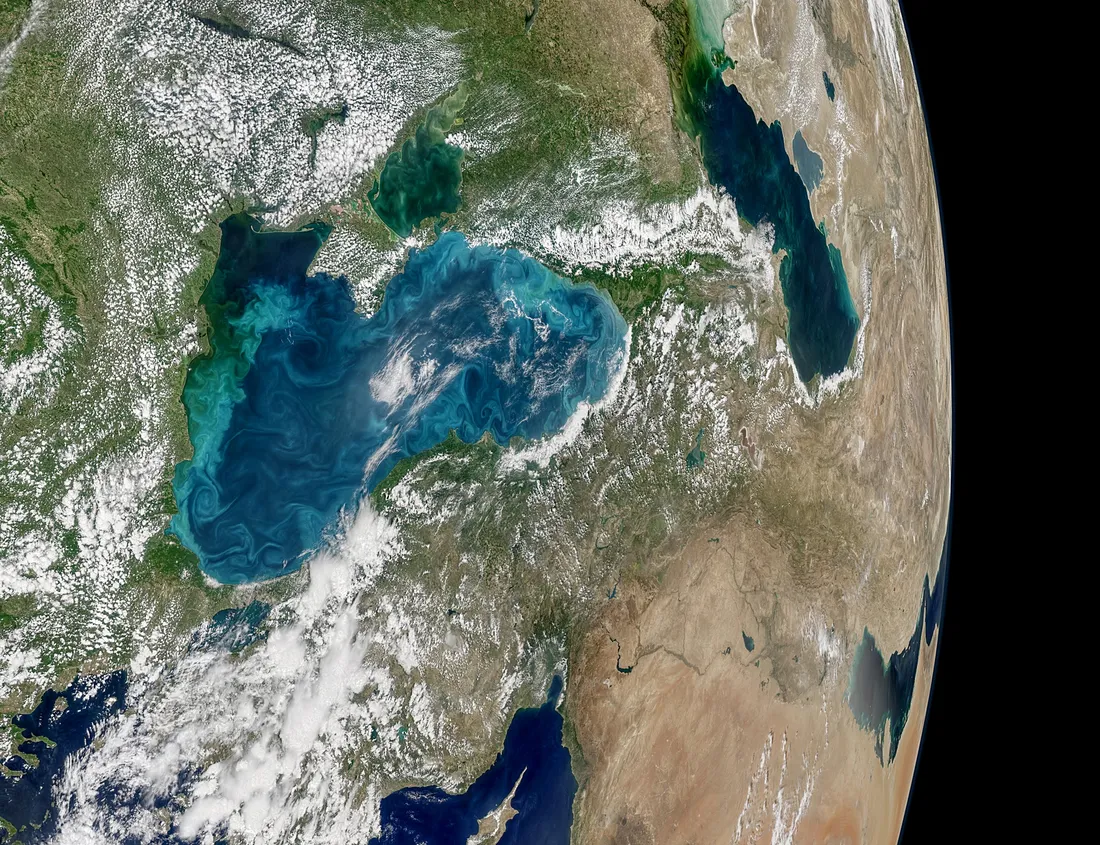
Those invisible, most defenceless, smallest phytoplankton together produce half of the oxygen on our planet, and by some accounts as much as eighty per cent of it. One of every two breaths we take we owe to this flawless solidarity between the giant at the very bottom of the ocean and the microscopic creature at its very surface.

The diagram of the cycle is very simple, and that is exactly why it is shattering. At the top stands the whale: power, institution, law. What it leaves goes not downward but upward, to the smallest: the phytoplankton, the individual taken one at a time. And the oxygen that comes out of that smallest link returns to the whole human ecosystem. The chain runs the opposite way to the one we assume.
Protecting human rights, beyond defending fragmented articles of law, is a matter of preserving a liveable socio-political ecosystem.
This relationship between whale and phytoplankton takes the bond between power and fragility, between macro institutions and micro freedoms, out of hierarchy and seats it in an ecology of mutual dependence. That approach defines the struggle against violations not as a single legal war but as a struggle to bring the planetary and social ecosystem of justice back to life.
format_quote"A right that looks small can be the beginning of a great freedom."
Hasan Bekmezci
A right that looks small can be the beginning of a great freedom. To protect one human being is to strengthen the cycle that protects all of humanity. As Navi Pillay showed both in the historic jurisprudence that made rape an act of genocide and in the Palestine report, when the right of a single woman crushed under war, occupation or oppression, subjected to sexual violence or silenced, when the right of a single Palestinian child is not protected, the atmosphere of justice and liberty in every society on earth is left without oxygen.
format_quote"To protect one human being is to strengthen the cycle that protects all of humanity."
Hasan Bekmezci
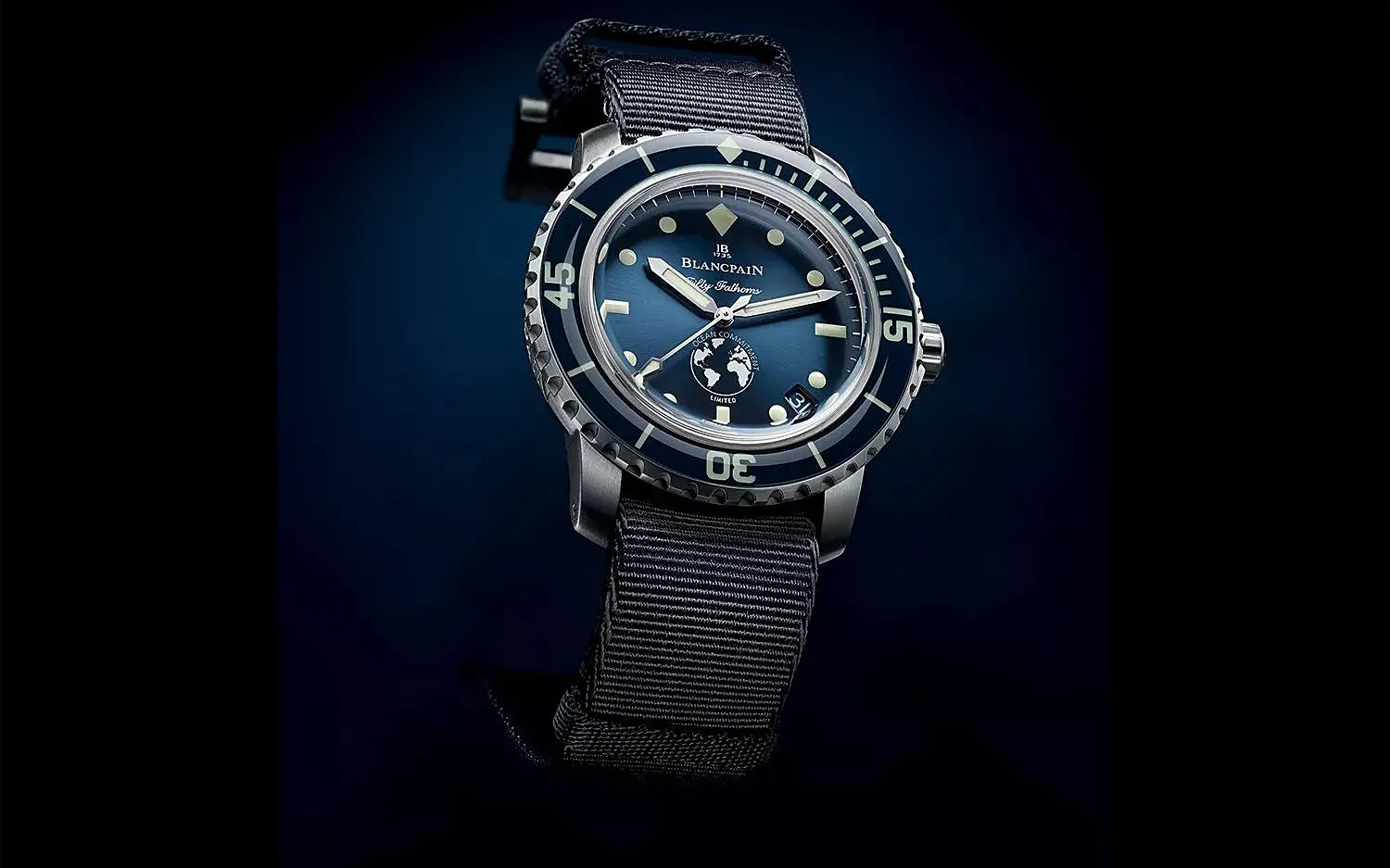
When it comes to the depth of the oceans, the preservation of ecological balance and a concrete devotion to the right to life, the one legend in the world of watchmaking is the Blancpain Fifty Fathoms Ocean Commitment series.
Born in 1953 as the world’s first modern diver’s watch, the Fifty Fathoms in time stopped being merely an instrument. By the maison’s own count the Ocean Commitment programme has now completed twenty years; more than forty scientific expeditions have been funded, twenty four marine protected areas established, and the sea surface protected with Blancpain’s support has passed four million seven hundred thousand square kilometres. The watch, in other words, turned from an instrument into a devotion, exactly as Pillay’s human rights work did.
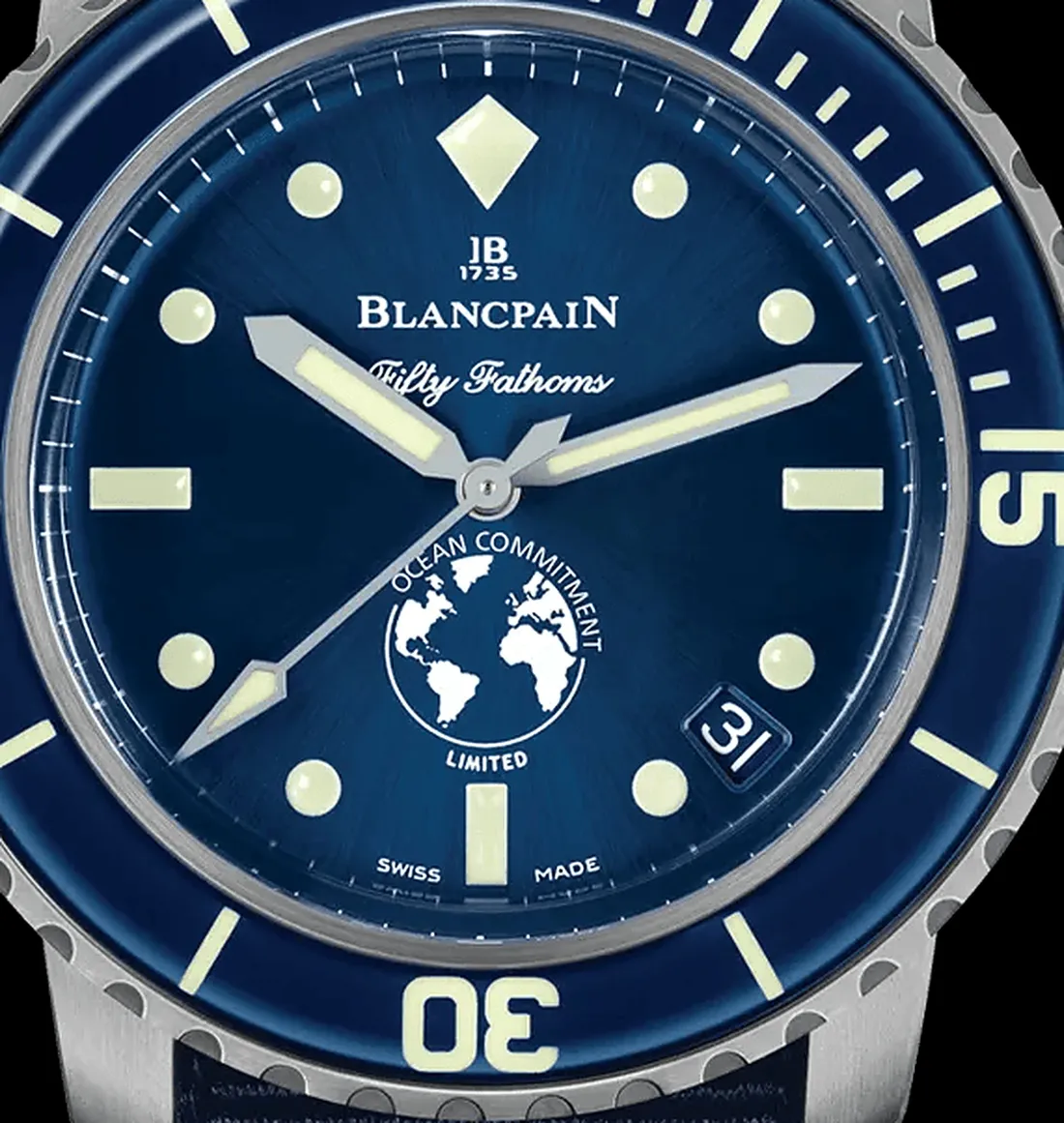
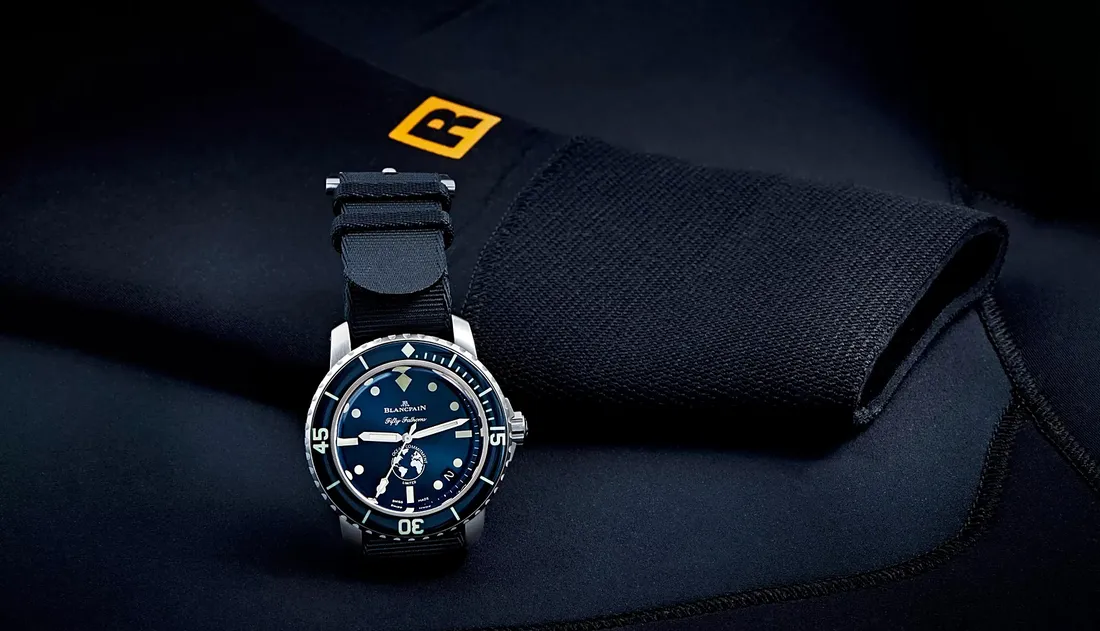
The third watch of the series sits in the maison’s catalogue under the reference 5008 11B40 NAOA. The forty point three millimetre steel case is thirteen millimetres thick and resists thirty bar. The dial is sunburst blue; it carries neither a subdial nor an ornament, only a globe printed above the date window with the words Ocean Commitment around it. That small sphere is the single mark that carries the whole claim of the watch.
Every watch sold carries a concrete share of responsibility passed straight to the protection of the oceans and of life in them. Through this programme Blancpain funds marine biology research, ocean mapping work and the scientific expeditions that protect the delicate sea environments keeping those phytoplankton alive.


Inside runs the calibre 1151. It winds automatically, beats at twenty one thousand six hundred vibrations an hour, is built from two hundred and ten parts on twenty eight jewels, and carries a power reserve of a hundred hours, more than four days. The balance spring is silicon, untouched by magnetic fields and by changes of temperature. The movement is watched through the sapphire back and protected by Blancpain’s secured winding system, so that a wrong move while setting the watch does not strain the wheels.
The watch comes with two rubber straps and was made in a limited run. On the maison’s site today it shows as sold out; the devotion continues, and the fourth link of the series is on sale as the Tech Ocean Commitment IV.

The 2026 Nobel Peace Prize given to Navi Pillay, her precedent-setting judgments that stopped rape being a weapon of genocide and the historic findings of the Palestine report, showed us once again that peace and justice do not pass through ornate sentences written in palaces but through safeguarding the right of one single, most defenceless human being at the very bottom of society.
Just as the trace left by the giant whale in the ocean feeds the phytoplankton the eye cannot see and becomes oxygen for the whole planet, so the value given to the human rights of a single person cleans the atmosphere of liberty for every society on earth.
Like the deep blue dial of the Blancpain Fifty Fathoms Ocean Commitment and its devoted spirit protecting the oceans: no human being is worthless and no right is small. As long as the smallest wheel keeps turning and the right of the smallest individual is protected, humanity and time will go on flowing towards what is true.
format_quote"No human being is worthless and no right is small."
Hasan Bekmezci
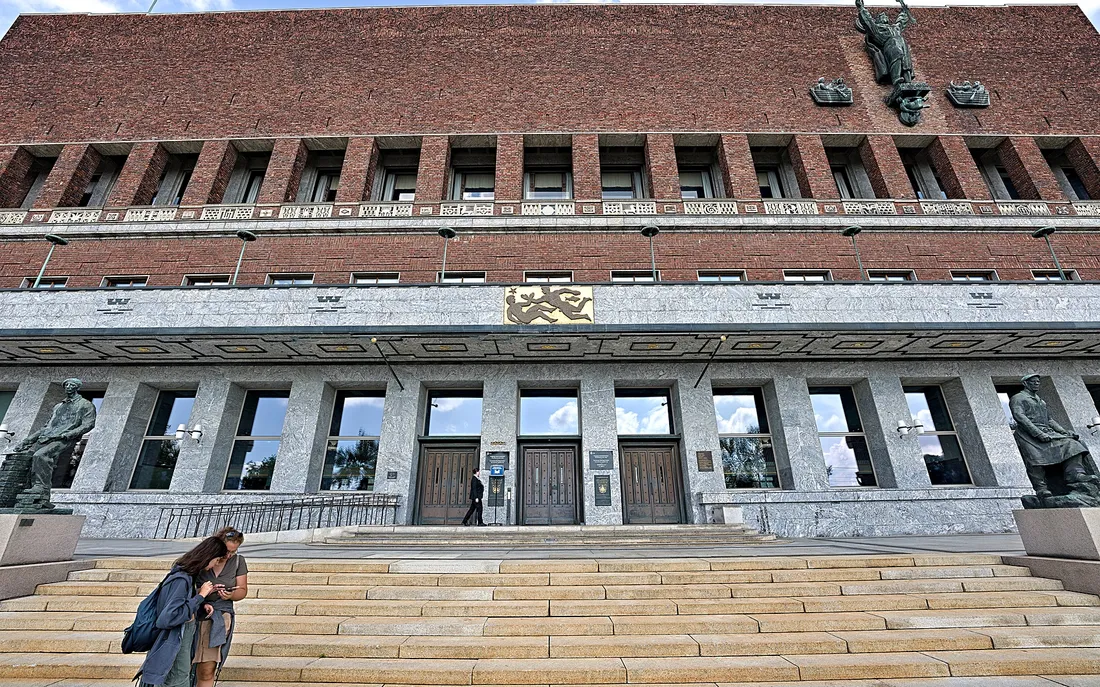
Editor’s note: Flâneur salutes Navanethem Pillay, winner of the 2026 Nobel Peace Prize, with respect. This piece was written in deference to a legal career of more than forty years, and to judgments that placed the right of the most defenceless at the centre of justice.
The watch on its maker’s own site: Blancpain, Fifty Fathoms Ocean Commitment III