The world is woven with invisible waves that we can neither see nor hear, yet they vibrate tirelessly in every corner of the universe. From the ground we step on to the stars in the sky, from the beating of our hearts to the waves of the oceans, everything is a frequency. Science gives a single name to the most fascinating intersection of these frequencies: Resonance.
Resonance is nature's way of whispering to itself. According to wave theory in physics, when two independent systems with the same natural frequency are placed side by side, they begin to feed each other's vibrations instead of dampening them, all without any mechanical contact. After a while, these two distinct entities unite into a single rhythm, bound by an invisible thread.
We see the most beautiful example of this in acoustics. When you strike one of two tuning forks tuned to the exact same frequency, it releases invisible sound waves into the air. The second tuning fork, standing completely still at the other end of the room, senses these waves and begins to vibrate and sing on its own, without ever being touched. Nature is full of these traces: specific wind frequencies that cause gigantic bridges to swing like a cradle and collapse, or an opera singer whose vocal wavelength aligns with the atomic rhythm of a crystal goblet until it shatters into a thousand pieces.
This poetic principle, considered a laboratory masterstroke in the world of physics, has driven humanity to chase a single question throughout history: "Can we tame this invisible synchronization of the universe to measure time?"
format_quote"Resonance is nature's way of whispering to itself."
Hasan Bekmezci
From Wall Clocks to the Impossibility of a Wristwatch
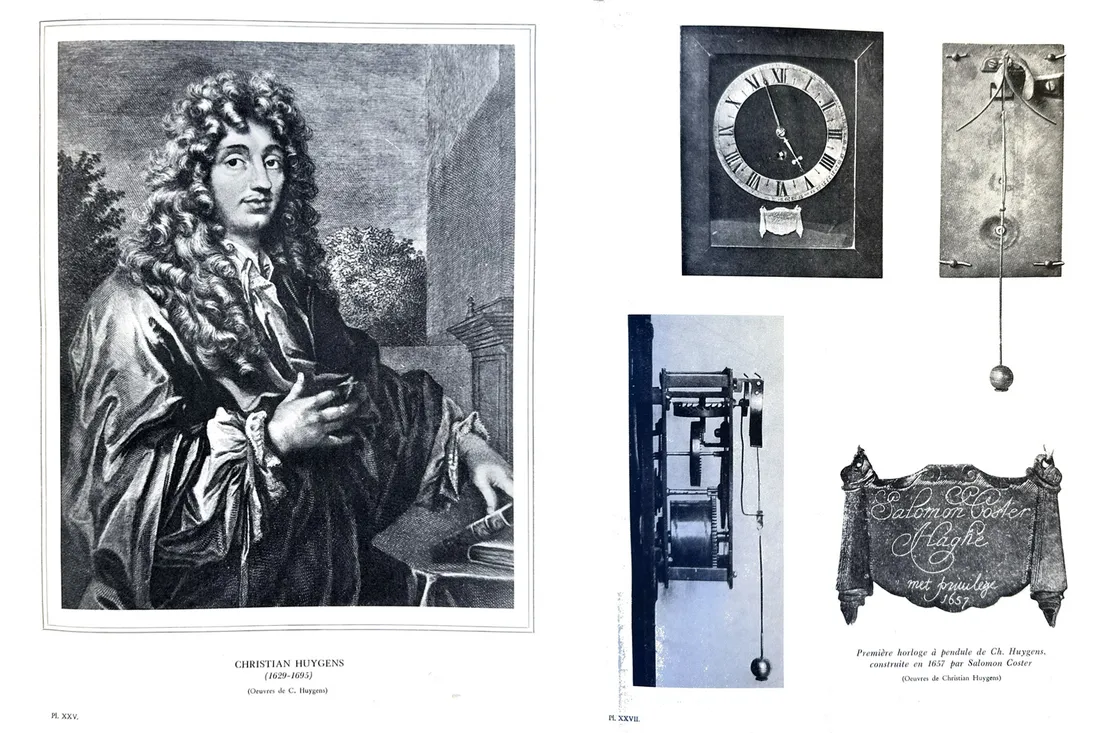
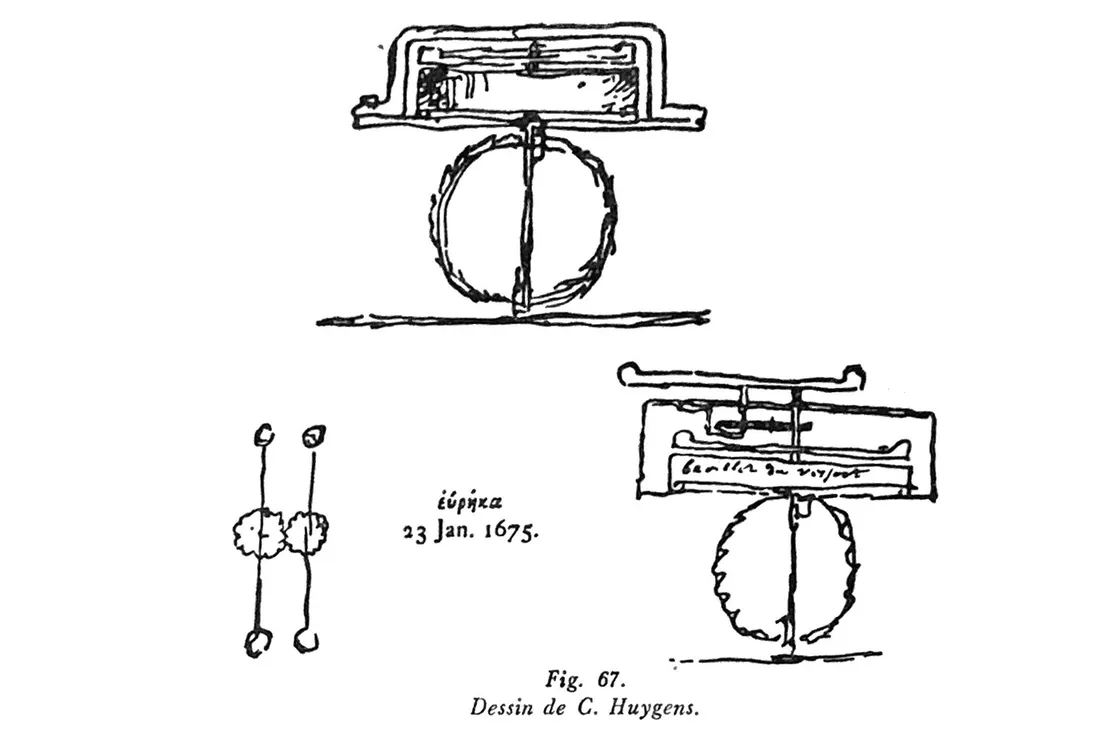
The pioneers of modern science were the first to pursue this question. In the 17th century, Christiaan Huygens, noticed that the pendulums of two adjacent wall clocks eventually swung in perfect, opposing synchronization due to micro-vibrations traveling through the room's wooden beam. In the 18th century, the legendary French watchmaker Antide Janvier utilized this phenomenon to construct monumental double-pendulum regulator wall clocks operating on the principle of resonance. If one pendulum slowed down or sped up due to an external disturbance, the other would pull it back to its own frequency, preventing any deviation in time.
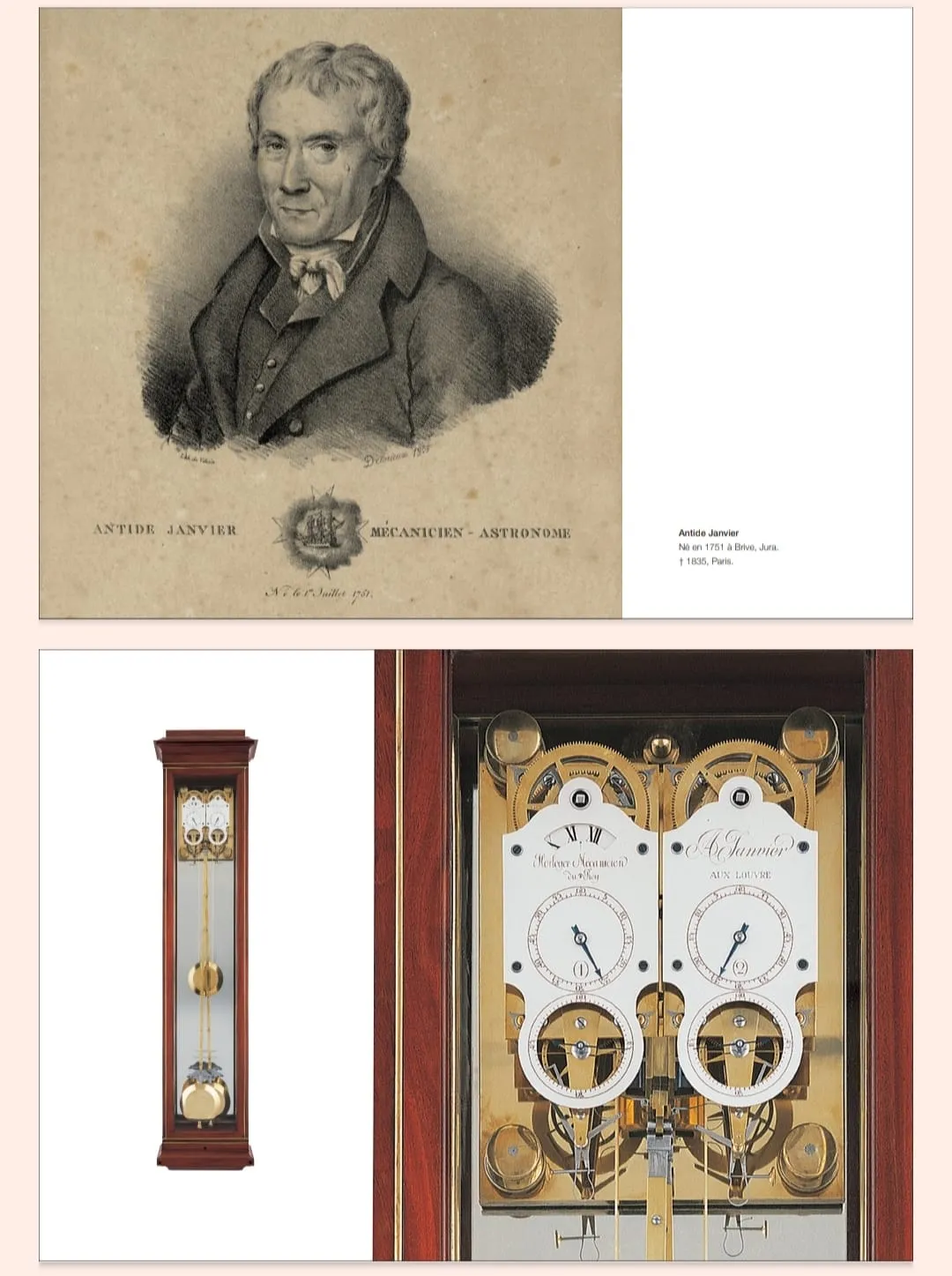
However, there was a massive problem. Wall clocks were heavy, stationary, and protected within a laboratory environment. Translating this into a wristwatch meant defying the laws of physics. A wristwatch is in constant motion; every time you swing your arm, walk, or bump into something, that fragile, invisible bond of resonance is bound to break.
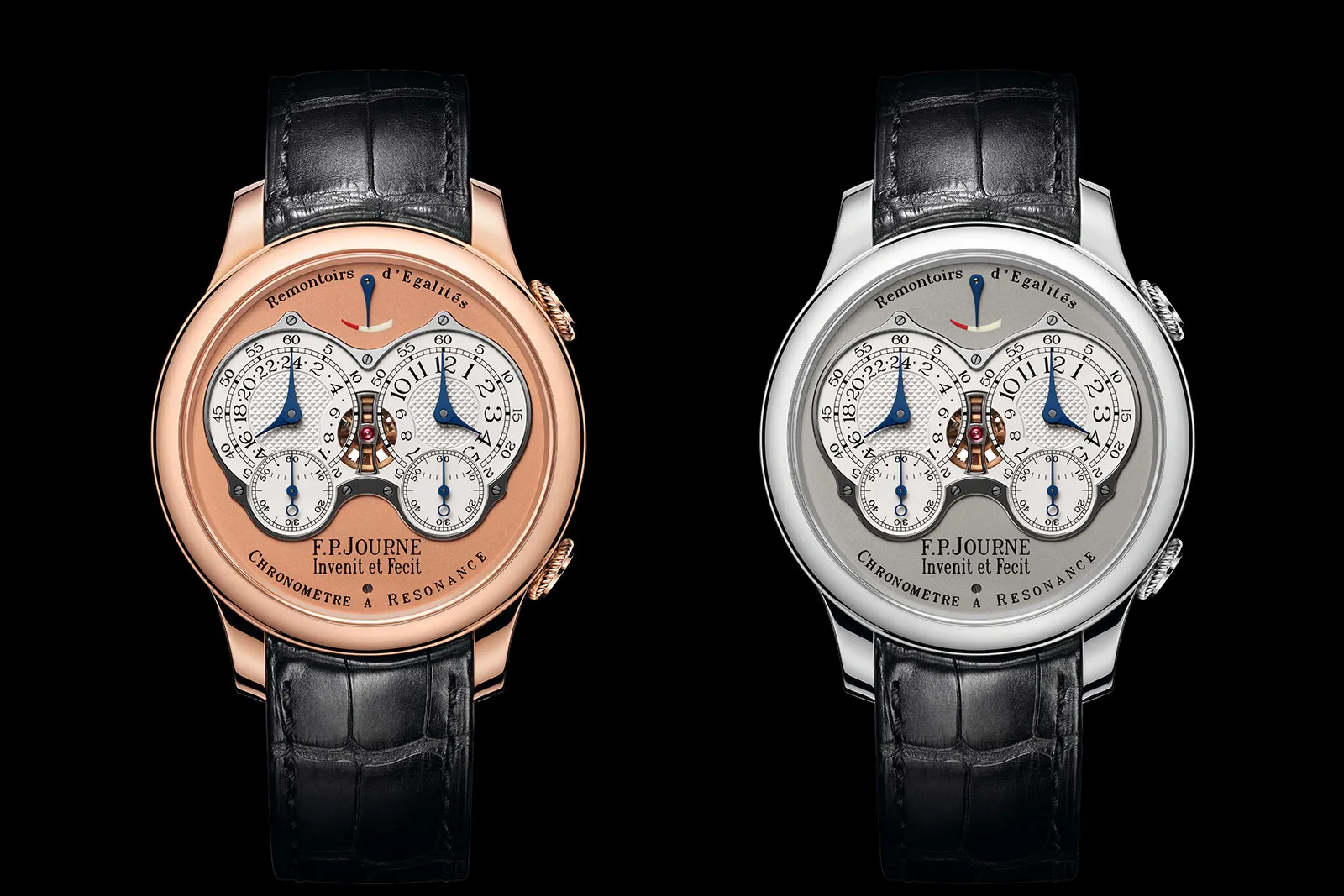
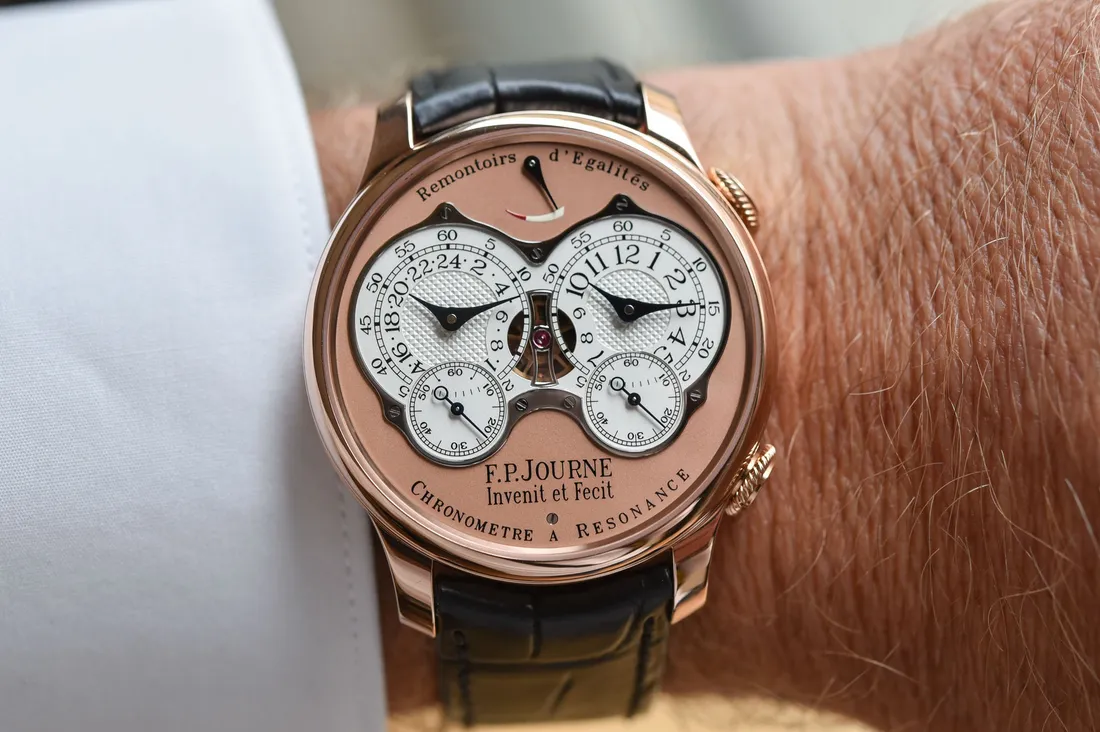
It was at this exact moment that the greatest living watchmaking genius, François-Paul Journe, stepped onto the stage and created one of the greatest masterpieces in horological history: the Chronomètre à Résonance.
How Calibre 1520 Creates a Shared Rhythm
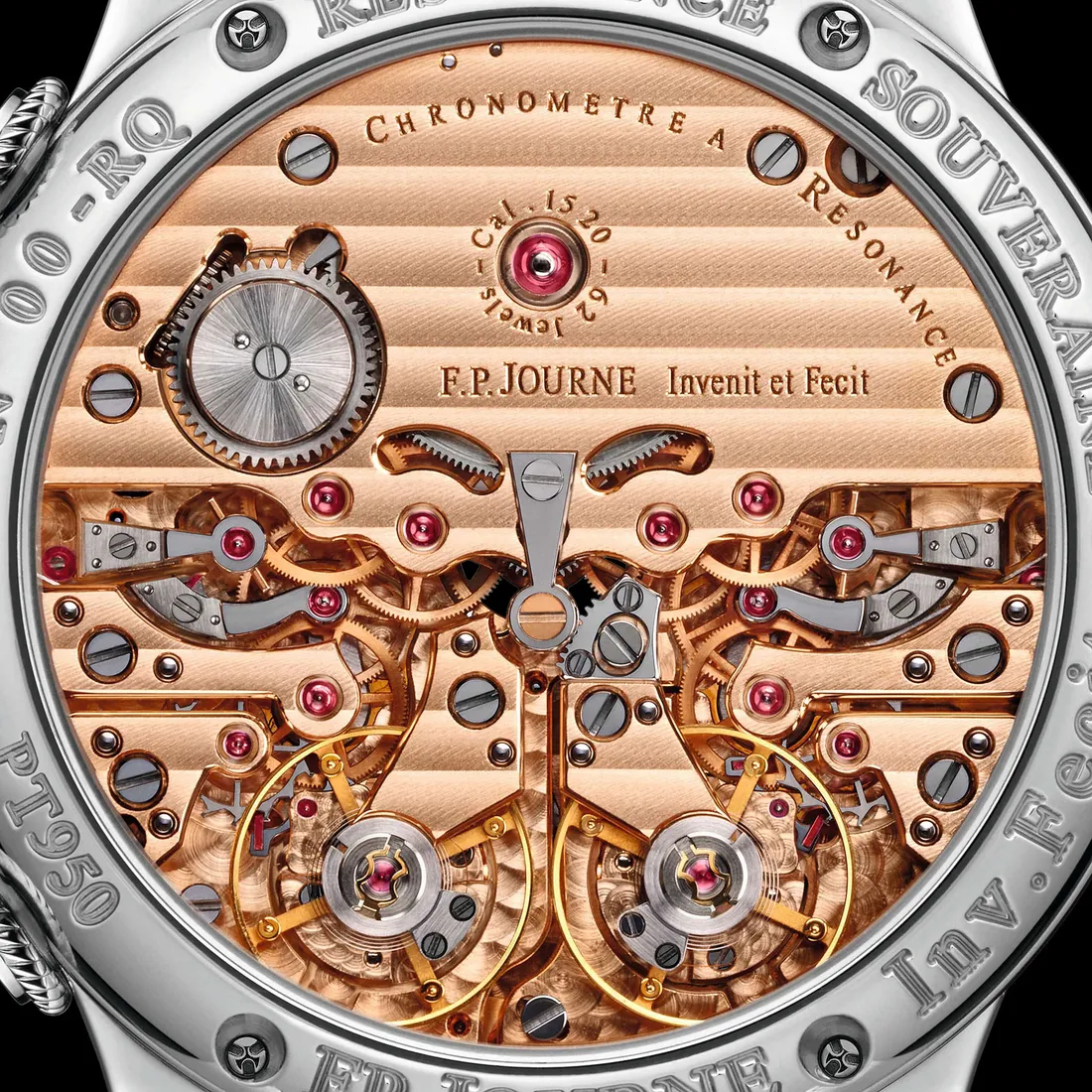
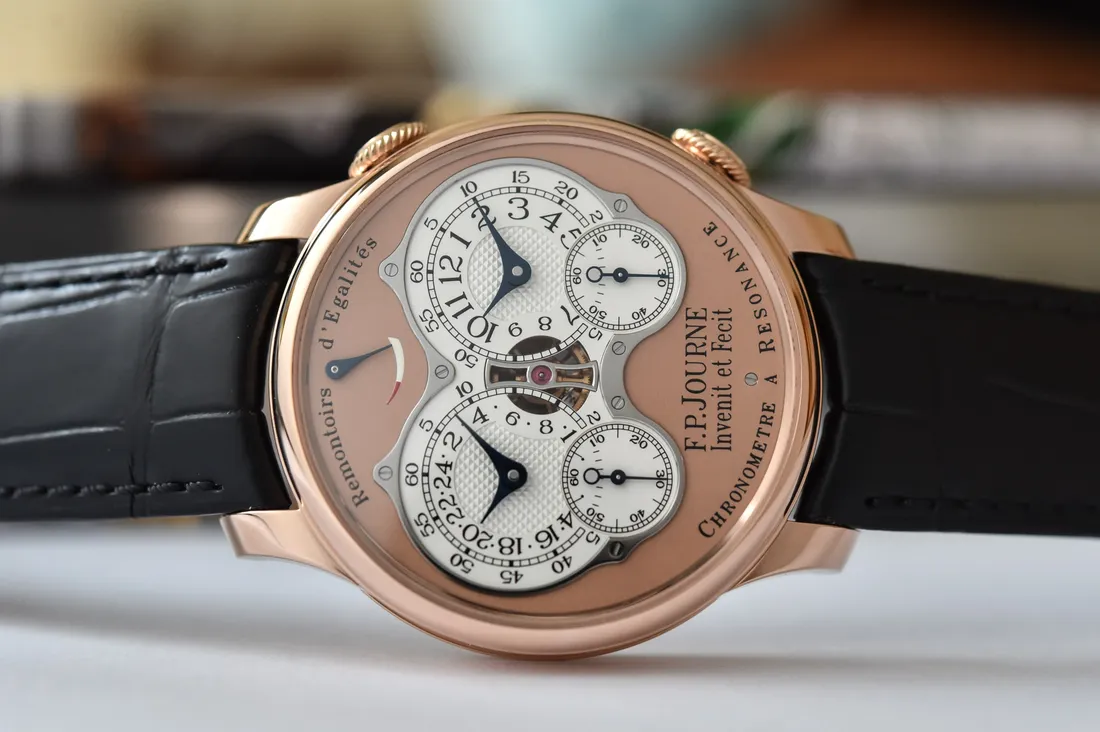
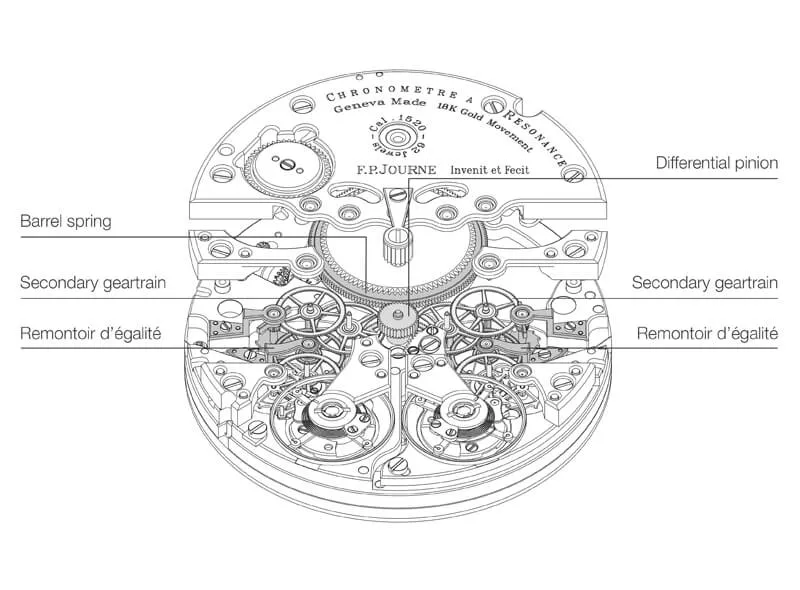
The 2020 Chronomètre à Résonance uses one barrel and a differential to supply two gear trains. Each has a one-second remontoir d’égalité. Two independent balances oscillate at 3 Hz. Total power reserve is 42 hours, with approximately 28 hours of constant-force operation.
F.P. Journe describes resonance as a natural acoustic phenomenon requiring very precise adjustment of the two balances, without a direct mechanical transmission between them.
Finishing and Adjustment
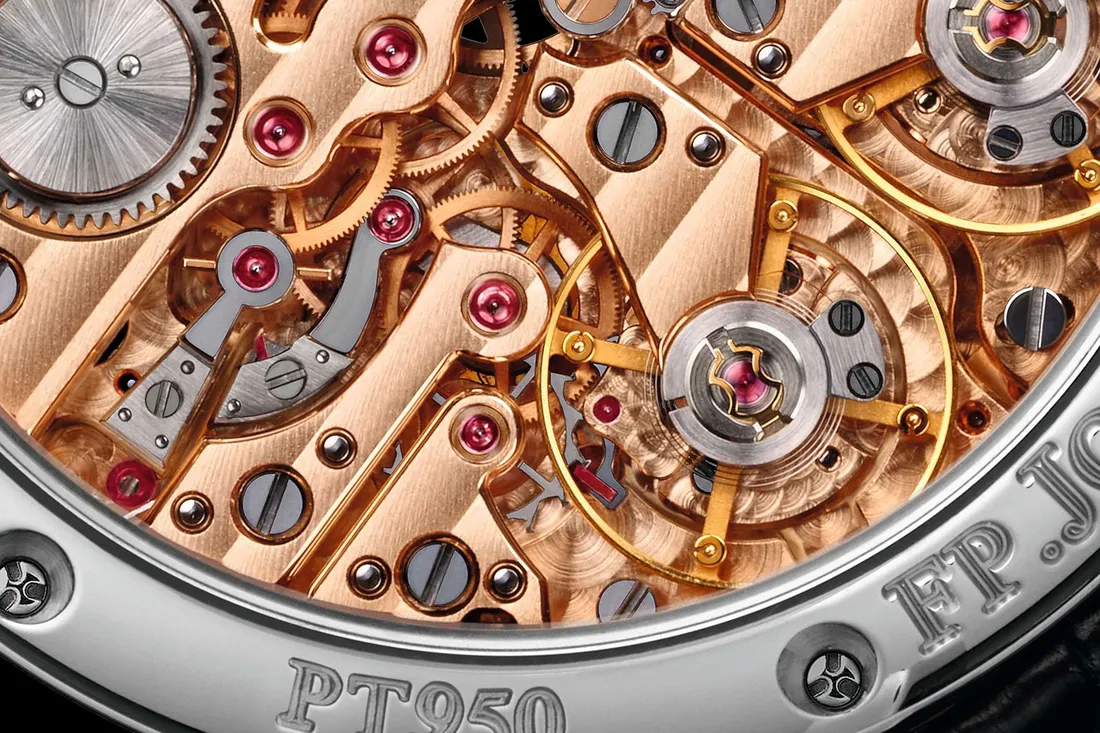
The manufacture specifies Geneva waves on the bridges, circular graining on the baseplate and hand-finished steel components. Precision adjustment is central to the mechanism’s operation.
A Place in Watchmaking Culture
The appeal of this watch lies in making resonance visible on the wrist. Different generations and configurations should be assessed individually; an exceptional auction result is not a general market price.
format_quote"It is the story of two souls finding each other behind the dial, without any mechanical connection."
Hasan Bekmezci
Final Words
The Chronomètre à Résonance offers a poetic image of two rhythms finding harmony. Behind that image lies a carefully adjusted mechanism. Its fascination comes from the meeting of a physical phenomenon and the watchmaker’s craft.