A Night on the Terrace of the Nice Observatory
The terrace of the historic Nice Observatory, on the hill of Mont Gros above the French Riviera, was a perfect place to watch the sky once night had fallen. Below, the dark waters of the Mediterranean stretched away; above, the Milky Way shone in all its splendour.
The astrophysicist Dr. Selen Vance and the theoretical physicist Prof. Dr. Maya Thorne sat beneath the dome with hot coffee in their hands, listening to the silence of the night.
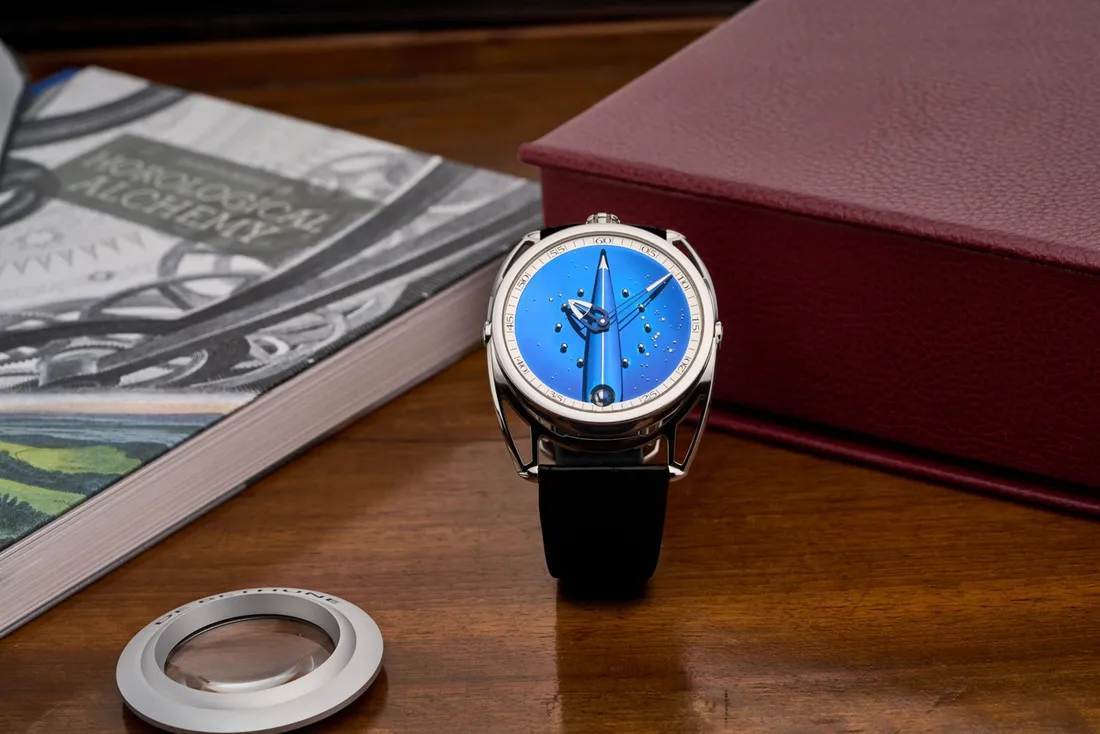
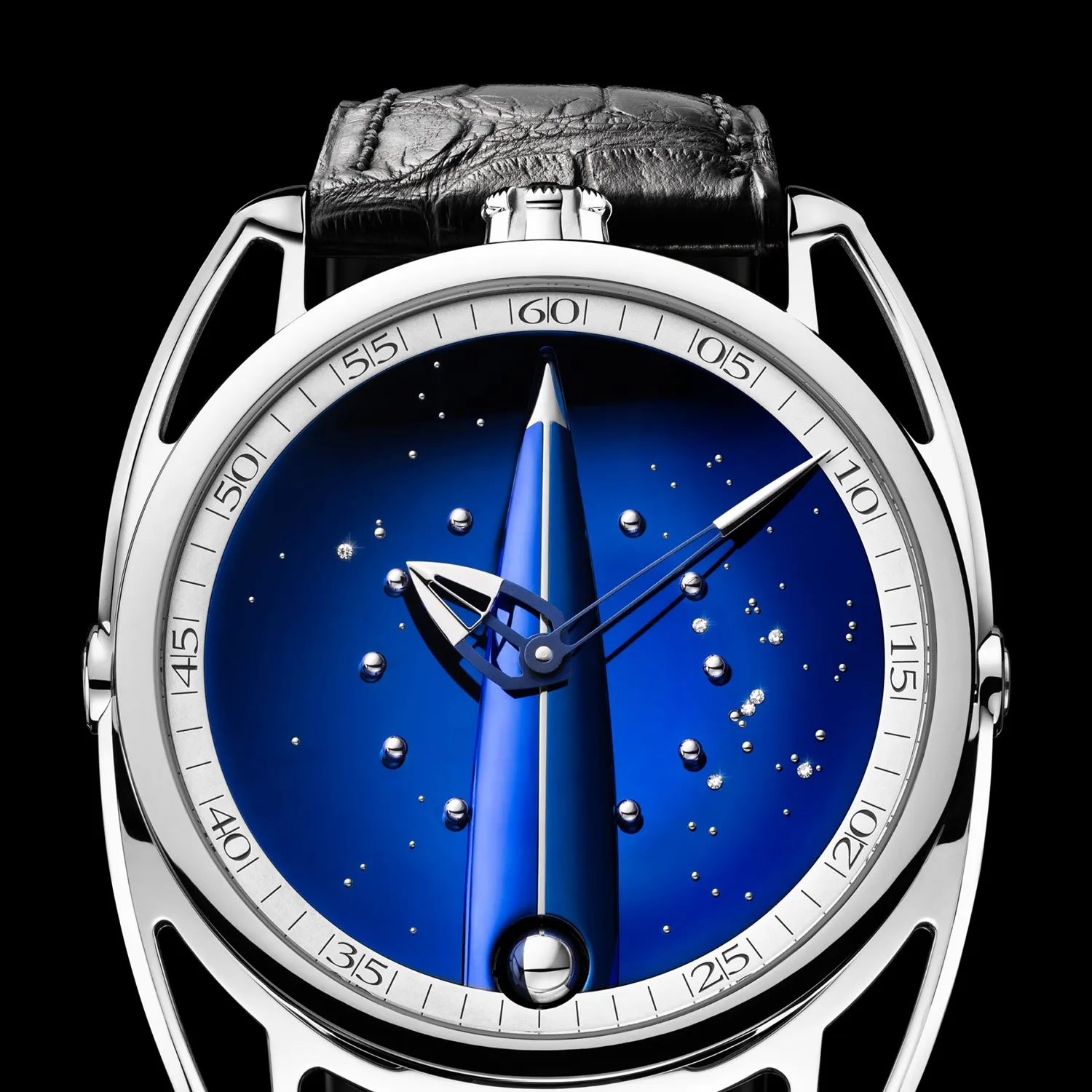
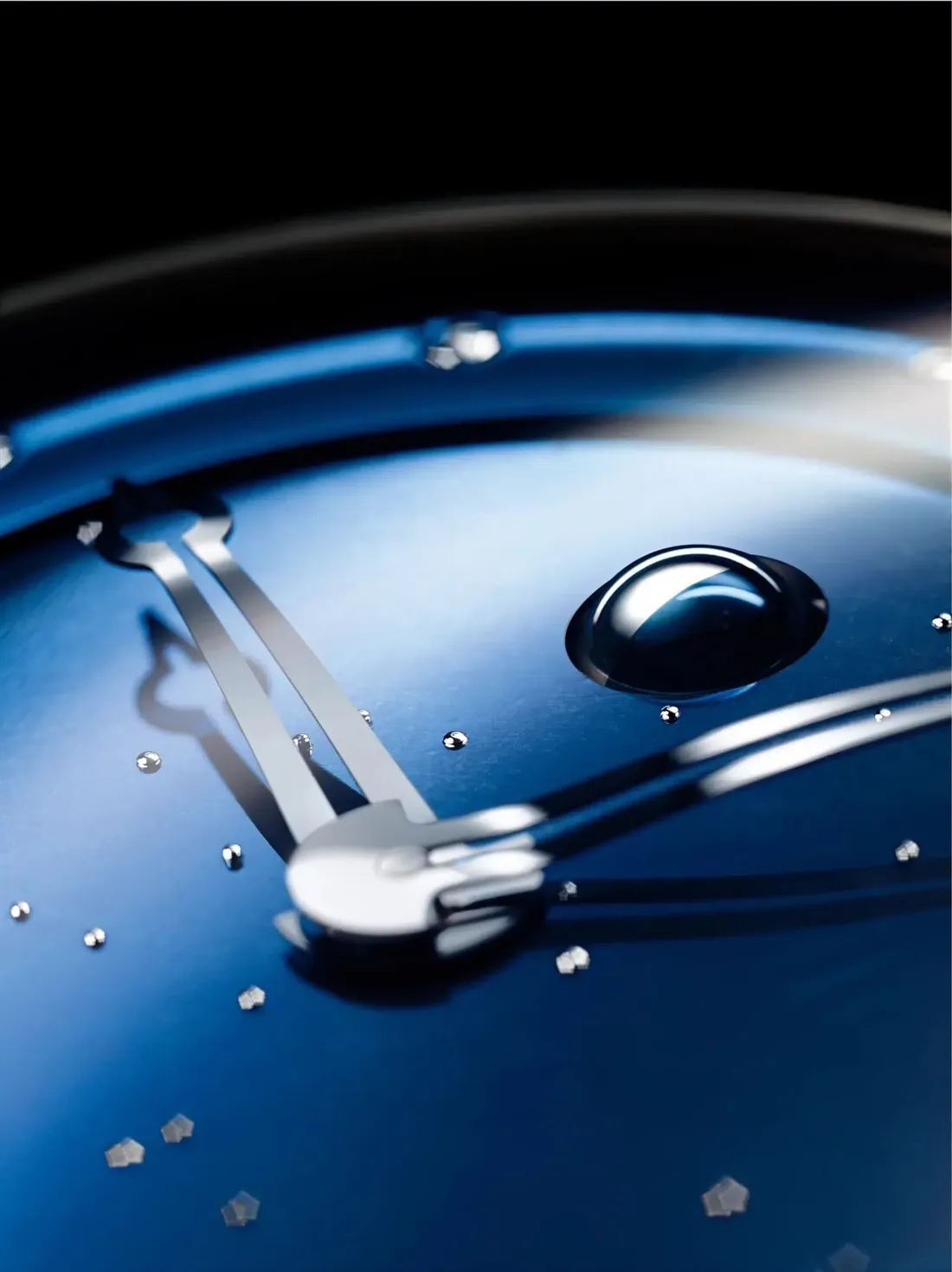
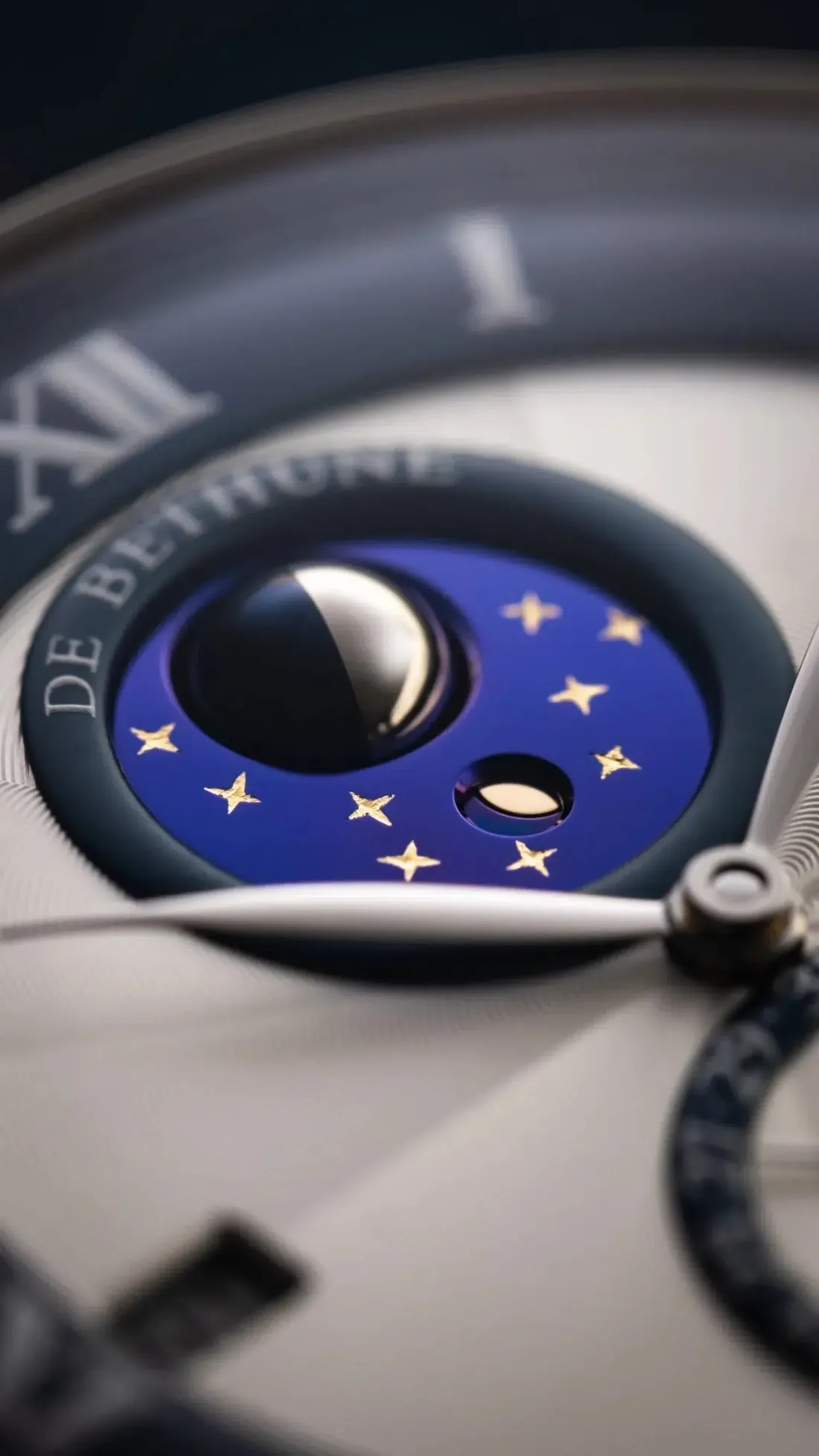
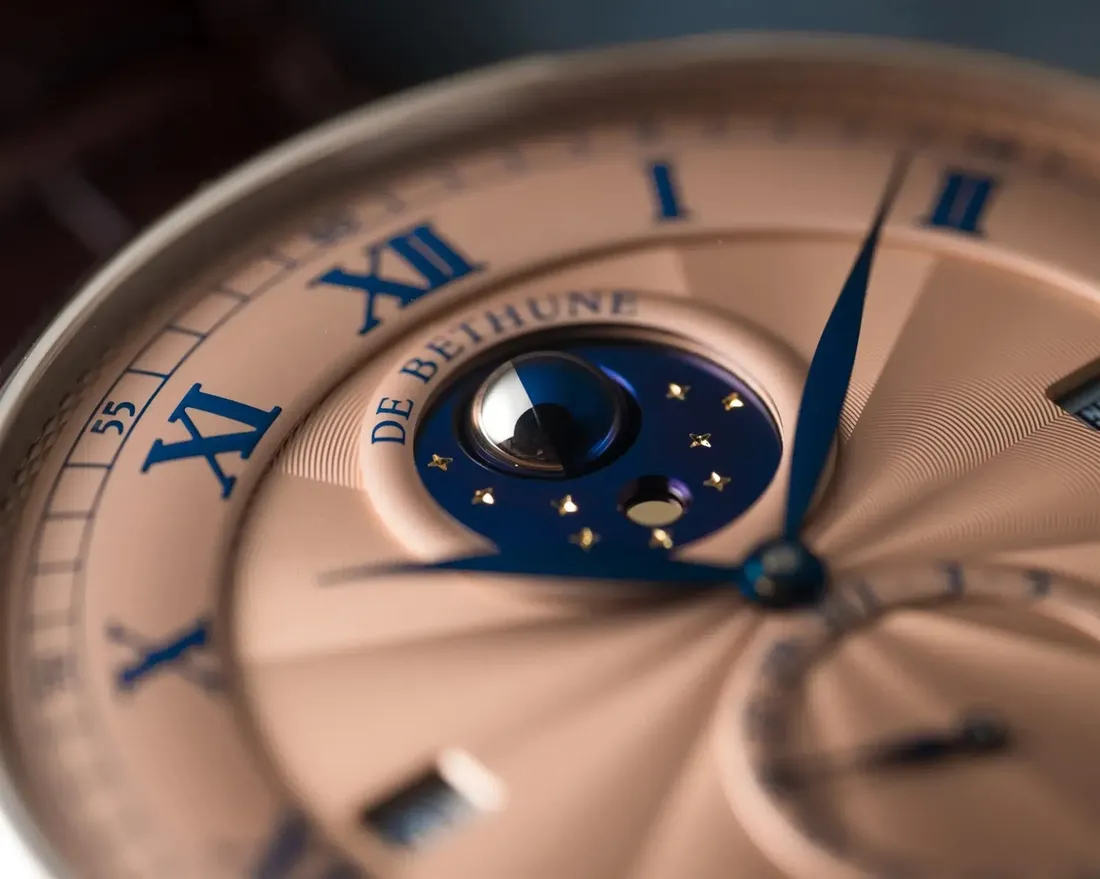
Maya noticed the unusual light spilling from the dial of the watch on Selen's wrist. Despite the darkness, the dial glowed in that mesmerising electric blue of deep space, and the tiny gold points on it formed a star map, as though seen through the observatory's own telescope.
Unable to take her eyes off the watch, Maya asked: "Selen, the watch on your arm looks as though someone cut a small section out of space and set it on your wrist. Is that deep blue a paint, or some kind of glass coating? And are those stars on the dial placed at random?"
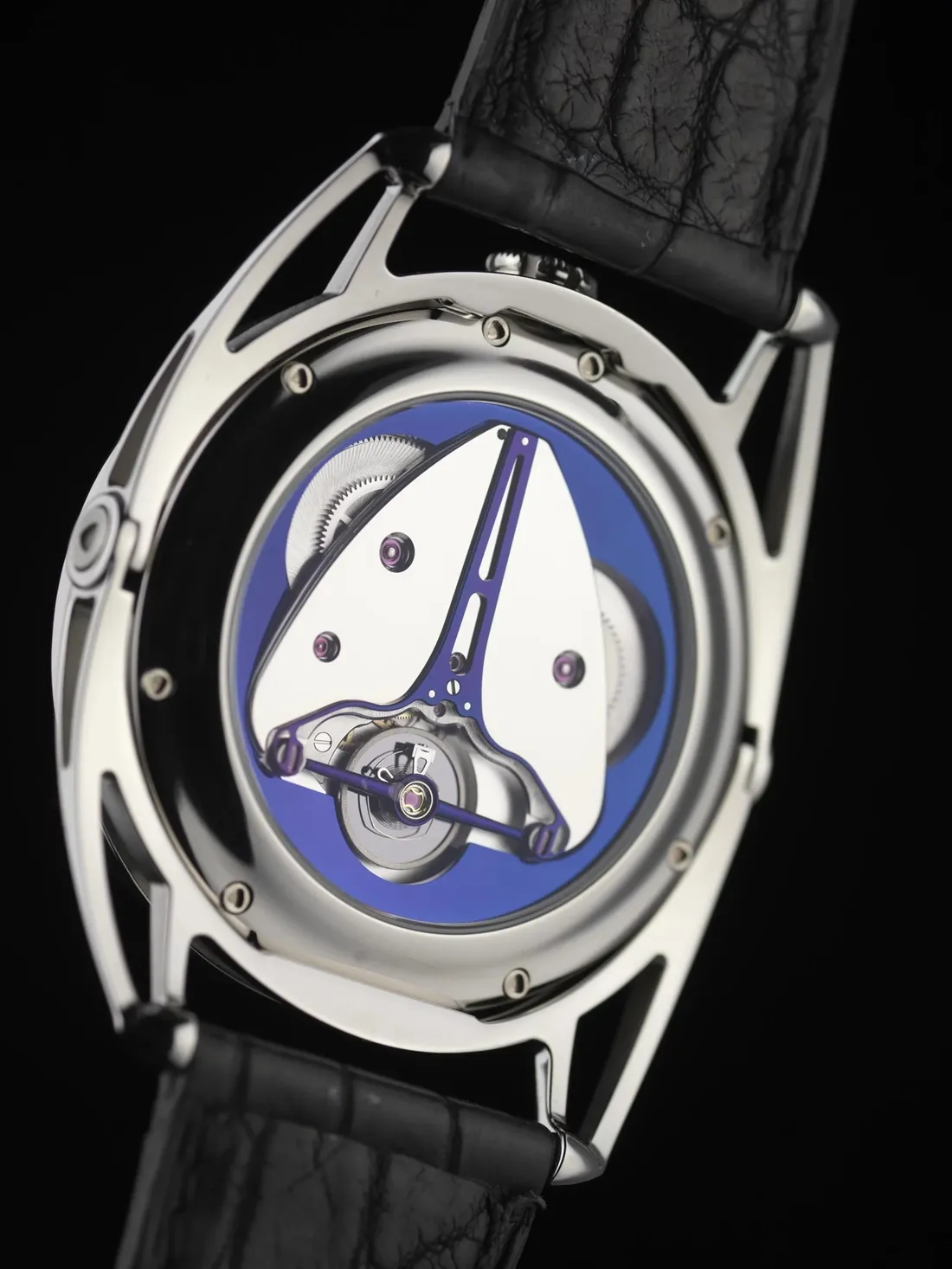
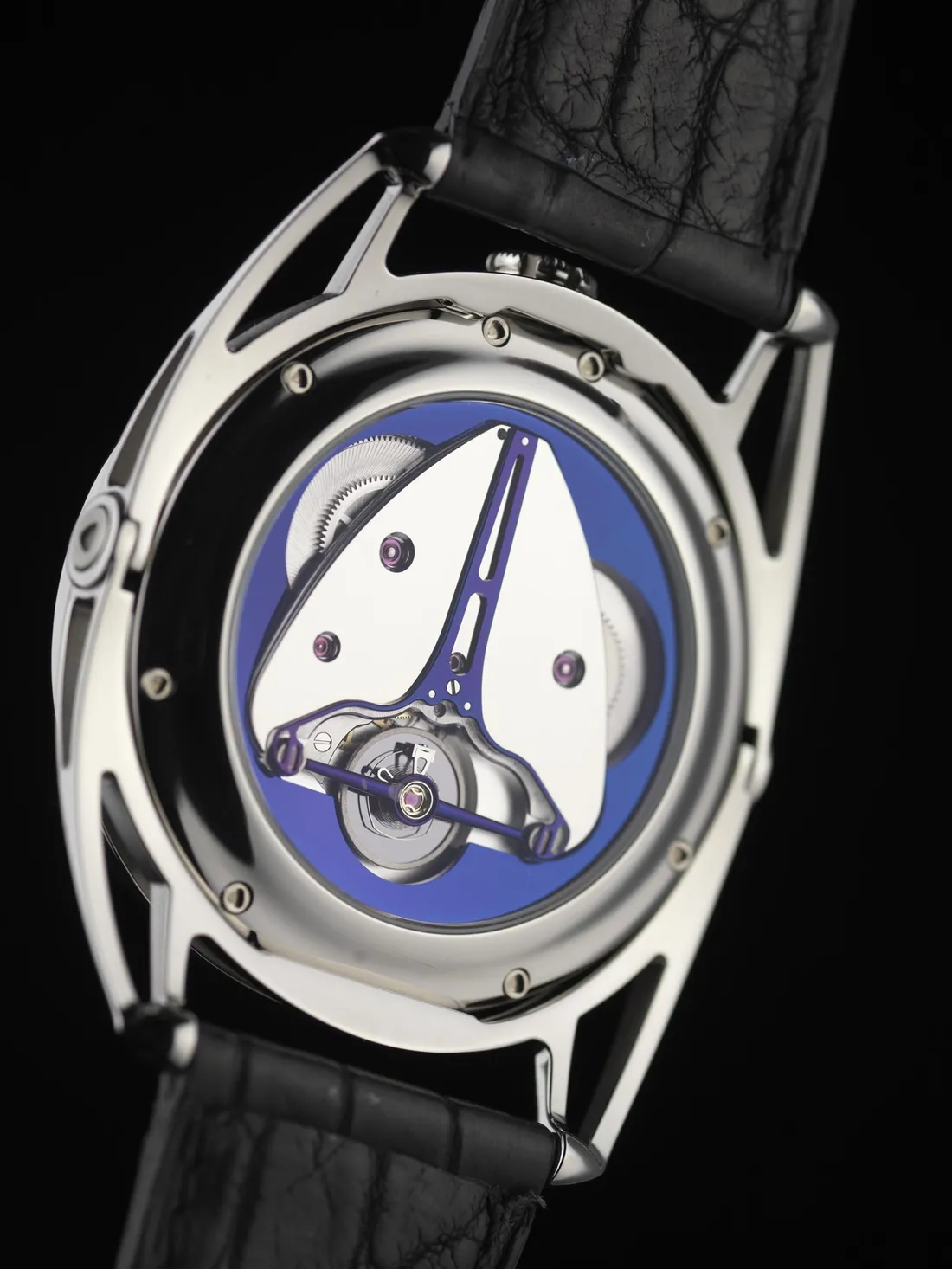
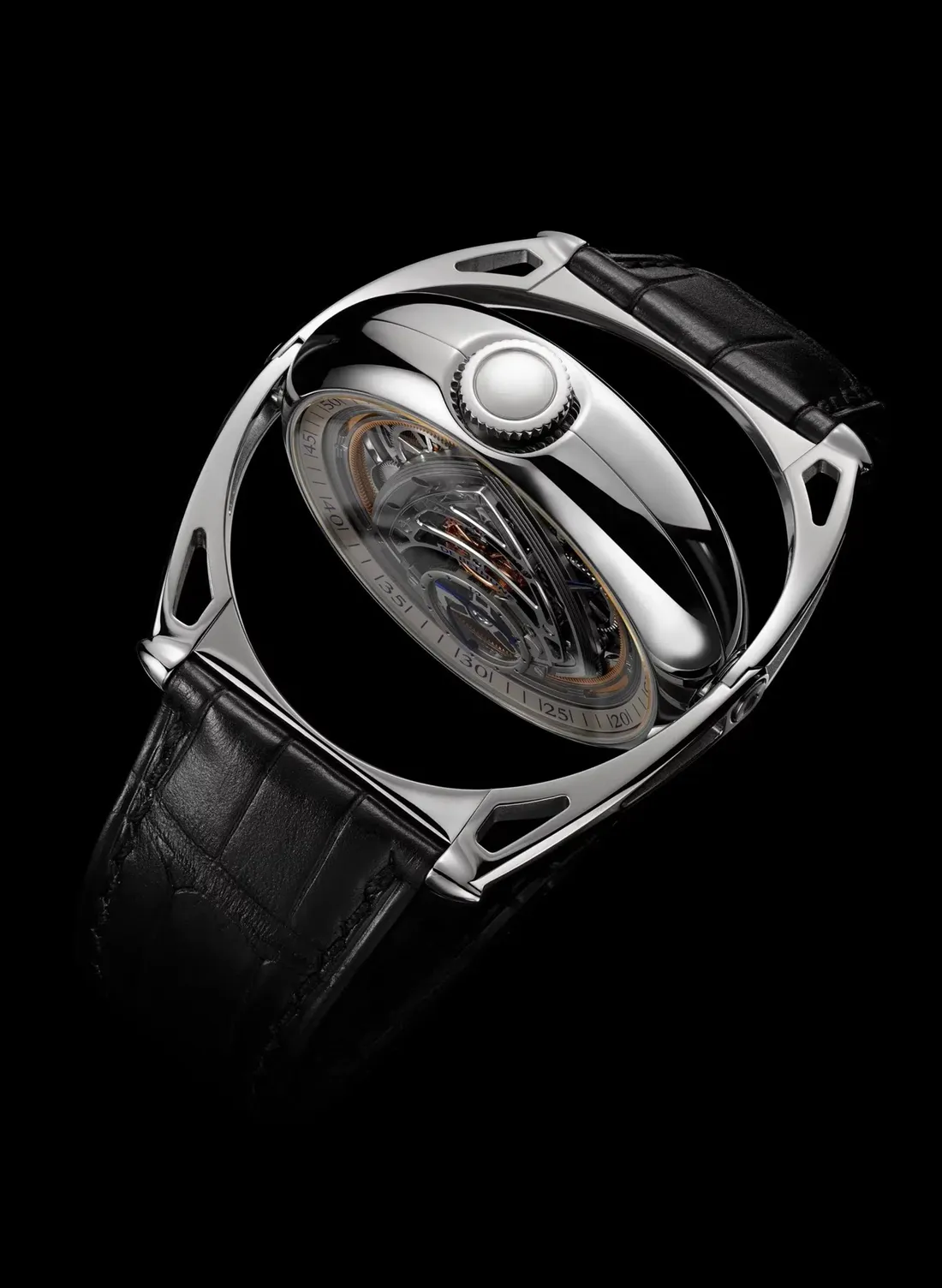
Selen smiled and held out her arm. The watch's unusual titanium lugs, reminiscent of a space shuttle, and the spherical Moon floating at its lower centre caught the light: "This is the De Bethune DB28 Skybridge, Maya. The maker behind it, Denis Flageollet, is a genius who joins high watchmaking directly to experimental physics. As for the blue you are asking about, there is not a single drop of paint on that dial. The electric blue you are seeing is entirely the physics of light wave interference and the oxidation of titanium."
No Blue Paint: The Physics of a Soap Bubble and the Oxidation of Titanium
Maya raised her eyebrows in astonishment: "No paint? Then how can metal turn into such a living, captivating cobalt blue without being painted?"
Selen began to explain, step by step: "You know how, on a rainy day, when you look at a small drop of petrol on the asphalt, or at a soap bubble in the sunlight, you see rainbow colours on it, Maya? The basis of the physics on this dial is exactly the same."
"In physics this is called thin film interference, or wave interference. The process works like this:"
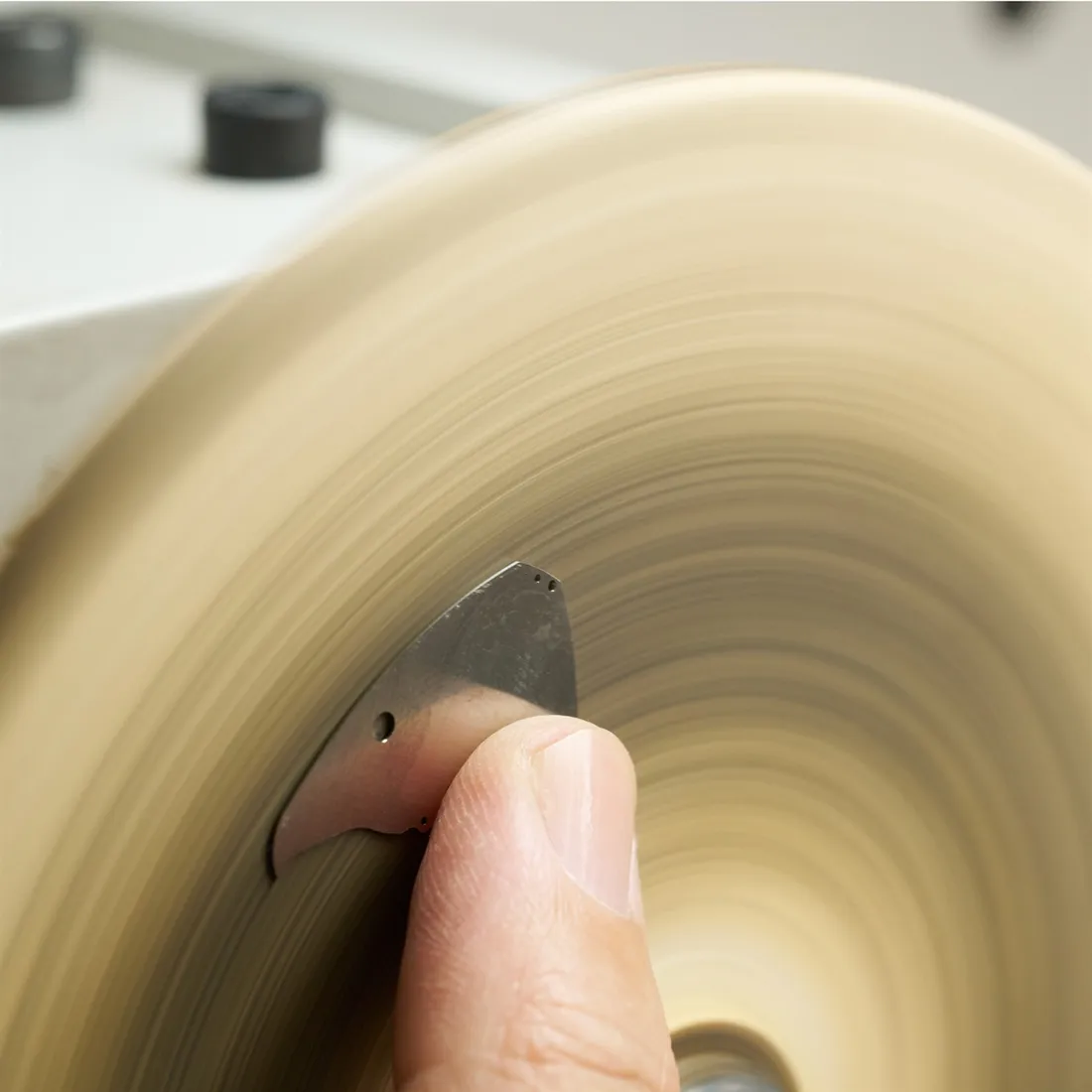
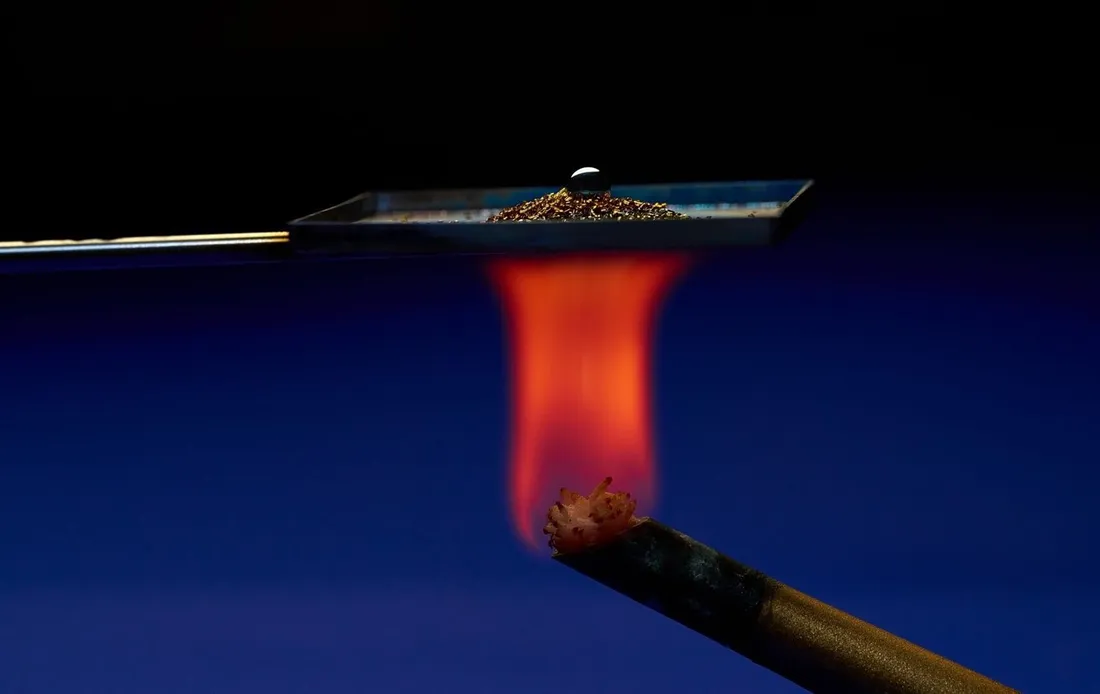
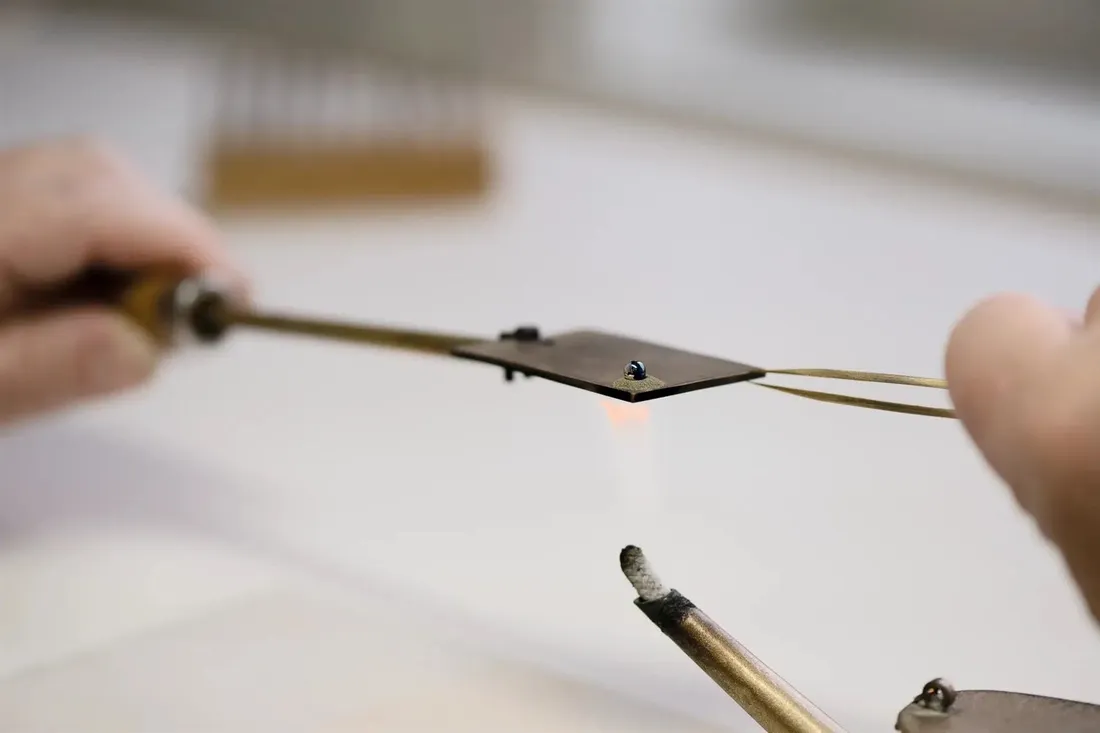
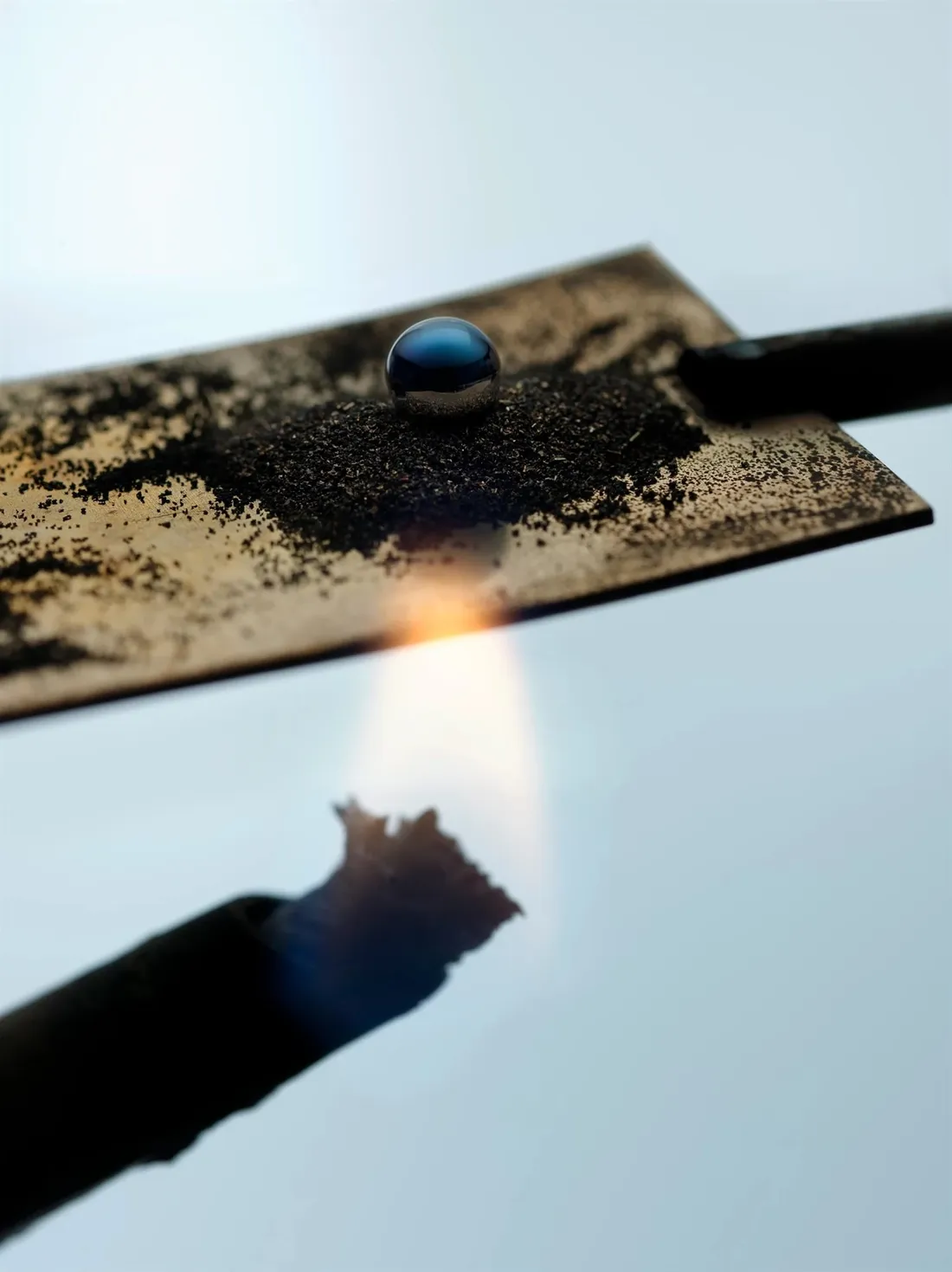
1. Denis Flageollet takes the titanium plate that will serve as the dial of the watch and begins to heat it in a furnace with extreme precision.
2. As the titanium heats up it reacts with the oxygen in the air and a microscopic transparent oxide layer forms on its surface; a layer similar to rust, yet extremely smooth and transparent.
3. As the temperature rises, the thickness of this transparent layer grows at the scale of nanometres, that is, billionths of a metre.
4. And here the magic begins: when light falls on the dial, part of the light waves is reflected straight back from the uppermost surface of this transparent layer. Another part enters the layer, strikes the titanium metal beneath it and is reflected back.
5. These light waves, reflected from two different points, are superimposed. When the temperature is brought to exactly between 300 and 400 degrees, the resulting layer thickness reaches such precision that the red and green light waves cancel one another out, and only the electric blue light waves reinforce each other and reach our eye.
Maya smiled in admiration: "So instead of painting with a brush like a master painter, he uses heat as an instrument and gives the dial its blue by making photons interfere with one another!"
"Precisely!" said Selen. "If there is a deviation of even a single degree, the dial turns violet or yellow. Catching that perfect space blue depends entirely on the master's ability to control fire."
format_quote"So instead of painting with a brush like a master painter, he uses heat as an instrument and gives the dial its blue by making photons interfere with one another!"
Prof. Dr. Maya Thorne
A Personalised Sky: A Star Map on the Wrist
Maya leaned in to examine the tiny gold and diamond points on the dial: "And what about these tiny glints on the dial? Are they merely ornaments placed at random?"
"Absolutely not," said Selen. "The arrangement of stars on this dial is a real astronomical map, and it can be completely personalised."
Selen listed the details: "When De Bethune makes this watch it asks its owner one question: which night in history was the most special one for you? It may be the night the owner was born, the moment a space mission began, or a date that was the turning point of a life."
"The client gives a date and a coordinate; midnight on the fifteenth of September over the sky of Paris, for example. Using astronomical software, the masters of De Bethune work out exactly which constellations stood in the sky that night, seen from that coordinate."
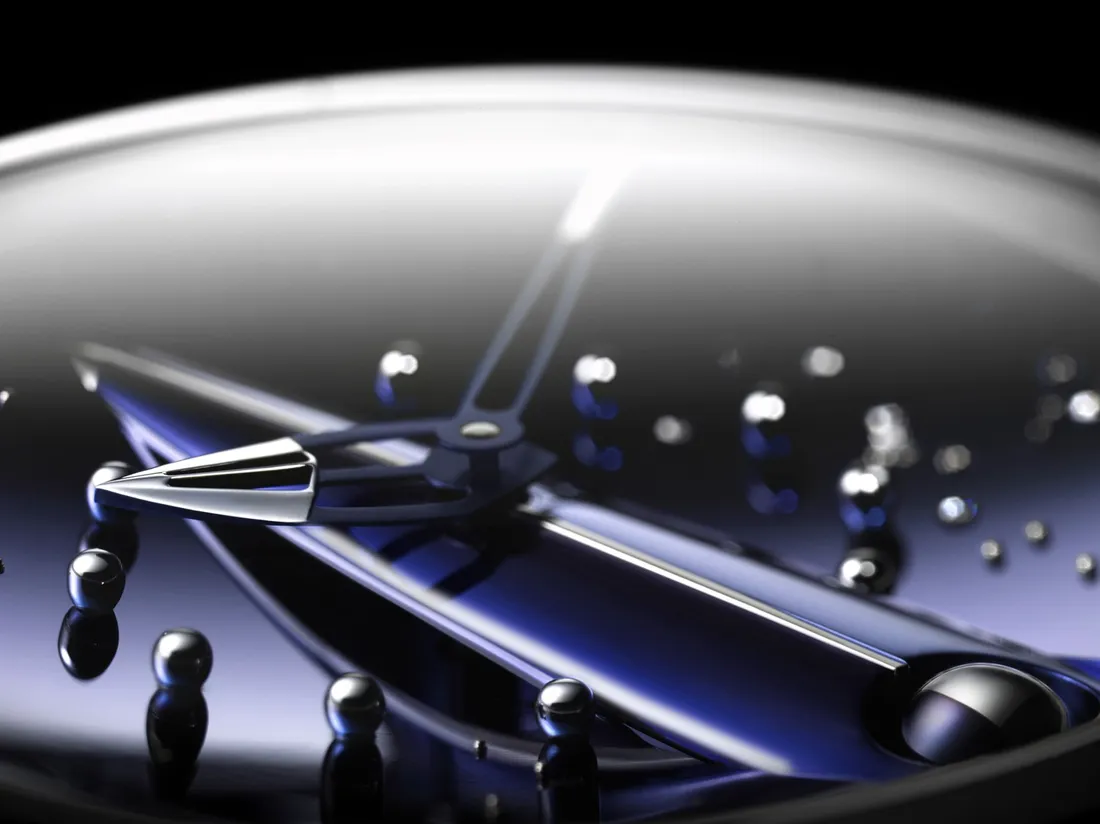
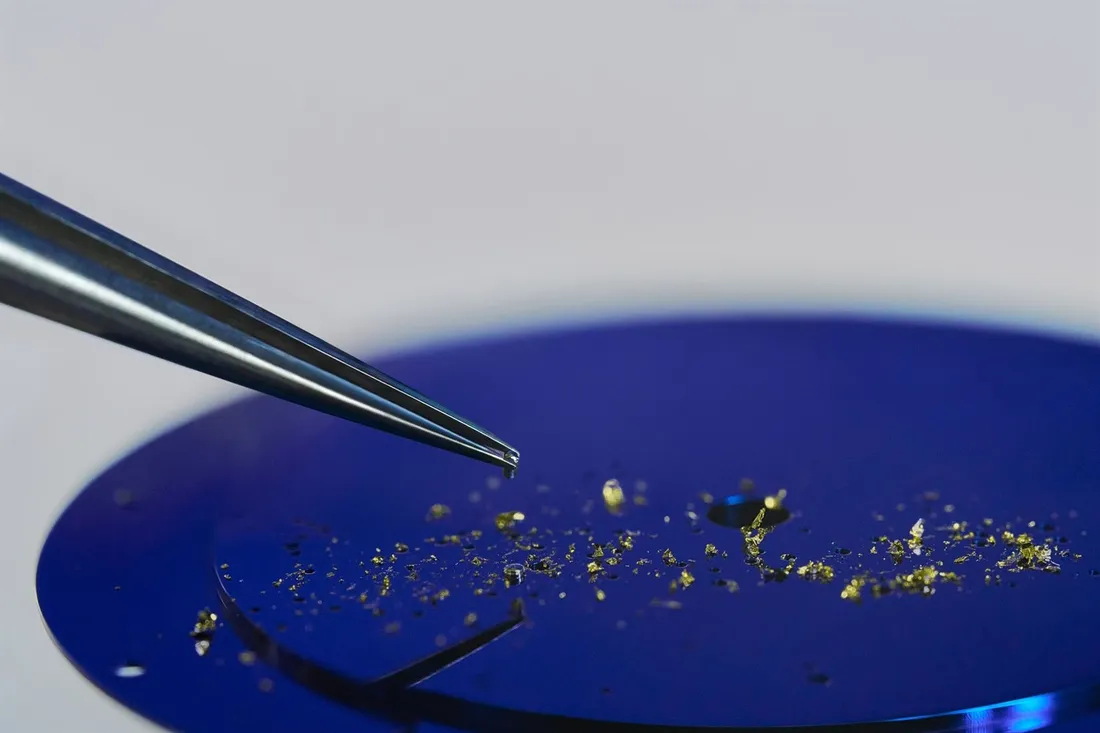
"Then they open microscopic holes with a laser in that blue titanium dial. Into those holes they drive pins of white gold and small diamonds one by one, so that the star map of the client's own special night is worked into the dial in three dimensions. In other words, every point on this dial is the position of a real star in the universe on that night."
Maya looked at the dark sky above the terrace, then at the watch on Selen's wrist: "So a person is not merely carrying a watch; they are carrying the sky of the most meaningful night of their life, sealed onto the wrist."
format_quote"So a person is not merely carrying a watch; they are carrying the sky of the most meaningful night of their life, sealed onto the wrist."
Prof. Dr. Maya Thorne
A Three Dimensional Moon Turning on Its Own Axis
Maya focused on the small sphere in the lower part of the watch, at six o'clock: "Selen, at six o'clock there is a three dimensional sphere, half of it dark and half of it silver. This is nothing like the flat moon phase windows we know."
"Because it is not a flat drawing, it is a three dimensional sphere turning on its own axis, Maya!" said Selen.
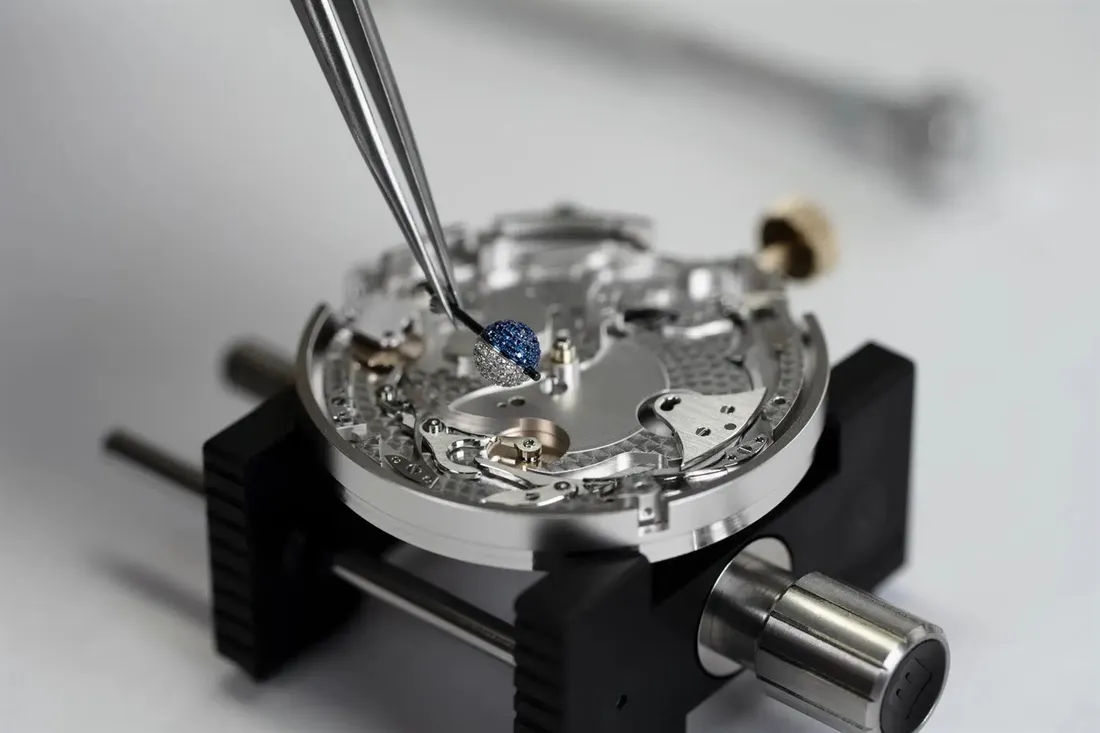
"The sphere is made by joining two different materials: one half is steel turned blue by being taken to the fire, the other half is polished palladium."
"This tiny sphere makes one full turn about its own axis in exactly 29.5 days. Just like the real Moon in space! You watch the phases between the face the Moon lights with the Sun and the face left in darkness not as a flat picture on the dial, but as a three dimensional body. What is more, this mechanical sphere is calculated so finely that it drifts by only one day in 122 years."
Light, Time and Human Intelligence
As the night wind blew gently over Mont Gros, Maya raised her head towards the stars: "On one side, physics that bends light waves by playing with the thickness of layers; on the other, astronomy that fits the positions of stars light years away onto a wrist by means of micro mechanics."
Selen smiled and stroked the titanium case of her watch: "The more humanity understands nature and the universe, the less it is content merely to watch it through telescopes; it joins the laws of physics to the art of mechanics and creates its own micro universes. And the Skybridge is the most elegant expression of that love of space."
The two women of science went on with their conversation beneath the dome of the telescope, in the light of the infinity of the universe and of that small blue galaxy on a wrist.
format_quote"The more humanity understands nature and the universe, the less it is content merely to watch it through telescopes; it joins the laws of physics to the art of mechanics and creates its own micro universes."
Dr. Selen Vance