For billions of years, the Moon has shown Earth only ever the same face. One side is turned toward us for eternity; the other, never. That side we never see, the 'dark side,' remains forever hidden from our eyes even when the sun falls upon it. And according to an old tale, beneath the craters of that hidden face live conscious beings, waiting in silence.
They are called the Silent Ones. They have been there for billions of years; never seeing Earth, yet forever feeling it. For from the face of the Moon that looks upon them, we can never glimpse the blue planet; nor can they glimpse us. And yet between them there is an invisible bond that crosses the void of space. And that bond, we Earthlings have misnamed for centuries.

The Breath That Makes the Tides
And here lies one chapter of the story. Beneath the deepest crater of the dark side, the Silent Ones turn an ancient wheel; a vast, invisible, heavy wheel of gravity. Each time it turns, its pull crosses the darkness of space and reaches Earth's oceans. Every rising and every falling of the seas is the slow breath of that wheel. What you call the 'tide' is not a blind force alone; it is the heartbeat of those beings waiting on the dark side. For centuries sailors said 'the pull of the Moon'; they never knew it was in truth a will, and not merely a force.
The Silent Ones rock the oceans like a cradle. They raise the waters by day and lower them by night, never once losing their rhythm. For them this is not a duty but a way of being: like breathing in and out. And this breath is also a clock. For they count time, just like the swelling of the ocean, with patience and without pause.
The First Heart to Descend into the Dark
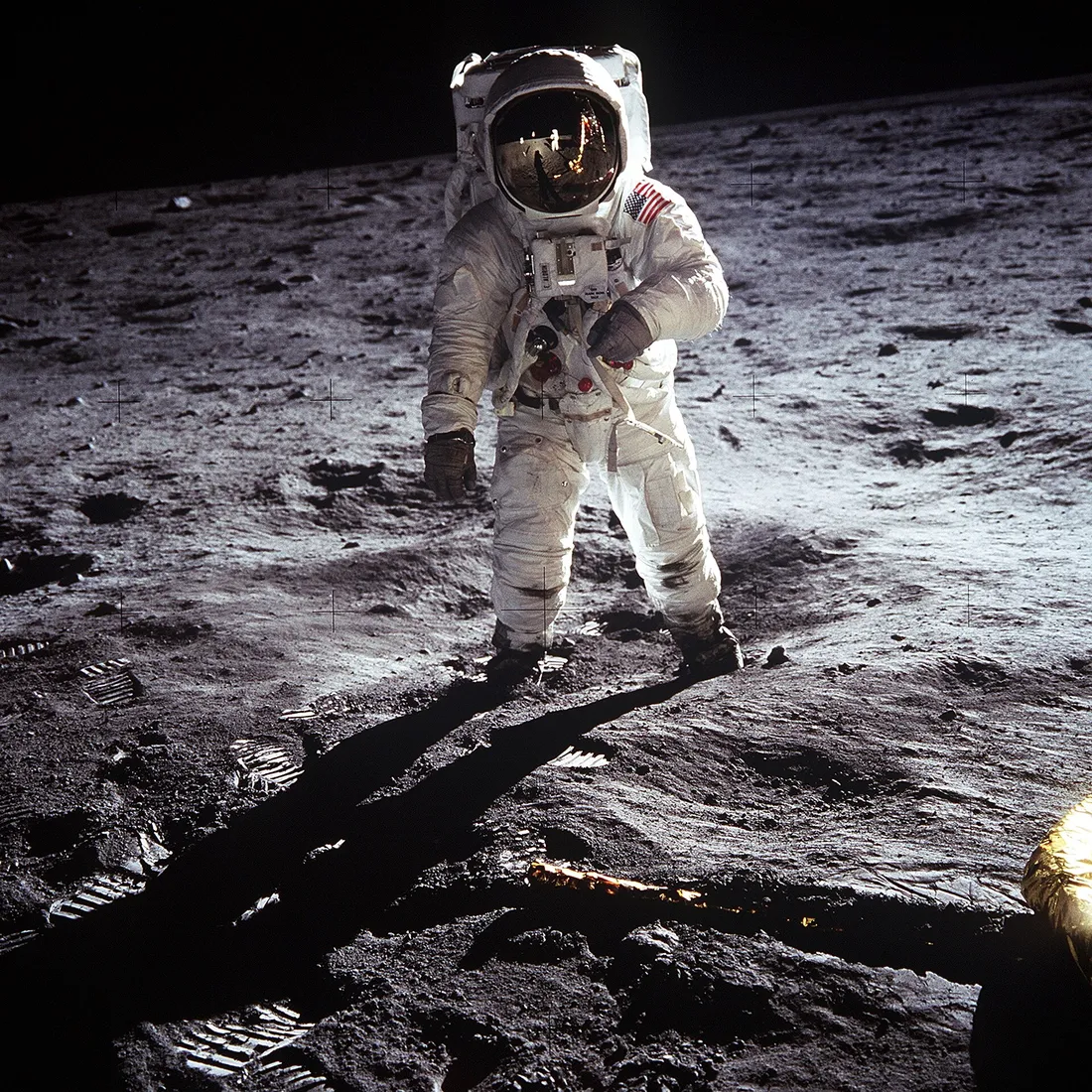
Then, in 1969, something happened. For the first time in their billions of years of silence, the Silent Ones felt a tremor. A fragile, tiny craft rose from Earth and settled upon the Moon. A being that emerged from it took its first step onto that grey dust. But what drew the Silent Ones' attention was not the step; it was the tiny machine on the wrist of the one who took it. A heart beating tick, tick, tick. The first time-keeping heart to come from Earth; the first instrument to count time upon the soil of another world.
That instrument was an Omega Speedmaster. The only watch to pass NASA's merciless tests and go to the Moon; humanity's legendary 'Moonwatch,' trusted to measure time on the lunar surface. The Silent Ones, who had counted time in silence for eons, noticed this tiny, ticking kin so like themselves. Man, without knowing it, had left a keeper of time upon their world.
The Dark Brought to the Wrist
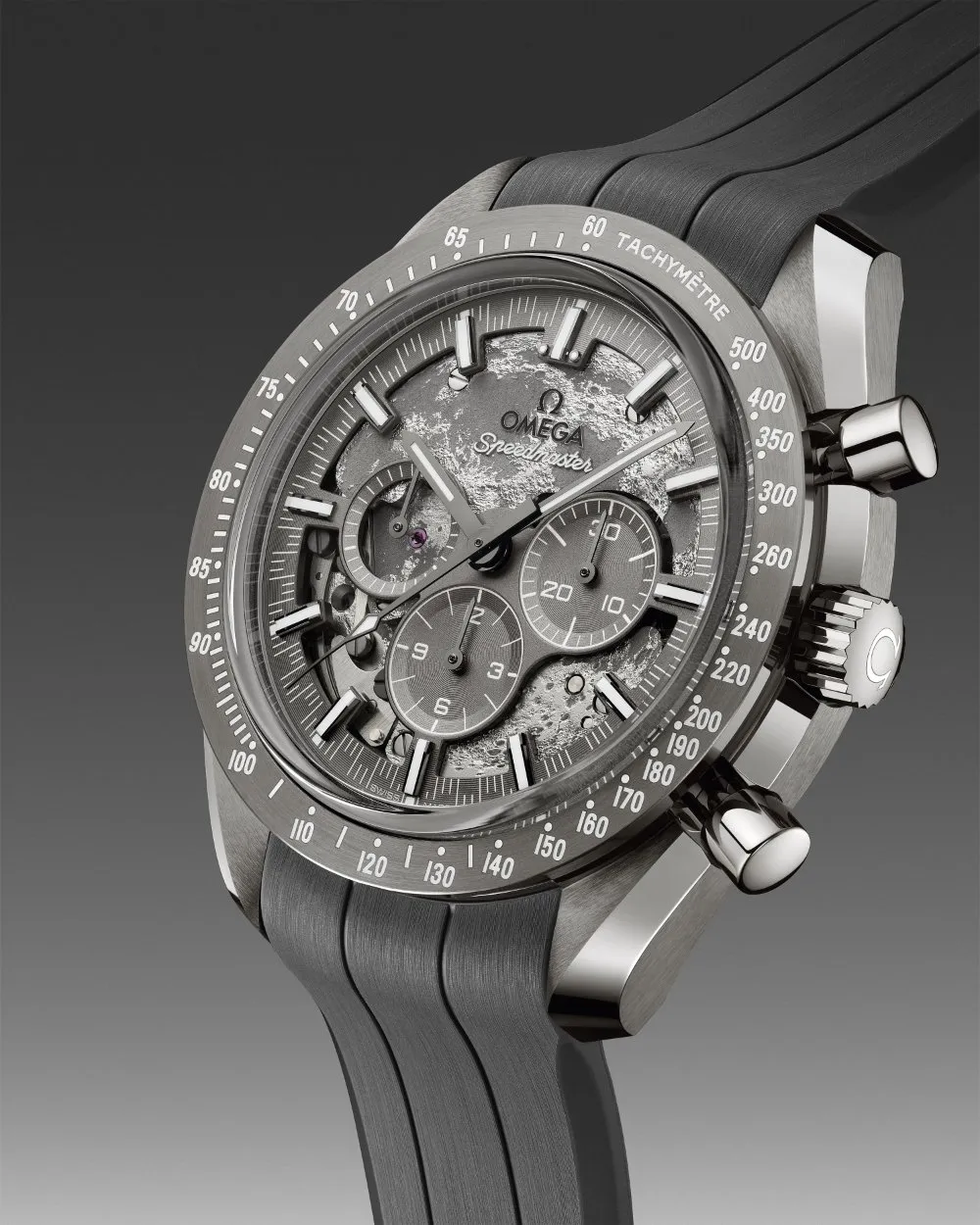
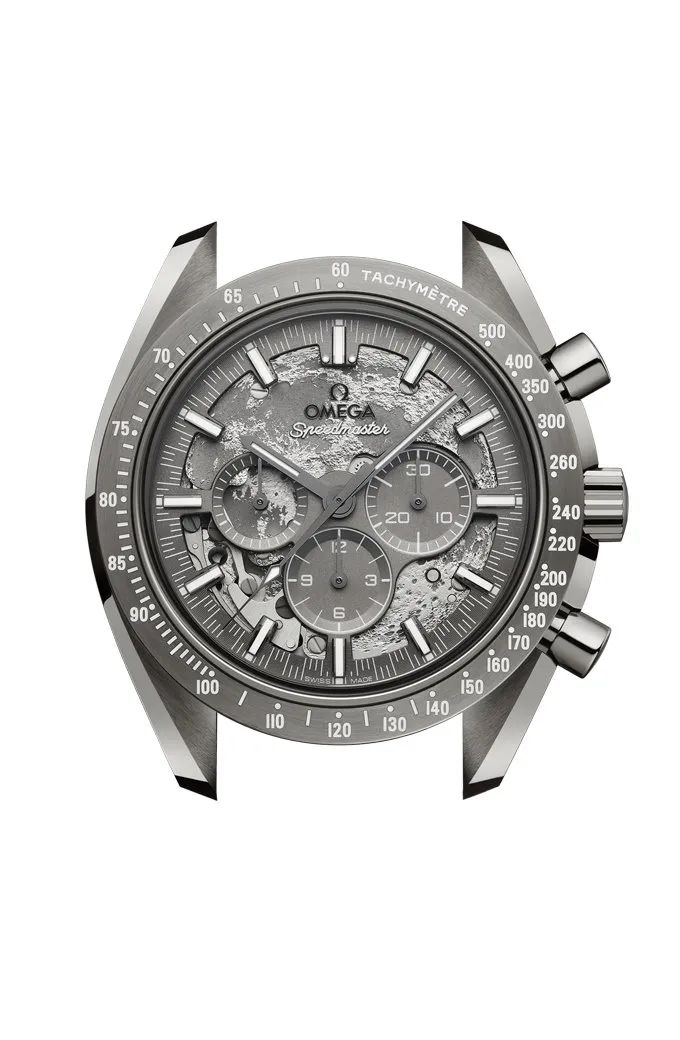
Years later, Omega wished to carry a piece of that grey, silent world to the wrist, and a legendary collection was born: the Speedmaster Dark Side of the Moon. The piece we examine here is the member of that family carved from moon-grey ceramic: known technically as the 'Grey Side of the Moon.' It is as though a fragment torn from the soil of the dark side has been fitted into the palm of your hand.
Its case, forty-four and a quarter millimetres across, is made entirely of zirconium oxide ceramic. Its dial, its case, even its hands; everything is in that ash-grey tone recalling moon dust. Rest your gaze upon it and you truly feel you are looking at the Moon's far surface. But the real matter lies in how this stone was made, and in what beats within it.
A Stone Cut from the Moon: Ceramic
This case is born not of steel but of ceramic; but do not confuse it with the ceramic of your kitchen. First, zirconium oxide in powder form is compressed under immense pressure into the shape of a case. Then, just as a piece of pottery is fired but far more mercilessly, it is 'sintered' by heating it to around 1,400 degrees Celsius; that is, the grains fuse into a single monolithic body. In this process the piece shrinks and becomes one of the hardest materials on Earth: a knife, a key, the years; none of them can scratch it.
This extremely hard surface can then be worked only with diamond dust. Its sandblasted, matte texture gives it that 'moon dust' feel. So this watch is carved from a stone that resists scratches, never fades, and is all but immortal; just like the surface of the Moon that has lain there for billions of years.

The Heart That Conquers Friction: Co-Axial Master Chronometer
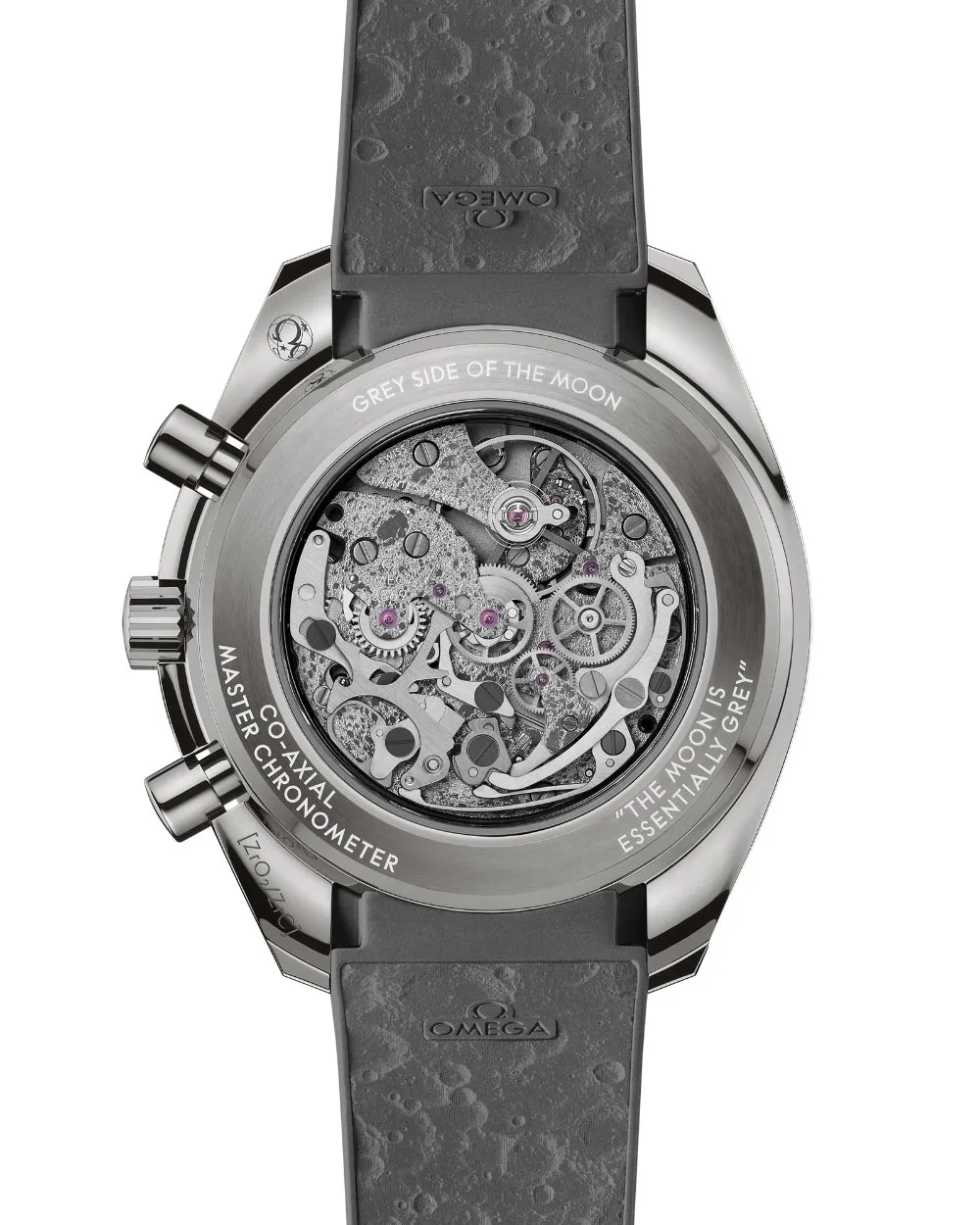
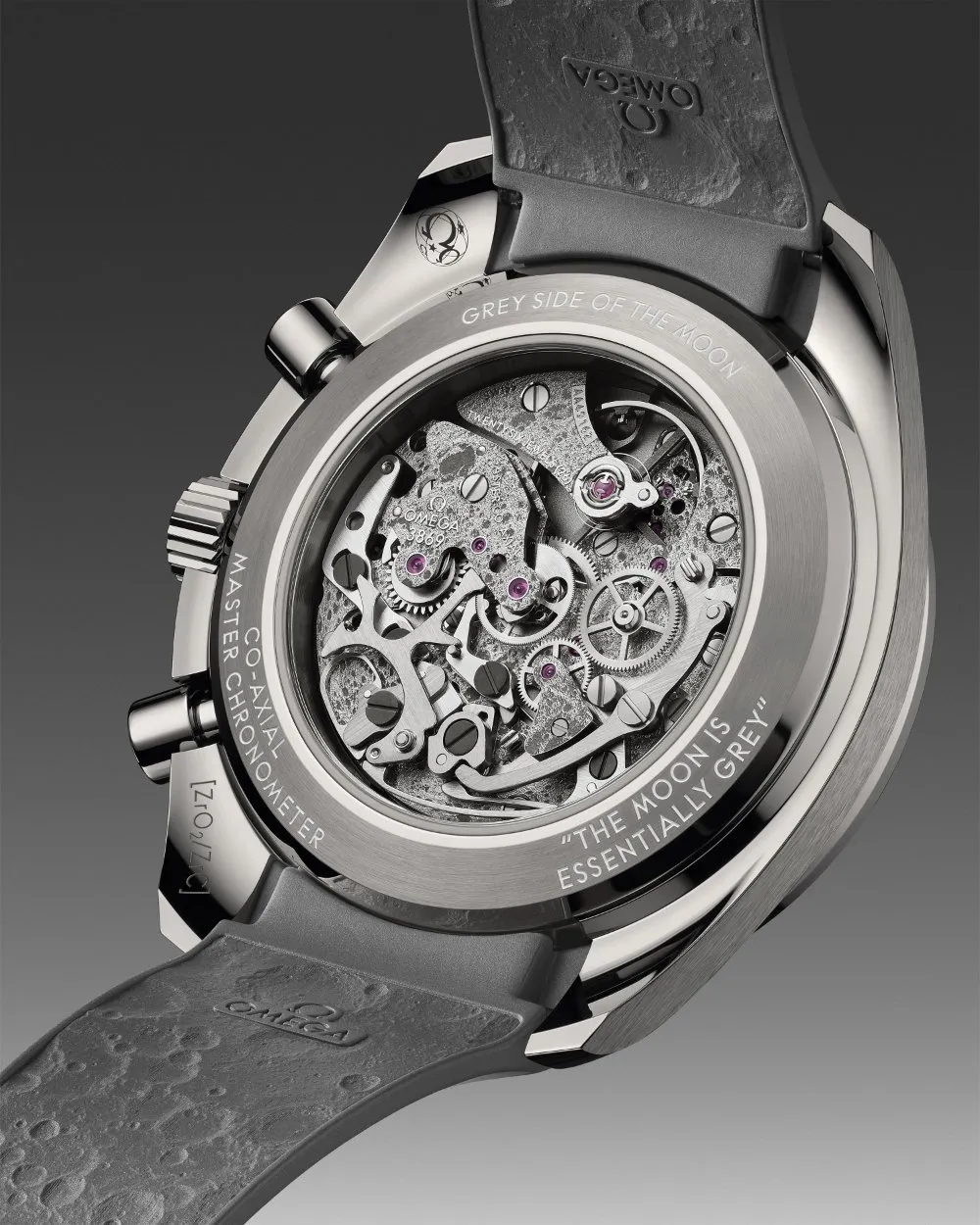
The heart that beats within this stone carries one of the cleverest solutions in modern watchmaking: Omega's Co-Axial Calibre 9900. In a classic watch, the 'lever' parts that regulate time slide over one another and rub; this friction dries out the oil over time and throws the watch off. The Co-Axial escapement, invented by the genius watchmaker George Daniels, all but eliminates this sliding friction; the parts, instead of rubbing against each other, work by pushing with a vertical impulse. The result is less wear, longer service intervals and a more stable precision.
What is more, this calibre is a 'Master Chronometer'; that is, it has passed eight separate tests of Switzerland's official metrology institute, METAS. The most striking is its magnetic resistance: this watch keeps running without faltering even when exposed to a magnetic field of 15,000 gauss; a force that would instantly stop an ordinary watch. Its secret is the Si14 balance spring made of silicon in its heart; a material of the future, untouched by magnetism. Two separate barrels give it 60 hours of power; with a heart beating eight times a second (4 Hz), it counts time as patiently as the Silent Ones.
The Chronograph: the Button That Stops Time
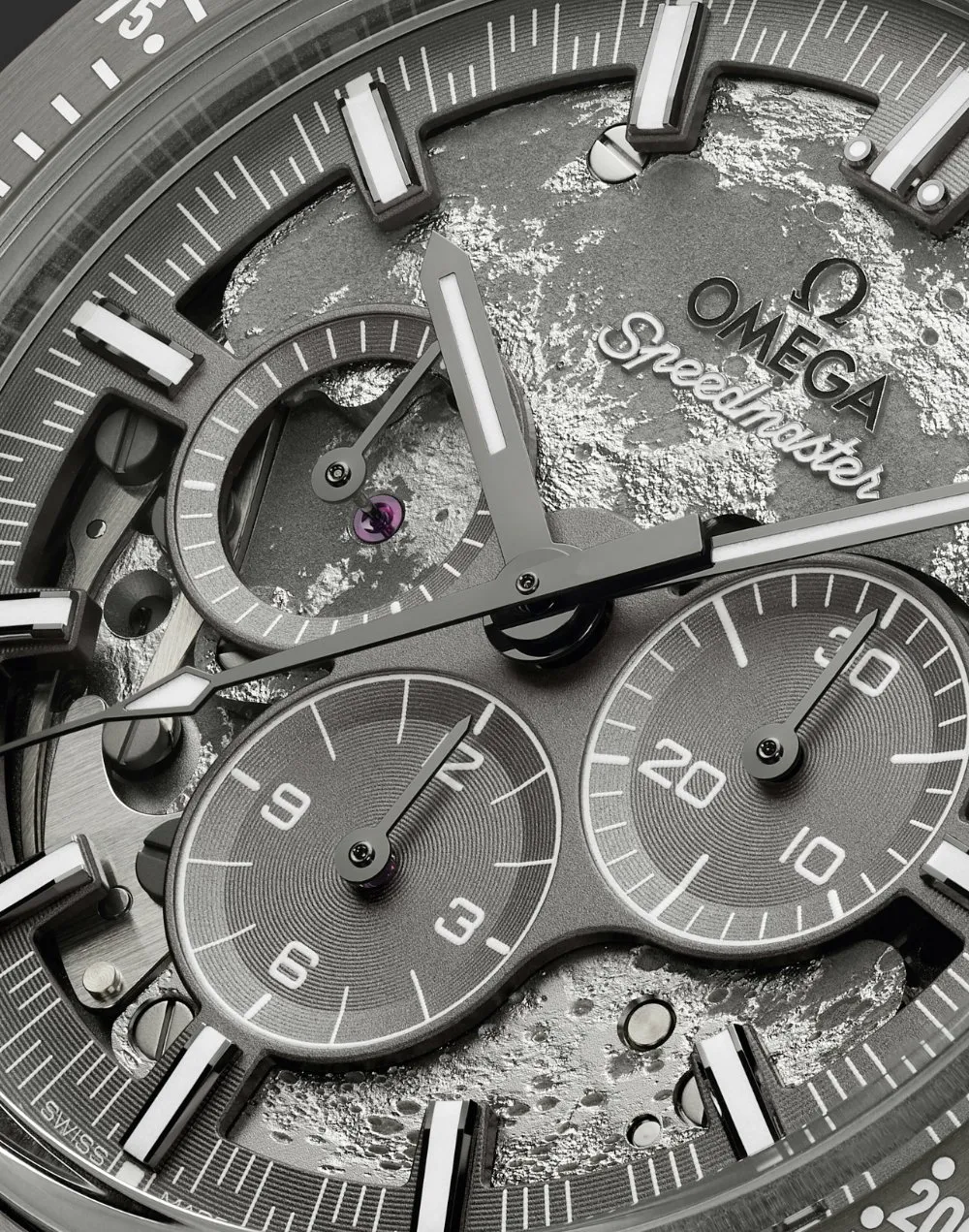
The function that made the Speedmaster a legend is hidden in its name: it is a chronograph, that is, a stopwatch worn on the wrist. Press the button on the side and the large central hand begins to run like a stopwatch; the small counters gather the passing minutes and hours. It was with exactly this function that the Apollo astronauts timed their engine burns to the second; on one mission, when the measuring instruments failed, it was the cool counting of this chronograph that brought the crew home.
Inside, what governs this counting is an elegant mechanism called the column wheel; it starts and stops the chronograph with a fluid, precise touch. So this watch does not merely show time; it captures it, freezes it, and hands it to you.
The Two Keepers of Time
If you look out to sea tonight, you will see the waters gently swell. Perhaps that swelling is a breath of the Silent Ones waiting on the dark side; a single tick of that great clock they have counted without fail for billions of years. And now you can carry that same rhythm, that same patience, that same darkness upon your wrist: a stone from the Moon, and the descendant of the first heart to measure time on another world.
The Omega Speedmaster is more than a 'footnote icon'; it is a small monument to that invisible bond between Earth and Moon, that is, to time itself. As the Silent Ones go on rocking the oceans, the heart on your wrist goes on beating, tick by tick. Two keepers, on two separate worlds, guard the same thing: time as it passes.