The old sentence of the wisdom tradition has found its final confirmation under the microscopes of modern science: when the universe shrinks it becomes a man, and when a man grows he becomes a universe. We look out at galaxies billions of light years away and are astonished, when the real magnificence, the truly enormous galaxy, is flowing inside this cage of skin, in that invisible miniature cosmos.
Let us go a little deeper now, into the unseen but noisy world of the cells, down the twisted staircases of DNA. Let us put the numbers that stop the mind on the table, and see with what harmony that infinity works inside this body.
format_quote"The real magnificence, the truly enormous galaxy, is flowing inside this cage of skin, in that invisible miniature cosmos."
Hasan Bekmezci
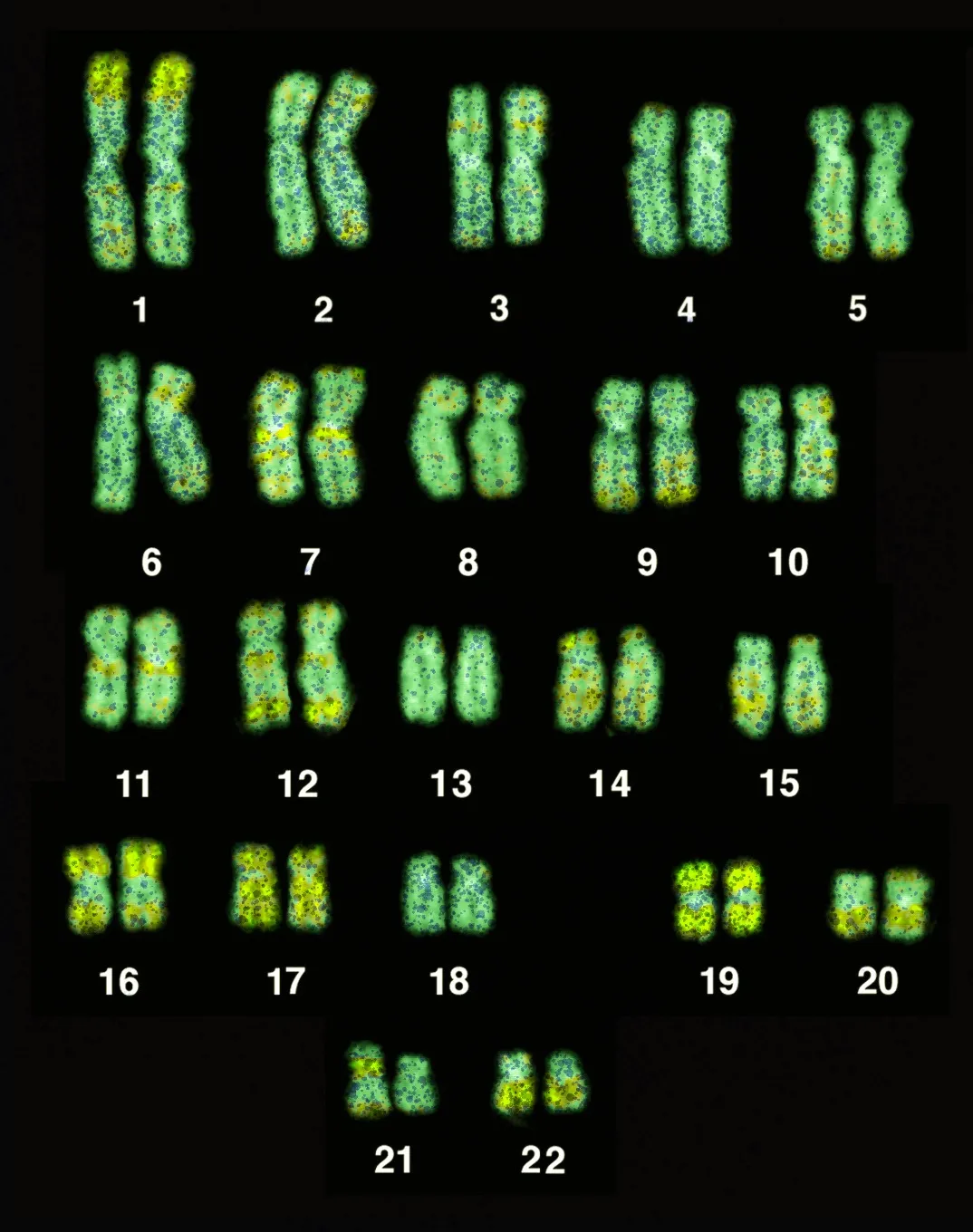
A human body is made of some 37 trillion cells. The figure is hard to take in, so picture it this way: there are about 8 billion people alive on Earth, and the number of cells in your body is thousands of times the whole of humanity. Each one of them is a complete metropolis with thousands of factories running inside it.
In the brain alone there are roughly 86 billion neurons. Each neuron reaches out to thousands of others and weaves a web of more than 100 trillion synaptic connections, a number many times greater than all the stars in the Milky Way. That grey matter inside the skull is, in truth, a mental map of every galaxy in the sky.
format_quote"That grey matter inside the skull is, in truth, a mental map of every galaxy in the sky."
Hasan Bekmezci
The DNA packed into the nucleus of a single cell in your body is about 2 metres long. And if you joined the DNA of every cell end to end, do you know what you would get? A ribbon seventy-four billion kilometres long. That distance goes further than a return journey to the Sun, past Pluto and out into interstellar space, crossing the Solar System from one side to the other several times over. The whole library of the universe is folded, with that elegance, into one microscopic nucleus.
Those 37 trillion cells are not left to themselves; they whisper to one another day and night, they talk, and they perform a flawless symphony.
The heart beats about 100,000 times a day and pumps blood into a vascular network 100,000 kilometres long. That network is a system of rivers large enough to wrap round the equator two and a half times, and most of its length is capillaries five micrometres wide, through which a red cell barely passes.
The trillions of helpful micro-organisms in the stomach and the intestines, the microbiota, together with the liver, filter every chemical that arrives each second and keep the chemical balance of the body by clearing the poisons.
The white cells wage a microscopic war at every moment against the foreign enemies that enter the body; at the moment of an invasion billions of cells signal one another and move like an army.
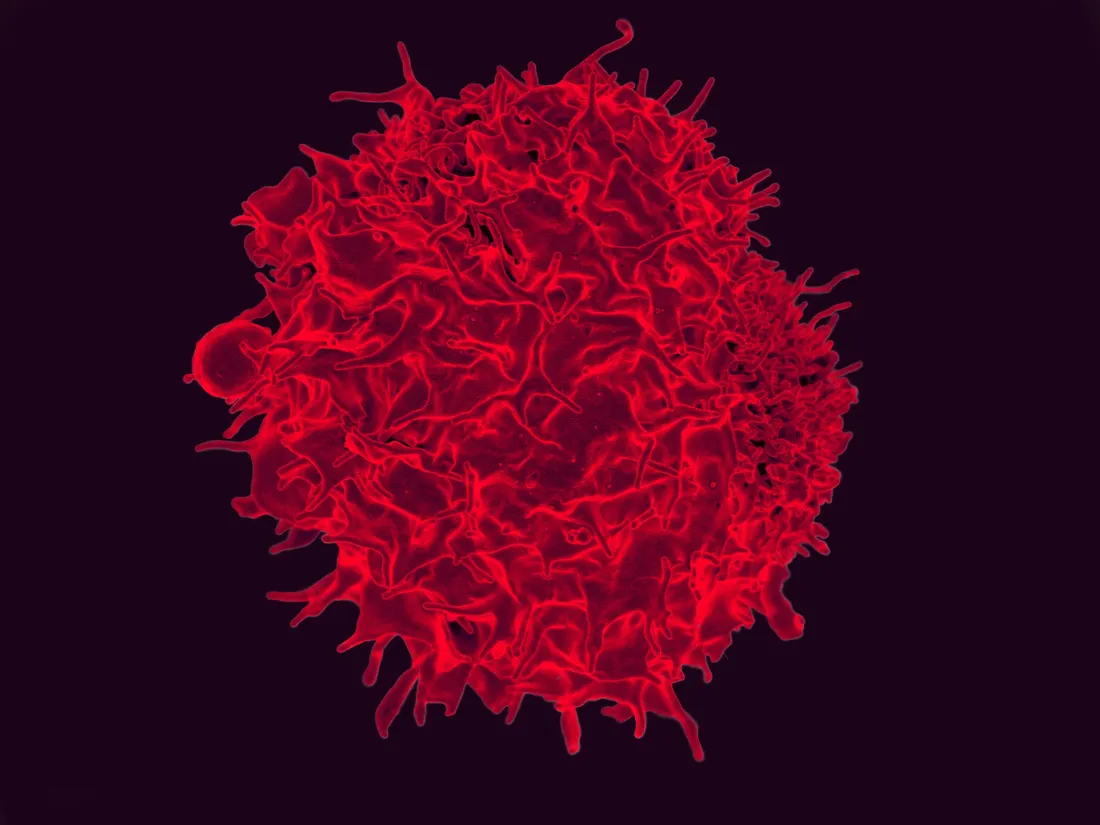
If one stops, if another slows, the whole realm is shaken. A human being is a living universe in which billions of independent creatures are gathered under a single shared consciousness of “I”.
format_quote"A human being is a living universe in which billions of independent creatures are gathered under a single shared consciousness of “I”."
Hasan Bekmezci
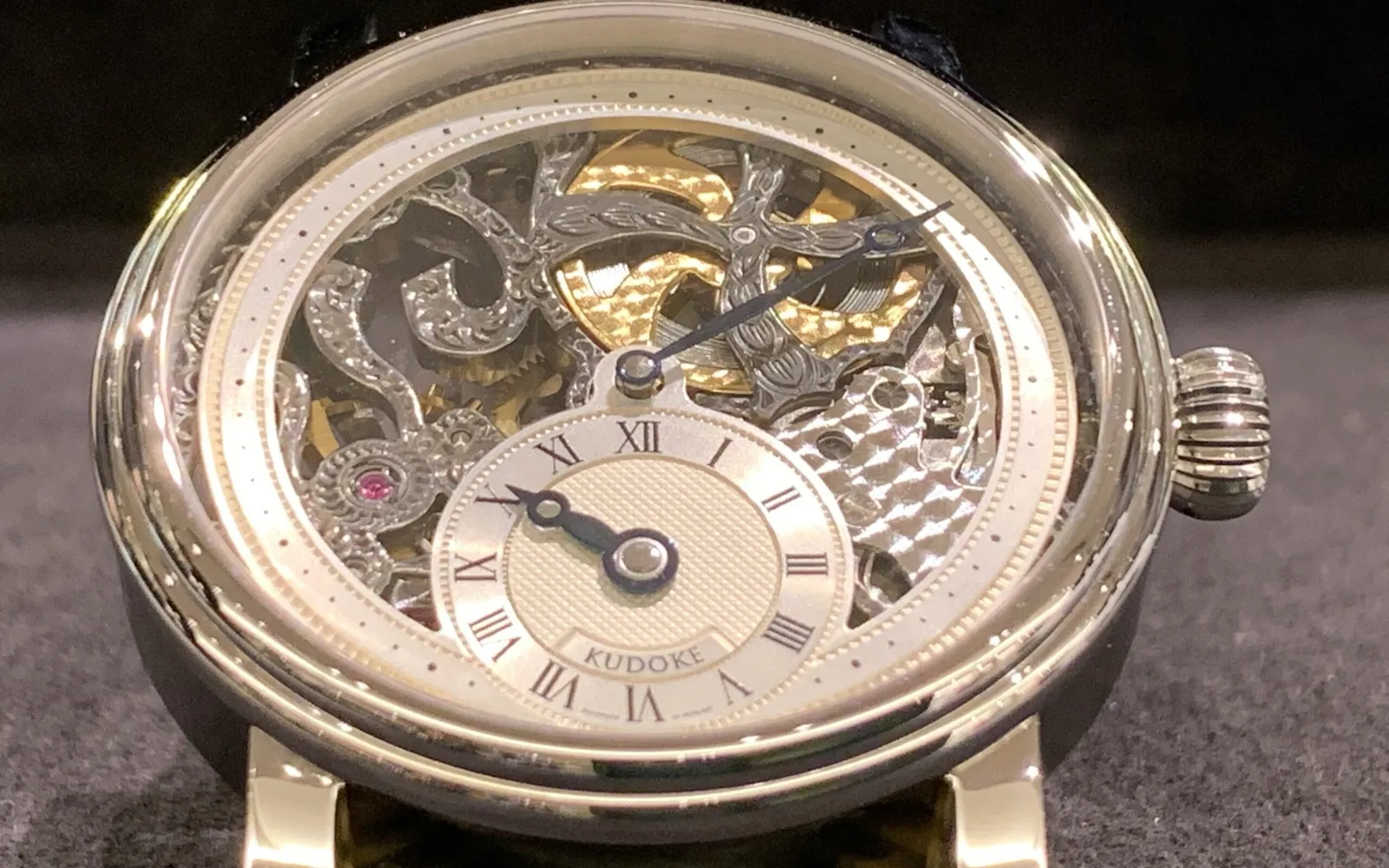
And the KUNSTwerk Rekulater, which came to life in the hands of the German craftsman Stefan Kudoke, is precisely the metallic expression of that cellular ecosystem and of the dialogue between its systems. Inside a forty-two millimetre steel case a hand-wound calibre runs for forty-two hours, and it carries no separate plate called a dial.
The skeletonised, hand-carved bridges answer to the harmony of thirty-seven trillion cells and of the neural webs; the regulator layout and the rhythmic strokes of the balance answer to the beat of the heart and to the vital systems of the body; and all of it is gathered into a single masterpiece of independent German craft.
Seen from outside, the hard mystery of the dial has been lifted away altogether, because just as a human being does not hide the vessels, the muscles and the working organs under the skin, this watch does not hide its mechanism.
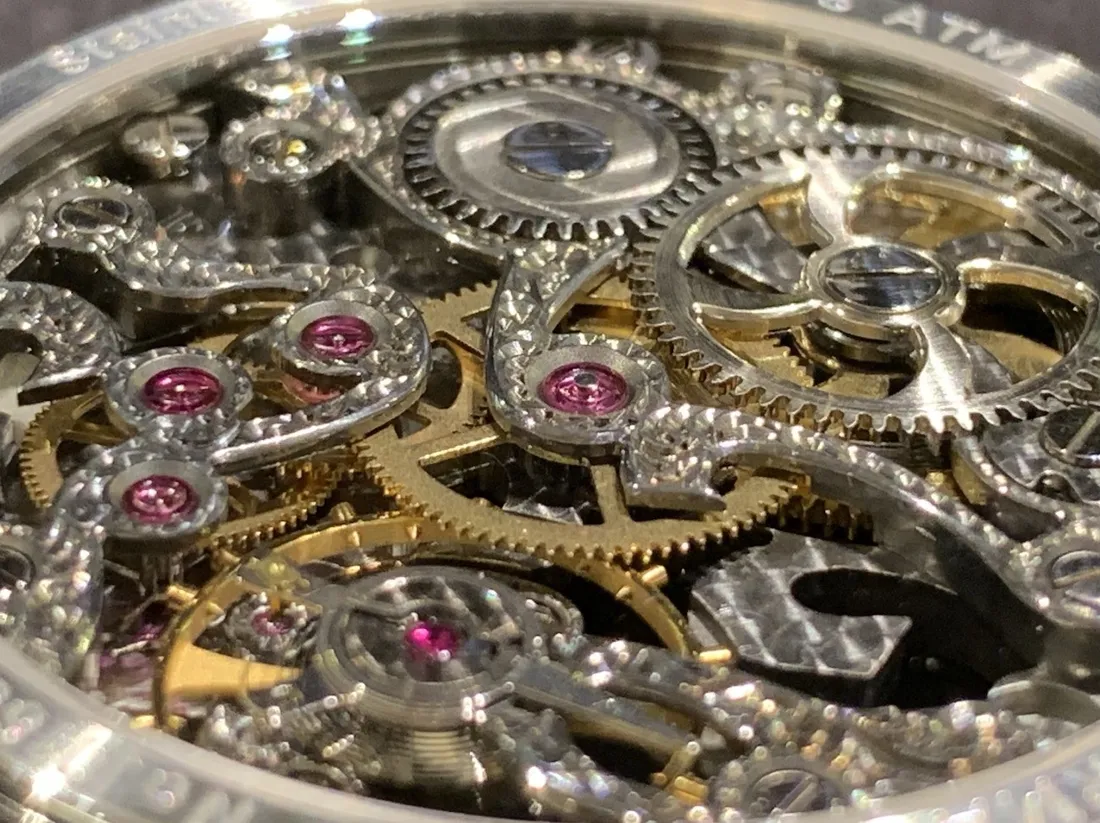
The fine wheels inside the watch recall the way the neural webs of the brain send electrical signals to one another. One passes energy to the next; if one slows, the flow of time goes wrong. It is exactly like the flawless communication of the nervous system in a human body.
The balance wheel ticking at the heart of the watch imitates that rhythmic, life-giving beat of the human heart. Every oscillation is the pulse of this mechanical body. The timing screws set around its rim are the handmade version of correcting the speed of a heart.
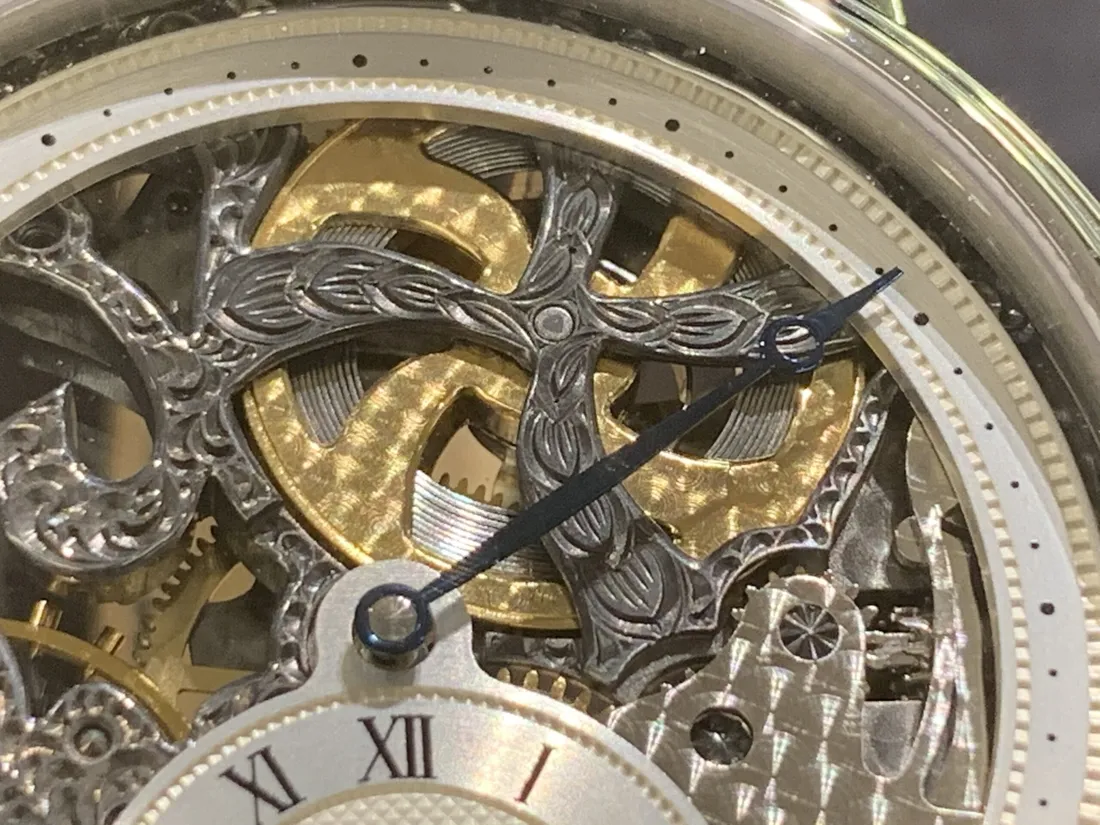
The winding, organic motifs worked into the bridges with the craftsman’s graver recall the capillary networks of the human body and the helical architecture of DNA. The plates are first cut away one by one with a jeweller’s saw, and the skeleton that remains is then filled in with gravers; the plating is done in the workshop too, which is why each part can carry a colour of its own.
To let the time be read with extraordinary clarity, the watch separates the hour and minute indications from one another in a regulator layout. The hours are read on a small guilloché dial at six, in Roman numerals under a short Breguet hand; the minutes belong to the long blued hand that travels over the whole skeleton. This is like the different organs of a human body carrying out their tasks with perfect autonomy; each system is flawless in its own province, yet serves the harmony of the whole.
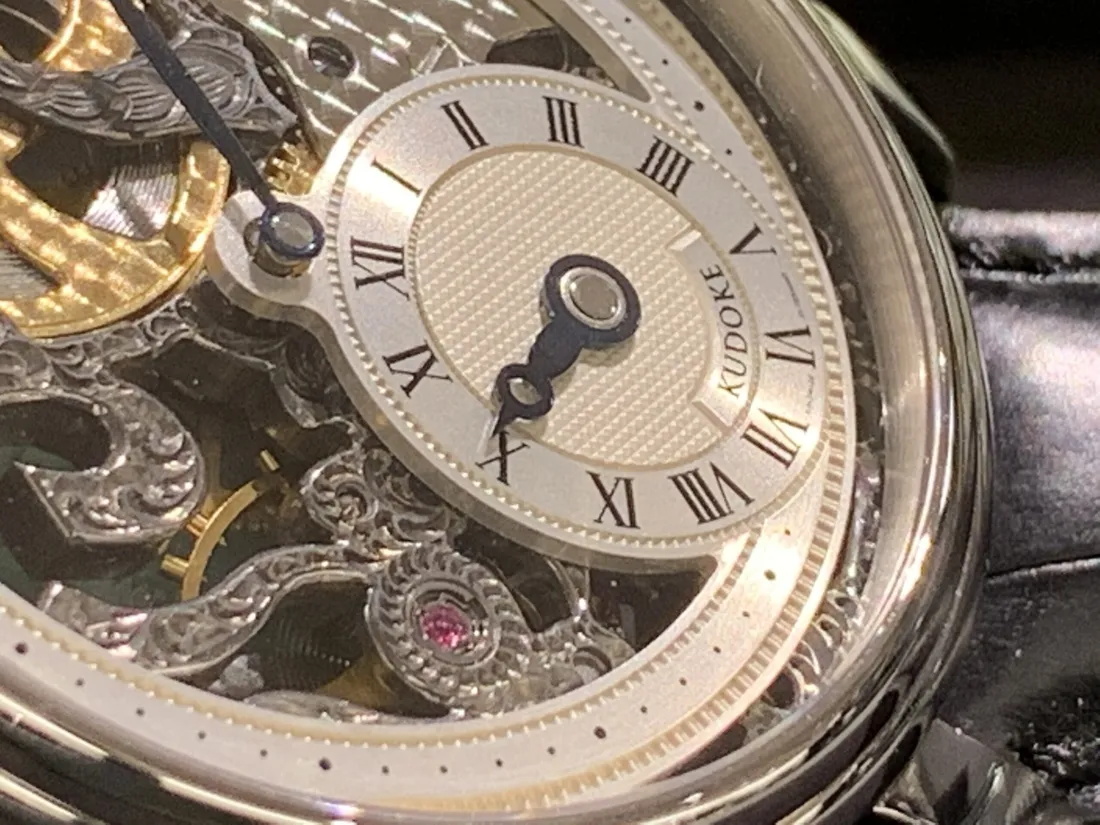
Look at the back of the watch and at the front, and no secret is left. That pure, unadulterated, honest approach of German craft is like the transparency of the human body. There is nothing concealed, nothing hidden; every part performs the duty that falls to it as though in an act of worship.
format_quote"There is nothing concealed, nothing hidden; every part performs the duty that falls to it as though in an act of worship."
Hasan Bekmezci
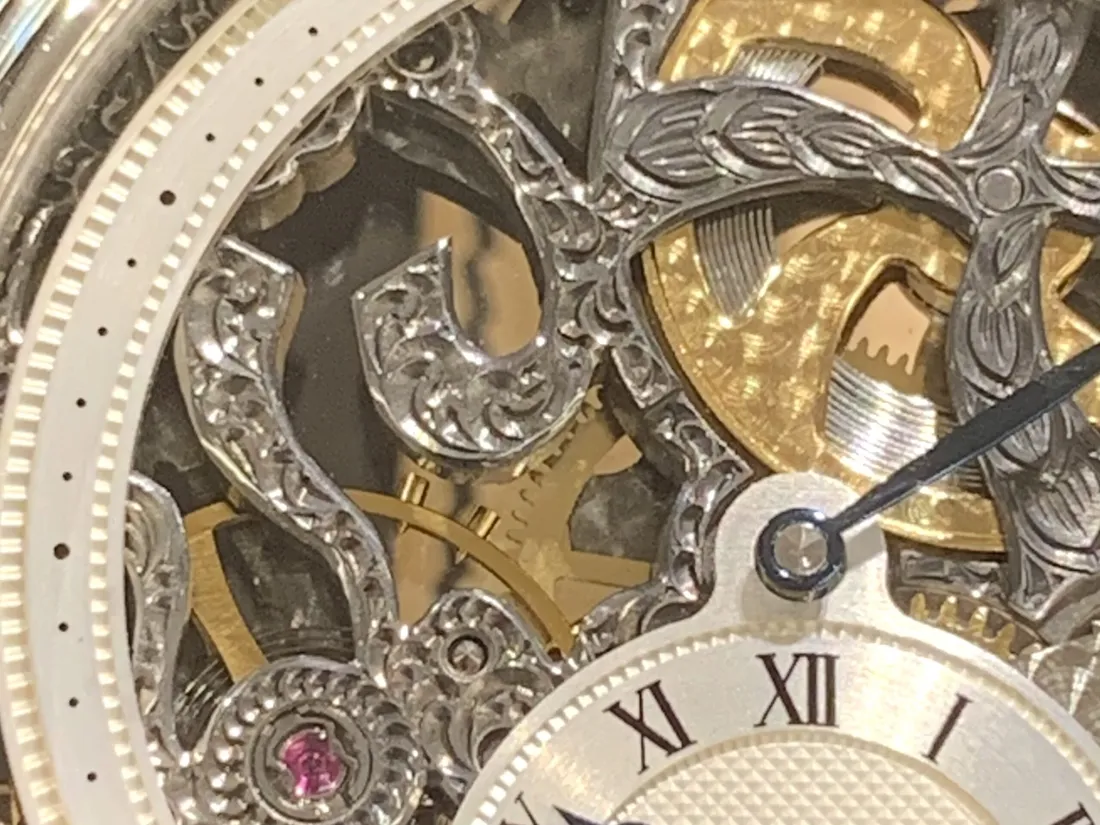
One of them is that great universe called a human being, made of 37 trillion cells, of seventy-four billion kilometres of DNA and of vital systems working without a fault; the other is the KUNSTwerk Rekulater, that universe reflected in craft through steel and the patience of a human hand.
When the universe shrank and fitted into a man, the man in turn fitted that universe, and the immense mathematics inside himself, into a watch. One is the living art of the Creator; the other is the mechanical prayer of the servant trying to read that art.
The watch in its maker’s own words: KUDOKE, the KUNSTwerk collection